

West Iceland Travel Guide: Weather, Geology & Things to Do
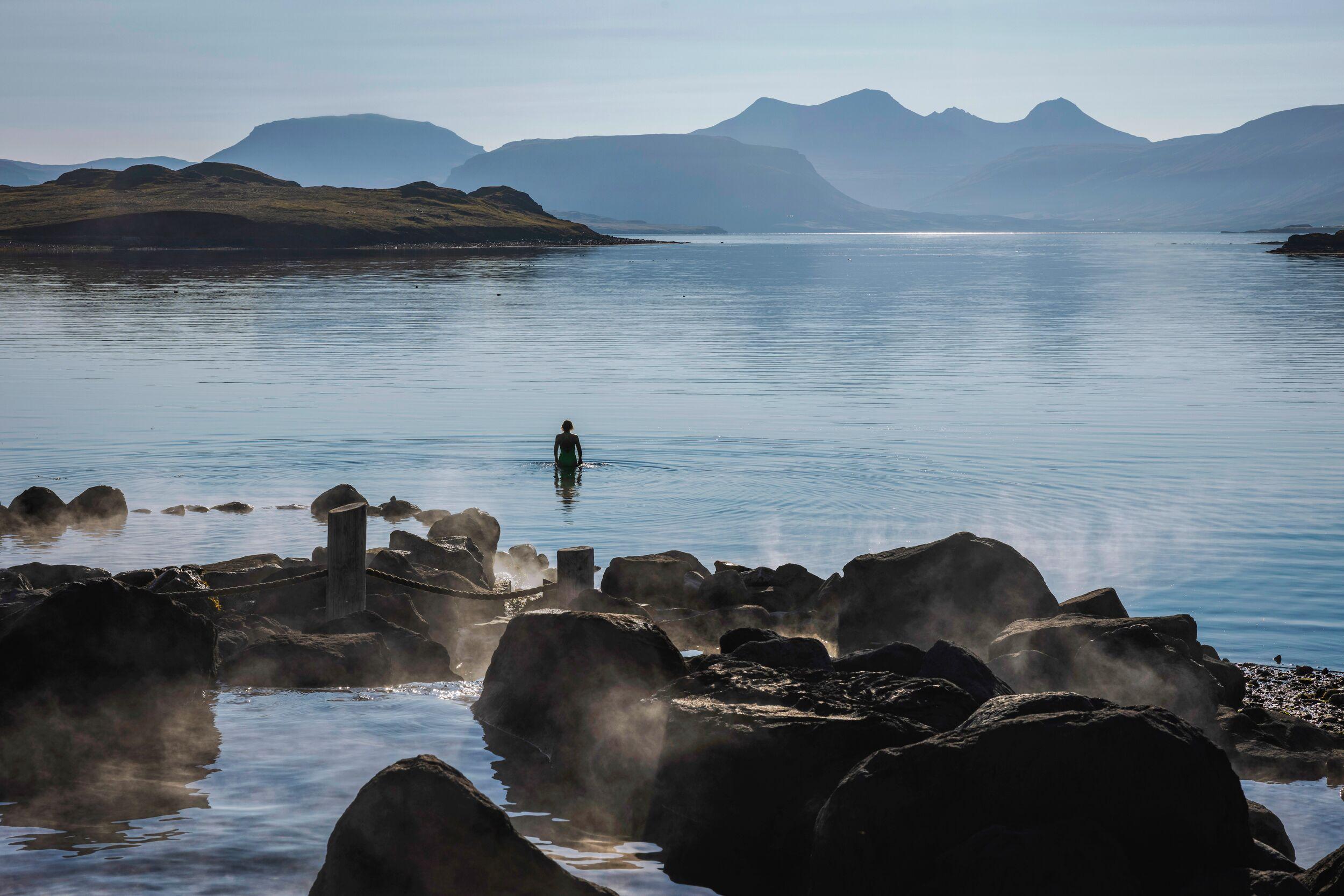
Table of Contents
- 1West Iceland at a Glance
- 2How to Get Around West Iceland
- 3Public Transport
- 4Guided Tours
- 5Self-Drive Tours
- 6Tailor-Made Vacations
- 7Infrastructure and Services
- 8West Iceland Weather
- 9The Geology of West Iceland
- 10History and Sagas
- 11What to See in West Iceland
- 12What to Do in West Iceland
- 13Long story short
- 14West Iceland Travel Guide — Frequently Asked Questions
West Iceland at a Glance
West Iceland—Vesturland in Icelandic—is one of the most varied regions in the country. In a single trip you can go from Reykjavík’s easy infrastructure to dramatic coastlines, black-sand beaches, lava fields, glacier views, and small towns built around fishing and farming.
Because Reykjavík sits on the western side of the island and is home to most of Iceland’s population, West Iceland is also one of the most accessible regions to explore. Whether you’re traveling on a short break or building a longer itinerary, it’s a region that rewards slow travel and frequent stops.
How to Get Around West Iceland
Reykjavík is the most convenient starting point, with paved main roads and a wide choice of day tours and multi-day itineraries. West Iceland is a great match for travelers who want flexibility, because many highlights are close to the road and easy to combine.
Your best options depend on how much independence you want and how comfortable you are with planning.
Public Transport
If you want to stop frequently and visit natural attractions, public transport is rarely the best fit. Rural bus schedules are limited and primarily designed for local travel between communities, not for sightseeing.
You can still use buses for point-to-point travel, but for a true “see everything along the way” experience, self-drive or guided tours will usually be more practical.
Guided Tours
Guided tours are an easy way to experience West Iceland—especially if you’re short on time or traveling in winter. You’ll get local context, efficient routing, and help with conditions (wind, snow, road closures) when they matter most.
Many West Iceland tours run as day trips from Reykjavík, while others cover two days and include overnight stays. Popular routes often focus on the Snæfellsnes Peninsula or the Borgarfjörður region (often visited as part of the Silver Circle area).
Self-Drive Tours
If you love independence and want time for short hikes, detours, and spontaneous photo stops, self-drive is ideal. To explore West Iceland properly, plan for 3–4 days, especially if you want to include Snæfellsnes and Borgarfjörður at a relaxed pace.
Self-driving does require a bit more research and planning—but the reward is freedom. You can linger at viewpoints, add extra stops, and shape each day around your interests.
Tailor-Made Vacations
If you want the flexibility of driving yourself without spending hours planning, tailor-made self-drive packages sit in the sweet spot. A local travel advisor designs an itinerary around your interests and timing, and the package includes essentials like car rental, accommodations, and pre-booked activities.
This option is especially helpful during busy seasons when hotels sell out quickly, or when you want a smooth route without guesswork.
Infrastructure and Services
Once you leave Reykjavík, West Iceland becomes more sparsely populated. Small communities may have limited dining and shopping, so it’s smart to plan fuel and food stops.
Two convenient service hubs north of Reykjavík are Akranes and Borgarnes, where you’ll typically find supermarkets, cafés, restaurants, and larger gas stations. On Snæfellsnes, towns like Ólafsvík and Stykkishólmur offer more services, while villages such as Grundarfjörður have essentials and seasonal dining options.
If you plan to stay outside Reykjavík—especially in summer—book accommodations in advance.
West Iceland Weather
West Iceland’s coastal climate is influenced by warm ocean currents, so average temperatures can be slightly milder than parts of the north and east. That said, “milder” doesn’t always mean “calm”—the west can bring cloud cover, wind, and fast-changing conditions.
Reykjavík is comparatively mild in winter, with snow often arriving later and melting earlier than in many regions. On the Snæfellsnes Peninsula, expect more exposure to wind and weather, particularly in winter months—conditions can shift quickly along the coast.
If you’re planning your trip by season, aim to build flexibility into your itinerary so you can swap days if wind or visibility changes.
The Geology of West Iceland
West Iceland is among the oldest parts of the island in geological terms. Iceland formed where tectonic plates pull apart while a deep mantle hotspot feeds volcanic activity. Over millions of years, the island has grown and shifted as new land formed nearer the rift zones.
Later, glaciers shaped the terrain—carving valleys, smoothing mountains, and leaving behind dramatic contrasts between volcanic rock and ice.
Snæfellsjökull, the iconic glacier-capped volcano on Snæfellsnes, is a defining feature of the region and one of Iceland’s most famous natural landmarks. Even when it’s not the focus of your itinerary, it tends to “appear” as a constant presence in clear weather.
History and Sagas
West Iceland is closely tied to Iceland’s settlement history and the sagas. Early settlement stories connect to the Reykjavík area, while the Snæfellsnes and Borgarfjörður regions are often associated with saga landscapes and key historical figures.
The region is sometimes called “Sagaland” because so many narratives and locations from Icelandic saga literature connect to western areas. Visiting West Iceland isn’t just a nature trip—it’s also a chance to experience places that shaped Iceland’s identity and storytelling traditions.
What to See in West Iceland
A helpful way to plan is to break West Iceland into a few “mini-regions,” then choose based on your time:
- Reykjavík and the surrounding area (easy access, lots of day-trip options)
- Snæfellsnes Peninsula and Breiðafjörður (coastlines, mountains, villages, and iconic landscapes)
- Borgarfjörður / Silver Circle area (waterfalls, lava fields, geothermal highlights)
- Reykjanes Peninsula (geothermal areas and dramatic terrain near Keflavík)
Note: the Golden Circle is often bundled into “west” itineraries due to proximity to Reykjavík, but it is typically categorized as South Iceland.
What to Do in West Iceland
Take a Road Trip
Many of West Iceland’s best sights are road-accessible, which makes the region ideal for scenic drives. Your pace can be as relaxed or as efficient as you like—quick photo stops, short walks, or longer hikes.
Parking is often close to viewpoints and main attractions, so you can enjoy a lot without committing to long treks, especially in colder months.
Explore a Lava Cave
Iceland has hundreds of lava caves, and several of the most memorable options are in West Iceland and the greater Reykjavík region. Caves vary widely—some are spacious and easy to navigate, others more rugged.
For safety and conservation, lava caves are typically visited on guided tours. With the right footwear and a guide, this is one of the most unique experiences the region can offer.
Wrap Up for an Ice Cave (or Ice Tunnel)
Langjökull glacier is home to a man-made ice tunnel experience that lets you step inside the glacier year-round. Expect shimmering ice walls, changing textures, and unforgettable photo opportunities.
This experience is often paired with other Borgarfjörður-area highlights on day tours, or visited as a stand-alone adventure depending on your itinerary.
Go Whale Watching
If whale watching is on your list, Reykjavík is a practical base—especially for short trips. For travelers who stay in the west, Breiðafjörður and coastal towns on Snæfellsnes can also offer excellent opportunities, with chances to see whales, dolphins, and—at times—orcas depending on season and conditions.
As always, wildlife sightings vary, but West Iceland gives you multiple launch points without needing to drive to the north.
Soak in Geothermal Water
West Iceland and the greater Reykjavík area offer everything from raw natural hot springs to polished geothermal spas. You can choose between quick scenic soaks, full spa experiences, and remote fjord-side bathing that feels closer to how locals enjoy hot water in nature.
This is an easy “upgrade” day for any itinerary—especially when the weather turns windy or rainy.
Hike a Glacier
Snæfellsjökull is Iceland’s most famous glacier-capped volcano, and glacier hikes here can be spectacular in clear weather. Glacier travel requires proper gear and local guidance, and tours are best for travelers with solid fitness and comfort on uneven terrain.
The payoff is big: wide coastal views, dramatic volcanic landscapes, and that unique feeling of standing on ice above the sea.
Take a Hike
West Iceland offers hiking for all levels—from short coastal paths to longer summer routes. Snæfellsnes is especially strong for scenic trails with ocean views, cliffs, and lava landscapes.
Closer to Reykjavík, you’ll find popular routes like the Glymur area (seasonal conditions apply), where trail conditions can change depending on river crossings and weather. Plan ahead, and consider traction gear in winter if you’re heading onto icy paths.
Long story short
West Iceland is one of the best regions in Iceland for travelers who want variety—coasts, volcanoes, waterfalls, caves, sagas, spa time, and road trips—without needing to spend the entire trip driving long distances.
If you’re building an itinerary, choose your mini-regions, plan your pace, and keep a bit of flexibility for weather. Done right, West Iceland can easily be the highlight of an Iceland trip—whether you have one day or a full week.
West Iceland Travel Guide — Frequently Asked Questions
Plan for about 3–4 days to explore West Iceland properly at a relaxed pace, especially if you want to include both the Snæfellsnes Peninsula and the Borgarfjörður (Silver Circle) area. Highlights closer to Reykjavík can be seen on a single day trip.
Self-drive and guided tours are the most practical options. Many highlights sit close to paved roads and combine easily. Public transport is limited and designed for local travel rather than sightseeing, so it is rarely ideal for visiting natural attractions.
West Iceland (Vesturland) is known for the Snæfellsnes Peninsula and its glacier-capped volcano Snæfellsjökull, the waterfalls and geothermal sites of the Borgarfjörður / Silver Circle area, lava caves, the Langjökull ice tunnel, and its deep ties to the Icelandic sagas — earning it the nickname 'Sagaland'.
Yes. Reykjavík sits on the western side of the island, so many West Iceland highlights are within easy reach. Snæfellsnes and the Silver Circle are both popular as full-day trips, while a longer stay lets you slow down and add more stops.
West Iceland is a year-round destination. Summer offers long daylight and easier access for hiking and self-drive, while winter brings snowy landscapes and northern-lights chances but more changeable, windy coastal weather — so build flexibility into your itinerary.
Not necessarily. A rental car or a tailor-made self-drive package gives the most freedom, but guided day tours from Reykjavík cover the main highlights without driving — a good choice in winter or if you would rather not plan the route yourself.
Highlights include scenic road trips, exploring a lava cave, stepping inside the Langjökull ice tunnel, whale watching, soaking in geothermal lagoons and hot springs, glacier hiking on Snæfellsjökull, and coastal hikes around Snæfellsnes.
The Golden Circle is often bundled into West Iceland itineraries because it is close to Reykjavík, but geographically it is categorised as South Iceland. West Iceland's own equivalent loop is the Silver Circle around Borgarfjörður.
Read more
See all articles
Recommended tours
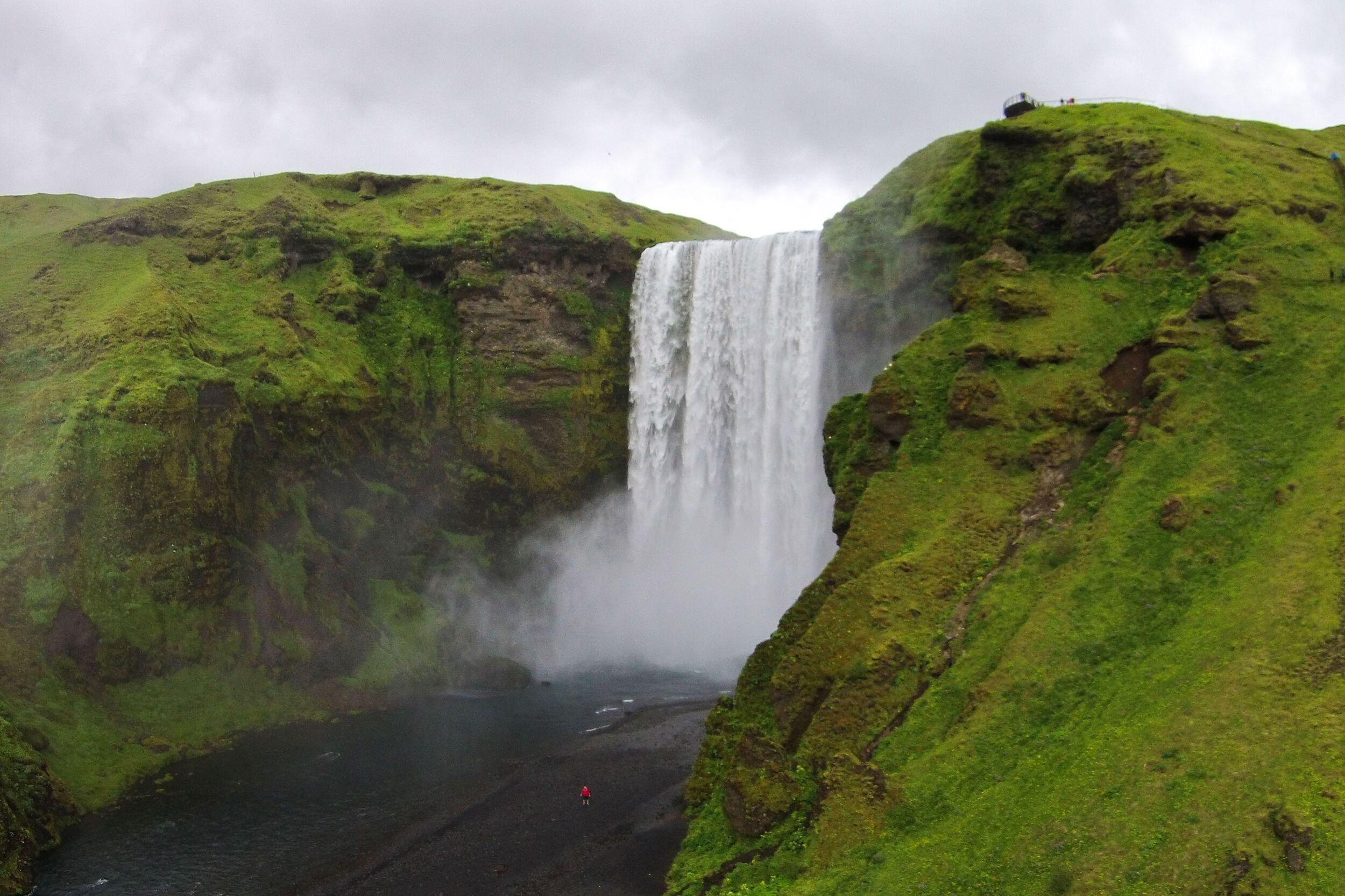
Highland Bus - Reykjavík to Skógar
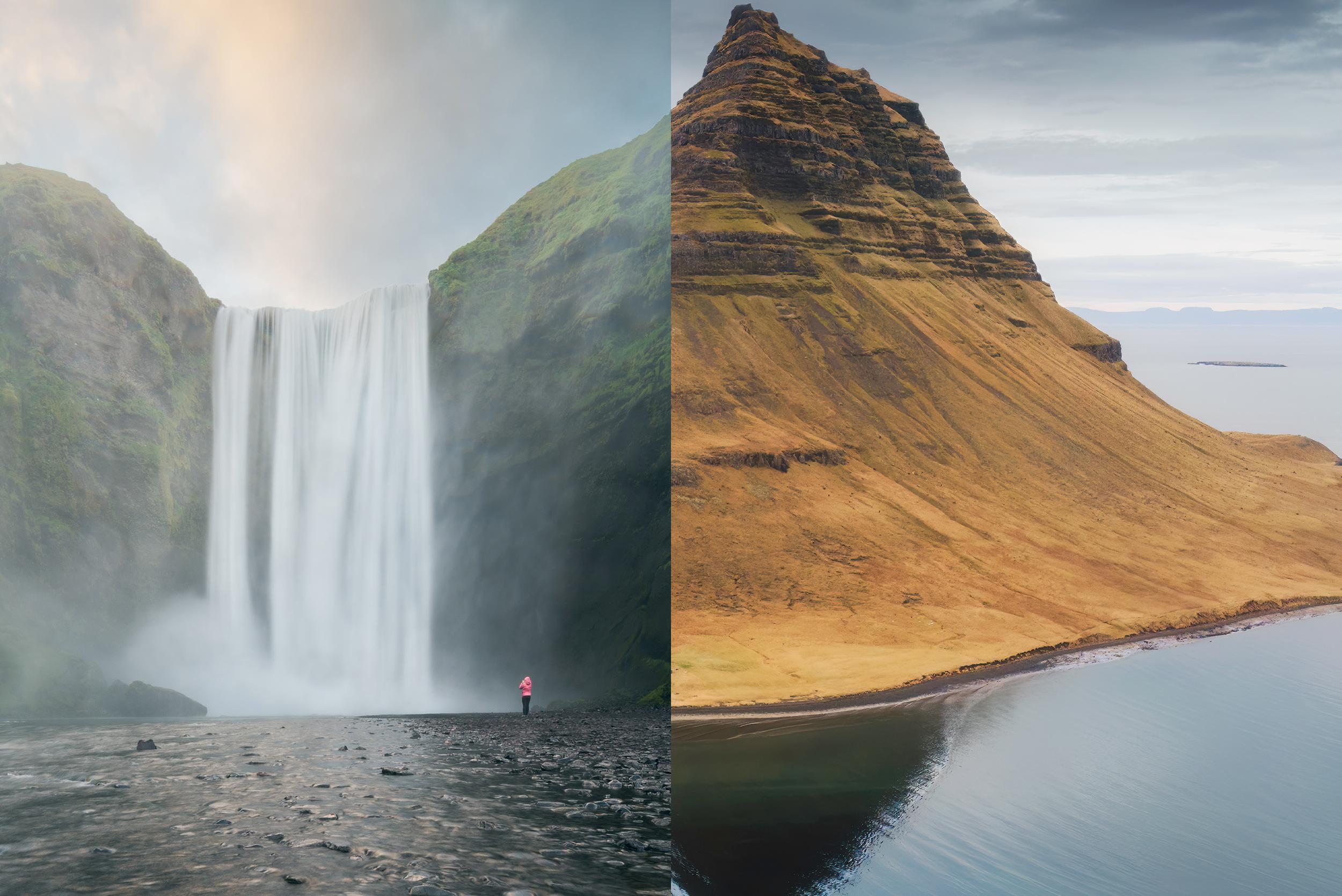
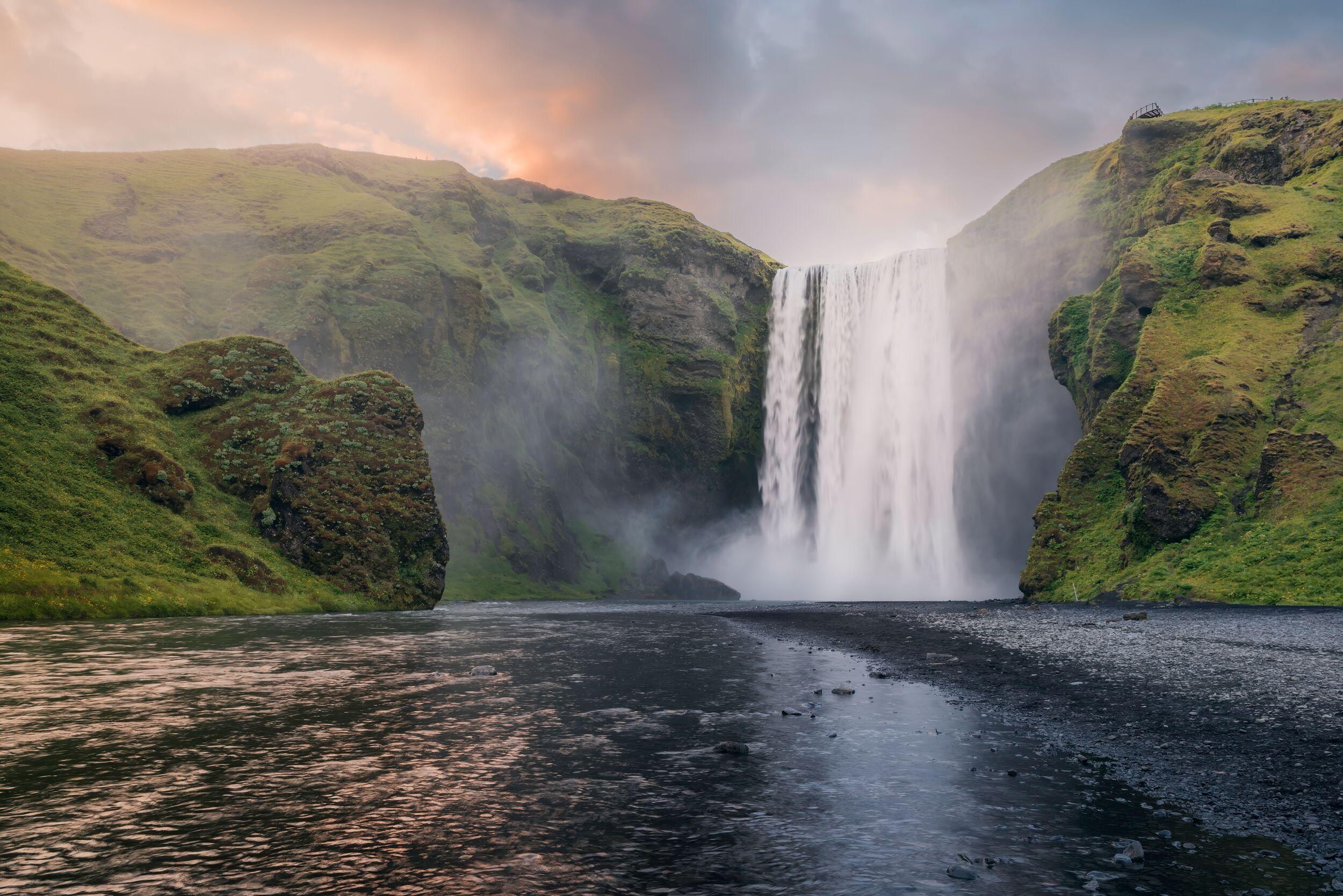
In the summer, Skógar comes alive, turning into a lush green wonderland under the towering Eyjafjöll mountains. The area is home to one of Iceland’s most famous waterfalls, Skógafoss, a pearl of the south coast. The drive to Skógar is a scenic ride through the picturesque south of Iceland, passing by small farms and charming villages with astounding views of the surrounding mountains and volcanoes on clear days. Whether you are planning a day trip to the region or a multi-day hike, leave the driving to us!
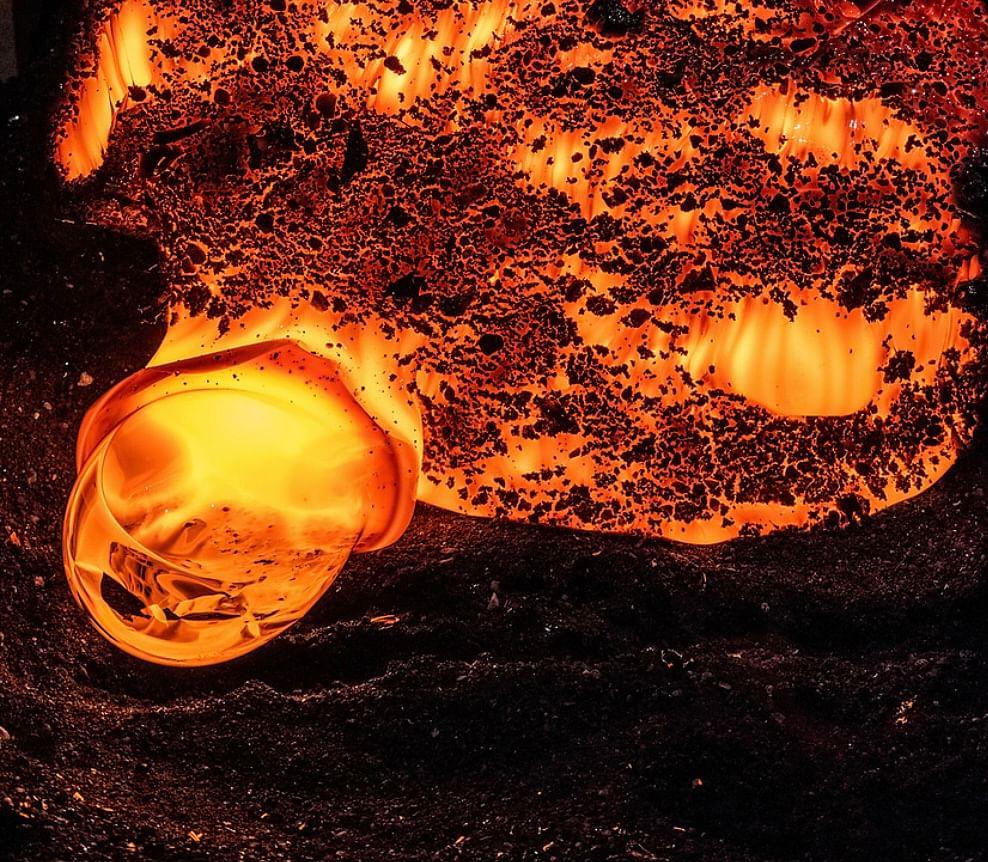
Lava Show Reykjavík
Get closer to real molten lava than ever before at Lava Show Reykjavík. This one-of-a-kind experience combines live lava, volcanic storytelling and Icelandic geology in an unforgettable indoor show.