

- Best time to visit
- Summer only (late June – September)
- Coordinates
- 63.9930, -19.0650
- Distance from Reykjavík
- 185 km (115 miles)
Fjallabak Nature Reserve: Iceland's Highland Wilderness
What is Fjallabak Nature Reserve?
The name Fjallabak means 'the back of the mountains' — and it perfectly captures the sense of stepping into a hidden world beyond the everyday landscape of Iceland. Established as a nature reserve in 1979, Friðland að Fjallabaki protects a vast swathe of the Southern Highlands, stretching across almost 470 square kilometres of volcanic terrain at altitudes between 600 and 900 metres above sea level.
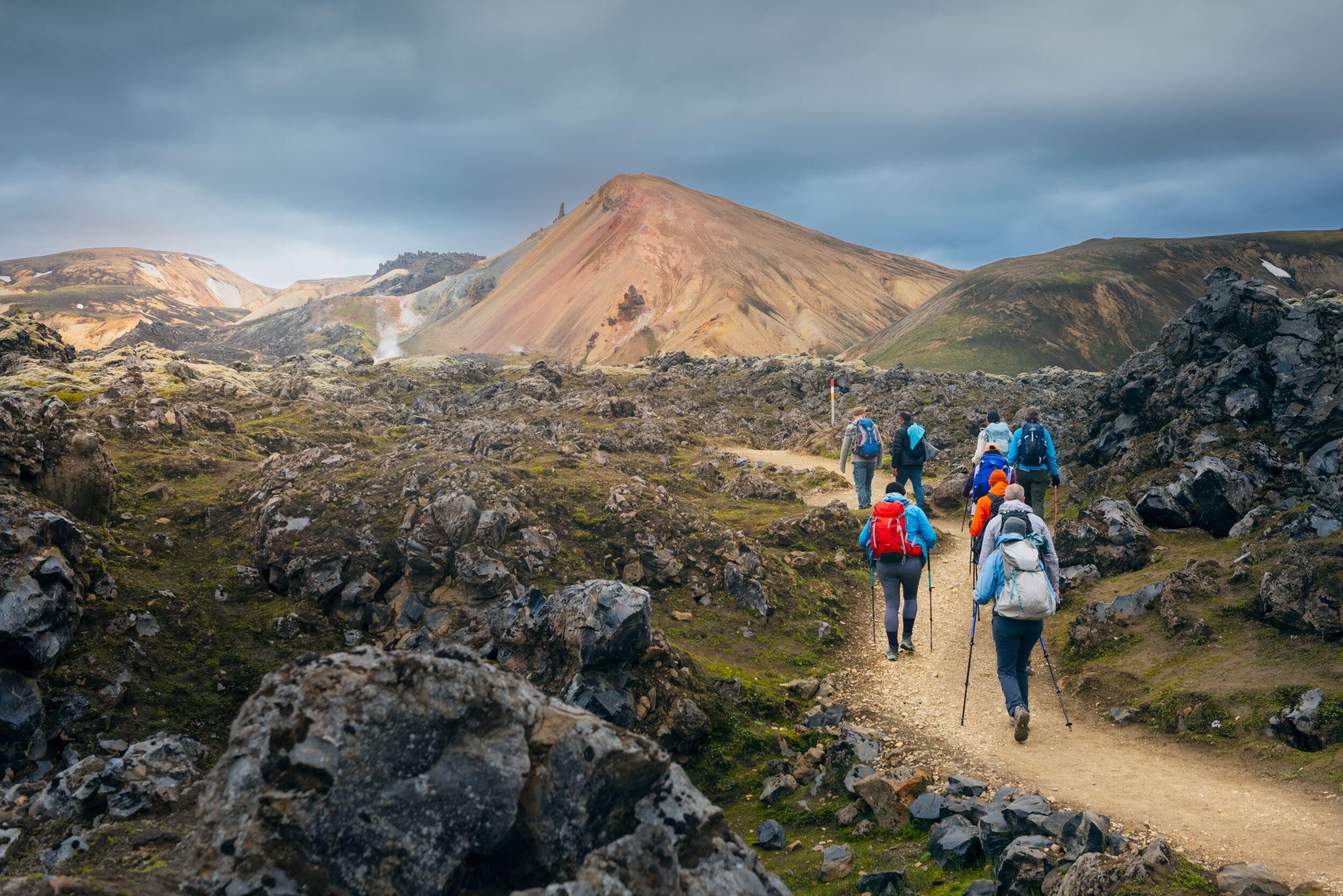
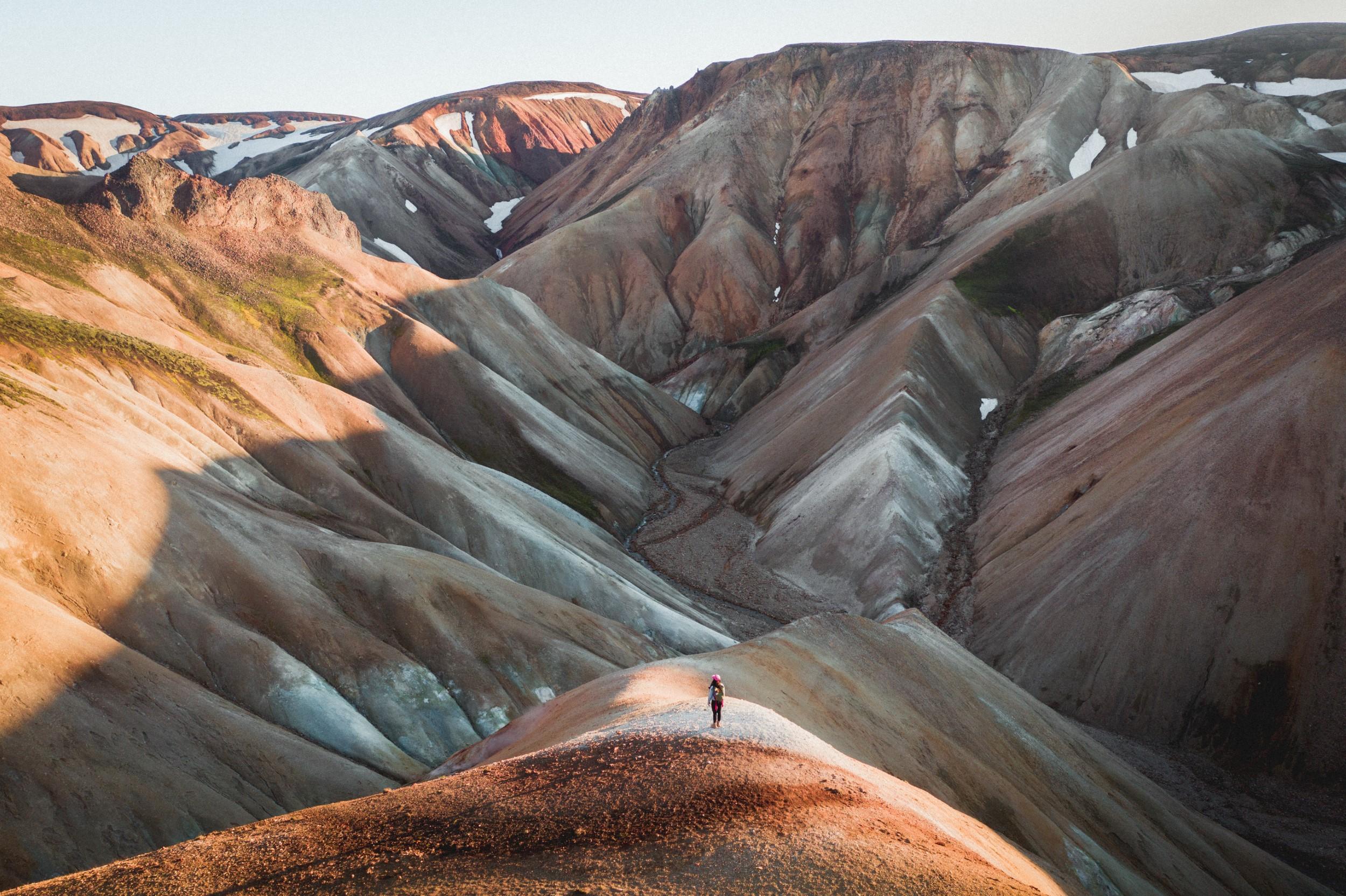
What makes Fjallabak visually unlike anywhere else on earth is its rhyolite mountains. Rhyolite is a volcanic rock that forms in a riot of colours — vivid reds, pinks, yellows, greens, and purples — and the mountains of Fjallabak are draped in it. Walking through the reserve feels, at times, like moving across the surface of another planet.
Alongside the coloured mountains, the reserve contains geothermal hot springs, obsidian lava fields, glacial rivers, and some of Iceland's most celebrated hiking routes. It is a place that rewards those willing to make the journey into the highlands.
Landmannalaugar: the heart of Fjallabak
At the centre of the reserve sits Landmannalaugar, one of the most famous destinations in all of Iceland. The name roughly translates as 'the hot baths of the people of the land', and it earns that name. Here, a natural geothermal stream of warm water flows out from beneath a lava field and mixes with a cooler glacial river, creating a series of natural pools at the perfect bathing temperature — typically around 35 to 40 degrees Celsius.
Bathing in these open-air pools, surrounded on all sides by mountains of green, yellow, and red rhyolite, is one of those experiences that is genuinely difficult to describe. It is simply one of the great natural experiences Iceland has to offer. The pools are open to all and free to use — you need only bring a swimsuit and a sense of wonder.
Landmannalaugar also has a mountain hut operated by Ferðafélag Íslands (the Icelandic Touring Association), making it possible to stay overnight. The hut has sleeping bag accommodation, a cooking area, and basic facilities. Camping is also available nearby. Booking well in advance is strongly advised, as places fill up quickly during the summer season.
Hiking in Fjallabak
Fjallabak is a hiker's paradise, and Landmannalaugar is the starting point for one of the world's most celebrated long-distance walking routes: the Laugavegur trail. This 55-kilometre route winds south through the highlands to Þórsmörk, taking walkers through an extraordinary succession of landscapes — obsidian lava fields, ice-blue glaciers, steaming fumaroles, glacially carved valleys, and the wildflower meadows of Þórsmörk.
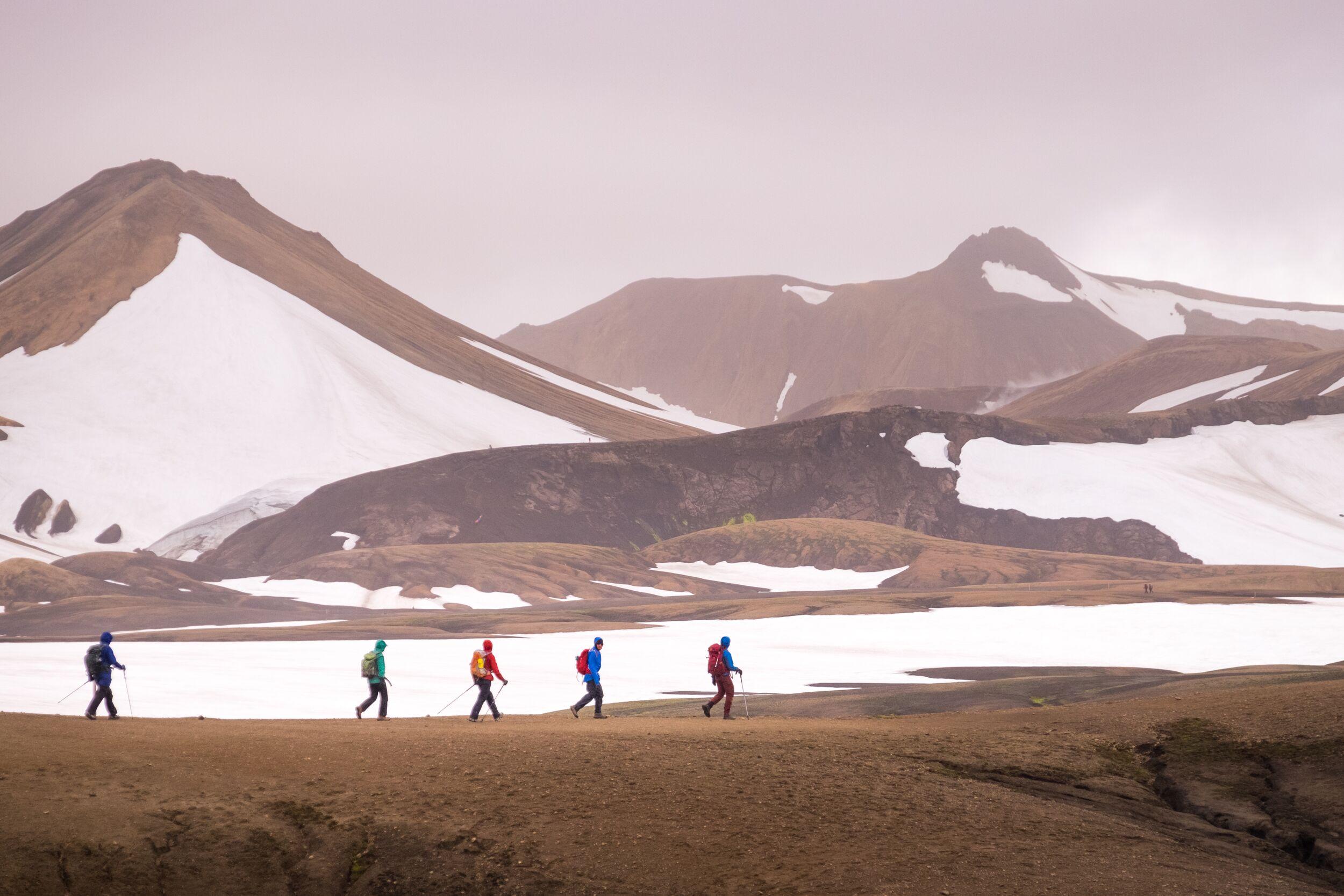
Most hikers complete Laugavegur over four days, staying at mountain huts along the route. The trail is well marked and does not require technical mountaineering skills, but it does demand good physical fitness, proper gear, and respect for the unpredictable highland weather. There are river crossings that may require removing boots, and conditions can change rapidly. Many hikers add the Fimmvörðuháls section at the end, continuing from Þórsmörk all the way down to the south coast village of Skógar.
For those who prefer day hiking, the area around Landmannalaugar itself offers a number of shorter routes of varying difficulty. The ascent of Bláhnúkur (the Blue Peak) is a popular choice — a steep but rewarding climb with panoramic views across the reserve's coloured mountains. Brennisteinsalda (the Sulphur Wave) is another dramatic option, with steaming fumaroles and brilliant colours throughout the ascent.
Eldgjá — the world's largest volcanic canyon
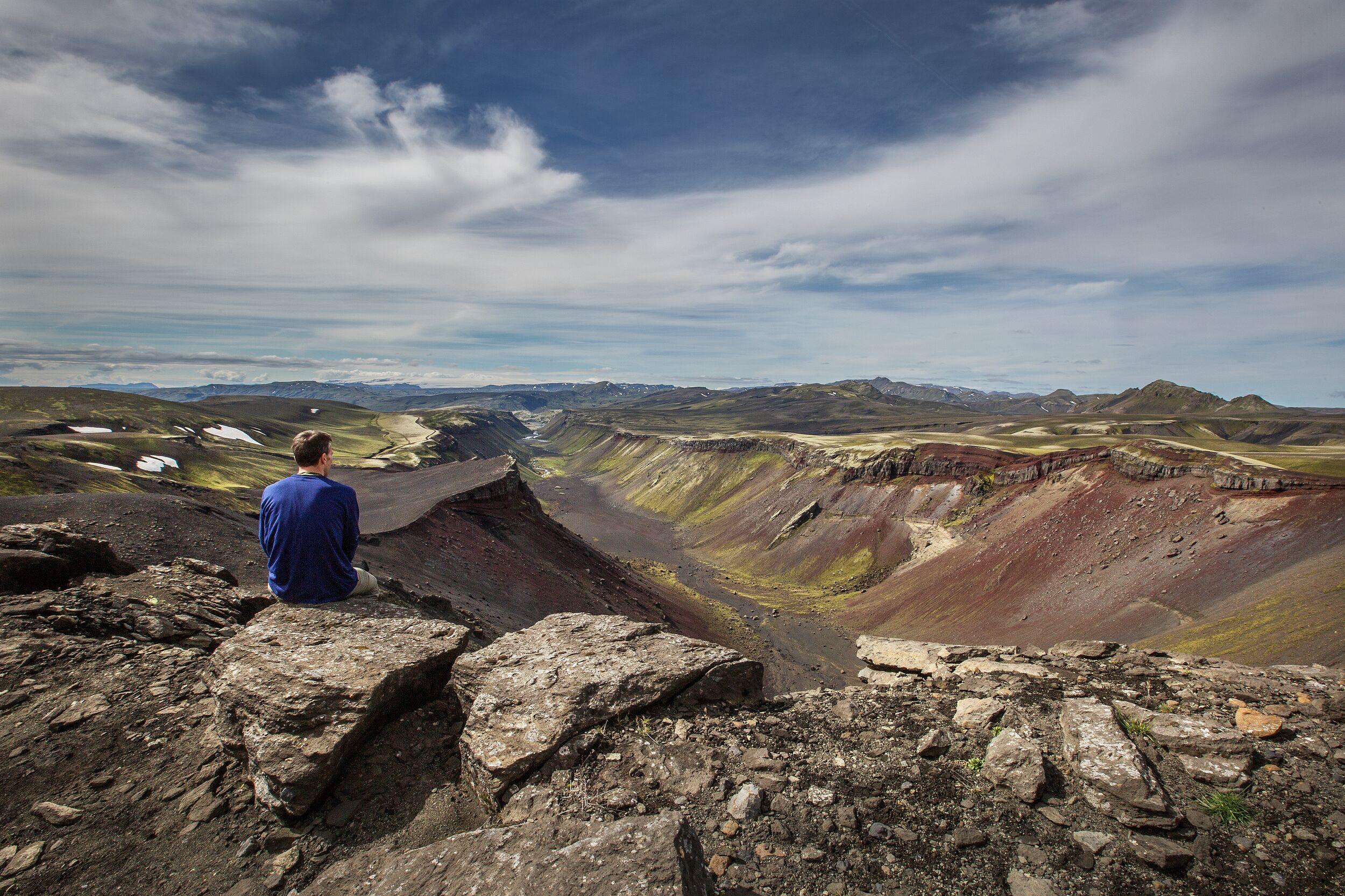
Beyond Landmannalaugar, deeper into the reserve, lies Eldgjá — one of the largest volcanic canyons on the planet. Stretching for approximately 40 kilometres, reaching up to 600 metres wide and 200 metres deep, Eldgjá was formed during a catastrophic fissure eruption around 939 AD. It is believed to have been one of the most voluminous eruptions in recorded history, and the sulphur it released into the atmosphere contributed to a period of climate disruption felt across the northern hemisphere.
Ófærufoss is a dramatic waterfall that drops into a narrow gorge of dark basalt inside the canyon. The canyon walls tower above you as you walk to the falls, and the scale of the place — the sheer geological violence that created it — is humbling. Eldgjá is reached via the F233 road and requires a high-clearance 4WD vehicle.
Getting to Fjallabak Nature Reserve
Fjallabak lies in Iceland's interior highlands, around 185 kilometres from Reykjavík. The journey takes approximately three and a half to four hours by 4WD. The highland roads — known as F-roads — that lead into the reserve are only open in summer, typically from late June through to September, depending on conditions. Driving on F-roads with a standard 2WD vehicle can be genuinely dangerous.
The main route to Landmannalaugar is via Route 1 east from Reykjavík, then onto the F208 (Fjallabaksleiðin Syðri). This road involves several river crossings, which is why a proper 4WD with high clearance is essential. Always check road conditions before setting out via the Vegagerðin website or app, and never attempt a river crossing if you are unsure.
The easiest and safest way for most visitors to experience Fjallabak is on a guided highland tour from Reykjavík. Specialist operators run day tours and multi-day excursions using converted Super Jeeps or large 4WD buses designed for highland conditions. These tours handle all the logistics — the driving, the river crossings, and the local knowledge — leaving you free to take in one of the most remarkable landscapes on earth.
Nearby Attractions
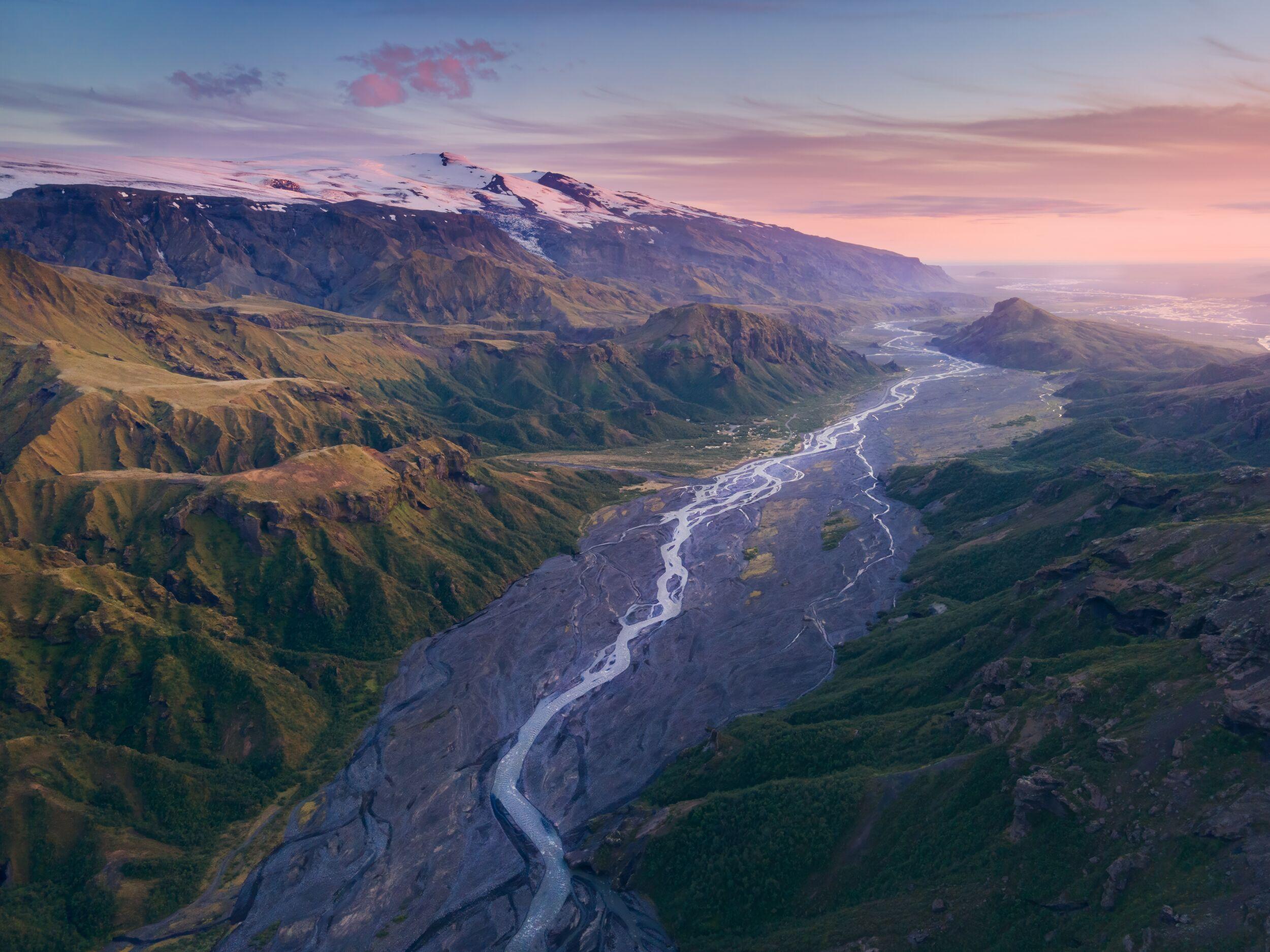
Related Tours
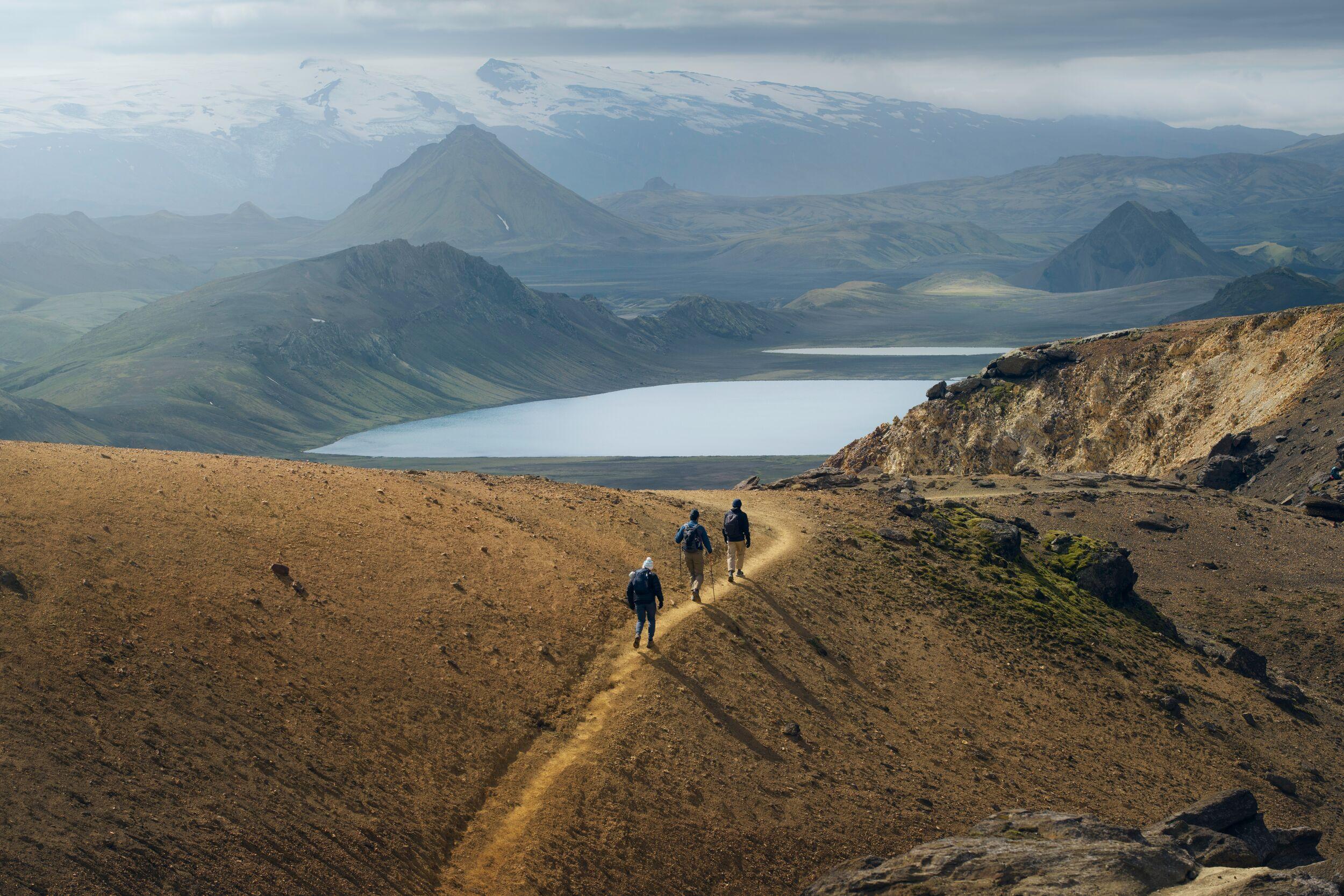
5-Day Laugavegur Trek in Huts
The popular Laugavegur hiking route from the Landmannalaugar region to the Þórsmörk area is a 56-kilometre (35-mile) multi-day hike that attracts backpackers and hikers worldwide. If you’re coming to Iceland to hike just one trail, this is the one. Its popularity stems from various landscapes: bubbling hot springs, vast glaciers, beautiful mountains, stunning waterfalls, and roaring rivers.
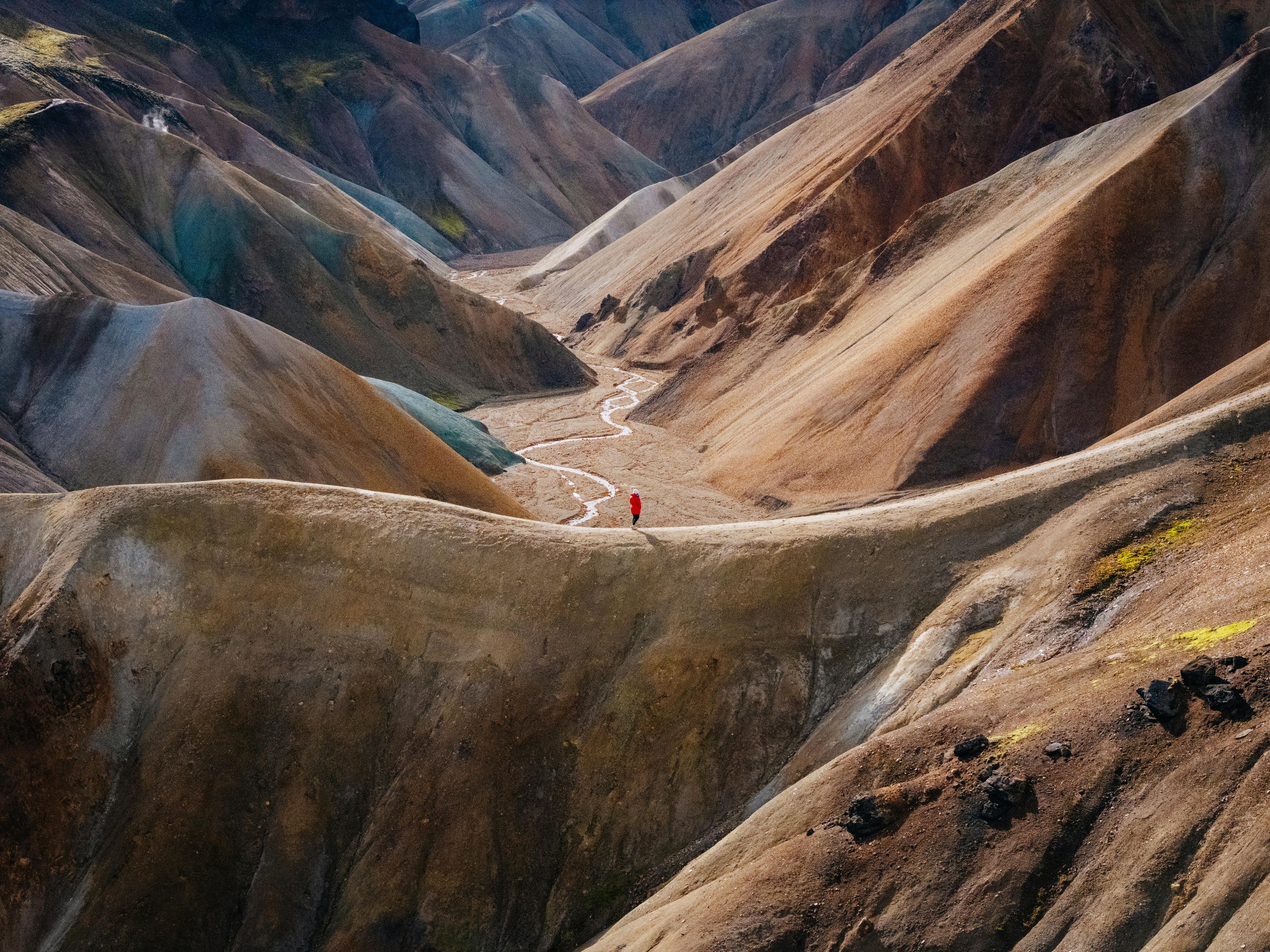
Off the Beaten Path in Fjallabak Nature Reserve
This 4-day hiking journey through the Fjallabak Nature Reserve is an off-the-beaten-path adventure in the same enchanting area as the renowned Laugavegur trail. This trek offers a secluded exploration of varied landscapes, including geothermal hot springs, vast lava fields, and impressive waterfalls in one of Iceland's most captivating reserves.
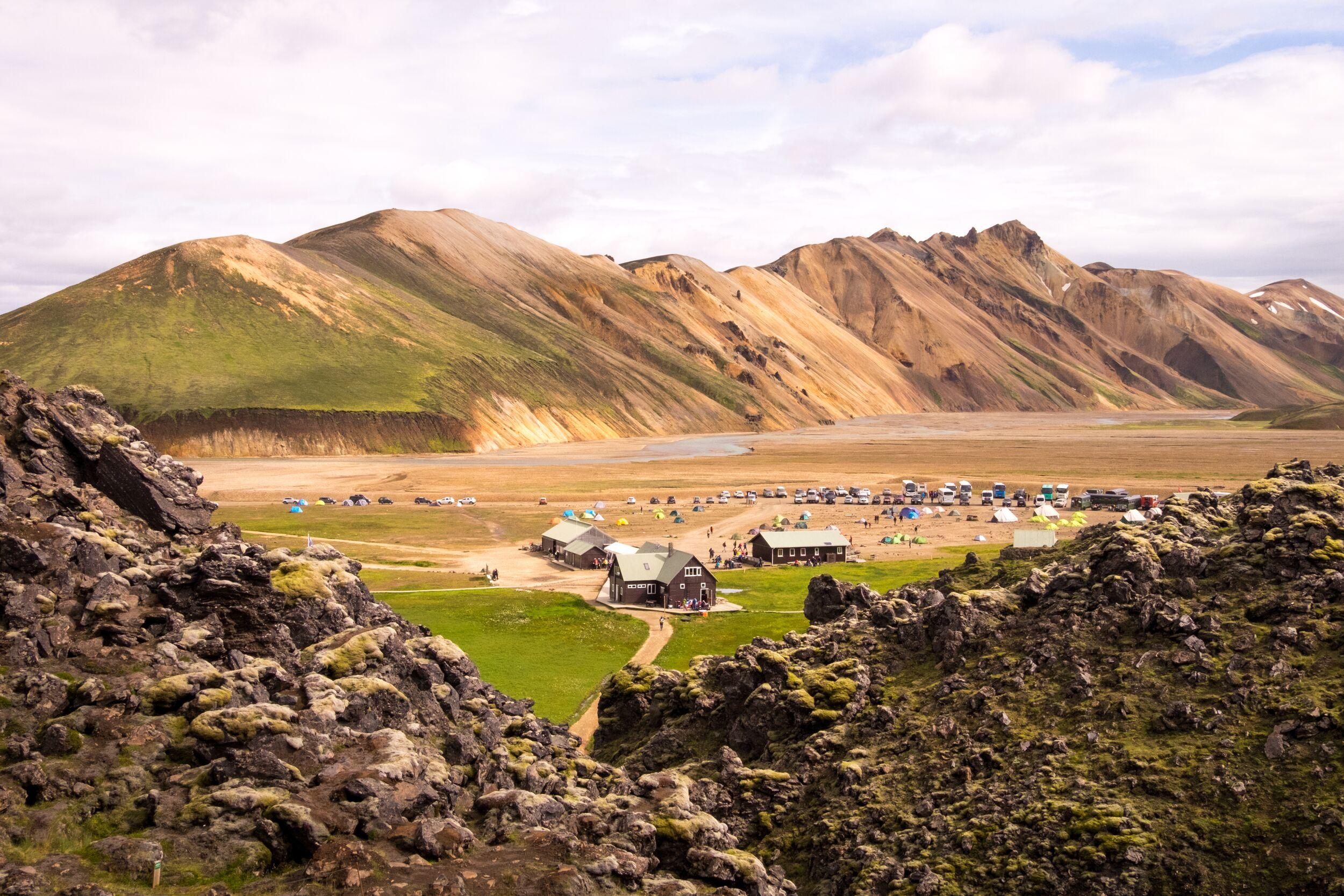
Highland Bus - Reykjavík to Landmannalaugar
The highlands are spectacular. If you’ve seen a picture of multi-coloured mountains in what seems to be a vast, remote wilderness in Iceland, it’s probably from Landmannalaugar. This region of Iceland is a hiker’s paradise, with hiking trails along rhyolite mountains, natural geothermal hot springs and wide-open spaces. If you are planning to hike Landmannalaugar and/or the Laugavegur Trail, leave the driving to us and hop on the highland bus!