

Plan your Iceland Highlands Itinerary for 2026
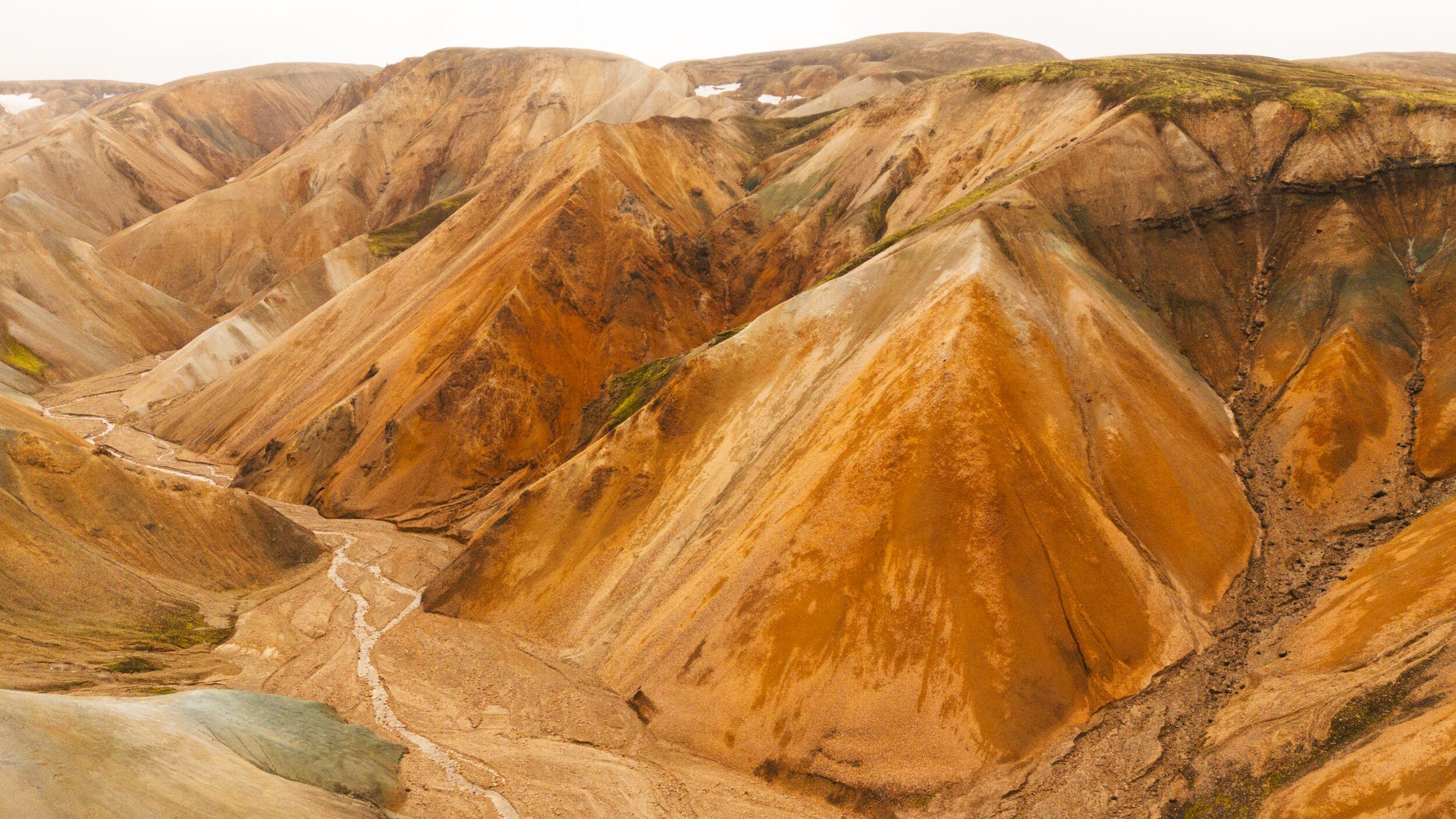
Table of Contents
- 1What to Know Before Visiting the Iceland Highlands
- 2Popular Hiking Routes in the Iceland Highlands
- 31. Landmannalaugar Hiking Area
- 42. Þórsmörk Valley Trails
- 53. Laugavegur Trail
- 64. Fimmvörðuháls Pass
- 75. Eyjafjallajökull Volcano
- 86. Kerlingarfjöll Mountains
- 97. Hveravellir Nature Reserve
- 10How to Reach the Iceland Highlands
- 11When to Visit the Iceland Highlands
- 12How to Prepare for a Highlands Hike in Iceland
- 13Venture Through the Remote and Scenic Highlands of Iceland
- 14FAQs
Beyond the Ring Road, Iceland’s landscape becomes quieter, wilder, and more raw. Roads turn into rough tracks, lava fields stretch for miles, and rivers cut through black sand plains. This is the Icelandic Highlands, a vast highland area where nature leads the way.
If you’re planning an Iceland Highlands itinerary, this guide is here to help. We’ll walk through where to go, how to plan your route, and how to prepare with confidence and safety in mind.
What to Know Before Visiting the Iceland Highlands
Before visiting Iceland’s Highlands, it helps to understand what makes this region unique.
The Highlands are located in the centre of Iceland and cover a large part of the island. Much of this land is uninhabited. There are no towns, very few services, and long stretches of untouched terrain.
F-roads and driving conditions
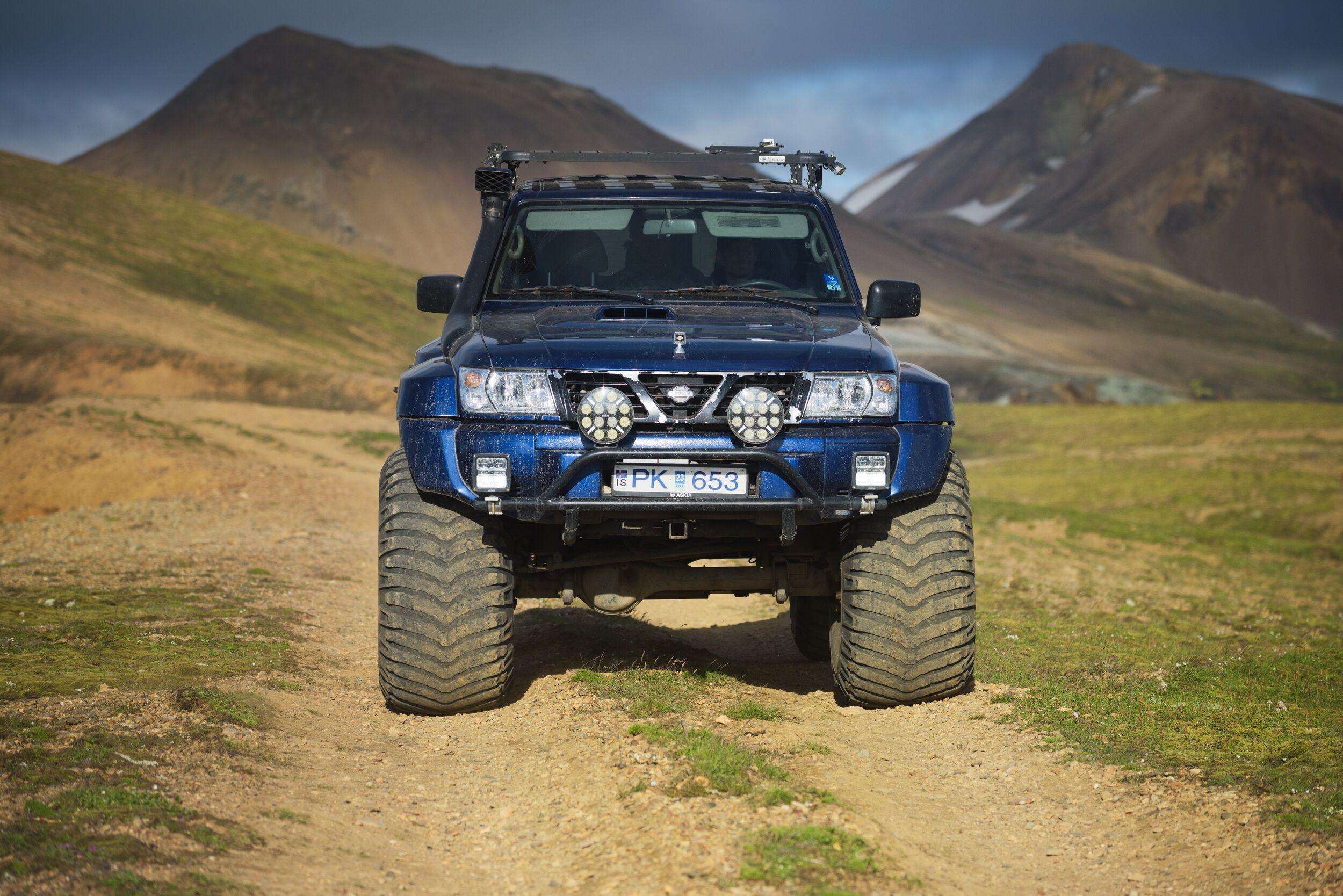
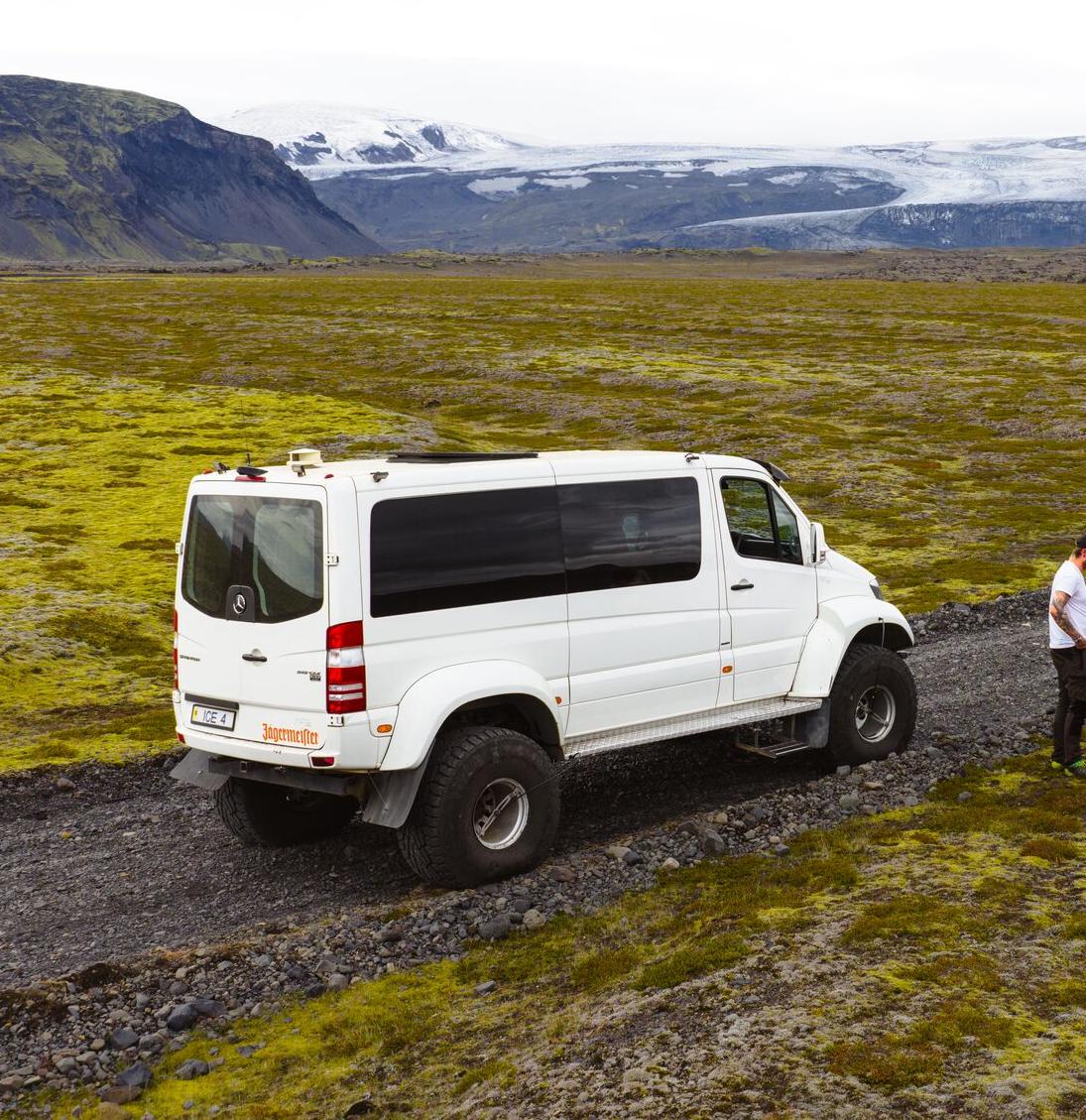
Most destinations located in the Highlands are accessible via F-roads, which are mountain tracks that require a 4x4 vehicle. These roads can be rough, uneven, and often include river crossings.
When driving on F-roads, we always recommend:
- Driving slowly and steadily
- Using an appropriate vehicle
- Checking road conditions daily
- Avoid crossing rivers if you’re unsure
Unlike the Ring Road, facilities in the Icelandic Highlands are minimal. Fuel stations, shops, and accommodation are spread far apart. Planning makes the journey smoother and more enjoyable.
Respect for nature
The Highlands are fragile. Driving off marked roads damages the environment and is strictly prohibited. Staying on paths helps protect this unique landscape for everyone.
Popular Hiking Routes in the Iceland Highlands
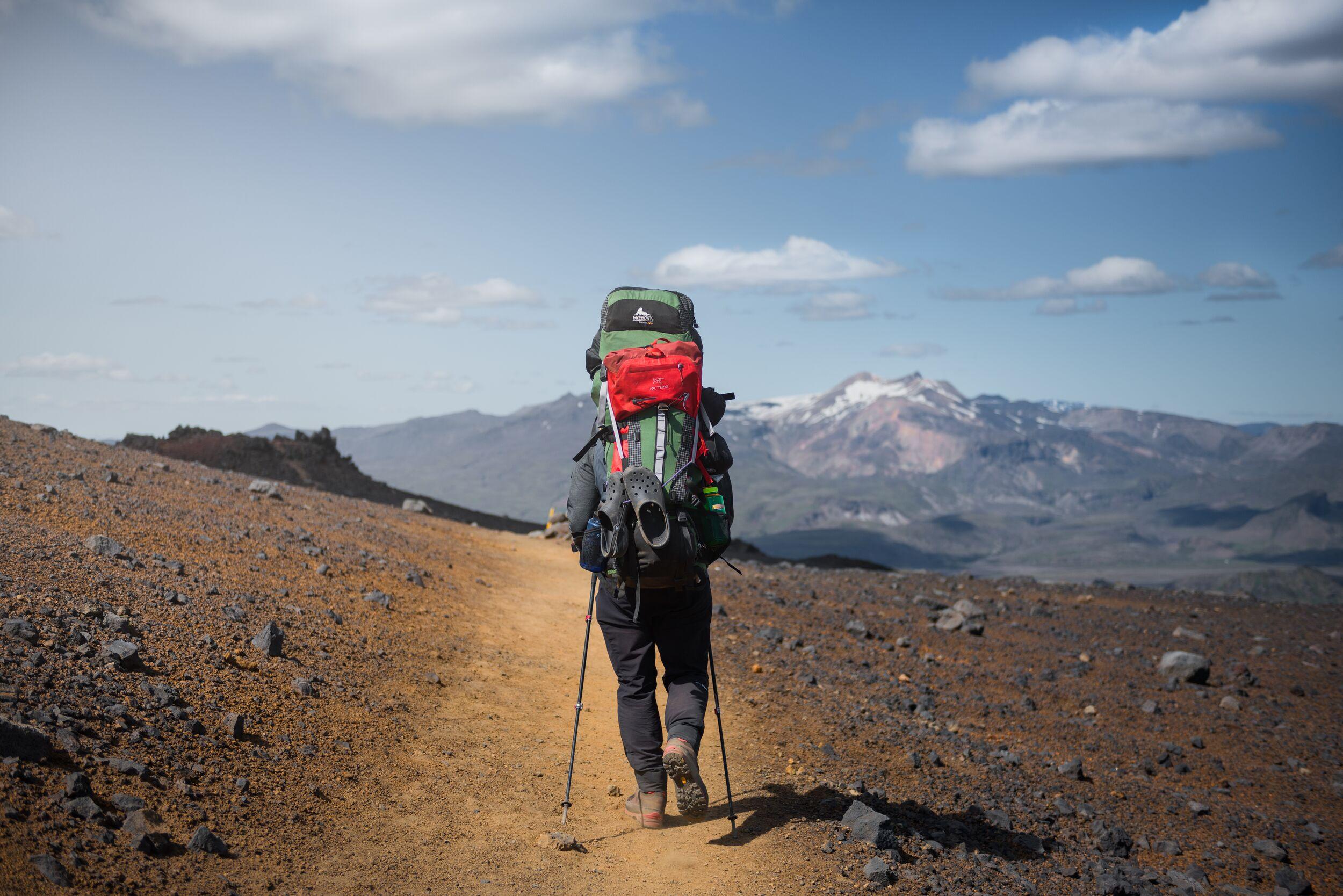
The Icelandic Highlands are home to some of the country’s most rewarding hiking trails. Each route offers a different experience, from colourful geothermal areas to deep valleys and volcanic ridges.
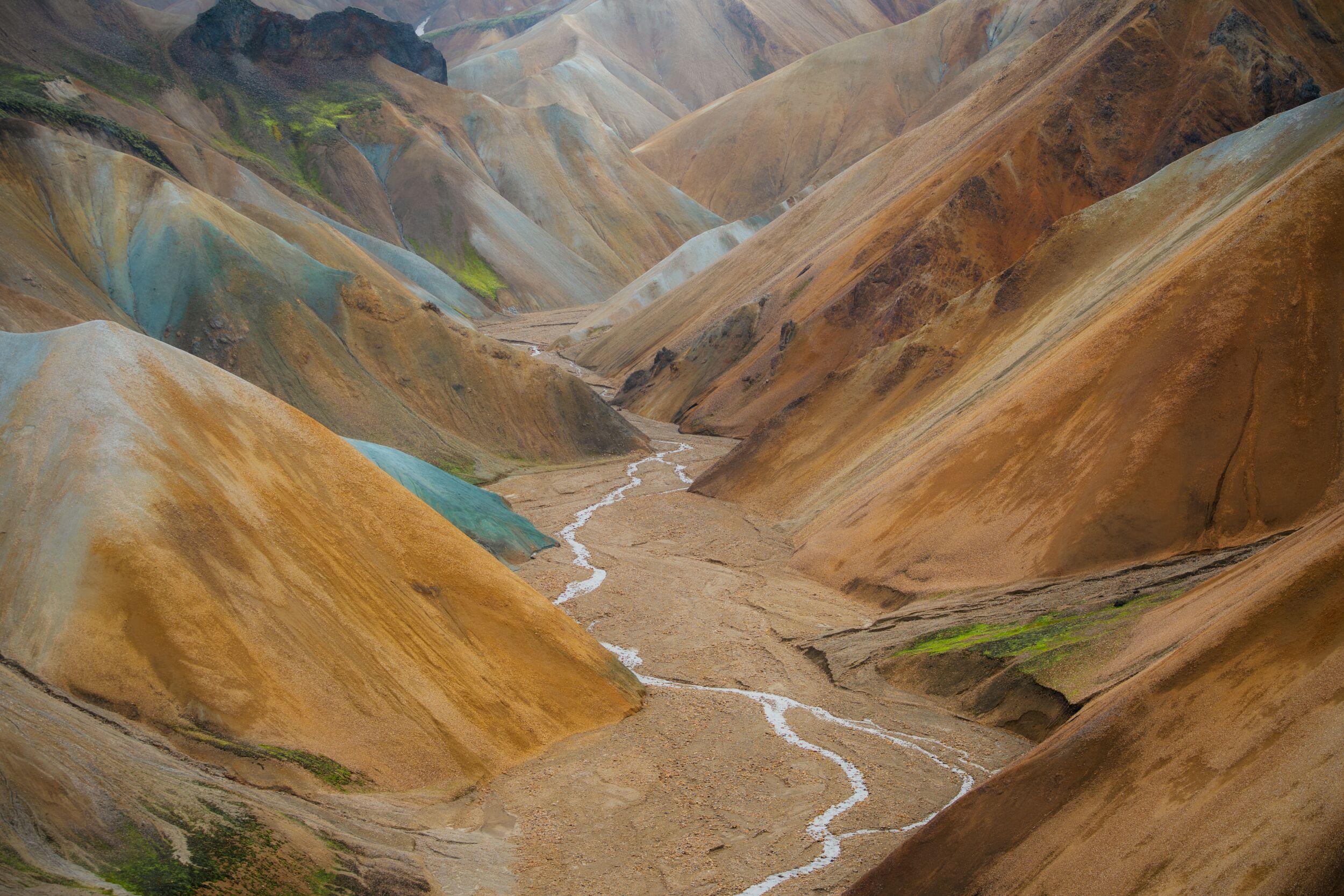
1. Landmannalaugar Hiking Area
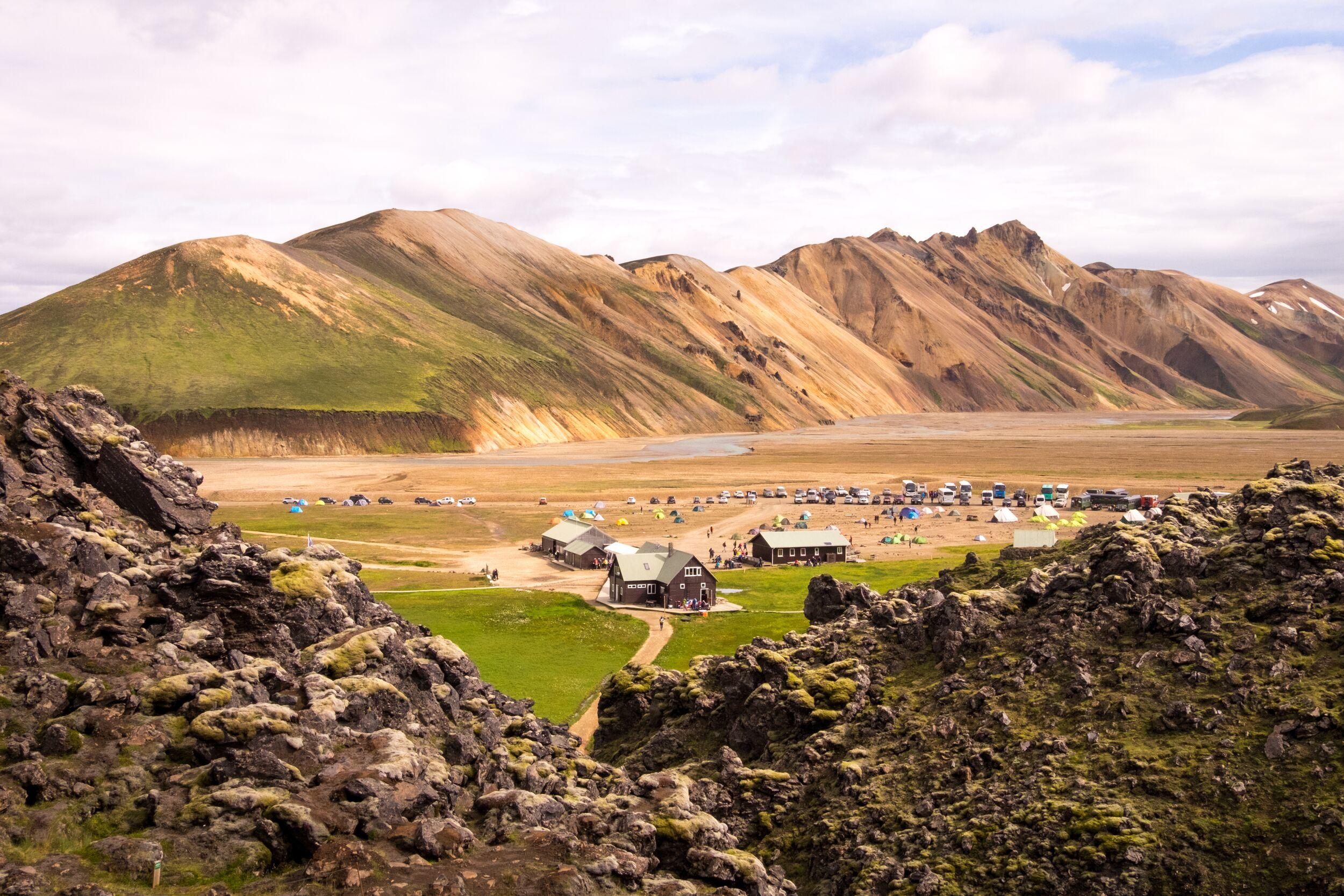
Located in the Fjallabak Natural Reserve, Landmannalaugar is one of the most inviting gateways into the Icelandic Highlands. It’s known for its colourful rhyolite mountains, nearby lava fields, natural hot springs, and scenic hiking trails.
Landmannalaugar is also one end of the Laugavegur Trail, but you don’t need to commit to a multi-day trek to enjoy it. Several shorter hiking trails begin here, including the Laugahraun trail and Brennisteinsalda–Bláhnúkur loop. These routes take you across steaming geothermal areas and into a lava field that was formed during a 1477 eruption.
Access is via F-roads, ranging from rough gravel tracks to more challenging routes with river crossings.
After a day of hiking, you can slow down and soak in the natural geothermal pool.
Practical things to know about Landmannalaugar:
- Access from Reykjavík: Route 1 → F26 or 32 → F225 or F208
- Mountain hut: Available on-site during summer
- Vehicle required: Standard 4x4
Tip: Take F32 and F208 to pass highlights like Haifoss Waterfall, Sigöldugljúfur Canyon, and Ljótipollur Crater Lake along the way.
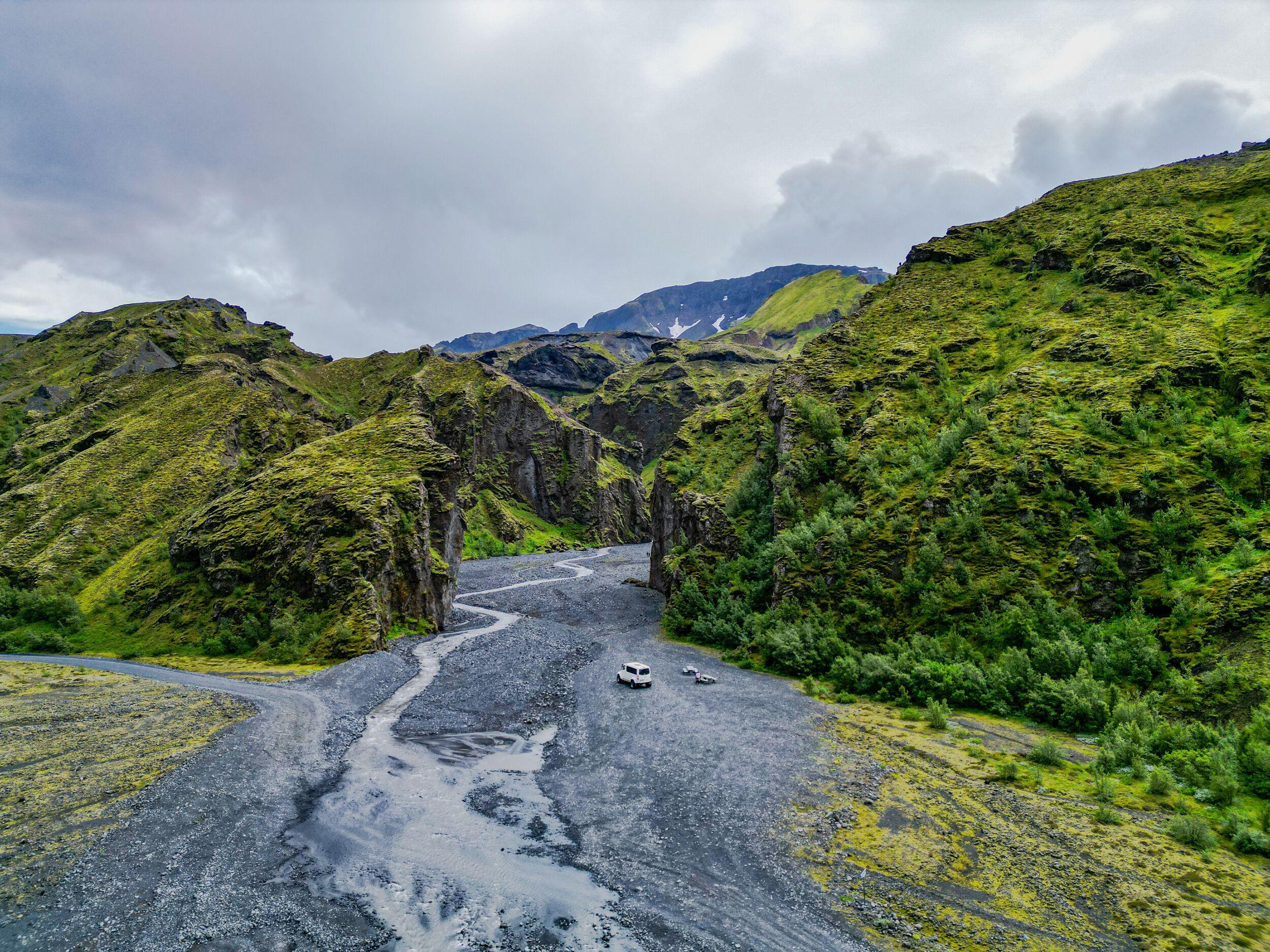
2. Þórsmörk Valley Trails
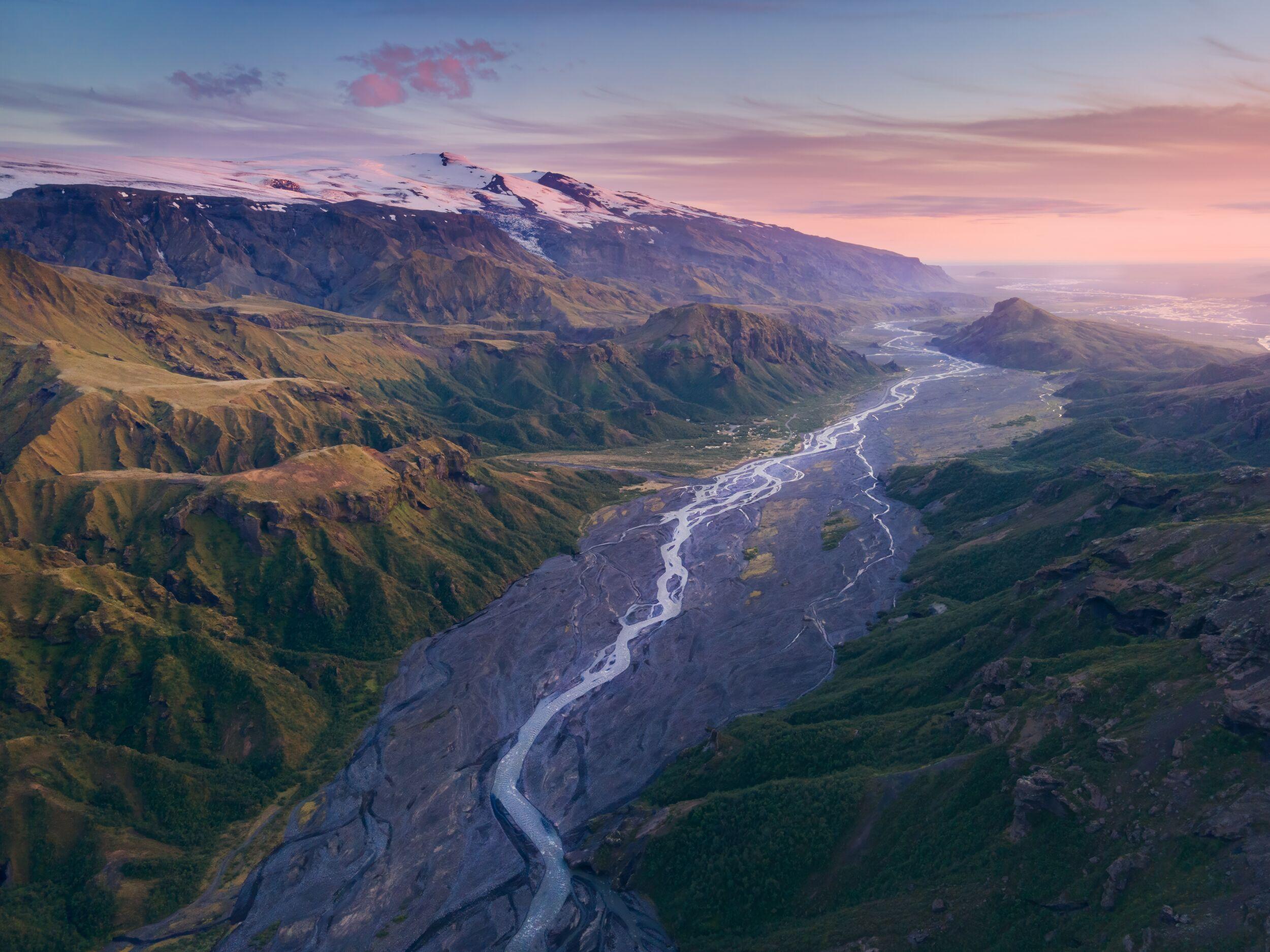
Þórsmörk is a lush valley set within the rugged, wild terrain of the southern Icelandic Highlands. Surrounded by glaciers and steep mountain ridges, it feels sheltered yet untamed.
Day hikes here take you through diverse landscapes, from moss-covered hills to deep canyons. Popular routes include the panoramic Valahnúkur hike and the scenic Stakkholtsgjá Canyon trail.
Þórsmörk is also one end of the Laugavegur Trail. Plus, it connects to the more challenging Fimmvörðuháls pass, making it a key hub for hikers exploring different parts of the Highlands. One of our most popular tours is the 4-Day Thórsmörk guided hike.
Despite its remote feel, it’s not far from the Ring Road. This makes it easy to combine with South Coast highlights like waterfalls and black sand beaches. However, access does involve several river crossings, including the well-known and often challenging Krossá river.
In winter, guided Super Jeep tours often run here as well, giving you a chance to experience the valley under the Northern Lights.
Practical things to know about Þórsmörk:
- Access from Reykjavík: Route 1 → F249 (near Seljalandsfoss)
- Mountain hut: Skagfjörðsskáli hut in Langidalur (open early May to early October)
- Vehicle required: Modified 4x4 (Super Jeep)
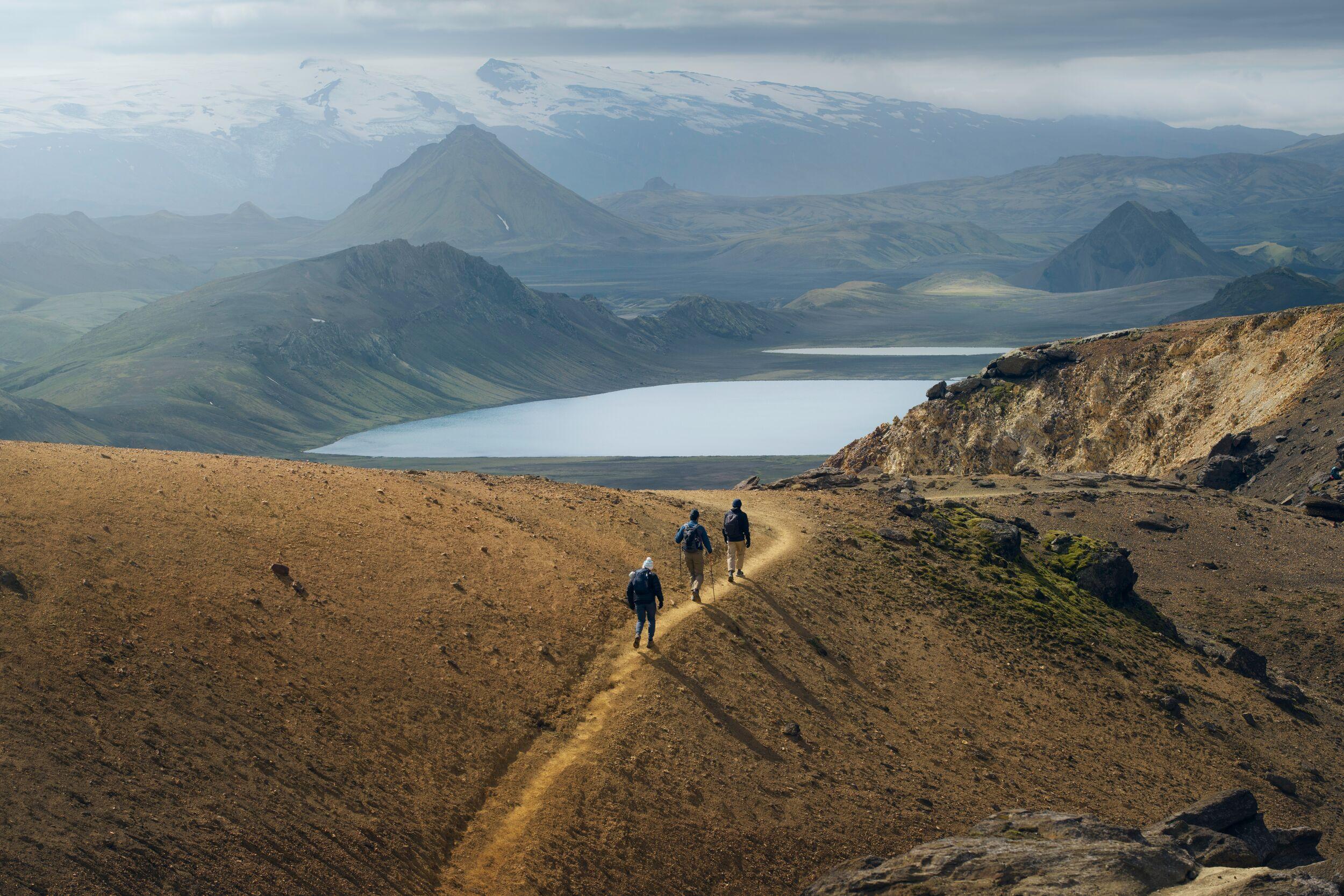
3. Laugavegur Trail
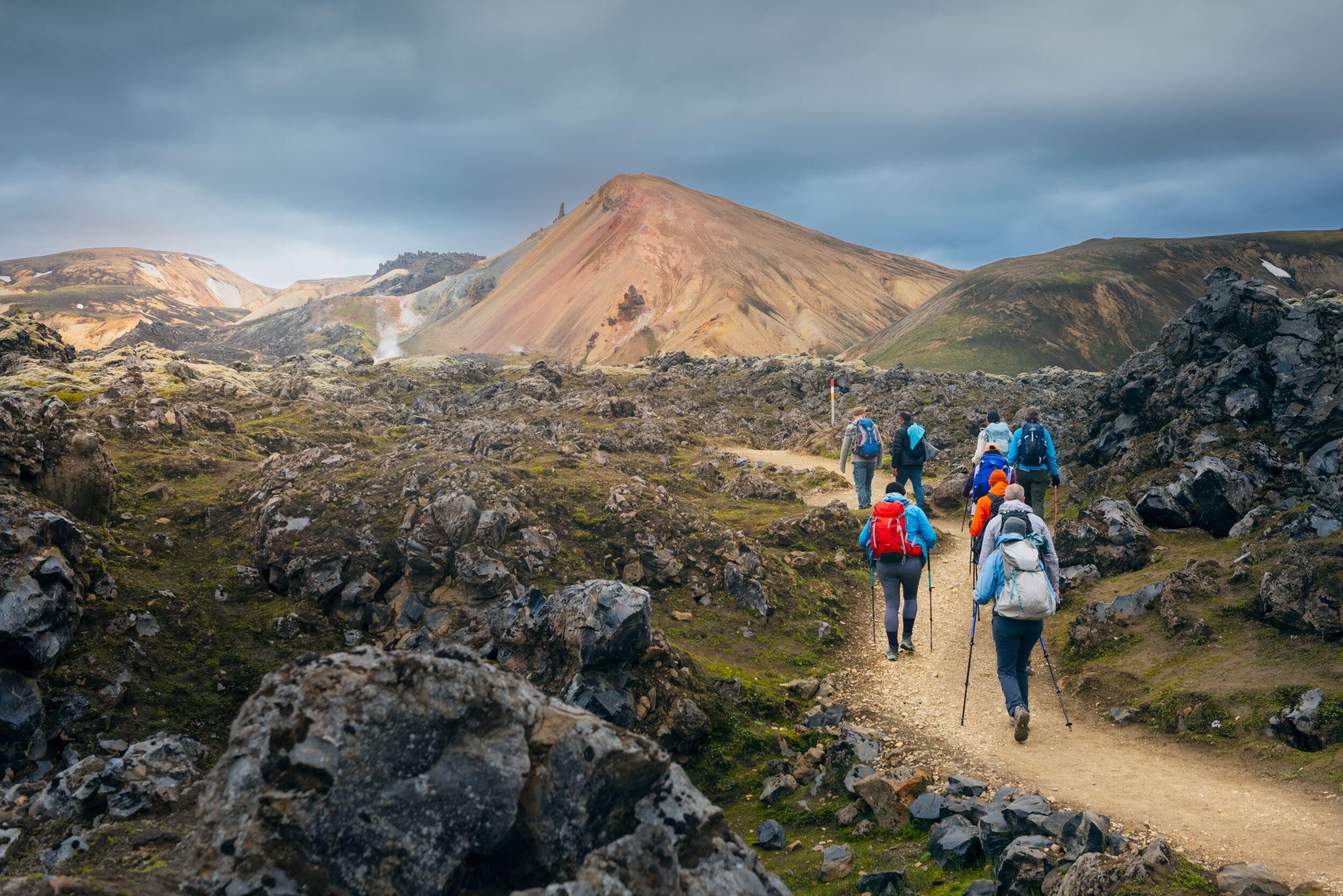
The Laugavegur Hike is one of the most iconic hiking routes in the Icelandic Highlands. And for many travellers, it forms the heart of an Iceland Highlands itinerary. Stretching between Landmannalaugar and Þórsmörk, this multi-day hike brings together some of the region’s most striking landscapes.
Over several days, you move through a constantly changing environment. This includes colourful rhyolite mountains, vast lava fields, black sand plains, and steaming geothermal areas. Each day feels different, yet the journey flows naturally from one landscape to the next.
What makes Laugavegur special is its balance. It feels remote and adventurous, yet it’s well-marked and supported by mountain huts along the route. This makes it accessible for those who are prepared, even without deep wilderness experience.
Practical things to know about Laugavegur:
- Route: Landmannalaugar → Þórsmörk (can be done in either direction)
- Duration: 3–5 days, depending on pace
- Difficulty: Moderate, with long hiking days
- Mountain huts: Several are available along the trail
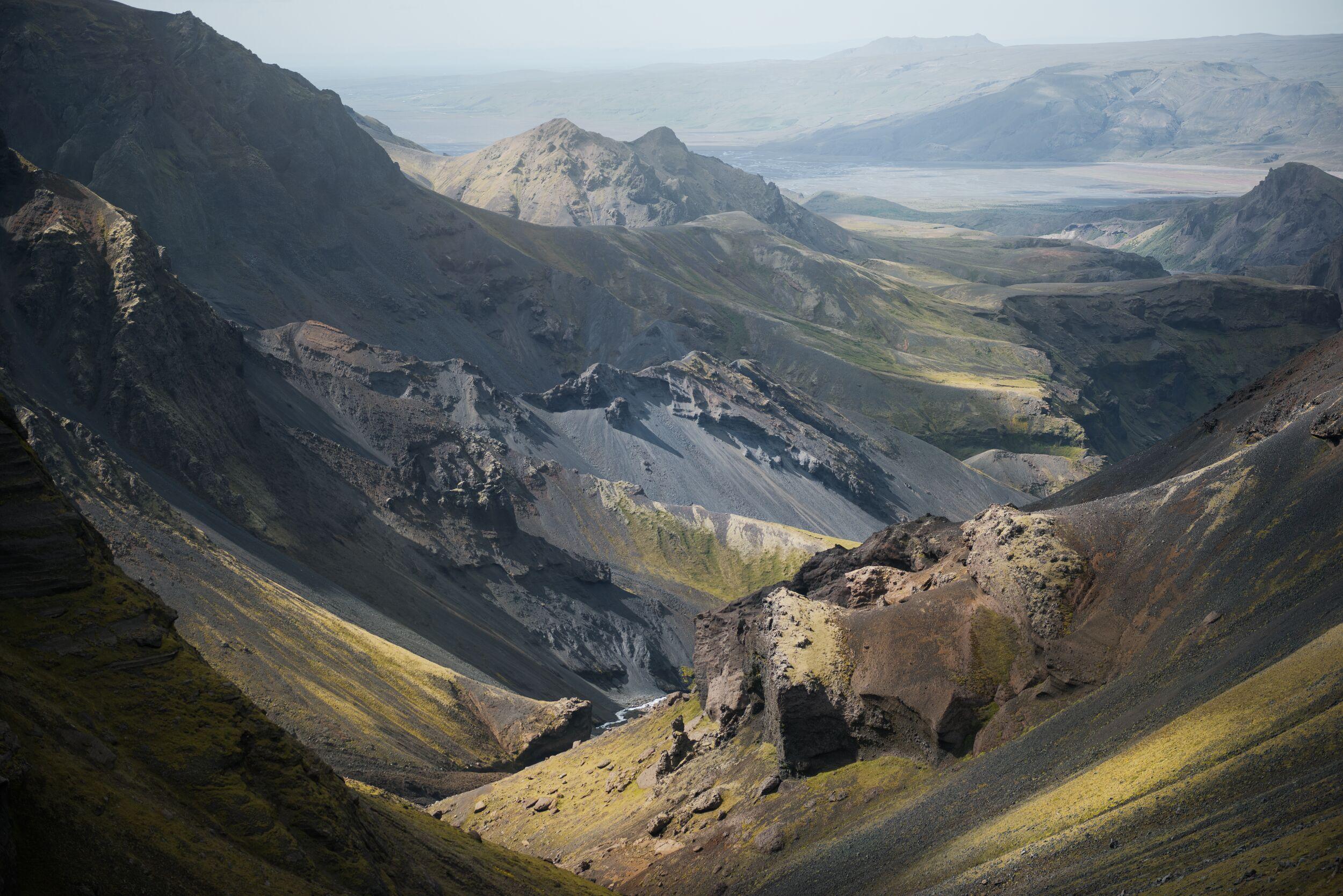
4. Fimmvörðuháls Pass
For those looking to extend the journey, the Fimmvörðuháls Pass continues beyond Þórsmörk toward Skógar. This trail connects directly to Laugavegur and adds a more challenging, high-altitude section to the experience.
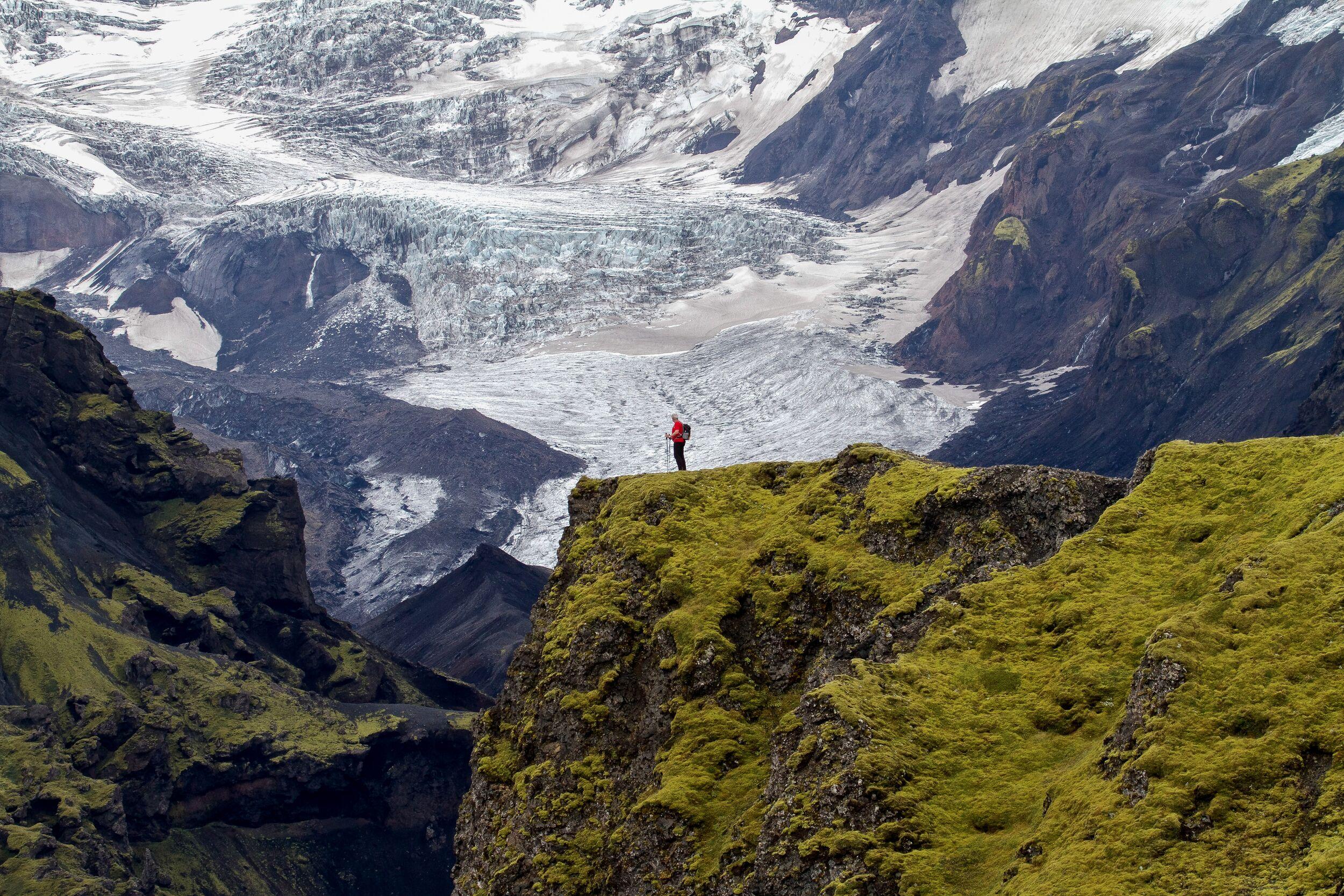
The route crosses between two glaciers, Eyjafjallajökull and Mýrdalsjökull, and feels more exposed and rugged. Along the way, you pass fresh volcanic terrain formed during the 2010 eruption, including craters like Magni and Móði. As well as sweeping views over the Highlands and toward the coast.
Compared to Laugavegur, this hike is more demanding, often completed in a long day. But for those who continue, it adds an extra element of adventure to the journey.
Practical things to know about Fimmvörðuháls Pass:
- Route: Þórsmörk → Skógar (or reverse)
- Duration: 8–12 hours (typically done as a day hike)
- Difficulty: Moderate to challenging, with steep climbs
- Mountain hut: Fimmvörðuskáli along the route
- Access: Via Þórsmörk (F249 with river crossings) or Skógar from the Ring Road
To get the best of both worlds, we recommend our 6-day Laugavegur and Fimmvörðuháls hike.
5. Eyjafjallajökull Volcano
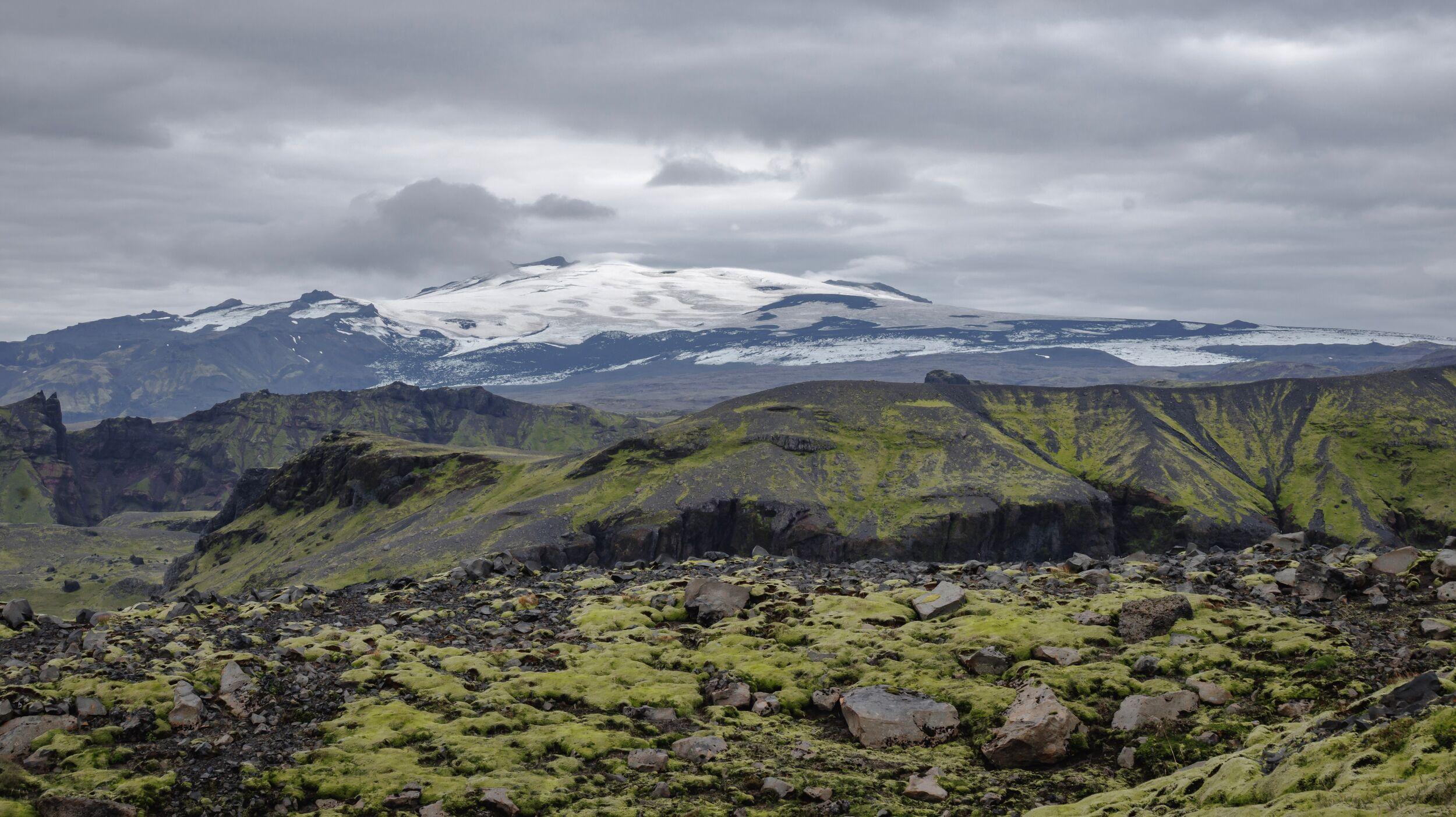
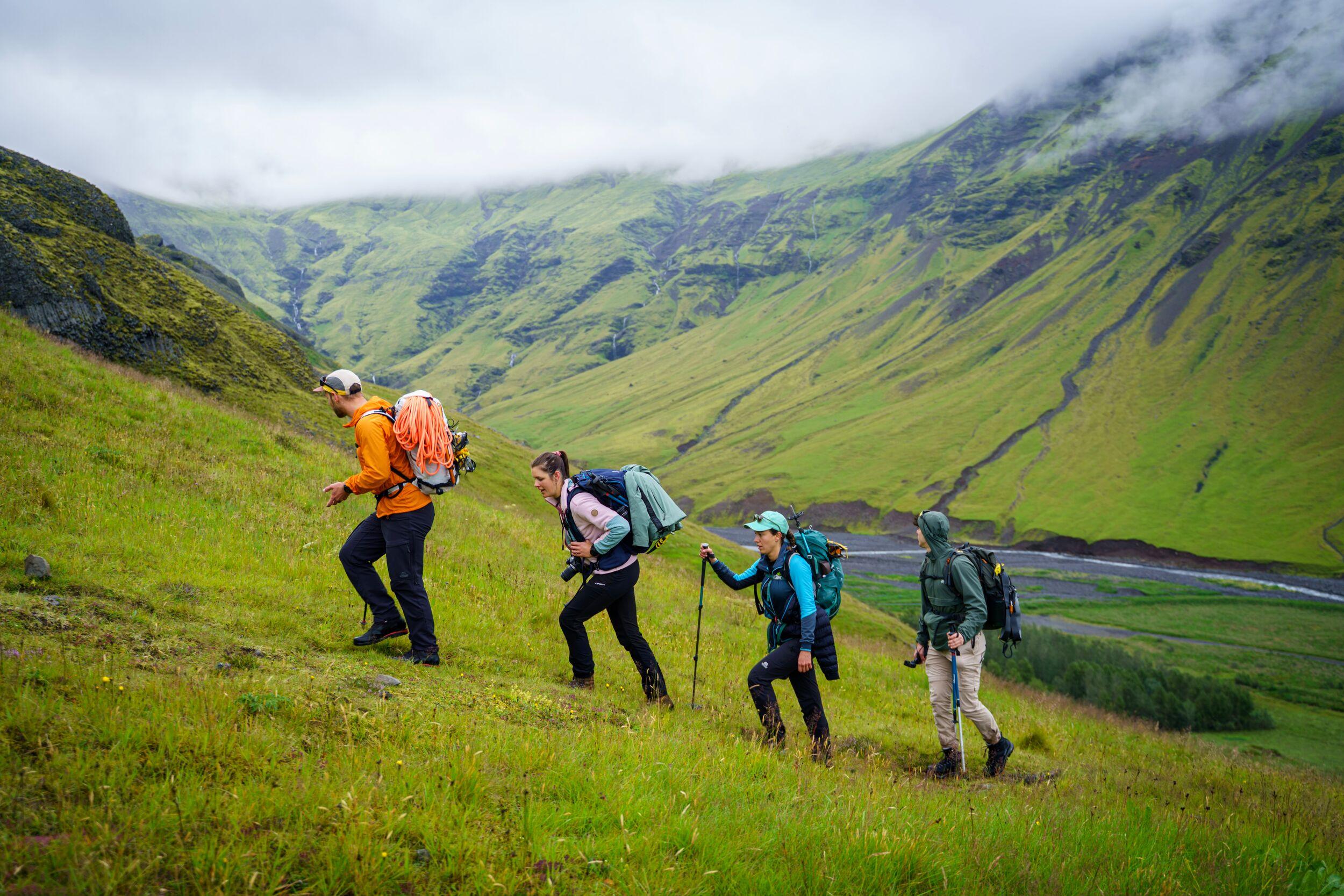
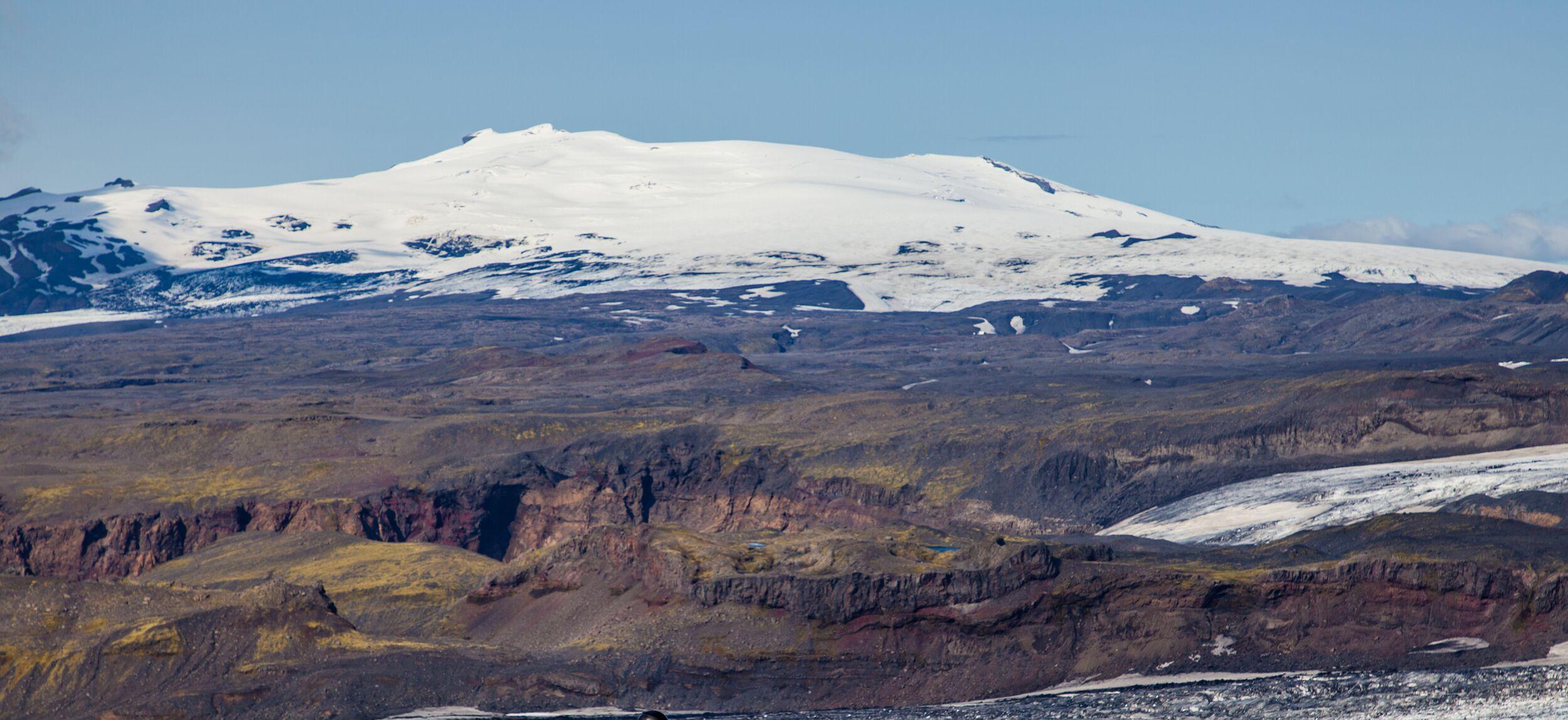
Looking for summit hikes in Iceland? Located right next to Þórsmörk and along the Fimmvörðuháls Pass, Eyjafjallajökull is one of Iceland’s most well-known volcanoes. This stratovolcano gained global attention during its 2010 eruption. And while it’s now in a quieter, inactive phase, the landscape still carries the marks of its powerful past.
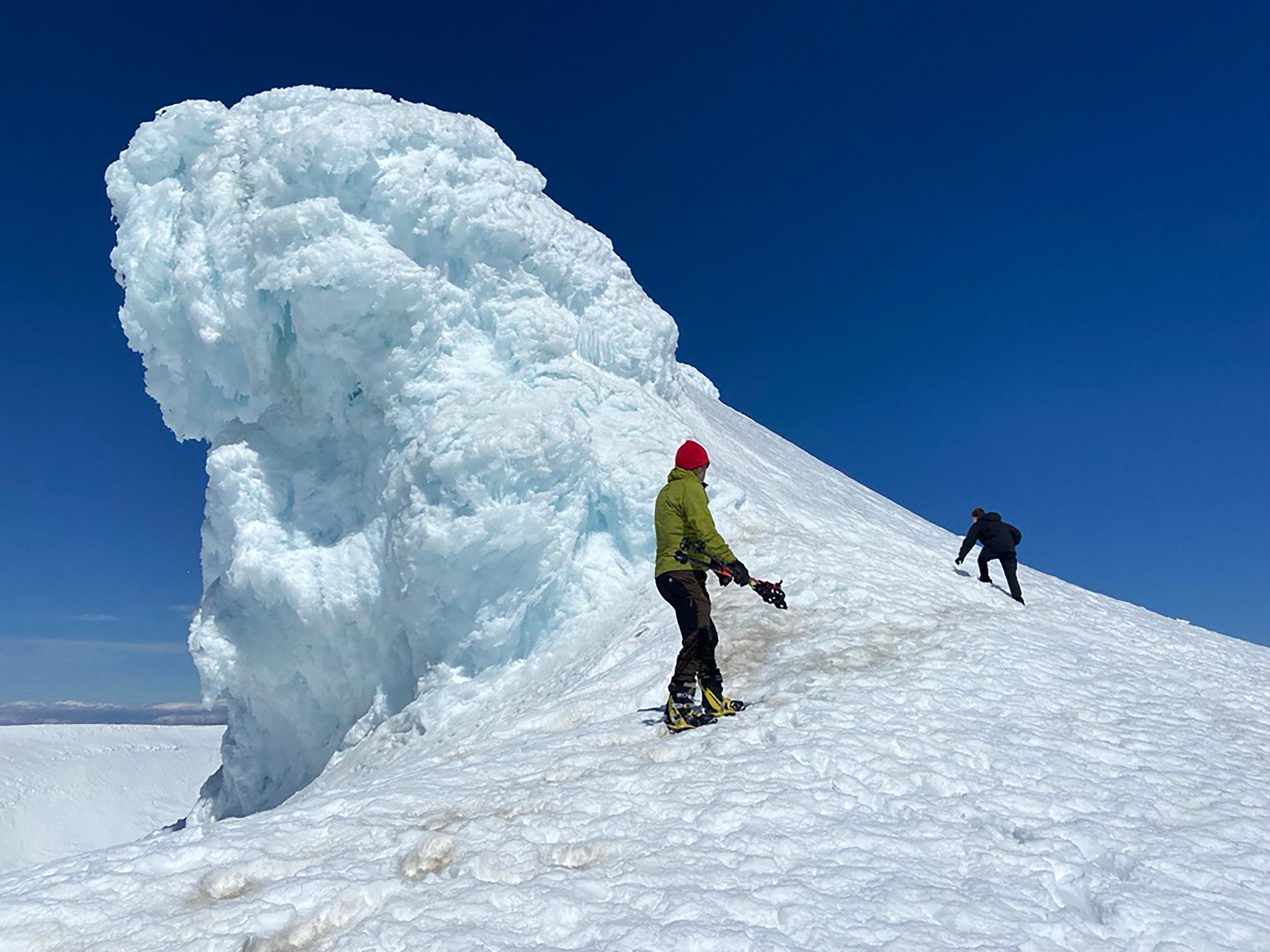
The area offers a range of hiking experiences, from glacier walks to a full summit hike. Reaching the top is moderately challenging, covering around 12.7–15 km round trip and taking 9–12 hours.
Along the way, you move across volcanic terrain and glacial slopes, with sweeping summit views as the reward. You can see the eruption crater, the Atlantic Ocean, and nearby glaciers like Mýrdalsjökull and Tindfjallajökull on clear days.
Practical things to know about Eyjafjallajökull:
- Access from Reykjavík: Same route as Þórsmörk via Route 1 → F249 (near Seljalandsfoss)
- Mountain hut: Fimmvörðuskáli, located nearby along the Fimmvörðuháls route
- Vehicle required: Modified 4x4 (Super Jeep)
6. Kerlingarfjöll Mountains
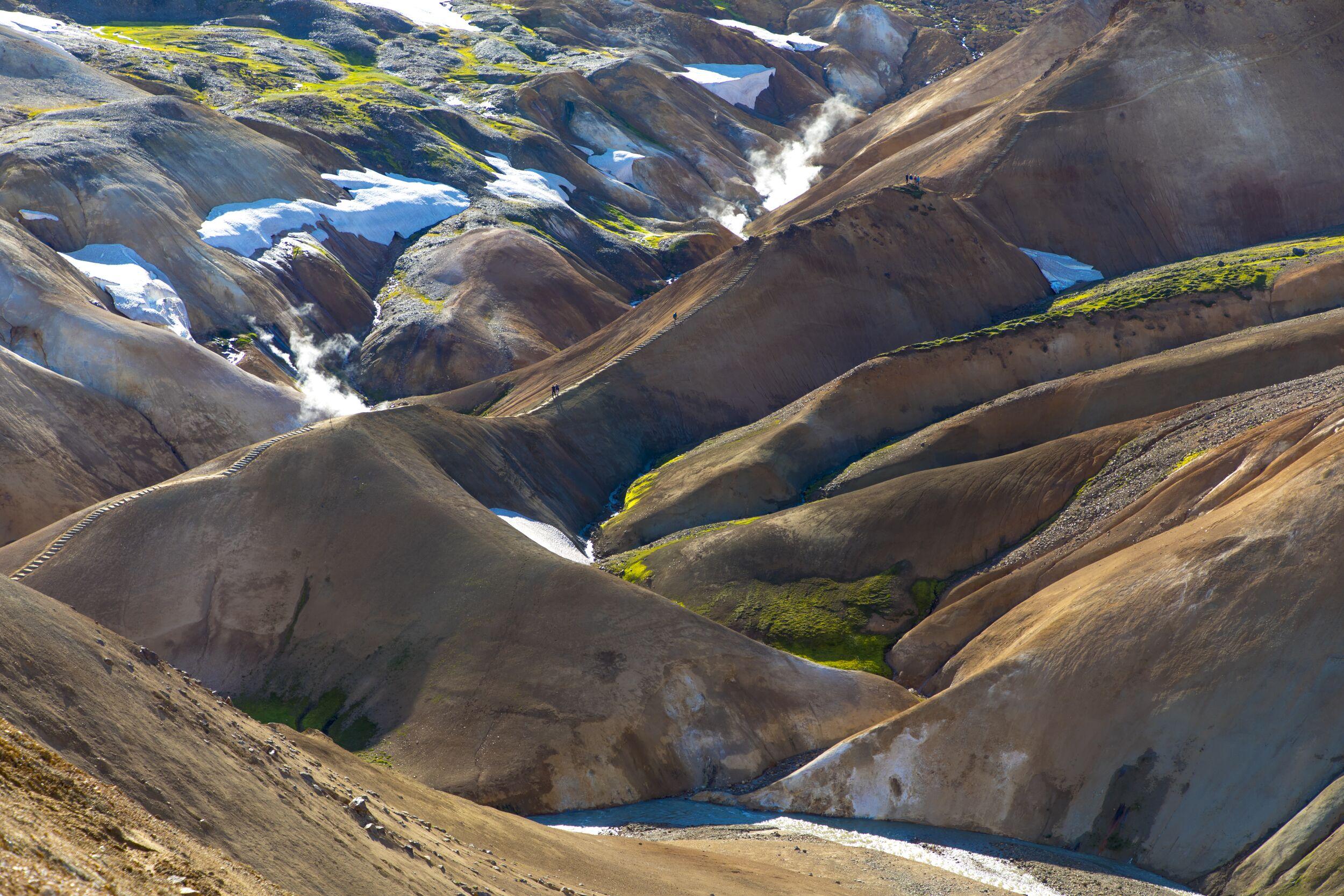
Kerlingarfjöll is a striking geothermal area in the central Icelandic Highlands. Here, steam rises from the ground, and the mountains glow in deep shades of red, orange, and gold. The landscape feels raw and alive, shaped by heat just beneath the surface.
Hiking at Kerlingarfjöll takes you through colourful valleys, past bubbling hot springs, and along ridgelines with wide views across the Highlands. Trails vary in length, but even shorter walks offer a strong element of wonder. It also remains more accessible than many other parts of the Highlands, making it a rewarding stop on a Highland tour.
Unlike the busier southern routes, Kerlingarfjöll often feels quieter. It’s one of Iceland’s hidden gems where we can slow down and take in the landscape at our own pace.
Practical things to know about Kerlingarfjöll:
- Access from Reykjavík: Route 1 → Route 35 (Kjölur route) → F347
- Vehicle required: Standard 4x4
7. Hveravellir Nature Reserve
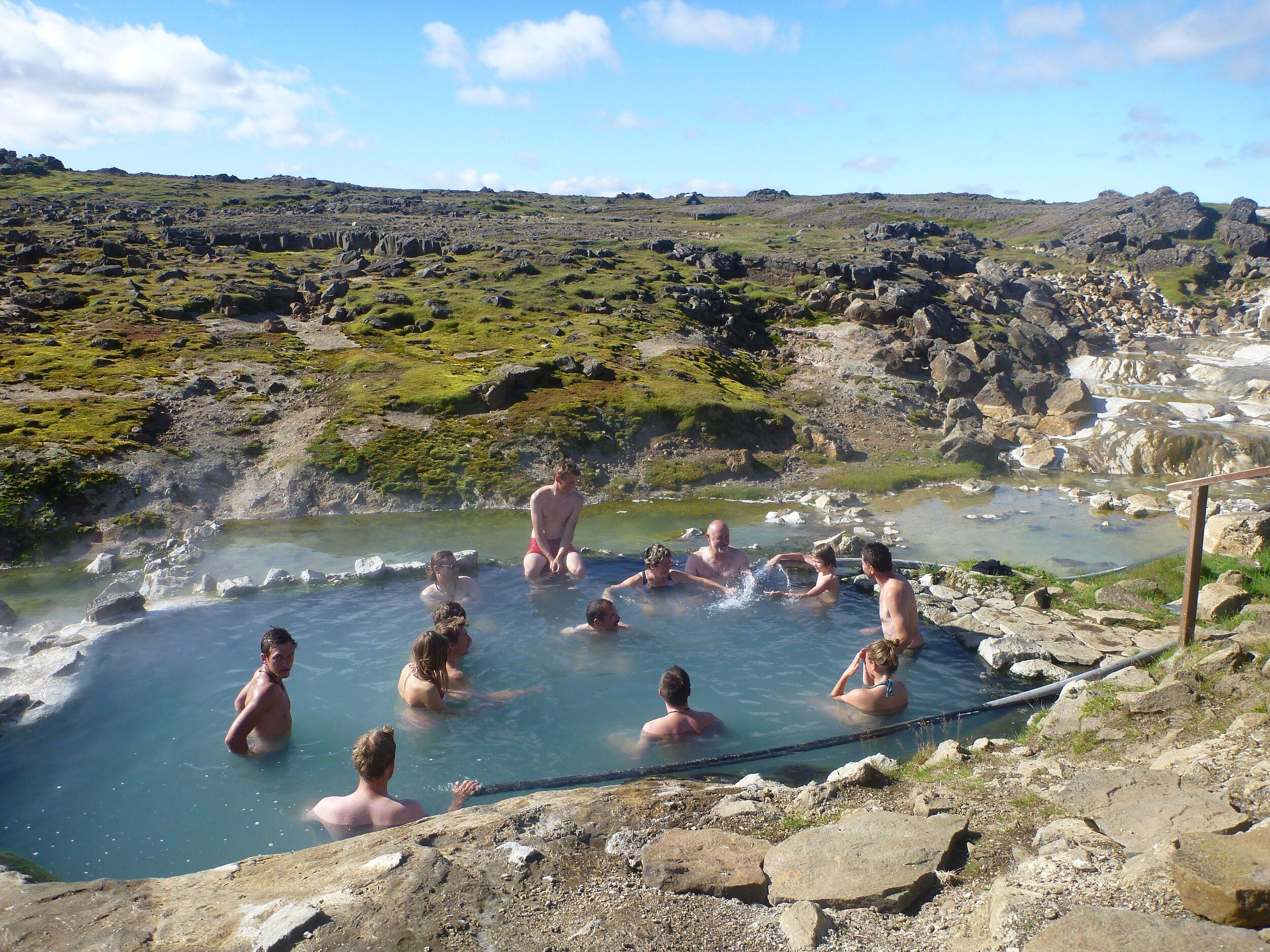
Situated along the Kjölur route, Hveravellir is a geothermal area that offers a quieter side of the Icelandic Highlands. Steam rises from fumaroles, and mineral-rich hot springs glow in shades of blue, red, and green across the surrounding lava fields.
Marked walking paths (called green, red, and orange trails) range from 30 minutes to around 5 hours. These routes guide you through the geothermal area, where most hot springs are best admired from a distance. There is, however, one naturally heated pool that is cool enough for a dip, perfect for relaxing after a hike.
Compared to more rugged parts of the Highlands area, Hveravellir feels accessible and easy to explore. This makes it a great stop on any Iceland Highlands itinerary. Its location between Langjökull and Hofsjökull glaciers also adds a bonus, with sweeping views across the central Highlands.
Practical things to know about Hveravellir:
- Access from Reykjavík: Route 1 → Route 35 (no river crossings)
- Vehicle required: Standard 4x4
How to Reach the Iceland Highlands
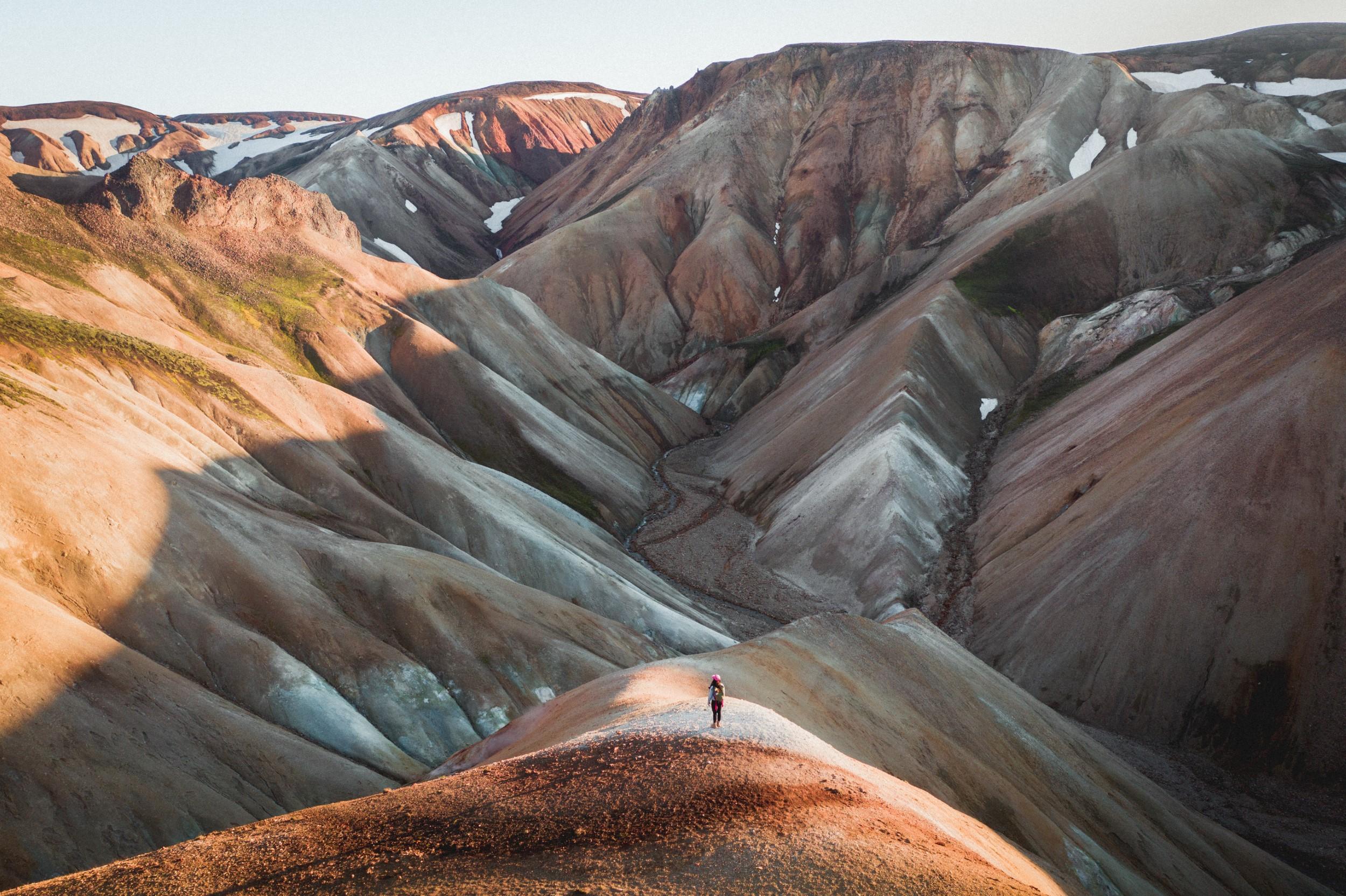
There are a few ways to reach the Icelandic Highlands, and the right one depends on how you want to travel. Whether driving, taking a bus, or joining a guided tour, each option offers a different pace and level of ease.
Highland buses
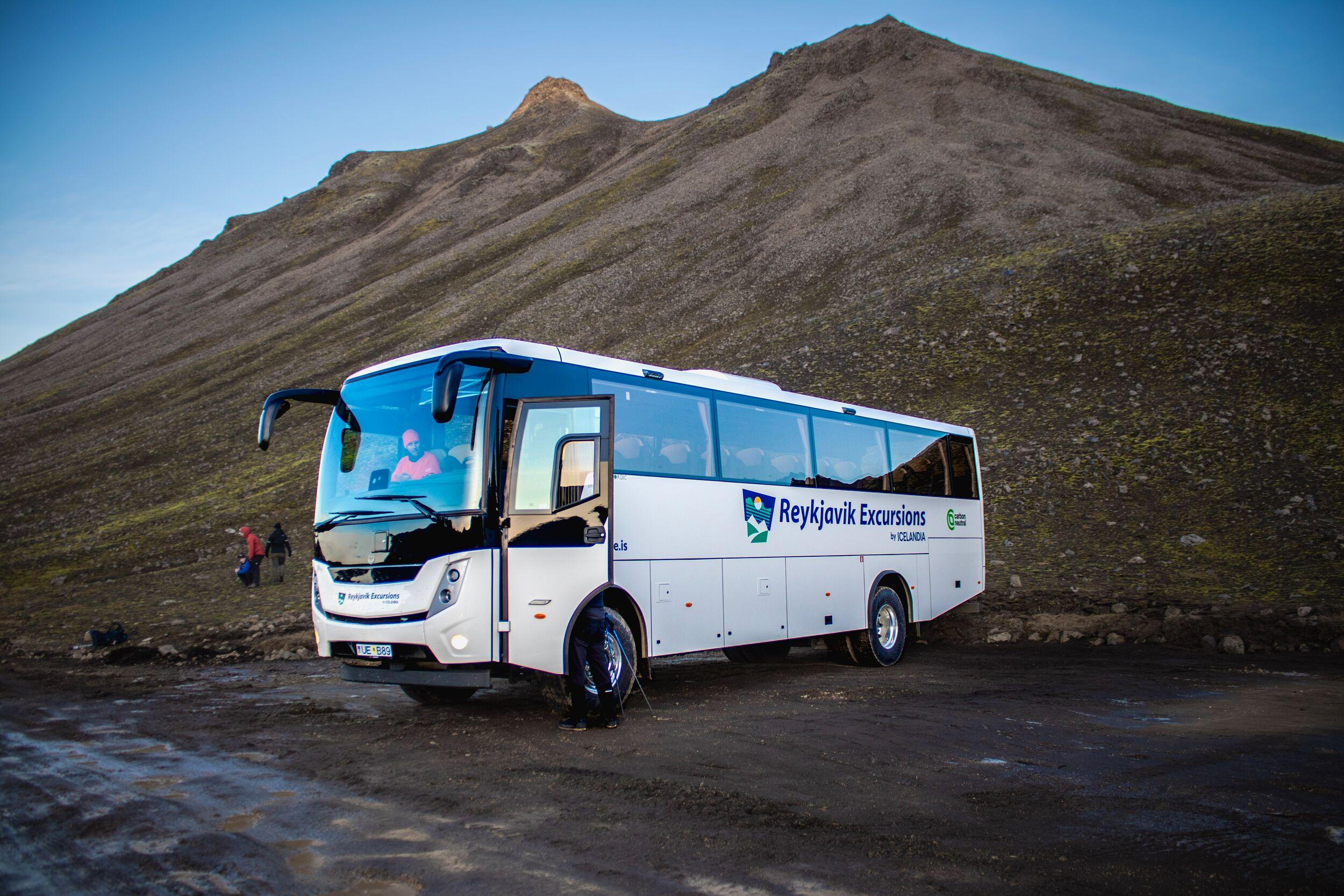
If you prefer not to drive, Highland buses offer a reliable and hassle-free way to reach the Icelandic Highlands. These seasonal services run from several towns, including Reykjavík, Hella, Selfoss, and Hvolsvöllur. And it connects to key locations like Þórsmörk, Landmannalaugar, and Skógar.
Highland buses typically operate from early or mid-June to mid-September, depending on road and weather conditions. With multiple daily departures and convenient pick-up points, they’re a great option for solo hikers or budget travellers in Iceland.
Driving
Driving gives you the most freedom. You can move at your own pace, stop at off-the-beaten-path destinations, and shape your Iceland Highlands itinerary however you want.
Most routes branch off from the Ring Road and lead into the Highlands via F-roads. These are unpaved mountain tracks that require a 4x4 vehicle. It’s important to choose a car that’s suitable for rough terrain and well-insured, especially for gravel roads and river crossings.
Guided tours
Guided tours offer a more structured way to explore, with the added comfort of local expertise. A Highland tour allows you to focus on the experience while guides handle navigation, road conditions, and safety.
Super Jeep tours are especially popular, as they can handle rough terrain and river crossings with ease. Some tours also run in winter, particularly to Landmannalaugar and Þórsmörk, depending on conditions.
For a more immersive experience, options like Icelandia’s hiking tours combine guided routes with deeper insight into the landscape. This makes it easier to explore different parts of the Highlands with confidence.
When to Visit the Iceland Highlands
Timing is key when planning your Iceland Highlands itinerary, as access is limited and conditions can change quickly.
The best months to visit Iceland’s Highlands are mid-June to early September. During this period:
- F-roads are open, making the Highlands area accessible
- Weather is more stable, with longer daylight hours
- Hiking trails are clear, including routes across lava fields and geothermal areas
Outside this window, snow and harsh conditions make travel difficult.
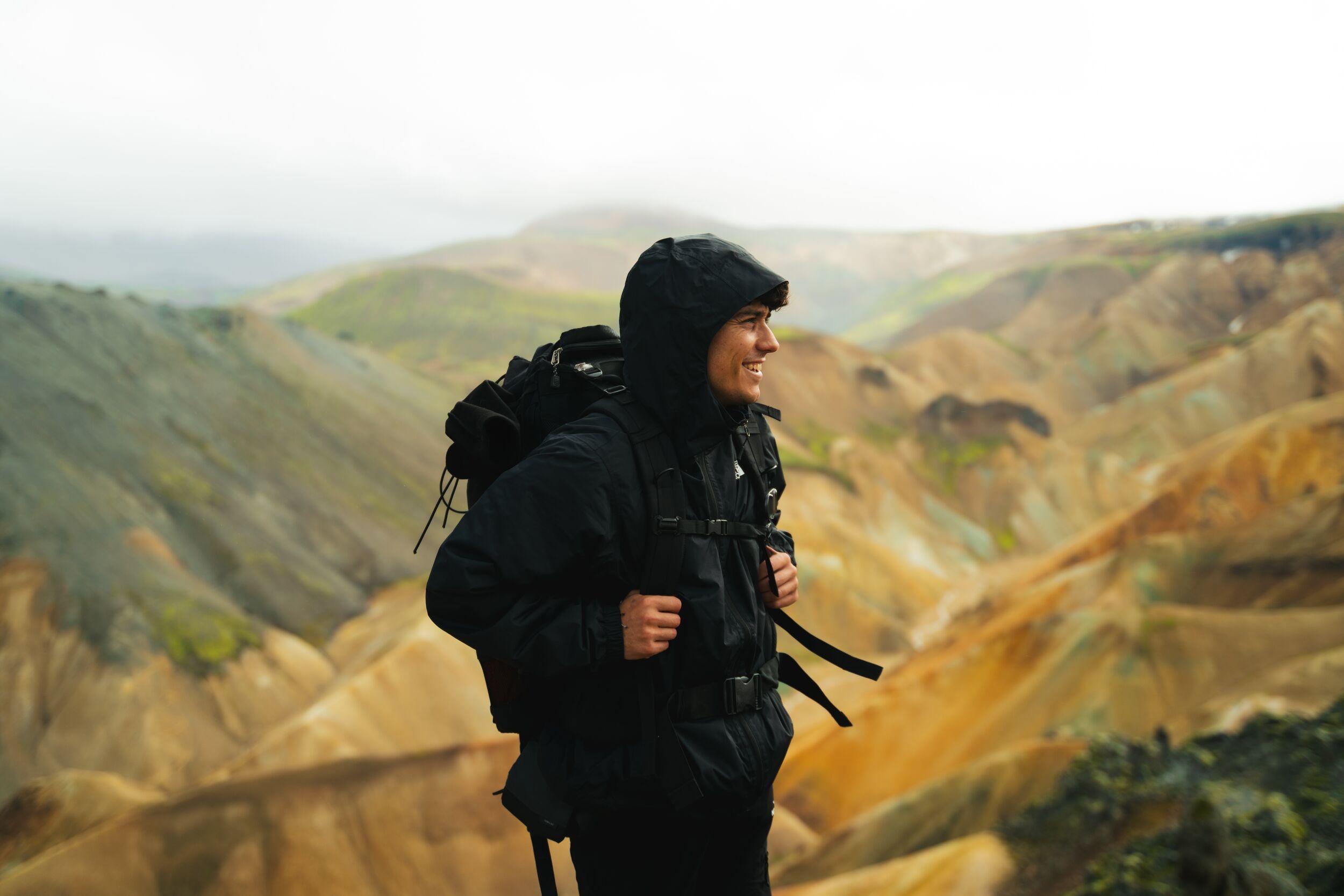
Even in summer, the weather can change quickly. Packing layers and staying flexible helps you enjoy the journey safely.
How to Prepare for a Highlands Hike in Iceland
Preparation helps you travel with confidence, especially when hiking in Iceland’s Highlands. Here’s what you need to do and prepare:
Clothing & protection
- Wear layered clothing to adapt to shifting weather
- Bring a waterproof jacket and trousers for wind and rain
- Choose sturdy, well-gripped hiking boots for uneven terrain
- Pack sunglasses, sunscreen, a hat, a scarf, and a pair of gloves
Safety & navigation
- Use offline maps or GPS, as the signal can be limited
- Stay on marked trails to protect the landscape and avoid getting lost
- Check the weather (vedur.is) and road updates (road.is) daily before heading out
- Let someone know your route and register your travel plan at Safetravel.is
- Be cautious around river crossings and avoid taking unnecessary risks
Essentials
- Pack a basic first aid kit
- Carry enough food and water for the day
- If driving, keep extra fuel for longer distances between stops
Being well prepared allows you to move through the Highlands with ease and focus on the experience.

Layers on, worries gone.
Venture Through the Remote and Scenic Highlands of Iceland
The Icelandic Highlands aren’t the easiest place to visit, and that’s part of what makes them special. Planning your Iceland Highlands itinerary takes time, but that effort leads to a journey that feels more personal and rewarding.
From black sand plains to crater lakes and geothermal valleys, the landscape shifts constantly. With fewer crowds and more open space, the experience feels quieter and easier to enjoy. With the right preparation, the Highlands are both accessible and well worth the effort.
Tours you might like
Join us for a wonderful day
6-Day Laugavegur & Fimmvörðuháls in Huts
Experience the breathtaking beauty of the Icelandic highlands on the Laugavegur & Fimmvörðuháls Hiking Tour. This six-day trek is an extraordinary journey through some of Iceland's most stunning landscapes, perfectly blending two of the country's most famous trails.
Eyjafjallajökull Summit Hike
Hike to the summit of Eyjafjallajökull Volcano—a thrilling day hike for experienced hikers seeking a manageable challenge. Traverse rugged terrain and enjoy breathtaking views of the Highlands, Mýrdalsjökull, and Vestmannaeyjar Islands.
4-Day Thórsmörk guided hikes in Huts
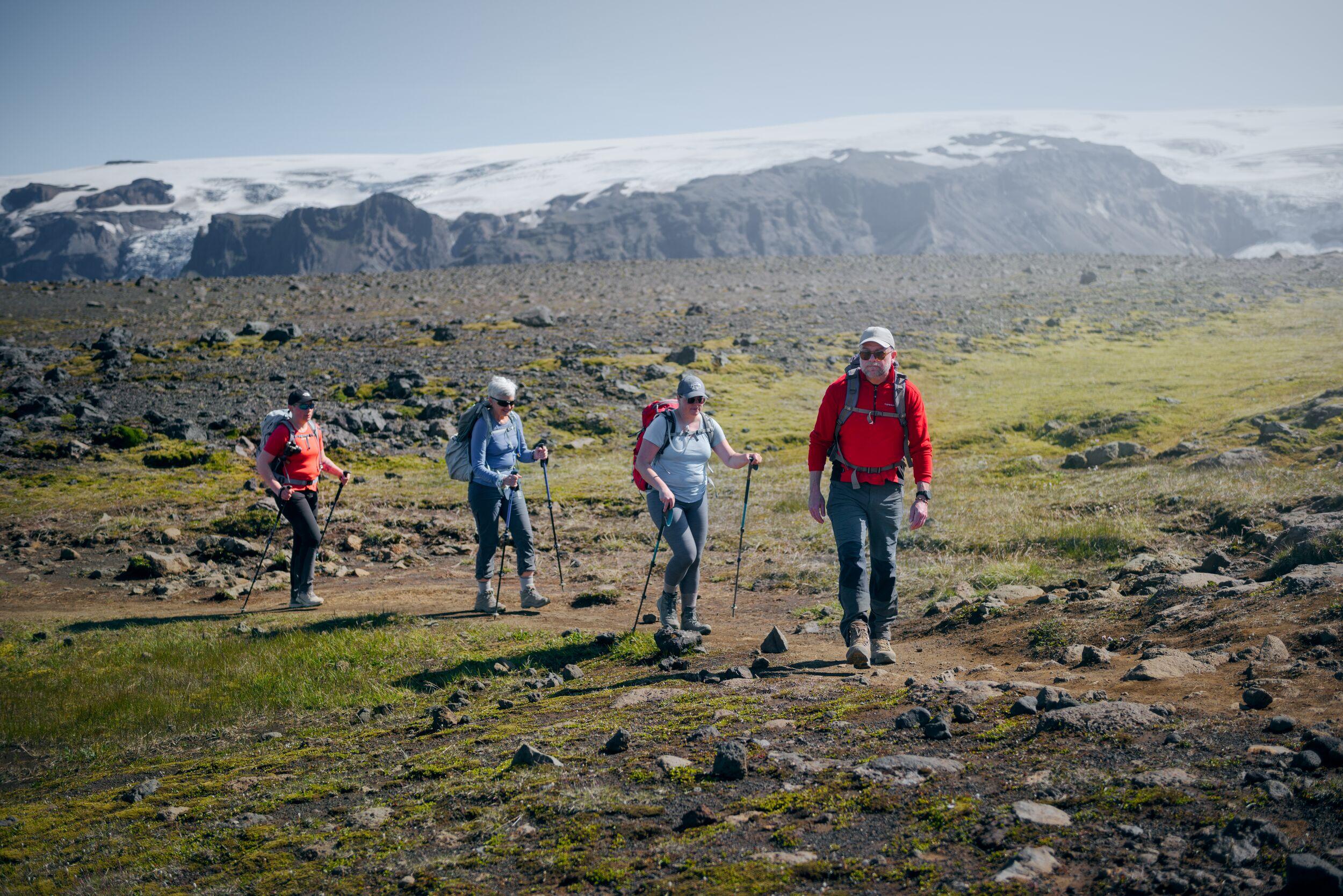
Enjoy the journey of a lifetime on this fantastic hiking experience in the glacier valley of Þórsmörk, up to the Fimmvörðuháls pass. This is one of the world’s best treks; through volcanic landscapes and green moss Þórsmörk is the last part of the famous Laugavegur trail, considered by many the most beautiful part. Expect to walk 4-7 hours per day on this guided 4-day tour with accommodation in rustic mountain huts. It’s a moderate to challenging hike that spans 40 kilometres with a maximum ascent of 1000 metres.
Highland Bus - Reykjavík to Landmannalaugar
The highlands are spectacular. If you’ve seen a picture of multi-coloured mountains in what seems to be a vast, remote wilderness in Iceland, it’s probably from Landmannalaugar. This region of Iceland is a hiker’s paradise, with hiking trails along rhyolite mountains, natural geothermal hot springs and wide-open spaces. If you are planning to hike Landmannalaugar and/or the Laugavegur Trail, leave the driving to us and hop on the highland bus!
FAQs
Yes, the Highlands offer a unique experience far from the usual tourist routes. The landscapes are diverse, from lava fields to geothermal areas, making it a memorable part of any Icelandic adventure.
There are plenty of things to do in Iceland’s Highlands, including hiking, exploring hot springs, and visiting crater lakes. Many travellers also enjoy scenic drives through the highland area.
The Highlands are located in the interior of Iceland, covering much of the island. And you can access it either from the north, south, east or west of the country.
The best time to visit Iceland’s Highlands is between June and September. This is when roads are open, daylight is long, and conditions are safer for travel.
Yes, many operators like Icelandia offer guided day tours and multi-day trips. These are ideal for those who prefer structured travel and expert guidance while visiting the Highlands.
Recommended tours
- Multiday Tour
Icelandic Wellness Package - 4-Day
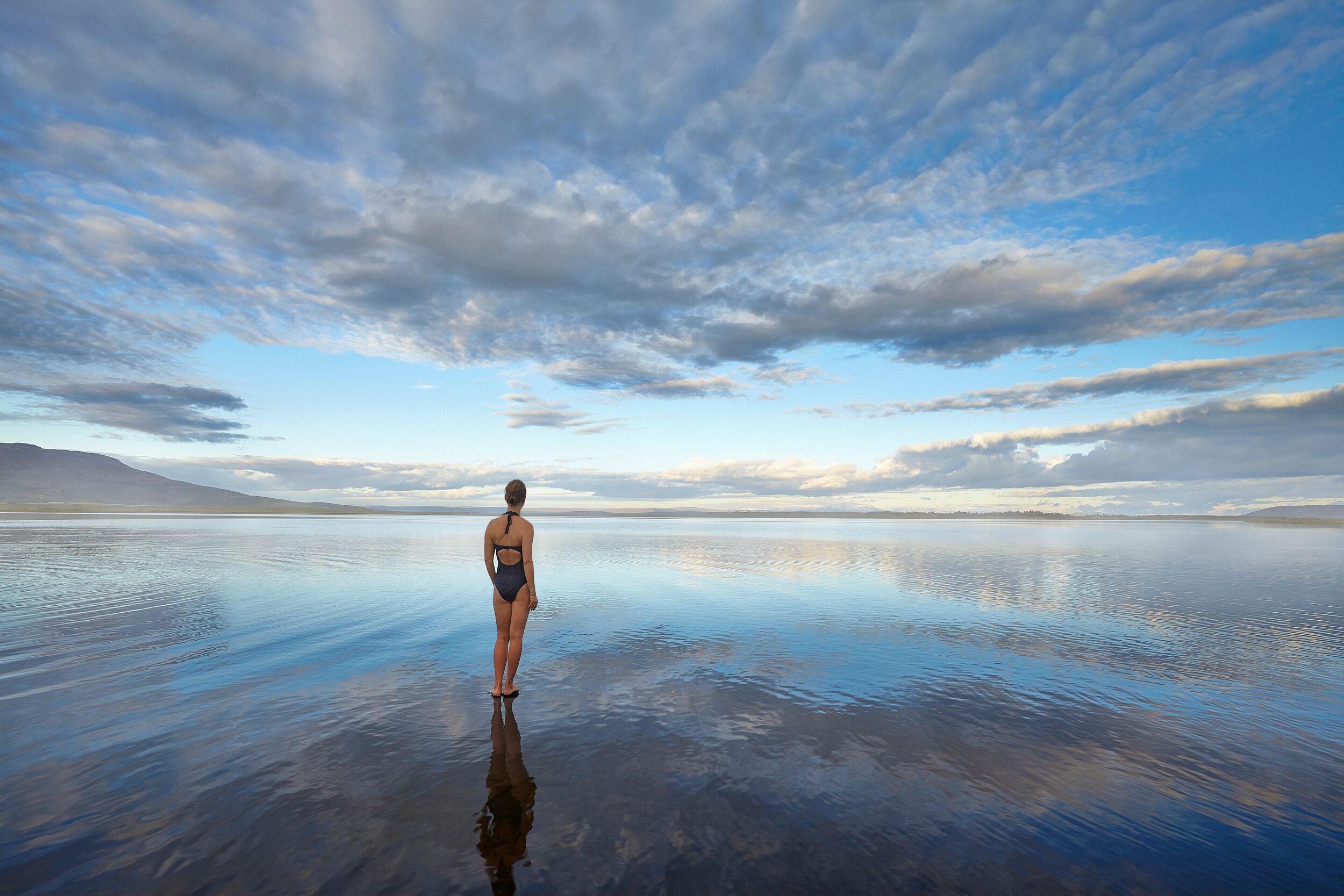
Golden Circle, Laugarás Lagoon & Blue Lagoon. Immerse yourself in the perfect balance of adventure and relaxation with this 4-day Iceland itinerary, designed to refresh your body and mind. Explore Iceland’s stunning volcanic landscapes while indulging in its world-famous geothermal spas. This journey blends natural wonders with pure tranquility.