

Is Reynisfjara Still Safe to Visit? Understanding the Recent Coastal Changes
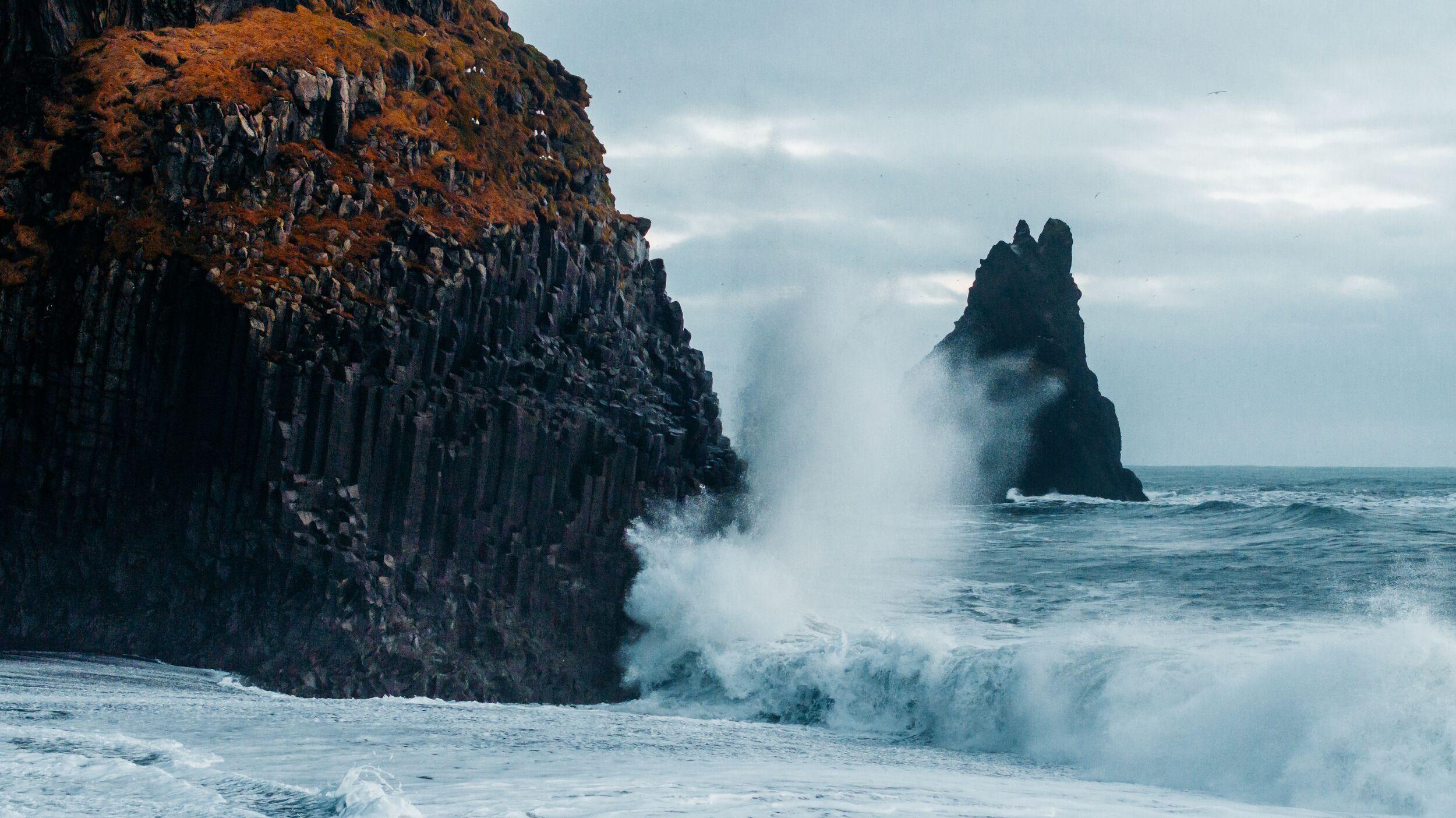
Reynisfjara Before and After: What Has Changed?
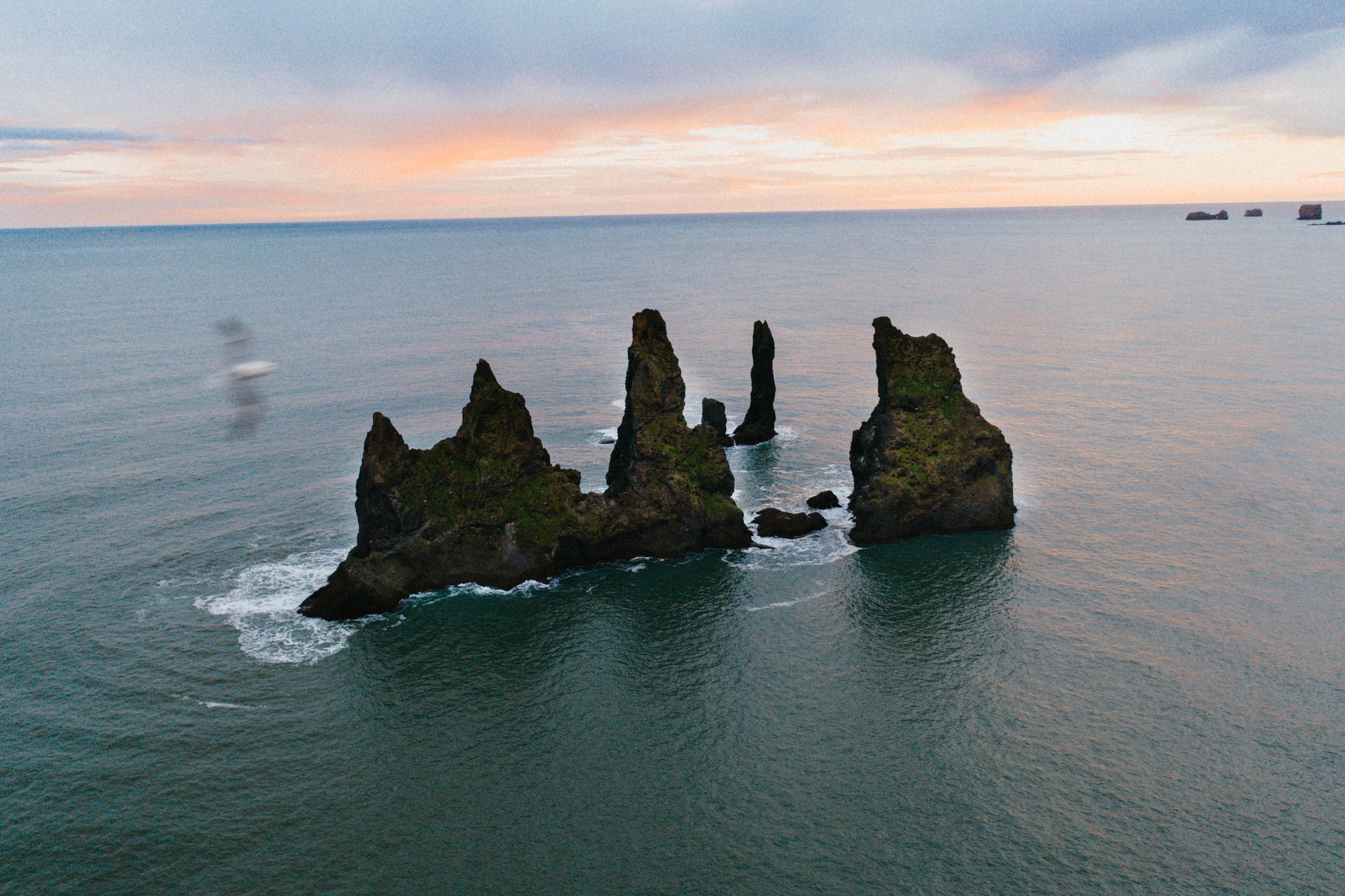
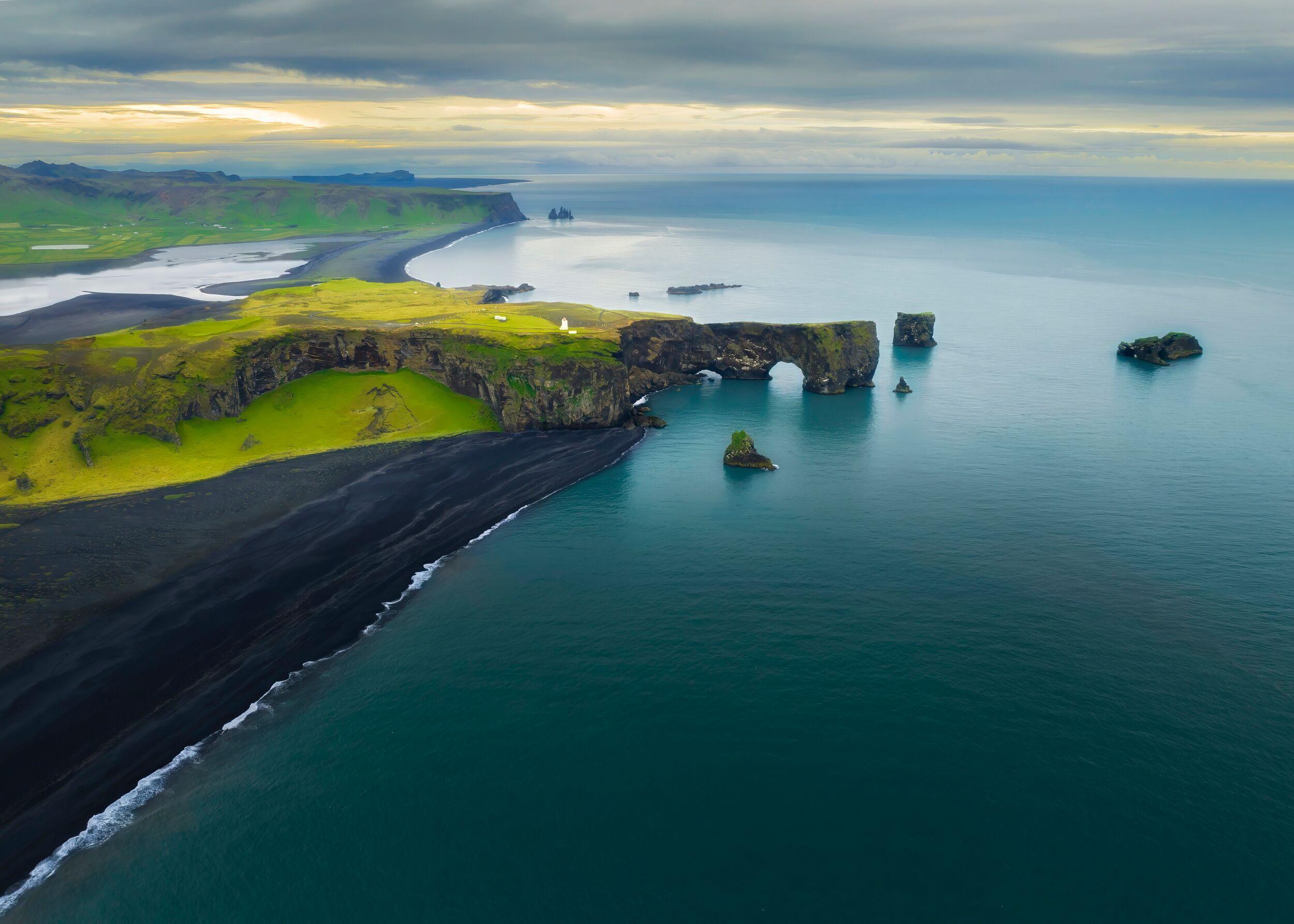
Reynisfjara’s black sand beach is a long stretch of black sand on the South Coast of Iceland. This is one of Iceland’s most famous and photographed stops and for good reason. The basalt columns that stretch out to sea are visually stunning but no less dramatic is the long, pitch black beach that seems to go on for miles until it meets up with the stunning Dyrhólaey rock formations on the other end. And then there’s the wild and ferocious Atlantic Ocean. This beach is constantly being reshaped by the North Atlantic and its violent waves. Recent storms have accelerated natural erosion, changing parts of the shoreline, which is very visible close to the parking lot and basalt columns. Heavy eastern tides have been unusually persistent, resulting in this sudden breakage but the erosion seems to be temporary as tides turn and return the sand that’s been broken away. As of March 2026, locals agree that the landscape is returning to what they are used to, although it did look strikingly different for a while.
What changed:
- Sand levels lowered near the basalt columns
- A steeper drop from the upper beach to the shoreline
- Large boulders exposed that were previously buried
- Pathways and signage affected
What we're used to seeing at Reynisfjara
Did Reynisfjara Beach Collapse?
No, Reynisfjara has not collapsed. In February 2026, persistent eastern tides and strong Atlantic storms accelerated coastal erosion at Reynisfjara, visibly altering parts of the shoreline near the parking area and basalt columns. The beach is still there, as are the cliffs and basalt columns. Storms and tides in February accelerated natural coastal erosion, which very clearly altered parts of the shoreline. As of early March 2026, the sand is returning to its former state, the beach remains accessible, though still visibly reshaped.
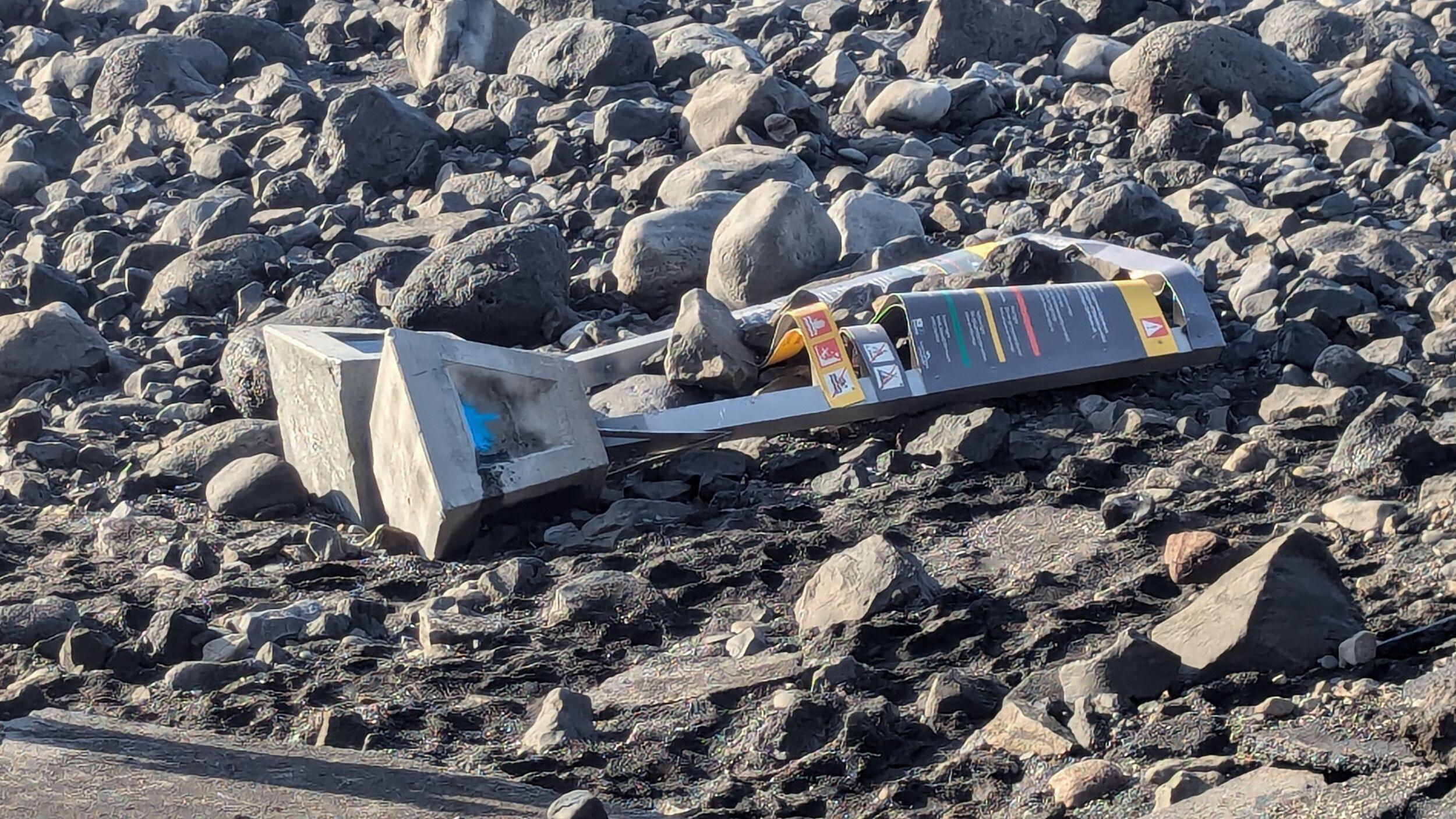
Reynisfjara on February 25, 2026. Photo by Gunnar H. Ingimundar
Is Reynisfjara Closed?
The dramatic currents and strong waves have broken up pathways, taken down signs and threatened some of the infrastructure created in recent years to meet the growing number of tourists that visit this place.
Despite these varying conditions in the surroundings, Reynisfjara remains open to visitors. However, Reynisfjara is always very well monitored for safety reasons and is regularly closed down when conditions change due to weather or currents. Rest assured that temporary closures are all part of the standard Reynisfjara program.
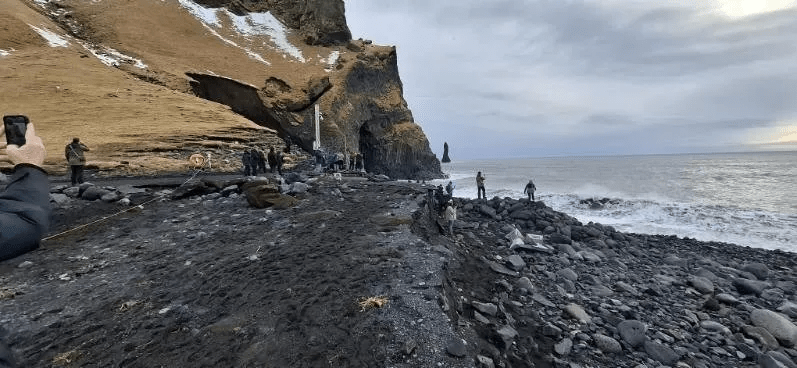
Reynisfjara on February 24, 2026. Photo by Pétur Eggerz.
Is Reynisfjara Safe to Visit?
This highly popular tourist attraction comes with a warning, one that tour guides deliver incessantly when they bring groups to this location for one primary reason called “sneaker waves”. These are extremely powerful waves that you don’t necessarily see coming and have snapped people off their feet that tread too close to the water. The waves are unpredictable but warning signs, instructions, directions and safety guidance are all in place to ensure that everyone stays safe. Visitors who respect safety guidance and remain well away from the shoreline can continue to visit safely. Just remember to never, ever take chances with this shoreline. This beach is strikingly beautiful but incredibly powerful.
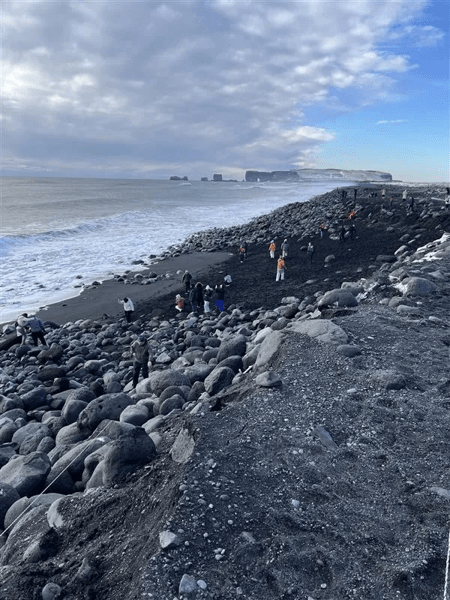
Reynisfjara on February 19, 2026. Photo by Guðjón Gunnarsson.
What Does Reynisfjara Look Like Now?
Reynisfjara, its adjacent hill Reynisfjall, the off-shore rock formations of Reynisdrangar and the basalt columns that adorn this entire setting are as visually striking as ever. The deep stretch of black sand from the parking lot to the sea has shortened significantly, leaving a steep drop off down to the sand and big boulders of rocks spread around. It’s a visual reminder of the intense natural forces that shaped and continue to shape this beach, the South Coast and the entire country of Iceland.
As of March 2026, turning tides have returned much of the sand that had been previously swept away and the beach seems more like its former self already. Just as ice caves melt in spring and new ones form in autumn, permanence has no place in these parts. All the more reason to tour these parts with an informed guide and adhere to all instructions and guidelines.
Stay safe and enjoy.

Reynisfjara on February 24, 2026. Photo by Pétur Eggerz.
Are there other black beaches in Iceland?
Absolutely. In fact, finding a beach in Iceland that isn’t black is a far more difficult project. Many of them have their own crown jewels, albeit different ones. Fellsfjara is a great example, which has been nicknamed the Diamond Beach. If you’re not familiar with this natural wonder, it’s the stretch of black sand beach below Jökulsárlón Glacier Lagoon which is dotted with breakaway ice from the glacier that glisten like diamonds in the sun.
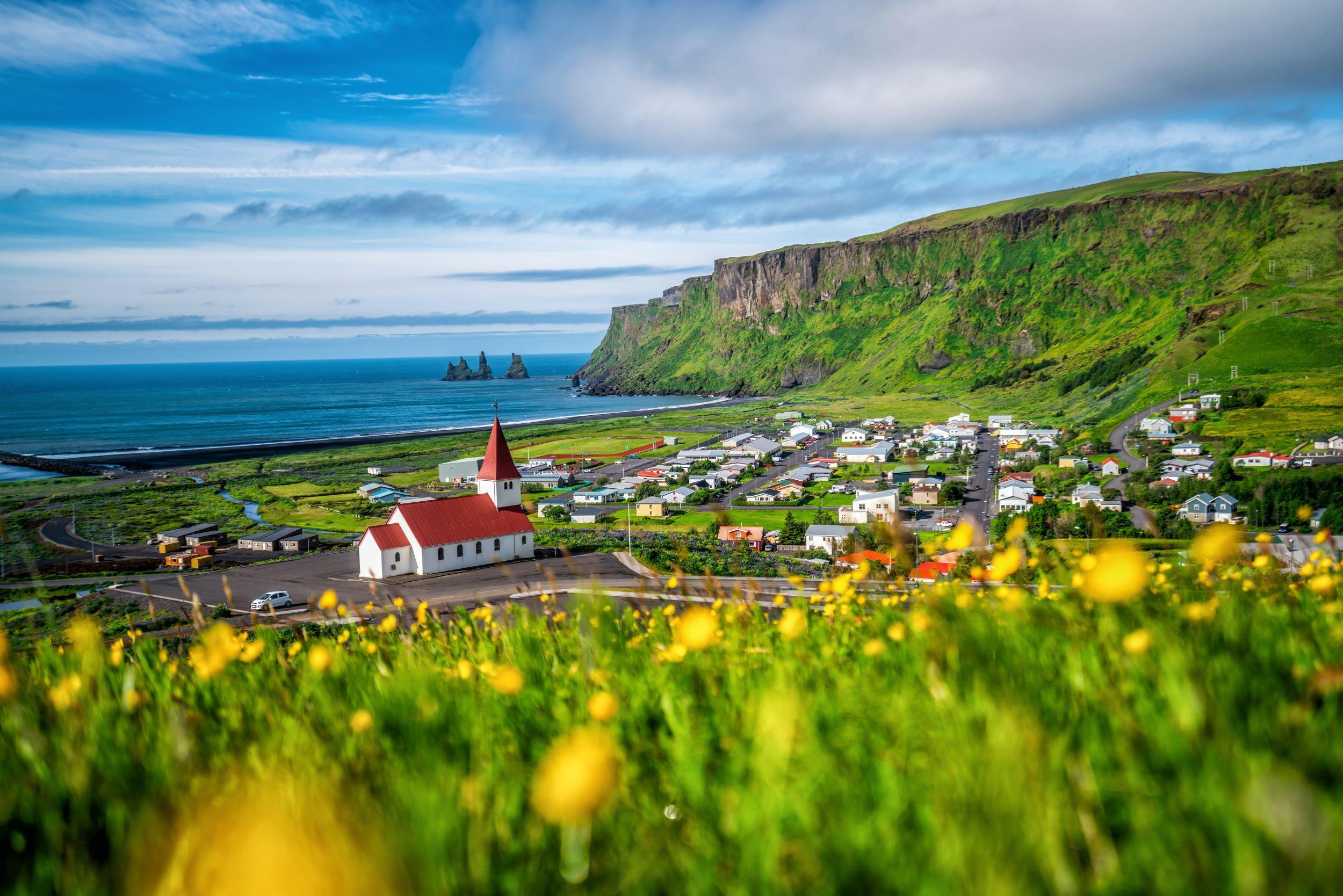
Víkurfjara is the beach below the village of Vík, on the other side of Reynisfjall with glorious views over the Reynisdrangar cliffs from the other side.
And then there’s Sólheimasandur, where our E-bike and ATV tours go with one of the world’s most famous plane wrecks. You can park at the parking lot by Route 1 and catch the Plane Wreck Shuttle from there if you’re not up for the hike and while this sounds like a weird mission, this is an incredibly scenic attraction with stunning views.
Related Tours
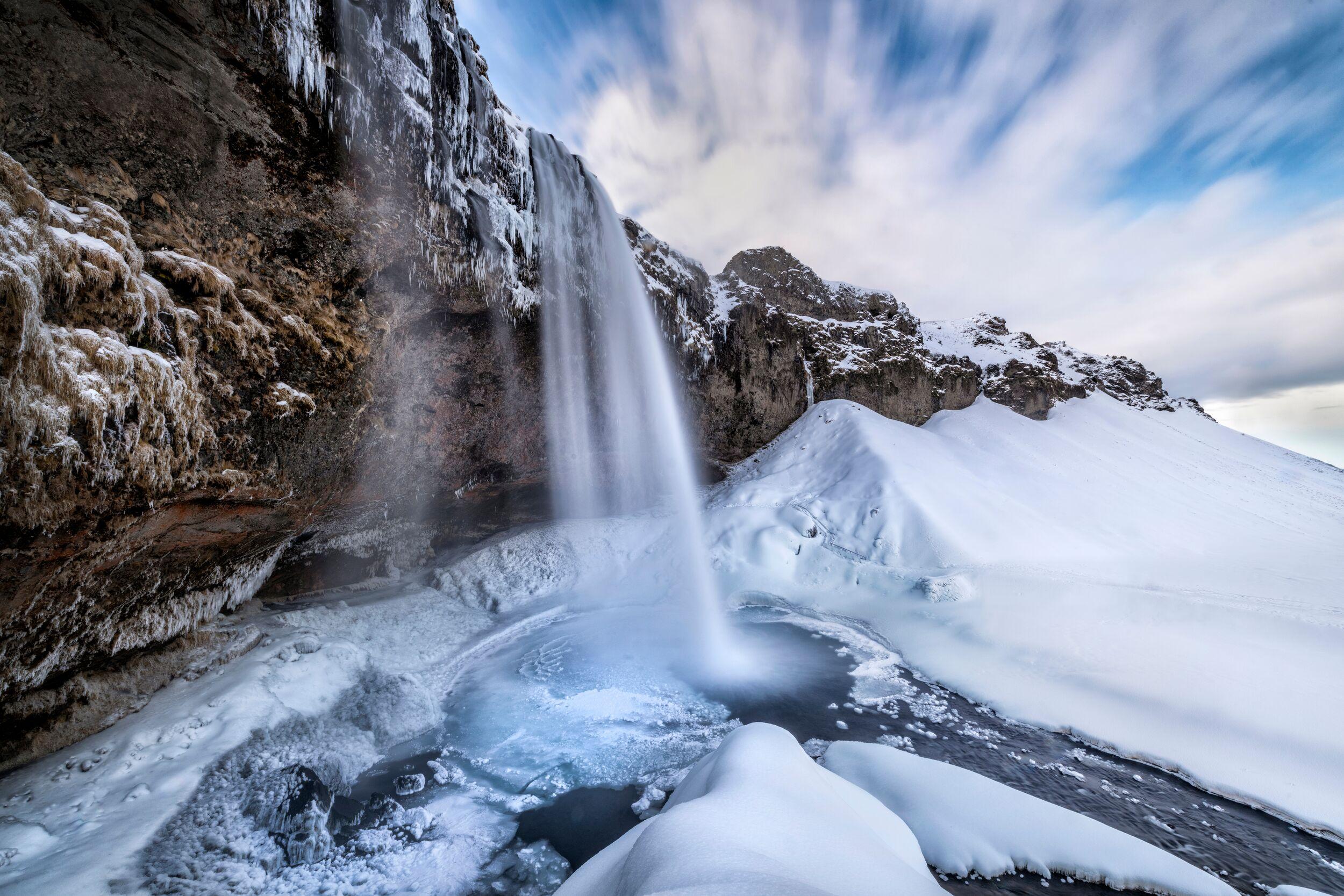
South Coast Wonders
This carbon-neutral Iceland South Coast tour is perfect for nature lovers looking to explore Iceland’s top natural attractions in just one day. Visit the stunning Seljalandsfoss and Skógafoss waterfalls, walk along the famous Reynisfjara black sand beach, see the breathtaking Sólheimajökull glacier, and experience the charm of Vík village—and enjoy incredible landscapes along the way.
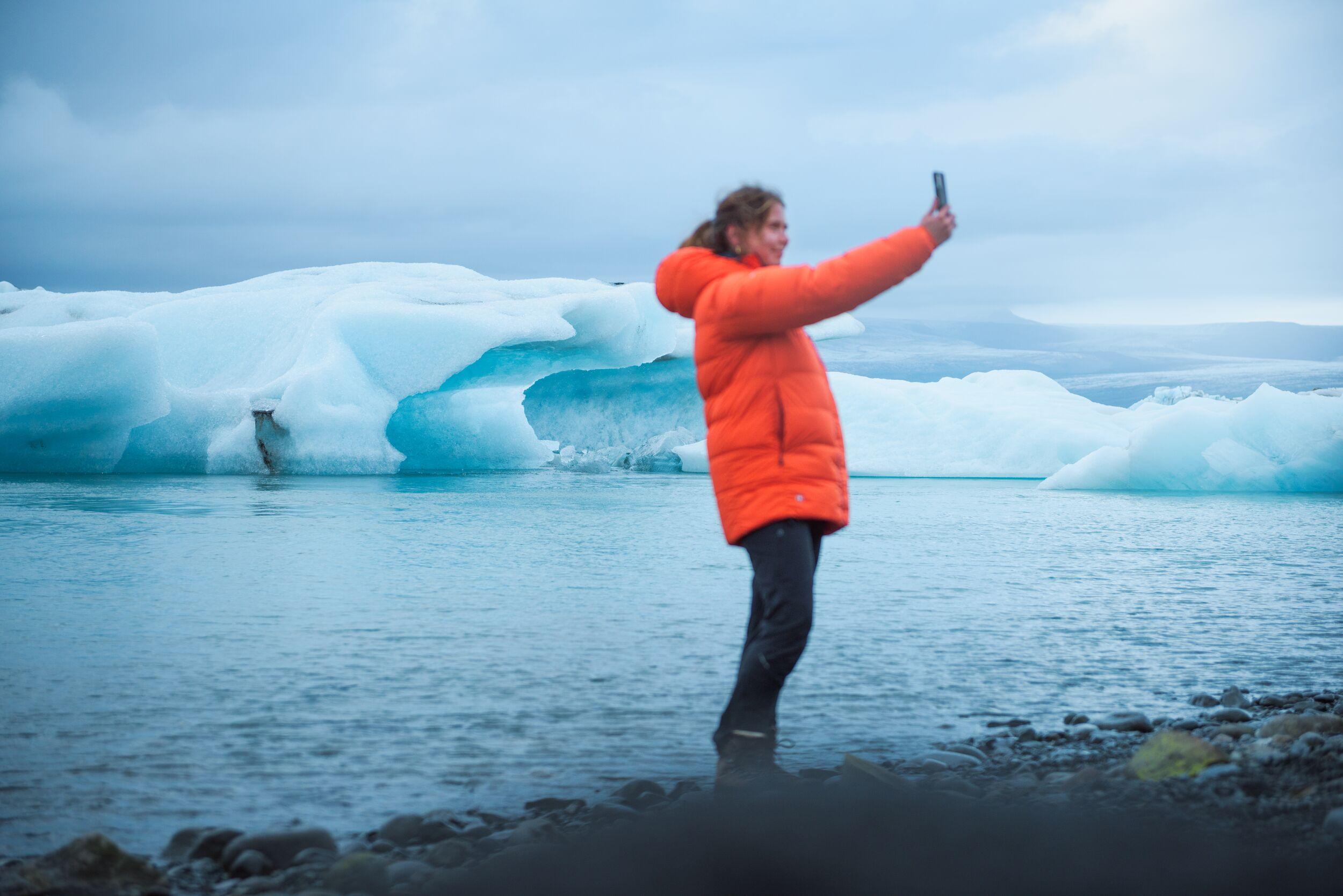
Jökulsárlón Glacier Lagoon & Diamond Beach
With its enormous white and blue icebergs breaking off from Vatnajökull glacier, the Jökulsárlón Glacier Lagoon is a natural wonder of Iceland, a sight you absolutely cannot miss. The nearby Diamond Beach has a stunning display of chunks of ice glistening on stark black sands. This tour features some of southeast Iceland's most spectacular and iconic landscapes!
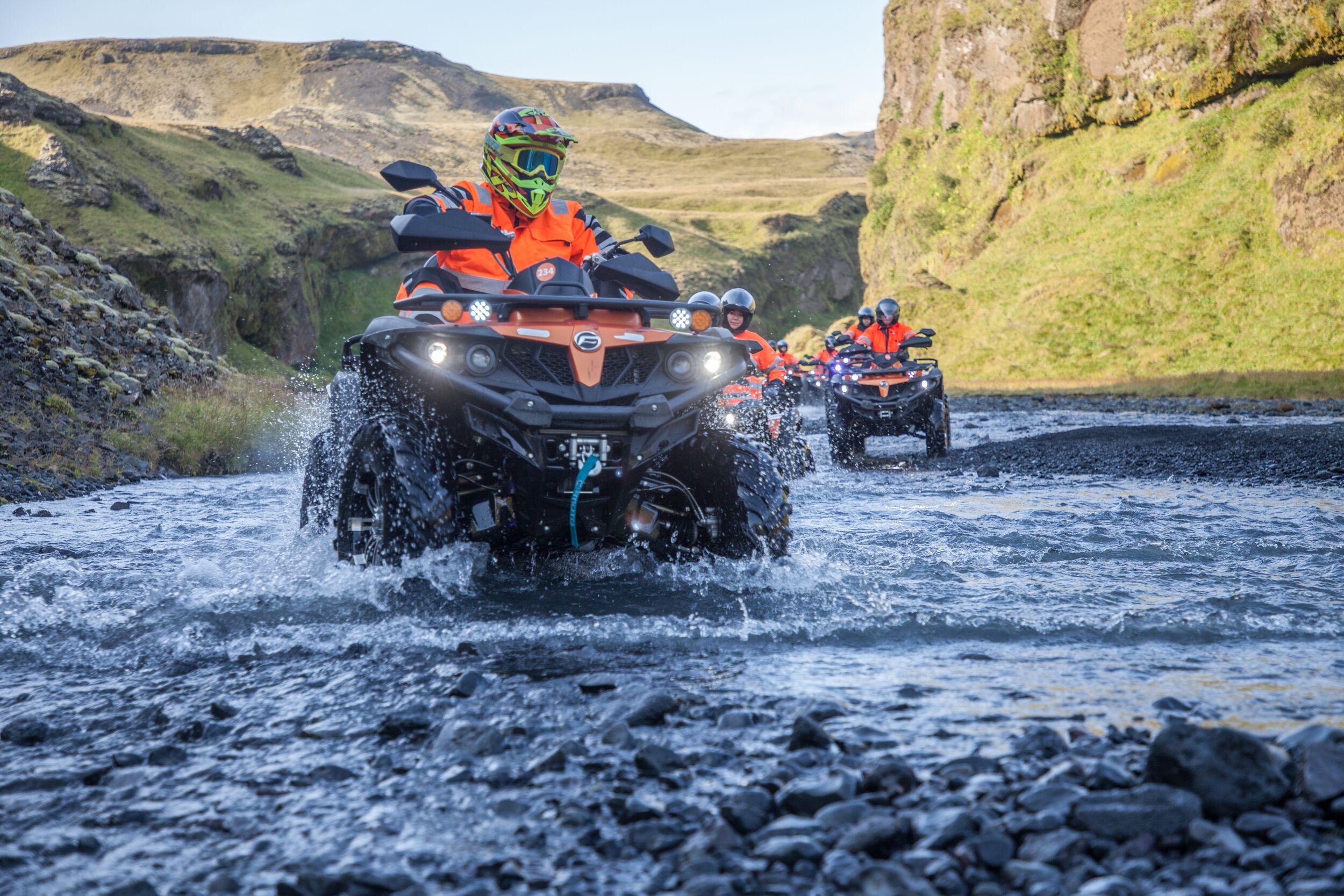
Black Sand Beach ATV Express
Welcome to an extraordinary ATV experience that transcends the ordinary – our Quad Bike Adventure awaits at the Mýrdalsjökull Base!
Places mentioned in this article
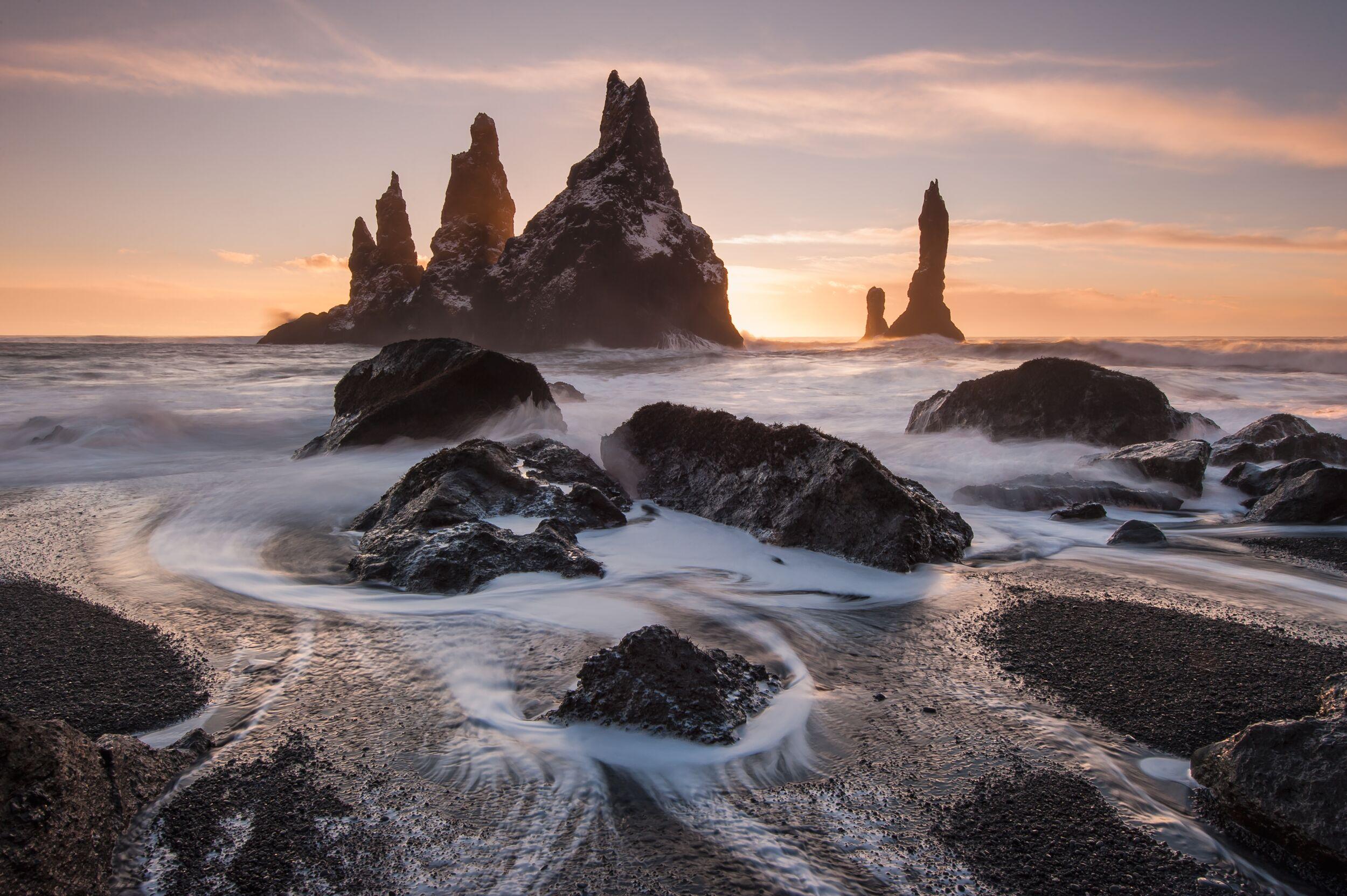
Frequently Asked Questions about the Reynisfjara Situation
No. Coastal erosion altered parts of the shoreline, but the beach, basalt columns and sea stacks remain intact.
Yes, Reynisfjara remains open, though temporary closures may occur during severe weather or heavy tides.
Yes, if visitors follow safety signage and stay well away from the water due to unpredictable sneaker waves.
No. The sand levels have shifted, but the beach itself remains one of Iceland’s most iconic landscapes.
Recommended tours
South Coast Wonders
This carbon-neutral Iceland South Coast tour is perfect for nature lovers looking to explore Iceland’s top natural attractions in just one day. Visit the stunning Seljalandsfoss and Skógafoss waterfalls, walk along the famous Reynisfjara black sand beach, see the breathtaking Sólheimajökull glacier, and experience the charm of Vík village—and enjoy incredible landscapes along the way.
South Coast & Northern Lights - Combo Deal
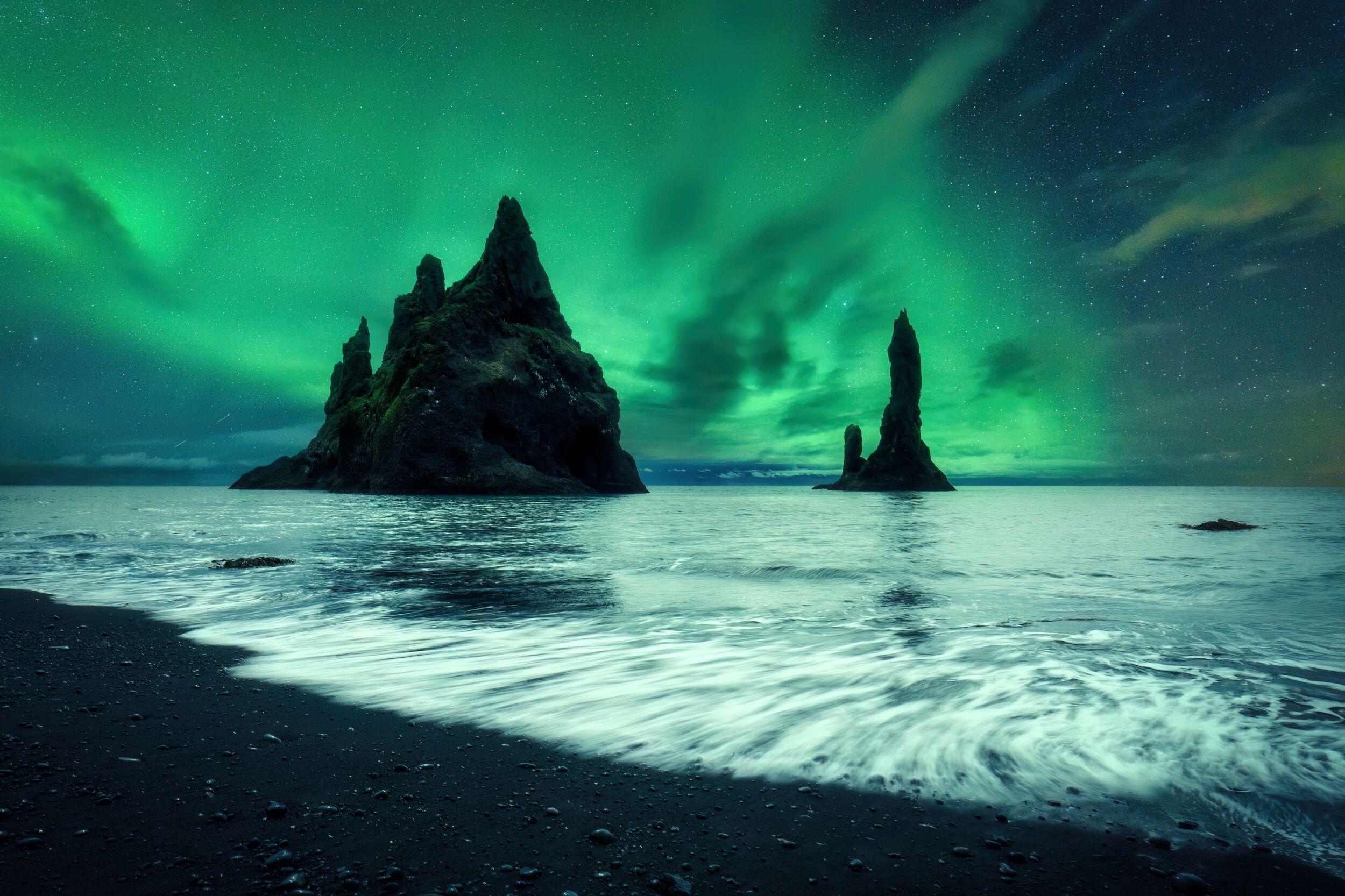
A carbon-neutral sightseeing tour to Iceland's most iconic region. Visit Seljalandsfoss, Skógafoss, Reynisfjara black sand beach, Vík village and the northern lights on this amazing combo tour.
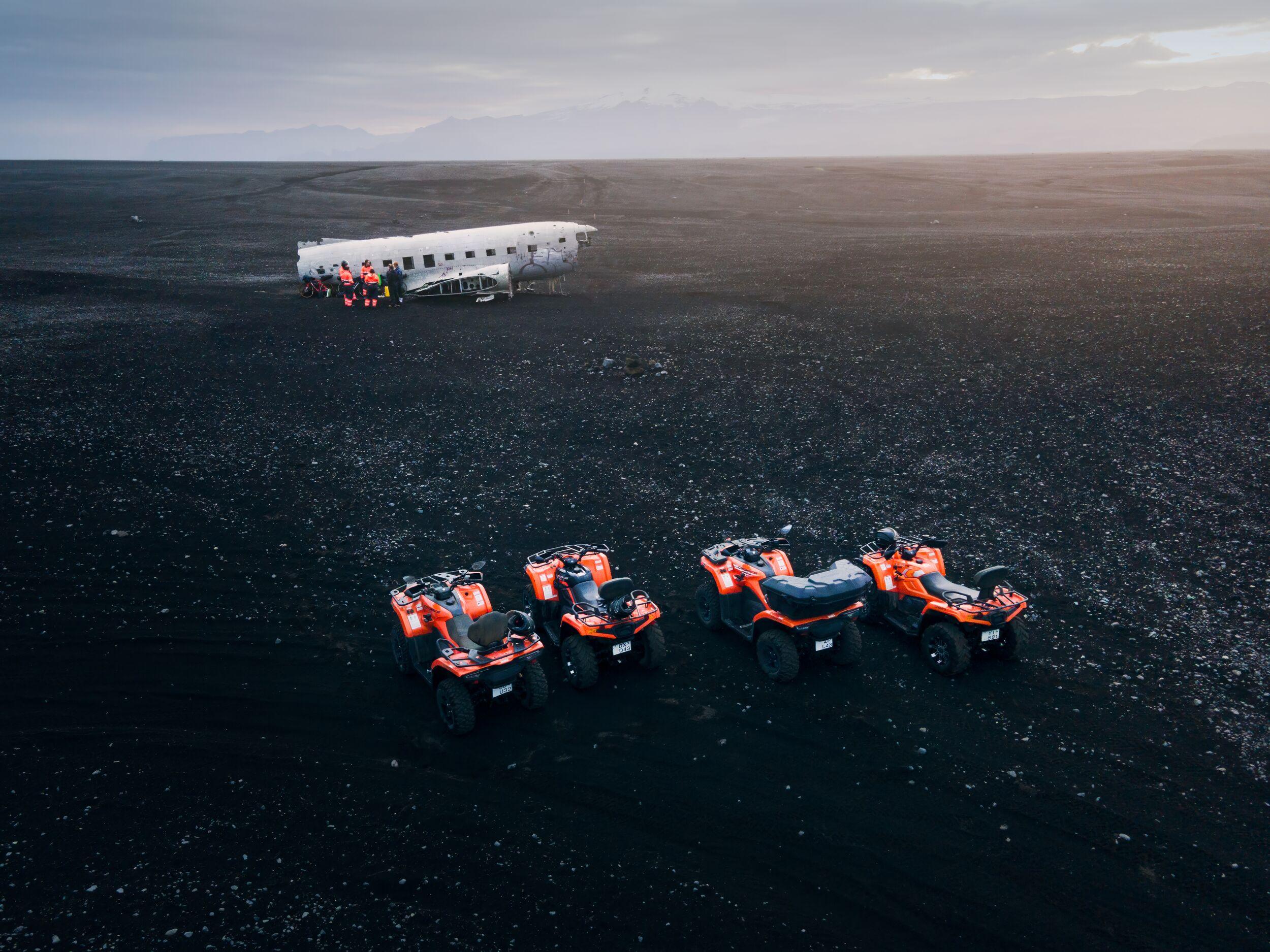
Black Sand Beach & Plane Wreck ATV Tour
Looking for an active tour in south Iceland? Get an adrenaline rush while riding an ATV on vast black sand beaches! This thrilling 2-hour guided tour includes breathtaking views of the surrounding area and a visit to the Sólheimasandur Plane Wreck.
- Bestseller
- Popular
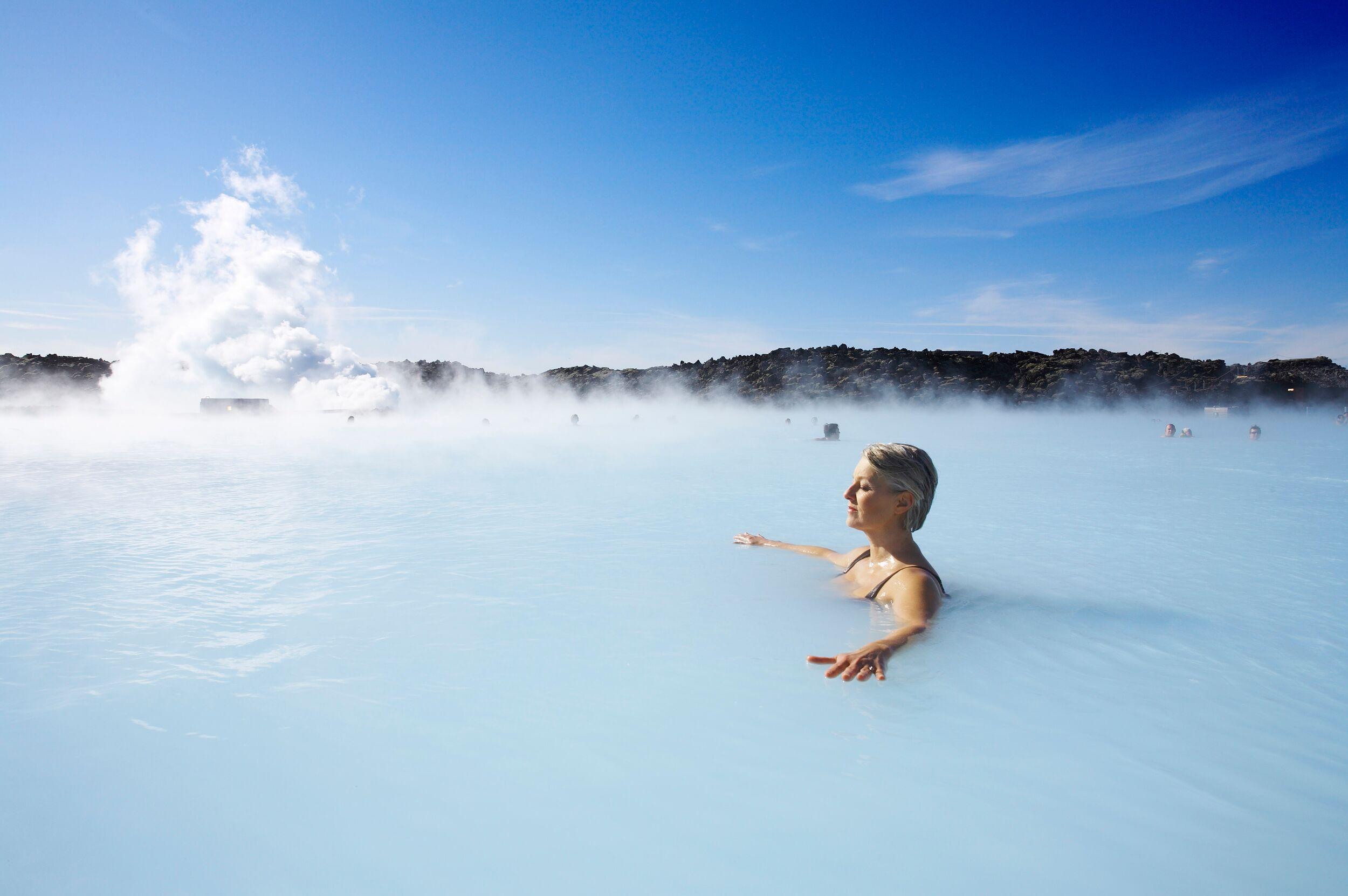
Blue Lagoon & Northern Lights
Enjoy a perfect winter day in Iceland! Experience the best of Iceland with this package of two of the island’s most popular tours in one day! Soak in the milky blue healing water of the Blue Lagoon, which is one of Iceland's most famous tourist attractions and is considered by many to be a once-in-a-lifetime experience and an unmissable part of a visit to Iceland. After your return to Reykjavík, a guide will lead you on a search for the elusive northern lights! Watching the lights dance and flicker in the sky, changing shape and colour, is incredible. Prepare to be dazzled!
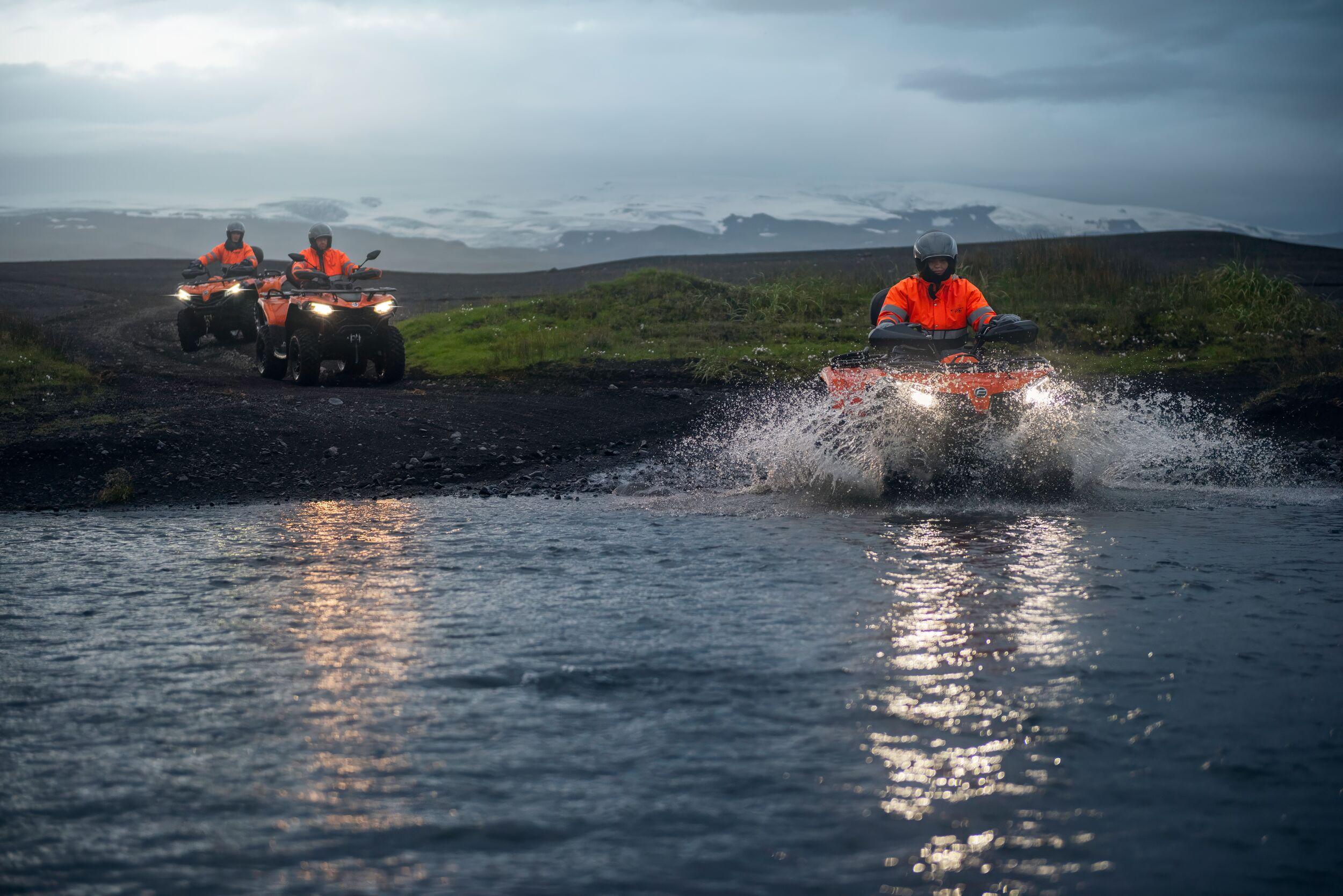
South Coast & Sólheimasandur DC-3 Plane Wreck Black Beach ATV Adventure
Explore Iceland's legendary South Coast, where the thundering cascades of Seljalandsfoss and Skógafoss await. Amidst the shadow of the mighty Katla volcano, feel the thrill of an ATV ride across scenic valleys and black sand expanses, leading you to the iconic DC-3 plane wreck on Sólheimasandur beach. A harmonious blend of tranquil vistas and heart-pounding adventure!
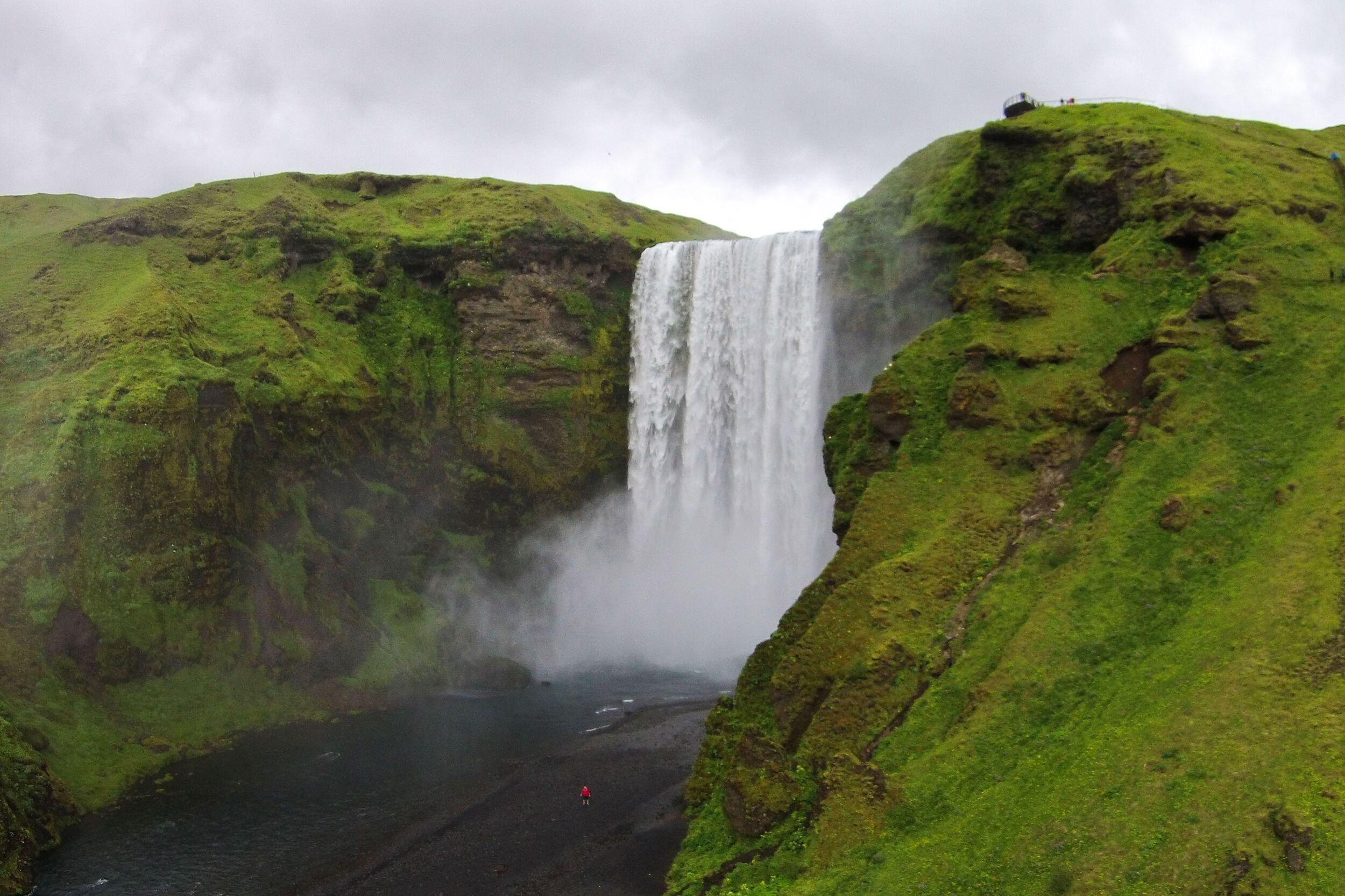
Highland Bus - Reykjavík to Skógar
In the summer, Skógar comes alive, turning into a lush green wonderland under the towering Eyjafjöll mountains. The area is home to one of Iceland’s most famous waterfalls, Skógafoss, a pearl of the south coast. The drive to Skógar is a scenic ride through the picturesque south of Iceland, passing by small farms and charming villages with astounding views of the surrounding mountains and volcanoes on clear days. Whether you are planning a day trip to the region or a multi-day hike, leave the driving to us!