

The Ultimate Guide to South Iceland’s Waterfalls
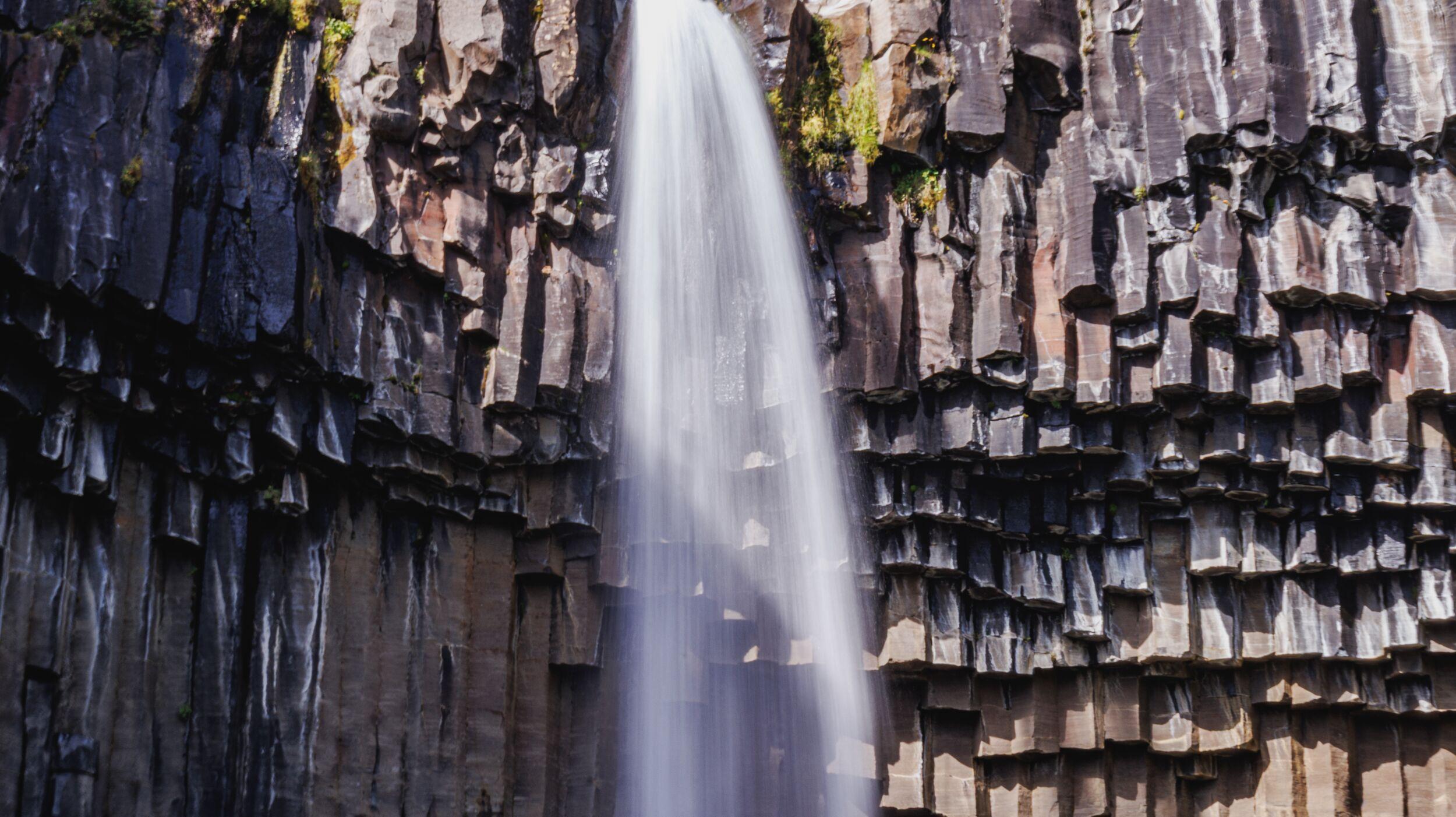
Table of Contents
- 1What are the main waterfalls you shouldn’t miss in South Iceland?
- 2Which under the radar waterfalls in South Iceland should you add if you have more time?
- 3Öxarárfoss: the South-West detour worth making
- 4A note about reaching waterfalls in the Southern Highland region
- 5Tips for travellers visiting South Iceland for its waterfalls
- 6Finally...
- 7Frequently Asked Questions
Iceland’s extraordinary landscapes are what drive many visitors to come to the country, not least for its striking waterfalls, glaciers and beaches. Icelandia’s South Coast tours showcase the best of this magnificent scenery. If you’re keen to get acquainted with some of the country’s 10,000 or so waterfalls, this region is a stellar place to begin, as it has some of the largest and most photogenic in Iceland.
What are the main waterfalls you shouldn’t miss in South Iceland?
Seljalandsfoss
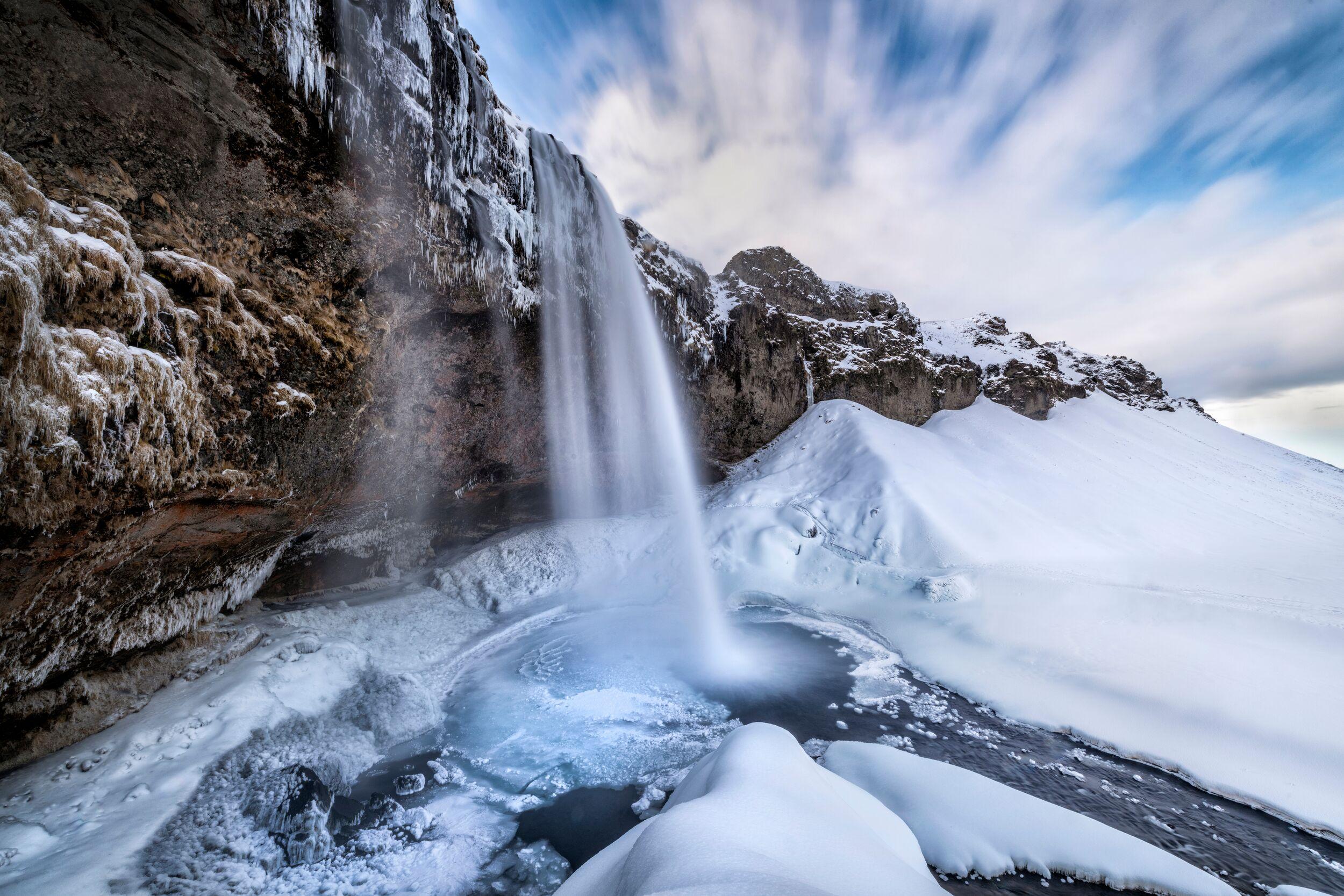
Seljalandsfoss is one of Iceland’s most famous waterfalls and a jewel of the south coast. It’s one of the most popular stops on our South Coast Wonders tour. The water cascades over a rocky ledge 60 metres up but this long drop isn’t its signature feature. What is? A path that leads up and behind the curtain of water. Peer out from behind the waterfall for a view of the countryside beyond, which is remarkable at any time of day but especially gorgeous at sunset.
Gljúfrabúi
Seljalandsfoss isn’t the only waterfall that descends from the cliff here. Just a few hundred metres away you can seek out another waterfall, Gljúfrabúi, which is a little shorter. It’s tucked out of sight behind a cleft in the rock. You can get a glimpse of it from the opening, but to fully appreciate this waterfall, pull on waterproof boots and wade into the nook. Looking up towards the light, you’ll get the full effect of this impactful waterfall.
Skógafoss
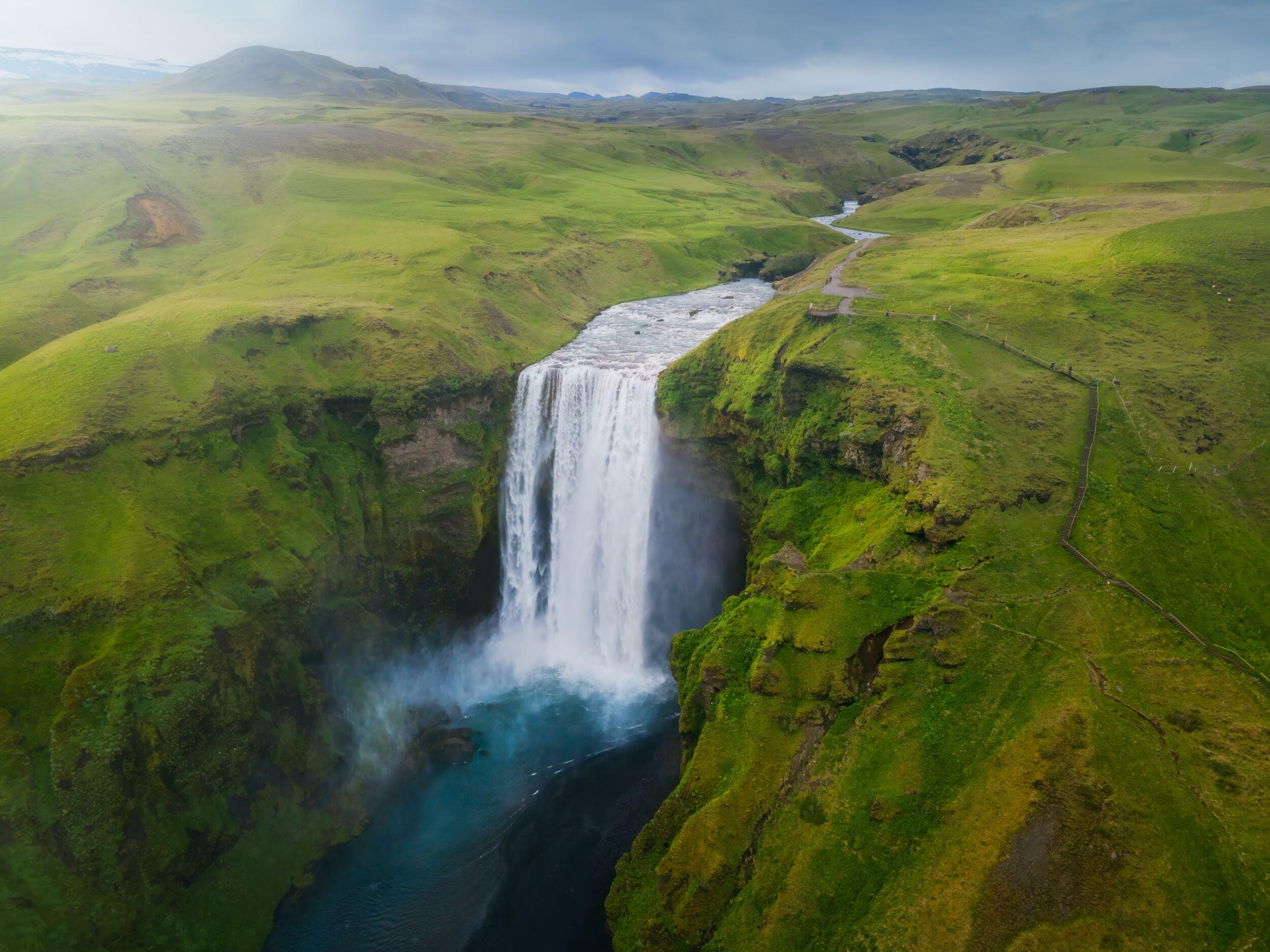
Twenty minutes further on as you travel east from Seljalandsfoss, another waterfall comes into view. Skógafoss – a favourite on our South Coast Wonders tour – is also 60 metres tall, but it’s also much wider than its neighbour, which arguably makes it more impressive. To the right hand side as you look at the waterfall you’ll see a flight of steps. It’s worth climbing these not only to get a bird’s eye view of Skógafoss but also to appreciate its coastal setting.
Svartifoss
Svartifoss – considered by many to be one of the best waterfalls in Iceland – is located further east in Skaftafell, which forms part of Vatnajökull National Park. Its name translates as Black Falls – it’s flanked by basalt columns, darker when wet. To reach it, you’ll need to hike uphill from the car park; this can be slippery in winter, so check with the visitor centre about current conditions. You pass a few smaller falls and eventually come to Svartifoss itself, which can be viewed from a platform set back from the water itself.
South Coast Wonders
This carbon-neutral Iceland South Coast tour is perfect for nature lovers looking to explore Iceland’s top natural attractions in just one day. Visit the stunning Seljalandsfoss and Skógafoss waterfalls, walk along the famous Reynisfjara black sand beach, see the breathtaking Sólheimajökull glacier, and experience the charm of Vík village—and enjoy incredible landscapes along the way.
South Coast & Glacier Kayaking
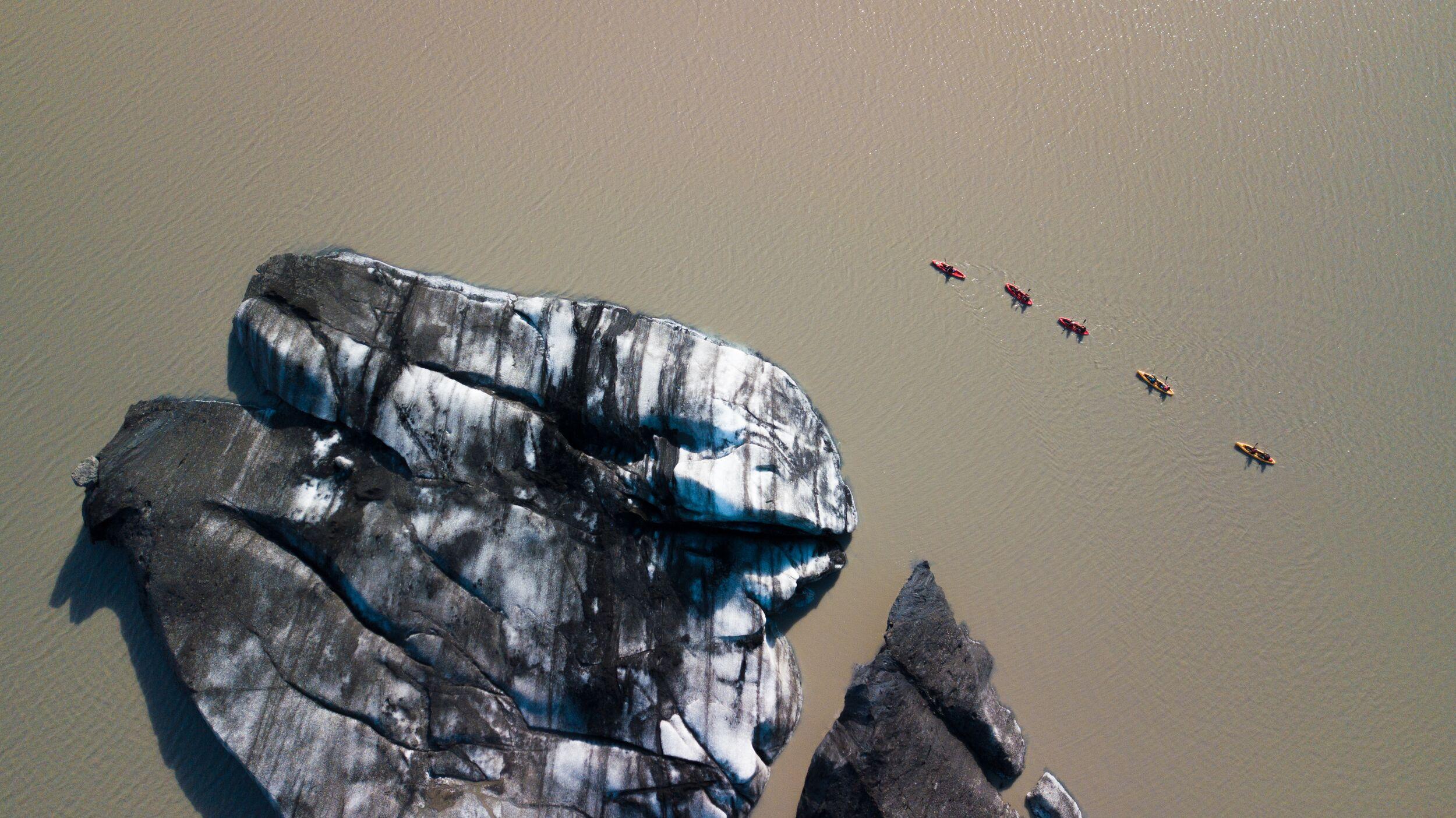
Discover the essence of Iceland's natural beauty on this day tour, featuring two of Iceland's most renowned waterfalls and an exhilarating kayaking experience on a glacier lagoon. Journey through landscapes that blend cascading waters with icy wonders, all in a single, unforgettable day.
Which under the radar waterfalls in South Iceland should you add if you have more time?
Urriðafoss
The waterfall with the biggest flow in Iceland isn’t Gullfoss on the Golden Circle or Dettifoss in the north of the country. It’s actually Urriðafoss, an often overlooked waterfall in the south. It’s found on the Þjórsá, the longest river in Iceland. Here, an average flow of 360 m3 per second makes this a worthy attention grabber despite not having the height of other waterfalls in the area.
Gluggafoss
Over time, water sculpts the rock with which it comes into contact and that’s very evident at Gluggafoss. This interesting waterfall gets its name from the window-like holes that the flow has carved out of the palagonite bedrock. Water from the River Merkjá passes through a rock arch and plummets down a deep chasm. When it reaches the basalt below, it becomes bottom heavy, splitting into multiple streams.
Kvernufoss
While you’re visiting Skógafoss, you might also like to acquaint yourself with its neighbour, Kvernufoss – another that you can walk behind though this isn’t recommended if it’s snowy or icy. From the car park at the Skogar Museum, follow a trail for 20 minutes which leads to this relatively secluded spot. At one point you’ll need to climb over a stile to traverse a fence, but it’s not really a difficult hike. The gorge cut by the river is splendid and the 30 metre high waterfall more than worth the effort it takes to reach it.
Ægissíðufoss
Multi-tiered Ægissíðufoss gently drops over several steps in the bedrock, making this a pretty sight. You’ll find it on the Ytri-Ranga River close to Hella, an easy detour for anyone travelling along the southern stretch of Iceland’s famous ring road. You might catch sight of fish here as there’s a salmon ladder in place; you’ll need an official permit if you wish to do a bit of angling while you’re here.
Rauðárfoss
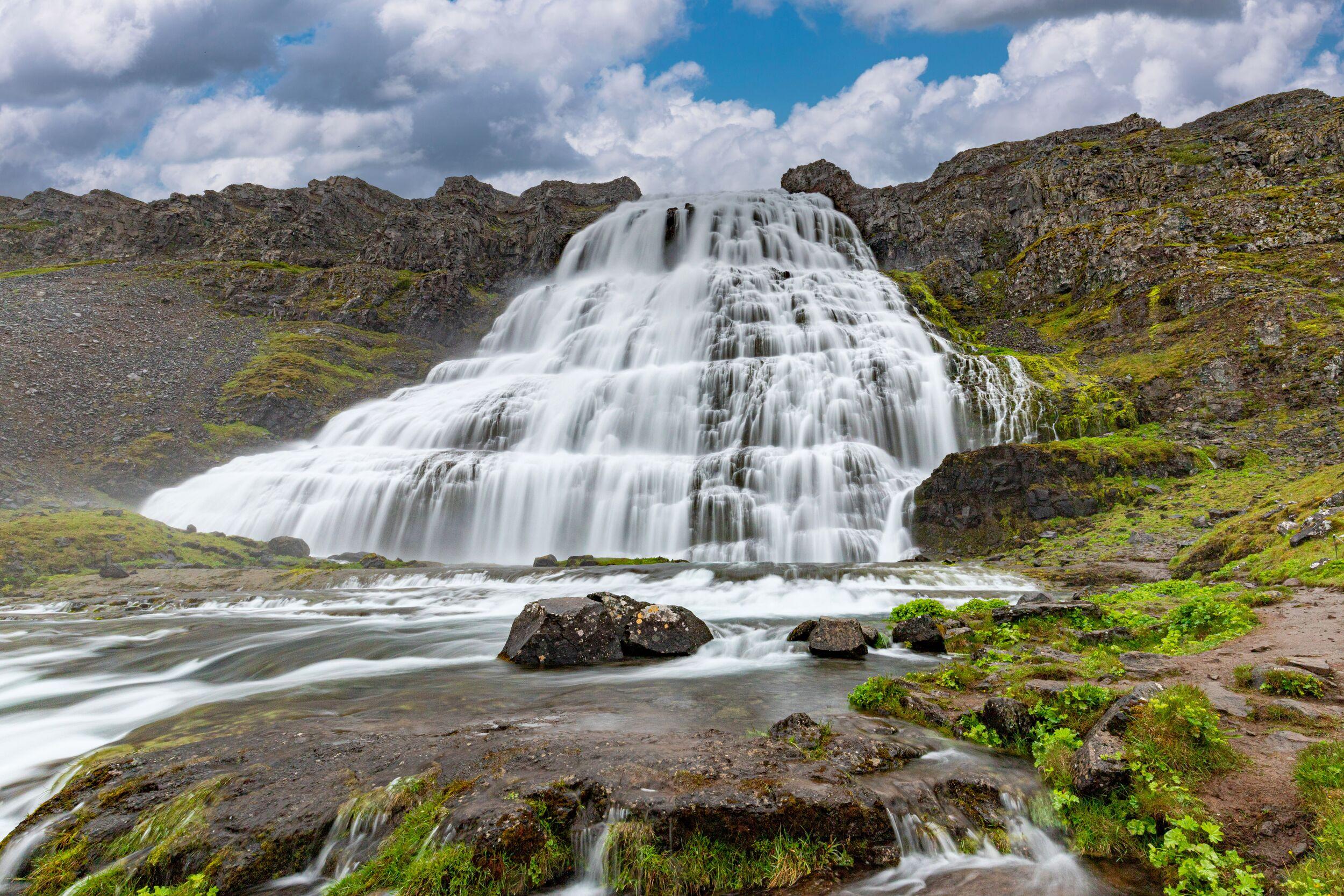
With so much black and grey rock around, it’s uncommon to see red tones in comparison, but that’s exactly what you’ll encounter here thanks to the presence of iron within the basalt. The bridal veil shape of this waterfall is not dissimilar to the more famous Dynjandi falls up in the Westfjords, but this one’s more convenient for anyone travelling in the south of the country, located less than an hour’s drive east of Vik close to Kirkjubæjarklaustur.
Írárfoss
This cute little waterfall is situated midway between Seljalandsfoss and Skógafoss but receives a fraction of the visitors as it’s accessed by a short detour off the ring road along the 246. Írárfoss (the name translates as Irish River Falls) is about 40 metres high with plenty of spray to make an impression. The verdant setting contributes to its appeal, especially with photographers.
Háifoss
Háifoss is one of Iceland’s tallest waterfalls, measuring about 122 metres from top to bottom. If you’re keen to do some serious hiking, you can reach the waterfall along a 6km trail that hugs the River Fossá, a tributary of the Þjórsá. To reach it takes around two and a half hours from Reykjavik by car and it’s wise to opt for an all-wheel drive vehicle because of the condition of the road. And if it looks familiar when you gaze upon this towering wall of water, it’s probably because it was featured in a memorable scene in the TV series Stranger Things.
Öxarárfoss: the South-West detour worth making
Öxarárfoss
Öxarárfoss sits inside Þingvellir National Park, where the Öxará river drops over the edge of the Almannagjá gorge — the rift wall between the North American and Eurasian tectonic plates. It is a short, level walk from the Hakið visitor centre car park along a boardwalk, which makes it one of the easiest waterfalls in Iceland to reach.
The fall is not the tallest on this list, but the setting is the point: you are standing in a continental rift, on the site where Iceland’s parliament was founded in 930 AD. In winter the spray freezes into columns along the basalt and the pool below fills with slabs of ice, while in summer the walk is busy from mid-morning onwards — arrive early or late if you want it to yourself.
Strictly speaking Öxarárfoss belongs to the Golden Circle rather than the south coast, so most travellers see it on the way out to Geysir and Gullfoss rather than on a south coast drive. If you are basing yourself in Reykjavík and working through the waterfalls above, it slots neatly into a separate day — and it is the only one on this list you can reach in under an hour.
- Location: Þingvellir National Park, South-West Iceland
- Drive from Reykjavík: About 50 minutes
- Access: Boardwalk from the Hakið car park (P1), around 10 minutes each way; a parking fee applies
- Best time: Year-round, though the boardwalk can be icy in winter — bring spikes
A note about reaching waterfalls in the Southern Highland region
In addition to those we’ve already covered, there are other waterfalls found in the Southern Highland region including the two-stepped Hjálparfoss, Gjáin in Þjórsárdalur, Fossabrekkur and Þjófafoss. These tend to be trickier to visit or require more of an effort as the area’s F-roads are only suitable for high clearance 4x4s during the summer season – outside that, you’ll need to book a super jeep tour. Many of the cascades that we’d refer to as the hidden waterfalls in South Iceland fall into this category.
Tips for travellers visiting South Iceland for its waterfalls
How safe is it to visit South Iceland’s waterfalls?
You shouldn’t have a problem visiting a waterfall in South Iceland so long as you use a modicum of common sense. For instance, in winter, the spray from waterfalls can freeze, leaving paths slippery with black ice. Wearing crampons can give you additional grip; these pull over your hiking boots and are easy to slip on and off as needed.
In addition, sometimes areas close to waterfalls are roped off. This may be to allow vegetation to recover or to prevent visitors straying too close to sheer drops or unsafe paths. It’s essential that you heed any warning signs; waterfalls are dynamic environments that are managed for a reason and you will be safer if you follow such advice, even if others choose not to.
When’s the best time of year to visit South Iceland’s waterfalls?
For many of South Iceland’s waterfalls, visiting year-round is a possibility. Some of the most famous, such as Skógafoss, are located very close to the ring road. Access is therefore very straightforward, even in low season. However, you may find that parts of the site are restricted in winter – for example, it’s not usually possible to walk behind the waterfall at Seljalandsfoss because the ground would be treacherously slippery.
South Iceland is firmly on the tourist trail and so major sights can be crowded during summer’s peak season. Though that shouldn’t present a problem, some travellers prefer to time their visit for the shoulder season or in winter when visitor numbers are at their lowest. Winter’s soft light, coupled with snowy landscapes, can be especially appealing. South Iceland waterfalls feature in tours that depart year-round so it really comes down to personal preference.
Can you detour easily from South Iceland to see the waterfalls of the Golden Circle?
It’s easy to detour inland from Selfoss and loop through the Golden Circle as you make your way back to Reykjavik. However, to do so you’ll need to allow more than a day as there’s so much to see and do in both areas. Alternatively, you can choose to separate them into two tours, returning to Reykjavik for the evening each time.
How do you take a great photo of a South Iceland waterfall?
While the photogenic nature of South Iceland’s waterfalls means that it’s hard to take a bad shot, there are a few things you can do to produce a more striking image. Composition is crucial and for this, patience is important. This is especially the case in summer when you may need to wait a while for people to move away to get the picture you want.
Consider symmetry, particularly at waterfalls such as Svartifoss where the basalt columns flanking the cascade create a natural amphitheatre. Play around with different angles: position yourself above Skógafoss, or behind the curtain of water at Seljalandsfoss, or inside the cleft in the rock at Gljúfrabúi for iconic images.
Think about light, too, which is often most conducive to great photography early or late in the day. If the sky is partially cloudy, timing your shot for when the sun breaks through will flood the waterfall with light and bring the detail out in the surrounding rock. If you’re lucky, this might produce a rainbow – or even a double – as is often the case at Skógafoss.
Finally...
To come to Iceland without seeing its waterfalls would be a pity and those who venture through the scenic south region won’t be disappointed. You might choose to put together a self-drive waterfall circuit using a map of Iceland’s waterfalls, but it’s often much easier to take a guided tour, particularly to see the South Coast of Iceland waterfalls. Such landforms are the highlight of our South Coast tours, for instance, with plenty of time to admire the waterfalls, as well as appreciate their scale and beauty.
Frequently Asked Questions
The most accessible waterfalls are those located directly off the Ring Road or with short, well-maintained paths. These include:
- Seljalandsfoss – just a 1–2 minute walk from the parking lot.
- Skógafoss – extremely close to parking and viewable without any hiking.
- Gljúfrabúi – a short walk from Seljalandsfoss; requires stepping into a shallow gorge.
- Urridafoss – often overlooked, but very easy to reach and wheelchair-friendly.
Each can be visited year-round, though winter conditions may require caution.
Seljalandsfoss:
Yes, there is a path behind the falls, but it is only safe in summer and early autumn. In winter, the path typically becomes extremely icy, often closing entirely. Even when open, waterproof layers and sturdy boots are essential—the spray is constant.
Kvernufoss:
You can also walk behind Kvernufoss, but the trail is narrower and more natural. It is not maintained in winter, and snow/ice can make it unsafe or inaccessible. Summer and early autumn offer the safest conditions and the most enjoyable experience.
Some waterfalls demand longer hikes or more rugged terrain:
- Kvernufoss – short hike (20 minutes each way) but uneven path.
- Gluggafoss (Merkjárfoss) – easy to reach but exploring upper tiers requires more walking.
- Háifoss & Granni – technically Highlands waterfalls; require a 4x4 road and a moderate hike to the best viewpoint.
- Svartifoss (in Skaftafell) – a popular hike but longer (1.5–2 hours round-trip).
For a true adventure, exploring hidden canyons and side valleys often leads to unnamed or lesser-known falls, but these should only be attempted with proper gear and awareness of conditions.
South Iceland’s waterfalls are accessible year-round, but conditions change dramatically:
- Winter: Ice forms on trails, spray zones become slippery, and some paths close. Driving can also be hazardous.
- Spring: High meltwater increases flow; paths may be muddy or flooded.
- Summer: Best overall access, long daylight hours, safest trails.
- Autumn: Beautiful photography light but rapidly cooling conditions; occasional storm washouts.
Wind is a major factor—strong gusts can blow spray far from the falls or make cliff-edge viewing unsafe.
- Golden hours (early morning and late evening) offer the most flattering light, especially in summer when the sun sits low for long periods.
- Seljalandsfoss faces west, so evening light is ideal.
- Skógafoss often has rainbows in the late morning to early afternoon on sunny days.
- For crowd avoidance, arrive before 9:00 AM or after 7:00 PM in summer. In winter, the short daylight hours naturally reduce visitor numbers, but midday remains busiest.
Yes—South Iceland is full of semi-hidden gems:
- Kvernufoss – near Skógar Museum but still quieter than Skógafoss.
- Nauthúsagil waterfall – a narrow canyon requiring a short scramble; best in summer.
- Gluggafoss – layered, picturesque, and usually quiet.
- Fagrifoss (with 4x4 access) – remote and visually striking.
Most hidden waterfalls require good footwear, respect for weather, and staying on safe paths.
- Use a tripod for long exposures to soften the water.
- Try slower shutter speeds (¼–2 seconds), but take fast-shutter shots as well to capture spray detail.
- Bring lens wipes—spray is inevitable at Seljalandsfoss and Skógafoss.
- Shoot from angles that include foreground elements like rocks or moss for depth.
- Visit during soft light (overcast conditions or golden hour) to avoid harsh shadows on the water.
- Always keep an eye on the surroundings—don’t step on wet rocks or edges for “the perfect shot.”
A classic South Coast waterfall loop might look like this:
Urridafoss – quiet and powerful.
Seljalandsfoss & Gljúfrabúi – explore both; budget at least 45–60 minutes.
Skógafoss – climb the staircase if conditions allow.
Optional detours: Kvernufoss, Nauthúsagil, or Gluggafoss.
Continue to Sólheimajökull, Dyrhólaey, or Reynisfjara if combining waterfalls with a full South Coast itinerary.
This circuit works in both directions and fits easily into a half-day or full-day outing depending on stops.
For seamless integration with Icelandia’s offerings:
- Seljalandsfoss & Skógafoss pair perfectly with South Coast tours, glacier walks on Sólheimajökull, or combined South Coast + Jökulsárlón itineraries.
- Kvernufoss makes an excellent add-on for travellers starting or ending at Skógar for hikes or museum visits.
- Svartifoss aligns well with tours heading toward Skaftafell or Vatnajökull National Park.
- Háifoss can complement Highlands super-jeep experiences in summer.
- Stay on marked trails—erosion and hidden drop-offs are common.
- Beware of slippery surfaces near spray zones; rocks can be deceptively slick.
- Respect closures—they’re issued for ice, falling rocks, or flooding.
- Keep a safe distance from cliff edges and fast-moving rivers.
- Wear waterproof, sturdy footwear, especially outside summer.
- Check weather and road conditions (vedur.is, safetravel.is, road.is) before driving.
- Do not fly drones where signage forbids it (common at heavy-traffic sites).
Recommended tours
Northern Lights Tour
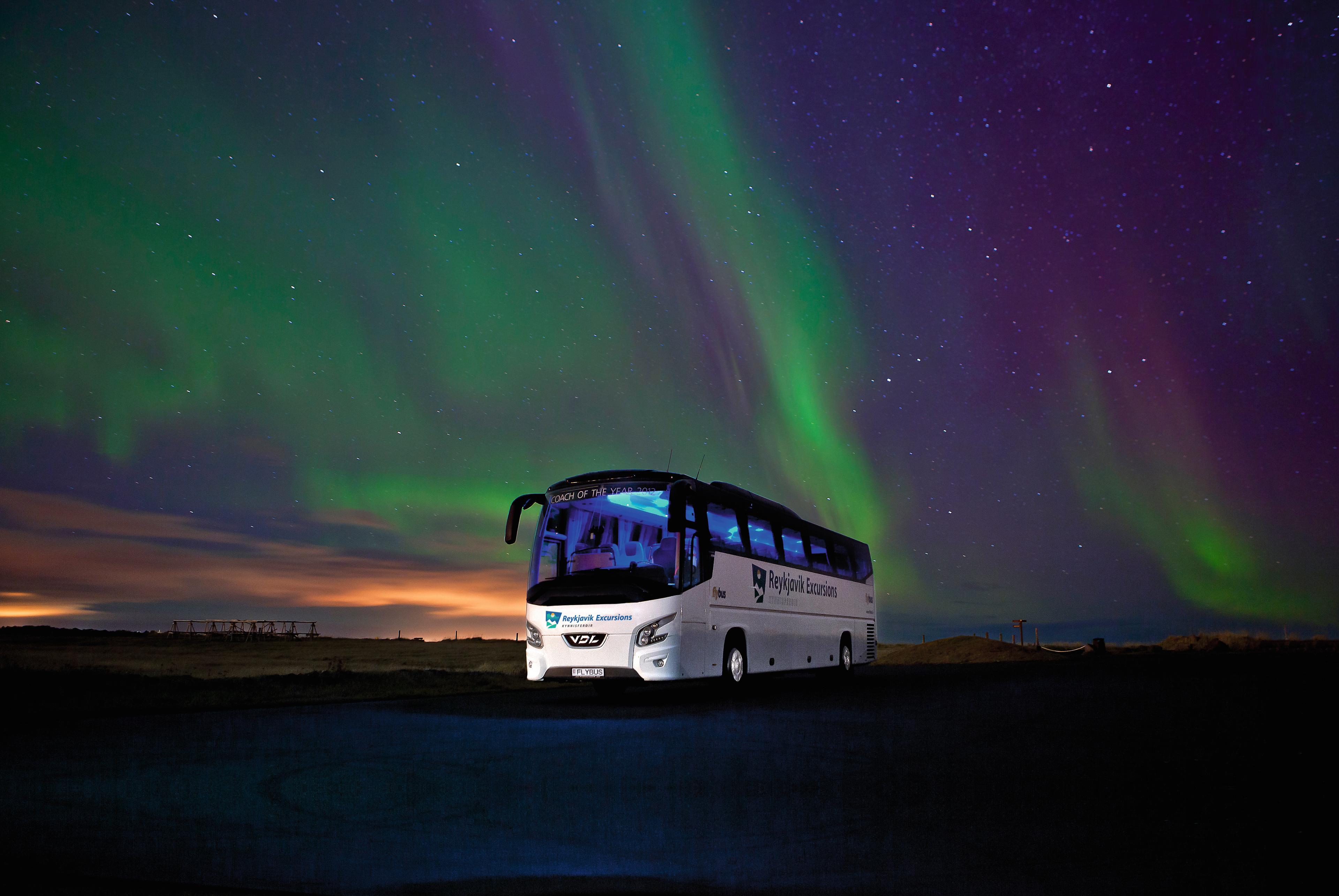
See the majestic Northern Lights dancing across the sky. If the skies are shy, try again free of charge as many times as you need until you see them! Learn about the phenomenon by visiting the Aurora Centre - Northern Lights Exhibition in Reykjavík; admission is included in this tour!
- Bestseller
- Popular
Blue Lagoon & Northern Lights
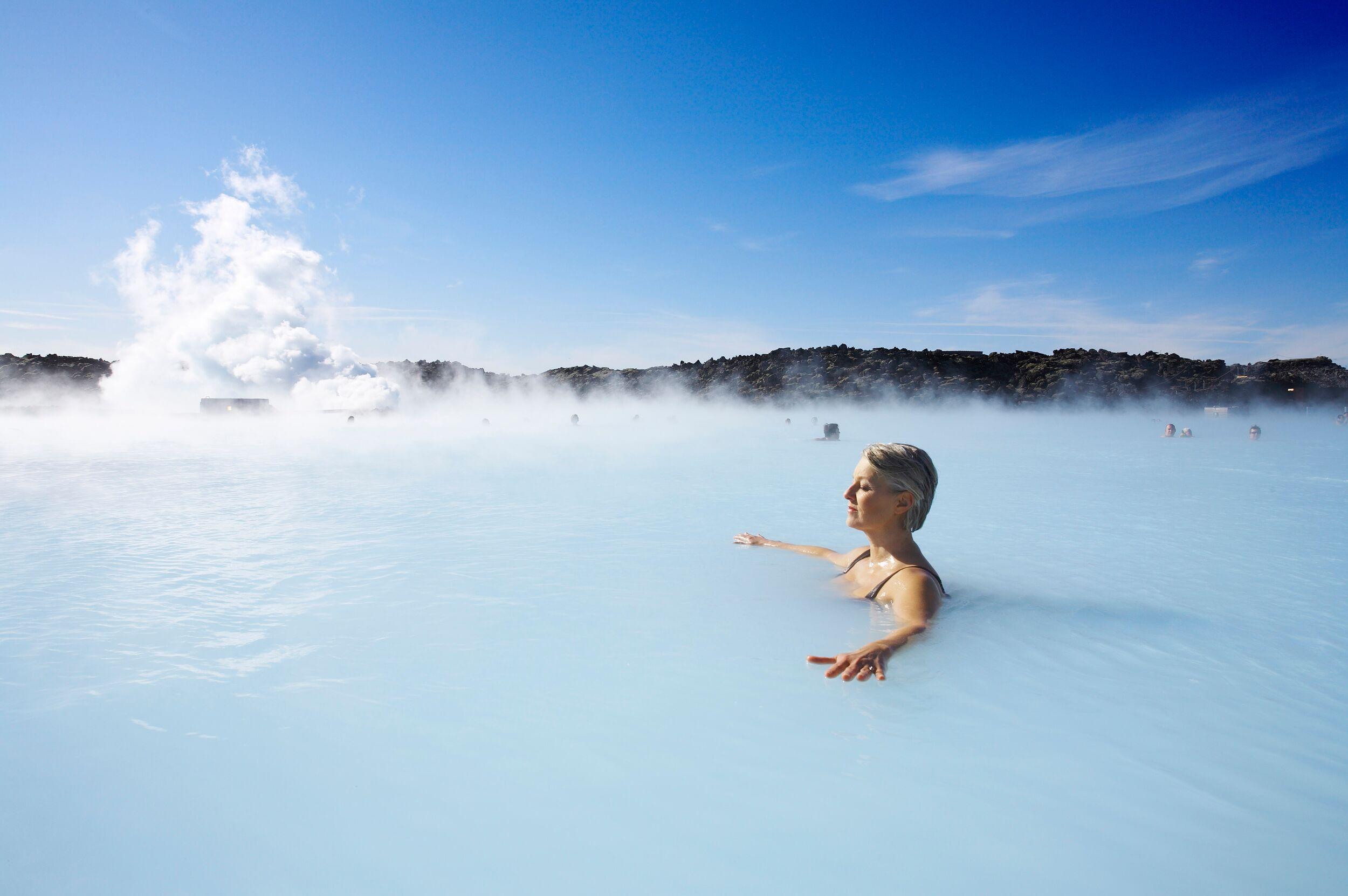
Enjoy a perfect winter day in Iceland! Experience the best of Iceland with this package of two of the island’s most popular tours in one day! Soak in the milky blue healing water of the Blue Lagoon, which is one of Iceland's most famous tourist attractions and is considered by many to be a once-in-a-lifetime experience and an unmissable part of a visit to Iceland. After your return to Reykjavík, a guide will lead you on a search for the elusive northern lights! Watching the lights dance and flicker in the sky, changing shape and colour, is incredible. Prepare to be dazzled!