

Can You See the Northern Lights in Iceland in August?
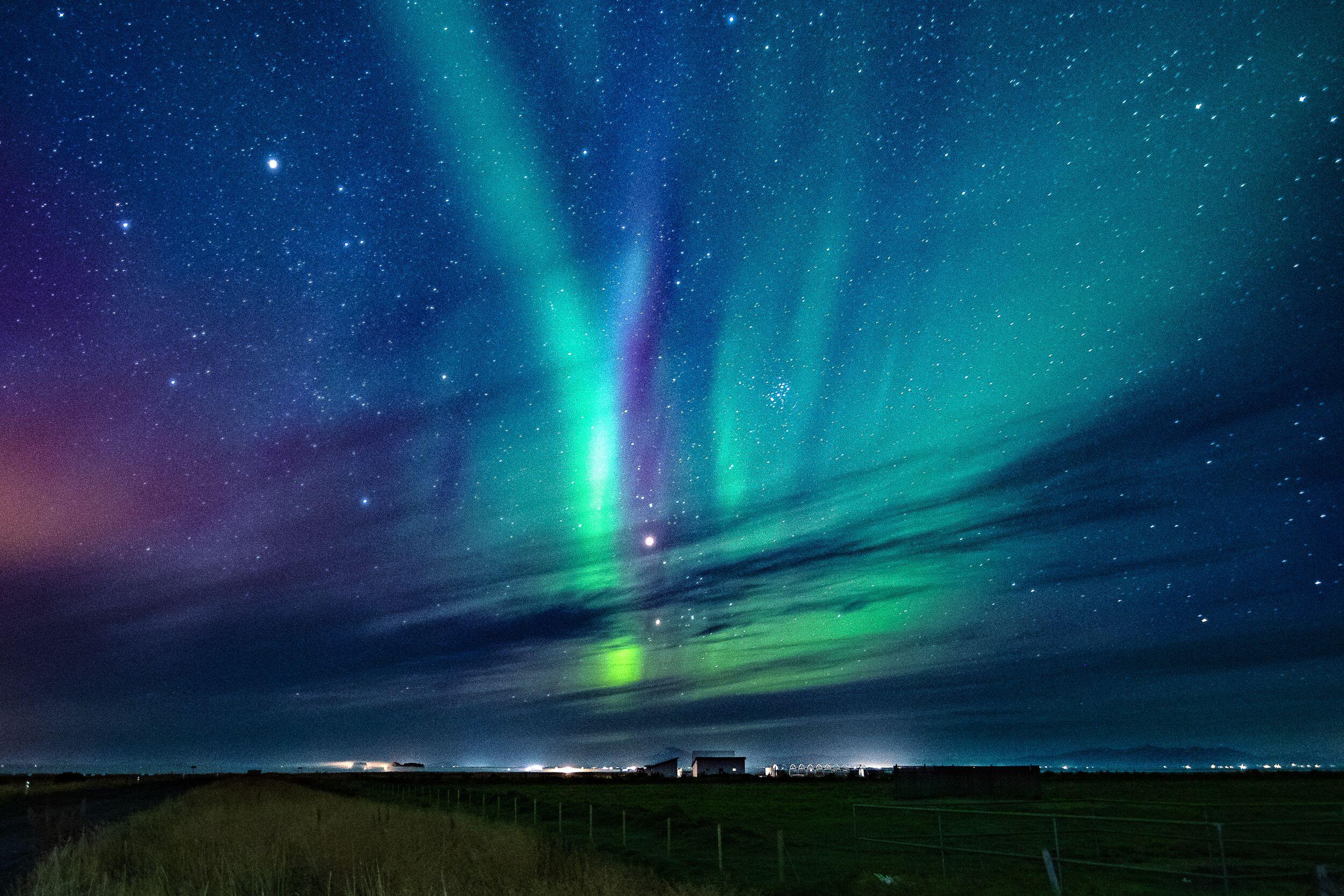
Travelers can visit Iceland’s top tourist attractions year round. In fact, it’s one of the great joys of a subsequent trip to see those familiar waterfalls, gorges and beaches during a different season. For a few hard to reach places and bucket list activities, however, timing your visit for the right time of year matters a lot. The F-roads accessing the Highland region, for instance, are usually open from June until September. Meanwhile puffins are only present on the Icelandic mainland from the end of April through until the middle of August.
Conversely, the Northern Lights show up during the other months, from the tail end of summer until light nights start to make their presence felt. You’ll be hard-pressed to see the aurora in late spring and summer. If you’ve been wondering whether you can see the Northern Lights in Iceland in August, then yes, you can, but you might opt to wait until autumn if seeing them is important to you. In this article, we’ll explain why as well as explore your chances of seeing the Northern Lights in August in Iceland. We’ll discuss the best viewing times and discuss where you might spot them.
Is August a Good Time to Visit Iceland for the Northern Lights?
Whether August is a good time to visit Iceland in the hope of seeing the aurora really depends on your expectations and what will make the trip worthwhile for you. If it’s akin to the icing on a rather delicious cake than the cake itself – say, for example, for travelers that have seen them before – then gambling on August might be an option you’d consider.
In contrast, if witnessing the Northern Lights in August in Iceland is the main focus of your trip because you’ve never seen them before, then the stakes are higher. You might be better waiting another month at least or opting for a winter trip when the skies are darker for much longer within each 24-hour period. There are still no guarantees, but your chances would improve.
What August does give you, however, is potentially much more pleasant weather conditions for your other sightseeing. In summer, sea conditions are more likely to be smooth if you’re keen to go whale watching; other outdoor activities such as soaking in a geothermal lagoon, hiking on a glacier or heading up into the Highlands on a super jeep tour are a lot more fun in good weather.
When in August Do the Northern Lights Become Visible?
That’s a good question. Late August marks the beginning of Iceland’s aurora viewing season. In summer, it’s impossible to see the Northern Lights in Iceland because of the Midnight Sun. By mid-August, glimpsing the Northern Lights is technically possible but highly challenging, so most travellers rule this out if seeing the aurora is important to them. The nights are starting to draw in so that the skies are dark enough late into the evening for the colours to become visible. But you’ll need to be a night owl and be prepared to head out late at night and stay out until the early hours of the morning.
This situation improves with each successive day, so as Iceland moves into September, sunset times get earlier and earlier. This means you have a far better chance of viewing the aurora in Iceland with sightings possible before midnight. If you have a packed sightseeing itinerary planned, this will be more convenient as you’ll have more time to sleep before the alarm goes off for your morning programme of activities.
Northern Lights Tours
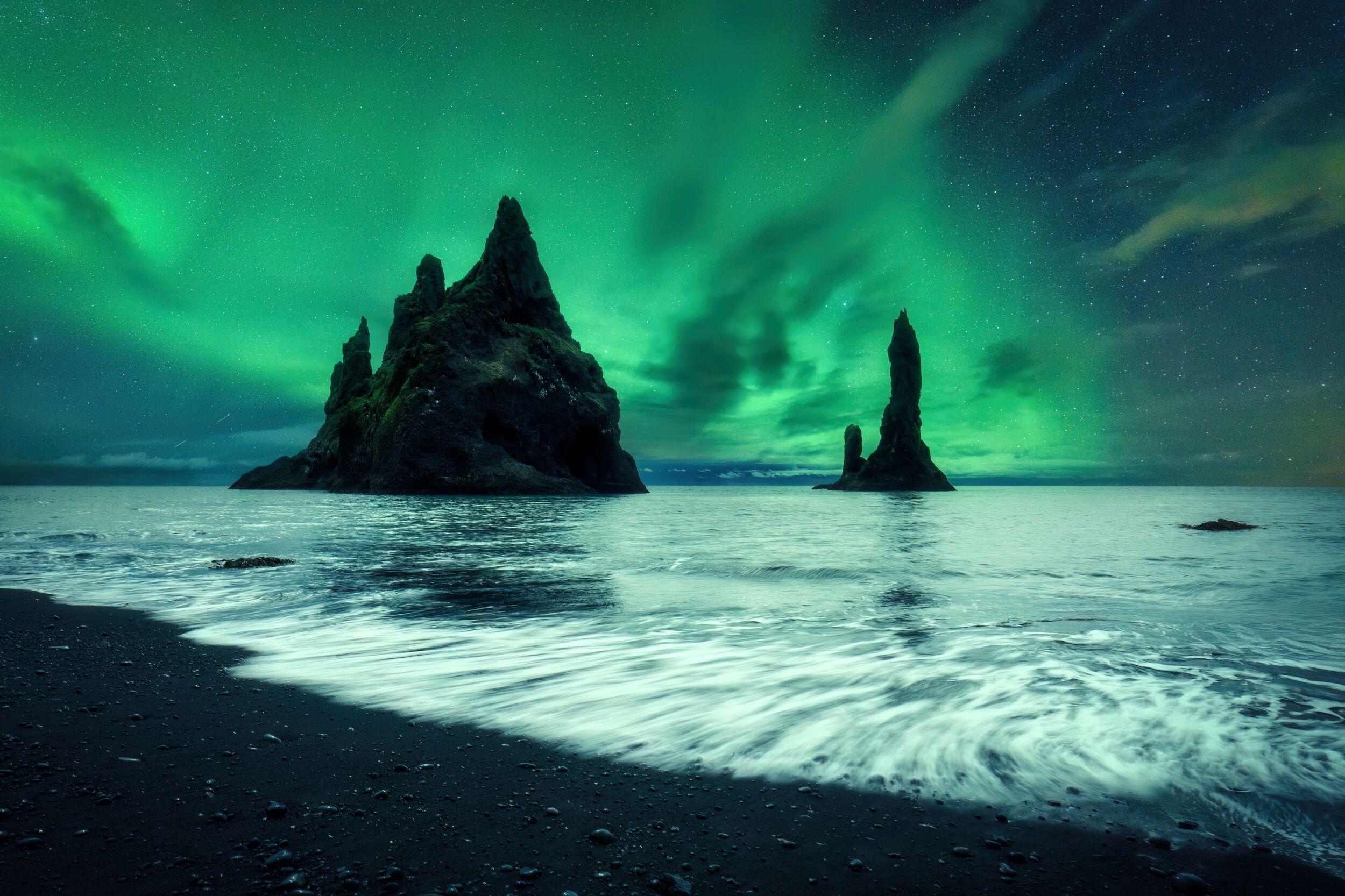
South Coast & Northern Lights - Combo Deal
A carbon-neutral sightseeing tour to Iceland's most iconic region. Visit Seljalandsfoss, Skógafoss, Reynisfjara black sand beach, Vík village and the northern lights on this amazing combo tour.
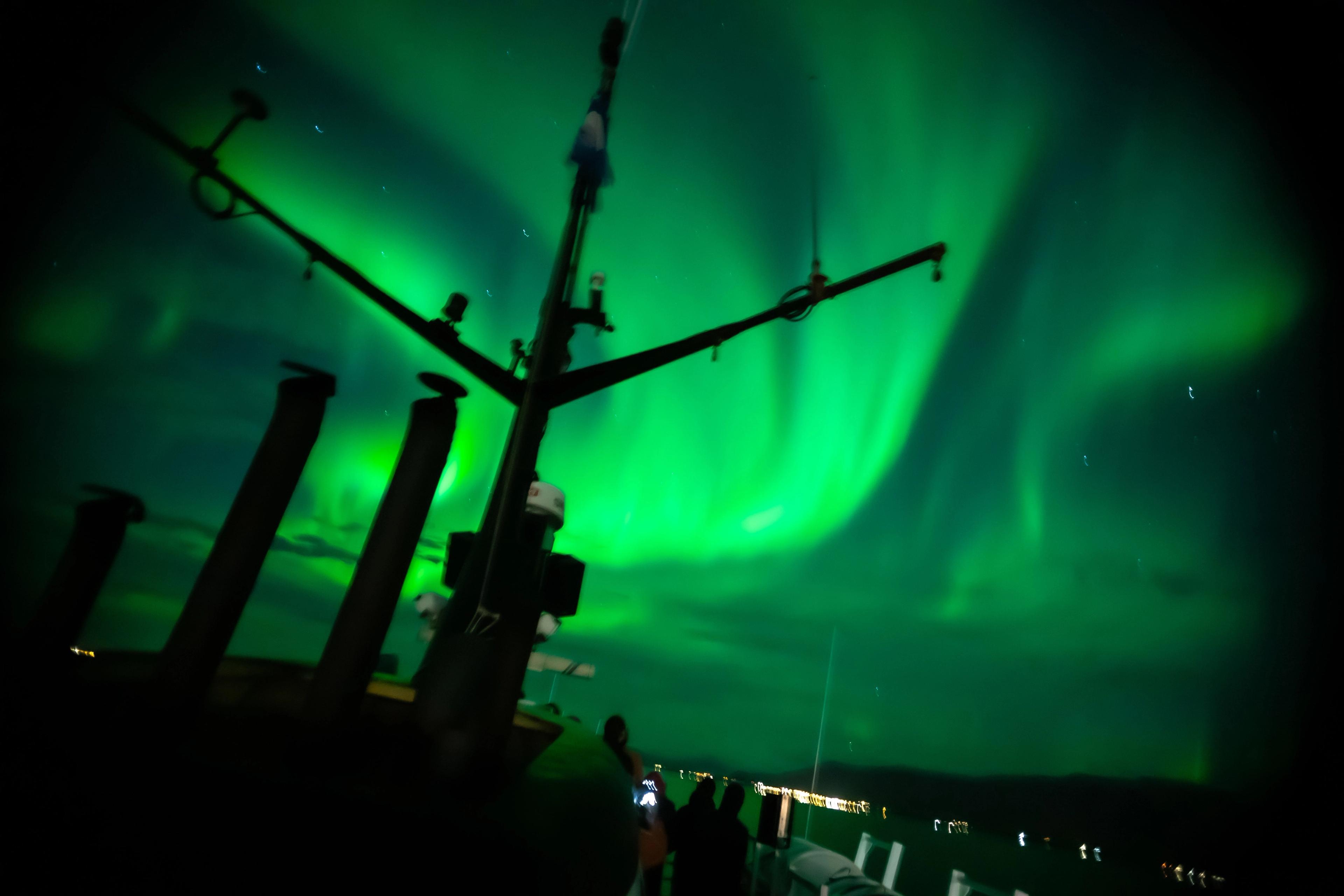
Northern Lights by Boat
Enjoy a magical moment at sea in search of the beautiful Northern Lights on this evening boat tour from Reykjavik.
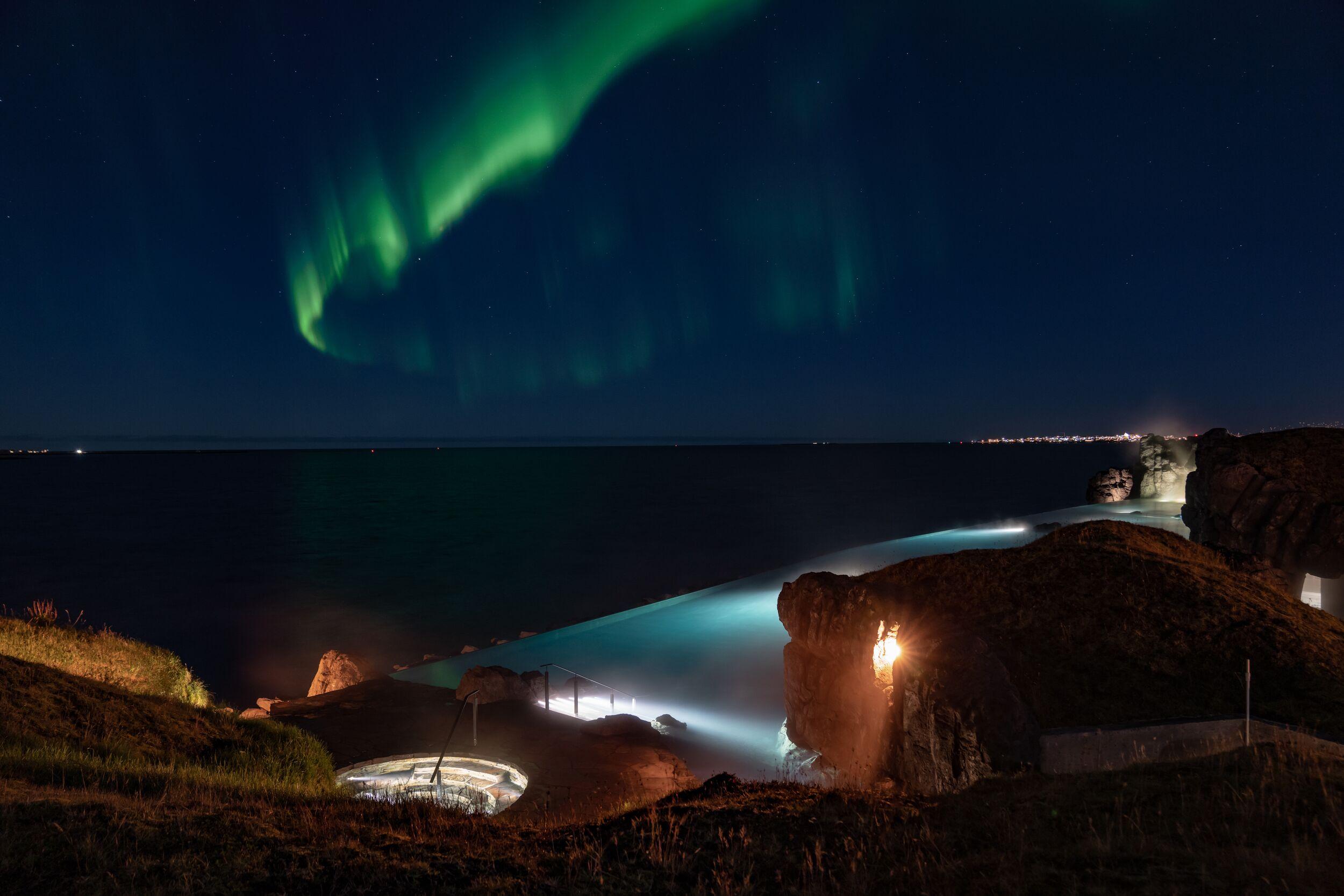
The Sky Lagoon & Northern Lights
Enjoy a relaxing soak in the Sky Lagoon before your adventurous Northern Lights hunt.
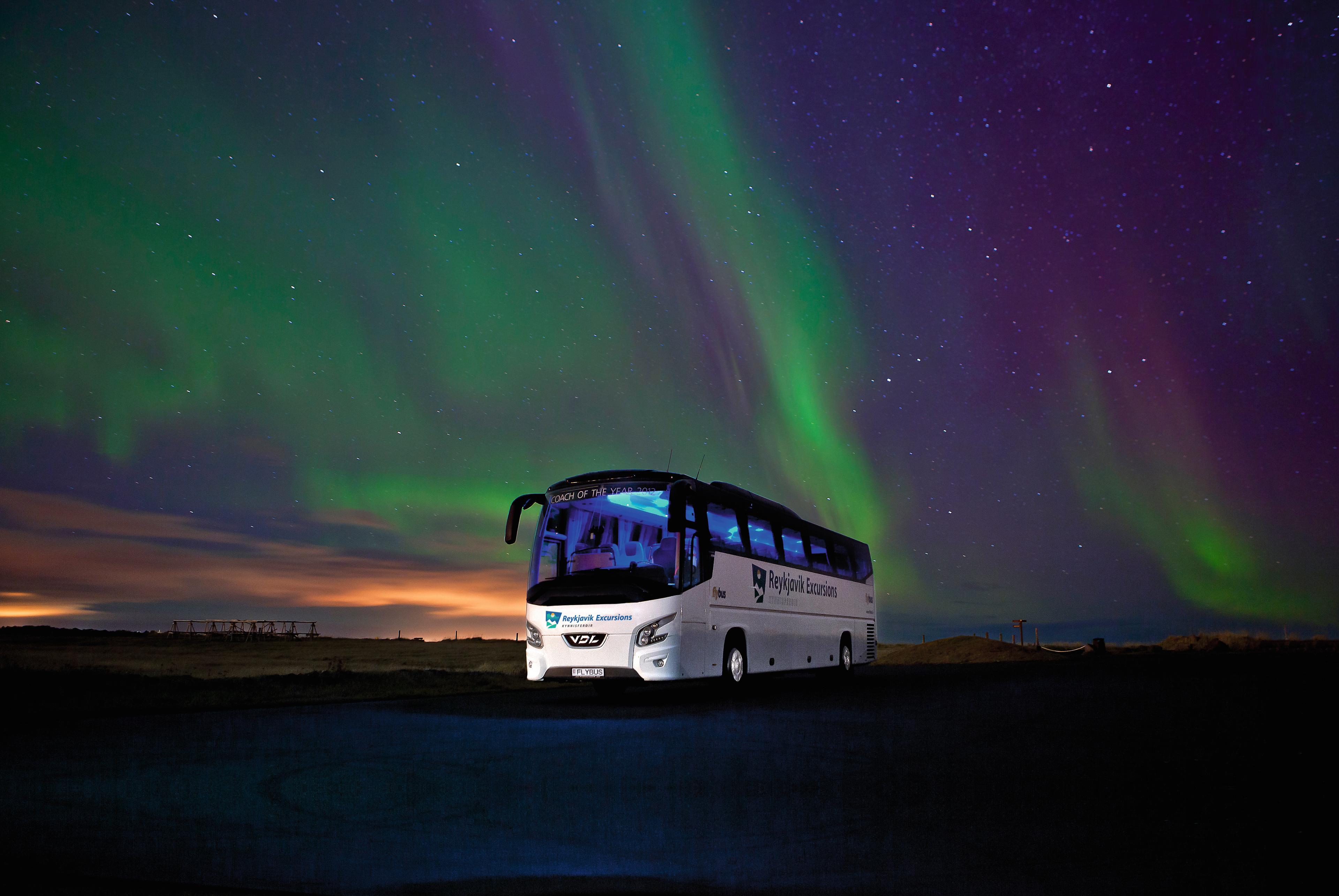
Northern Lights Tour
See the majestic Northern Lights dancing across the sky. If the skies are shy, try again free of charge as many times as you need until you see them! Learn about the phenomenon by visiting the Aurora Centre - Northern Lights Exhibition in Reykjavík; admission is included in this tour!
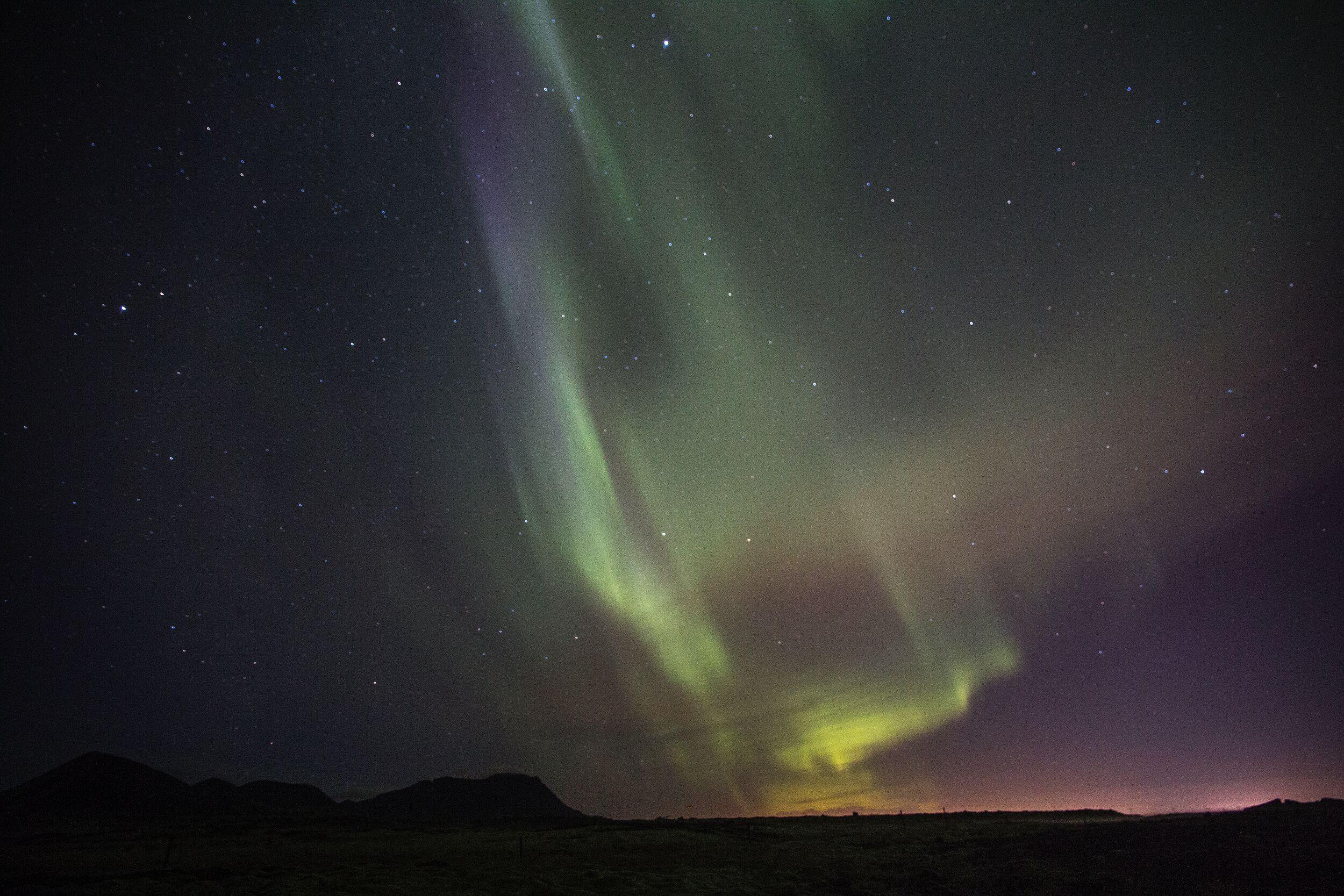
The Golden Circle & Northern Lights - Combo Deal
Want to see the sites of the Golden Circle and hunt for the northern lights but have a limited amount of time? Consider this express Golden Circle/Northern Lights tour! Experience the landmarks of the classic Golden Circle in South Iceland on this unforgettable day tour. The Golden Circle encompasses the must-see sights of Thingvellir National Park, the golden Gullfoss waterfall, and the bubbling geothermal region of Geysir. After your return to Reykjavík, a guide will lead you on a search for the elusive northern lights!
What Conditions Do You Need for a Northern Lights Sighting?
If you’re aiming to see the Northern Lights in August in Iceland, then certain conditions need to align. Let’s take a look at the three main factors in play. It’s also helpful to take a deeper dive using our guide to Northern Lights viewing in Iceland.
- Solar activity
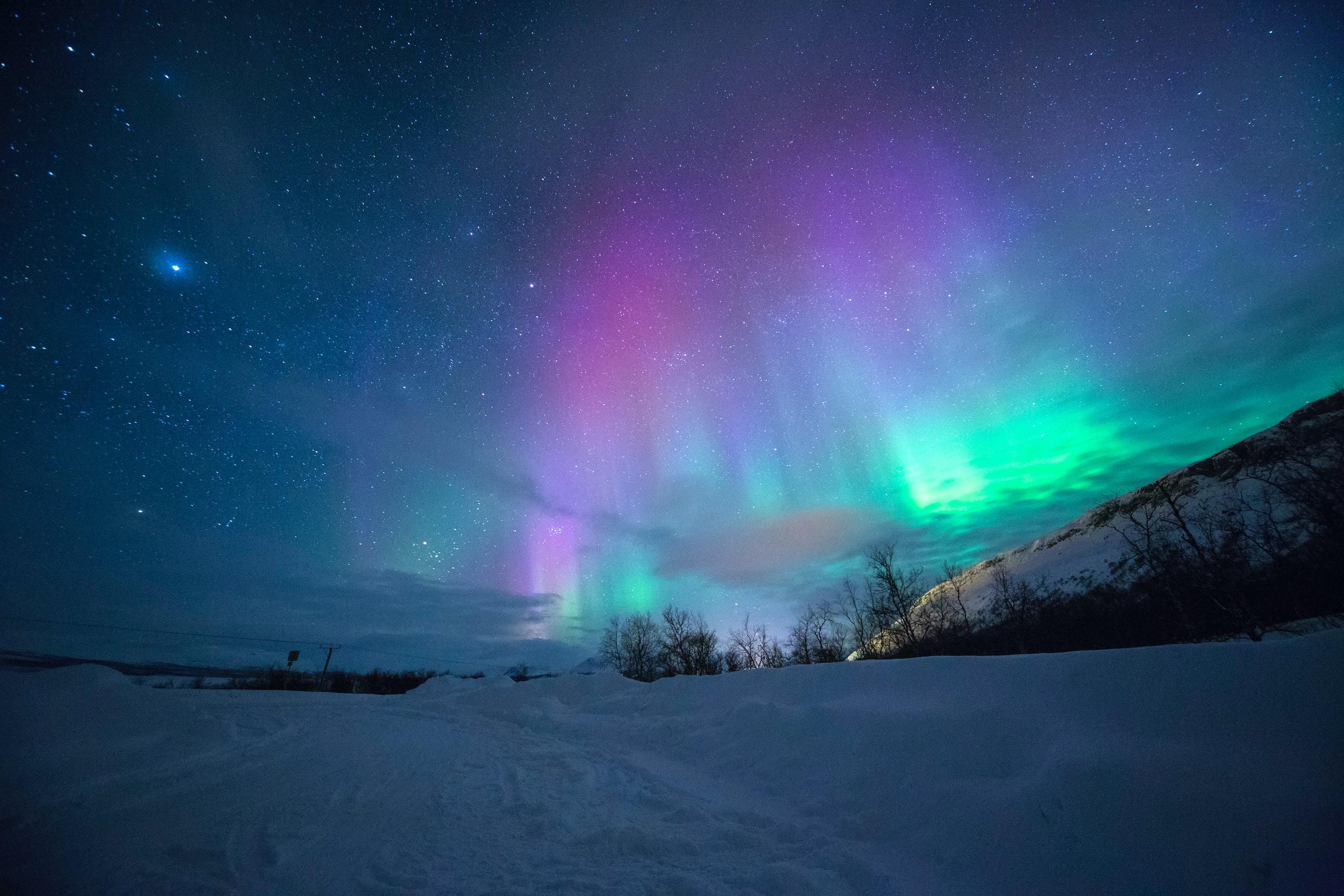
The Northern Lights occur because of solar activity. Solar flares and solar storms originating on the surface of the sun release electrically-charged particles. These collide with gases naturally present in the earth’s upper atmosphere and the resultant reactions are what give us the colours – different colours for different gases as energy is transferred and the gases get excited.
Unfortunately, solar winds vary and activity is never guaranteed. It can be intense – or not – at any time of year. That’s in part why experiencing the aurora appears on so many Iceland bucket lists: knowing that you’ve been lucky enough to see a natural phenomenon that doesn’t happen all the time is a very special thing indeed.
- A lack of light pollution
To be able to witness the spectacle you also need to be able to differentiate between the aurora and the sky that forms the background. You won’t see a thing, no matter how intense the show, if it’s not sufficiently dark. And even if the sky is inky black, if there’s little to no solar activity there’ll be nothing worth looking up for.
The amount of daylight we experience at ground level simply determines whether we can see whether anything’s happening in the upper atmosphere or not. But we can give our chances a boost by opting to view the sky from a dark place that’s well away from any sources of light pollution such as street lights or illuminated greenhouses. Our Northern Lights tours seek out this kind of spot.
- Cloud-free skies
But remember you also need clear skies. Cloud cover is not your friend when it comes to tracking down the Northern Lights as it masks the aurora. Iceland’s position in the middle of the North Atlantic means that it’s no stranger to stormy weather; conditions change quickly, though, so don’t write off your chances if it’s raining in the daytime as things could well have improved by the time evening comes around.
Frustratingly, even high level cloud cover can have an impact; for instance, you might have clear skies as you look up, but find that the aurora seems hazy and its colours faded - that’s potentially because those high level clouds are masking the display. Check the cloud cover forecast on the Icelandic Met Office website and you’ll get an idea of your odds.
August vs September: Which Month Offers Better Aurora Viewing?
Is August or September the best time to see the Northern Lights in Iceland? August typically experiences a greater amount of fine weather compared to September, though either month can experience both storms and settled conditions, sometimes even on the same day. It’s well worth keeping a close eye on all the forecasts throughout the duration of your trip so that you can identify which nights offer potentially high solar activity as well as promising weather conditions.
While there’s often little difference between the weather at the end of August and beginning of September, the closer you get to October the more the weather can feel quite wintry. However, if you’re planning your trip dates based on the probability of good weather, then August nudges ahead of September.
Setting aside weather considerations for a moment, some statistics indicate that you’re more likely to see the aurora around the autumn and spring equinoxes. This is due to the Russell-McPherron effect, which relates to the earth’s tilt. Put simply, the magnetic field of the solar wind is more attracted to the earth’s magnetic field, so more energy enters the earth’s atmosphere and solar activity increases as a result.
That means if you’re weighing up the pros and cons of an August trip compared to a September visit, you’re comparing the likelihood of good weather down here on earth to the likelihood of solar storms in the upper atmosphere. You should be starting to grasp why predicting when’s the best time to schedule your Northern Lights hunt in Iceland isn’t an exact science.
Why Is It Harder to See the Northern Lights in August
Let’s be realistic, therefore, although you can see the Northern Lights in Iceland in August, it’s not the best month to view them. And there’s another significant reason for this: light. Though in August the days are significantly longer than you’d experience in mid-summer, light levels still make it harder to see bright colours in the sky. If you get lucky and the activity is intense, this won’t matter so much, but if it’s a weak display then the aurora’s signature greens and purples will appear faded and washed out.
Keep a close eye on those sunset times we mentioned as well as the aurora forecast, because you’ll need to wait for the light to fade before you can head out on your aurora hunt. In places located at high latitudes such as Iceland, the daily change is greater. For example, in Reykjavik on August 20th the sun sets at 9.25pm; by September 1st it’s significantly earlier – 8.43pm – and by September 30th 7pm.
You’ll also need to wait for twilight to pass before it gets really dark, so in this respect trying to see the aurora becomes a better idea the further into September you get. That’s why it’s harder to view the Northern Lights in August in Iceland (though not impossible!) as you’ll need more intense aurora displays for the colours to contrast with the night skies to be able to see them easily with the naked eye. Read our tips for photographing the Northern Lights too.
How Can You Improve Your Chances of Seeing the Northern Lights?
Statistics and averages are all very well but it’s the conditions in the area you’re in which matter in the moment. One of the advantages of staging your Northern Lights hunt in Iceland is that distances aren’t huge and venturing out along its tarmac highways isn’t daunting as the level of traffic isn’t too high.
Searching for the Northern Lights isn’t an exact science. The aurora is an ethereal phenomenon and there are many folklore tales behind the Northern Lights. Seeing the Northern Lights in Reykjavik in August can be particularly tricky, so consider a tour beyond city limits, such as our South Coast & Northern Lights tour, Golden Circle & Northern Lights tour or Northern Lights by boat excursion. You can even pair it with a soak by booking our Sky Lagoon and Northern Lights tour.
While at times thick cloud can blanket the whole island, at other times what you’ll find is conditions might vary greatly depending on where you are. Tours operate accordingly: some nights they’ll head out into the Reykjanes or Snæfellsnes peninsulas, while others the focus will be on the Golden Circle or spots along the south coast.
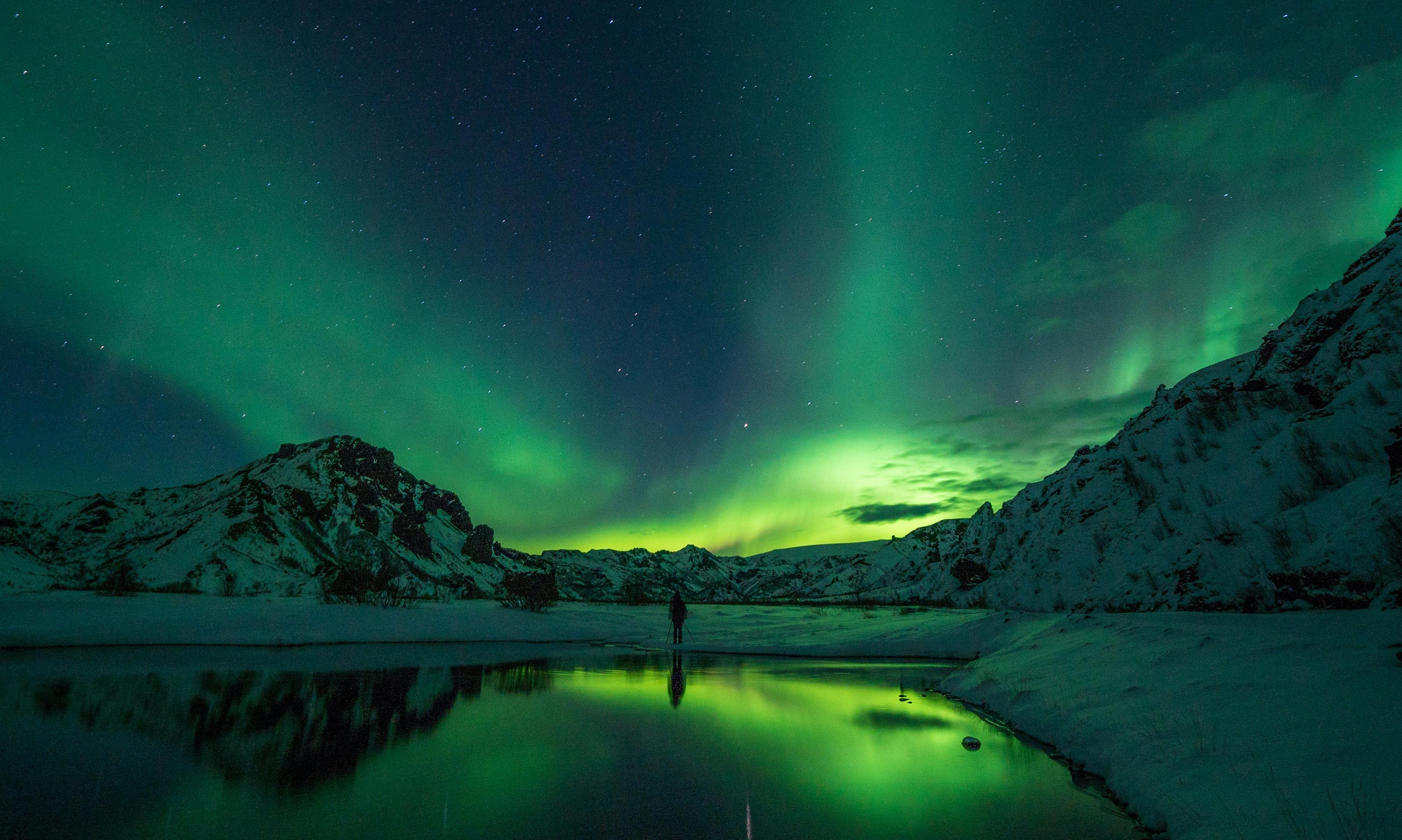
You might choose to stand beside Kirkjufellsfoss as the Northern Lights dance overhead or pose under the aurora with a backdrop of icebergs. However, the truth is that it really doesn’t matter how scenic the place is – all your attention will be on what’s happening in the heavens while you pray viewing conditions don’t deteriorate.
If solar activity is high, it only takes one small patch of clear sky to score a sighting. As a visitor it’s hard to know where the best viewing spots are, so reserving a place on a Northern Lights tour and placing the search in local hands is a savvy move. At Icelandia we are used to poring over weather maps and combine this with an in-depth knowledge of suitable spots to ensure our clients have the best possible chance of fulfilling their dream of witnessing the Northern Lights.
Viewing the Northern Lights in August in Iceland on a guided tour comes at a price. But you may never come back here, and if this is your one shot at immersing yourself in its wonderful landscapes, then the opportunity is priceless. Consider seeing the Northern Lights in Iceland in August as a bonus rather than a given, but if the aurora does make an appearance it’s sure to be the highlight of your trip.
Related Articles
See all articles
Recommended tours
Northern Lights Tour
See the majestic Northern Lights dancing across the sky. If the skies are shy, try again free of charge as many times as you need until you see them! Learn about the phenomenon by visiting the Aurora Centre - Northern Lights Exhibition in Reykjavík; admission is included in this tour!
The Golden Circle & Northern Lights - Combo Deal
Want to see the sites of the Golden Circle and hunt for the northern lights but have a limited amount of time? Consider this express Golden Circle/Northern Lights tour! Experience the landmarks of the classic Golden Circle in South Iceland on this unforgettable day tour. The Golden Circle encompasses the must-see sights of Thingvellir National Park, the golden Gullfoss waterfall, and the bubbling geothermal region of Geysir. After your return to Reykjavík, a guide will lead you on a search for the elusive northern lights!
The Sky Lagoon & Northern Lights
Enjoy a relaxing soak in the Sky Lagoon before your adventurous Northern Lights hunt.
- Bestseller
- Popular
Blue Lagoon & Northern Lights
Enjoy a perfect winter day in Iceland! Experience the best of Iceland with this package of two of the island’s most popular tours in one day! Soak in the milky blue healing water of the Blue Lagoon, which is one of Iceland's most famous tourist attractions and is considered by many to be a once-in-a-lifetime experience and an unmissable part of a visit to Iceland. After your return to Reykjavík, a guide will lead you on a search for the elusive northern lights! Watching the lights dance and flicker in the sky, changing shape and colour, is incredible. Prepare to be dazzled!
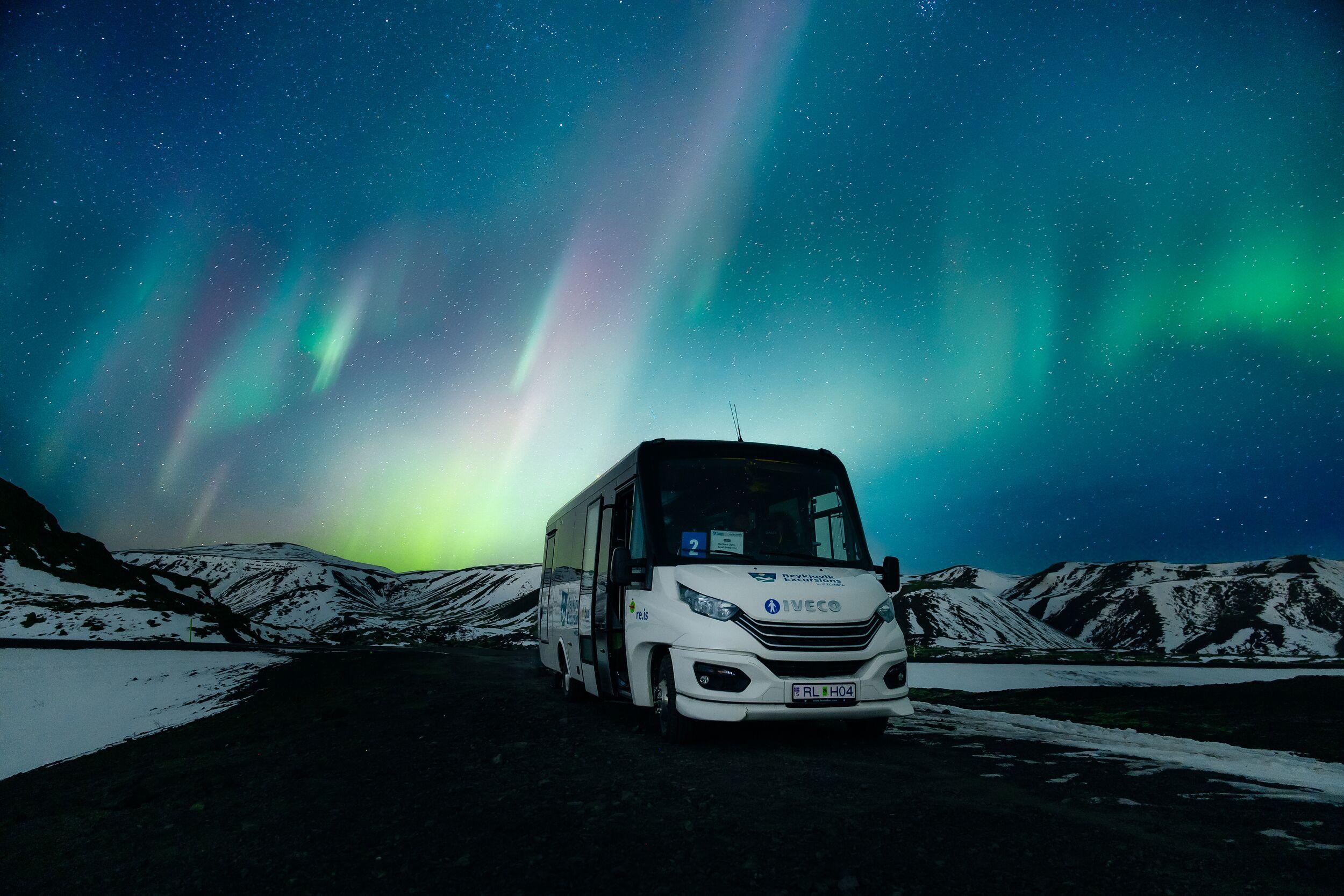
Northern Lights - Small Group Tour
Catch the stunning Northern Lights in the sky, and if they're shy, rebook for free until they show. Included admission to the Aurora Centre's Northern Lights Exhibition on the tour date. The small group size ensures an intimate experience and personalized attention from your expert guide.
Northern Lights by Boat
Enjoy a magical moment at sea in search of the beautiful Northern Lights on this evening boat tour from Reykjavik.