

The Geology of the Blue Lagoon
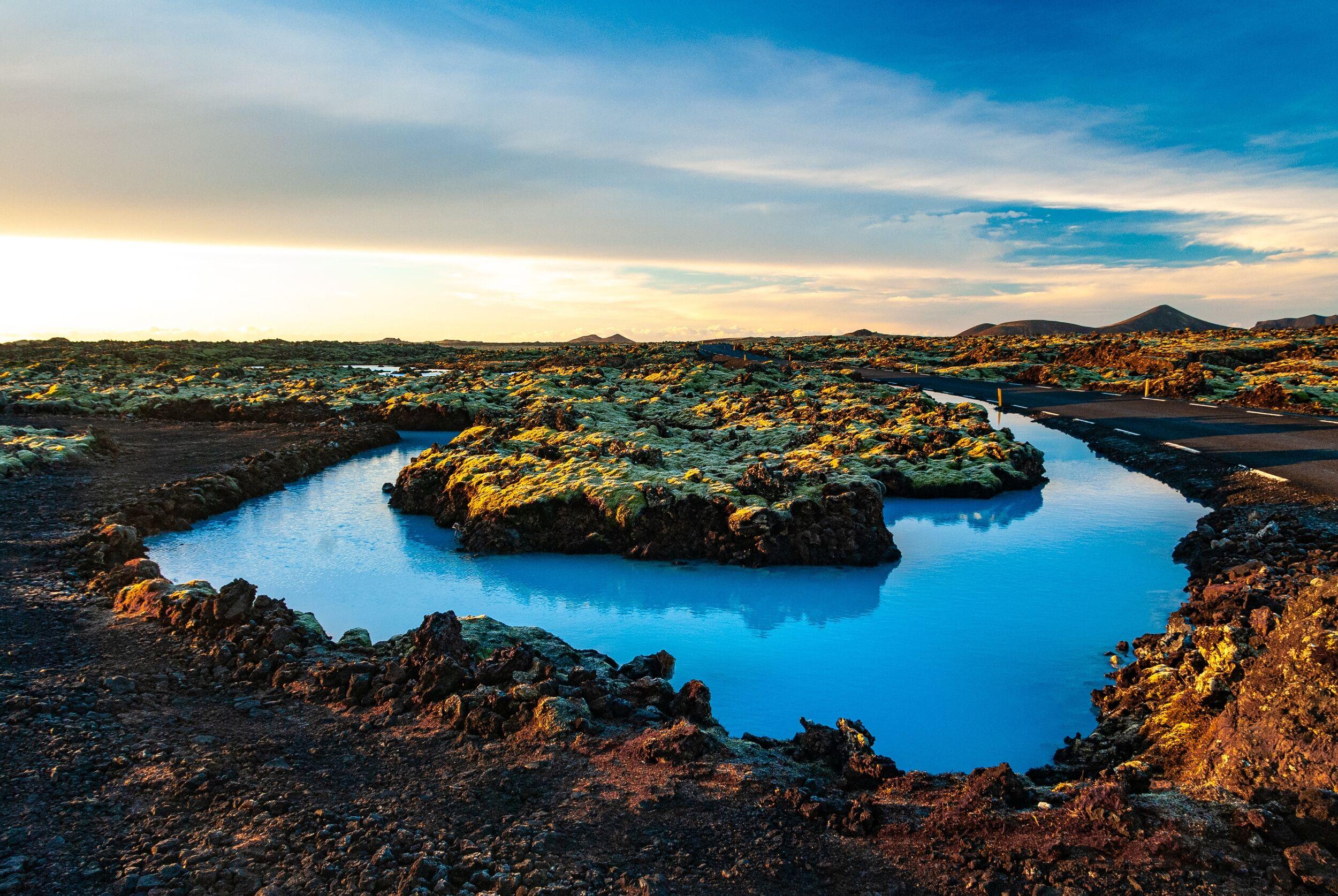
The Blue Lagoon is one of Iceland’s most visited attractions, but many travelers don’t realize it isn’t a natural hot spring in the usual sense. The lagoon is closely tied to geothermal energy production at the Svartsengi geothermal power plant on the Reykjanes Peninsula. Its milky-blue color and mineral-rich water are the result of a unique interaction between geology and geothermal engineering.
Is the Blue Lagoon Natural?
Let’s answer the big questions right away.
It is both man-made and natural
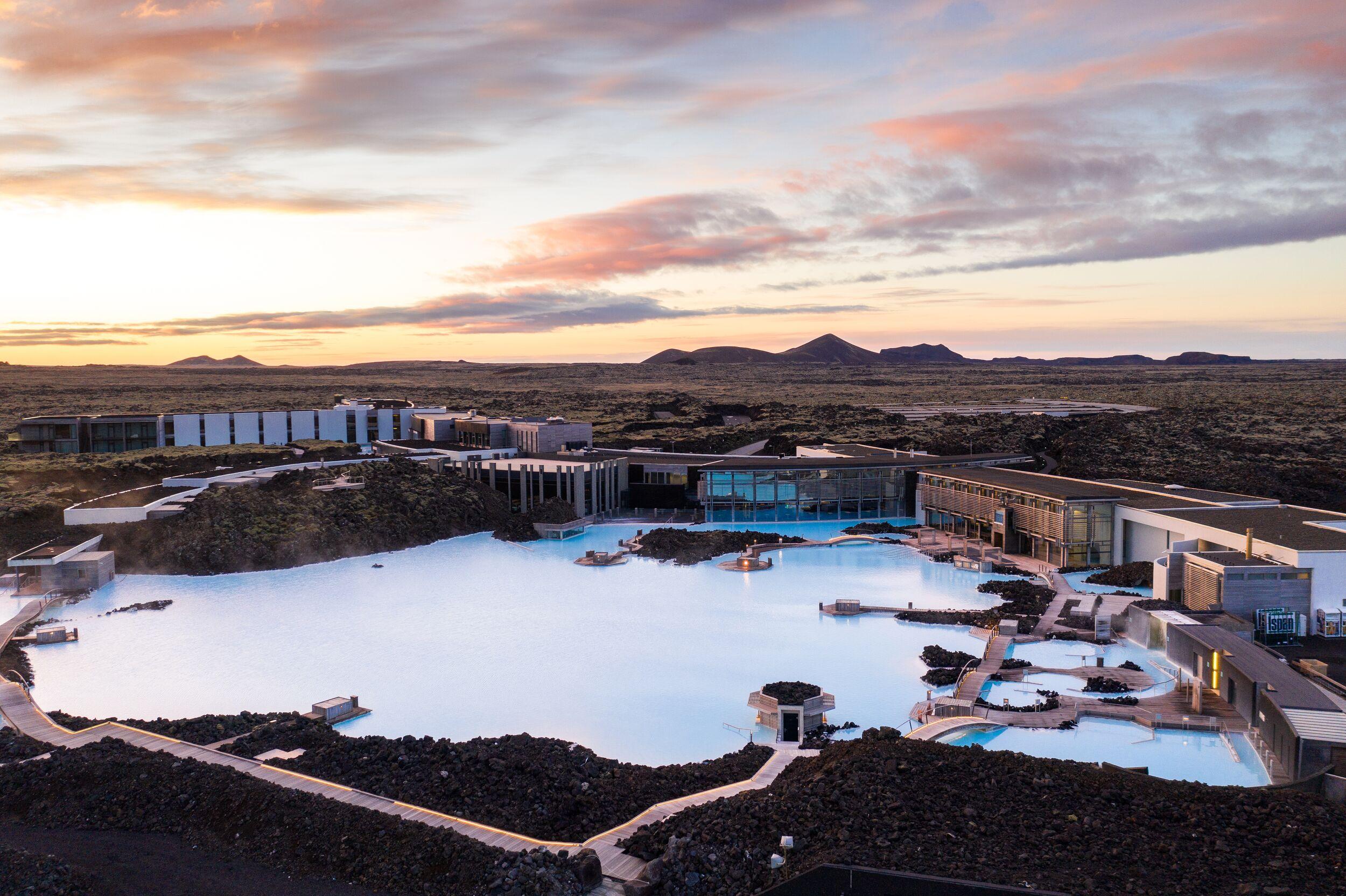
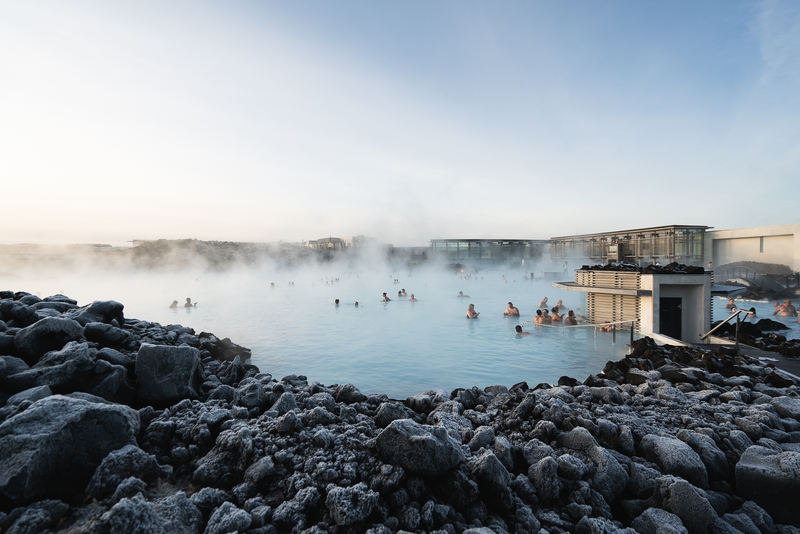
Geologically, the Blue Lagoon is unusual. The lagoon itself is human-made in the sense that it formed where geothermal runoff water collected in the lava fields near Svartsengi. In other words, the “pool” wasn’t created by a natural hot spring bubbling up in a pre-existing basin.
At the same time, the water is natural geothermal seawater/groundwater mix heated deep underground, carrying dissolved minerals and elements from the rock below. So while the lagoon’s existence is linked to human infrastructure, the water and its chemistry are very much a natural product of Iceland’s geothermal environment.
Its existence was unintentional
The Blue Lagoon wasn’t created as the purpose of the power plant, it was a byproduct that came later. Boreholes were drilled in the Svartsengi lava field in 1971, and geothermal water measured at over 200°C was discovered. By 1976, this geothermal resource was being used to supply nearby communities with hot water.
Geothermal water typically contains dissolved minerals because it moves through hot rock at depth. At Svartsengi, those minerals can be especially concentrated because salty seawater can seep through porous lava and mix with geothermal groundwater. The resulting fluid is mineral-rich and corrosive enough that it can’t simply be piped straight into homes.
Instead, the system uses the geothermal water’s heat to warm cleaner freshwater, which is then distributed for district heating. What isn’t used in the heat-exchange process is released into the surrounding lava fields and this is what gradually created the bathing lagoon we know today.
Why is the water milky blue?
As the geothermal water cools, some of the dissolved minerals change form and begin to precipitate out of the water. Silica is a key player here: when it comes out of solution, it creates the lagoon’s signature cloudy, light-reflecting appearance: the “milky blue” look people associate with the Blue Lagoon.
Cooling also contributes to comfort. By the time the water reaches the bathing area, it has cooled enough to be ideal for soaking.
The role of the lava fields
In a geological sense, the lava fields at Svartsengi are young. They are believed to have formed in a volcanic eruption in 1226, and because the lava is relatively young and porous, water can seep through it easily.
As mineral-rich water settles and cools in the area, silica can accumulate as soft, pale mud along the edges and bottom of the lagoon. This silica mud is also closely associated with the Blue Lagoon’s skincare products and treatments.
How the Blue Lagoon got its name
In 1982, a local began bathing in the oddly colored water near the power plant while trying to soothe psoriasis symptoms. The story attracted attention when his experience made national news and the term “Blue Lagoon” entered public conversation. The name stuck.
Not long after, simple facilities were built to support visitors, especially people hoping to benefit from the water’s effects on sensitive skin. By the late 1980s, a proper changing area was operating, and the Blue Lagoon continued to expand, both as a spa and as a constructed bathing area.
A more recent expansion increased the facility footprint by more than 50%, growing the built area from around 5,500 m² to over 8,000 m², with the goal of improving guest space and comfort.
What’s in the water, and why does it affect skin?
It still isn’t fully understood what makes the Blue Lagoon helpful for certain skin conditions. The leading explanation is that it’s a combination of the water’s mineral content and the unique ecosystem it supports, including algae and bacteria that thrive in the salty, mineral-rich environment.
Most of the time, these organisms aren’t noticeable. Occasionally, after several warm and sunny days in a row, algae growth can increase and the lagoon may take on a greener hue.
The Blue Lagoon and the Reykjanes Volcanic System
The Blue Lagoon sits on the Reykjanes Peninsula, one of the most geologically active regions in Iceland. This area lies directly on the Mid-Atlantic Ridge, where the North American and Eurasian tectonic plates are slowly pulling apart. The landscape here is shaped by repeated volcanic eruptions, rift activity, and powerful geothermal systems, including the one that feeds the Svartsengi power plant.
Svartsengi and the Reykjanes Geothermal System
Svartsengi is part of a larger volcanic and geothermal system that extends across the Reykjanes Peninsula. The geothermal resource used to heat homes (and indirectly create the Blue Lagoon) exists because magma sits relatively close to the surface in this rift zone. That heat drives circulating groundwater systems, creating the superheated fluids tapped by boreholes in the 1970s.
In other words, without the tectonic forces pulling Iceland apart and the magma moving beneath Reykjanes, there would be no Svartsengi power plant and certainly no Blue Lagoon.
Fagradalsfjall and the Return of Eruptions
After roughly 800 years of volcanic quiet on the Reykjanes Peninsula, activity resumed in 2021 with the eruption at Fagradalsfjall. This marked the beginning of a new eruptive cycle in the region.
The 2021–2023 eruptions were primarily effusive, meaning lava flowed steadily from fissures rather than exploding violently. These events dramatically reshaped nearby valleys and reminded residents and visitors alike that Reykjanes, and Iceland as a whole, is not dormant, it is actively evolving.
The eruptions also highlighted how closely Iceland’s geothermal systems and volcanic systems are linked. Magma movement beneath the peninsula affects ground deformation, seismic activity, and geothermal conditions across the region.
Sundhnúkagígar and Activity Near Svartsengi
In late 2023 and 2024, volcanic activity intensified near the Sundhnúkagígar crater row, north of Grindavík and close to the Svartsengi area. Fissure eruptions opened along the rift zone, sending lava across previously undisturbed lava fields.
Because the Blue Lagoon and Svartsengi power plant sit within this active volcanic system, the eruptions had real-world implications. Infrastructure in the area, including roads and geothermal facilities, required monitoring and protective measures.
These events underscore an important geological reality: the Blue Lagoon exists because of active volcanism — and it continues to be influenced by it.
A Living Landscape
The Reykjanes Peninsula is not a static backdrop. It is a living rift zone shaped by magma intrusion, earthquakes, fissure eruptions, and geothermal circulation.
The same forces that created the lava fields of 1226, that power the geothermal plant at Svartsengi, and that formed the Blue Lagoon are still at work today. The recent eruptions at Fagradalsfjall and Sundhnúkagígar are not isolated events — they are part of a broader tectonic cycle that may continue for decades.
For visitors, this adds another layer of meaning to a visit to the Blue Lagoon. The warm water and mineral-rich mud are not just spa luxuries. They are surface expressions of deep geological processes unfolding beneath the Reykjanes Peninsula.
Tours in the Spotlight
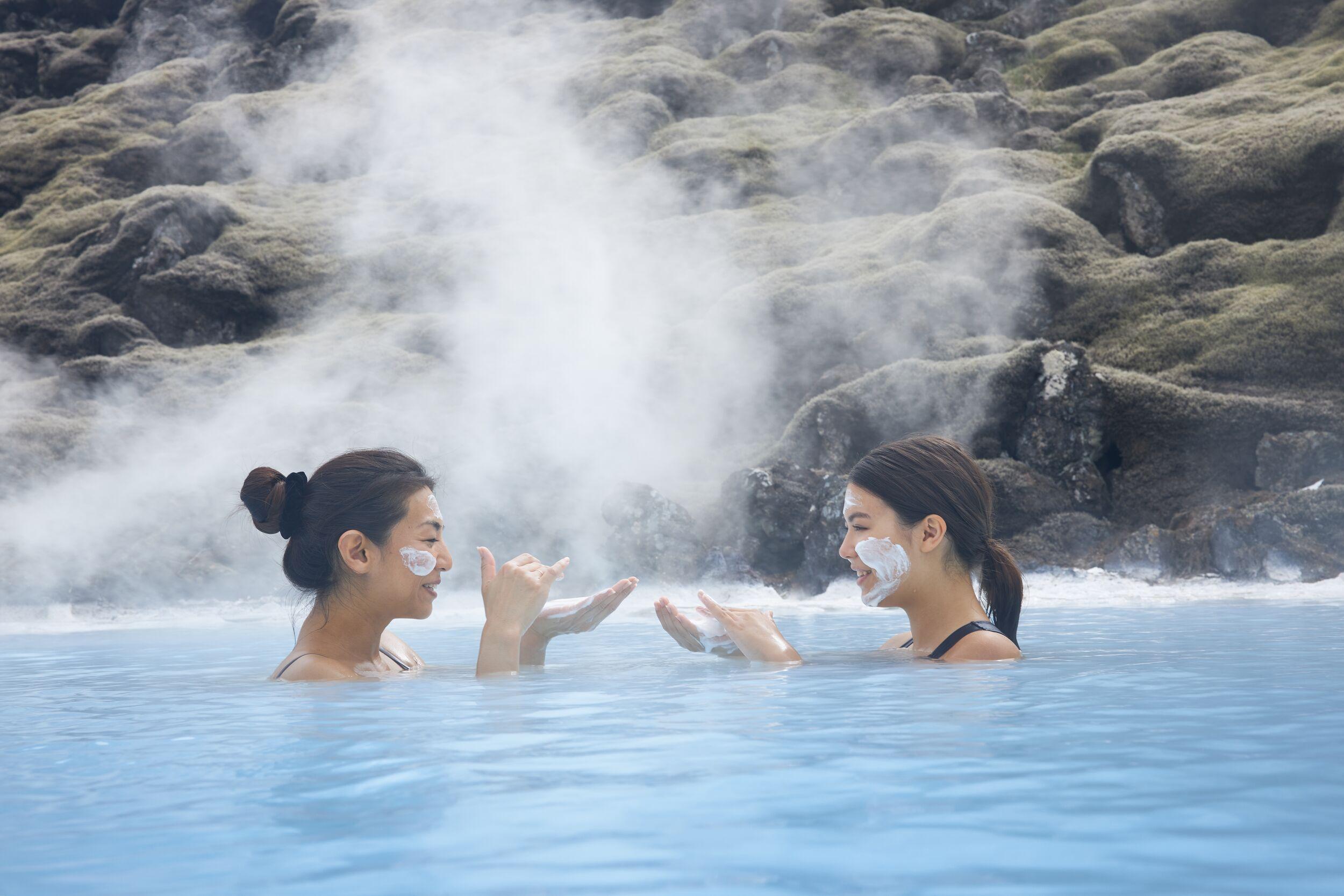
Reykjavík - Blue Lagoon round-trip transfer
Are you planning to visit the Blue Lagoon but aren’t booking a rental car? Enjoy your experience of the dreamlike Blue Lagoon to the fullest and book your comfortable return coach transfer with Reykjavik Excursions. Relax and enjoy free Wi-Fi to and from the Blue Lagoon.
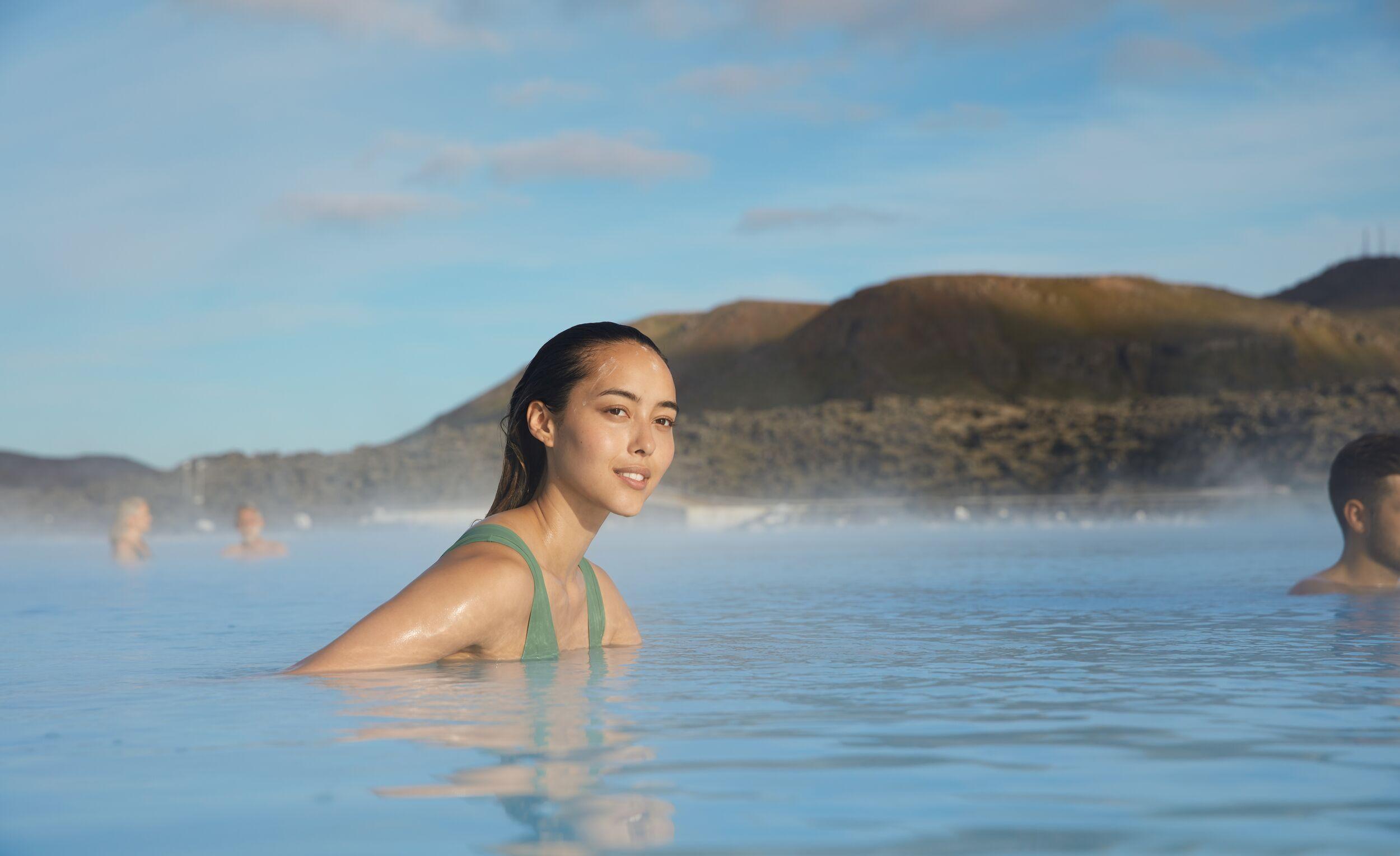
Golden Circle & Blue Lagoon
Experience the best of Iceland with this package of two of the island’s most popular tours in one day! The Golden Circle encompasses the must-see sights of Þingvellir National Park, the golden Gullfoss waterfall, and the bubbling geothermal region of Geysir. After touring the landmarks, soak in the milky blue healing water of the Blue Lagoon.
- Bestseller
- Popular
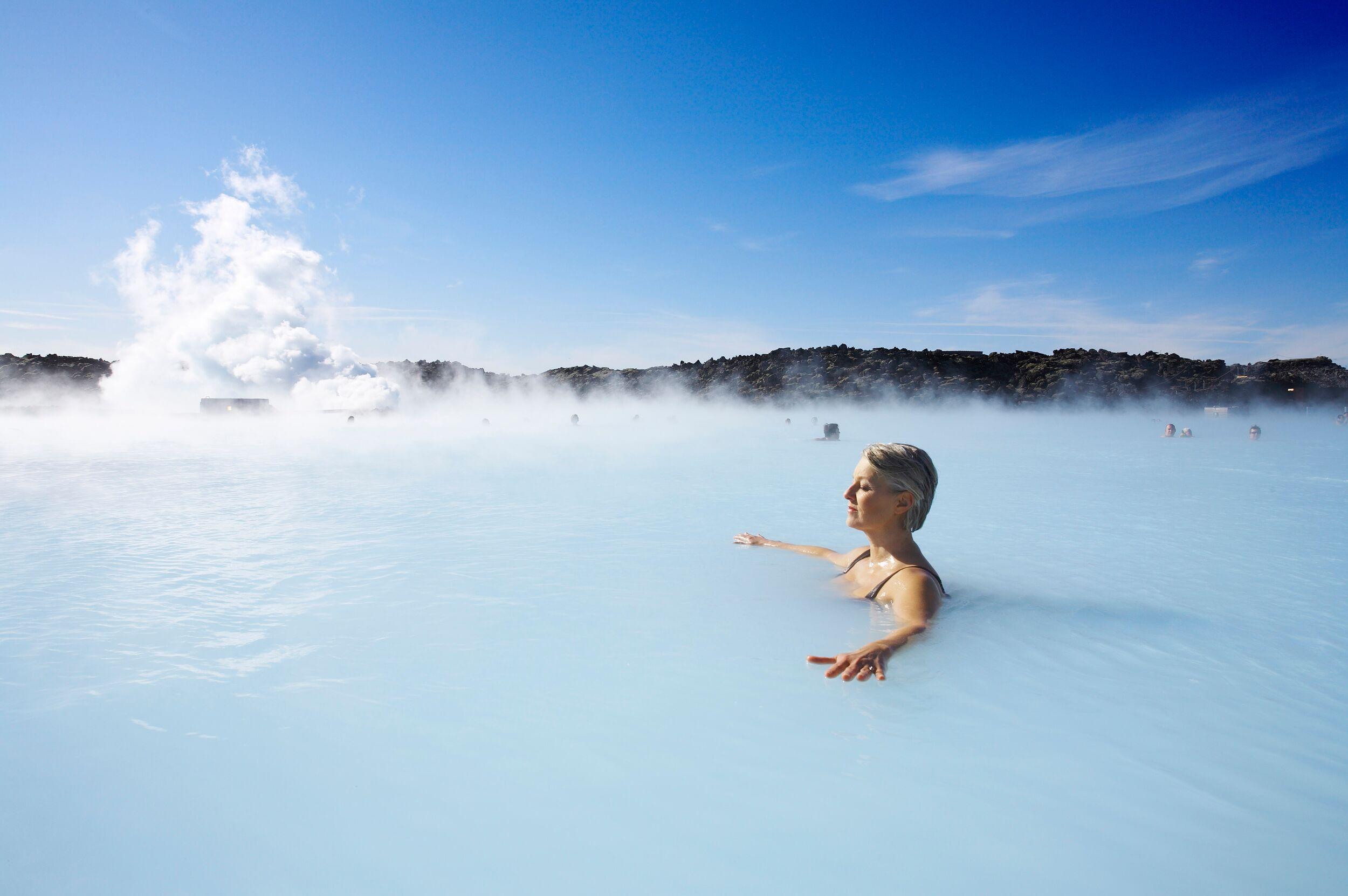
Blue Lagoon & Northern Lights
Enjoy a perfect winter day in Iceland! Experience the best of Iceland with this package of two of the island’s most popular tours in one day! Soak in the milky blue healing water of the Blue Lagoon, which is one of Iceland's most famous tourist attractions and is considered by many to be a once-in-a-lifetime experience and an unmissable part of a visit to Iceland. After your return to Reykjavík, a guide will lead you on a search for the elusive northern lights! Watching the lights dance and flicker in the sky, changing shape and colour, is incredible. Prepare to be dazzled!
- Multiday Tour
Icelandic Wellness Package - 4-Day
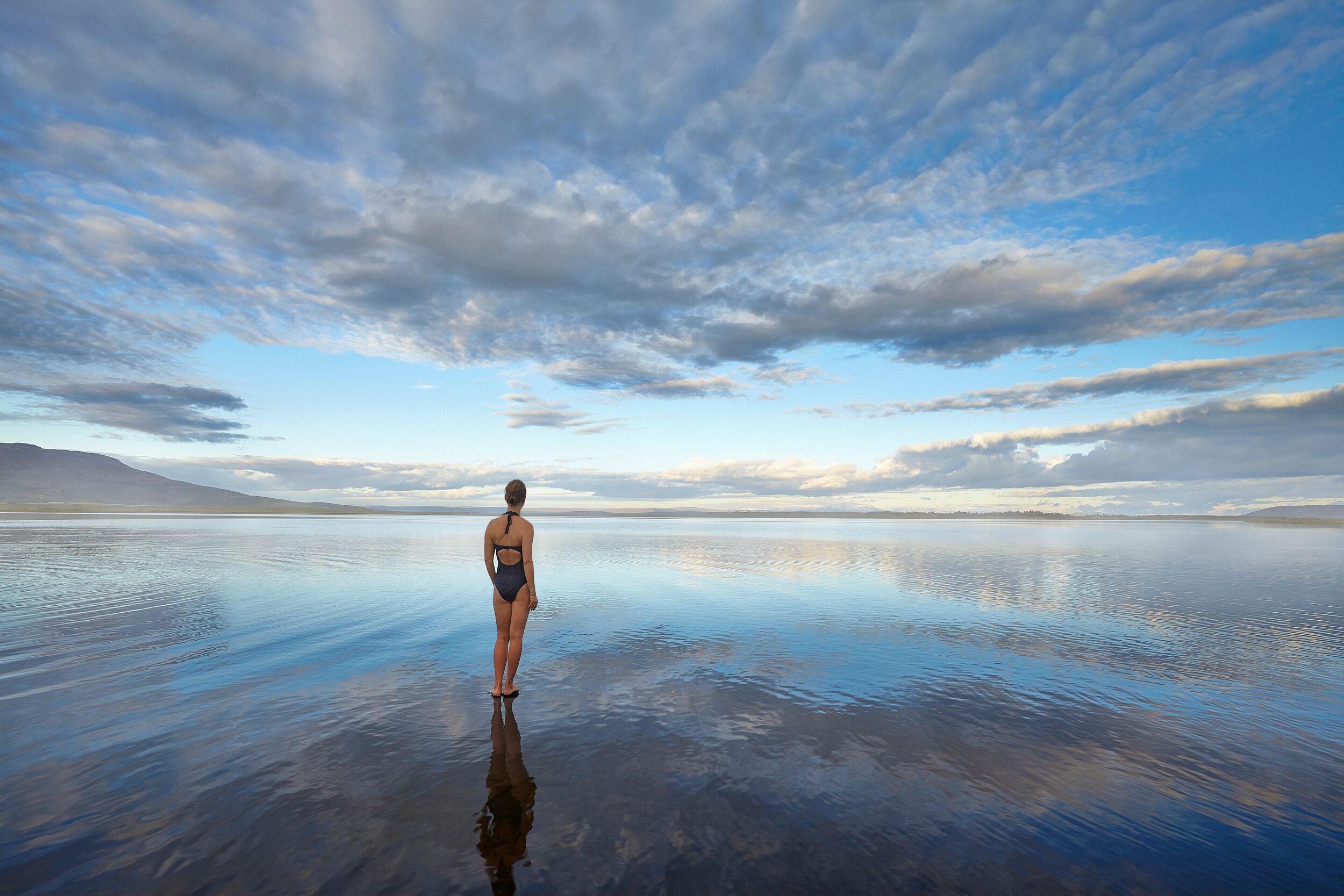
Golden Circle, Laugarás Lagoon & Blue Lagoon. Immerse yourself in the perfect balance of adventure and relaxation with this 4-day Iceland itinerary, designed to refresh your body and mind. Explore Iceland’s stunning volcanic landscapes while indulging in its world-famous geothermal spas. This journey blends natural wonders with pure tranquility.
Frequently Asked Questions
The Blue Lagoon is partly human-made and partly natural. The lagoon formed where mineral-rich geothermal water from the Svartsengi power plant collected in nearby lava fields. While the basin itself is not a natural hot spring, the water comes from naturally heated geothermal sources deep underground.
The lagoon’s milky blue color comes from silica and other dissolved minerals in the geothermal water. As the water cools, silica particles reflect light in a way that gives the lagoon its distinctive blue appearance.
The water is a mix of geothermal groundwater and seawater. On the Reykjanes Peninsula, seawater seeps into porous lava rock and mixes with naturally heated groundwater before being brought to the surface.
The water temperature typically ranges between 37–40°C (98–104°F), making it comfortably warm for bathing year-round.
The water flows continuously through the lagoon and is regularly renewed. It is not treated with chlorine in the traditional way; instead, its mineral content and natural properties help maintain water quality.
Research and anecdotal reports suggest that the mineral-rich water, particularly its silica content, may help relieve symptoms of certain skin conditions such as psoriasis. However, results vary from person to person.
The lagoon formed from geothermal runoff, and the mineral-rich water can affect nearby lava fields and delicate moss. Its environmental impact has been debated, though it remains a regulated and managed site within Iceland’s geothermal energy system.
Recommended tours
Golden Circle & Blue Lagoon
Experience the best of Iceland with this package of two of the island’s most popular tours in one day! The Golden Circle encompasses the must-see sights of Þingvellir National Park, the golden Gullfoss waterfall, and the bubbling geothermal region of Geysir. After touring the landmarks, soak in the milky blue healing water of the Blue Lagoon.
Reykjavík - Blue Lagoon round-trip transfer
Are you planning to visit the Blue Lagoon but aren’t booking a rental car? Enjoy your experience of the dreamlike Blue Lagoon to the fullest and book your comfortable return coach transfer with Reykjavik Excursions. Relax and enjoy free Wi-Fi to and from the Blue Lagoon.
Blue Lagoon transfer from Keflavík Airport
Are you planning to visit the Blue Lagoon but aren’t booking a rental car? Enjoy your experience of the dreamlike Blue Lagoon to the fullest and book your comfortable transfer from Keflavik International Airport with Reykjavik Excursions. Relax and enjoy free Wi-Fi to and from the Blue Lagoon.
Reykjavík - Blue Lagoon Premium including admission
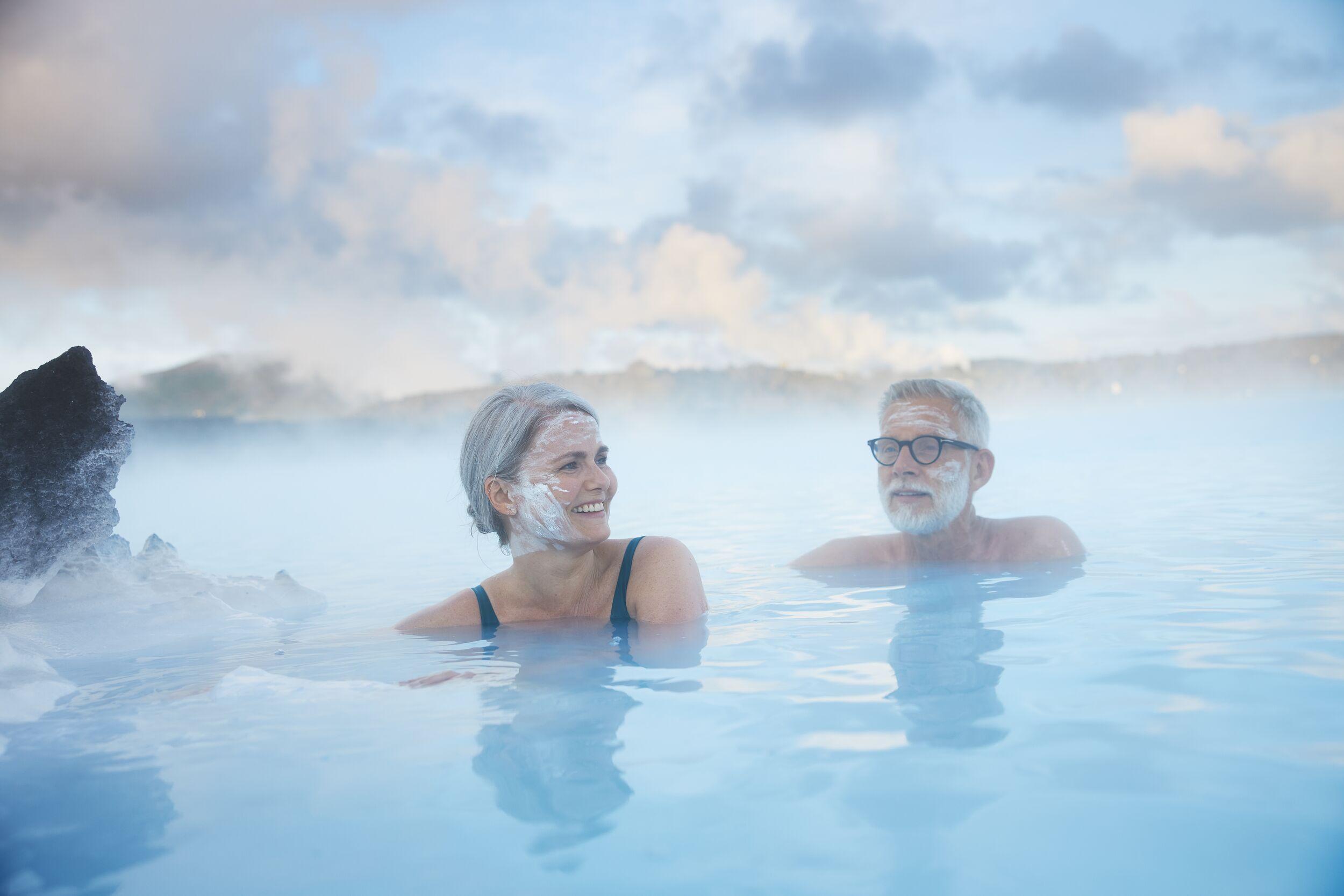
Want a premium package to Blue Lagoon and aren’t booking a rental car? Enjoy the dreamlike Blue Lagoon to the fullest with included masks and other perks with comfortable coach transfer. Relax, enjoy free Wi-Fi to and from the Blue Lagoon and leave the driving to us!
Keflavík Airport - Blue Lagoon, Premium Admission & Transfer
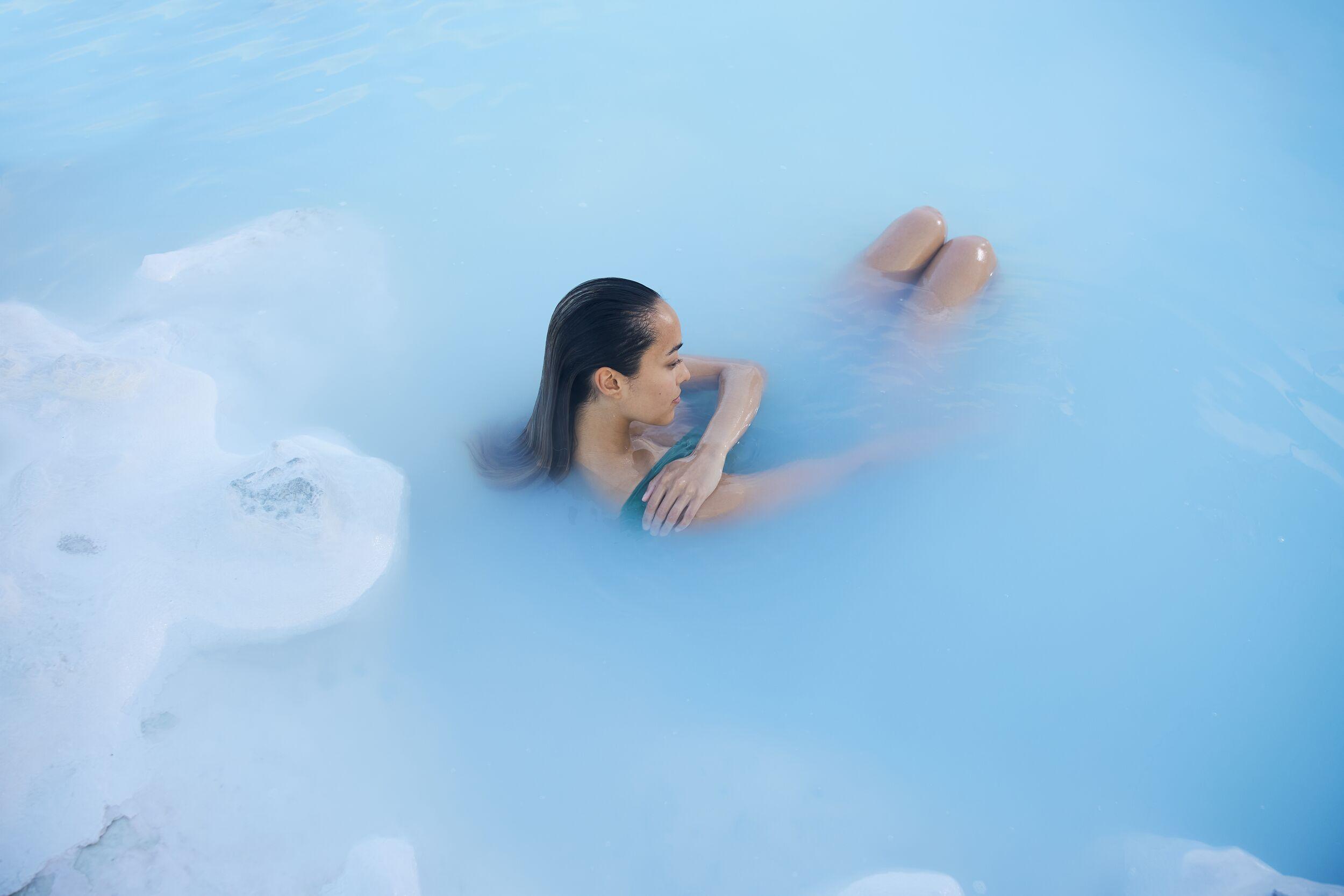
Want a premium package to Blue Lagoon and aren’t booking a rental car? Enjoy the dreamlike Blue Lagoon to the fullest with included masks and other perks with comfortable coach transfer. Relax, enjoy free Wi-Fi to and from the Blue Lagoon and leave the driving to us!
Reykjavík to Blue Lagoon Transfer with Comfort Admission
Looking for a Comfort Admission package to Blue Lagoon and aren’t booking a rental car? Enjoy the dreamlike Blue Lagoon to the fullest with an included silica mud mask, the use of a towel and one drink of your choice at the in-water bar. Relax, enjoy free Wi-Fi to and from the Blue Lagoon and leave the driving to us!