- Best time to visit
- Year-round (skiing Dec–Apr, hiking May–Sep)
- Coordinates
- 63.9700, -21.8700
- Distance from Reykjavík
- 30 km (19 miles)
Bláfjöll: Iceland's Blue Mountains
What does Bláfjöll mean?
The name Bláfjöll comes from two Icelandic words: blá (blue) and fjöll (mountains). The range takes its name from the distinctive bluish tint the mountains cast across the horizon when seen from Reykjavík on a clear day — a sight that has guided travellers for centuries.
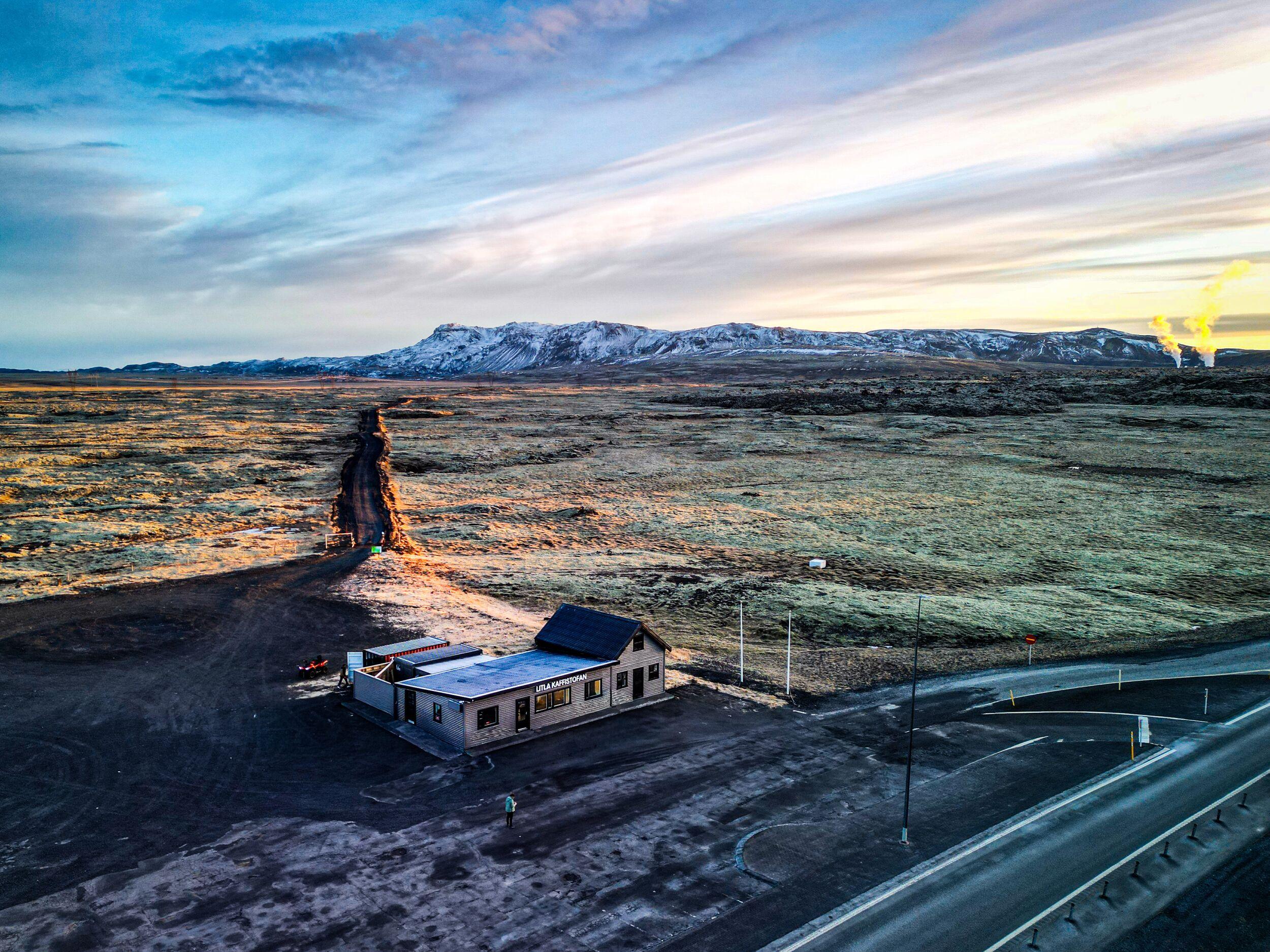
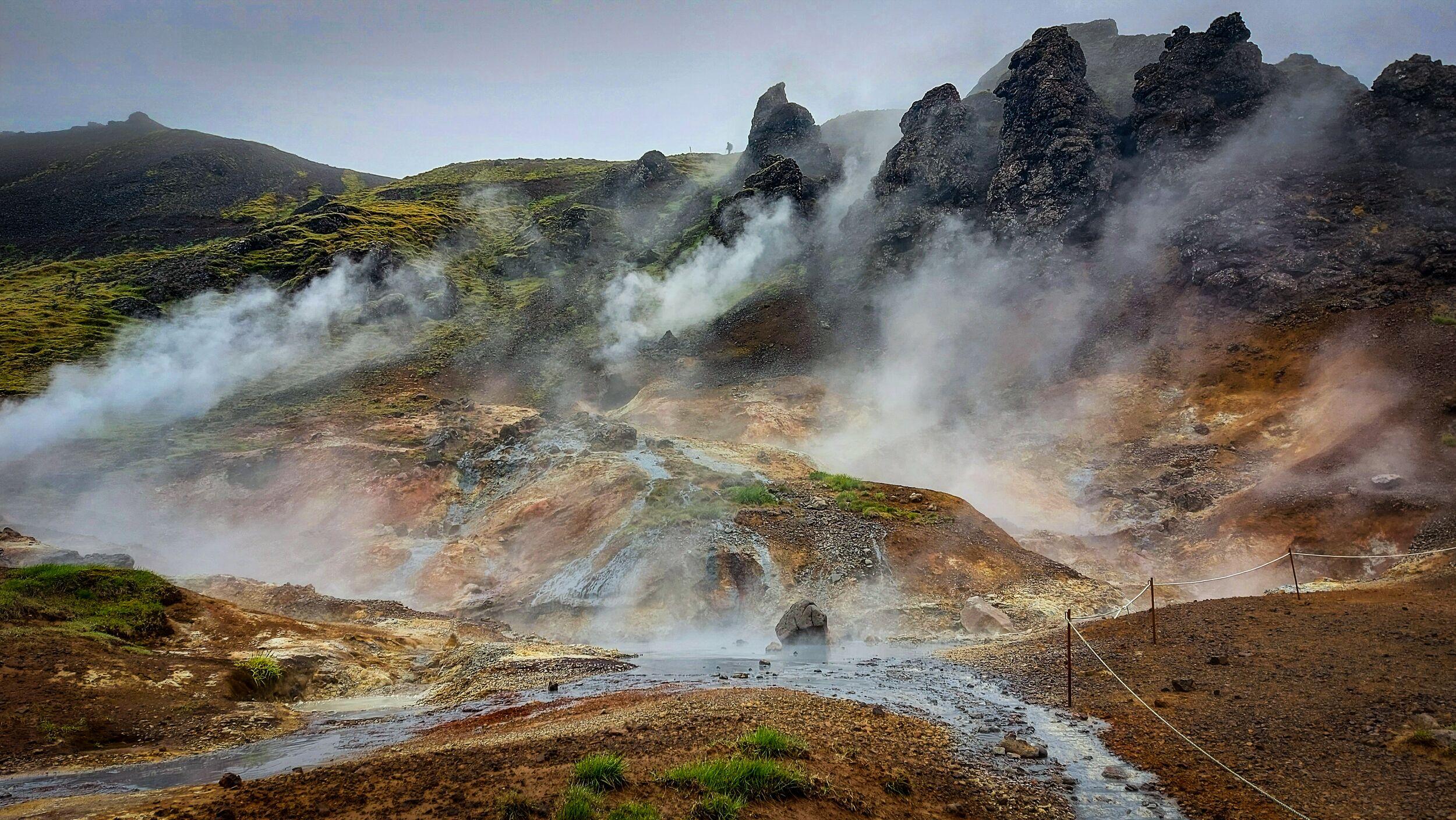
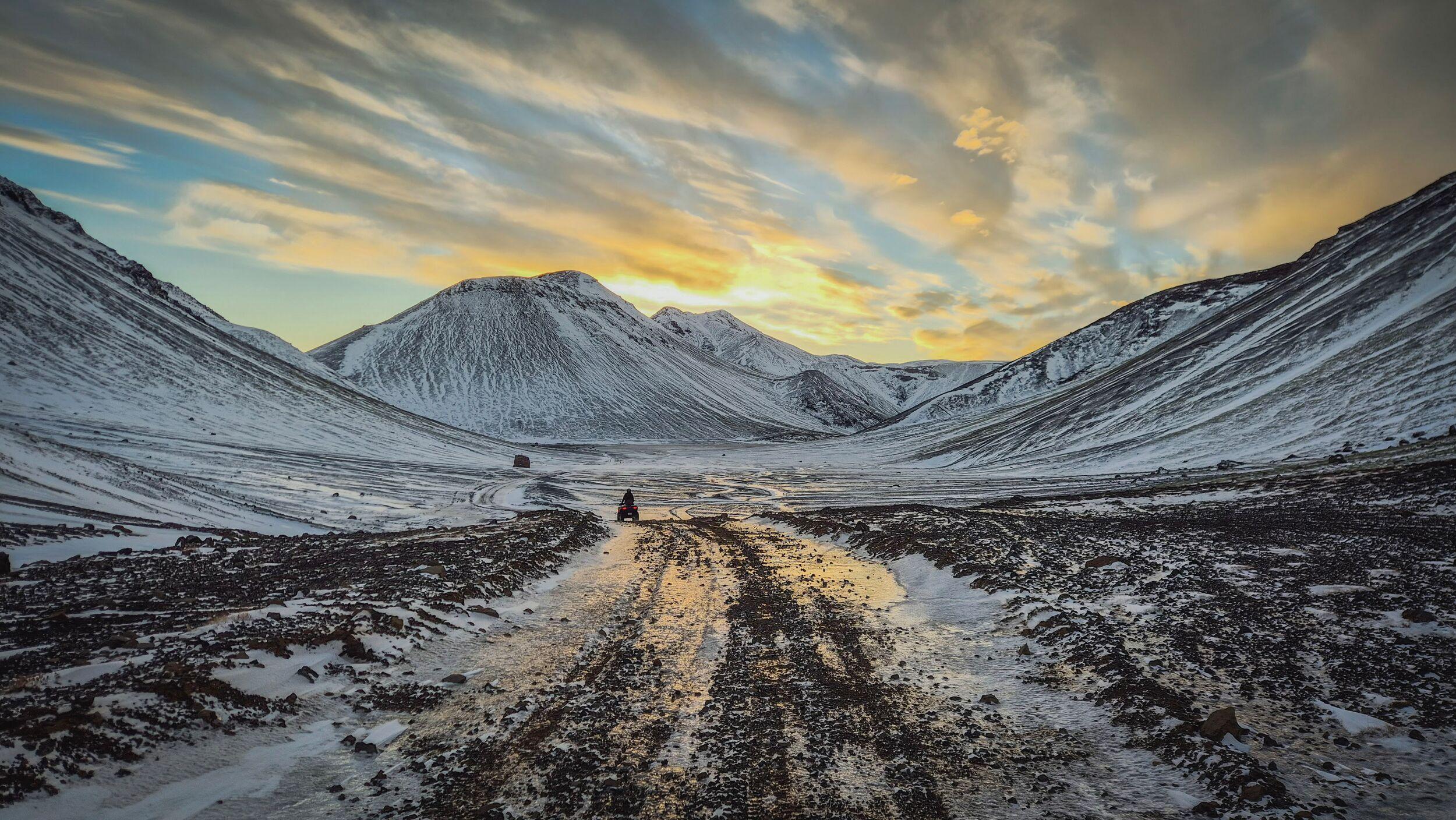
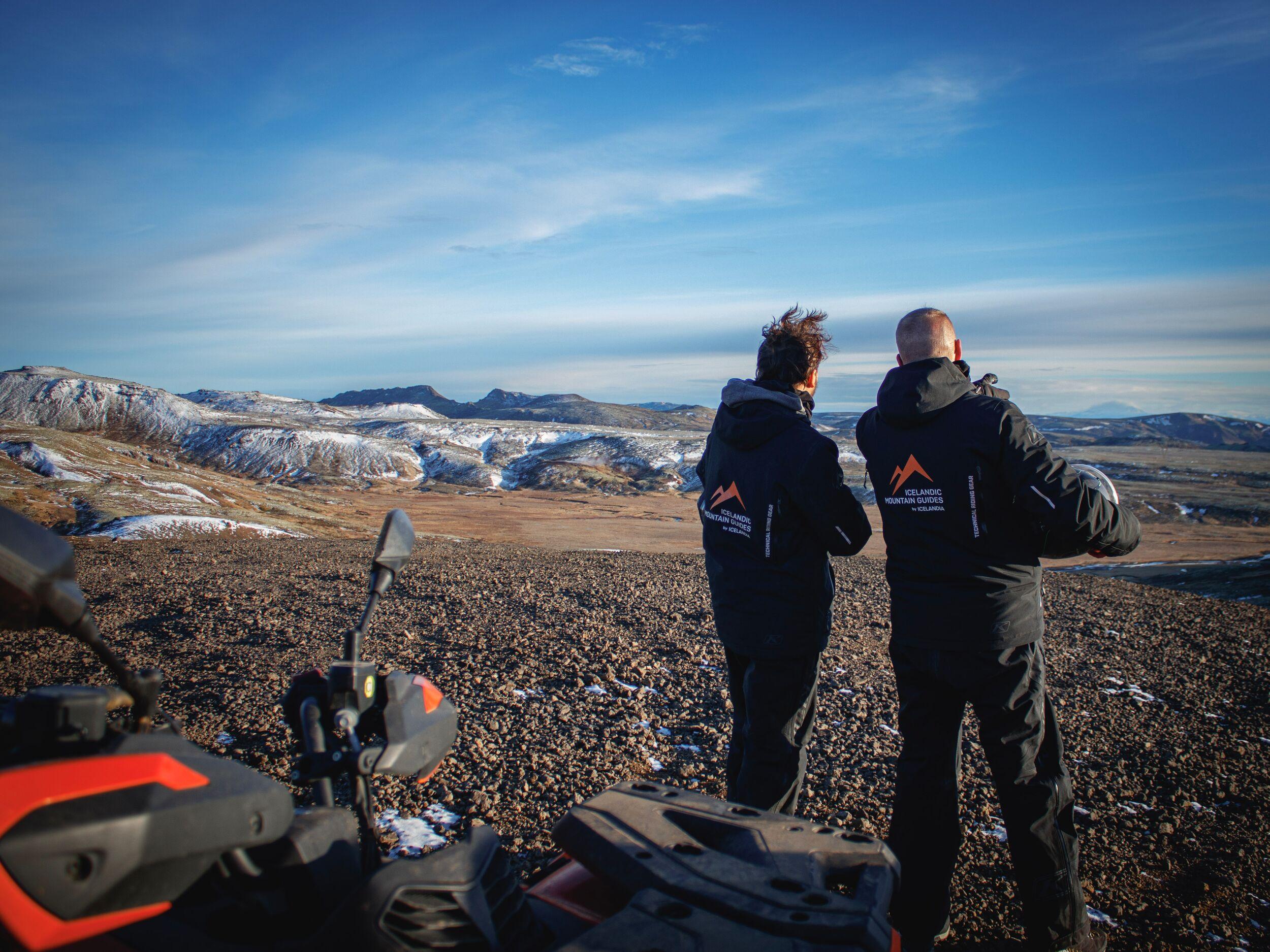
Bláfjöll is a volcanic mountain range that rises to around 1,060 metres (3,478 feet) above sea level at its highest point. The landscape is characterised by solidified lava fields, ancient craters, and wide-open moorland — a textbook example of Iceland's raw volcanic heritage.
The range lies within the Reykjanes UNESCO Global Geopark, a vast area that stretches across the southwest of Iceland and celebrates the extraordinary geological forces at work beneath the surface. On a clear day from the Bláfjöll ridgeline, the view stretches north across the rooftops of Reykjavík, south over the Reykjanes peninsula, and west to the glacier of Snæfellsjökull.
Skiing and snowboarding at Bláfjöll
Bláfjöll is home to Iceland's most popular ski resort — Bláfjallaskíðasvæðið — operated by Skíðafélag Reykjavíkur (the Reykjavík Ski Club). For generations of Reykjavík families, learning to ski has meant a trip up Route 417 to Bláfjöll, and that tradition is still very much alive today.
The resort typically opens in December and runs through to April, weather and snow conditions permitting. With an altitude that catches reliable snowfall when the lowlands remain bare, Bláfjöll tends to offer solid skiing even in years when the capital stays stubbornly snow-free. The resort has multiple ski lifts and a variety of runs, from gentle beginner slopes to steeper descents that reward more experienced skiers and snowboarders.
Ski and snowboard equipment can be hired on site, and the resort has a café and facilities to keep you warm between runs. The atmosphere is relaxed and family-friendly, with plenty of local knowledge on hand — it is, after all, where Icelanders themselves come to ski.
A word of caution: Iceland's winter weather can be unpredictable, and the resort may close at short notice due to storms, warm weather or poor visibility. Always check conditions before setting out, and dress warmly in layers.
Hiking in summer
Once the snow melts, Bláfjöll reveals a different kind of beauty. The volcanic landscape that lies beneath the winter snowpack emerges as a tapestry of mossy lava, twisted rock formations, and wide-open moorland. It is a hikers' playground, and one that sees comparatively few visitors compared to the heavily-trafficked trails of the Golden Circle or the south coast.
Well-marked trails cross the mountain range at various levels of difficulty. Even a relatively short hike rewards you with panoramic views over Reykjavík and the surrounding region — the kind of perspective that reminds you just how close Iceland's wilderness really is to its capital city. Look out for golden plovers, ptarmigan, and the occasional Arctic fox as you make your way across the plateau.
In summer, the long Icelandic days mean you can hike well into the evening, with the midnight sun casting a golden light across the lava fields. It is one of those quietly spectacular Icelandic experiences that is easy to arrange and hard to forget.
How to get to Bláfjöll
Bláfjöll is one of the most accessible natural areas in Iceland, located just 30 kilometres (19 miles) southeast of central Reykjavík. The drive takes around 35 to 40 minutes in good conditions.
From Reykjavík, take Route 1 (the Ring Road) south towards Selfoss. After about 20 kilometres, turn left onto Route 417, which winds up into the mountains. The road is paved and generally well maintained, though in winter a 4WD vehicle and winter tires are strongly recommended.
In winter, it is worth checking road conditions before you go — the Icelandic Road and Coastal Administration (Vegagerðin) website and app are the best sources for live updates. The mountain road can close in severe weather.
If you would rather leave the driving to someone else, many of our guided northern lights tours from Reykjavík stop at Bláfjöll. A knowledgeable local guide will handle transport, point out the best viewpoints, and share the stories and geology that bring the landscape to life.