

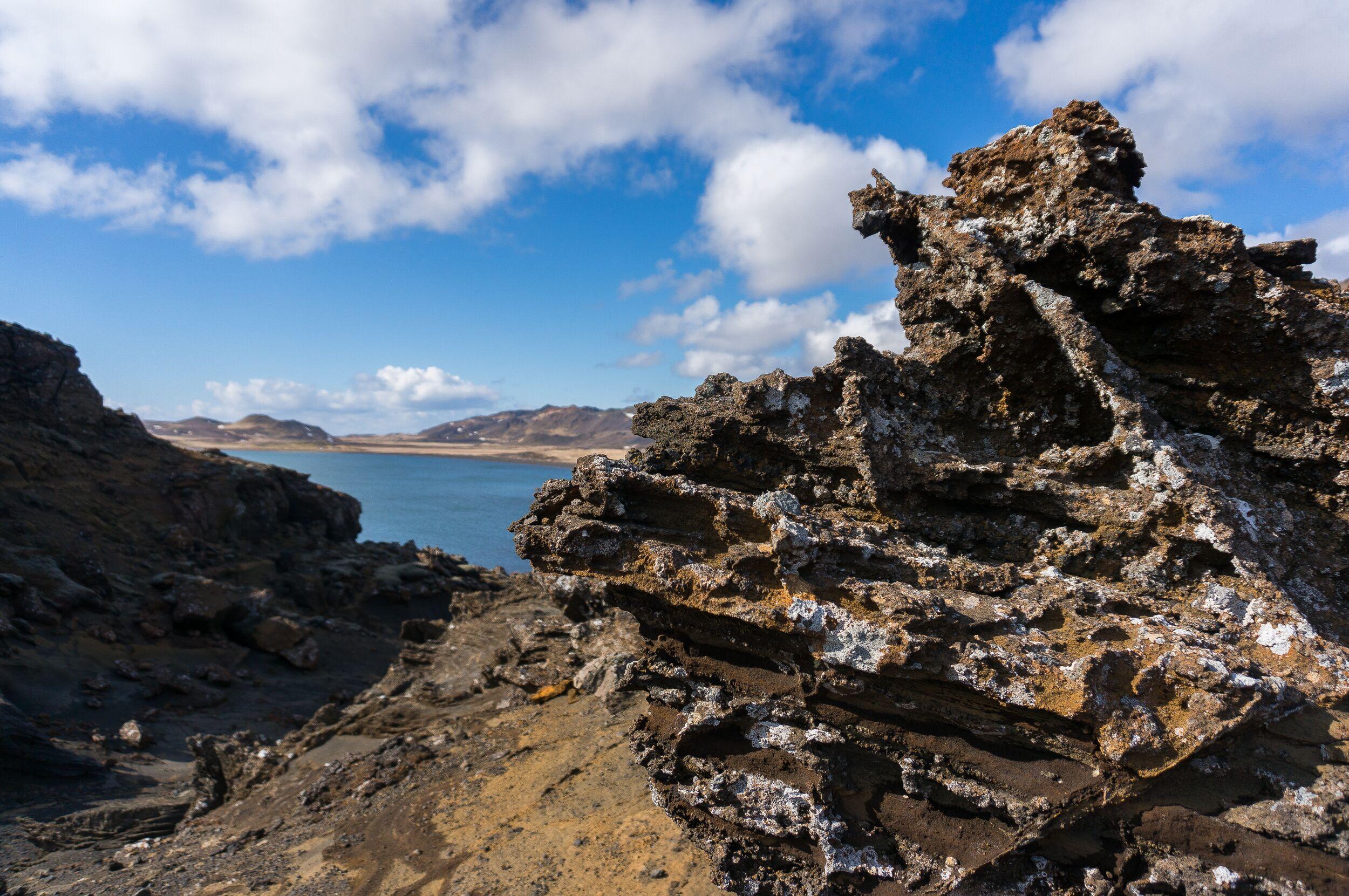
Kleifarvatn is a deep, dark lake in the Krýsuvík volcanic area of the Reykjanes Peninsula, about 30 km south of Reykjavík. It has no river flowing out of it, so its water level follows the groundwater. After the earthquakes of 2000 it lost about a fifth of its surface area before slowly recovering. Visitors come for the black-sand shores, the lava formations and the views from the Sveifluháls ridge, and often combine the lake with nearby Seltún.
- Best time to visit
- All year
- Coordinates
- 63.92534, -21.97451
- Distance from Reykjavík
- 30 km (18.6 mi)
Kleifarvatn: Reykjanes’ largest lake
What is Kleifarvatn?
Kleifarvatn is the largest lake on the Reykjanes Peninsula, covering roughly 9 km² (about 3.5 sq mi). It fills a deep basin between the Sveifluháls ridge to the west and the Brennisteinsfjöll mountains to the east, within the Krýsuvík volcanic system and the Reykjanes UNESCO Global Geopark. Its greatest recorded depth, 97 metres (318 ft), makes it one of the deepest lakes in Iceland.
The landscape around it is stark and quiet: dark lava formations, black-sand beaches and steep cliffs of volcanic tuff dropping straight into the water. Although the capital area is only half an hour away, standing on the shore here feels a long way from town.
The lake that drained
Small streams run into Kleifarvatn, but no river flows out of it. Water leaves only through the ground, so the lake rises and falls with the groundwater. After the South Iceland earthquakes of June 2000, fissures opened in the lakebed and the water began to drain away. Over the following years the lake lost about a fifth of its surface area. The cracks have gradually filled with sediment, and the lake has since recovered much of what it lost.
The shrinking lake inspired Arnaldur Indriðason’s crime novel Kleifarvatn (published in English as The Draining Lake), in which a skeleton is found on the newly exposed lakebed.
Hot springs beneath the surface
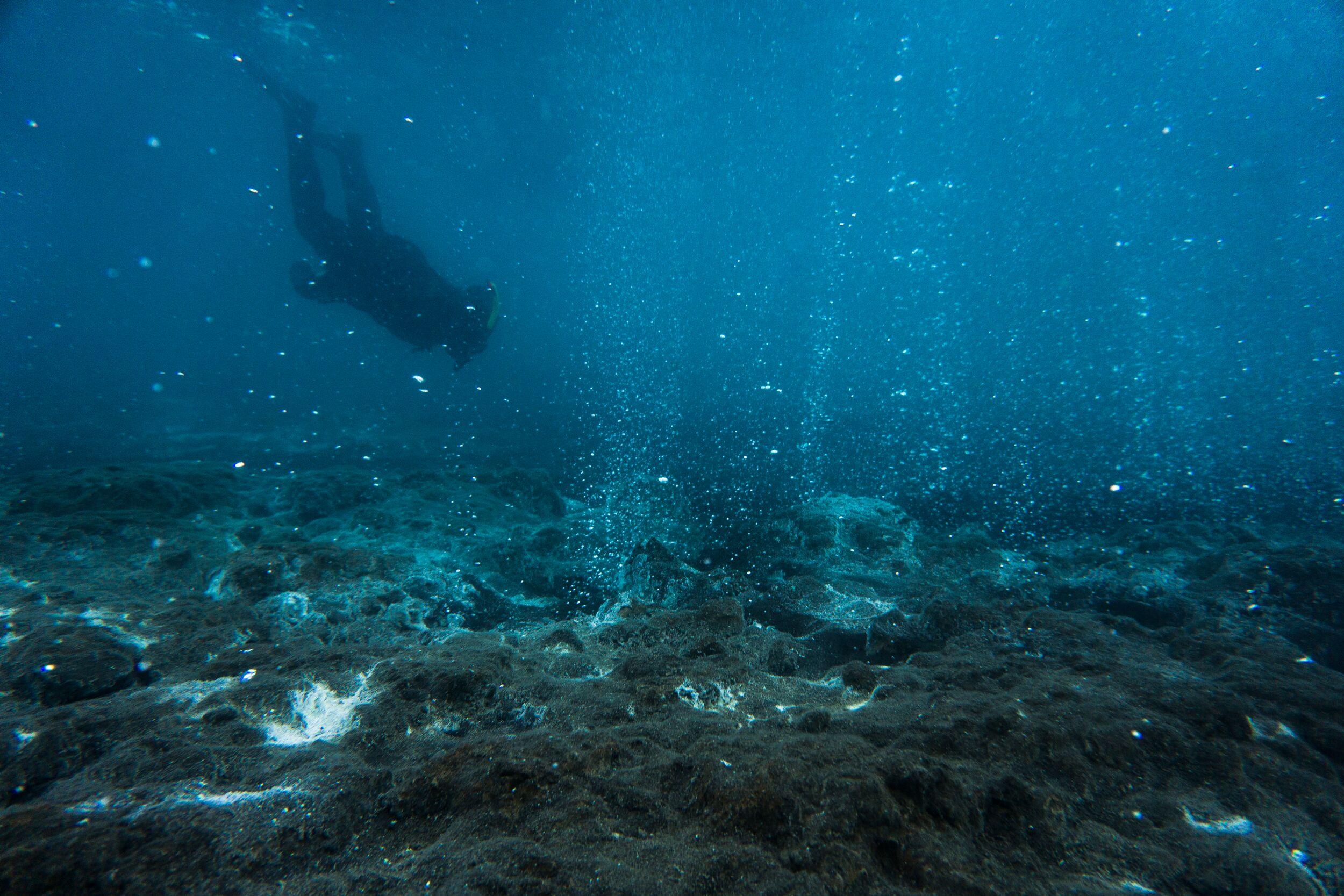
Kleifarvatn lies in a geothermally active area, with notable geothermal heat at the southern end of the lake. Underwater hot springs have been found close to the shore, which makes the lake an unusual freshwater dive site. DIVE.IS sometimes uses Kleifarvatn as a sheltered alternative on its Reykjanes dive day when ocean conditions rule out a sea dive.
The Kleifarvatn monster
Like several Icelandic lakes, Kleifarvatn has a monster of its own. Local folklore describes a worm-like creature living in the lake, black in colour and the size of a large whale. Sightings have been reported over the centuries, though none has ever been confirmed.
Things to do at Kleifarvatn
Most visitors stop along Route 42 to walk on the black-sand shore, photograph the lava formations and take in the view across the water. Walkers can follow the shoreline or head up onto Sveifluháls, the ridge above the western shore, for views over the lake and the wider Reykjanes landscape. The lake was stocked with trout some years ago and is popular with local anglers.
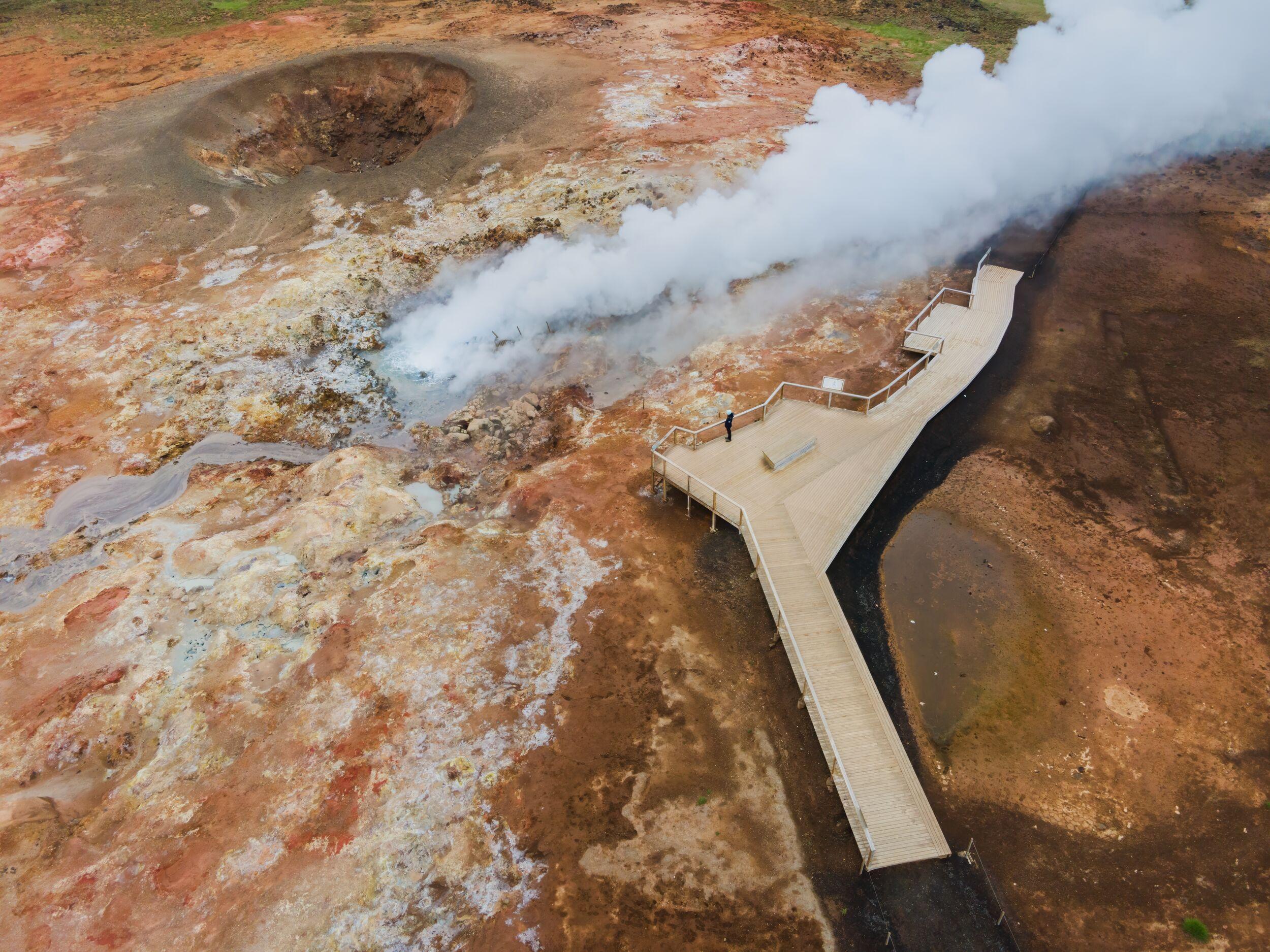
There are no services at the lake itself, so come prepared. Many people combine Kleifarvatn with Seltún, the colourful geothermal area of bubbling mud pots and steam vents a few minutes’ drive to the south.
How to get to Kleifarvatn
Kleifarvatn is about 30 km (19 mi) south of Reykjavík, roughly a 30-minute drive. From the city, drive through Hafnarfjörður and turn onto Route 42 (Krýsuvíkurvegur), which runs along the lake’s western shore at the foot of Sveifluháls. Seltún is about 5 km further south on the same road. From Keflavík Airport, the drive is about 50 km.
The lake can be visited all year. In winter, Route 42 can be icy and conditions change quickly, so check road.is and the forecast on vedur.is before setting out.
Visiting the area on a tour
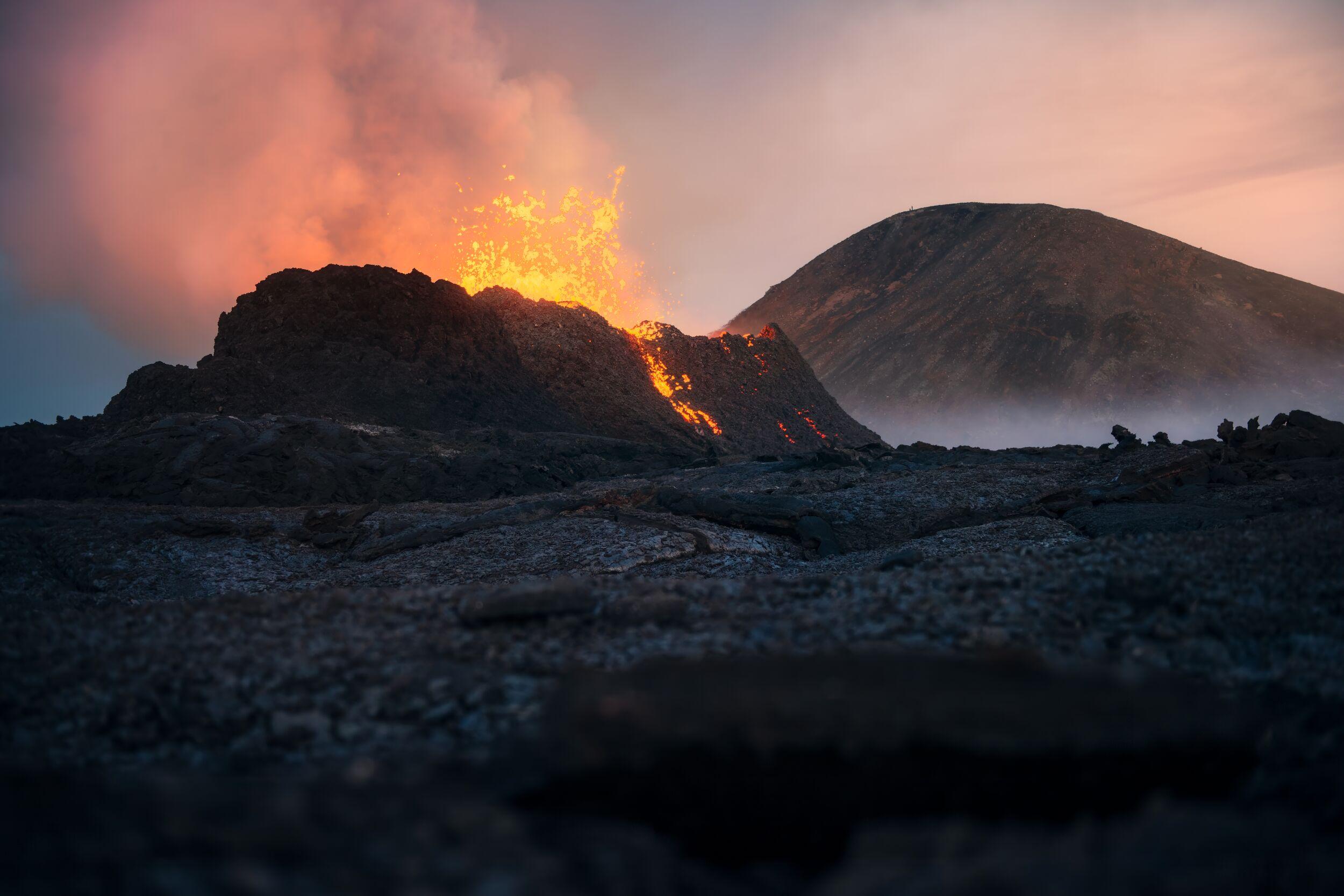
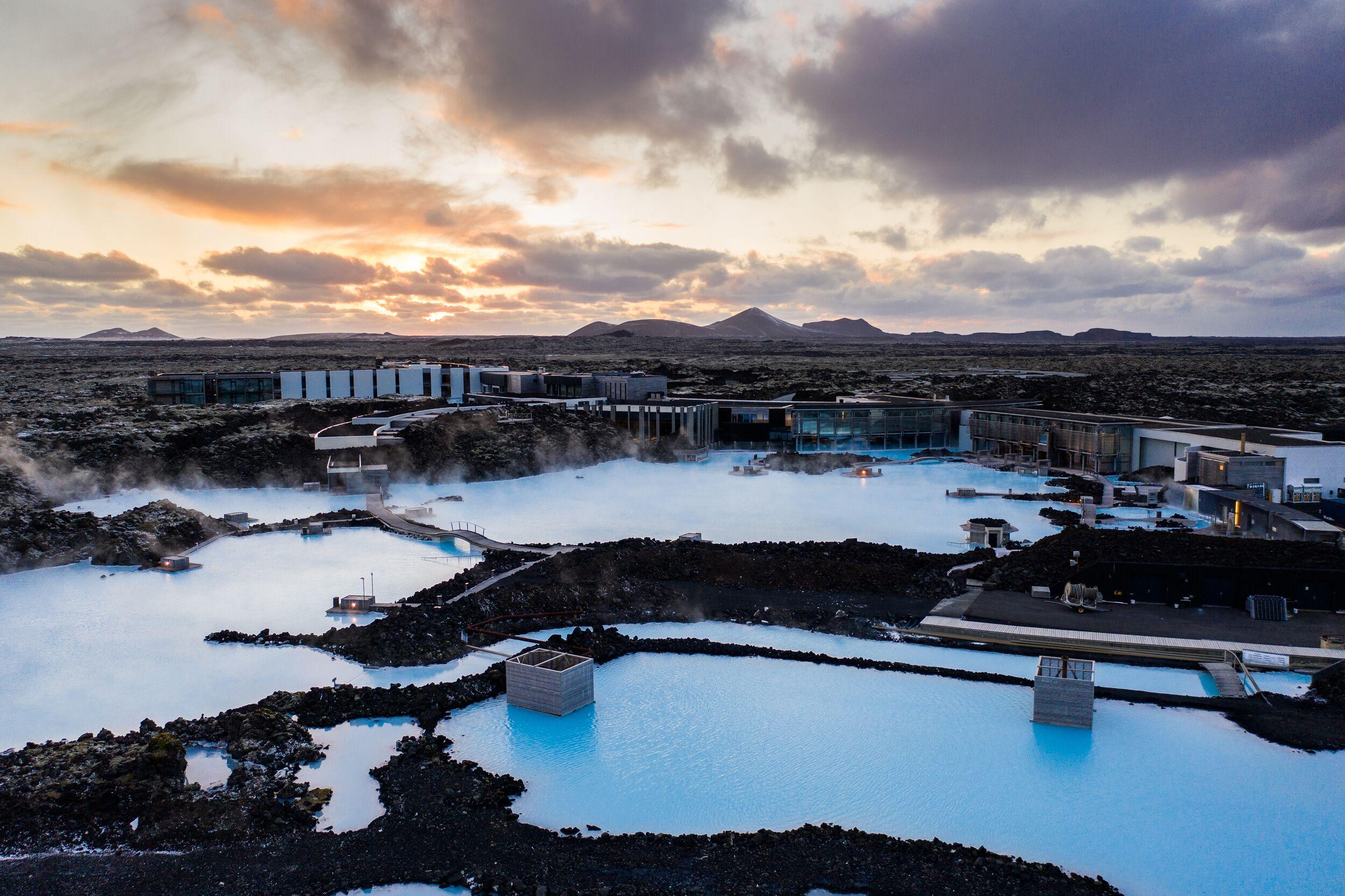
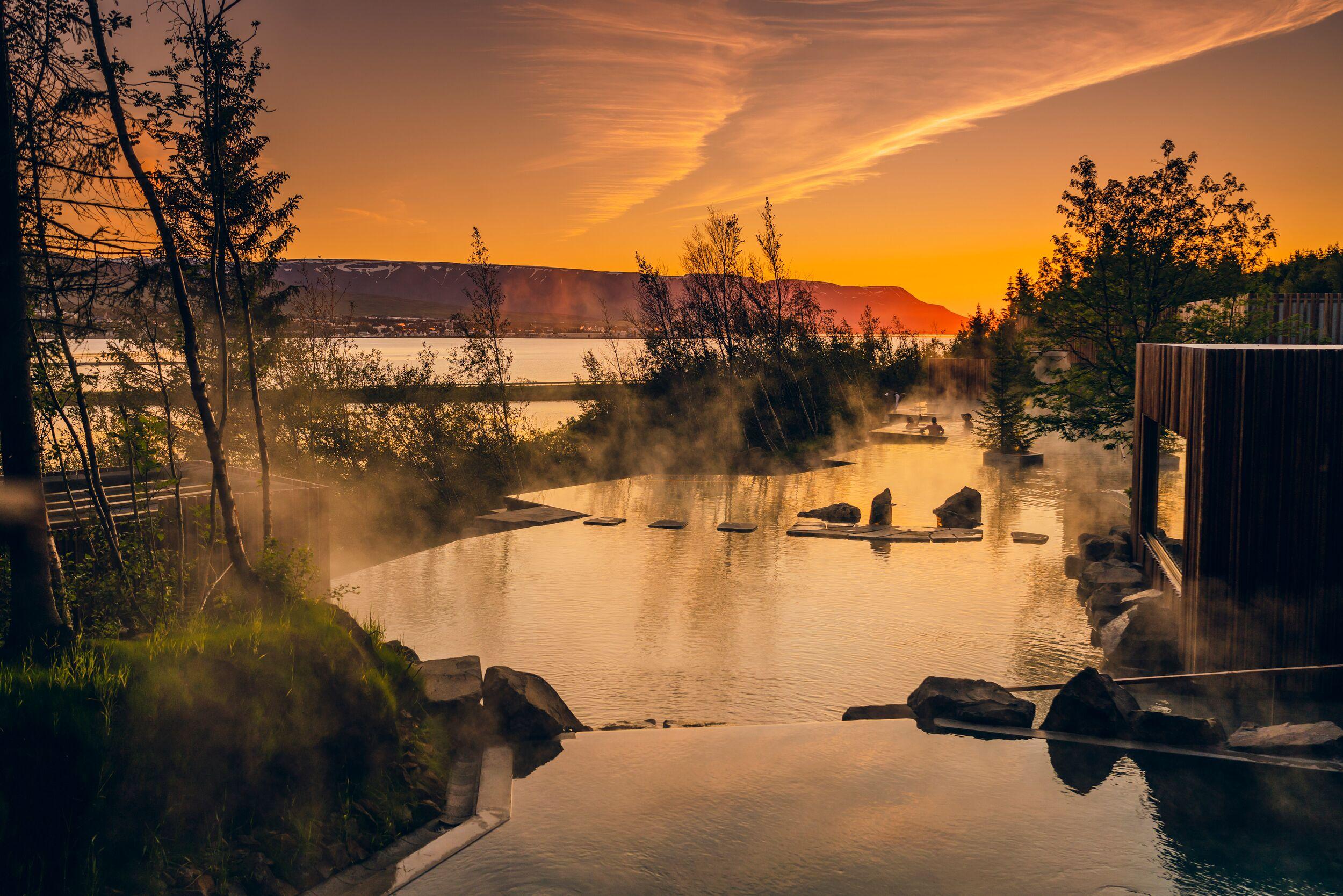
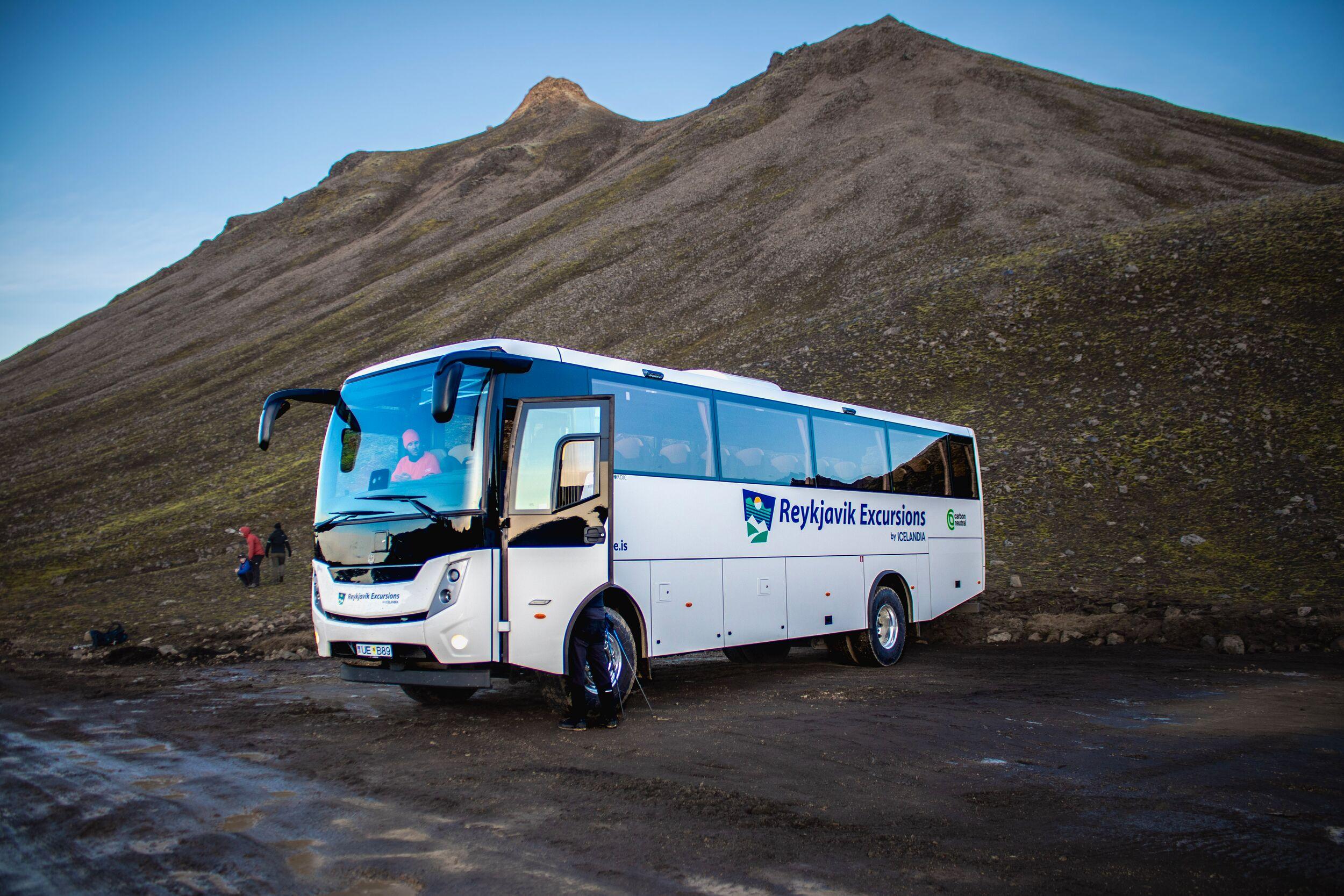
If you’d rather not drive, our Volcanic Wonders day tours from Reykjavík visit the Seltún geothermal area just south of the lake, together with Fagradalsfjall and Grindavík, with options to end the day at the Blue Lagoon or Sky Lagoon.
Tours near Kleifarvatn
- Black Friday Sale

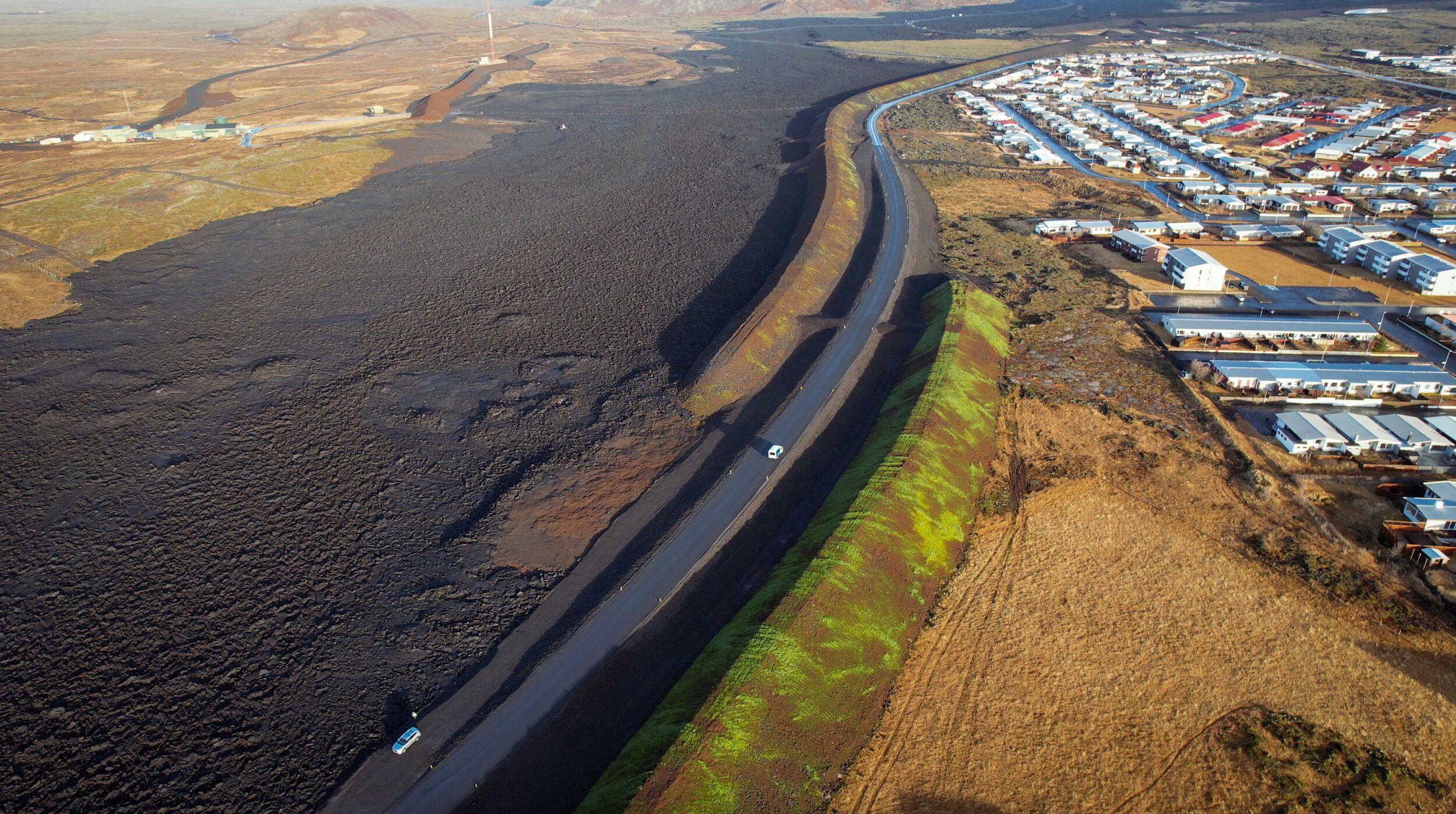
Volcanic Wonders with Grindavik Visit
Once a bustling fishing village, Grindavík now serves as a stark reminder of nature’s relentless power. After a recent volcanic eruption forced the evacuation of its residents, much of the town remains uninhabitable, its landscape forever marked by the destructive forces of the earth.
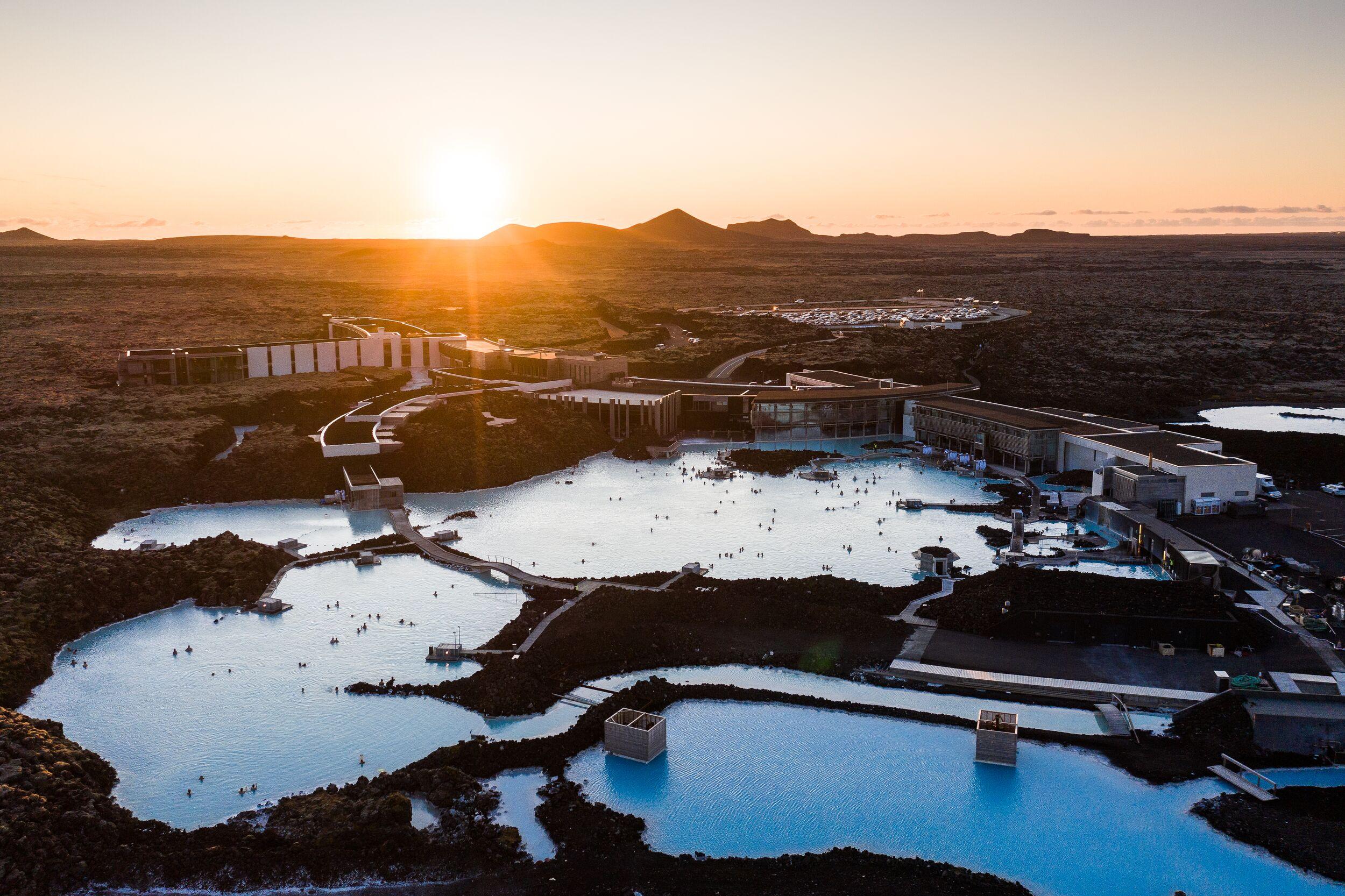
Volcanic Wonders with Grindavik Visit & the Blue Lagoon
Embark on a journey through Iceland’s stunning volcanic landscapes. Enjoy a refreshing hike across a lava field, formed by recent eruptions, and then unwind with a soothing soak in the healing geothermal waters. This perfect combination of adventure and relaxation offers an unforgettable way to experience the raw power and serene beauty of Iceland’s natural wonders.
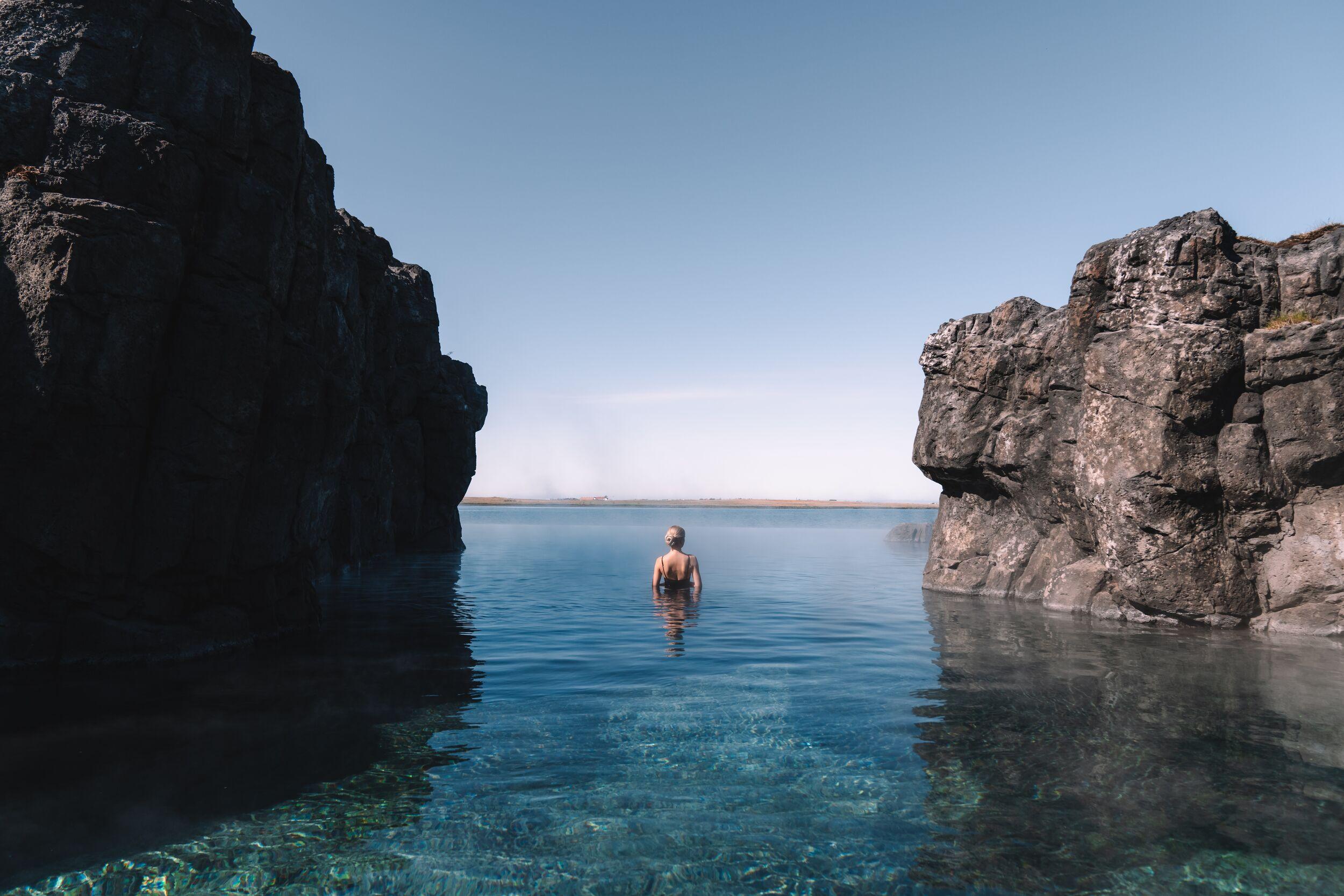
Volcanic Wonders with Grindavík Visit & the Sky Lagoon
Discover Iceland’s geothermal heart in the UNESCO-recognized Reykjanes Geopark, where continents meet and drift apart. Explore a vibrant geothermal area, hike to freshly-formed lava fields, and visit the resilient fishing village of Grindavík. The day ends with pure relaxation at Reykjavík’s Sky Lagoon, where you can soak in warm waters and unwind with a luxurious spa ritual.
Frequently asked questions
Yes. Kleifarvatn lies in a geothermally active area, and underwater hot springs have been found close to the shore, which makes it an unusual freshwater dive site. DIVE.IS sometimes uses the lake as a sheltered alternative on its Reykjanes dive day when ocean conditions rule out a sea dive.
Kleifarvatn is on the Reykjanes Peninsula in southwest Iceland, about 30 km (19 mi) south of Reykjavík, roughly a 30-minute drive. Route 42 (Krýsuvíkurvegur) runs along its western shore, and the Seltún geothermal area is about 5 km further south on the same road.
Yes, Kleifarvatn can be visited all year and there is no entrance fee. In winter, Route 42 can be icy and conditions change quickly, so check road conditions on road.is and the forecast on vedur.is before you set out. There are no services at the lake itself.
No river flows out of Kleifarvatn, so its water level follows the groundwater. After the South Iceland earthquakes of June 2000, fissures opened in the lakebed and water began to drain away, and the lake lost about a fifth of its surface area. The cracks have since filled with sediment and the lake has recovered much of what it lost.
The greatest recorded depth of Kleifarvatn is 97 metres (318 ft), which makes it one of the deepest lakes in Iceland. Later surveys have measured slightly less, as sediment has settled on the lakebed. It is also the largest lake on the Reykjanes Peninsula.
According to local folklore, yes. Old stories describe a worm-like monster living in the lake, black in colour and the size of a large whale. Like most Icelandic lake monsters, it has never been confirmed.
Nearby attractions




Related tours
Hot Spring Snorkeling Tour in Iceland
A self-drive snorkel tour on the Reykjanes Peninsula: meet your guide at the Seltún geothermal area, then pull on a dry suit and float above underwater hot springs in Lake Kleifarvatn as gas bubbles rise from the lakebed around you.