

How to Get Up-Close to Glaciers in Iceland
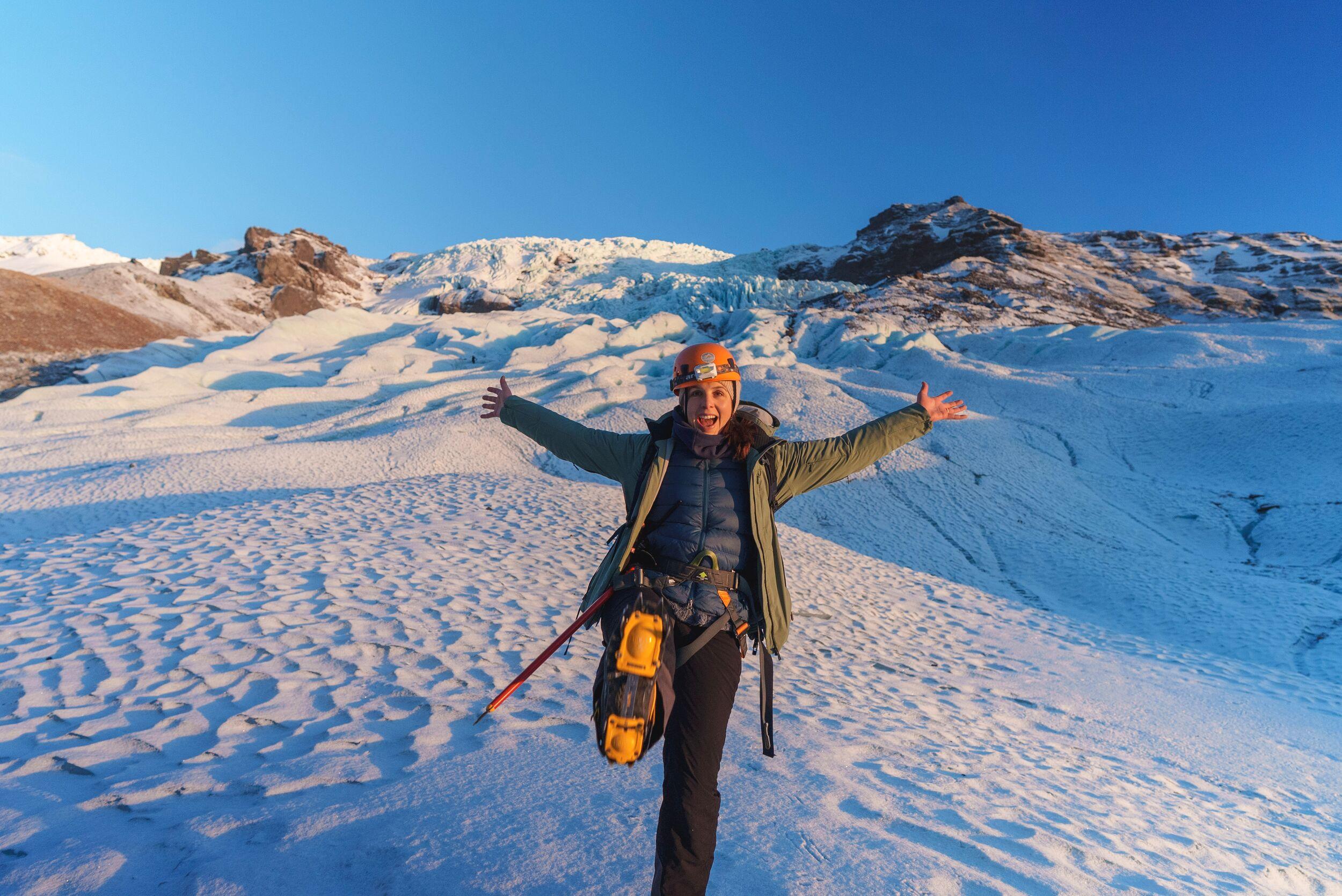
Table of Contents
- 1Why Iceland Is One of the Best Places to Experience Glaciers
- 2What to Expect on a Glacier in Iceland
- 3The Best Ways to Get Up Close to Glaciers in Iceland
- 41. Cruise through a glacier lagoon
- 52. Paddle beside a glacier
- 63. Walk on a glacier
- 74. Ride across a glacier by snowmobile
- 85. Climb a glacier
- 96. Step inside a glacier
- 10Best Time to Visit Glaciers in Iceland
- 11What to Wear on a Glacier Tour in Iceland
- 12Safety Tips for Visiting Glaciers in Iceland
- 13Experience Iceland's Glaciers Your Way
- 14FAQs
A glacier can look almost unreal from a distance. Stretching across mountains and valleys, it often feels more like part of the scenery than a place you can experience. In Iceland, however, many glaciers can be explored from remarkably close range, offering a completely different perspective on these ancient landscapes.
Getting close to a glacier in Iceland changes your perspective completely. Its immense scale becomes more apparent with every step or paddle stroke. Deep crevasses, brilliant blue ice, and ever-changing formations reveal just how alive these ancient landscapes really are.
Whether you're looking for a peaceful encounter or a more adventurous experience, there are several ways to explore Iceland's glaciers. Explore what makes each experience unique and find the one that's right for you.
Why Iceland Is One of the Best Places to Experience Glaciers
Glaciers cover around 11% of Iceland, making them one of the country's defining natural features. Unlike many glacier destinations around the world, several of Iceland's outlet glaciers are easy to reach. That means visitors can easily experience them without having to undertake multi-day expeditions.
The country's glaciers are part of a remarkable landscape where ice and fire coexist. Several ice caps sit above active volcanoes, creating dramatic scenery shaped by volcanic eruptions, snowfall, and the slow movement of ice. Over time, glaciers carve valleys, feed powerful rivers, create black sand plains, and form spectacular glacier lagoons.
Among them is Vatnajökull Glacier, the largest glacier in Europe by volume. It dominates Vatnajökull National Park and feeds several outlet glaciers popular for glacier hiking, ice climbing, and ice caving. Other well-known glaciers include Sólheimajökull and Mýrdalsjökull in South Iceland, as well as Langjökull in West Iceland, each with its own character and way of being explored.
What to Expect on a Glacier in Iceland
Before deciding how you'd like to experience a glacier, it's helpful to know what to expect. While every adventure is different, here are a few things that may surprise first-time visitors:
- It's colder on the glacier: Even in summer, temperatures can feel much lower because of the ice and wind. Dressing in warm layers is essential.
- The terrain can be uneven: Glacier surfaces often feature ice ridges, shallow streams, and loose volcanic ash. Good balance and sturdy hiking boots are especially important for glacier hikes and ice climbing.
- Weather can change quickly: Sunshine can give way to wind, rain, or fog, so it's best to be prepared for changing conditions.
- Glaciers are constantly changing: Ice melts, shifts, and cracks over time, which means the landscape can look different from one season to the next.
- Not every experience takes place on the ice: Glacier lagoon cruises and kayaking let you get close to the glacier without walking on it. Glacier hiking, snowmobiling, and ice climbing take place directly on the glacier.
With these expectations in mind, you're ready to explore the different ways to experience Iceland's glaciers.
The Best Ways to Get Up Close to Glaciers in Iceland
Every glacier experience offers a different perspective. Some bring you onto the ice, while others reveal its beauty from the water or beneath the surface. Here are some of the best ways to get up close to Iceland's glaciers, and why each one is worth experiencing.
1. Cruise through a glacier lagoon
A glacier lagoon cruise is one of the easiest ways to experience a glacier in Iceland up close. Drifting between floating icebergs, you'll see just how immense the glacier really is as it rises in the distance.
Jökulsárlón, fed by an outlet of Vatnajökull Glacier, is Iceland's most famous glacier lagoon. Guided tours aboard amphibious boats and smaller Zodiac boats take you among the floating ice. Along the way, you may even spot seals swimming through the lagoon.
If you're looking for a relaxed glacier experience, a lagoon cruise is an excellent place to start. For more information about visiting this iconic destination, read our guide to Jökulsárlón.
Good for: Families, photographers, first-time visitors, and anyone looking for a relaxed glacier experience.
2. Paddle beside a glacier
If a glacier lagoon cruise brings you close to the ice, kayaking takes you even closer. From the water level, you're no longer looking across at the glacier; you're looking up at it. Towering ice walls rise above your kayak while floating ice drifts quietly around you.
Glacier kayaking is available at both Jökulsárlón and Sólheimajökull, each offering a different experience. Jökulsárlón is known for its vast lagoon filled with floating icebergs. Meanwhile, Sólheimajökull is closer to Reykjavík and stands out for its striking blue ice streaked with black volcanic ash.
Icelandia’s kayaking tour by the Sólheimajökull glacier is an excellent way to experience the glacier from the water. Stable sit-on-top kayaks, professional guides, and a full safety briefing make it suitable for many beginners. If you'd like to combine kayaking with another adventure, consider the glacier lagoon kayak & hike tour or the glacier lagoon kayak & buggy tour.
Good for: Nature lovers, photographers, beginners, couples, and anyone looking for a peaceful adventure.
3. Walk on a glacier
Walking on a glacier is one of the few experiences that truly puts its immense scale into perspective. Surrounded by a vast expanse of ice, it's easy to lose sight of where the glacier begins and ends. Standing here, you can't help but feel small against Iceland's landscapes.
Sólheimajökull is one of Iceland's most popular sites for glacier hiking, thanks to its easy access from Reykjavík. For a fun adventure, the ATV & glacier walk tour combines glacier hiking with an off-road ride. On this adventure, you’ll get to visit the famous Sólheimasandur DC-3 plane wreck, one of the top South Iceland wonders. Ready for a bigger challenge? The Eyjafjallajökull summit hike takes you across the glacier and up to the summit of one of Iceland's most famous volcanoes.
Good for: First-time or experienced glacier visitors, active travellers, and anyone wanting to stand on a glacier in Iceland.
4. Ride across a glacier by snowmobile
Some glaciers are so vast that the best way to appreciate their true scale is to travel across them. Snowmobiling lets you do exactly that. Riding across endless snow and ice adds a thrilling contrast to an already remarkable landscape.
Many snowmobile tours take place on Langjökull, Iceland's second-largest glacier, where wide, open snowfields provide ideal riding conditions. No prior experience is required, and guides provide all necessary equipment and a safety briefing before you set off.
Icelandia’s Golden Circle & snowmobiling tour combines glacier snowmobiling with some of Iceland's most iconic attractions. This makes it ideal if you're short on time, but still want to experience more of Iceland. For thrill-seekers, the Golden Circle Super Jeep & snowmobiling tour adds an exciting Super Jeep ride before reaching the glacier.
Good for: Adventure seekers, families with older children, and travellers who want to experience the vastness of Iceland's glaciers.
5. Climb a glacier
If you want to take your glacier adventure one step further, ice climbing offers a rewarding challenge. Equipped with crampons and ice axes, you'll climb towering blue ice walls that few visitors ever get to experience up close.
Ice climbing is always done with experienced guides, who provide the necessary equipment and teach the basic techniques beforehand. Many tours are suitable for beginners with a reasonable level of fitness.
Sólheimajökull in South Iceland is one of the most popular places for ice climbing. Several outlet glaciers of Vatnajökull Glacier also offer excellent climbing conditions. As glaciers constantly move and change, no two climbing routes are exactly alike. Every climb offers a different challenge and a new appreciation for the glacier's ever-changing landscape.
Good for: Adventure seekers, active travellers, and anyone looking for a rewarding challenge.
6. Step inside a glacier
If you've ever wondered what lies beneath a glacier's surface, this is your chance to find out. Exploring an ice cave takes you inside the glacier itself, where you’ll see crystal-blue ice, sculpted tunnels, and frozen formations. It's one of the top things to do in Iceland that you can enjoy year-round.
Iceland is home to both natural ice caves and man-made ones, like the one in Langjökull. Natural ice caves form within outlet glaciers and change every winter. Meanwhile, the Langjökull “Into the Glacier” ice tunnel offers a year-round opportunity to explore the glacier from within.
For a truly unforgettable adventure, the Skaftafell glacier hike & ice cave tour combines ice caving with a glacier hike in Iceland. It lets you experience the glacier both on its surface and from within.
Good for: Curious travellers, photographers, and anyone wanting to experience a glacier from the inside.
Best Time to Visit Glaciers in Iceland
Icelandic glaciers can be experienced throughout the year, but the best season depends on the adventure you're looking for. While some activities are available year-round, others are only offered during specific months.
Warmer months: May–October
Best for glacier kayaking and glacier lagoon cruises.
Colder months: November–April
Best for exploring natural ice caves.
Year-round
You can enjoy glacier hiking, ice climbing, snowmobiling, and the Langjökull ice tunnel throughout the year.
Summer offers milder temperatures and long daylight hours, making it ideal for kayaking and hiking. Winter brings opportunities to explore natural ice caves and snow-covered glacier landscapes, creating an entirely different atmosphere.
No matter when you visit, guided Icelandia tours operate according to weather and glacier conditions. This helps ensure every experience is as safe as possible.
What to Wear on a Glacier Tour in Iceland
Most glacier tours in Iceland take place in changing mountain conditions. So, dressing in layers is the best way to stay comfortable throughout the day.
Bring the following essentials:
- Waterproof jacket and trousers
- Warm base and mid-layers
- Sturdy hiking boots (for glacier hiking and ice climbing)
- Hat and gloves
- Sunglasses and sunscreen
- Reusable water bottle
Good to know: Icelandia tours provide the specialist safety equipment needed for the activity, including crampons, helmets, harnesses, and ice axes where required.
Safety Tips for Visiting Glaciers in Iceland
Exploring a glacier is an unforgettable experience, but it also requires the right preparation. Before setting out, keep these safety tips in mind to help you enjoy your adventure with confidence:
- Join a guided tour: Certified glacier guides know the safest routes and current glacier conditions.
- Dress for changing weather: Wear warm layers and waterproof clothing, even during summer.
- Wear proper footwear: Sturdy hiking boots provide the grip and support needed on uneven terrain. This is especially needed on more challenging activities, such as glacier hiking.
- Pay attention to the safety briefing: Learn how to use your equipment correctly before stepping onto the glacier.
- Stay with your group: Never wander away from your guide, as glacier conditions can change quickly.
The better prepared you are, the more enjoyable your glacier adventure will be.
Experience Iceland's Glaciers Your Way
Every glacier in Iceland offers a different adventure. Some experiences let you paddle across a peaceful lagoon surrounded by floating ice or walk on centuries-old glaciers. Others take you up frozen walls, inside dazzling blue caves, or across vast ice caps by snowmobile. Each one brings you closer to the glacier in a different way and reveals a new perspective on Iceland's ever-changing landscapes.
The best choice depends on how you want to experience the ice. Whether you prefer a quiet journey on the water or an active day on the glacier, there's an adventure for you. Guided Icelandia tours make these remarkable places accessible to travellers of all experience levels.
Whichever adventure you choose, getting up close to a glacier in Iceland will change the way you see it.
FAQs
Vatnajökull Glacier is the most famous glacier in Iceland. It's also the country's largest glacier and the centrepiece of Vatnajökull National Park. Visitors can enjoy glacier hikes, ice caves, and glacier lagoon tours throughout the area.
Sólheimajökull is one of the easiest glaciers to visit in Iceland. Located along Iceland's South Coast, it's easily accessible by road and offers guided glacier hikes, ice climbing, and glacier kayaking.
Langjökull is generally considered the closest major glacier to Reykjavík. It's around a two-hour drive from the city and is popular for snowmobiling and visiting the year-round ice tunnel.
Jökulsárlón and Fjallsárlón in South Iceland are Iceland's best-known glacier lagoons, both filled with floating icebergs. You can also see floating ice at Sólheimajökull Glacier Lagoon, where glacier kayaking brings you up close to the glacier.
No, it isn't recommended to walk on a glacier in Iceland without a qualified guide. Glaciers contain hidden crevasses and constantly changing conditions that require specialist knowledge and equipment. Guided Icelandia glacier tours provide the expertise and equipment needed to explore them safely.
The best glacier tour in Iceland depends on your interests. If you prefer a peaceful experience, choose glacier kayaking or a glacier lagoon cruise. For a more active adventure, consider glacier hiking, snowmobiling, ice climbing, or exploring an ice cave.
Temperatures vary by season and location, but glaciers are often colder than nearby lowland areas due to wind and elevation. Dressing in warm, waterproof layers helps you stay comfortable throughout your tour.
Recommended tours
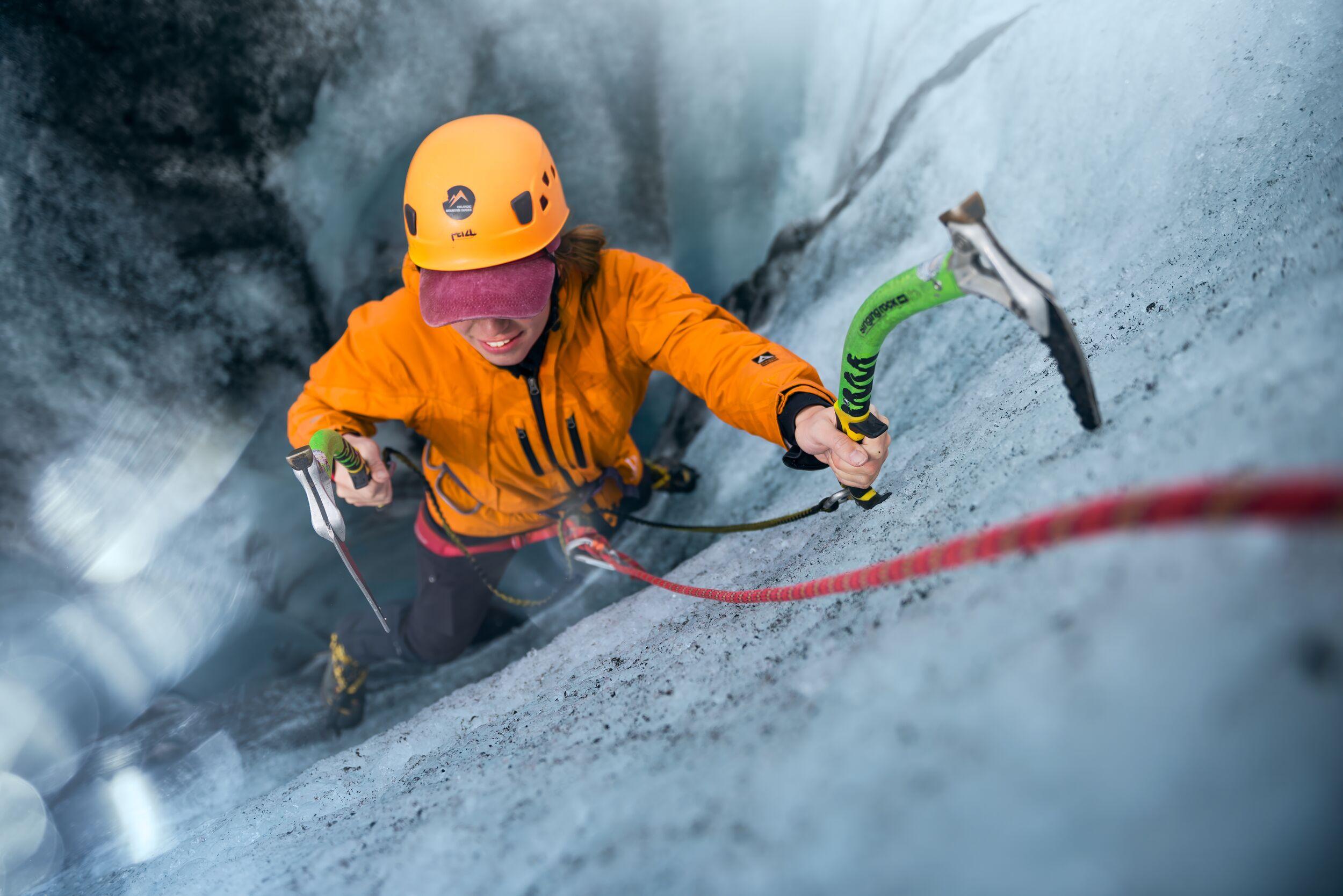
Sólheimajökull Glacier Hike and Ice Climbing
Experience a glacier hike with an introduction to ice climbing on this small group day tour. You will explore the majestic landscapes of Sólheimajökull glacier, including meltwater pools, ridges, and deep crevasses, followed by a quick search for a suitable spot to rig up our gear for a short, moderately difficult introduction to ice climbing. You can expect about 3.5 hours on the ice with a professionally trained & certified glacier guide.
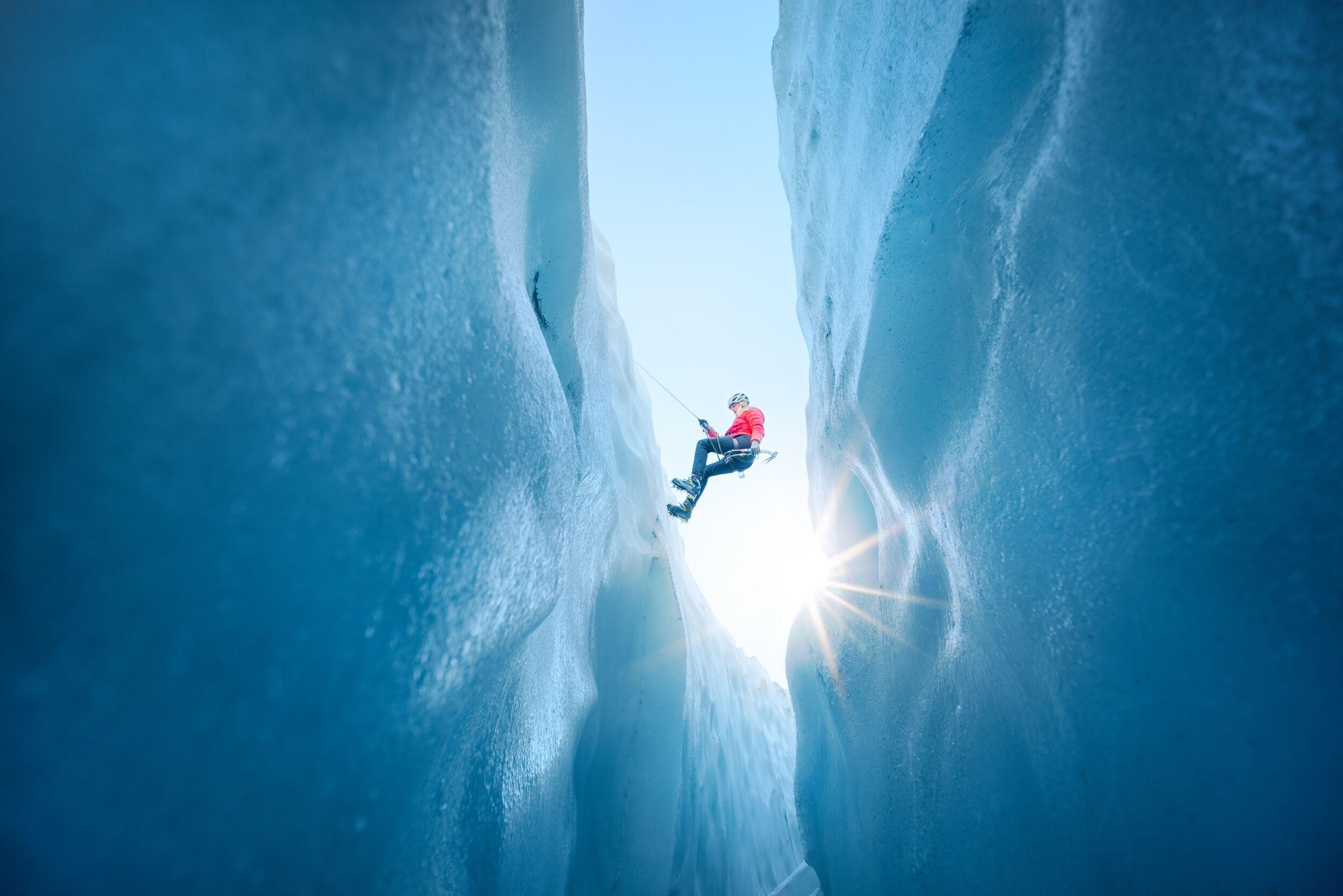
Skaftafell Glacier Hike and Ice Climbing
Immerse yourself in the captivating world of ice climbing with our Skaftafell Glacier Adventure Tour. Set in the majestic Vatnajökull National Park, this tour combines an exhilarating glacier hike with an introduction to the thrilling sport of ice climbing, promising a unique and unforgettable experience in Iceland's icy wilderness.
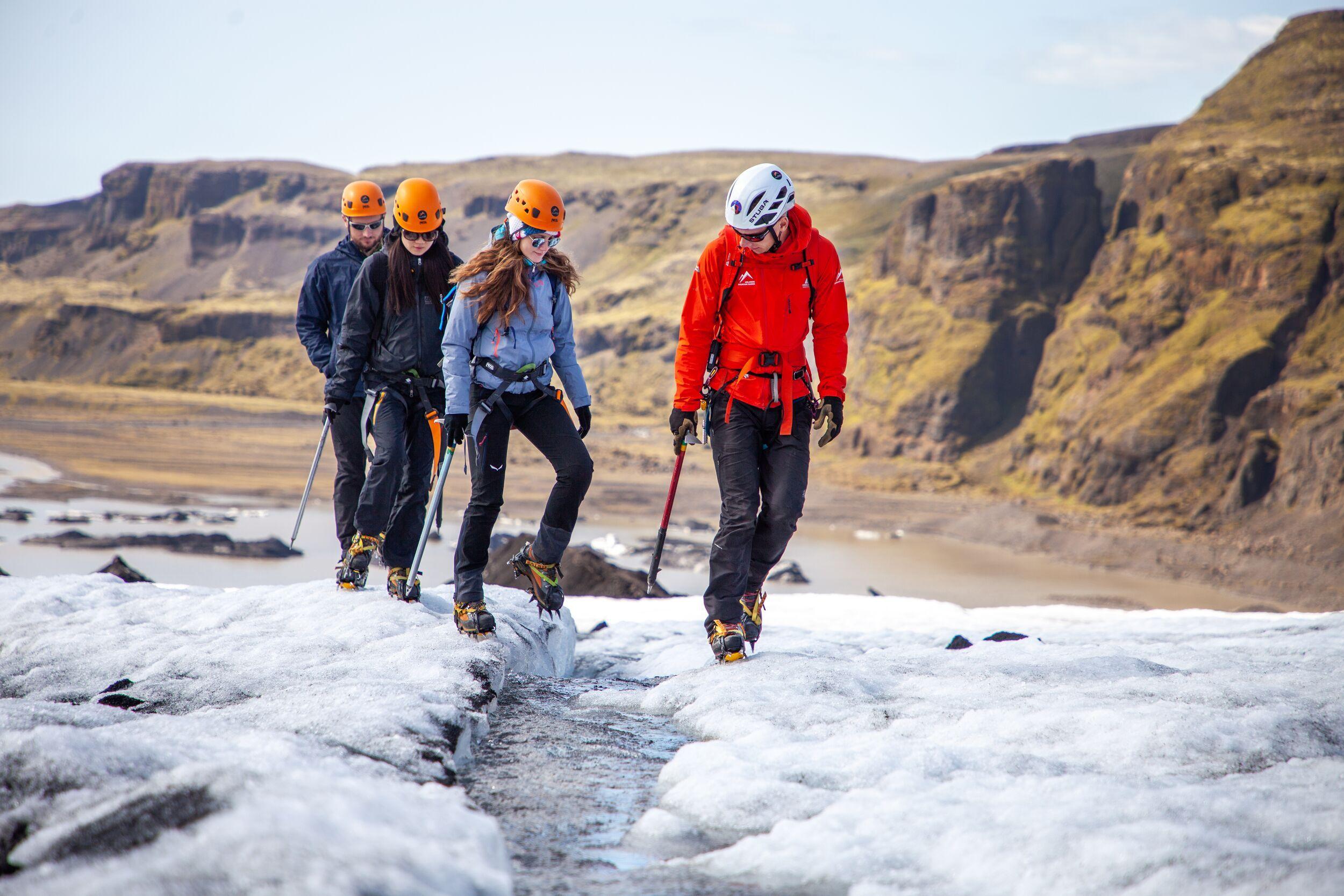
Glacier Discovery - 3.5-hour Sólheimajökull Glacier Hike
Join this guided glacier hike and explore the beautiful, icy wonderland of Iceland’s Sólheimajökull Glacier. Enjoy the fresh air, interesting shapes and hues of the ice and marvel at the vast and remote slice of south Iceland. Led by an expert guide, get up close and personal with one of the country's most famous glaciers!
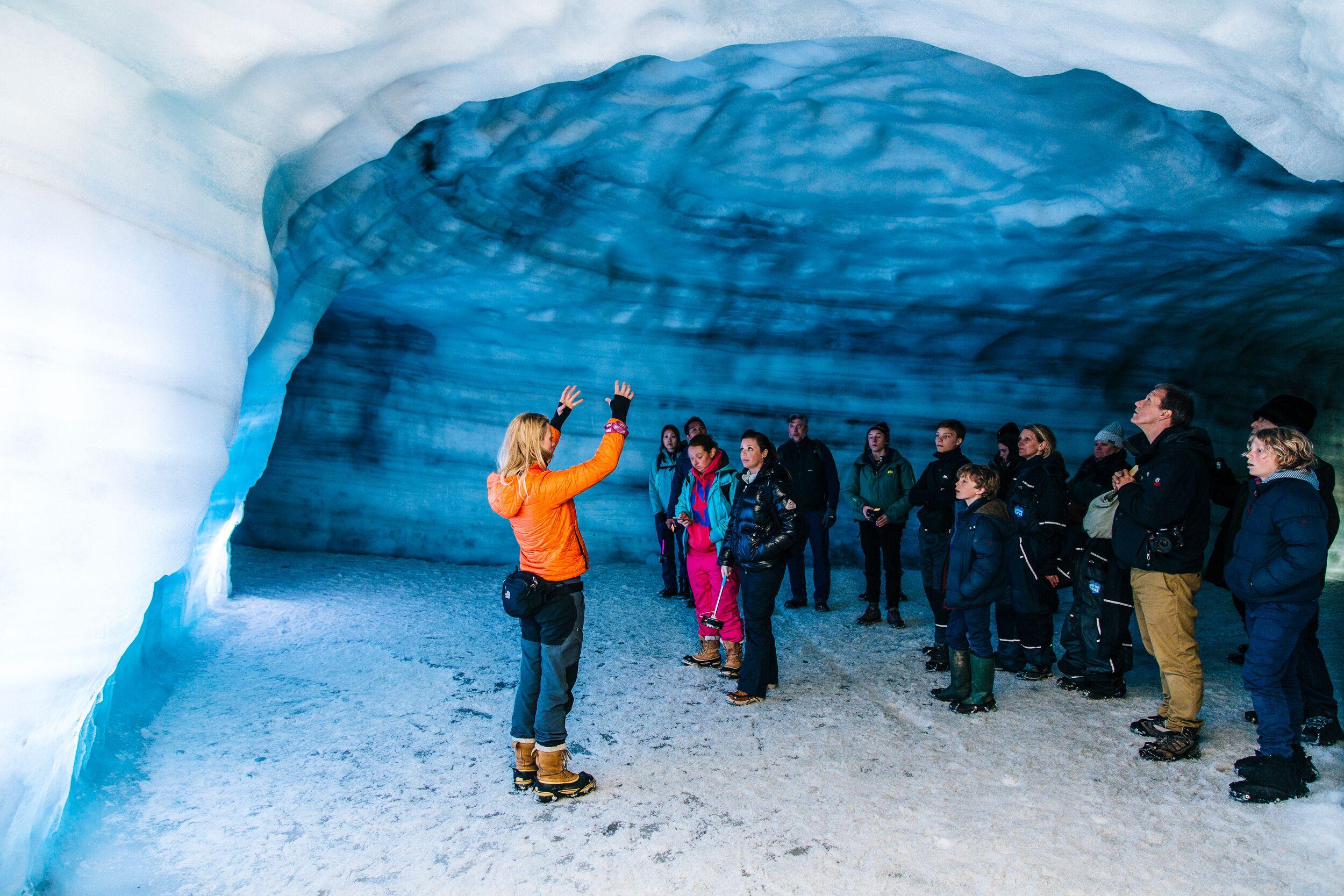
Into the Glacier | Langjökull Ice Cave & West Iceland
Ready for an adventure! Visit a unique and remote man-made ice cave in Langjökull Glacier, one of Iceland's largest and most spectacular glaciers. Climb the glacier in a specially-designed monster truck before delving deep inside the glacier.
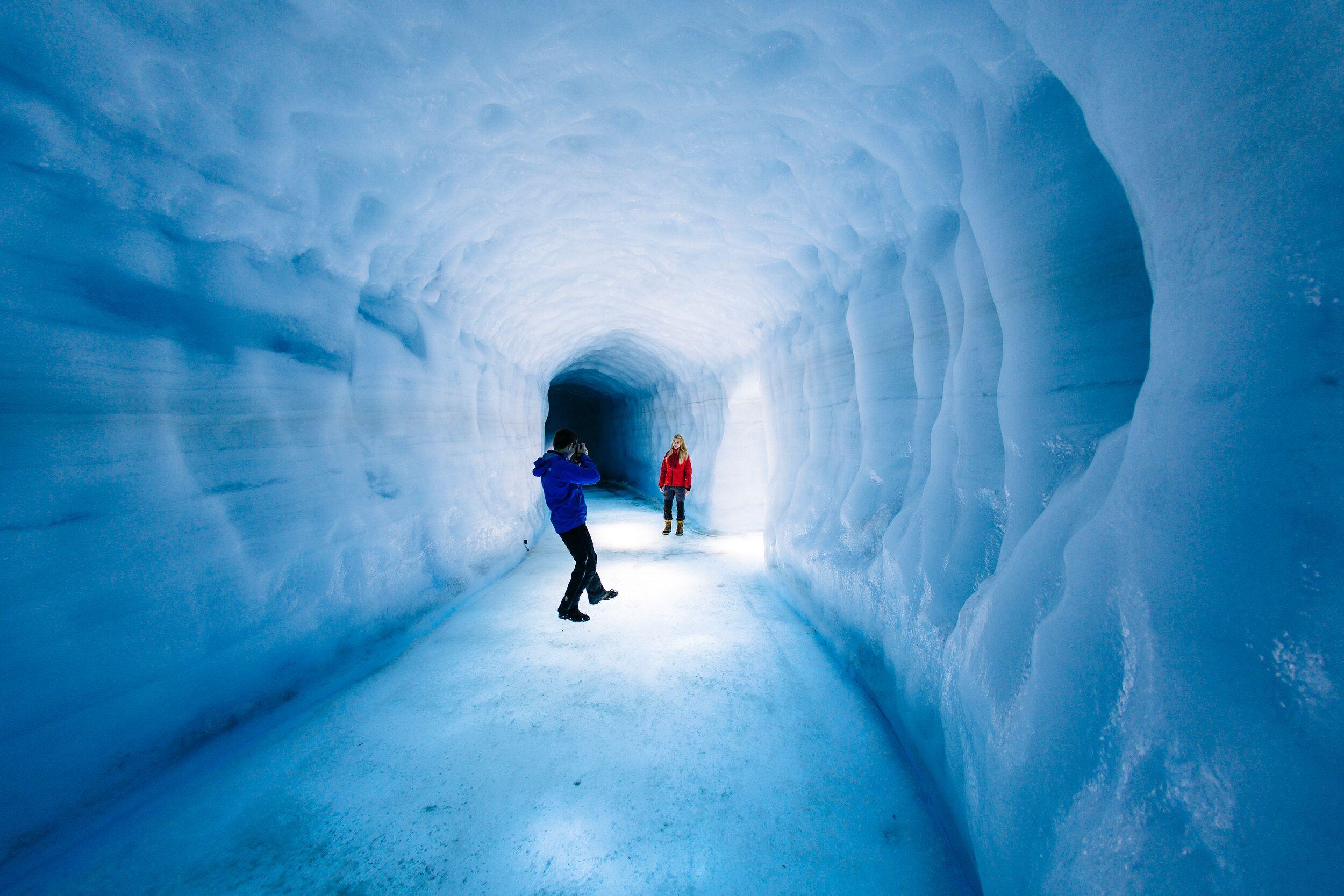
Langjökull Ice Cave Experience - Glacier Adventure!
Ready for an adventure! Visit a unique and remote man-made ice cave in Langjökull Glacier, one of Iceland's largest and most spectacular glaciers. Climb the glacier in a specially-designed monster truck before delving deep inside the glacier.
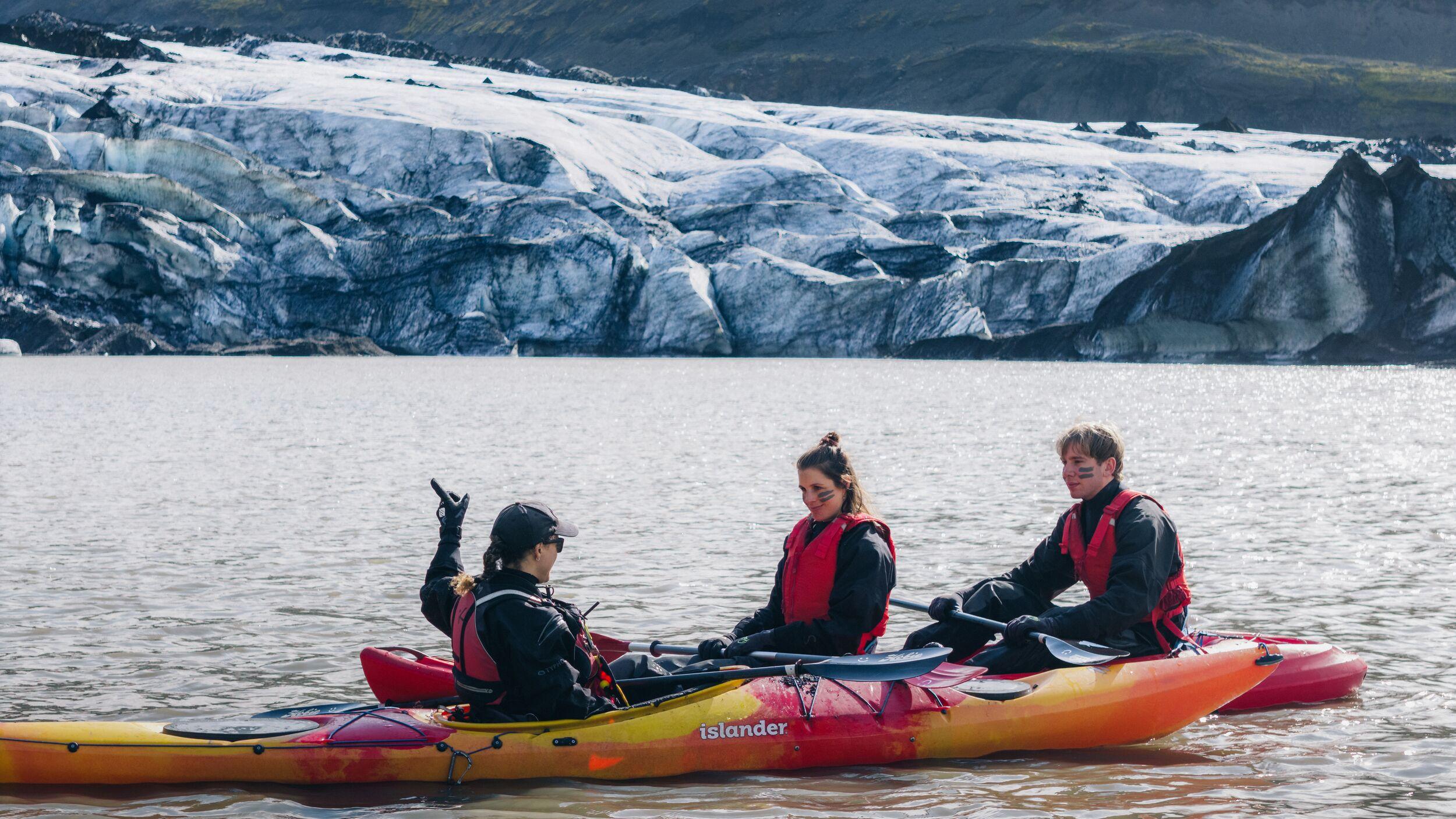
Glacier Hike and Glacier Lagoon Kayak
Get the full glacier experience—and save time and money—by combining a kayaking tour on the Sólheimajökull glacier lagoon with a guided glacier walk.