

Top 10 South Iceland wonders you can’t miss

Are you a traveller that's interested in exploring natural highlights in South Iceland? Then this article is designed to inspire you as you figure out your itinerary, showcasing the region's must‑see landscapes and geological marvels. Through this compilation of the best South Iceland wonders, we'll explore what to expect and offer practical tips for your visit. If you're hoping to book a South Coast adventure with Icelandia, why not take a look at these suggestions before settling on your final plans?
What to expect and where to visit
As this South Iceland travel guide will demonstrate, Iceland's brimming with natural wonders. Its diverse and dramatic landscapes earn it the nickname the Land of Fire and Ice. Here, you can explore glacier-capped volcanoes and dazzling iceberg-strewn lagoons, towering cliffs and canyons with jaw-dropping waterfalls, striking black sand beaches and unending outwash plains riddled with braided rivers. It’s this variety that is so compelling.
If you're at the early planning stages of your trip, you might be comparing the Golden Circle versus the South Coast highlights. We'd urge you to consider both – while the south coast doesn't boast the steaming geothermal landscapes that you'll encounter elsewhere, such as on the Reykjanes peninsula or along the Golden Circle route, it delivers on just about everything else, but the historical significance of Þingvellir is also a must in our book.
But back to South Iceland: here's what to expect from this stellar all-rounder of a region.
Seljalandsfoss and Gljúfrabúi
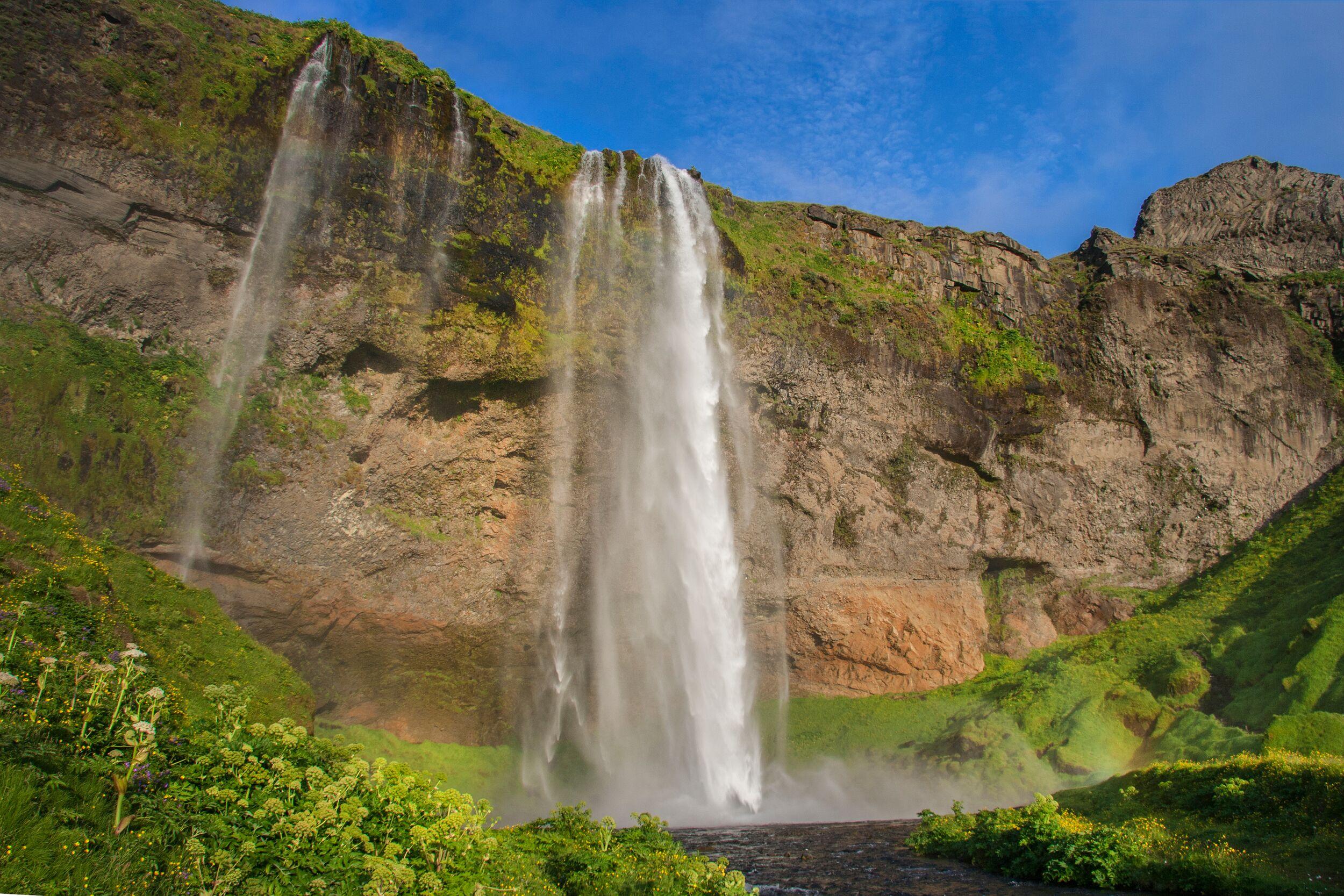
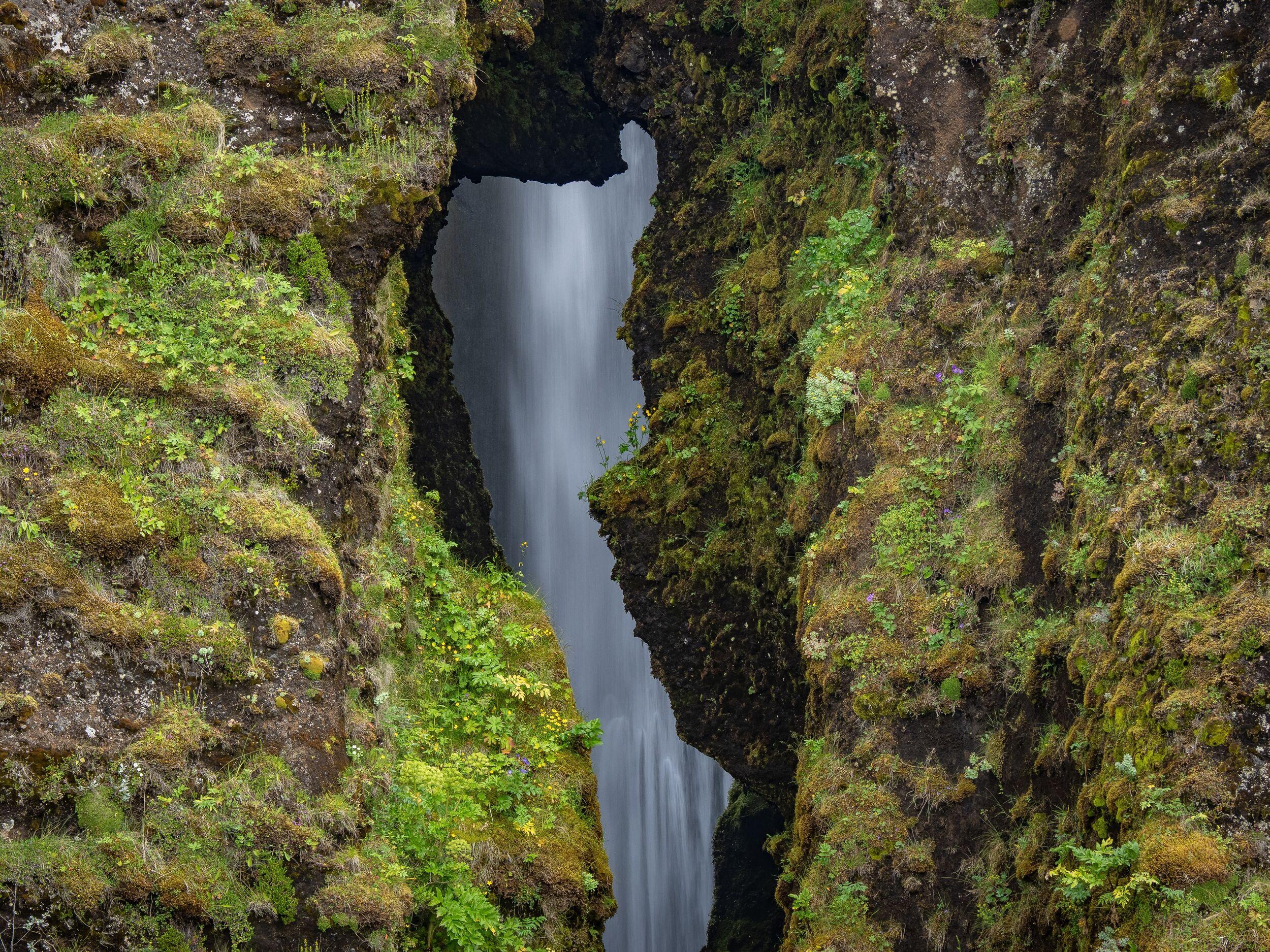
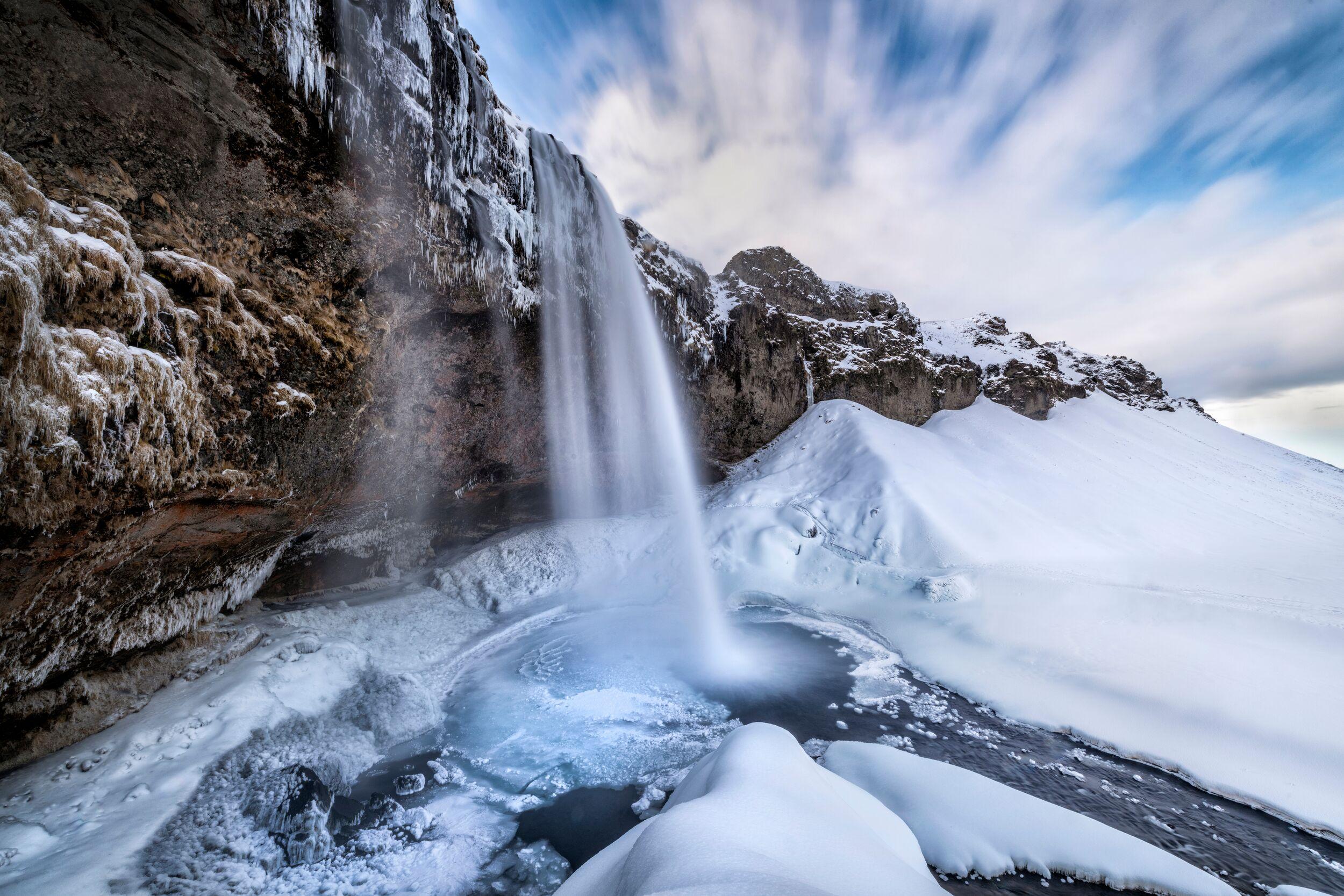
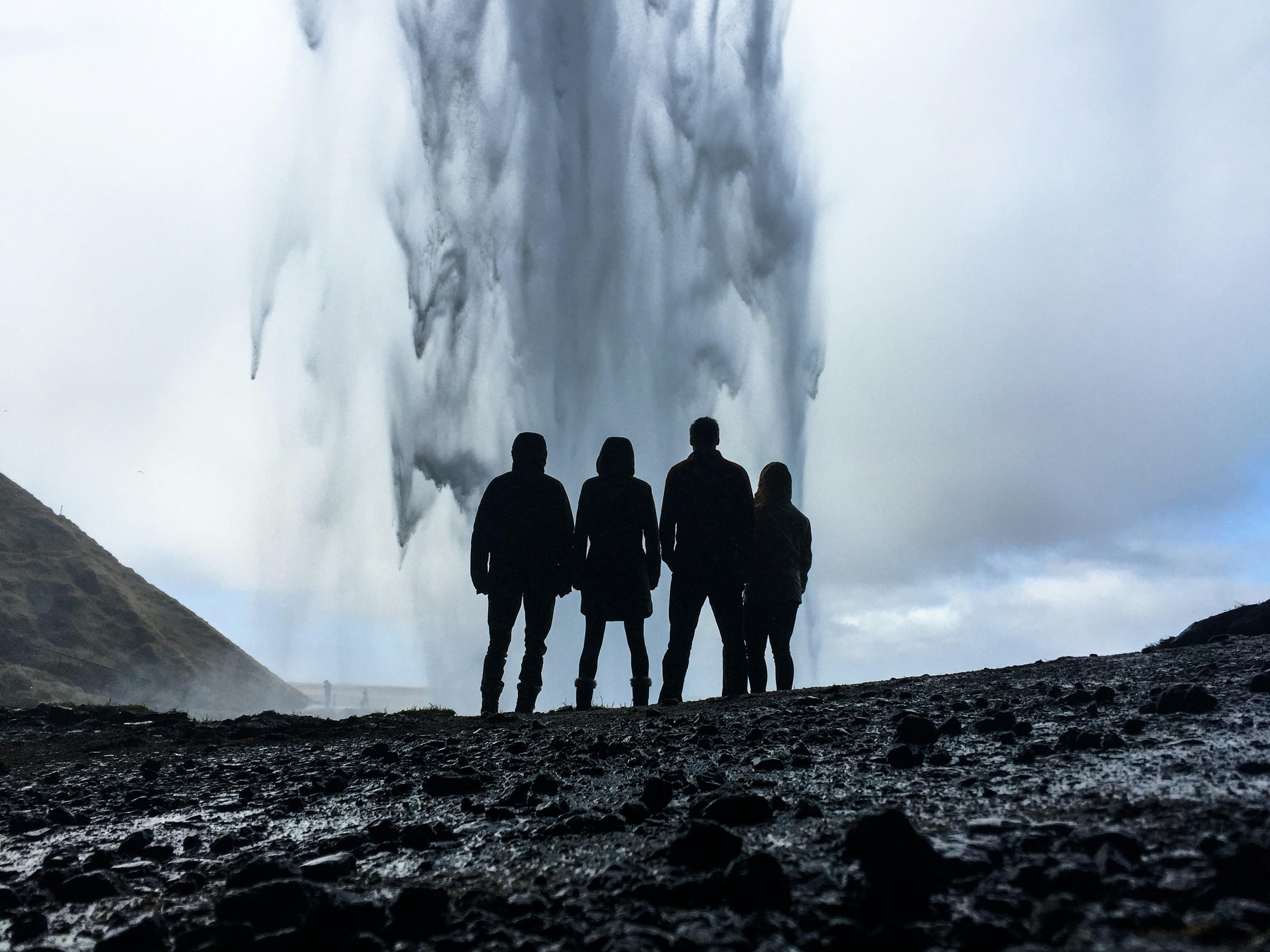
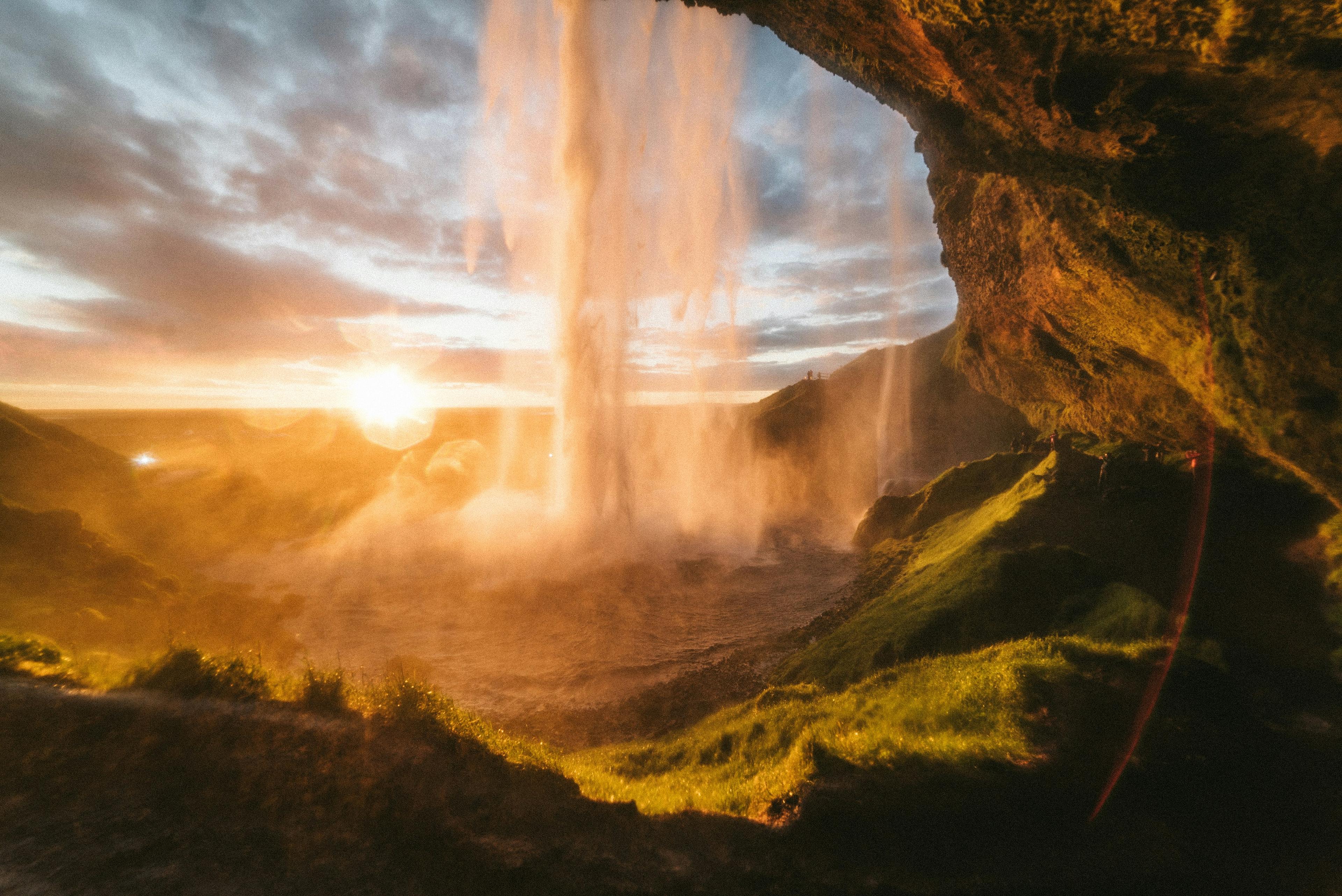
Waterfalls in South Iceland are a standout, so to visit the south coast and not spend time admiring Seljalandsfoss would be a great pity. This incredible waterfall cascades over a 60 metre high cliff in plain view of the ring road. Nevertheless it richly rewards those who pull off the highway to take a closer look. This place is special: it's a rare thing to be able to walk behind a curtain of water and gaze out over the surrounding countryside as you can here. And there's a bonus: another waterfall concealed within a cleft in the rock just a short walk away. Be sure to stroll over to Gljúfrabúi as well before you continue with your journey. It’s often possible to venture into the water here but make sure you've come prepared with waterproof boots and clothing if so.
Attractions in this region
Skógafoss
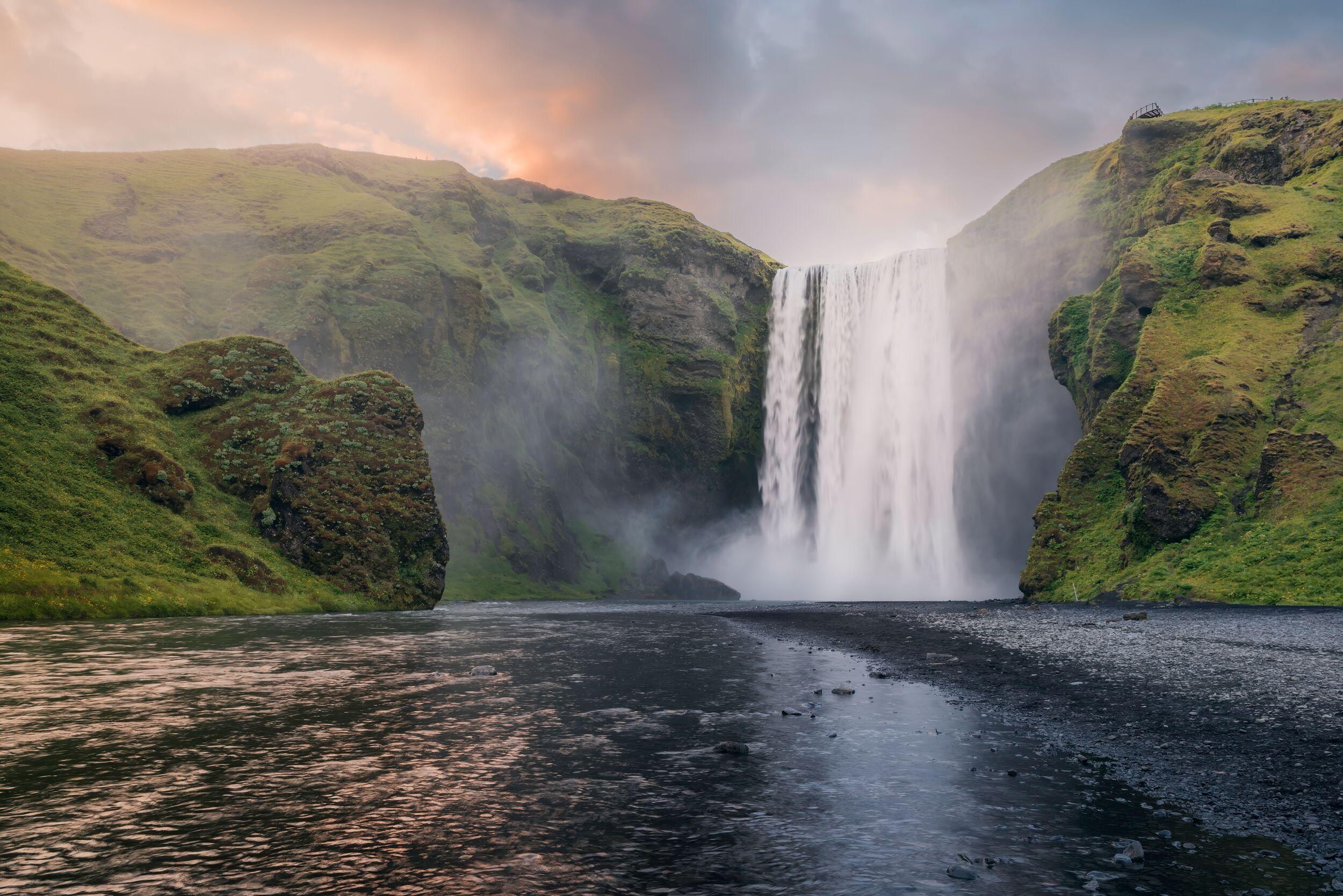
Most tours of Iceland's south coast also stop at Skógafoss. This impressive waterfall is as tall as its near neighbour Seljalandsfoss but much broader. Set back from the main road, it’s a jaw-dropping sight at any time of year, but especially in winter when the surrounding landscape is dusted with snow or when the sun catches the water to form a stunning rainbow. Before you reboard the bus, be sure to climb the steps that hug the eastern flank of the waterfall; from the top not only do you get a different perspective on Skógafoss itself but also a magnificent view of the south coast in both directions. Tucked away Kvernufoss, its less well known neighbour, is also beautiful if you have the time for both.
Sólheimasandur’s plane wreck
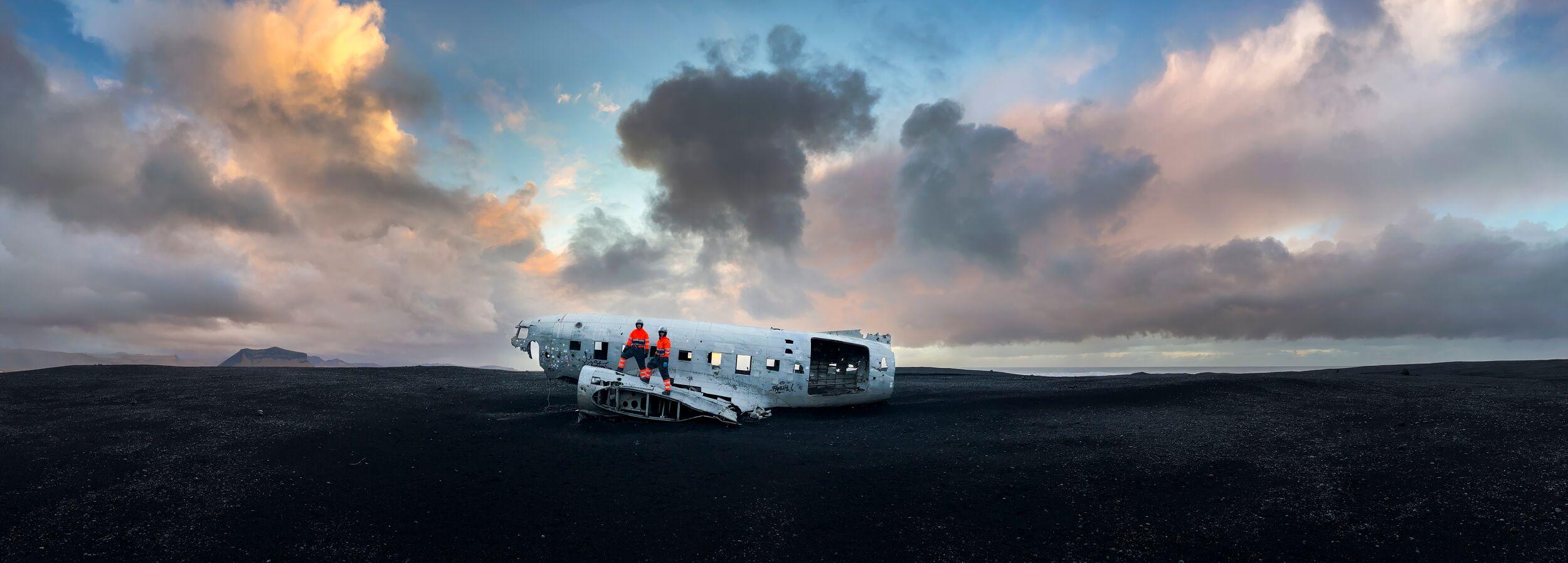
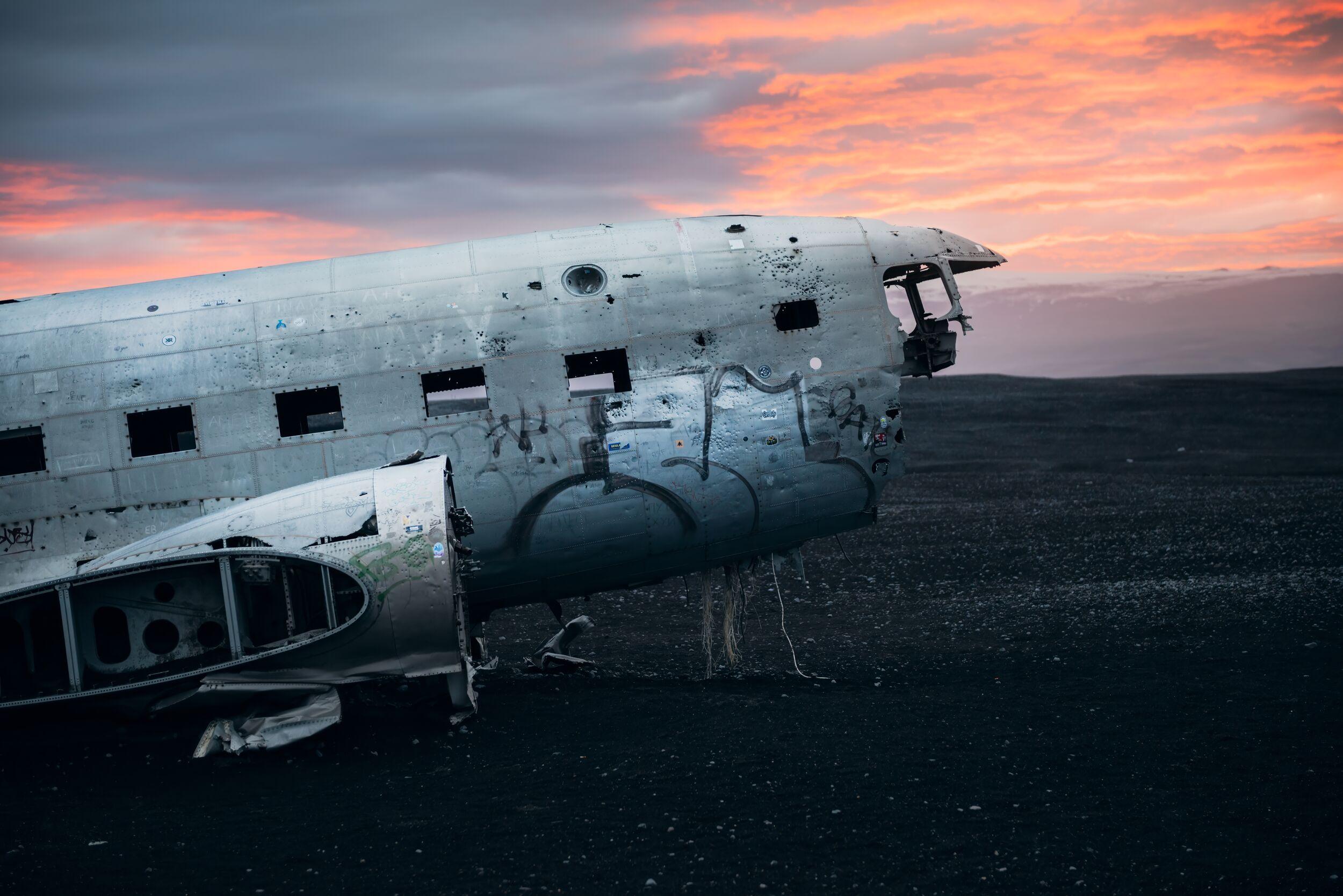
More than fifty years ago, a US Navy cargo plane came down in bad weather. No lives were lost – fortunately the crew walked away – but the aircraft was a write off and was left where it landed. Strictly speaking, of course, a plane wreck isn't considered one of the natural wonders of South Iceland. Yet the vast and unspoilt glacial outwash plain that surrounds it, coupled with the increasingly weathered state of the fuselage itself makes this worthy of a place on our list. To preserve the natural state of the environment surrounding the crashed plane, access is limited to hikers or those who use our plane wreck shuttle to reach the site, saving themselves a considerable out and back walk. There are other more adventurous options to reach the plane wreck, including our newly launched E-bike rental from the Sólheimasandur parking lot and our very popular Buggy and ATV tours that stop by at the plane wreck.
Reynisfjara and Dyrhólaey
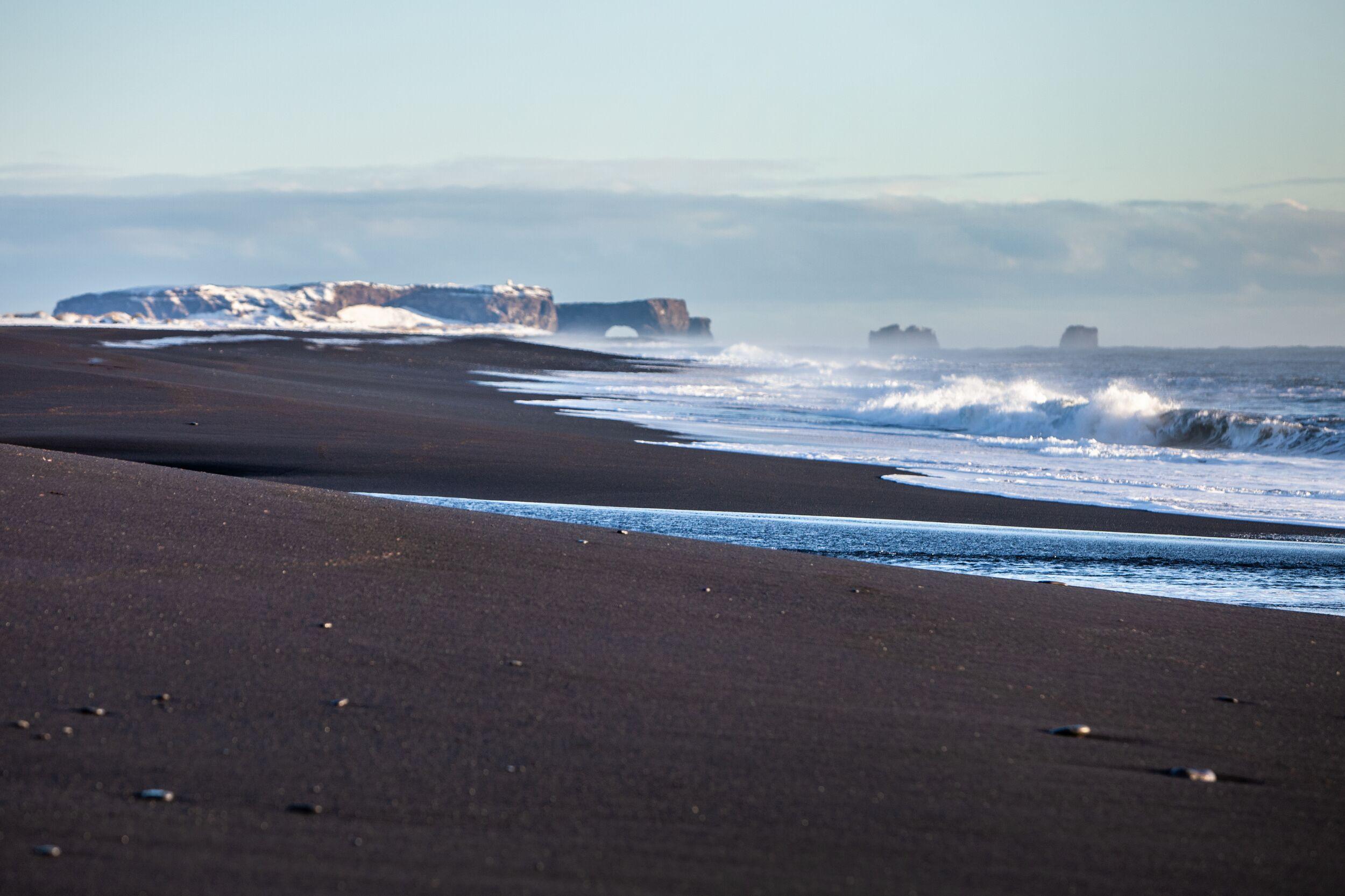
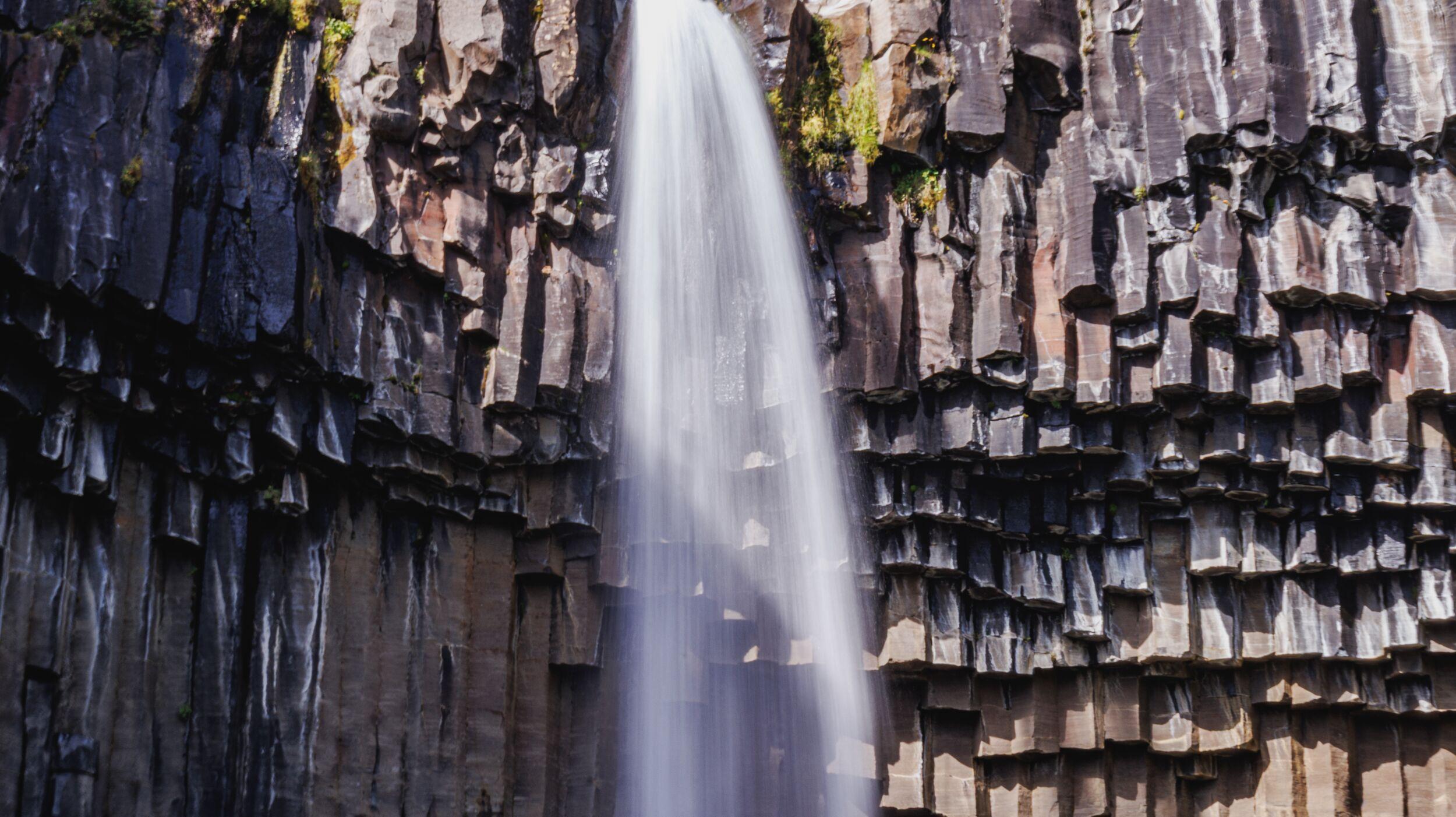
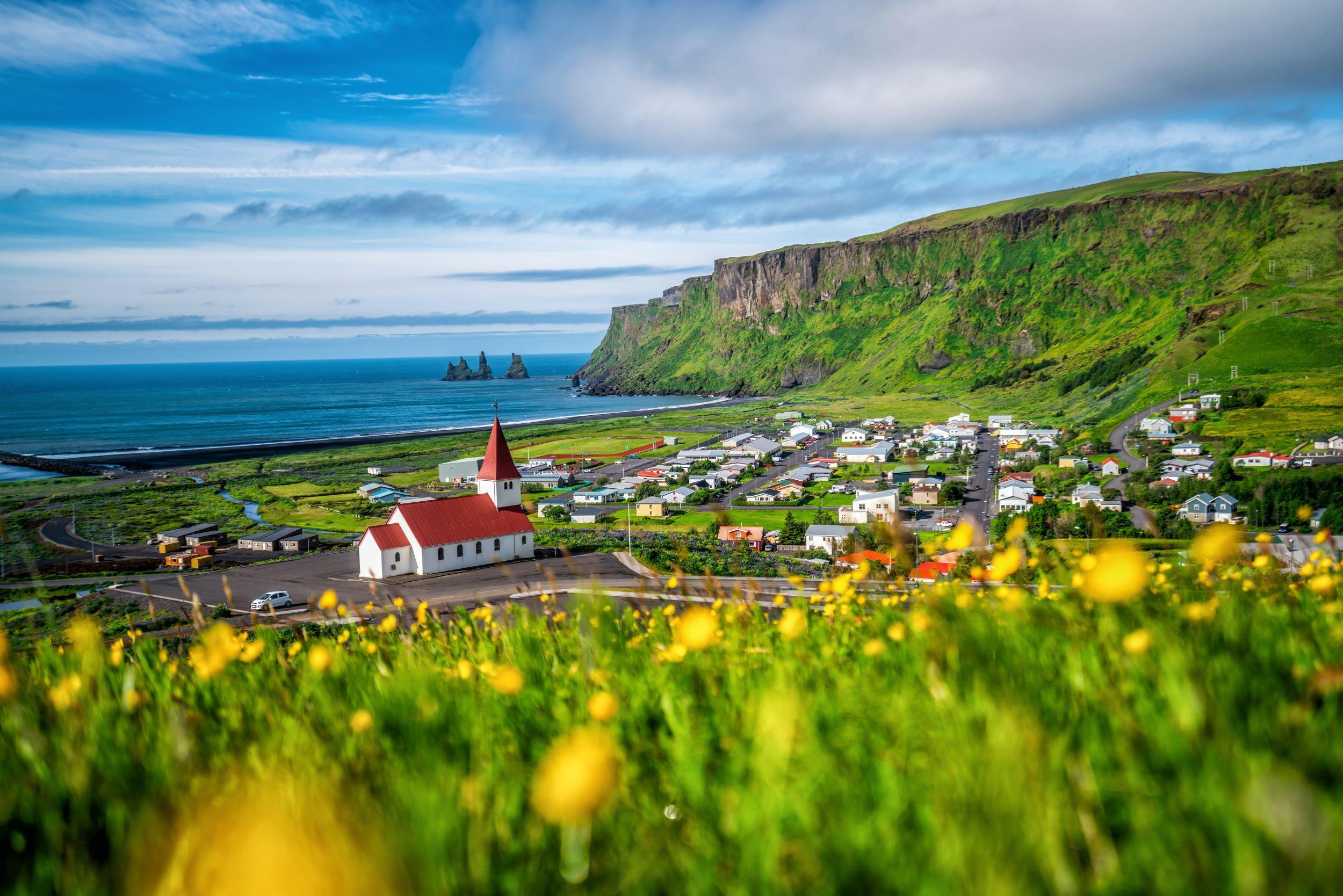
The South Iceland attractions contained within the area around Vik are among the undisputed highlights of any tour to this part of the country from Reykjavik. Approaching from the west, you'll reach both Reynisfjara black sand beach and Dyrhólaey before you get to this charming tourist hub. Reynisfjara is a stretch of volcanic shoreline that has gained great notoriety in recent years as a result of its dangerous sneaker waves. Follow your guide’s advice about how close you can get to the water’s edge; heed the traffic light system that’s in place to warn of perilous conditions. Its fabulous cave flanked by basalt columns and offshore sea stacks are visible even when you can’t safely access the beach itself. Nearby, the Dyrhólaey peninsula is a real treat for birdwatchers, particularly during breeding season.
Katla ice caves
Thrill seekers will be eager to get acquainted with South Iceland’s glaciers. While you’ll get a great view of Mýrdalsjökull as you close in on Vik, nothing beats getting up or under the glacier. Ice cave tours are possible year-round in this part of the country. Super jeeps ferry tourists up from the coast over rough tracks and stark terrain. Kitted out with helmets and crampons, the last part of the journey takes place on foot as the group hikes to the edge of the ice. Boardwalks, ropes and roughly hewn steps ensure that visitors can step inside tunnels and caverns created by seasonal meltwater and glacial erosion. It’s a magical landscape and one that’s a real privilege to see close up.
Attractions in this region
Sólheimajökull
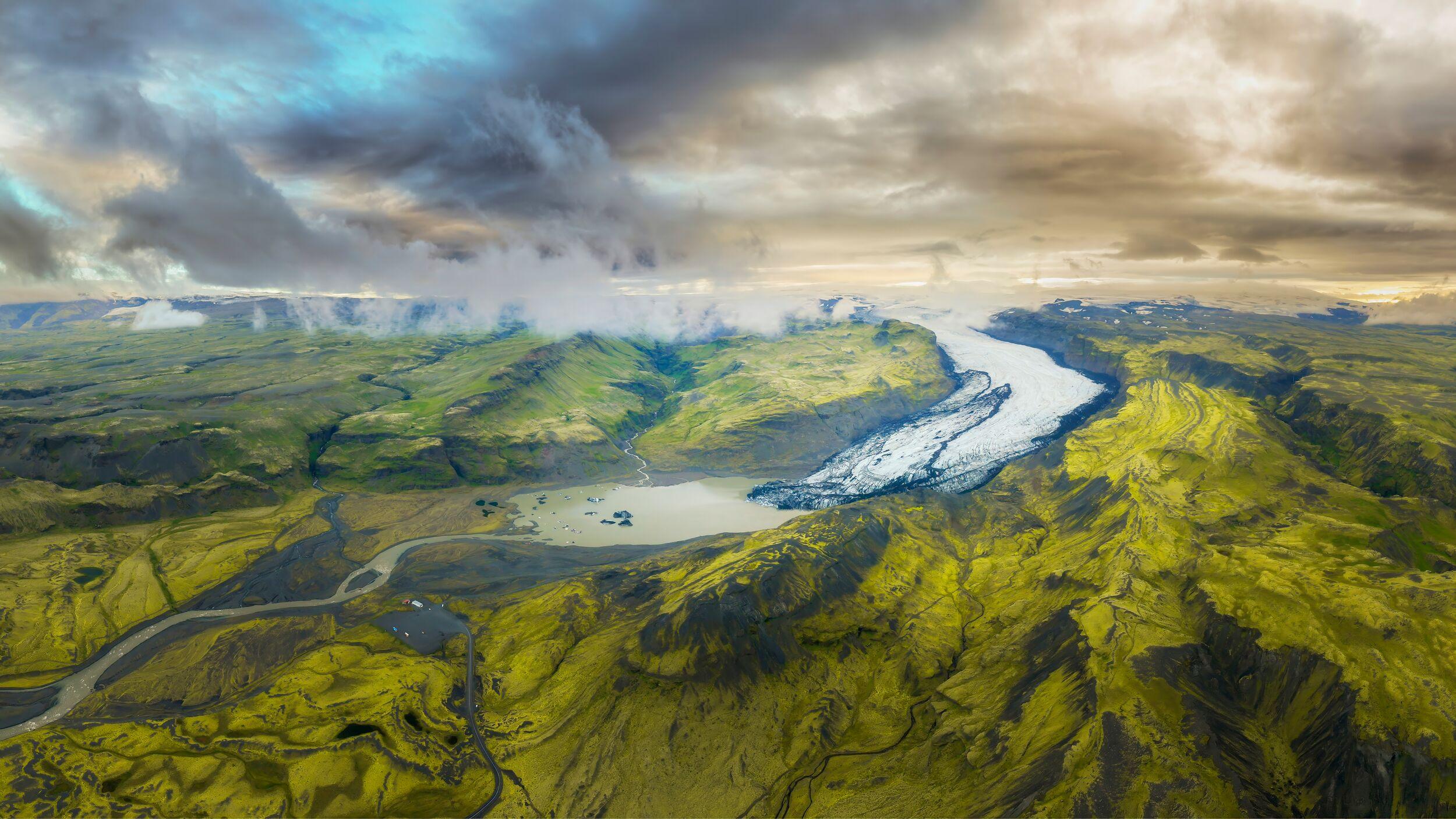
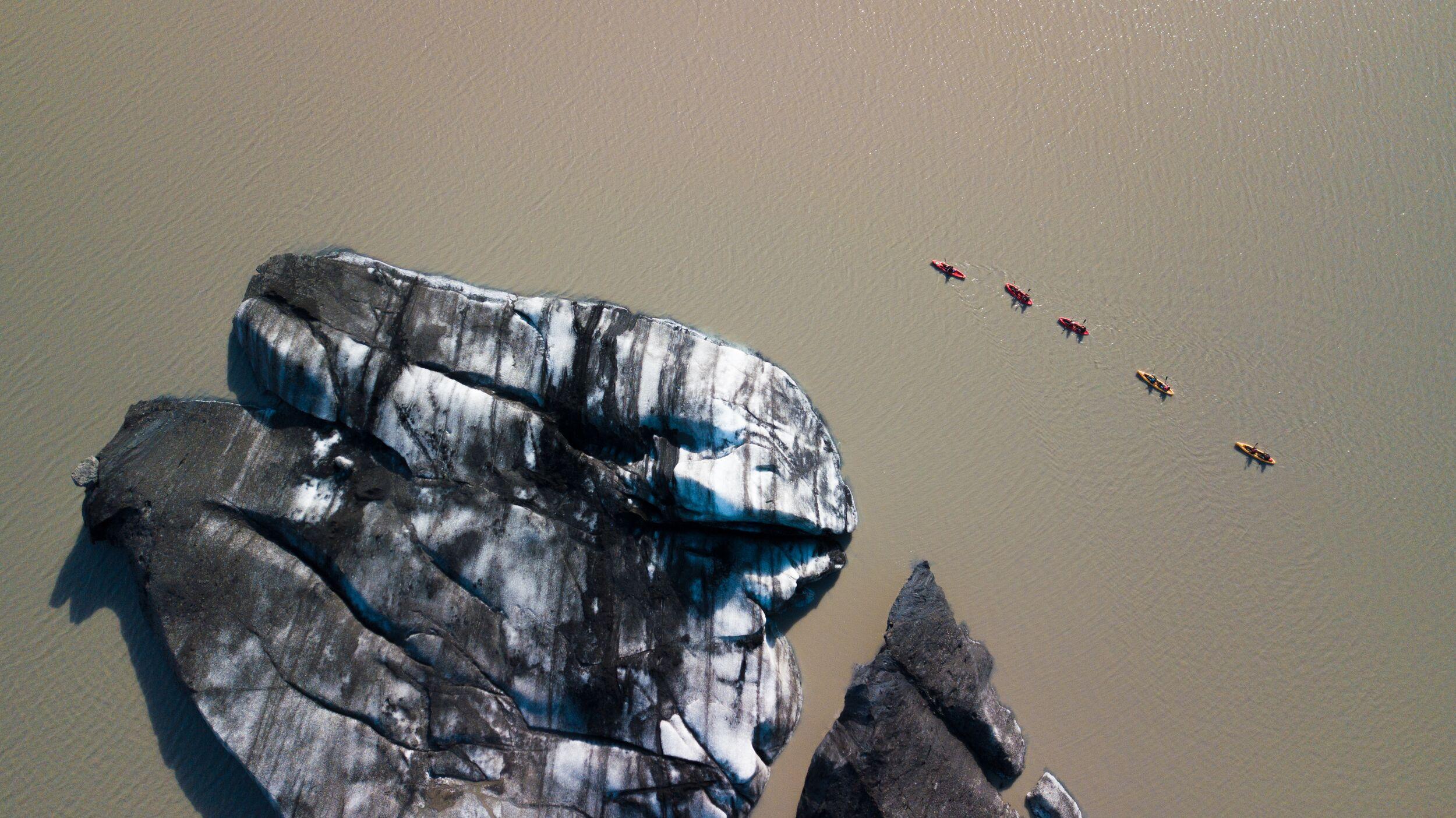
Glaciers and volcanoes are what South Iceland is known for: the country’s unique geography draws visitors from around the globe and rightly so. The glacier Sólheimajökull can accurately be described as an adventure playground, the backdrop to glacier hikes and memorable kayaking trips across the lagoon it has created. Take a guided hike up onto the surface of the glacier where your guide will explain the processes that have led to the formation of deep crevasses, ice cauldrons and moulins. Alternatively clamber aboard a sit on top kayak and slip out into the waters of the lagoon to appreciate the glacier from a different perspective and learn more about its role in creating this breathtaking yet vulnerable landscape.
Fjaðrárgljúfur
South Iceland contains a number of remarkable canyons, but this is probably the most famous. Formed around nine thousand years ago at the end of the last Ice Age, today, a serpentine stream winds its way through a series of exquisite moss-covered interlocking spurs. The scale of this vertiginous canyon blows your mind; its walls stand around 30 metres tall and the canyon itself is about 2 kilometres long. Verdant in summer and magical under winter snow, Fjaðrárgljúfur is a striking sight no matter when you come, both from the water’s edge and from the rim of the canyon itself – well worth the detour off the main road.
Jökulsárlón Glacier Lagoon
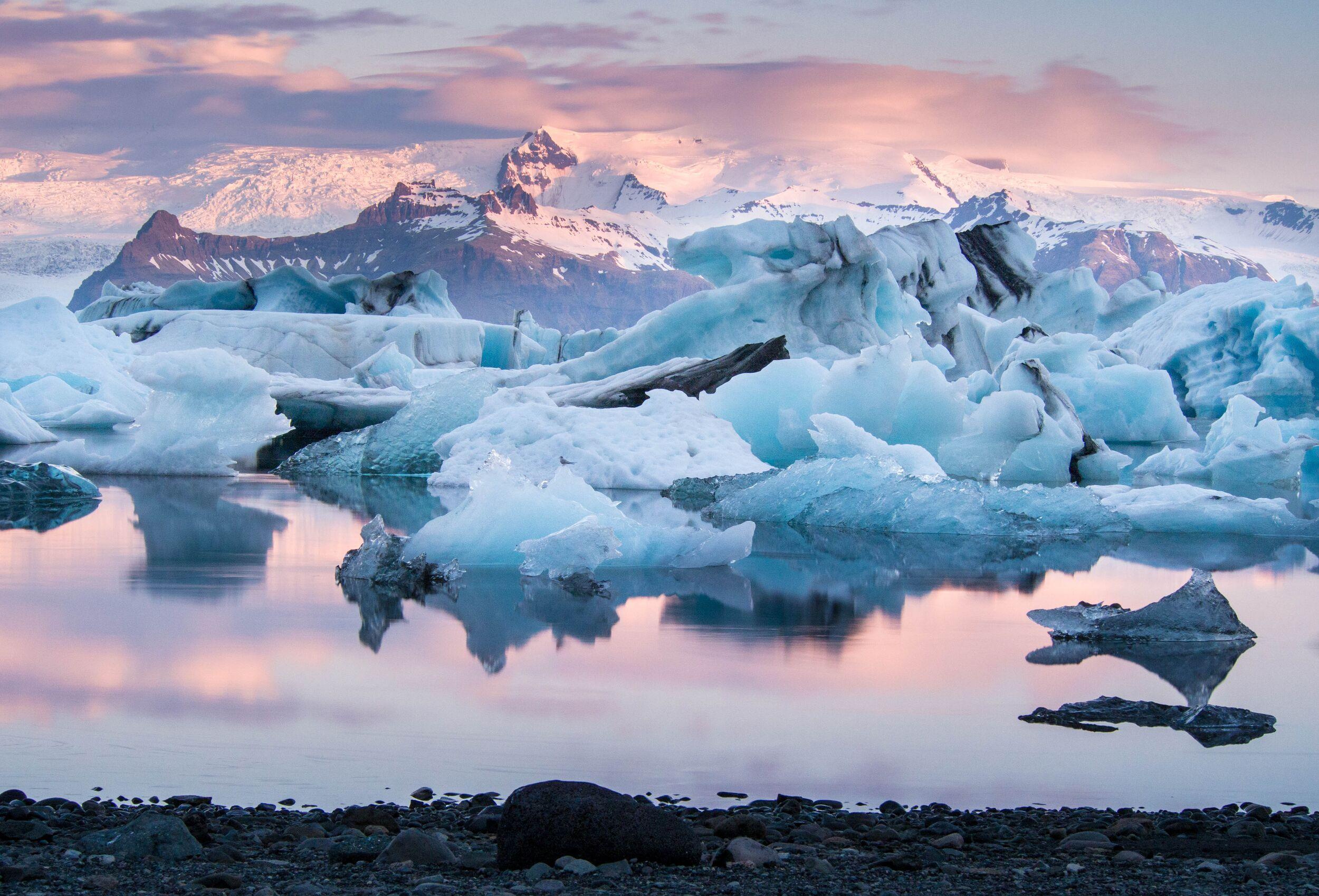
For many visitors to Iceland, Jökulsárlón Glacier Lagoon is the standout highlight of their entire trip – one of the natural wonders South Iceland is most famous for. Here, meltwater from Breiðamerkurjökull, an outlet glacier of the much larger Vatnajökull collects to form a spectacular lake. Seals are often present, adding to its appeal. Icebergs that have calved from the glacier drift on this lagoon, eventually making their way to the ocean along a tidal channel. Though it’s possible to view the glacier and the icebergs from the shore, we recommend adding a boat trip to your booking as this gets you much closer. If you’re keen to get a little off the beaten track then consider instead the neighbouring lagoon. Fjallsárlón tends to be overlooked by bigger tour groups and offers a more exclusive experience – and you can still enjoy a Zodiac boat trip here.
Diamond Beach
Those icebergs that bob out to sea from Jökulsárlón are washed back onto the shore by Atlantic breakers. These chunks of ice, in varying shapes and sizes, are sculpted over time by the waves. In soft light, or at sunrise or sunset, it’s at its prettiest, but there’s no bad time to visit and include a boat ride. Even on a cloudy day, the juxtaposition of these translucent hunks of ice against a beach formed of dark charcoal grey sand will have you reaching for your camera. Without a doubt, this – and Jökulsárlón too – is a must-photograph sight. When it’s sunny, they glisten like diamonds, giving the place its nickname – Diamond Beach. Locals call it Fellsfjara or alternatively, Breiðamerkursandur. However you choose to refer to it, it’s a delightful place and one of many South Iceland attractions you absolutely should not miss.
Þórsmörk
Our final pick for this roundup of South Iceland wonders is arguably the loveliest part of Iceland’s Southern Highlands. Þórsmörk – the name translates as Thor’s Valley – is a lush oasis in comparison to the stark beauty of much that surrounds it. It’s hard to beat the Þórsmörk and Eyjafjallajökull views if scenic landscapes appeal. You can come here on a day trip, either making use of the Highland Bus in summer or by signing up for a thrilling super jeep tour outside peak season. For those keen to spend more time out in the great outdoors, explore more on a multi-day hiking trip to Þórsmörk. If you’re fit and adventurous, you might want to consider following the splendid Fimmvörðuháls trail. This is one of Iceland’s most attractive long-distance hiking routes and connects Þórsmörk with Skógafoss. If you venture inland instead of towards the coast, the Laugavegur Trail eventually deposits walkers at mineral-rich Landmannalaugar where you’ll find the historic People’s Pools.
A note about seasonality
Almost all the best natural sights in South Iceland are accessible year-round, but your experience may differ depending on what month you come and visit. Broadly speaking, summer offers the most possibilities as the long days and fine weather make it easy to maximise your sightseeing and time spent enjoying outdoor activities. However, much of the region is firmly on the beaten track, so you’re unlikely to find yourself the only one ticking off South Coast Iceland landmarks from your bucket list.
Off season, though you may need to be a little less ambitious about the distances you travel each day, fewer travellers mean you’ll have more breathing space at the busiest spots. As winter sets in, allow some flexibility within your schedule for unforeseen weather-related delays. The south of Iceland can experience strong winds and storms which can occasionally lead to road closures – even the ring road – though these usually pass quickly.
Nevertheless, if you find yourself in the region after a snowfall, the landscapes take on an almost ethereal beauty. Magic isn’t confined to daylight hours, as the Northern Lights can be spotted from late August through until April. Many of the South Coast’s natural wonders provide the ideal setting for aurora hunters, particularly Skógafoss waterfall, Jökulsárlón Glacier Lagoon and Diamond Beach.
What to bring with you on a South Iceland excursion?
Dress appropriately for the conditions, and the South Coast is a dream destination no matter when you come. What to wear will vary according to the weather; in general, we’d suggest you bring layers that can be added or taken off as needed. Be sure to factor in wind as well as rain when choosing suitable outerwear.
Crampons that pull on over your hiking boots to give you extra grip are invaluable if it’s icy; you can buy them in Reykjavik if you haven’t brought them from home. Note that if you’ve booked an outdoor activity such as a glacier hike, glacial lagoon boat or kayak trip, ATV tour or horse riding excursion, specialist gear such as helmets and overalls (where relevant) will be provided on the day. Detailed descriptions can be found on our website.
If you’ve booked a longer day trip along the south coast, the coach will stop regularly for comfort breaks and stops will be timed to ensure that there are opportunities to eat and grab a hot drink during the course of the day. Your guide will make suggestions about the best places to eat though of course you are also welcome to carry your own snacks and drinks.
If you’re hoping to tick off some of the best natural sights in South Iceland, then this roundup is a pretty good place to start. We offer a diverse range of tours to this part of the country, from outdoor activities that make the most of the area’s beaches and glaciers to more general sightseeing excursions that showcase the region’s incredible natural beauty. Carefully curated, guided tours enable you to maximise your sightseeing without feeling rushed; you’ll be amazed how much you’re able to fit into a single day. When you’re putting together an Iceland itinerary, be sure to include at least one South Coast tour and see for yourself what an extraordinary place it is.
South Iceland tours
South Coast Wonders
This carbon-neutral Iceland South Coast tour is perfect for nature lovers looking to explore Iceland’s top natural attractions in just one day. Visit the stunning Seljalandsfoss and Skógafoss waterfalls, walk along the famous Reynisfjara black sand beach, see the breathtaking Sólheimajökull glacier, and experience the charm of Vík village—and enjoy incredible landscapes along the way.
Jökulsárlón Glacier Lagoon & Boat Tour
With its enormous white and blue icebergs breaking off from Vatnajökull glacier, the Jökulsárlón Glacier Lagoon is a natural wonder of Iceland, a sight you absolutely cannot miss. This scenic day tour includes a thrilling boat ride on Jökulsárlón Glacier Lagoon, the epic waterfalls of Skógafoss and Seljalandsfoss, the glittering Diamond Beach and charming Vík. Explore some of south Iceland’s most spectacular and iconic landscapes!
South Coast & Glacier Kayaking
Discover the essence of Iceland's natural beauty on this day tour, featuring two of Iceland's most renowned waterfalls and an exhilarating kayaking experience on a glacier lagoon. Journey through landscapes that blend cascading waters with icy wonders, all in a single, unforgettable day.
Plane Wreck Shuttle
Hop aboard the Plane Wreck shuttle for the 4 km (2.5 mi) to the DC-3 aeroplane wreckage on the hauntingly beautiful black sand beach of Sólheimasandur. The shuttle is available seven days a week between 10:00 and 17:00 and takes just 10-15 minutes to get to the plane!
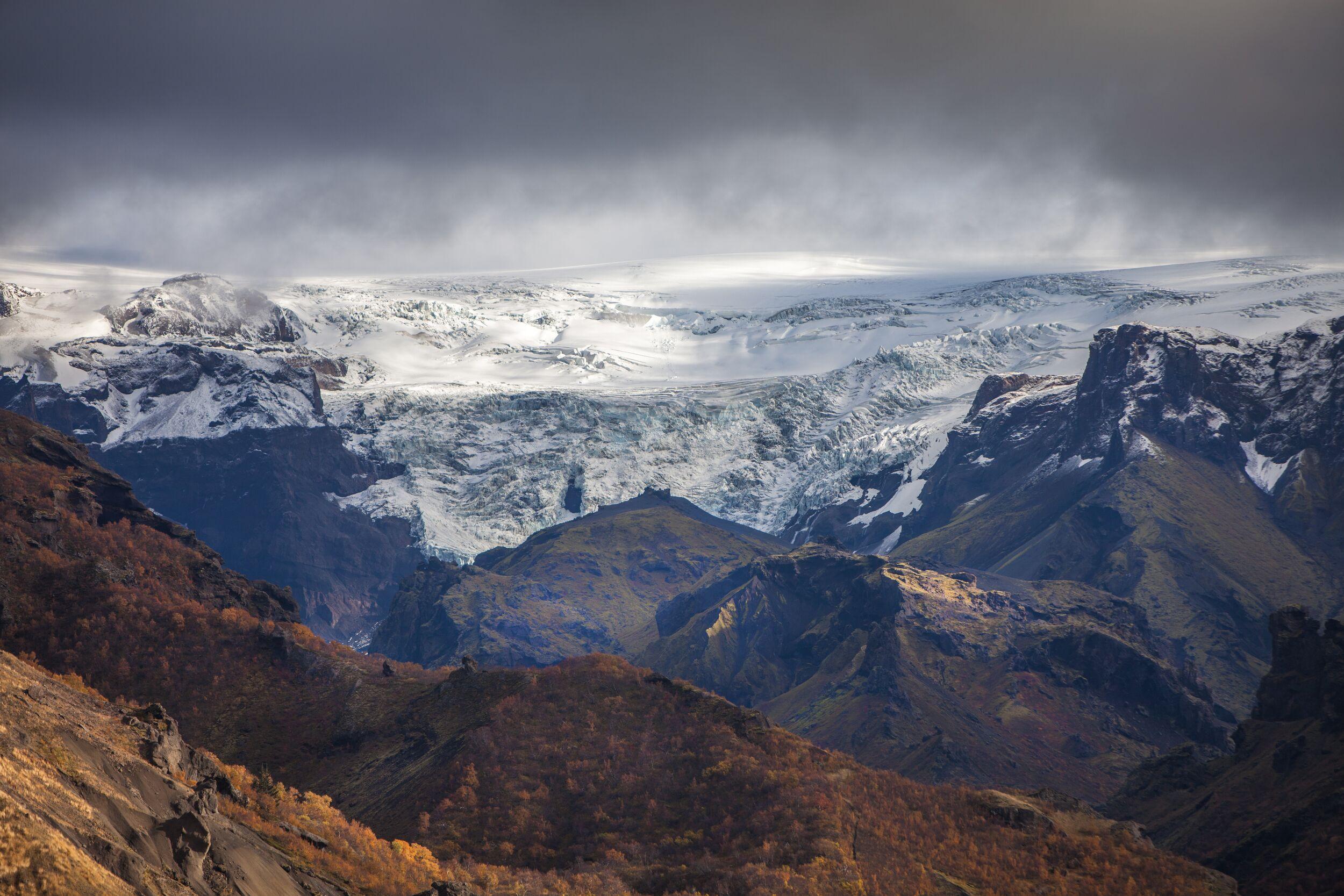
Highland Bus - Reykjavík to Þórsmörk
The spectacular Þórsmörk (Thor’s Forest) area offers landscapes ranging from towering mountains to scores of glacial streams and kilometers of black sand. It is a favorite among nature-loving Icelanders and travelers from around the world. Book the Highland Bus for your hiking adventure!
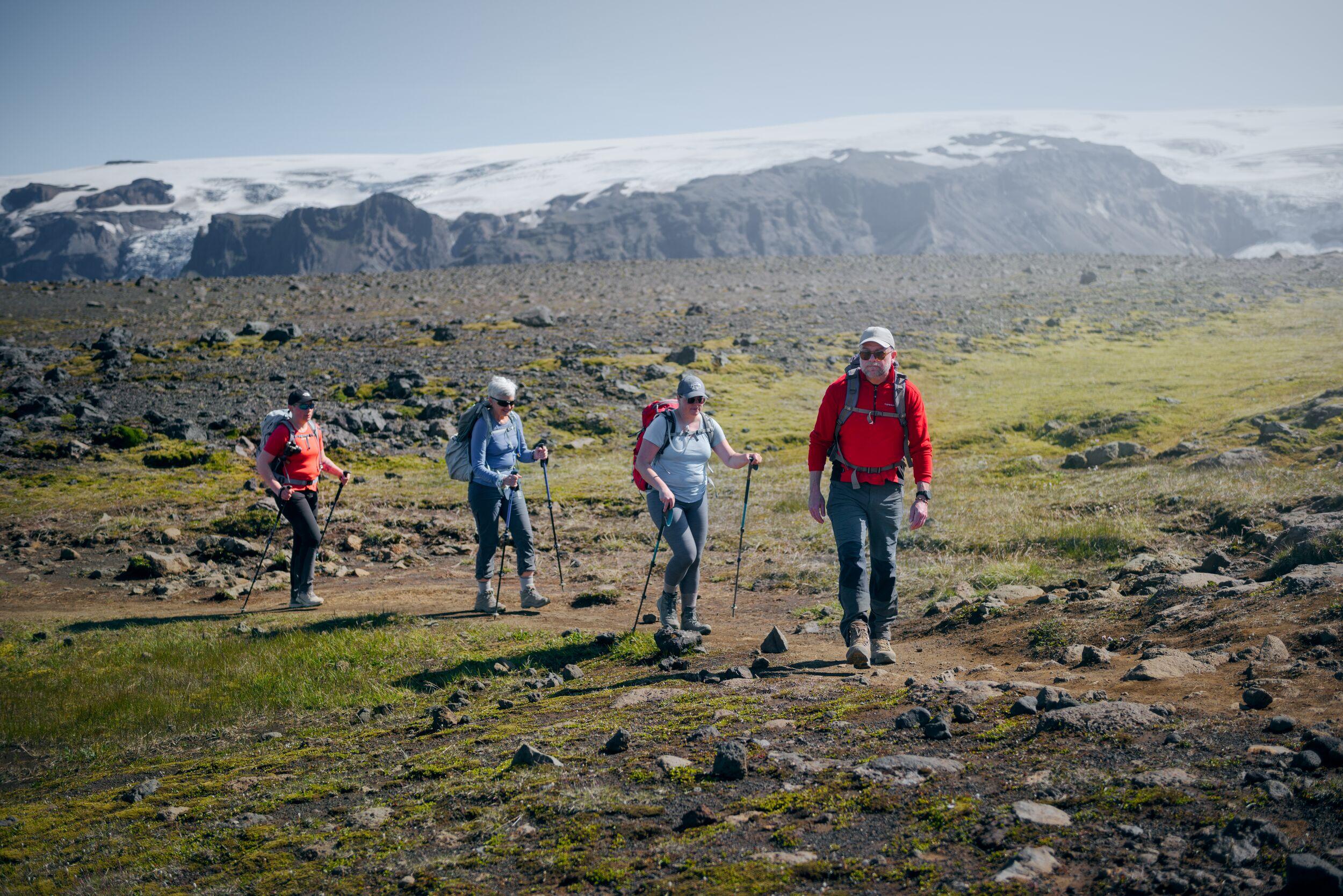
4-Day Thórsmörk guided hikes in Huts
Enjoy the journey of a lifetime on this fantastic hiking experience in the glacier valley of Þórsmörk, up to the Fimmvörðuháls pass. This is one of the world’s best treks; through volcanic landscapes and green moss Þórsmörk is the last part of the famous Laugavegur trail, considered by many the most beautiful part. Expect to walk 4-7 hours per day on this guided 4-day tour with accommodation in rustic mountain huts. It’s a moderate to challenging hike that spans 40 kilometres with a maximum ascent of 1000 metres.
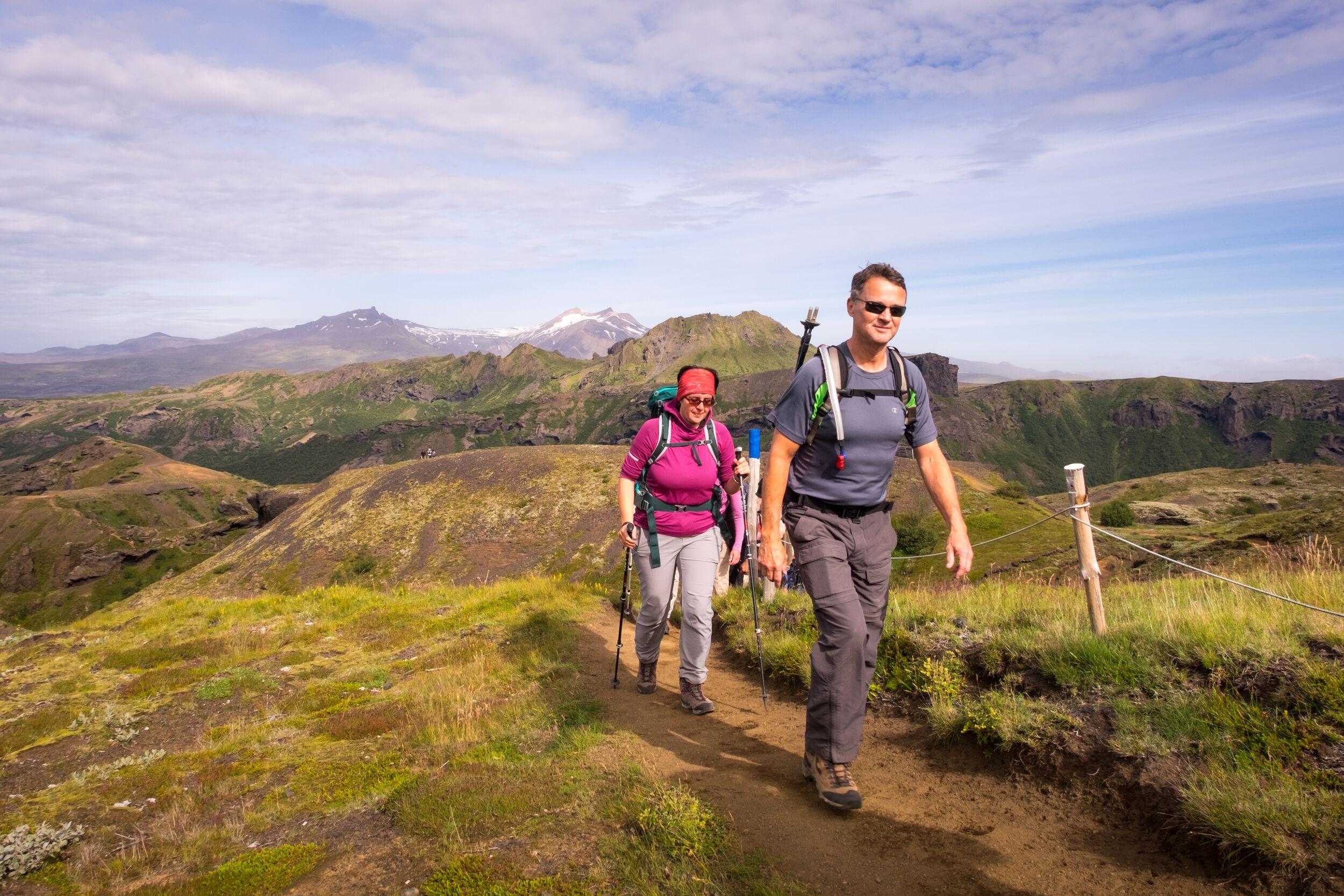
Day Hike over Fimmvörðuháls
Want to experience a slice of the highlands but don’t have the time for a multi-day hike? Book this guided day tour over the spectacular Fimmvörðuháls pass! A professionally trained guide will lead you on this trail, named one of the Best Hikes in the World by National Geographic. Expect a demanding 10-hour hike where you will see fantastic glacier views, volcanic craters, vast canyons and impressive waterfalls. The 22-kilometre hike is available July-August; participants must be at least 12 years old and up for a challenging hike.
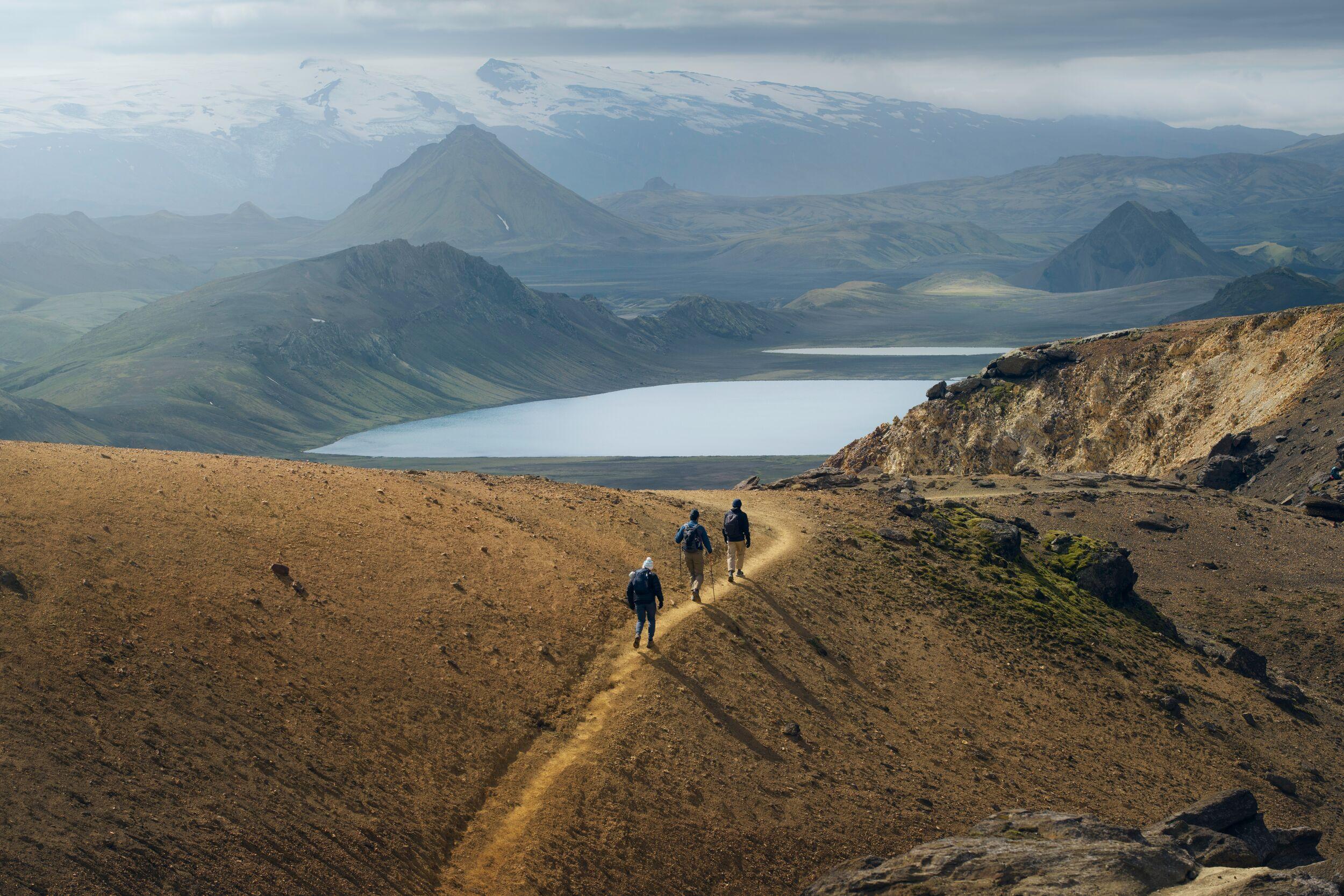
5-Day Laugavegur Trek in Huts
The popular Laugavegur hiking route from the Landmannalaugar region to the Þórsmörk area is a 56-kilometre (35-mile) multi-day hike that attracts backpackers and hikers worldwide. If you’re coming to Iceland to hike just one trail, this is the one. Its popularity stems from various landscapes: bubbling hot springs, vast glaciers, beautiful mountains, stunning waterfalls, and roaring rivers.
Blue Ice Experience and Fjallsárlón Iceberg Lagoon
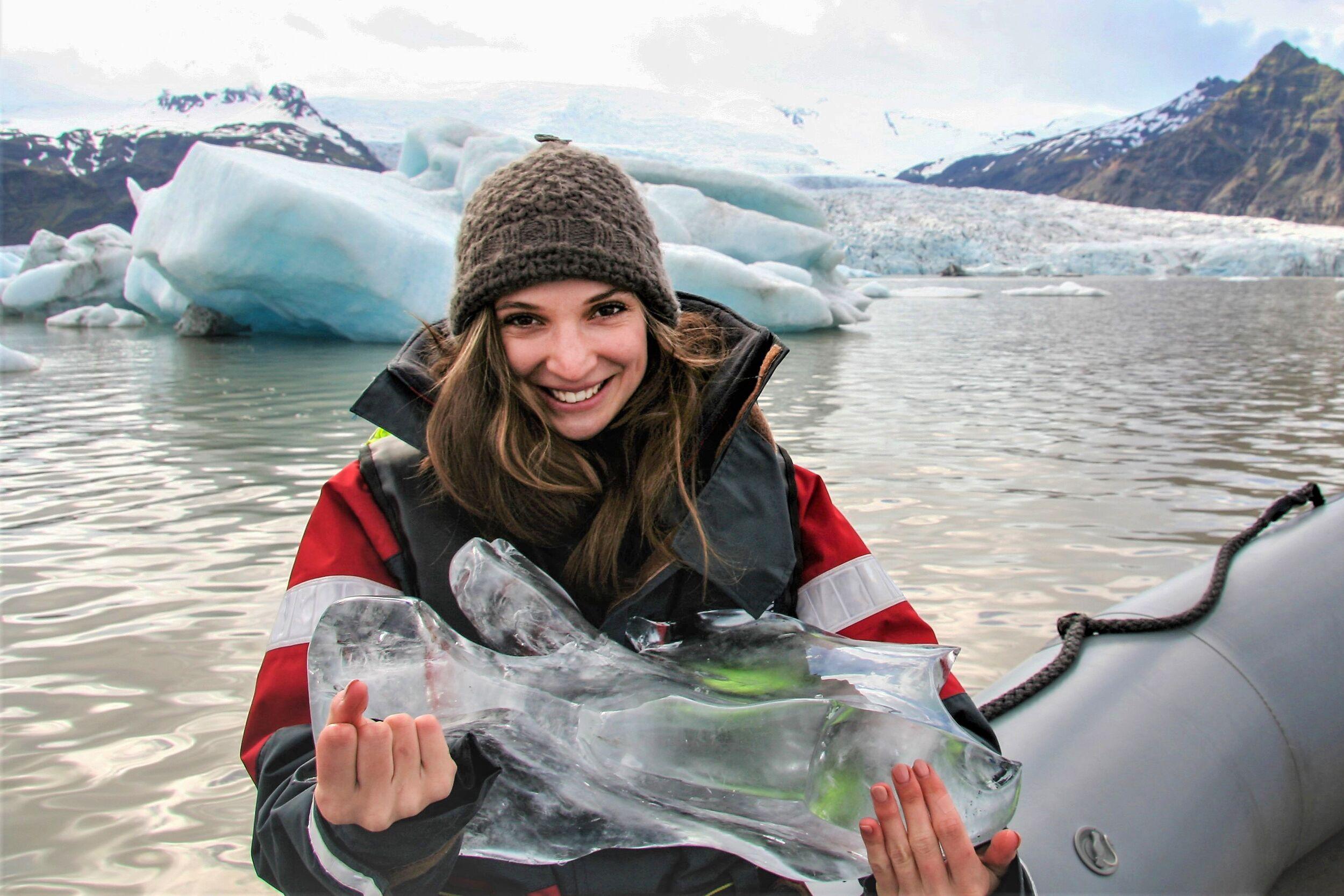
Take your Iceland self-drive adventure to the next level with this combo tour on a beautiful outlet glacier and a boat ride along a stunning lagoon. Experience the beauty of Iceland’s mighty glaciers on foot and in water. Expect an easy tour with a 3.5-hour guided glacier hike and a 1.5-hour scenic boat ride on the Fjallsárlón Glacier Lagoon.
Related Articles
See all articles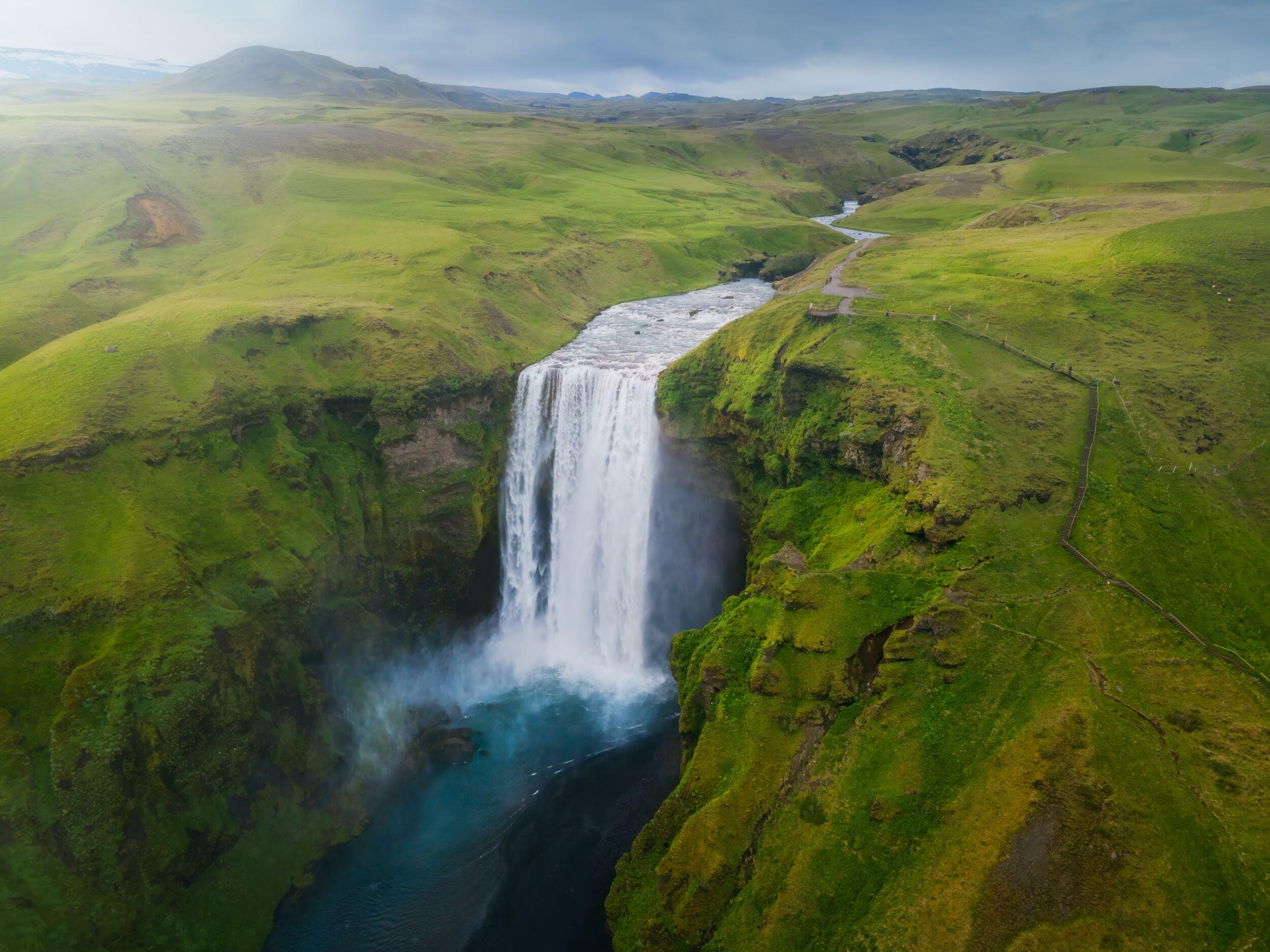
South Iceland’s natural wonders are landscapes and geological formations of outstanding visual drama shaped by the region’s unique position on the Mid-Atlantic Ridge. They encompass glaciers, ice caves, volcanic black sand beaches, waterfalls cascading over ancient lava cliffs, glacier lagoons filled with drifting icebergs, and canyon systems carved by glacial meltwater.
The ten standout natural wonders of South Iceland are Seljalandsfoss and Gljúfrabúi, Skógafoss, the Sólheimasandur plane wreck site, Reynisfjara black sand beach and Dyrhólaey, Katla ice caves, Sólheimajökull glacier, Fjaðrárgljúfur canyon, Jökulsárlón Glacier Lagoon, Diamond Beach, and Þórsmörk valley. Each offers a distinct encounter with Iceland’s volcanic and glacial geology — the forces that have earned it the nickname the Land of Fire and Ice.
South Iceland’s natural attractions are accessible year-round, but the best time to visit depends on your priorities.
Summer (June–August) offers the longest daylight hours and most stable weather, making it ideal for glacier hikes, waterfall walks, and road trips along the South Coast. You’ll encounter more fellow travellers, but the extended light gives you more time at each location.
Autumn and spring strike a balance between good conditions and smaller crowds. Winter (November–March) transforms the landscape with snow and opens up the possibility of seeing the Northern Lights at iconic spots like Jökulsárlón Glacier Lagoon, Skógafoss, and Diamond Beach. Allow extra flexibility in winter — Atlantic storms can briefly close roads, though they typically pass quickly.
Most visitors allocate one to three days to explore South Iceland’s top natural wonders, though how long you spend depends on how deeply you want to experience the region.
A single well-curated guided day tour from Reykjavik can cover several highlights — waterfalls, black sand beaches, and glacier views — without feeling rushed. To include Jökulsárlón Glacier Lagoon, Diamond Beach, and Fjaðrárgljúfur canyon, plan for two days. If you want to hike into Þórsmörk valley or tackle multi-day trails such as the Laugavegur or Fimmvörðuháls route, allow at least four to five days. Icelandia offers a range of tours to suit all timeframes.
Yes — almost all of South Iceland’s top natural sights are open year-round. Seljalandsfoss, Skógafoss, Reynisfjara black sand beach, Jökulsárlón Glacier Lagoon, and Diamond Beach can all be visited in every season. Katla ice cave tours also run throughout the year, with the caves accessible via super jeep.
In winter, allow extra flexibility in your schedule. The south of Iceland can experience storms and strong winds that occasionally lead to temporary road closures — even on the Ring Road — though these usually pass quickly. Travelling with an experienced operator and dressing in warm, waterproof layers ensures a safe and rewarding visit no matter what time of year you come.
Safety is essential at South Iceland’s most dramatic natural sites.
At Reynisfjara black sand beach, unpredictable sneaker waves pose a serious risk. Always follow your guide’s instructions, respect the traffic light warning system, and never turn your back on the ocean.
At Seljalandsfoss, the path behind the waterfall can be extremely slippery — wear waterproof boots with good grip. Bring waterproofs if you plan to walk behind the curtain of water.
On glaciers such as Sólheimajökull, never venture onto the ice without a qualified guide. Crevasses and unstable ice formations are hazardous. On Icelandia’s guided glacier hikes, crampons and helmets are provided. The same applies to Katla ice cave tours, which are only accessible with specialist guides and equipment.
When in doubt, book with a reputable operator. Local guides know the terrain, monitor conditions, and carry the safety equipment and knowledge to keep you out of danger.
You can see several of South Iceland’s top wonders on a single day tour, but covering all ten in one trip is not realistic given the distances involved.
A classic South Coast day tour from Reykjavik typically takes in Seljalandsfoss, Gljúfrabúi, Skógafoss, Sólheimasandur, Reynisfjara black sand beach, and Dyrhólaey — an impressive amount for one day. Jökulsárlón Glacier Lagoon and Diamond Beach are further east and are best combined on a longer South Coast excursion. Þórsmörk valley and Fjaðrárgljúfur canyon sit off the main route and are best visited as dedicated day trips or as part of a multi-day itinerary.
Glacier hiking at Sólheimajökull, Katla ice cave tours, and kayaking are activity-focused add-ons that pair well with a wider South Coast itinerary. Icelandia’s range of tours makes it easy to combine highlights efficiently.
South Iceland is one of the world’s most photogenic regions. The standout photography locations are:
Seljalandsfoss — shoot from behind the waterfall for a uniquely framed perspective of the Icelandic countryside.
Skógafoss — spectacular year-round, with rainbow light in sunny conditions and a snow-dusted landscape in winter.
Reynisfjara black sand beach — dramatic basalt columns, towering sea stacks, and crashing Atlantic surf make this one of Iceland’s most striking coastal scenes.
Jökulsárlón Glacier Lagoon — photograph drifting icebergs at golden hour for images that define Iceland.
Diamond Beach — translucent ice fragments glittering against jet-black volcanic sand; extraordinary in any light.
Fjaðrárgljúfur canyon — serpentine river views from the canyon rim offer dramatic wide-angle compositions.
Þórsmörk valley — lush oasis framed by the Eyjafjallajökull glacier, perfect for landscape photography.
Both guided South Coast tours and self-drive trips give you access to the same natural wonders, but the experience differs in important ways.
Guided tours with operators such as Icelandia include expert local knowledge, safety briefings at hazardous sites like Reynisfjara beach, optimally timed stops, and comfortable transport. Your guide handles navigation, parking, and timing, leaving you free to enjoy the scenery. This is particularly valuable in winter, when road conditions require experience to navigate safely.
Self-driving gives you more flexibility over pace and timing, but it demands careful planning, familiarity with Icelandic road conditions, and personal responsibility for safety decisions — especially at sites where wave or glacier hazards are present. For first-time visitors to Iceland, or anyone travelling outside summer, a guided tour offers a safer and often richer experience.
Yes — a qualified guide is strongly recommended, and in many cases required, for exploring South Iceland’s volcanic and glacial environments.
Glaciers such as Sólheimajökull change constantly, with hidden crevasses and unstable ice formations that are dangerous without expert navigation. Katla ice caves beneath Mýrdalsjökull are only accessible on guided tours by super jeep, using helmets, crampons, and specialist safety equipment provided on the day.
Even at more accessible volcanic sites like Reynisfjara beach, the combination of powerful Atlantic surf and volcanic terrain demands respect and local knowledge. Icelandia’s guides are trained in safety, geology, and local conditions — ensuring you get the most from these extraordinary landscapes without unnecessary risk.
The right gear makes a significant difference to your South Iceland experience. Iceland’s weather changes quickly, so layering is key.
Essential clothing: waterproof and windproof outer jacket and trousers; thermal base layers; warm mid-layer (fleece or down); waterproof hiking boots; hat, gloves, and a buff for exposed sites.
Footwear: sturdy waterproof boots are essential, especially for walking behind Seljalandsfoss or at Gljúfrabúi where you may wade through water. In icy conditions, microspike crampons that pull over your boots add useful grip — these are widely available to buy in Reykjavik.
Activity gear: if you’ve booked a glacier hike, Katla ice cave tour, or kayaking trip on Sólheimajökull lagoon, all specialist equipment — helmets, crampons, harnesses, and overalls or drysuits — is provided by Icelandia on the day.
Other essentials: a camera or smartphone with a charged battery (cold weather drains batteries quickly), sunglasses, a portable power bank, and snacks and water for longer day tours.
Recommended tours
South Coast Wonders
This carbon-neutral Iceland South Coast tour is perfect for nature lovers looking to explore Iceland’s top natural attractions in just one day. Visit the stunning Seljalandsfoss and Skógafoss waterfalls, walk along the famous Reynisfjara black sand beach, see the breathtaking Sólheimajökull glacier, and experience the charm of Vík village—and enjoy incredible landscapes along the way.
- New Tour!
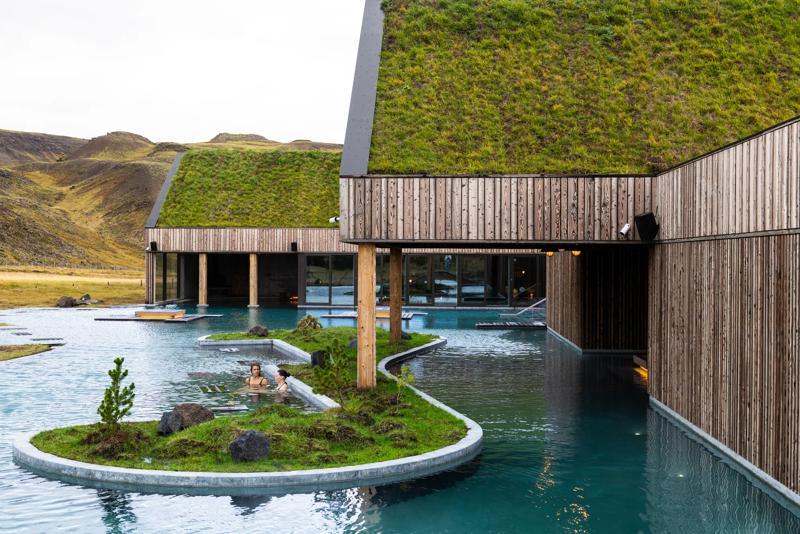
South Coast Wonders with Reykjaböð Hot Springs
Discover Iceland’s iconic South Coast and unwind at the new and luxurious Reykjaböð Hot Springs. A perfect blend of adventure, nature, and relaxation in one unforgettable day.
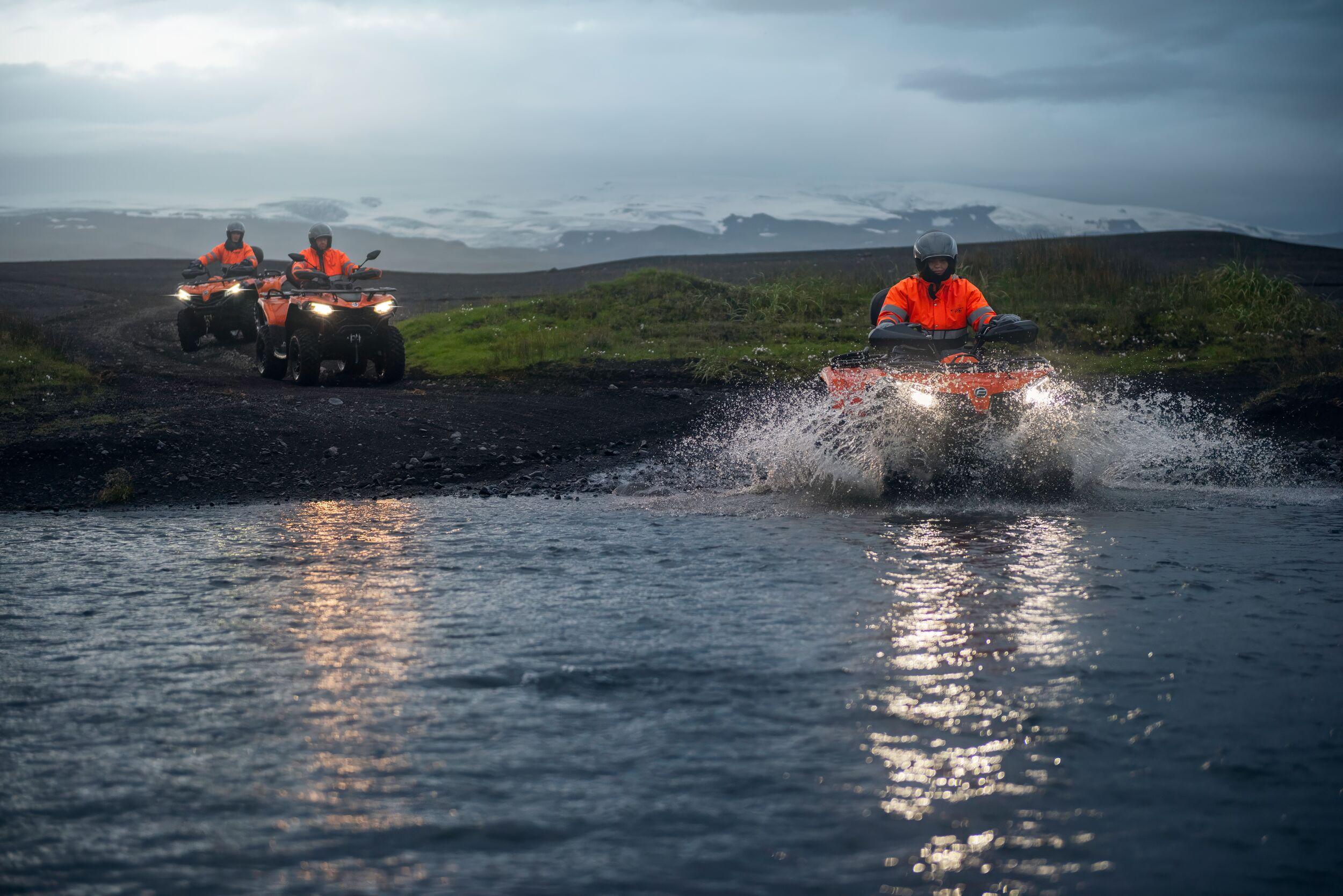
South Coast & Sólheimasandur DC-3 Plane Wreck Black Beach ATV Adventure
Explore Iceland's legendary South Coast, where the thundering cascades of Seljalandsfoss and Skógafoss await. Amidst the shadow of the mighty Katla volcano, feel the thrill of an ATV ride across scenic valleys and black sand expanses, leading you to the iconic DC-3 plane wreck on Sólheimasandur beach. A harmonious blend of tranquil vistas and heart-pounding adventure!
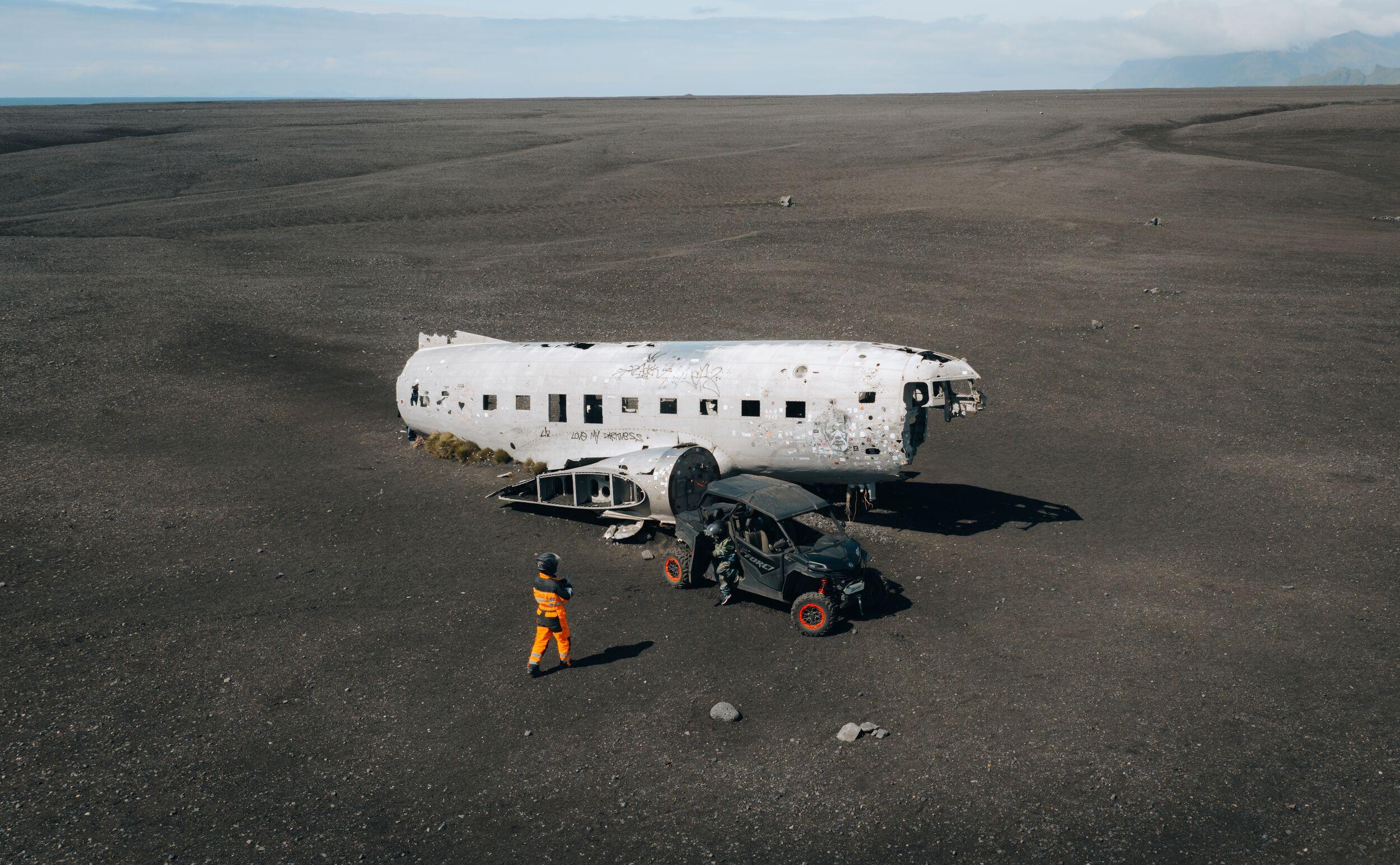
Buggy and Glacier Hike Combo Adventure
Get ready for a day packed with adventure, natural wonders, and pure fun on Iceland’s spectacular South Coast!
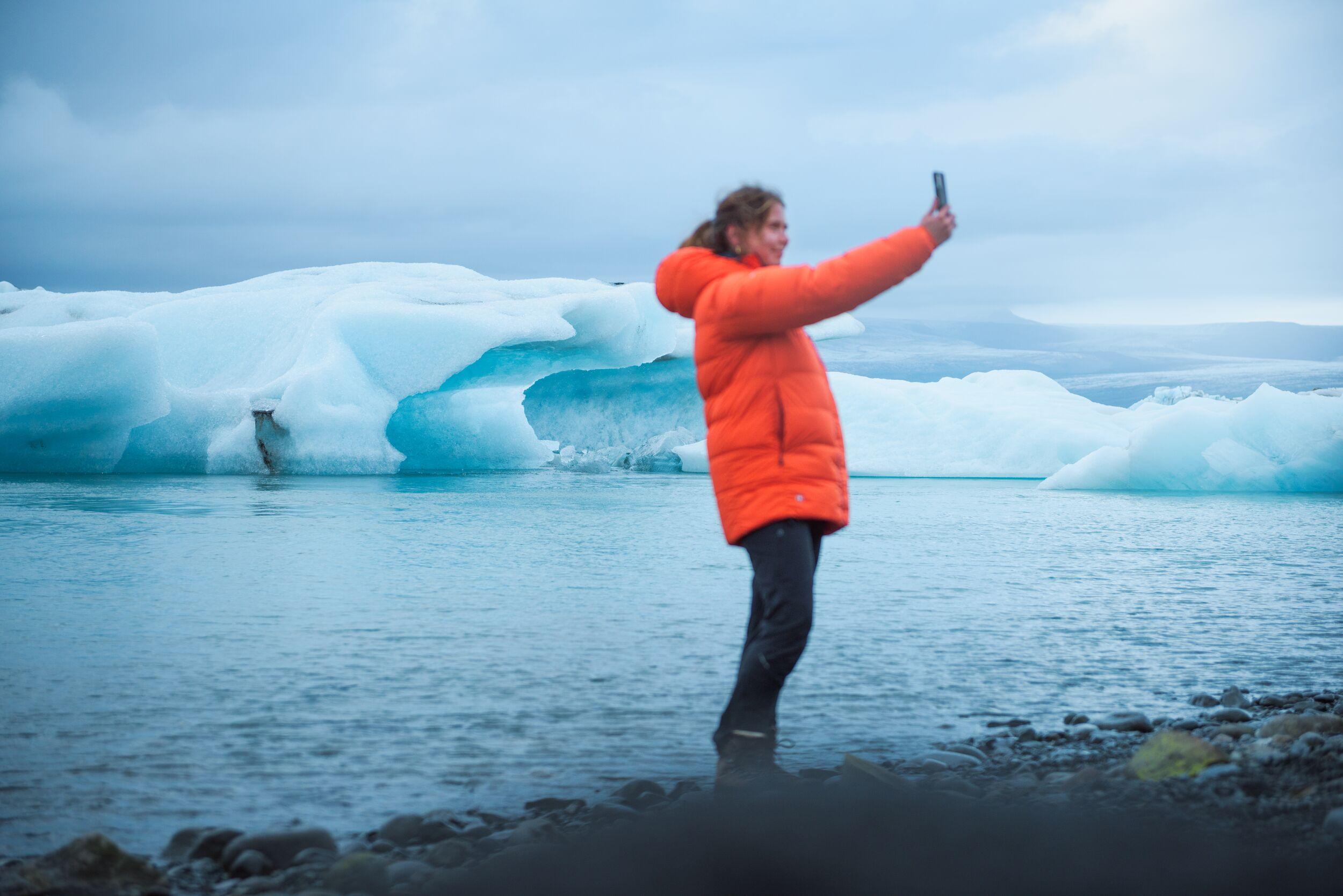
Jökulsárlón Glacier Lagoon & Diamond Beach
With its enormous white and blue icebergs breaking off from Vatnajökull glacier, the Jökulsárlón Glacier Lagoon is a natural wonder of Iceland, a sight you absolutely cannot miss. The nearby Diamond Beach has a stunning display of chunks of ice glistening on stark black sands. This tour features some of southeast Iceland's most spectacular and iconic landscapes!