Spend Winter in Iceland Like a Local
In Iceland, winter in its truest sense occurs when snow and ice coincide with the fewest hours of darkness. Across the country, the gloom of December can feel unrelenting; the capital enjoys less than five hours of daylight each day. While visitors fly in and out for a few days or maybe a couple of weeks, locals must find an effective coping mechanism to deal with relatively long periods of darkness for months on end. How they do so provides a fascinating insight into Nordic culture. Tourists can model their own plans on local customs, routines and practices to create a uniquely Icelandic and successful winter trip.
How Do Icelanders Traditionally Define Winter?
Unlike many other places in Europe that have always experienced four distinct seasons, Iceland traditionally had just two: summer and winter. According to the Old Norse calendar, the year was divided in half. Winter darkness characterised the Skammdegi, or short days, which fell in the months either side of midwinter.
Though in practice, this calendar hasn’t been formally used since the 18th century, some aspects of it still survive, such as the festival of Þorrablót which is celebrated in January and April’s public holiday Sumardagurinn Fyrsti, which signals the beginning of summer. But in reality, wintry weather can stick around for weeks after that, and it’s not outside the realms of possibility for snow to fall as late as June.
Ten Easy Ways to Pull Off Winter in Iceland Like a Local
Stay on top of changeable weather conditions
Iceland’s climate is an interesting lesson in geography. Though the country sits at a high latitude – the mainland’s just shy of the Arctic Circle – winters are often much milder than you might expect. The moderating effect of the Gulf Stream brings warmer air though it also makes the weather more unsettled. Nevertheless, unlike the bitter cold that often affects parts of North America and Central Europe for extended periods, winter in Iceland is rarely as extreme.
However, storms frequently blow in – and often depart just as quickly as they arrive. Severe gales can add a significant wind chill factor to the temperature and make driving challenging for those unused to such conditions. Locals are no keener to be out in bad weather than anyone else, but they also understand that conditions are constantly changing and tolerating them is only temporary.
Adapt plans at short notice and be flexible
Throughout the winter months, Icelanders stay glued to weather apps and grab the opportunity to make the most of any calm, fine weather whenever possible. This means that plans are tentative and dependent on how things pan out. Making arrangements last minute when you have a clearer idea of what the weather’s going to be like makes a lot more sense than rigidly sticking to a fixed plan.
Winter visitors to Iceland can follow suit. While it’s wise to have an itinerary mapped out, it’s just as important to give yourself options that suit the hand you’ve been dealt. In Reykjavik especially, there are plenty of things to do indoors: among them museums, galleries, food halls and visitor attractions like Perlan, Lava Show and Flyover Iceland.
Capitalise on clear skies with outdoor hikes and activities
When the clouds lift, winter’s diffused light gives the Icelandic countryside a dreamy air. The low sun lends places like Diamond Beach an even more extraordinary quality; sunrises appear at a sociable hour and sunsets bring their own magic, bathing the ice in soft pastel pinks, corals and yellows.
Under clear skies, exploring Iceland’s canyons, valleys, waterfalls and black sand beaches is an enticing prospect. Be sure to distinguish between what Icelanders call gluggaveður (“window weather”) – when you absolutely don’t want to be outdoors – and wintry conditions that you’d actually enjoy spending time in. The length and duration of hikes will be limited by the available daylight, but with careful preparation there’s no reason why you shouldn’t get out and about. Of course, some activities are perfect for winter, such as ice cave tours.
Relish the arrival of the aurora
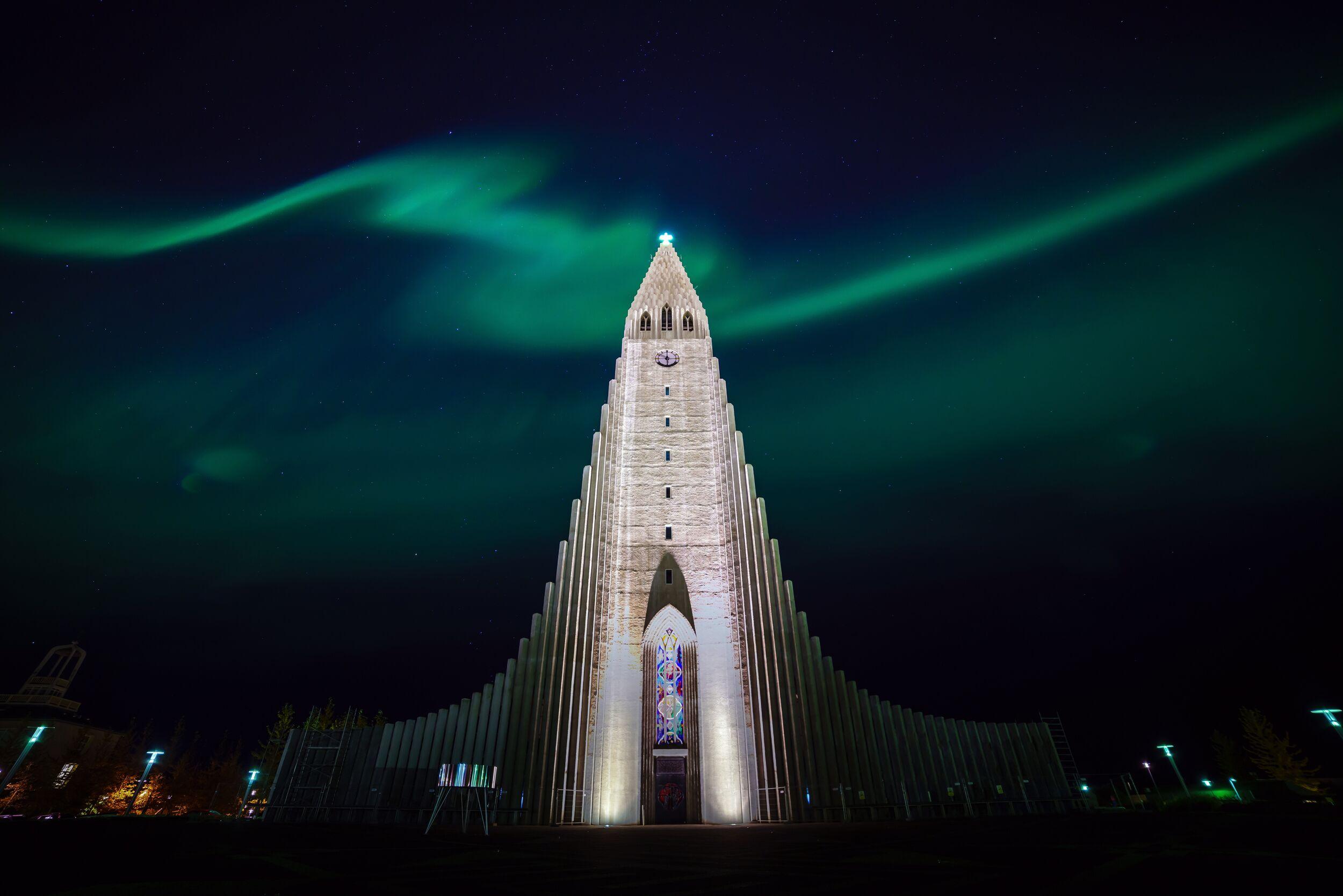
Without a doubt, the biggest winter draw for visitors is the chance of seeing the aurora borealis. Each colourful show takes on its own unique form and watching the most vivid displays will excite locals just as much as any tourist. All it takes is sufficient solar activity and a promising forecast of clear skies and small group Northern Lights tours become the highlight of any winter in Iceland holiday.
Book a Northern Lights tour in winter – many routes stop at Litla Kaffistofan along the way. Darkness falls early, maximising opportunities and bringing the possibility of seeing the aurora early in the evening rather than in the middle of the night. And as standing around in the cold for long periods isn’t pleasant, that stop gives you a warm place to retreat when the cold starts to inch up through the soles of your boots.
Dress appropriately
Wintry weather shouldn’t be taken lightly, and as any local will tell you, wearing the right clothes for the conditions is essential. Whether you’re venturing out on a Golden Circle tour or hope to experience South Iceland’s black sands, make sure you have on effective base layers that trap heat, performance fleeces and outer garments that keep precipitation and wind at bay.
One of the most useful things you can pack for a winter trip to Iceland is a pair of crampons; these pull over the bottom of your shoes or boots. Whether you’re sightseeing beside a frozen waterfall or sliding around on the black ice that covers Reykjavik’s pavements, the extra grip afforded by these pocket-sized pull-ons will prove invaluable to your dignity.
Visit the local swimming pool
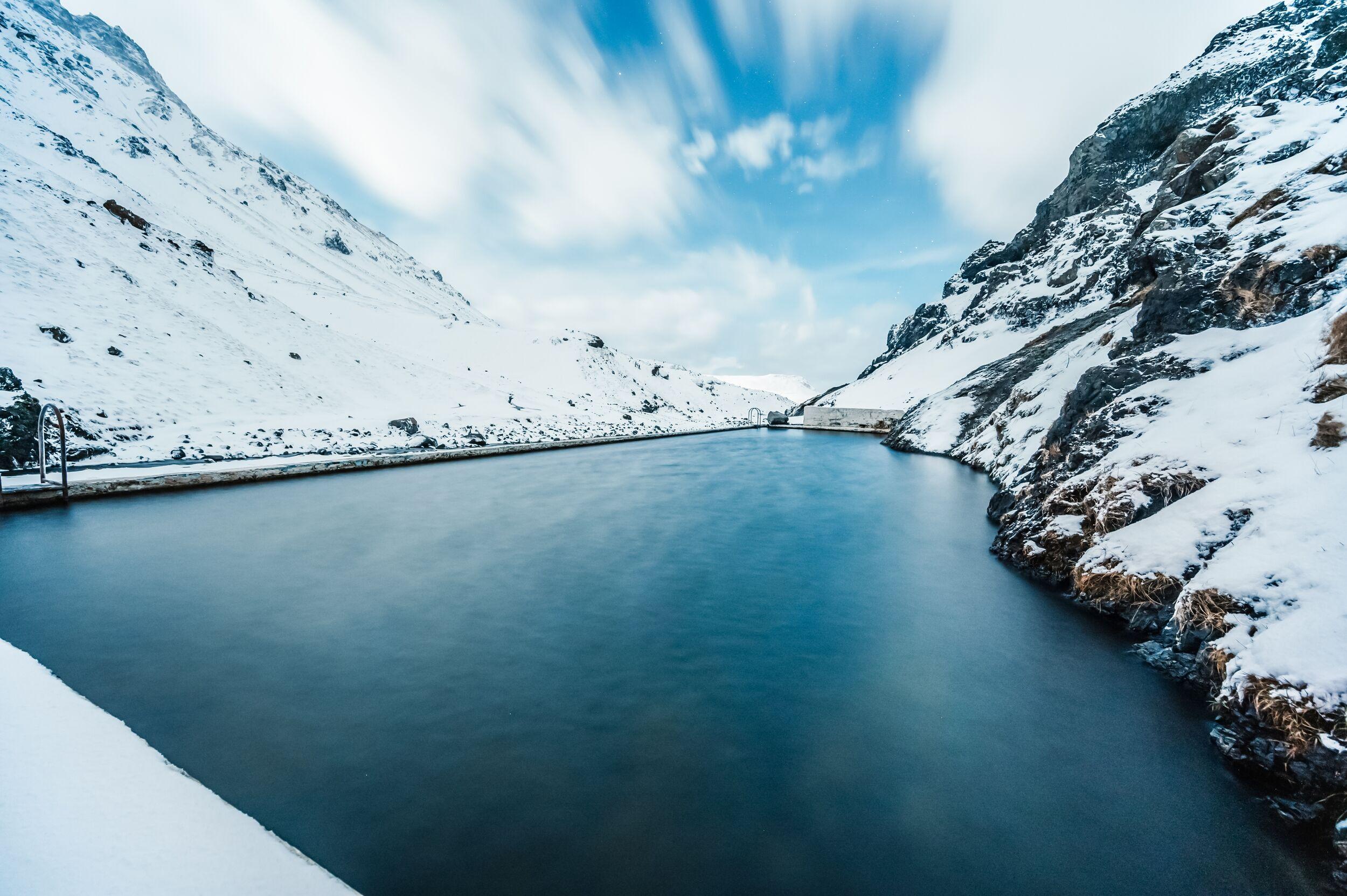
It might feel counter-intuitive to pack a swimsuit when you’re preparing to visit Iceland in winter, but that’s one item of clothing that you absolutely won’t want to be without. For Icelanders, going to the pool is a time-honoured tradition. In 2025, the practice gained UNESCO recognition when Icelandic swimming pool culture made it onto the organisation’s Intangible Cultural Heritage list.
The pool isn’t only a place to swim; it’s also a place to socialise and unwind at the end of the working day and at weekends. All kids learn to swim – it’s been mandatory country-wide for almost a century – so every city, town and village has a municipal pool. Affordable and accessible, they’re open to anyone and play an important role in the wellbeing of the wider community. Best of all, an abundance of cheap geothermal energy means that pools are heated, so it’s as much a part of everyday life throughout the winter in Iceland as it is in summer.
Soak in a deliciously warm geothermal lagoon
Immersing yourself in the deliciously warm water of a geothermal lagoon is even more delightful when there’s a chill in the air, making this a must-do activity for anyone planning a trip to Iceland during the winter months. Take your lead from the locals and bring a hat to wear while you’re soaking. While your body, from your shoulders to your toes, will stay lovely and warm, your head and face remains exposed to the elements; headgear will help.
Also, savvy travellers might choose a lagoon such as Blue Lagoon or Reykjaböð Hot Springs where you are able to enter the water indoors and swim out into the main pool – many would argue this is preferable to making a dash for it over cold ground. Study the weather forecast carefully before settling on a slot for Sky Lagoon; its gorgeous infinity edge is delightful on a calm day, but the same can’t be said when there’s a frigid wind blowing in off the North Atlantic.
Fuel up on hearty Icelandic fare and drink coffee in cosy cafés
Some of Iceland’s most iconic dishes are ideally suited to wintry days. Tucking into a piping hot bowl of lamb soup or working your way through a plate heaped with plokkfiskur makes perfect sense when it’s cold outside. Nutritious, filling but above all tasty, such cuisine is just what you need after time spent outdoors. To give yourself the best chance of dealing with the cold, add a spoonful of cod liver oil to your daily diet too.
Coffee is a Nordic obsession; together with Finland and Norway, Iceland ranks among the highest coffee consumers in the world. Reykjavik has the highest number of cafés in the country, but you’ll never be far from a latte or a cappuccino wherever you roam. In winter that’s all the excuse you need to retreat indoors, order a steaming mug of your favourite blend and forget all about what the weather’s doing outside.
Curl up under a blanket with a good book
Icelanders are voracious readers. Since the days of the Sagas, there’s been a tradition of writing down compelling tales and sharing them with others. Today, Iceland holds the Guinness World Record for having the most published writers per capita, so it should come as no surprise that many people love to spend winter evenings with their nose in a good book.
Channel that literary obsession when choosing your accommodation for your own winter trip. Pick an apartment or hotel room with a comfy chair or sofa so you can curl up with the Nordic Noir novel that you’ve been meaning to read but never quite got around to. Winter in Iceland also brings December’s Jólabókaflóð. It’s an annual tradition where locals gift each other books to be devoured on Christmas Eve.
Embrace winter’s fairylights and festivals
Iceland’s towns and cities are magical in the run up to Christmas, when fairylights and festive decorations add a sprinkling of seasonal cheer to the cityscape. The arrival of the mythical Jólakötturinn (Yule Cat) is eagerly awaited in Reykjavik, where you’ll find it in sculpture form at Lækjartorg; another graces Ráðhústorg in Akureyri. Also look out for the mischievous Yule Lads, who create havoc throughout Advent and hang around for Iceland’s New Year’s Eve fireworks.
The Old Norse month of Þorri runs from late January until late February. Icelanders celebrate Þorrablót, a winter feast centred on traditional preserved foods such as svið (sheep’s head), hangikjöt (smoked lamb), hrútspungar (rams’ testicles), lifrarpylsa (liver sausage), blóðmör (blood pudding), and hákarl (fermented shark). Think of the bragging rights as you pause for some tasty rúgbrauð (rye bread) and wash it all down with copious amounts of Brennivín.

Locals are no keener to be out in bad weather than anyone else, but they also understand that conditions are constantly changing and tolerating them is only temporary.
How to Make the Most of the Daylight You Do Have for Sightseeing
Remember to check the hours of daylight you have
There’s a big difference between the five hours of daylight you experience in mid-December and the ten hour days which you can enjoy by the end of February. Unlike in summer when you can cram more into your itinerary, plan to schedule one daytime activity and time it for the middle of the day. Of course, geothermal pools are just as much fun after dark if you’re looking for something to do after a tour.
Don’t expect to stay indoors
Iceland’s landscapes – even in the Highland region if you travel by super jeep – don’t shut for the winter. In fact, dusted with snow, some of the country’s waterfalls, beaches and lava fields look just as attractive as they do in summer. Many of the most popular beauty spots are reachable in two hours or less from Reykjavik, so visiting in winter doesn’t have to mean you leave them off your itinerary.
Accept that travelling might take place in the dark
With fewer hours of daylight at your disposal than in summer, it’s crucial to be realistic. While the Golden Circle route – combining Þingvellir National Park, Geysir and Gullfoss waterfall – requires just 6.5 hours, know that tackling more ambitious excursions such as along the south coast to Jökulsárlón Glacier Lagoon might involve a drive in the dark.
Schedule one of Icelandia’s Northern Lights tours for early in your trip
The aurora borealis is fickle – solar activity isn’t consistent – and seeing this natural phenomenon is also weather-dependent as you’ll need clear skies. By reserving a place on a Northern Lights tour at the beginning of your stay in Iceland, you’ll maximise your chances of seeing it even if the original booking has to be postponed due to bad weather.
Remember, Icelanders don't wait for perfect weather. They check conditions, dress for them and adjust their plans – and so should you if you visit Iceland in winter!
Remember, Icelanders don't wait for perfect weather. They check conditions, dress for them and adjust their plans – and so should you if you visit Iceland in winter!
Related tours
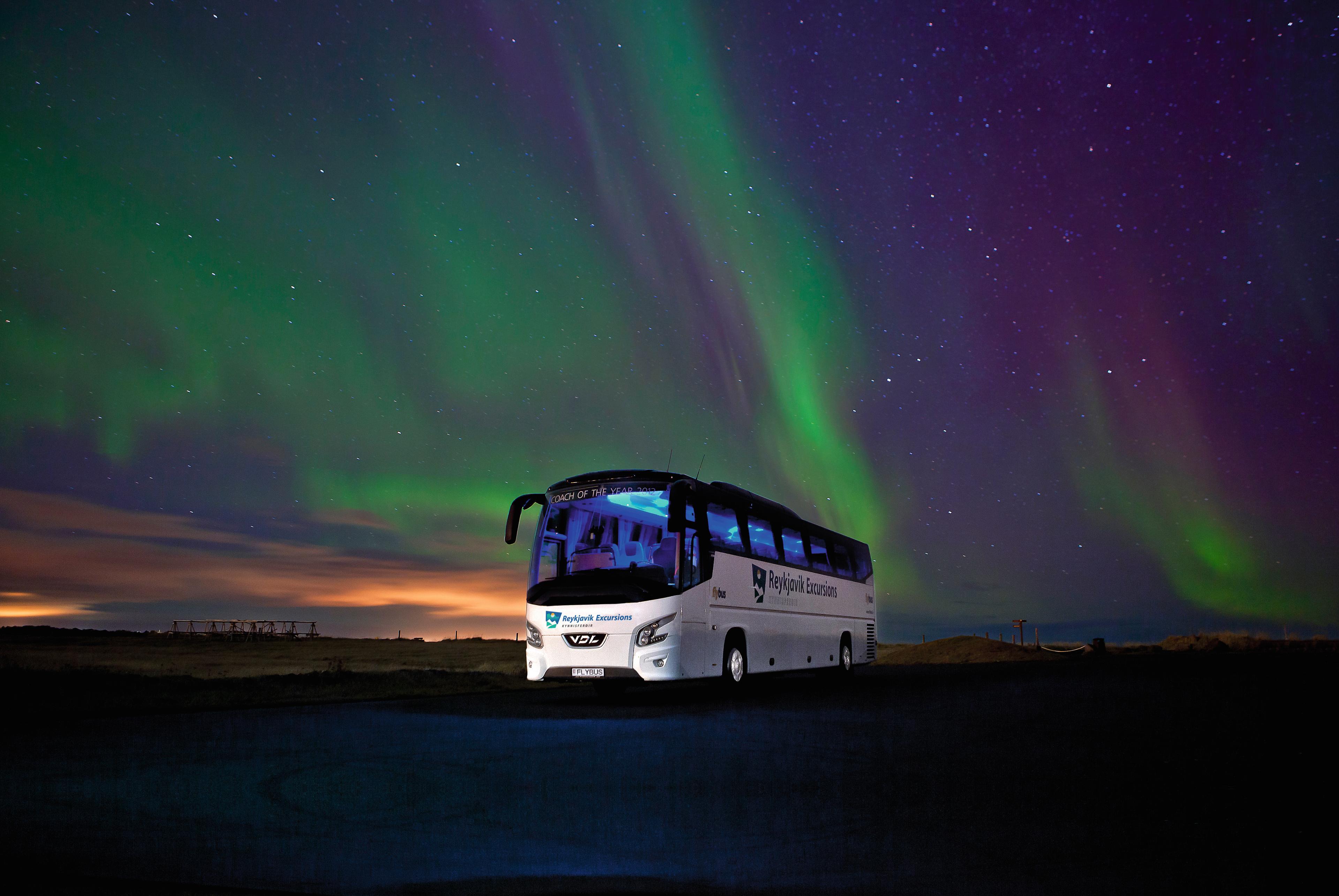
Northern Lights Tour
See the majestic Northern Lights dancing across the sky. If the skies are shy, try again free of charge as many times as you need until you see them! Learn about the phenomenon by visiting the Aurora Centre - Northern Lights Exhibition in Reykjavík; admission is included in this tour!
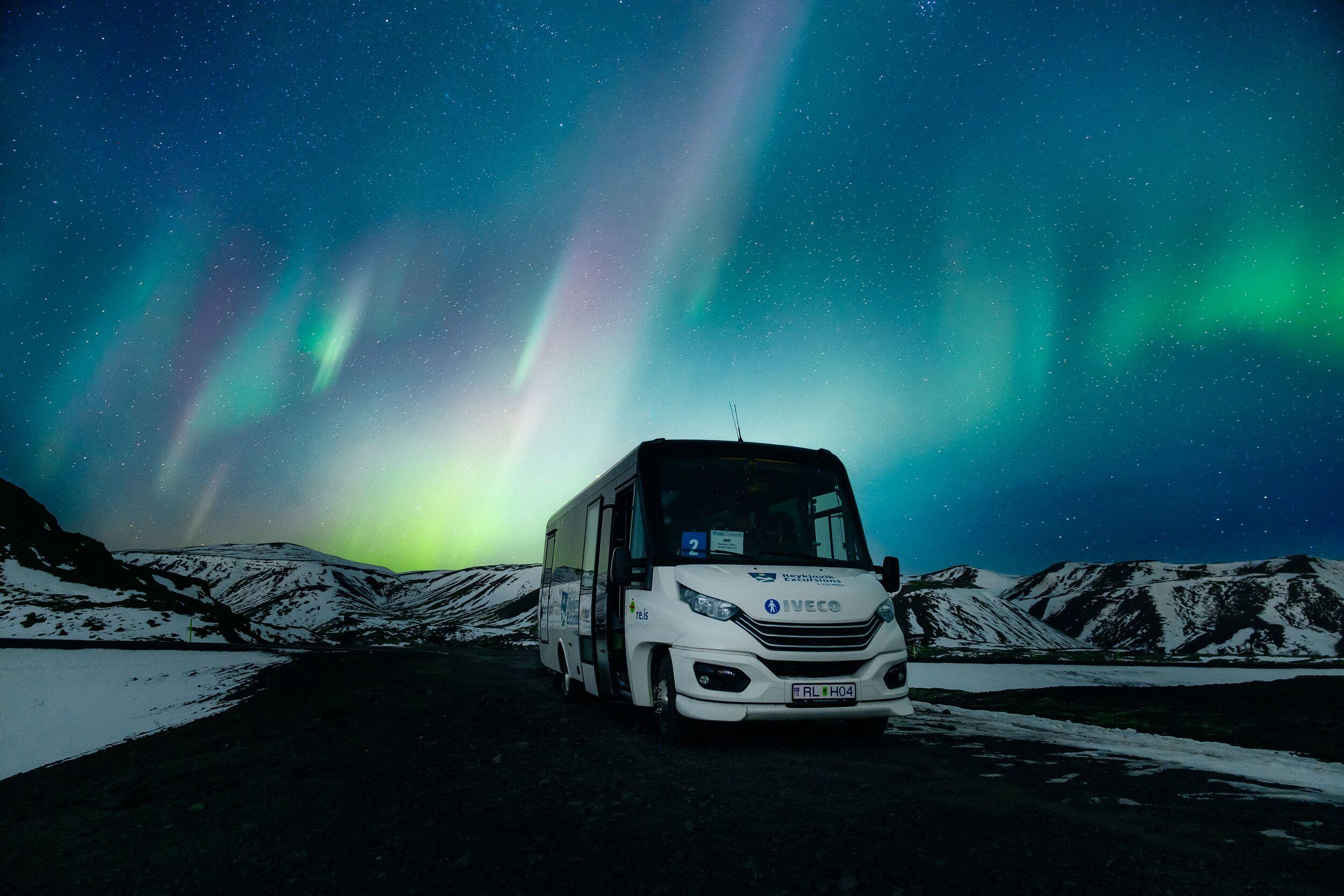
Northern Lights - Small Group Tour
Catch the stunning Northern Lights in the sky, and if they're shy, rebook for free until they show. Included admission to the Aurora Centre's Northern Lights Exhibition on the tour date. The small group size ensures an intimate experience and personalized attention from your expert guide.
Frequently Asked Questions
Winter in Iceland is milder than many visitors expect, thanks to the warming effect of the Gulf Stream, though the weather stays changeable and storms can roll in quickly. The real defining feature isn’t the cold – it’s the short days, with as little as five hours of daylight in Reykjavík around the winter solstice, stretching back out to around ten hours by late February.
Locals build their routines around the changeable daylight and weather: checking forecasts daily, keeping plans flexible, and making the most of clear spells for outdoor activities. Staples of the season include trips to the local swimming pool, cosy café stops, curling up with a book, and winter traditions like Þorrablót and the Jólabókaflóð book-giving season.
Yes – winter brings the chance to see the Northern Lights, snow-dusted landscapes, and geothermal pools that feel even better in the cold, plus a full calendar of festive traditions from Christmas lights to Þorrablót. The trade-off is shorter daylight hours and weather that can change quickly, so flexible plans pay off.
Layering is key: effective base layers, a warm fleece, and a windproof, waterproof outer shell. Many locals also carry crampons that strap onto boots for extra grip on icy pavements and frozen paths.
Daylight is shortest around the winter solstice in late December, when Reykjavík sees under five hours of light, and it gradually lengthens to roughly ten hours a day by the end of February.
It’s possible, but city light pollution makes fainter displays harder to spot, so a strong aurora is needed to stand out over Reykjavík’s skyline. For the best chance, head out of town on a clear night – guided Northern Lights tours travel beyond the city’s lights and typically offer a free rebooking if the lights don’t appear.
The Northern Lights season in Iceland runs from around late August through April, when nights are dark enough for the aurora to be visible. Midwinter months offer the longest, darkest nights, but clear skies matter just as much as the time of year.