

Why Visit Iceland in 2026 - Essential Travel Tips
Table of Contents
- 1What's New in Iceland for 2026
- 2Volcanic Activity Continues
- 3Iceland’s Evolving Spa Landscape: Welcoming New Additions in 2026
- 4The Highlands of Iceland: A Rising Star in Adventure Tourism
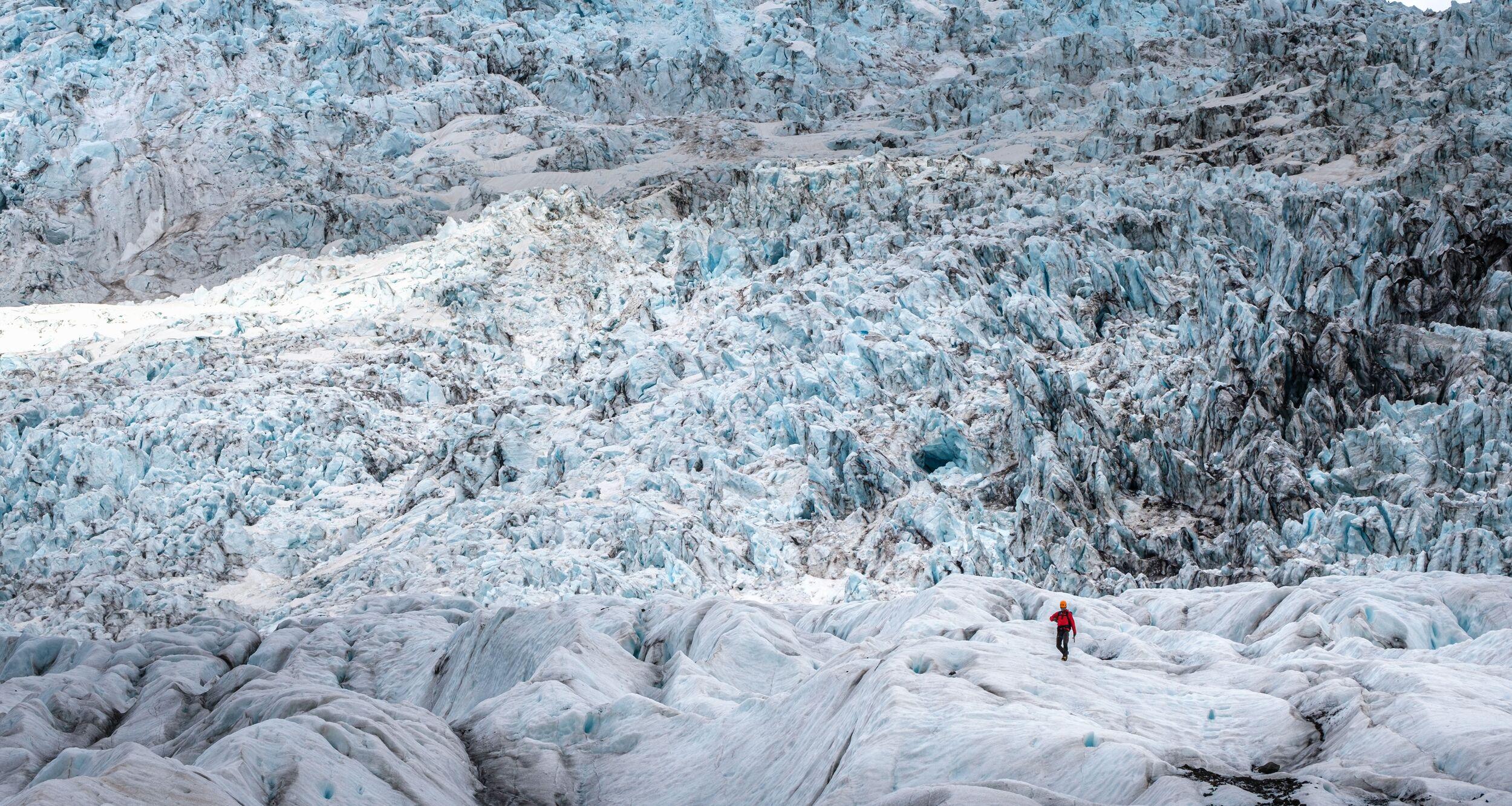
- 5Off the Beaten Path: Iceland’s Hidden Gems and New Ice Caves
- 6A Shift in Travel Trends: The New Wave of Thoughtful Explorers
- 72026: A Year of Spectacular Solar Events in Iceland
- 8Practical Information for 2026 Travelers: Best Times to Visit Iceland
- 9Events and Festivals in Iceland in 2026
- 10Questions About Visiting Iceland in 2026
What's New in Iceland for 2026
In 2026, Iceland is as vibrant and inviting as ever, despite the occasional natural pyrotechnics of its dynamic landscape.
- The solar maximum — we begin the year at the peak of the sun's eleven-year cycle. This increase in solar activity could mean more frequent and intense displays of the Northern Lights, with this spectacle possibly lasting until 2029.
- Speaking of epic solar events, August 12 will see the 2026 total solar eclipse in Iceland with the west part of the island in the path of totality. This will be a truly unique experience that we are super excited about.
- The Reykjanes Peninsula remains a hotspot of volcanic activity, with its eruptions capturing global attention. The town of Grindavík has begun welcoming visitors to witness the dramatic aftermath of recent volcanic events.
- Just outside the town of Hveragerði in the South Coast region, Reykjaböð is now open. This luxury geothermal lagoon is situated near the ever popular Reykjadalur area, offering a tranquil retreat along Iceland’s most popular tour route.
- The renowned Blue Lagoon continues to captivate, occasionally taking brief pauses due to nearby volcanic activity but always ready to reopen its soothing waters once conditions stabilize.
- The demand for off-the-beaten-path tours and explorations is steadily increasing, fueled by a growing fascination with ice caves and remote destinations.
- Iceland’s commitment to sustainable tourism continues to strengthen, supported by an expanding selection of carbon-neutral bus tours and self-drive packages.
For those planning a visit, 2026 offers a unique blend of natural wonders and cultural vibrancy. Pack your sense of adventure and explore the enduring allure of Iceland!

Volcanic activity in Iceland is expected to continue, but its non-explosive nature means air traffic and travel within Iceland remain unaffected.
Volcanic Activity Continues
In Iceland, timeless beauty and ever-changing landscapes coexist and continue to evolve and surprise. The recent volcanic activity has reshaped parts of our terrain in ways that were unimaginable just a few years ago.
The Fagradalsfjall and Sundhúkagígar eruptions are a prime example of this dynamic transformation. The resulting new lava fields, and newly formed landscapes have become must-see spots for visitors, offering a glimpse of Iceland's youngest volcanic terrains.
While the residents of the small town of Grindavík were forced to find homes elsewhere, the town remains a powerful testament to the unpredictable nature of our island. Whenever the nearby volcano allows, Grindavík reopens to visitors eager to witness the aftermath of the eruptions that forever changed the lives of thousands of people, offering a poignant reminder of both nature’s power and humanity’s resilience.
The volcanic activity in this region is expected to persist, with its non-explosive nature continuing to allow uninterrupted air traffic and travel within Iceland. Yet, the future holds untold possibilities. By the end of this year, who knows what new marvels will have emerged?
In Iceland, we are witnessing history being shaped by the earth itself—a living testament to the relentless dance between creation and transformation, where every moment brings the promise of something extraordinary.
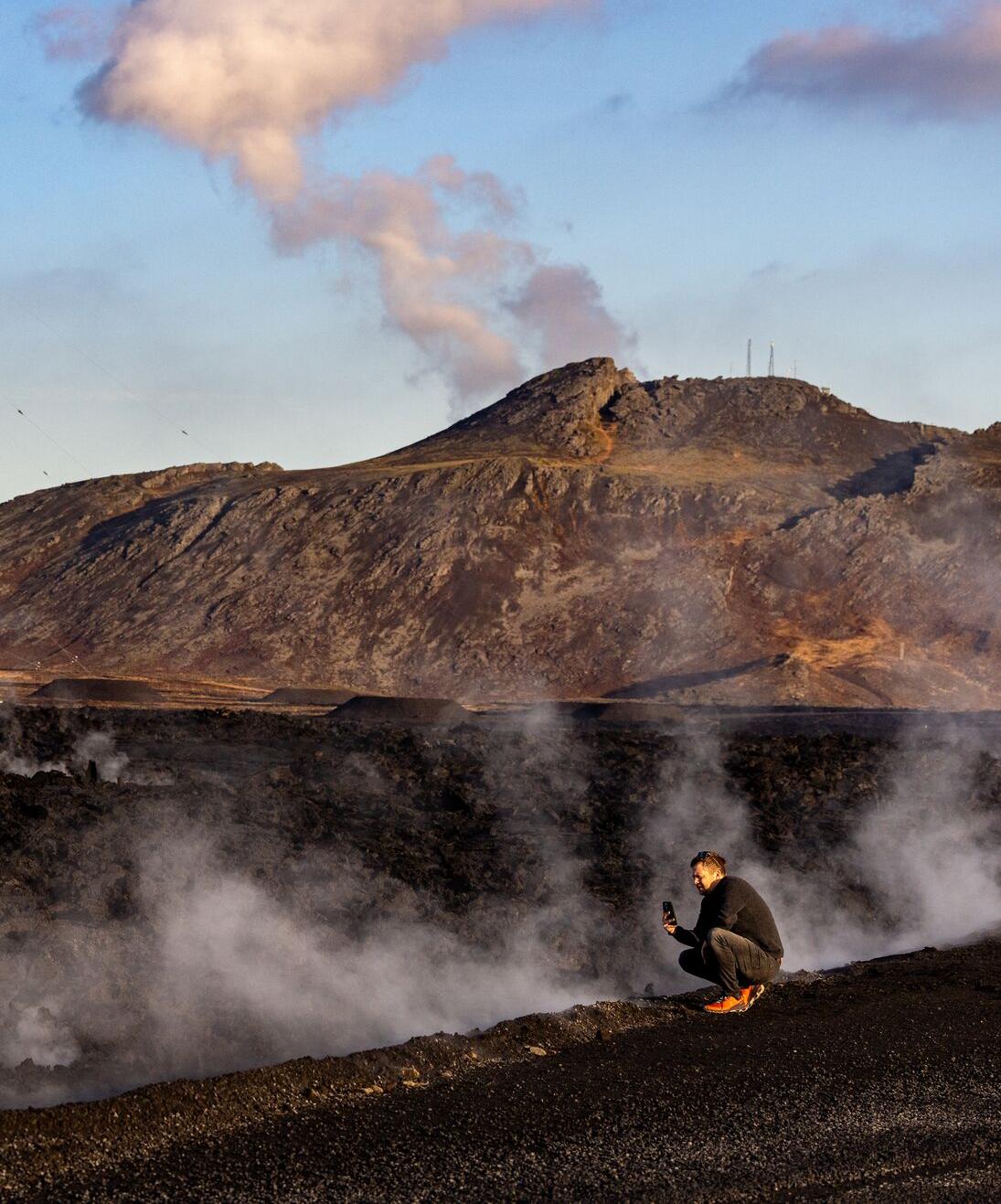
Visitors can now visit the lava fields near Grindavík
Volcanic activity has become a regular part of life in Iceland, and visitors can safely explore the newly formed lava fields through guided tours.
Iceland’s Evolving Spa Landscape: Welcoming New Additions in 2026
The periods of temporary closures of the Blue Lagoon, one of Iceland's most famous attractions, have unexpectedly enriched our tourism landscape. Visitors are now venturing beyond the familiar and rediscovering Iceland's lesser-known hot springs and geothermal spas.
From the serene waters of Hvammsvík Hot Springs and Reykjavík’s luxurious Sky Lagoon to the charming geothermal pools in the other regions of the country, each offers a unique experience steeped in natural beauty and tranquillity.
Árböðin, or the The River Baths, epened in the quaint village of Laugarás, just off the Golden Circle. Overlooking the scenic banks of the Hvítá River, this luxury lagoon is designed by the acclaimed firm T.ARK, known for their contributions to the Sky Lagoon and The Reykjavík Edition hotel. Árböðin features a sauna, a cold plunge, a swim-up bar, and an on-site restaurant.
This development is part of a growing trend in Iceland: hot baths paired with striking architecture and leisure amenities are becoming a booming segment of the travel experience.
The Highland Baths, which opened ahead of summer 2024, deserve an honorable mention as one of the new kids on the geothermal block. These new facilities are diversifying Iceland's geothermal offerings, complementing the iconic Blue Lagoon while adding depth and variety to the country's renowned spa experiences.
This trend has continued with exciting new additions to Iceland’s spa scene in 2026.
Chief among them is the glorious Reykjaböð, which is now open. The luxurious geothermal spa is nestled in the famous Reykjadalur area, just outside the charming town of Hveragerði on the South Coast. The stunning look is inspired by the old Viking bathhouse and first glimpse looks like an absolute treat for the senses.
The Highlands of Iceland: A Rising Star in Adventure Tourism
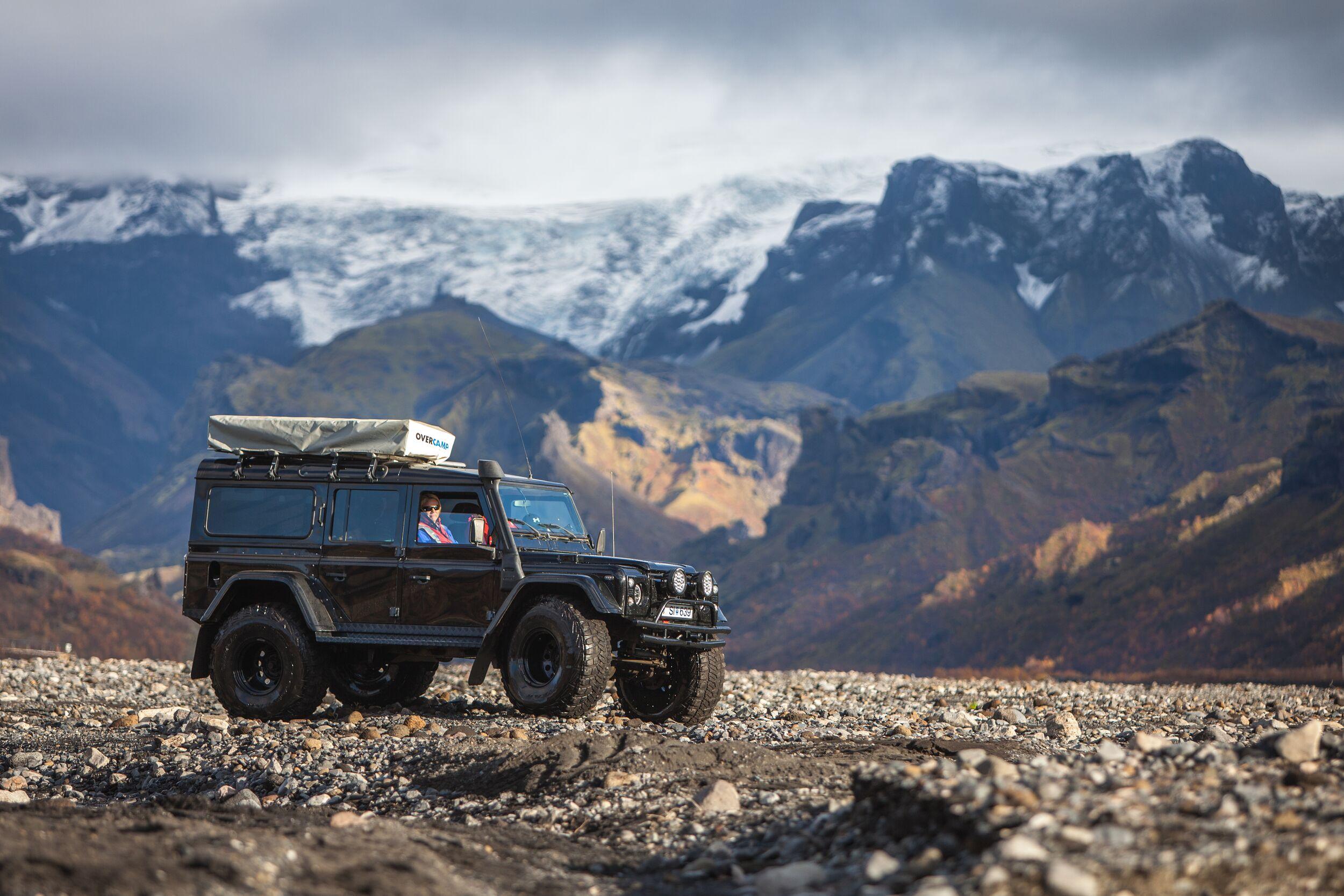
The Icelandic Highlands, one of Europe's last great wilderness areas, are becoming increasingly accessible, thanks to various adventurous Super Jeep tours and the budget-friendly Highland bus. These rugged, expansive landscapes, once a challenge for most travellers to explore, are now within easier reach. The introduction of these tours has opened up a world of possibilities for those seeking to immerse themselves in Iceland's raw, unspoiled beauty.
Adding to this accessibility, the opening of the Highland Base Hotel and its enchanting new bath mark a significant milestone. This hotel, nestled amidst the stark and dramatic vistas of the Highlands, offers a comfortable and unique stay all year round.
With these developments, the Icelandic Highlands are no longer just a distant marvel on the map but a tangible, awe-inspiring destination for adventurers and nature lovers alike.
A Shift in Travel Trends: The New Wave of Thoughtful Explorers
Over the last few years, we’ve witnessed a heartening shift in travel behavior. Travelers are increasingly choosing to spend longer periods at single destinations, a trend reshaping the tourism landscape in wonderful ways. This change in pace allows visitors to immerse themselves more deeply in the local nature and culture, embracing the essence of a destination rather than merely skimming its surface.
We in Iceland are particularly fond of our environmentally conscious guests, who show a deep appreciation for nature and authentic experiences. Their respectful engagement with our landscapes and culture not only enriches their travel experience but also helps preserve the pristine beauty of our homeland.
Many visitors now opt for environmentally cautious vacations, aligning with our values of sustainability and conservation. We see a rising preference for coach tours over self-driving, which promotes a more communal and eco-friendly travel experience.
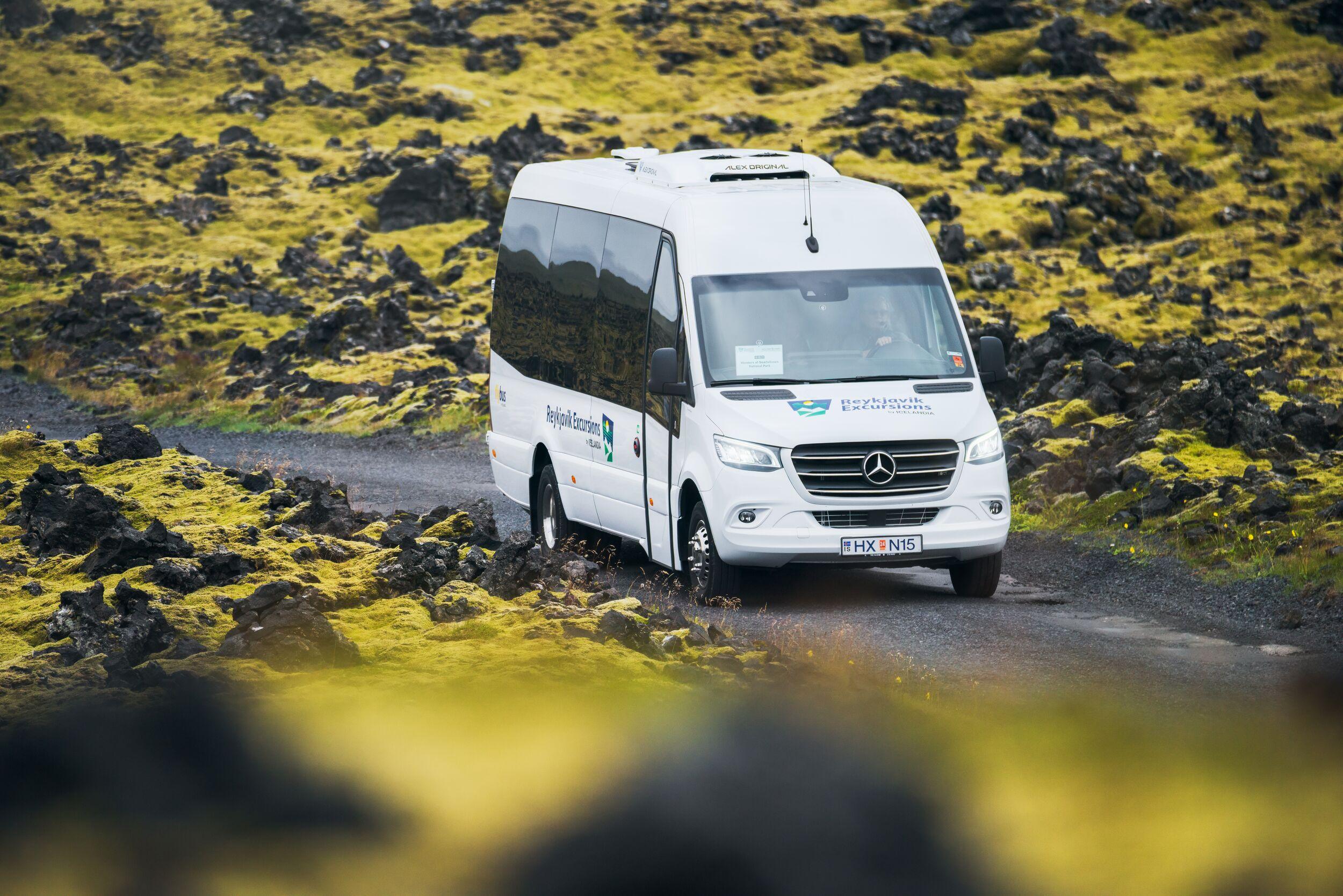
Some tour operators are leading the way in sustainability, including Reykjavík Excursions within our Icelandia family. These sightseeing bus tours are now completely carbon neutral, setting a high standard for eco-friendly travel.
For those who prefer the independence of self-driving, the option to travel completely CO2-neutral is also available, aligning with Iceland's commitment to environmental sustainability. Together, these shifts reflect a collective effort to protect Iceland’s natural wonders while offering meaningful, memorable experiences for all.
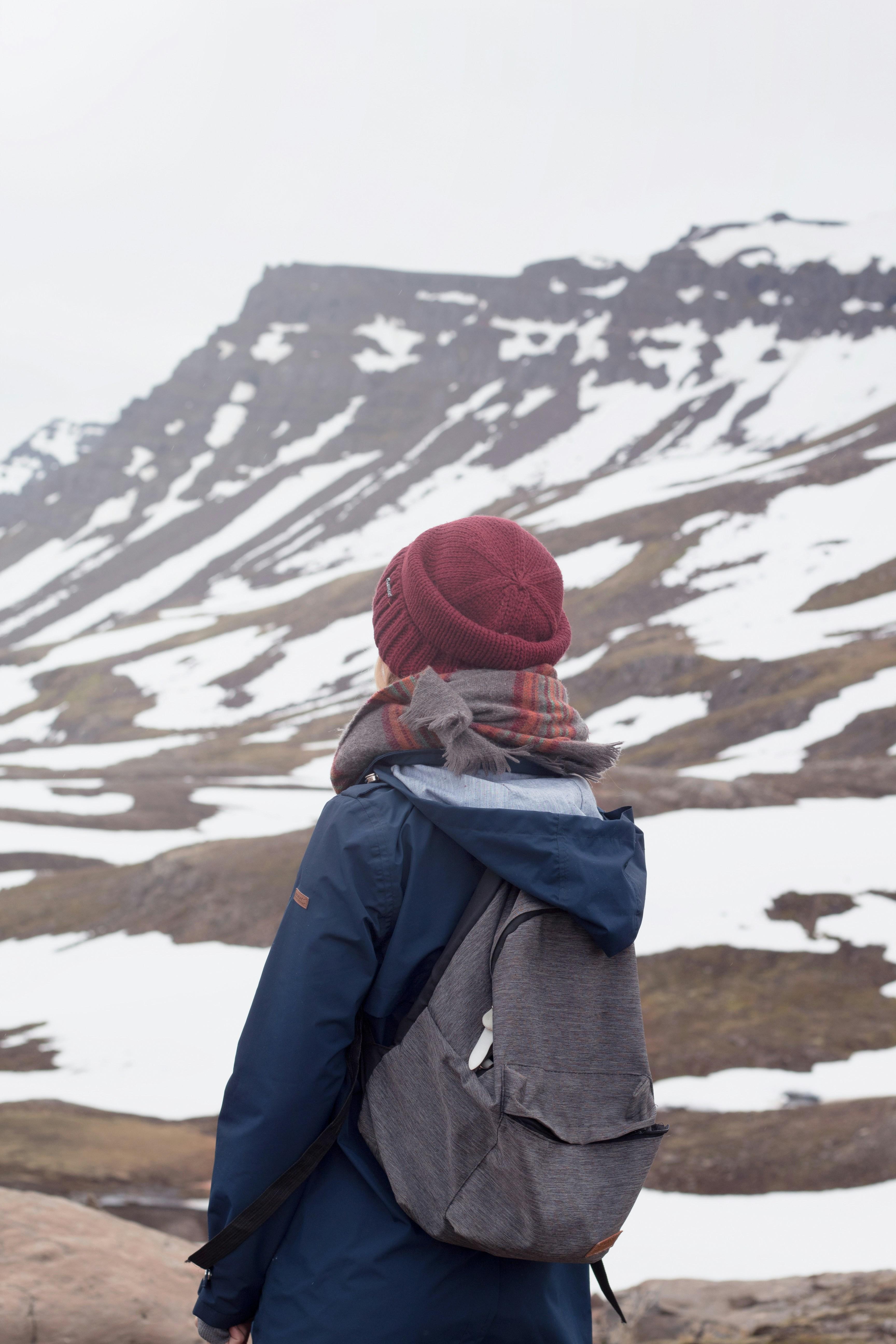
Slow travel benefits both travelers and local communities
Visitors can absorb the peace and richness of the Icelandic environment and culture more fully, while communities benefit from sustained economic and social engagement.
2026: A Year of Spectacular Solar Events in Iceland
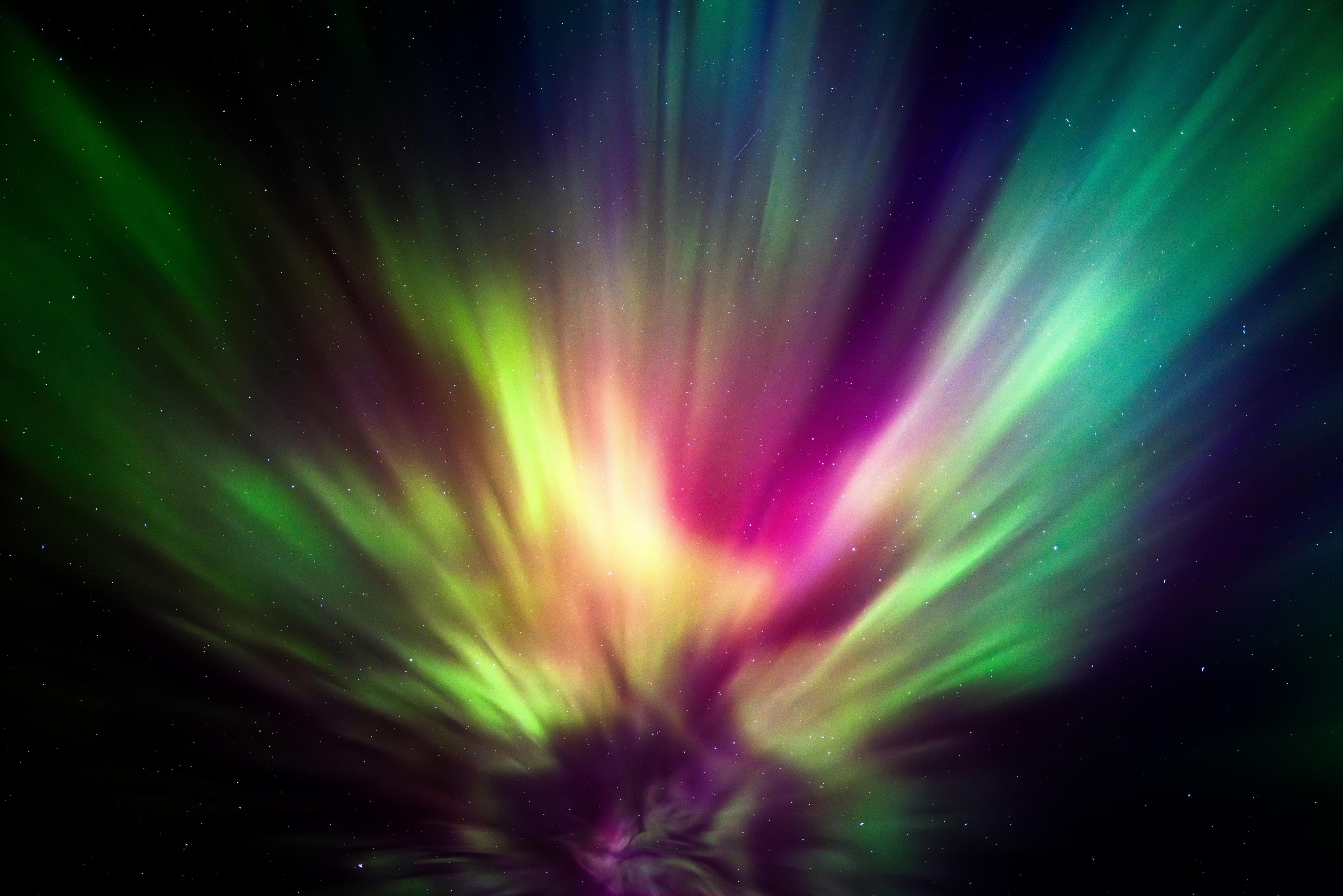
Finally, and perhaps most compellingly, 2026 presents an amazing opportunity to witness the Northern Lights in Iceland, anticipated to be one of the most spectacular display of the decade. Forecasters and experts are abuzz with excitement, predicting an exceptional Northern Lights season in 2026 that potentially extends into the next 2-3 years.
Northern Lights, or 'auroras', are the result of a cosmic ballet, where charged particles from the Sun interact with Earth's magnetic field. This interaction is heightened during periods of intense solar activity, leading to more frequent and vibrant auroral displays. And with the Sun entering a phase of peak activity, known as the Solar Maximum, the upcoming seasons promise to be particularly dazzling.
The signs of this solar uptick have already been observed, including a surge in sunspots and solar flares, as well as rare solar phenomena that have intrigued astronomers. This heightened solar activity means that the auroras will be more vivid, frequent, and even visible in locations where they're typically rare.
For travellers planning to visit Iceland in 2026, this is a once-in-a-lifetime opportunity to witness one of nature's most awe-inspiring displays.
And that's not all, because on August 12, 2026, the western part of Iceland will be in the path of totality as the moon eclipses the sun. This is an extraordinary event and although this is a a single date, we've arranged some amazing tours around it. Those that wish to experience this phenomenon in the already awe-inspiring landscapes of Iceland have a variety of tours to choose from such as the 6-Day Adventure Tour with Solar Eclipse and Chasing the Best Conditions for Totality.
Experts are forecasting a great Northern Lights season in 2026.
Practical Information for 2026 Travelers: Best Times to Visit Iceland
As you plan your 2026 Icelandic adventure, choosing the right time to visit is key to making the most of your trip. Iceland offers distinct experiences throughout the year, each season bringing its unique charm and opportunities.
Winter (January to March): Winter in Iceland is magical, with snow-covered landscapes and fewer tourists. It's the best time for Northern Lights viewing, and for unique winter activities like ice cave tours, skiing and snowmobiling.
Spring (April to June): Spring is a time of awakening in Iceland. The days get longer, and the landscape begins to bloom. This is an excellent time for birdwatching, especially puffins, and for witnessing the melting snow reveal new landscapes. Crowds are fewer, making it ideal for those seeking a more peaceful experience.
Summer (July to August): Summer is peak tourist season, marked by the Midnight Sun, where the sun barely sets. The mild weather and extended daylight hours are perfect for hiking, wildlife tours, and exploring the Highlands. It’s also the season for vibrant cultural festivals across the country.
Autumn (September to October): As autumn arrives, the landscapes turn into a canvas of reds and golds. This is a fantastic time for photographers. It's also the beginning of the Northern Lights season, offering a chance to witness this spectacular natural phenomenon.
The Festive Season (November-December): In November and December, Iceland transforms into a winter wonderland, perfect for the festive season. The country is quieter, offering a serene setting for holiday celebrations and the awe-inspiring Northern Lights. Reykjavik lights up with festive markets and traditional Yuletide stories, while unique activities like ice cave explorations and glacier hikes showcase the stunning, snow-covered landscapes.
Travel Tips for 2026
Book in Advance: With Iceland's growing popularity, booking accommodations and tours well in advance is recommended, especially during the peak summer months.
Weather Preparedness: Icelandic weather can be unpredictable. Pack suitable clothing and check the weather forecasts regularly.
Driving in Iceland: If self-driving, be prepared for varying road conditions and always follow local driving regulations.
Each season in Iceland offers something special, so the best time to visit largely depends on what you want to experience. Whether it’s the vibrant summer festivals, the tranquillity of spring, the Northern Lights in autumn and winter, or the unique adventures available year-round, Iceland in 2026 promises an unforgettable journey.
In 2026, Iceland remains an enchanting destination, offering a blend of dramatic landscapes, serene geothermal spas, and the raw beauty of its Highlands. The anticipated Northern Lights season adds to its allure, promising a spectacle of nature's magnificence.
Iceland invites you to be part of its story, a land where each season brings its unique charm and unforgettable experiences. Get ready for an Icelandic adventure that stays with you long after you've returned home!
Each season in Iceland offers something special, so the best time to visit largely depends on what you want to experience.
Events and Festivals in Iceland in 2026
Throughout the year, Iceland hosts a plethora of events and festivals celebrating everything from music and film to fashion and sports. The summer months are bustling with town festivals that draw crowds across the nation, marking the high points of the event schedule. Conversely, winter shifts the spotlight to outdoor sports, arts, and a variety of cultural happenings. Here is a list of the best events of the year:
January
Dark Music Days, 29 January - 1 February. Founded in 1980 by the Society of Icelandic Composers, Dark Music Days is a vital Reykjavík festival showcasing pioneering contemporary music and fostering innovation within Iceland's musical community during the winter's darkest period.
February
Winter Lights Festival, 5-8 February. Celebrating the return of longer daylight periods, the Winter Lights festival celebrates the contrast between light and darkness. It consists of three main pillars: Museum Night, Pool Night and Light Art, together with over 150 events where a number of artists participate in creating a unique atmosphere in the city.
Food & Fun Festival, February 25 - 1 March. Launched in 2002 to boost winter tourism, the Food & Fun Festival has evolved into an esteemed annual culinary event, pairing international chefs with local restaurants to create exquisite dining experiences.
March
The Annual Icelandic Beer Festival, 1st of March. The consumption of beer was prohibited in Iceland from 1915 until the 1st of March 1989. This day marks the Icelandic Beer Day, now extended into a multi-day festival. The event celebrated in this form since 2012, honours Iceland's finest beers and select international brews.
Stockfish Festival, March 19-29. Founded in 2015 as a successor to the 1978 Reykjavík Film Festival, Stockfish Film Festival fosters collaboration between film communities and offers art-house films in partnerships with major Icelandic film associations at Reykjavík's Bíó Paradís.
April
Aldrei fór ég suður, April 3-4. Aldrei fór ég suður, "I never went south," is an annual music festival that has been held during Easter in Ísafjörður town, in North-west Iceland, every year since 2004. It started off as a one-night event but has been growing ever since. Since its establishment, there has never been an entry fee to the festival, and the bands are not paid.
The Reykjavík International Literary Festival, (date to be announced). Since 1985, the Reykjavík International Literary Festival has drawn global authors and readers with its varied programs like readings, discussions, and workshops, all emphasizing accessibility, freedom of expression, and human rights, with free public access and live streaming.
Iceland Writers Retreat, April 15-19. The annual Iceland Writers and Readers Retreat offers a mix of intimate writing workshops, author-led book talks, and literary tours, culminating in a faculty reading and a Q&A panel for all attendees.
May
Design March, 6 - 10 May. Reykjavík's DesignMarch festival, now in its sixteenth year, transforms the city into a hub of creativity, showcasing everything from fashion to digital design, with over 100 events including the signature DesignTalks at Harpa, offering insights into Iceland's thriving design scene.
International Museum Day, 18 of May. Many Icelandic museums are welcoming guests with special events or free admission.
June
Reykjavik Arts Festival, May 30 - June 14. The Reykjavík Arts Festival showcases exceptional global art, fostering a dynamic connection with audiences by embracing inclusivity and accessibility, with a commitment to environmental respect and a programming ethos of courage, professionalism, joy, and visionary thinking.
The National Day of Iceland, June 17, is a major national celebration with parades, concerts, street theatre, dance parties, circus, food trucks, and vintage car shows, just to name a few, across the whole country.
Fishermen's Day, 7th of June. Celebrated since 1938 and a legal holiday for fishermen since 1987, Fishermen's Day, usually on the first Sunday in June, honours Iceland's maritime heritage with countrywide sea-themed festivities, including sailing, sea swimming, and showcasing marine life, fostering solidarity among fishermen.
Viking Festival Hafnarfjörður, mid-June (date to be announced). The Hafnarfjörður Viking Festival, Iceland's oldest and largest of its kind, transforms Víðistaðatún Park into a vibrant Viking market featuring crafts, food, and various Viking-era activities, with free admission.
July
Eistnaflug Music Festival, July (date to be announced). Eistnaflug is a three-day rock and heavy metal festival, the biggest of its kind in Iceland, held in an isolated fjord in the east.
Folk Music Festival in Siglufjörður, July 1-5. The Folk Music Centre in Siglufjörður presents Icelandic folk music in an accessible and entertaining manner through video recordings of people old and young singing folk songs and playing traditional instruments.
The National Icelandic Horse Competition, July 5-11. The National Icelandic Horse Competition, known to Icelanders as the “Landsmót”, is Iceland's largest outdoor sporting event, showcasing Iceland’s best horses and riders.
LungA Art Festival in Seyðisfjörður, mid- July (date to be announced). LungA is an intimate art festival in East Iceland, celebrated through workshops, lectures, and events. It culminates in a vibrant final weekend of exhibitions and concerts. Renowned locally and internationally for its ambiance and quality workshops, LungA fosters joy, self-discovery, and lasting connections.
Laugavegur Ultra Marathon, 11th of July. The Laugavegur trail is located in the southern highlands of Iceland and is famously one of the most beautiful hiking trails in the world. For many runners, the Laugavegur Ultra Marathon is a bucket-list race. The course is 55 km long and takes runners through areas of outstanding natural beauty.
Kótelettan, Selfoss, mid-July (date to be announced). Kótelettan is a family and music festival in Selfoss. The festival offers a diverse lineup of performances and creative workshops, creating an atmosphere of celebration and artistic expression.
August
Þjóðhátíð in Vestmannaeyjar (Westman Islands), July 31 - August 3. Þjóðhátíð is an iconic Icelandic festival, a cornerstone of Icelandic culture, renowned for its vibrant mix of live music, spectacular fireworks, and bonfires, drawing a lively crowd that revels in the unique blend of cultural heritage and modern festivities amidst the stunning natural beauty of the islands.
Norðanpaunk Festival in Laugarbakki, July 31 - August 2. Norðanpaunk is a distinct punk music festival, celebrated for its grassroots approach to music and arts. Known for its DIY ethos and community-driven spirit, the festival showcases a diverse array of punk, hardcore, experimental music, and various art forms.
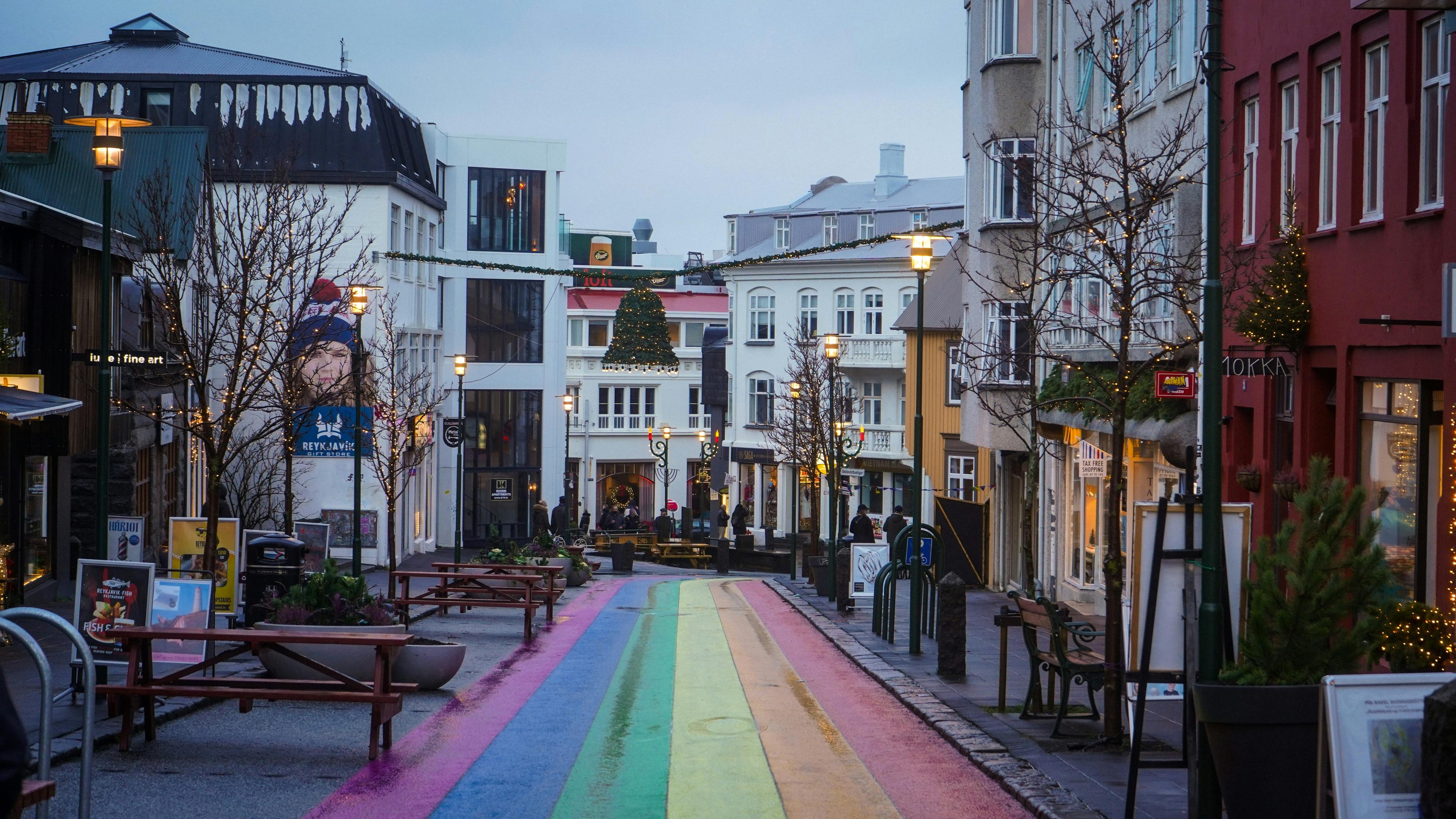
Reykjavík Pride, August 4-9. The Reykjavík Pride is a vibrant celebration of the LGBTQ+ community in Iceland's capital. Renowned for its colourful parade, engaging cultural events, and strong sense of community, the festival champions diversity and equality and stands as a joyful expression of love and acceptance, drawing participants and supporters from across the globe to Reykjavík's welcoming streets.
The Color Run, 29th of August. The Color Run is a vibrant, fun-filled event, part of an international series known as the "Happiest 5k on the Planet." It's a five-kilometre, untimed race where participants, dressed in white at the start line, are doused from head to toe in different colours at each kilometre.
Culture Night, 22. August. Reykjavík's most significant birthday and city festival, Culture Night, is the summer's highlight, as fun events colour life in the city centre from morning to night. The festival is for all city residents and visitors who want to participate in the festival and have fun.
Reykjavík Marathon, 22. August. The Reykjavik Marathon is a scenic and popular running event in Iceland's capital, attracting athletes and enthusiasts from around the world to participate in various distances against the backdrop of Reykjavik's beautiful urban landscapes.
Reykjavík Jazz Festival, late Agust (date to be announced). The renowned event celebrates the rich world of jazz music, featuring an impressive lineup of local and international artists and offering diverse performances that highlight the genre's versatility and cultural significance in the heart of Iceland's capital.
September
Reykjavík International Film Festival, 24 September - 4 October 2026. The Reykjavík International Film Festival is a prestigious annual event showcasing a diverse range of innovative and creative films from Iceland and around the world, offering a platform for emerging and established filmmakers to present their work in the culturally rich and vibrant setting of Iceland's capital.
Night of Lights, early September (date to be announced). The Night of Lights is a cultural and family-oriented festival in Iceland, celebrated for illuminating the coming dark winter nights with a spectacular array of lights, music, and arts, creating a magical atmosphere that brings communities together in a joyful and enchanting celebration.
October
The Imagine Peace Tower lights up on October 9th every year. The Imagine Peace Tower light-up event in Iceland is a poignant and visually stunning tribute to peace and the memory of John Lennon, conceived by Yoko Ono. This annual event features the lighting of a powerful beam of light into the sky, symbolizing unity, peace, and Lennon's enduring legacy, drawing visitors from around the world to share in this moment of reflection and hope.
November
Northern Wave International Film Festival, November (date to be announced). This vibrant festival celebrates nordic cinematic art, showcasing an eclectic mix of international and local films, fostering creative exchange and offering a platform for emerging and established filmmakers in a uniquely inspiring setting.
Iceland Airwaves, 4-7 November. The Iceland Airwaves is a renowned annual music festival held in Reykjavík, known for its eclectic mix of emerging and established artists from Iceland and around the world, offering an intimate and vibrant showcase of diverse music genres in the lively atmosphere of Iceland's capital.
December
Christmas and the Yule Lads. In December, Iceland transforms into a festive wonderland, celebrating Christmas with the unique tradition of the Yule Lads, mischievous yet charming figures from Icelandic folklore who add a distinct and joyous character to the holiday season. Learn more about it in his article.
New Year's Eve. On New Year's Eve, Iceland lights up with spectacular fireworks and lively celebrations as locals and visitors alike gather to welcome the new year with a blend of traditional customs and exuberant festivities, creating an unforgettable atmosphere across the country.
The New Year's Eve Run is a spirited event where participants ring in the new year with energy and enthusiasm, running through the festively lit streets in a celebration that combines fitness, fun, and the excitement of the countdown to midnight.
Questions About Visiting Iceland in 2026
2026 is a special time for visiting Iceland due to peak solar activity, promising an extraordinary Northern Lights season and the epic total solar eclipse in August. Additionally, the time to explore new geological wonders from recent volcanic activity is now.
The winter months are ideal for the Northern Lights, while summer offers the Midnight Sun, solar eclipse and better conditions for hiking and exploring the Highlands.
Winter (January to March): During the Icelandic winter, the landscape is blanketed in snow, creating a serene and less crowded environment. This season provides optimal conditions for observing the Aurora Borealis and participating in distinctive winter pursuits such as touring ice caves, skiing, and snowmobiling
Spring (April to June): In the Icelandic springtime, nature reawakens with lengthening days and the thawing of winter's touch, offering a vibrant rebirth of flora. Bird enthusiasts will delight in the abundance of avian activity, particularly the puffins, amidst the emerging vistas, all in a tranquil atmosphere with minimal tourist activity.
Summer (July to August): The height of the Icelandic summer, distinguished by the perpetual twilight of the Midnight Sun, invites endless opportunities for hiking, engaging in wildlife excursions, and venturing into the rugged Highlands. This period is also ripe with cultural celebrations, with the entire nation buzzing with festivals.
Autumn (September to October): The Icelandic fall paints the environment in warm hues, creating a picturesque setting ideal for photography enthusiasts. It signals the onset of the Northern Lights season, presenting another chance to witness this magnificent celestial display.
The Festive Season (November-December): As the year winds down, Iceland dons a festive guise, offering a tranquil ambiance ideal for holiday festivities and witnessing the Northern Lights. Reykjavik glimmers with holiday markets and festive lore, while the natural landscape invites explorations of ice caves and glacier treks across the snowy terrain.
A superb itinerary for Iceland in 2026 would encompass the majestic waterfalls and black sand beaches along the South Coast, the wonders of the Golden Circle, exploring the ethereal beauty of ice caves, and engaging in adventure tours. To top it off, schedule evenings for Northern Lights hunts or days for hiking through Iceland's dramatic landscapes, depending on the season, to fully embrace the Icelandic spirit of adventure. Grab your seat on an epic solar eclipse tour or go all in and book a 6-Day Adventure Tour around this unique phenomenon. Lastly, no matter where your journey takes you, you'll find plenty of opportunities to immerse yourself in Iceland's geothermal wonders.
Due to increased solar activity, 2026 is expected to be an excellent year to witness the Northern Lights in Iceland. The country is expected to experience heightened auroral activity thanks to the Solar Maximum, a period of peak solar activity that enhances the frequency and intensity of the auroras, making them more vivid and widespread across the Icelandic skies.
The number of days needed can vary widely, but a typical visit could take 7 to 10 days to take in a diverse range of experiences. Add a few more days in winter due to shorter daylight periods.
A good itinerary in 2026 might span a week to twelve days, allowing for a thorough exploration of key attractions, including the natural wonders and potential aurora viewing, depending on the season. If you'd like to travel around the whole island, give it two weeks or more for a comfortable travel and the chance to discover some hidden secrets.
The best outdoor activities in 2026 include glacier exploration and ice cave adventures, snowmobiling, riding buggies or ATVs, snorkeling or diving between tectonic plates, and, of course, hiking and trekking in the summer, or engaging in ski touring during the winter months. That's not to mention the obvious choice of Northern Lights tours in winter and the solar eclipse in August.
Must-see attractions in 2026 include the newly formed volcanic terrains on the Reykjanes peninsula, the legendary attractions along the South Coast and on the Golden Circle, and, of course, the majestic glaciers.
The Northern Lights are expected to be visible across Iceland, with 2026 offering a particularly vibrant auroral display due to the Solar Maximum. In this article, we write about how to maximise your chances of success in catching the lights. Check out our selection of Northern Lights tours to heighten your chances of seeing this glorious natural phenomenon.
Absolutely. Iceland remains a family-friendly destination in 2026, with activities and sights that cater to all ages and interests. Iceland is, after all, repeatedly named the safest country in the world.
The varied landscapes of the island present a fantastic opportunity to teach children about geology, the forces of nature, the importance of protecting our environment, and the many ways we can deeply connect with nature. Iceland is also an ideal playground for young children, offering a wealth of sensory experiences while being free from dangerous wildlife, harmful insects, and significant crime. The main consideration is the weather, especially outside of the summer months; however, Reykjavik offers a wide selection of indoor activities as well.
Yes, Iceland is typically considered to be an expensive destination. However, costs can be managed through meticulous planning, utilising the off-peak season for better rates, and watching for special offers from tour providers. To stay informed about potential savings, consider subscribing to our newsletter for notifications on upcoming promotions.
Related Articles
See all articles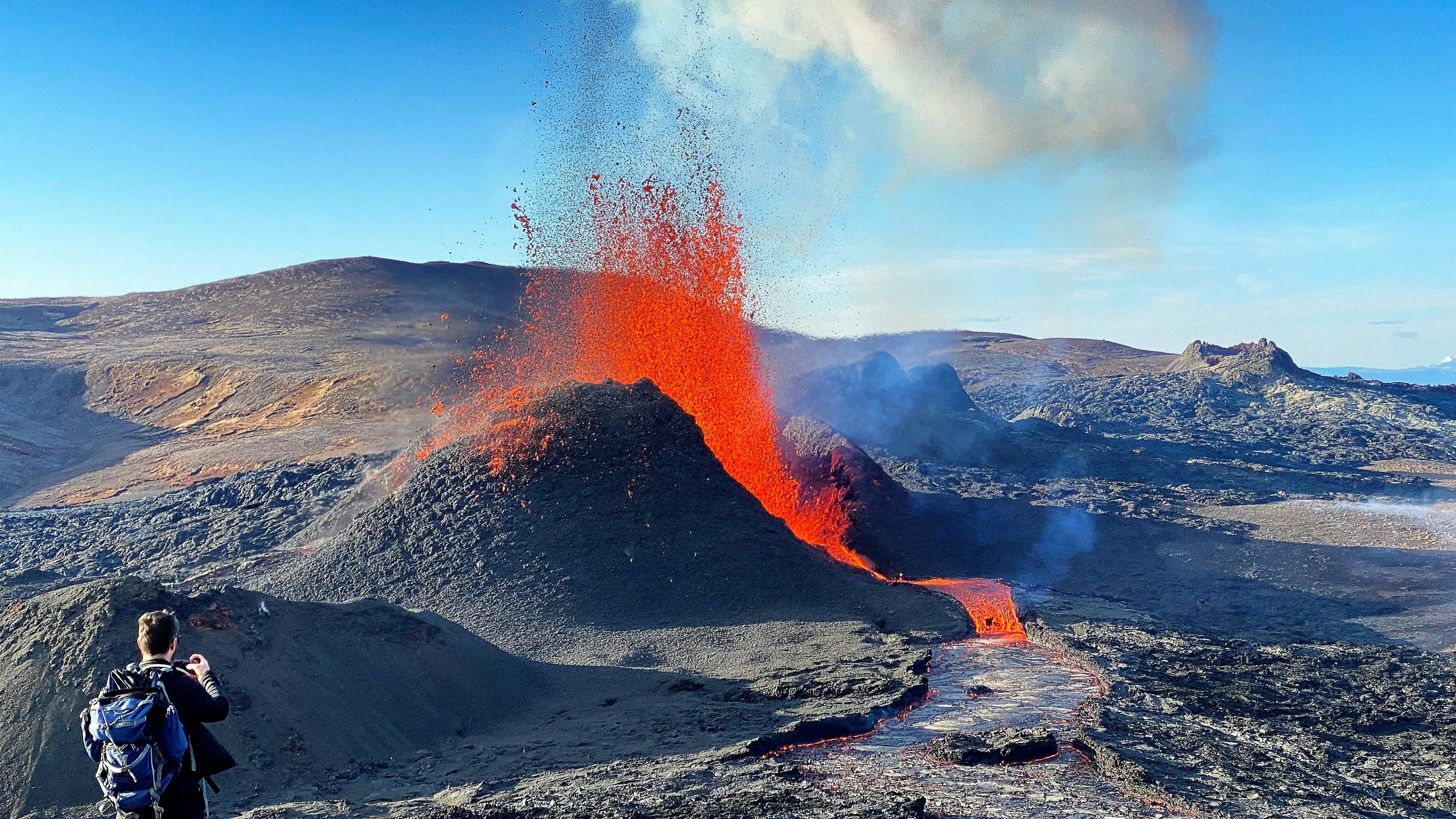
Recommended tours
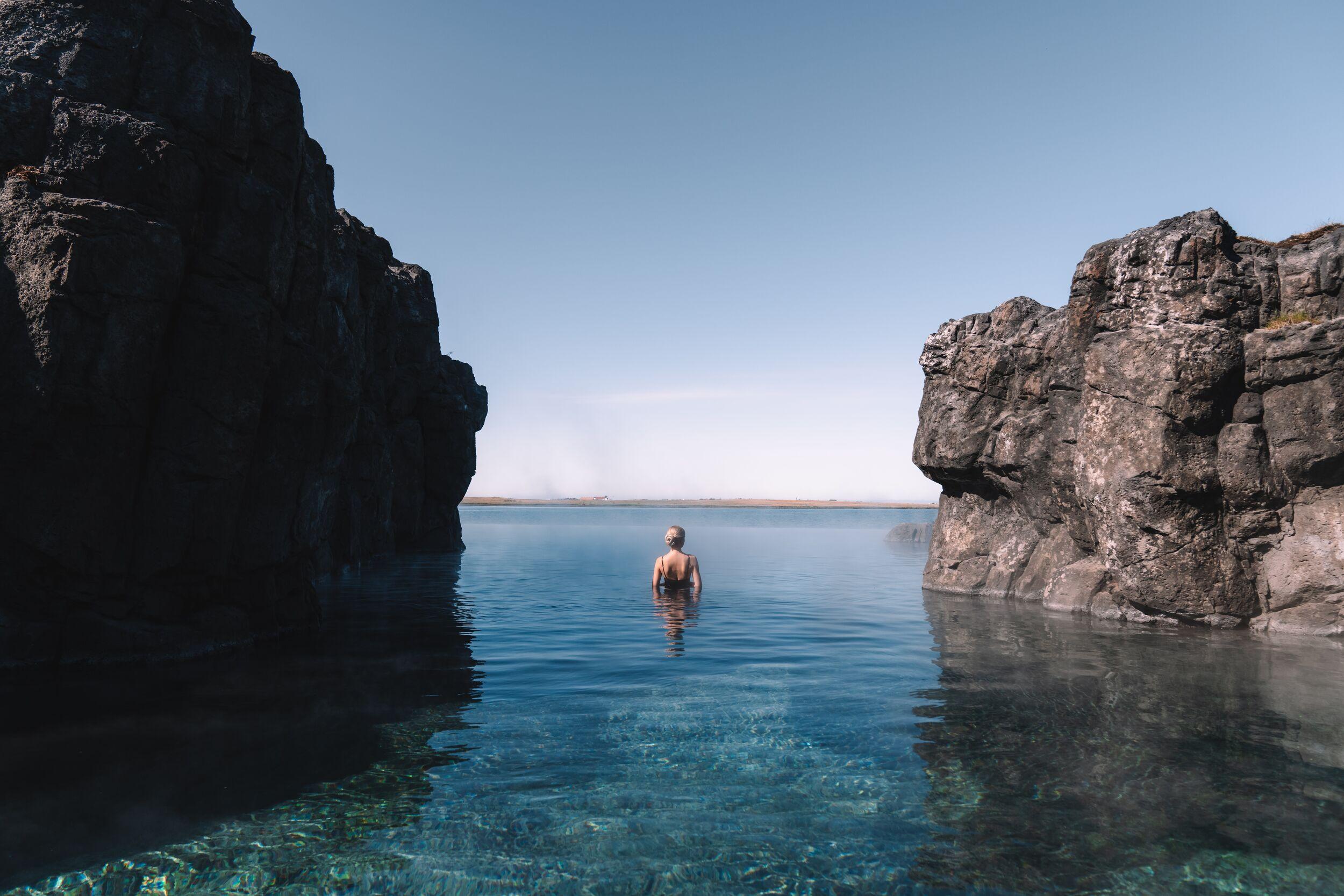
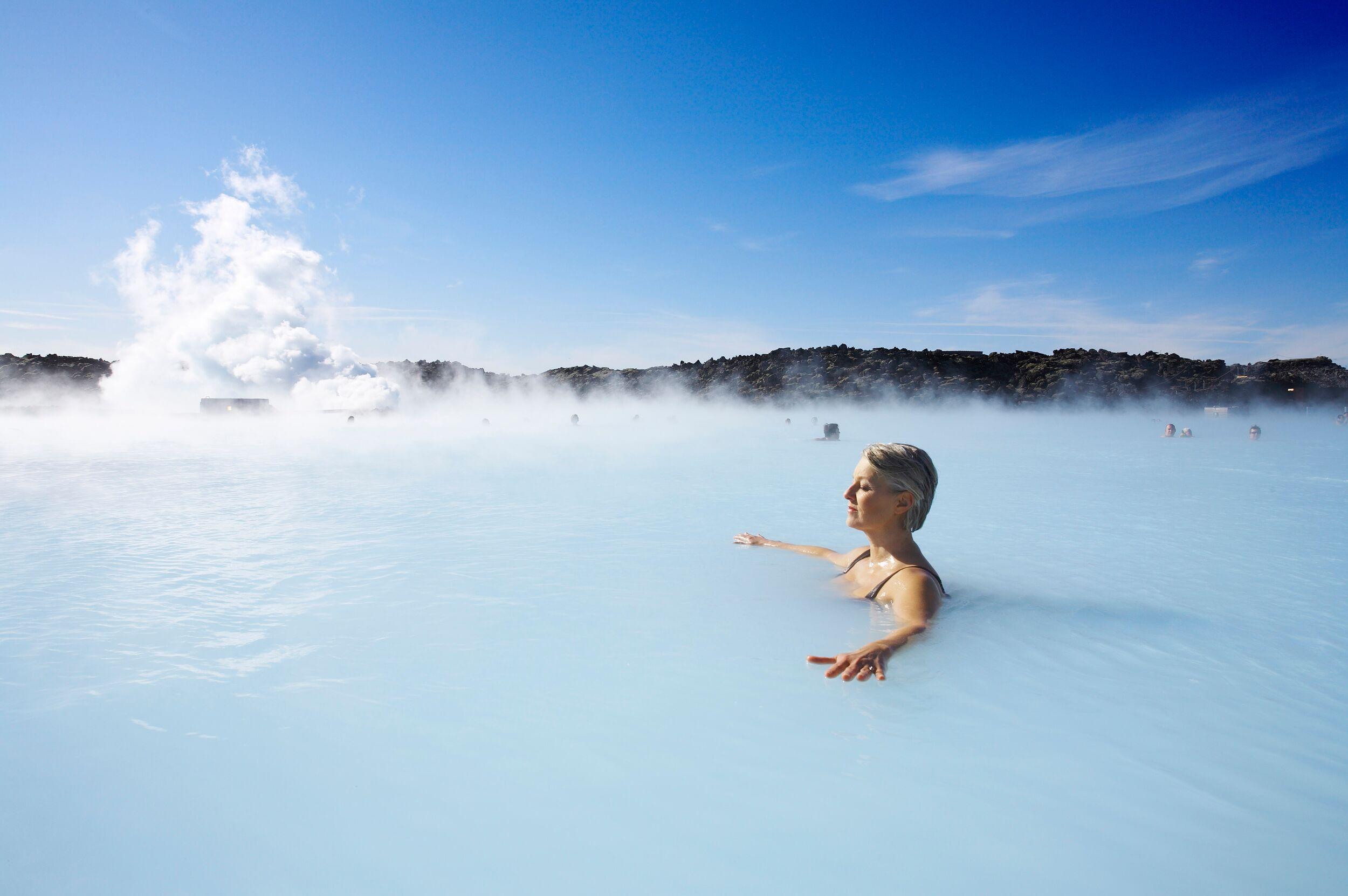
Volcanic Wonders with Grindavík Visit & the Sky Lagoon
Discover Iceland’s geothermal heart in the UNESCO-recognized Reykjanes Geopark, where continents meet and drift apart. Explore a vibrant geothermal area, hike to freshly-formed lava fields, and visit the resilient fishing village of Grindavík. This carbon-neutral journey ends with pure relaxation at Reykjavík’s Sky Lagoon, where you can soak in warm waters and unwind with a luxurious spa ritual.
- Bestseller
- Popular
Blue Lagoon & Northern Lights
Enjoy a perfect winter day in Iceland! Experience the best of Iceland with this package of two of the island’s most popular tours in one day! Soak in the milky blue healing water of the Blue Lagoon, which is one of Iceland's most famous tourist attractions and is considered by many to be a once-in-a-lifetime experience and an unmissable part of a visit to Iceland. After your return to Reykjavík, a guide will lead you on a search for the elusive northern lights! Watching the lights dance and flicker in the sky, changing shape and colour, is incredible. Prepare to be dazzled!
- New Tour!
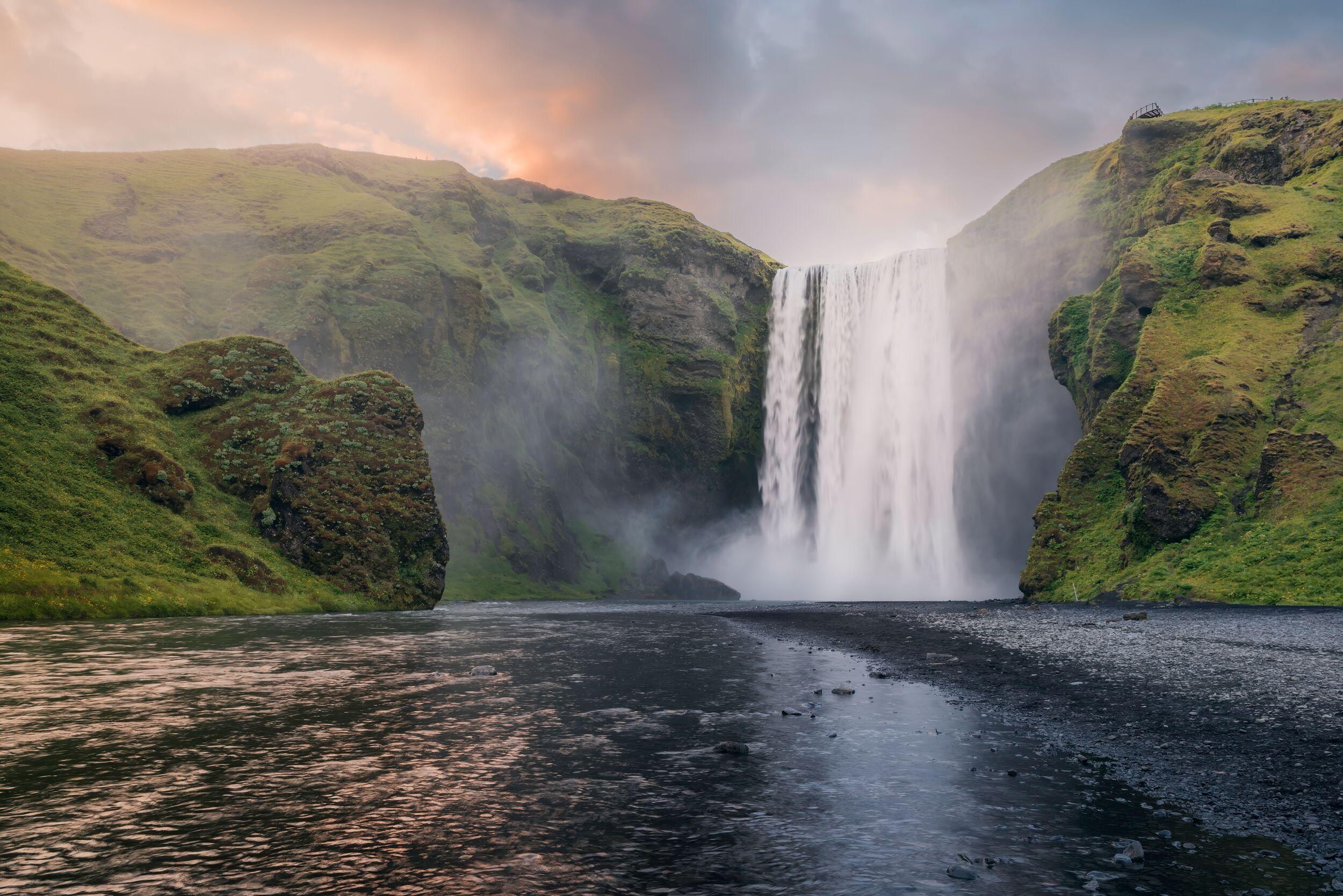
South Coast Wonders with Reykjaböð Hot Springs
Discover Iceland’s iconic South Coast and unwind at the new and luxurious Reykjaböð Hot Springs. A perfect blend of adventure, nature, and relaxation in one unforgettable day.
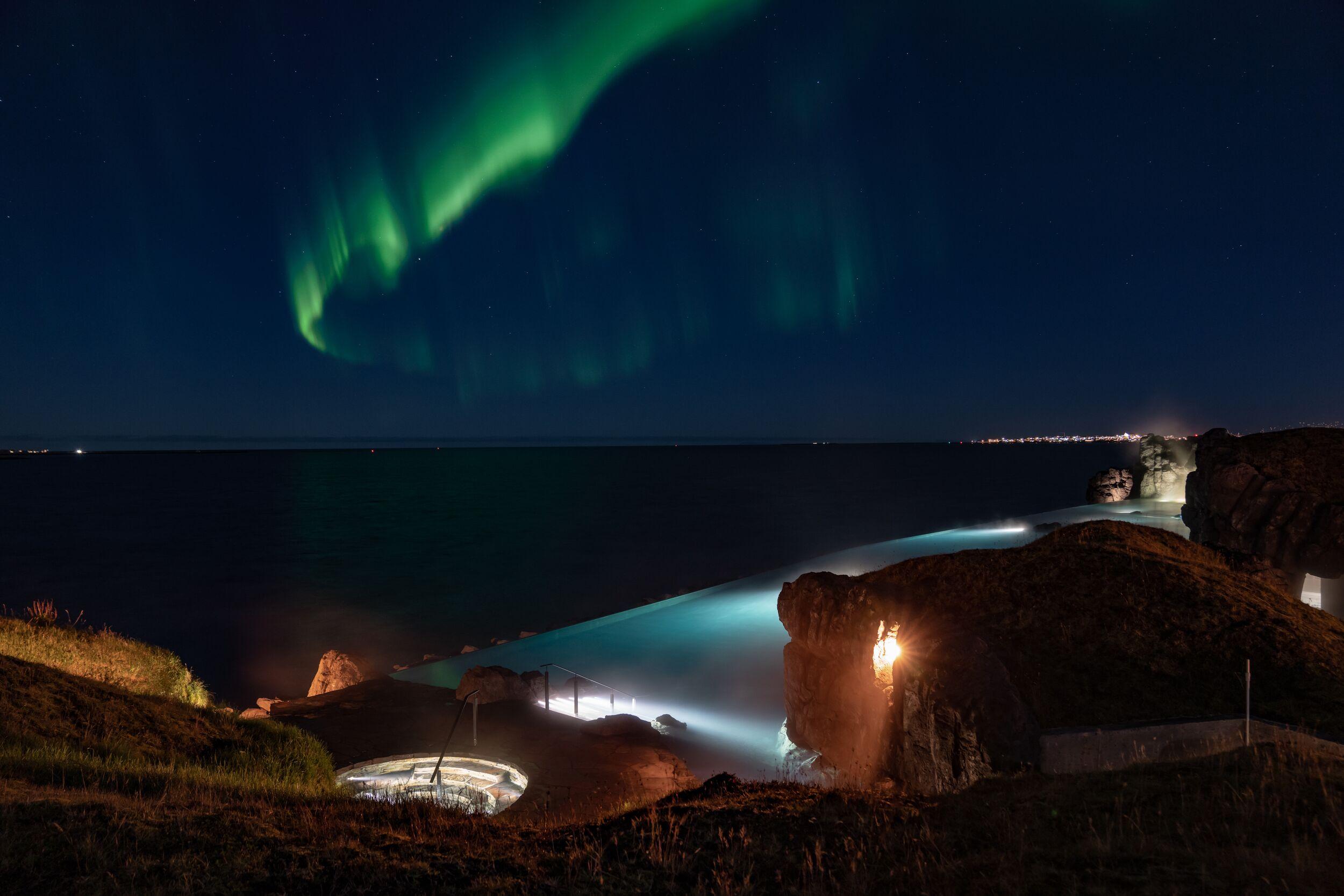
The Sky Lagoon & Northern Lights
Enjoy a relaxing soak in the Sky Lagoon before your adventurous Northern Lights hunt.
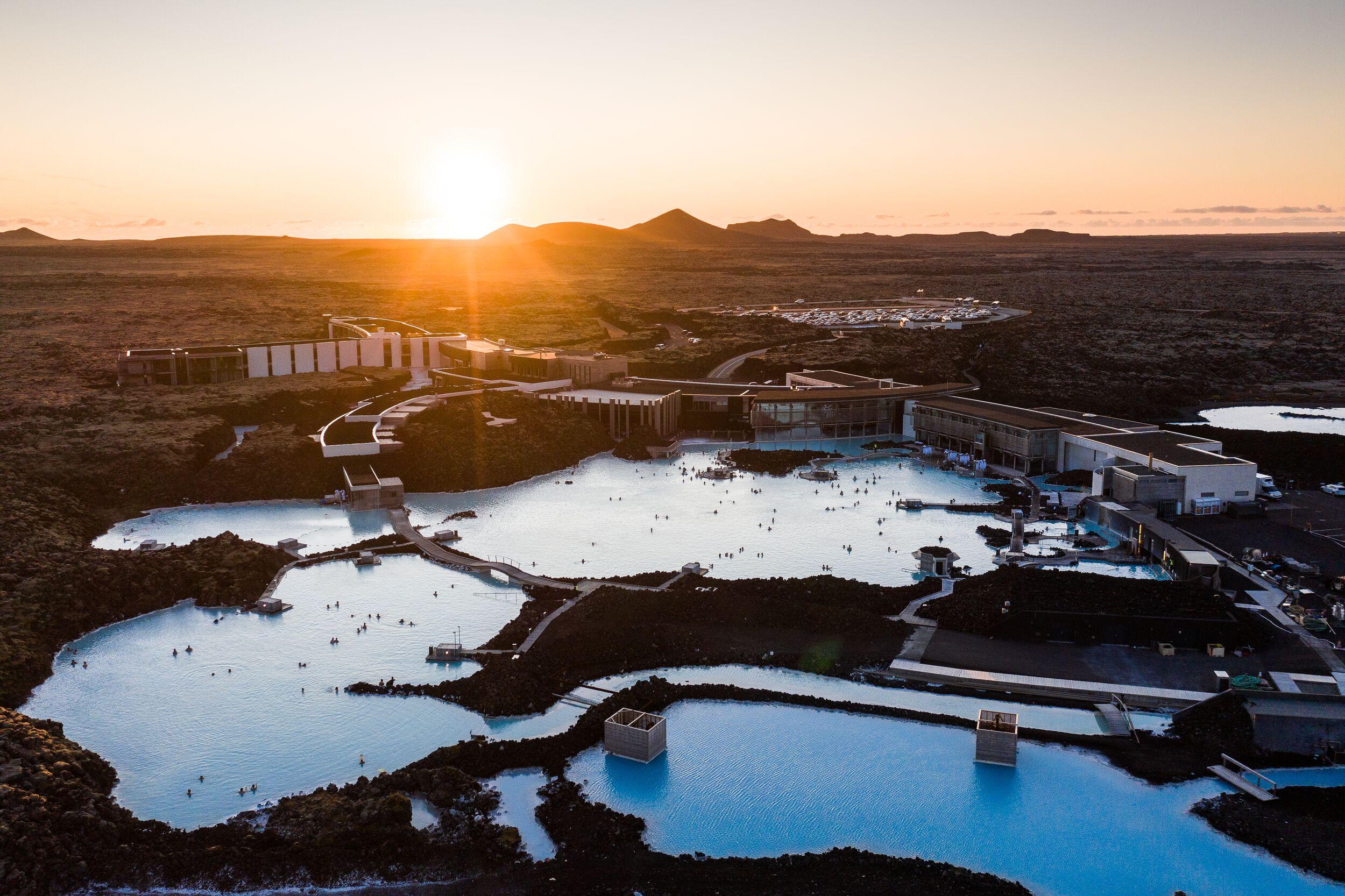
Volcanic Wonders with Grindavik Visit & the Blue Lagoon
Embark on a carbon-neutral journey through Iceland’s stunning volcanic landscapes. Enjoy a refreshing hike across a lava field, formed by recent eruptions, and then unwind with a soothing soak in the healing geothermal waters. This perfect combination of adventure and relaxation offers an unforgettable way to experience the raw power and serene beauty of Iceland’s natural wonders.
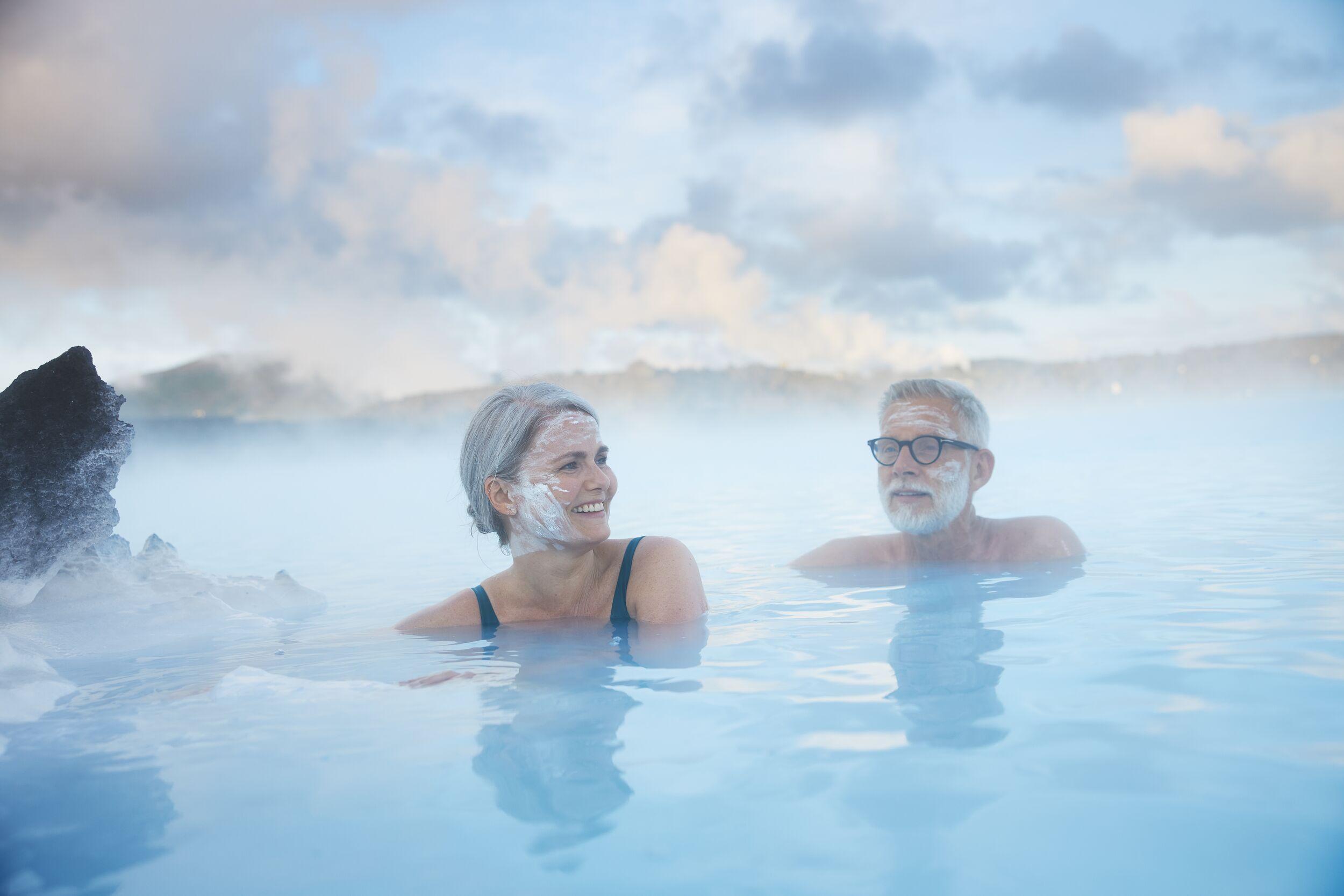
- Multiday Tour
Icelandic Wellness Package - 5-Day
Golden Circle, Laugarás Lagoon, Blue Lagoon & Reykjavík Food Walk. A perfect blend of relaxation, natural beauty, and Icelandic culture, this 5-day (4 nights) Icelandic Wellness package invites you to unwind in Iceland’s famous wellness retreats and indulge in Reykjavík’s unique Nordic atmosphere.