

Which Volcanoes Can You Actually Visit In Iceland?
Iceland is widely known as the “Land of Fire and Ice” and its volcanoes play a significant role in encouraging people to visit. Over the past five years, some travellers have been exceptionally lucky, timing their visit to coincide with one of a series of eruptions that has taken place in the Reykjanes peninsula. But its dormant volcanoes are just as much a focus for visitors, particularly Katla and Eyjafjallajökull.
In this article, we’ll take a closer look at some of Iceland’s most famous volcanoes, explore which ones you can safely access, offer tips on what to bear in mind when choosing tours and discuss some of the best experiences and activities. If you’ve ever thought about paying a visit to a volcano in Iceland, read this before you start making plans.
How much do you know about Iceland’s volcanoes?
Iceland boasts in the region of 130 volcanoes; these form thirty or so volcanic systems which connect craters, vents, magma chambers and tubes. The majority of these volcanic systems are classified as dormant, which means that by definition they can erupt at any time but aren’t doing so at present. In practice, experts closely monitor them meticulously collecting, recording and analysing data in order to ensure sufficient warning can be given of any activity that’s likely to cause a problem.
Can you see an active volcano in Iceland right now?
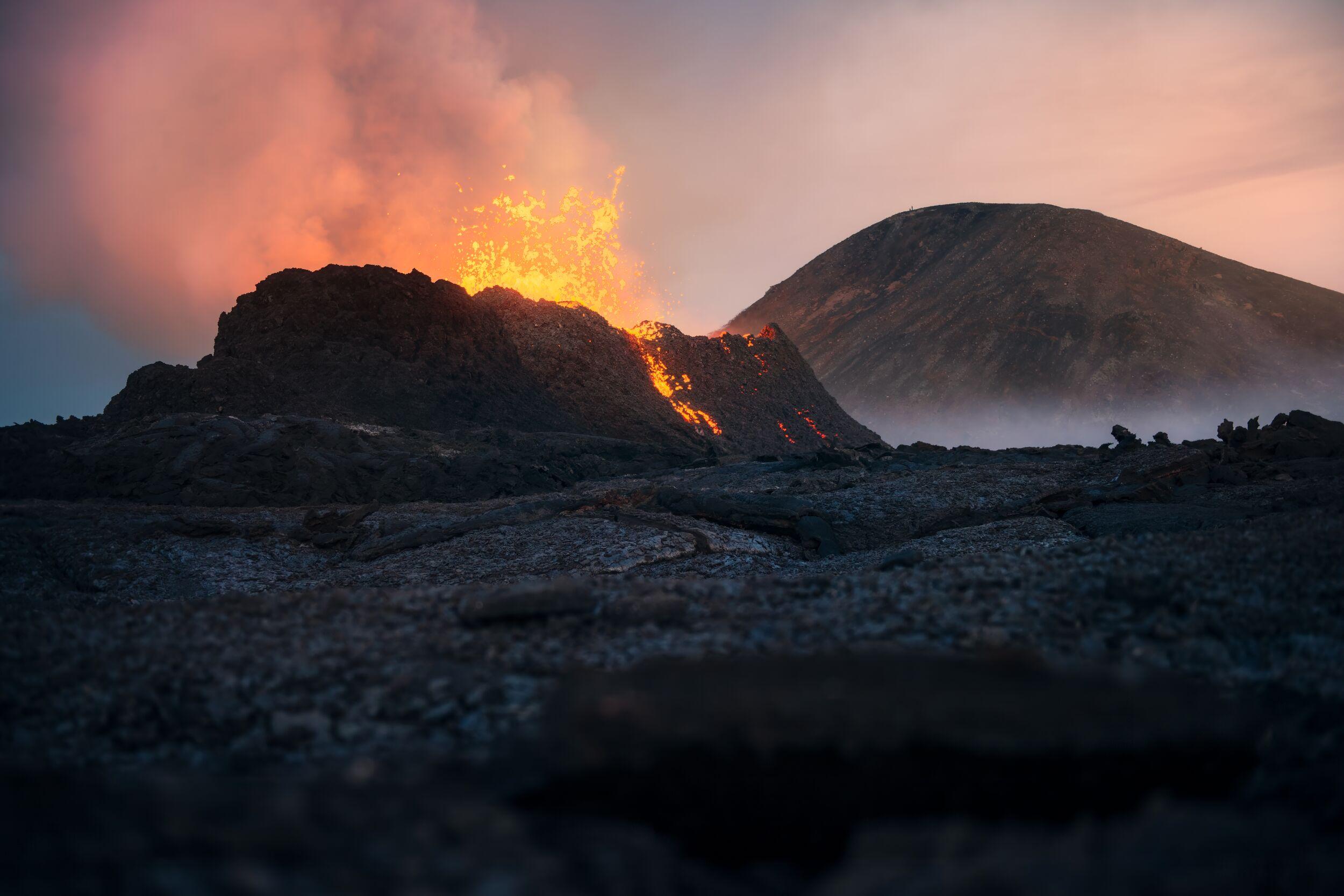
Mount Fagradalsfjall, located on the Reykjanes peninsula, obliged by putting on a show throughout the summer of 2021. When it burst into life that March, the initial warning signs that something was afoot came as quite a shock. There had been no significant volcanic activity on the peninsula for more than 800 years.
Once the Icelandic authorities had established it was safe to do so, tour operators clamoured to provide ways of showing it to locals and overseas visitors with guided hikes to safe lookouts and sightseeing flights in helicopters and light aircraft. People came as much for its novelty value as for the lava fountains and flows themselves.
Mount Fagradalsfjall kicked off again for a shorter period in August 2022. This time, the eruption subsided much more quickly than before. Gradually the magma forced its way underground, heading south west to Svartsengi and the Sundhnúkur crater row, where activity has continued on and off pretty much ever since.
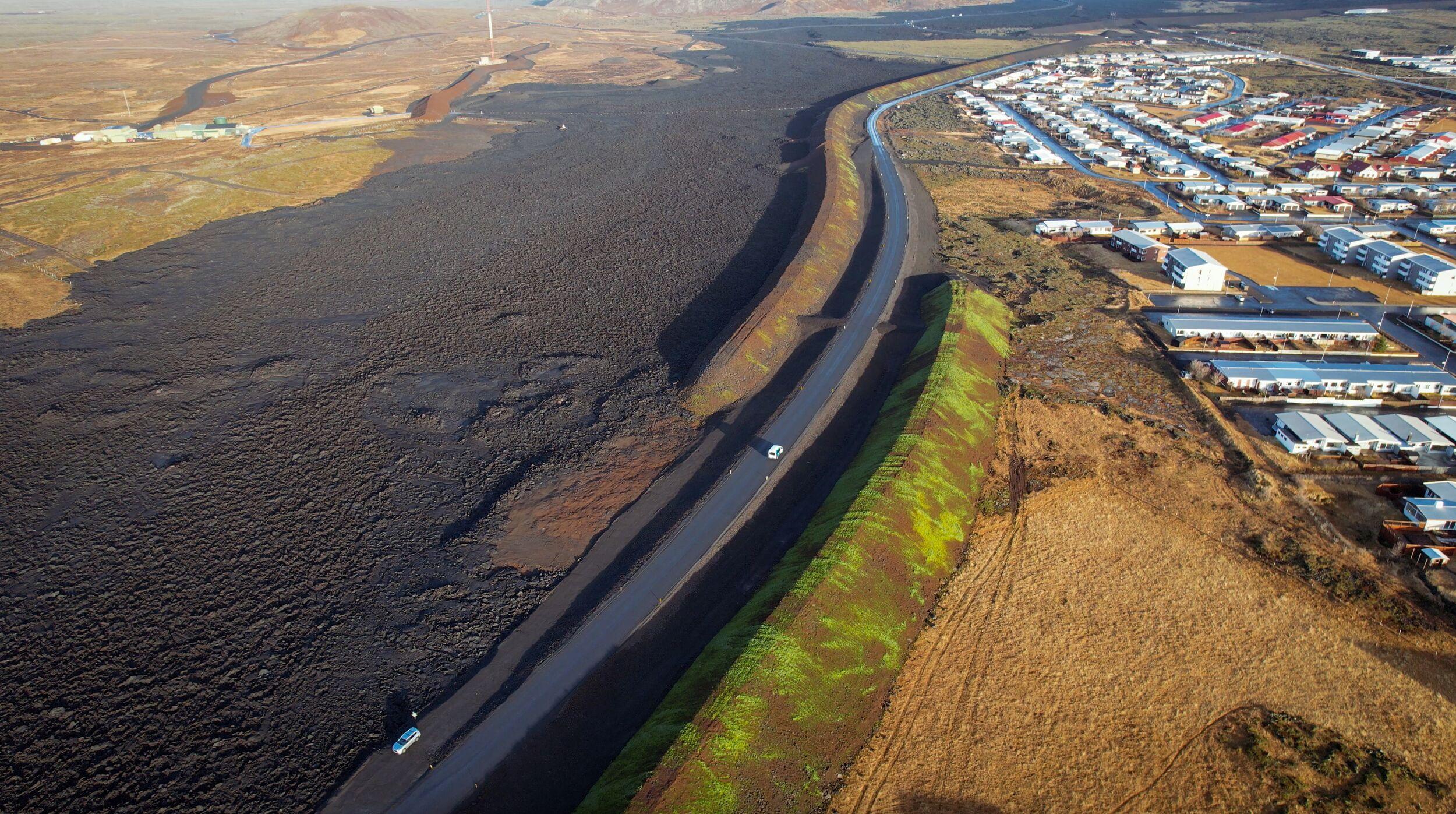
Initially, the eruption was well away from homes and infrastructure, but more recent phases of this volcanic activity have impacted the port town of Grindavik. After a series of earthquakes and other warning signs, cracks split some streets wide apart and a few residences were engulfed by lava flows.
While some residents have been able to remain, others have had to move away as their homes were threatened by lava flows. Fortunately, the Icelandic authorities have managed the eruption well, building barriers to protect infrastructure and closing large areas for safety reasons during initial eruption. You can get the full story about what happened to Grindavík and what it experienced here.
Lava flows also cut off the turn off to the Blue Lagoon for a short time, forcing its temporary evacuation. A visit to Grindavík is fascinating, showing just how close the lava got, and the cooled flows you’ll see on the way to the Blue Lagoon are equally compelling. Right now, the eruptions are on pause and the experts continue their monitoring. Stay abreast of what’s happening with these latest volcano updates in Iceland.
What other volcanoes in Iceland are particularly significant or well-known?
Katla
Katla is one of the country’s most active volcanoes. Historical records show that there have been at least twenty major eruptions since 920AD. These tend to be explosive, resulting in tephra ejections and, because Katla is covered by ice, massive jökulhlaups (glacial outburst floods). However the most recent eruption took place back in 1918. Since then, there have been signs of activity such as sulphur emissions, earthquakes and worrisome jökulhlaups. Katla is considered one of Iceland’s “most dangerous” volcanoes which means that it is monitored around the clock and extensive evacuation schemes are in place for the area. For now, Katla remains dormant as Icelanders anticipate its next move.
Eyjafjallajökull
If you happened to be travelling anywhere in the northern hemisphere in April 2010 then you’ll definitely remember the Eyjafjallajökull eruption. It sent a huge ash cloud high into the atmosphere, disrupting aviation as wind and jet stream patterns spread the ash towards mainland Europe. The world’s media reported on the passengers impacted by grounded flights. They often struggled to pronounce the volcano’s tricky name, which translated means Island Mountain Glacier.
Bárðarbunga
Bárðarbunga is a large volcano that lies beneath the north-western part of Vatnajökull in the Icelandic Highlands. Its last eruption took place from August 2014 to February 2015 which by Bárðarbunga’s standards was a relatively low-key event. Its most explosive eruption in recorded history was in 1477, which was classified as a 6 – colossal – on the Volcanic Explosivity Index, a scale measured from 0 to 8. Compare that to the 2021 Mount Fagradalsfjall event in Reykjanes which was a 0 and you’ll realise just how powerful an eruption that was.
Grímsvötn
Like Bárðarbunga, Grímsvötn is also concealed by the Vatnajökull ice cap, but located further south. It has erupted many times since Iceland was first settled, most recently in 2011 when it chucked out large quantities of tephra rock fragments with barely an hour’s notice. Since then, aside from some closely monitored jökulhlaups, nothing much has happened, and this volatile volcano sleeps, for now.
Hekla
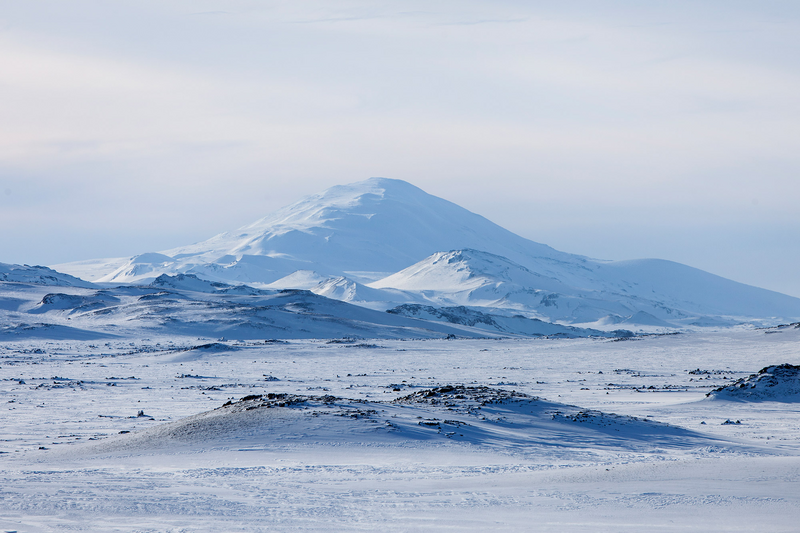
It’s been more than a quarter of a century since Hekla’s last eruption but you’d be foolish to rule out future events as this is another of Iceland’s most active volcanoes. There have been 23 recorded eruptions in the past 1000 years. Typically, Hekla bursts into life with what experts dub a Plinian explosion sending ash and pieces of rock high into the air. This usually subsides fairly quickly before giving way to lava flows.
A Few of Our Favourite Volcanoes
What are the best volcano tours in Iceland?
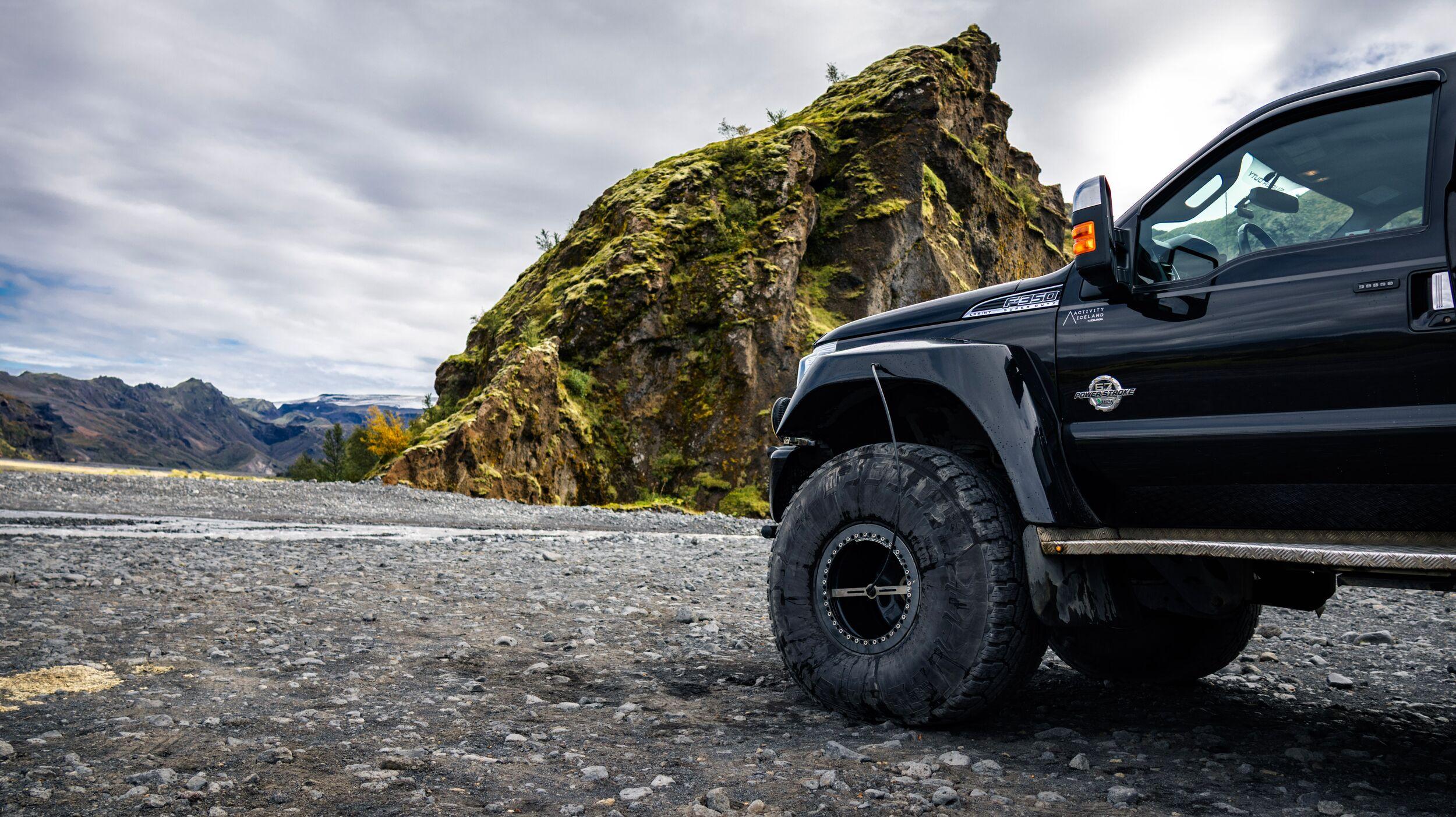
There’s a surprising range of ways you can approach a visit to a volcano in Iceland. Many of the tours in Iceland and activities offered to visitors take place on long-dormant volcanoes, for obvious reasons. But Iceland volcano tours come in many forms, so here’s some inspiration if you’re keen to add this thrilling element to your itinerary. Some of them also incorporate a ride in one of Iceland’s most iconic vehicles: the super jeep. You can read more in our Ultimate Guide to Super Jeep Tours in Iceland.
Ride the Volcano Shuttle
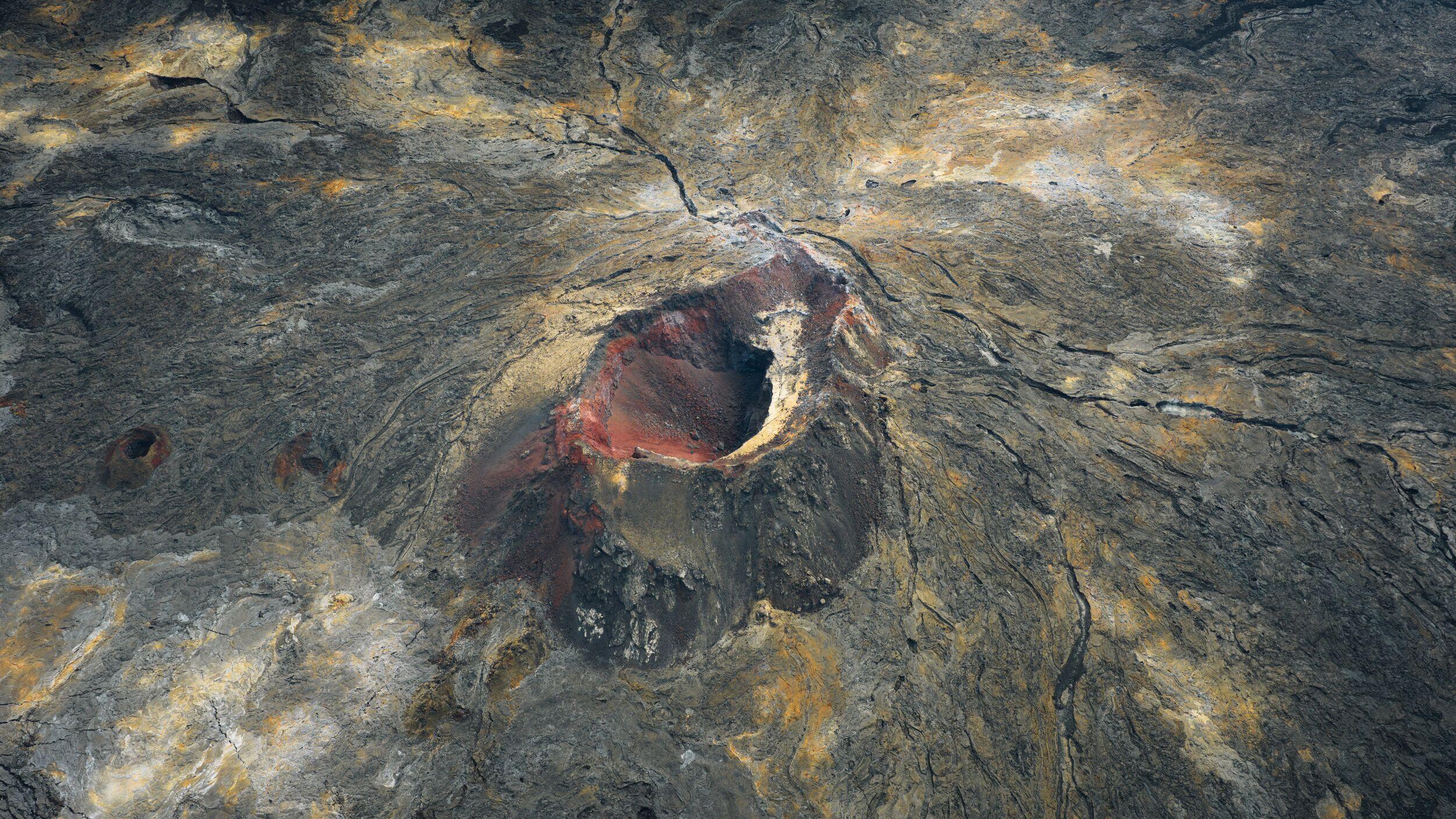
While the focus of the ongoing Reykjanes eruption shifted down to Svartsengi and the Sundhnúkur crater row, there’s still plenty to see where activity began back in 2021. When the eruption first started, getting to the ridge for a view over the slow-moving lava involved a significant hike over uneven ground. Now, there’s a much easier way to see the blackened river of lava and initial eruption site: the Volcano Shuttle.
Simply board a super jeep for the ride up to see the legacy of Mount Fagradalsfjall’s eruption. The lava field is a scarred yet striking landscape. This specially-modified vehicle makes light work of the steep, rough terrain, allowing you to travel in comfort – surely the easiest way to get your volcano fix? Visitors are invited to take in the view from three separate viewpoints, each providing the opportunity to witness the power of nature and understand how dramatic the changes to the landscape in this area have been.
Experience the volcanic wonders of Reykjanes Geopark
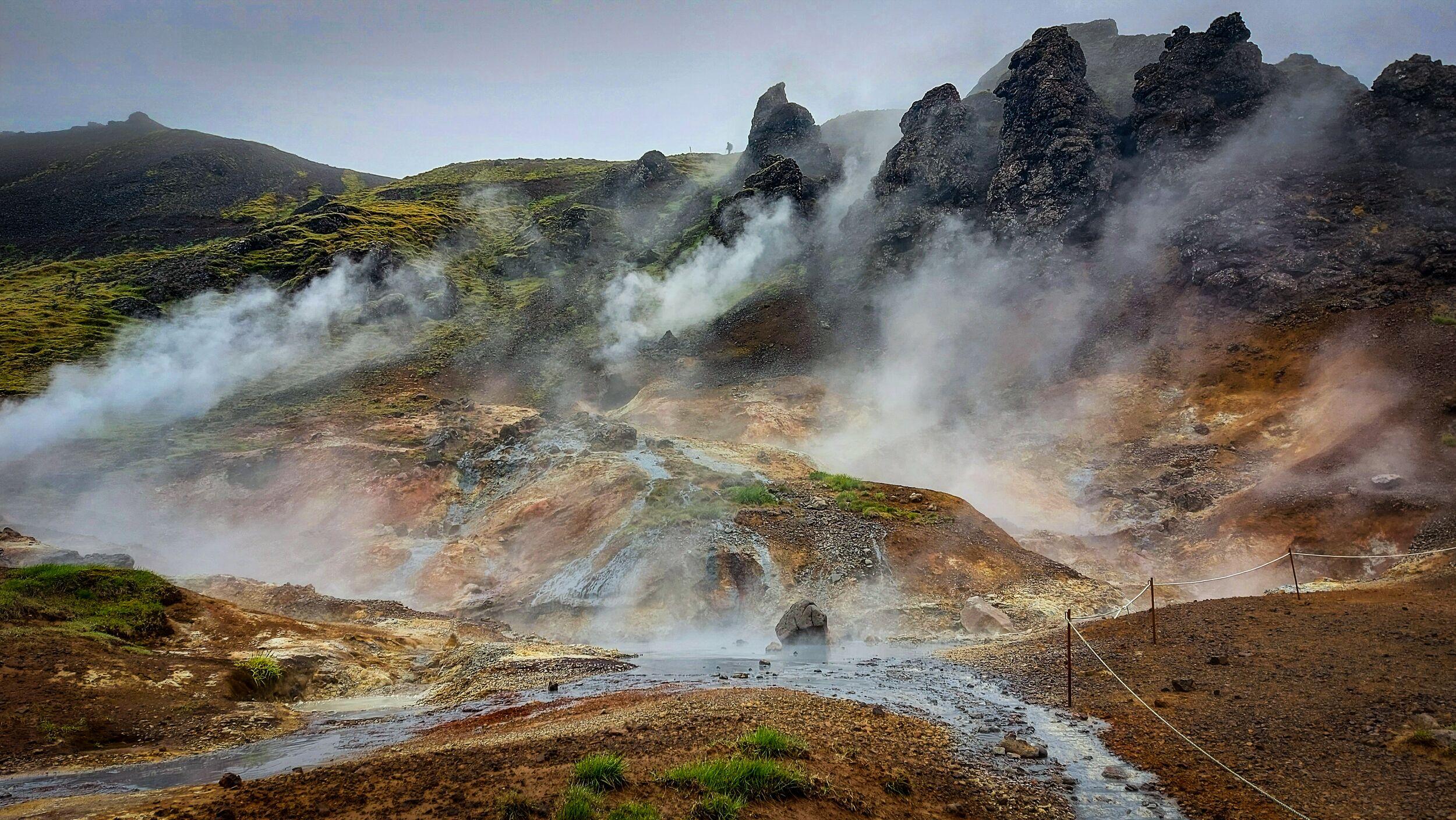
Reykjanes’ volcanic wonders are impressive enough for the area to have received UNESCO Global Geopark status, awarded to places whose geological heritage is deemed of international value. Tours begin at Seltún Geothermal Area: look on as mud pools plop and bubble beside steaming solfataras and fumaroles. Follow a wooden boardwalk through a landscape stained red, yellow, white and grey by mineral deposits, in which the air is heavy with sulphur.
Afterwards, hike to see the recent lava fields at Fagradalsfjall, where the landscape has been altered forever by the ongoing eruption. Move on to Grindavik, where its impact on this port community is heartbreakingly evident yet demonstrates the resilience of the Icelandic people for whom living alongside volcanoes is a fact of life. Round off a memorable day with a soak at an Icelandic icon. It’s also possible to combine these volcanic wonders and the Blue Lagoon, itself once temporarily cut off by creeping river of lava.
Descend into a volcano
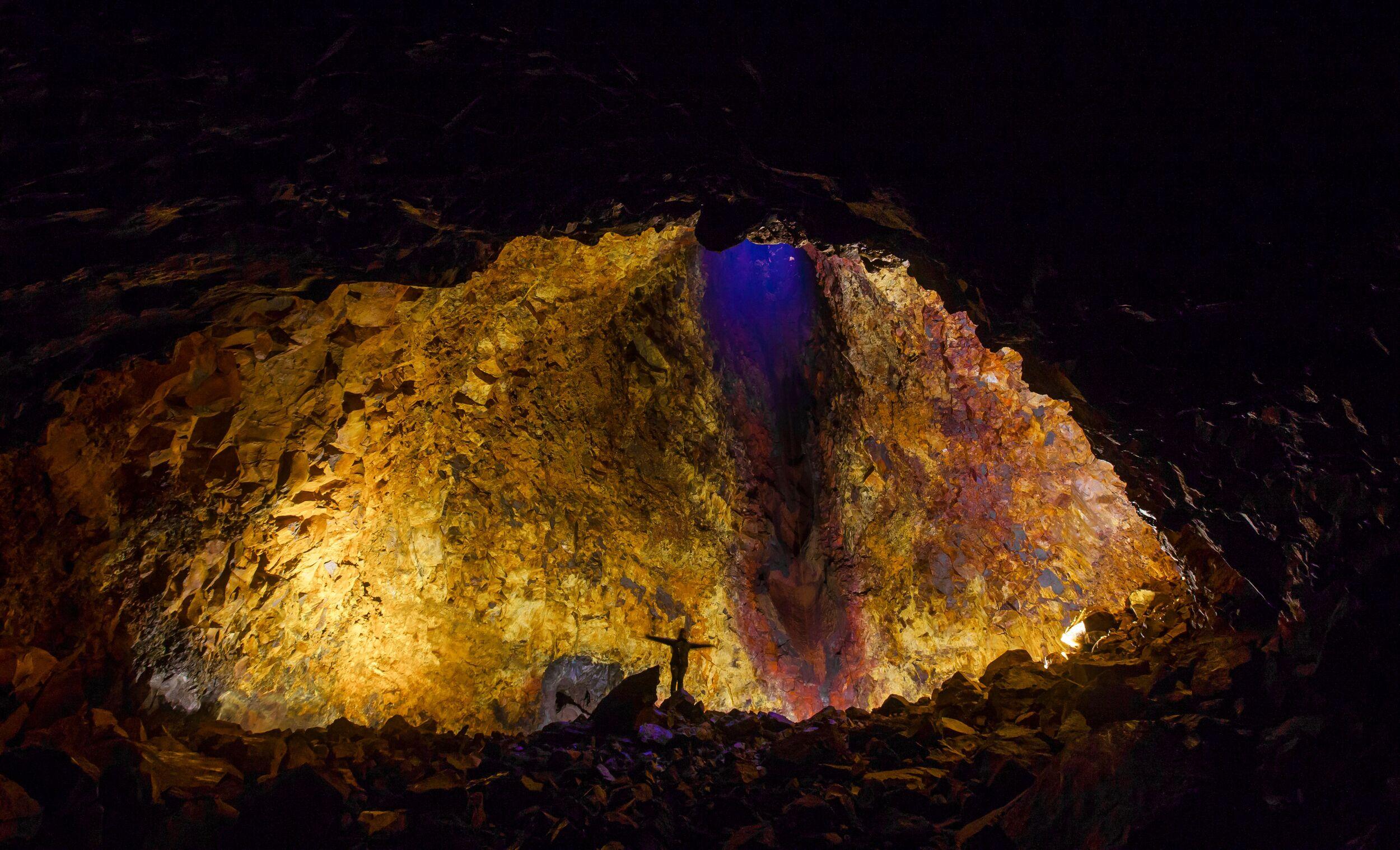
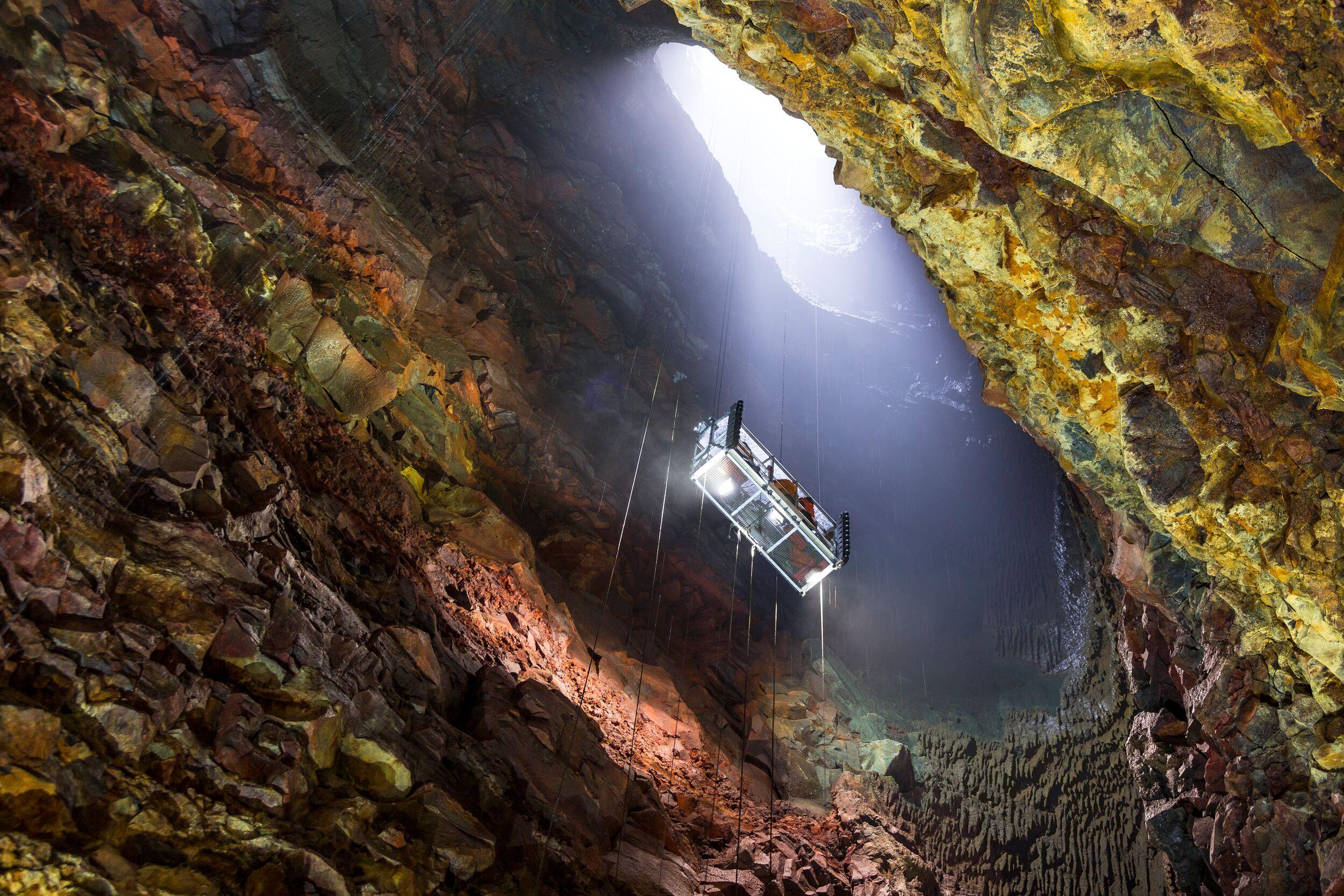
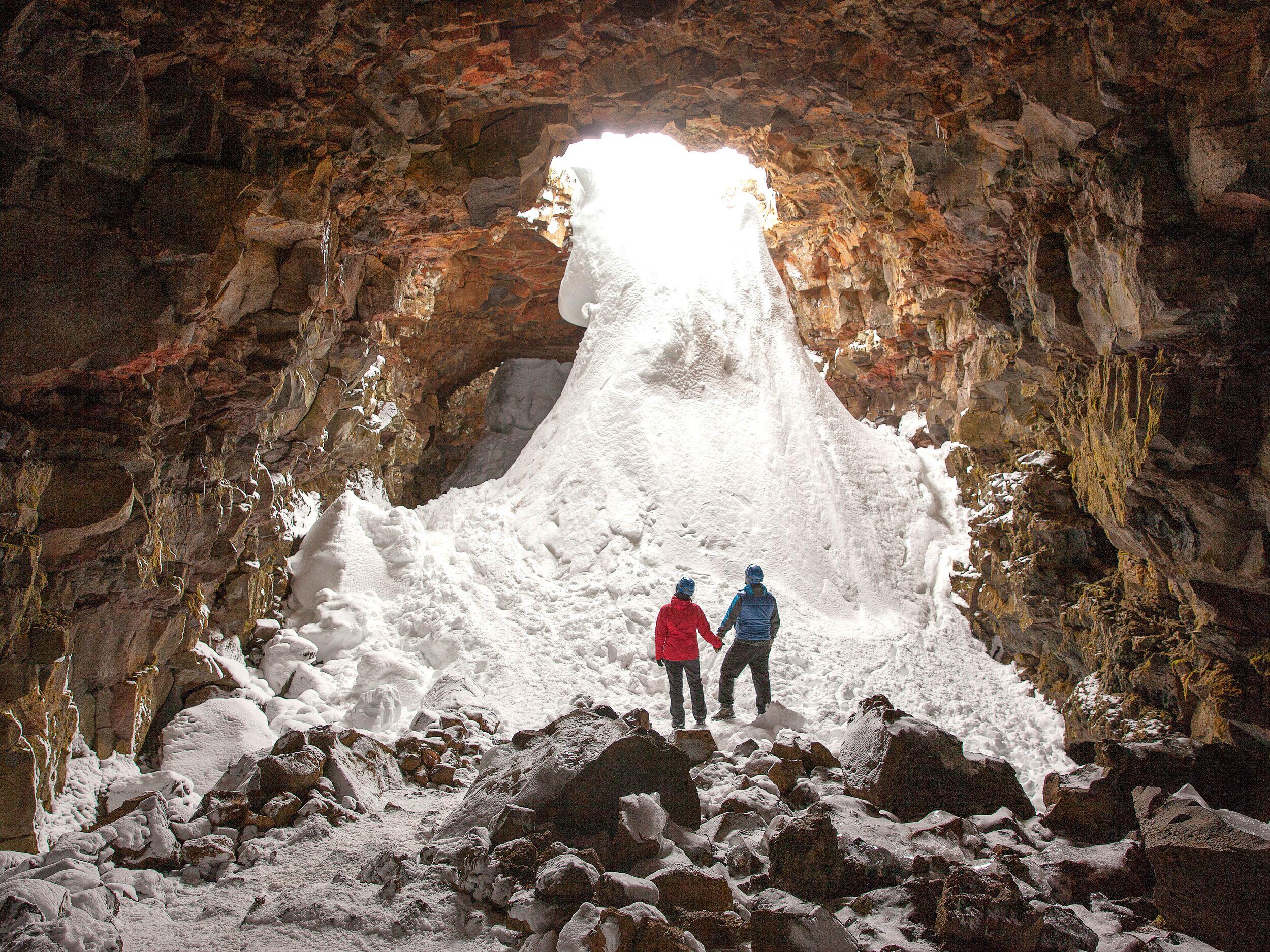
Iceland’s volcanic caves and lava tubes are fascinating places to visit. Even though these volcanoes have been dormant for many thousands of years, there’s something electrifying about the idea of standing in the same spot that molten lava once flowed or where magma once collected in a subterranean chamber. There are many places on the planet where you can access lava tubes, but only one where you get to go inside a volcano.
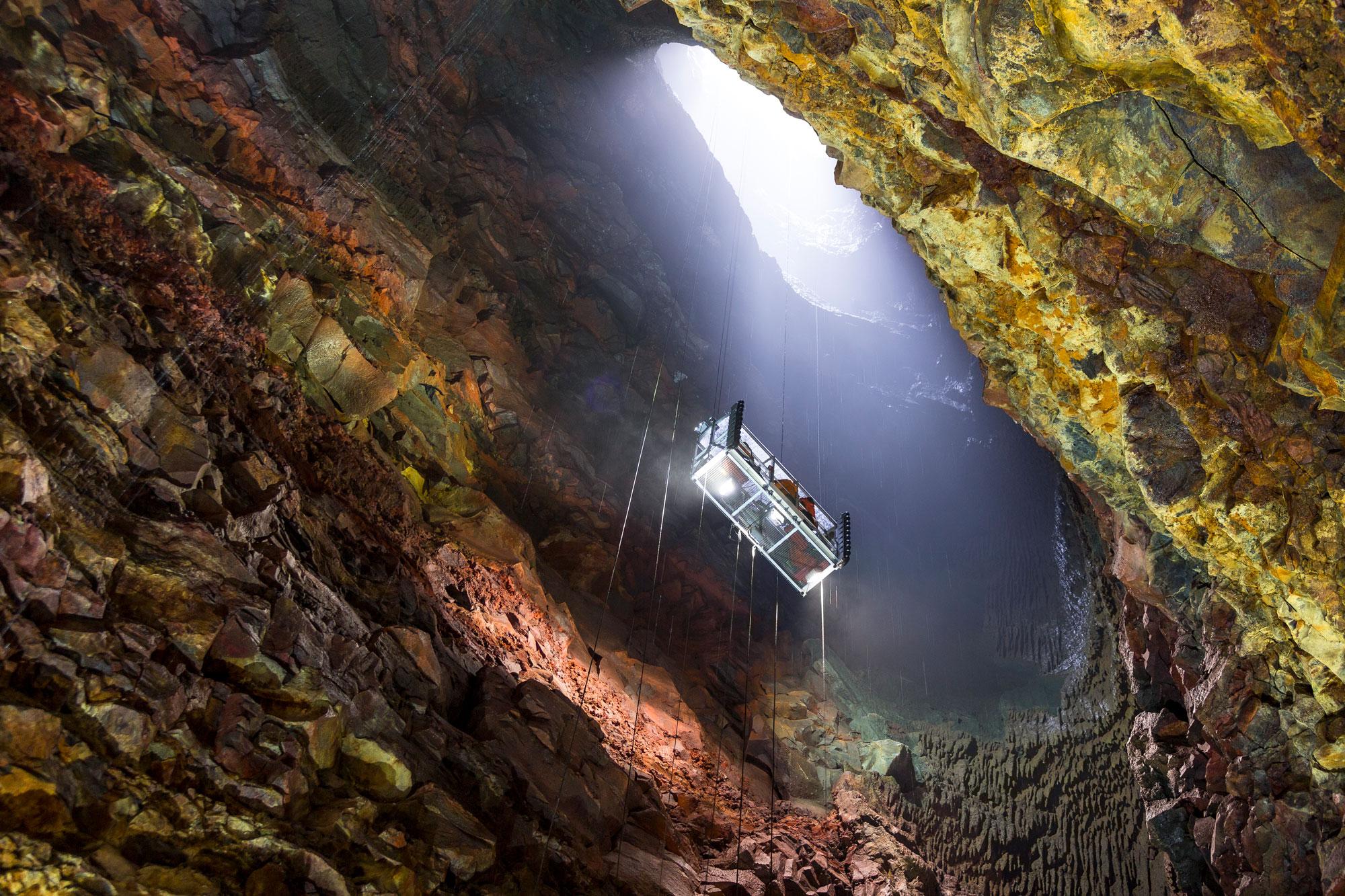
That place is Þríhnúkagígur volcano. First, you’ll hike across the Icelandic countryside for around 45 minutes to reach the crater – the only other way to access the site is by helicopter. There, you’ll board an open cable lift to be winched down 120 metres (400 feet) into a cavernous space that 4500 years ago was filled with magma. To witness the vivid colours and rock formations with your own eyes is truly something incredible.
Hike to the peak of a volcano
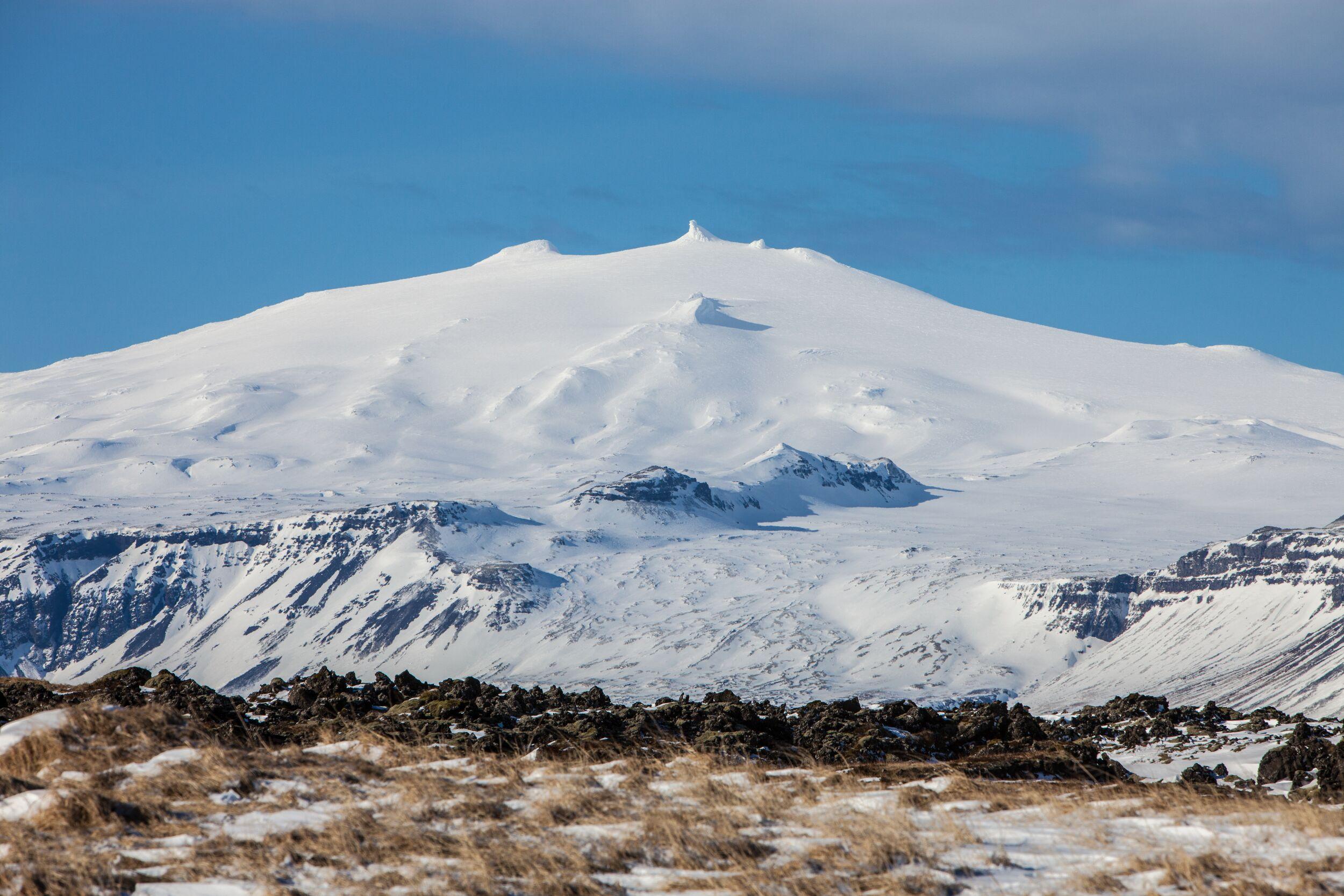
In the west of the Snæfellsnes peninsula, you’ll find the Snæfellsjökull National Park, named for the glacier-capped volcano which is its most prominent landmark. Though many visitors are content to see this volcano from ground level on our regular Snæfellsnes tour, fit and fearless types are likely to be excited at the prospect of a climbing trip. It’s certainly one of the most unique things to do in Iceland.
Scaling Snæfellsjökull is challenging and shouldn’t be underestimated. Reaching the summit involves a 750 metre (2460 feet) elevation gain across terrain which is both precipitous and glacial. It can take as much as six hours to reach the top, where the views are nothing short of extraordinary. Trips are always accompanied by an experienced mountain guide and will involve the use of equipment: crampons, helmet, ice axes and ropes.
Summit Eyjafjallajökull
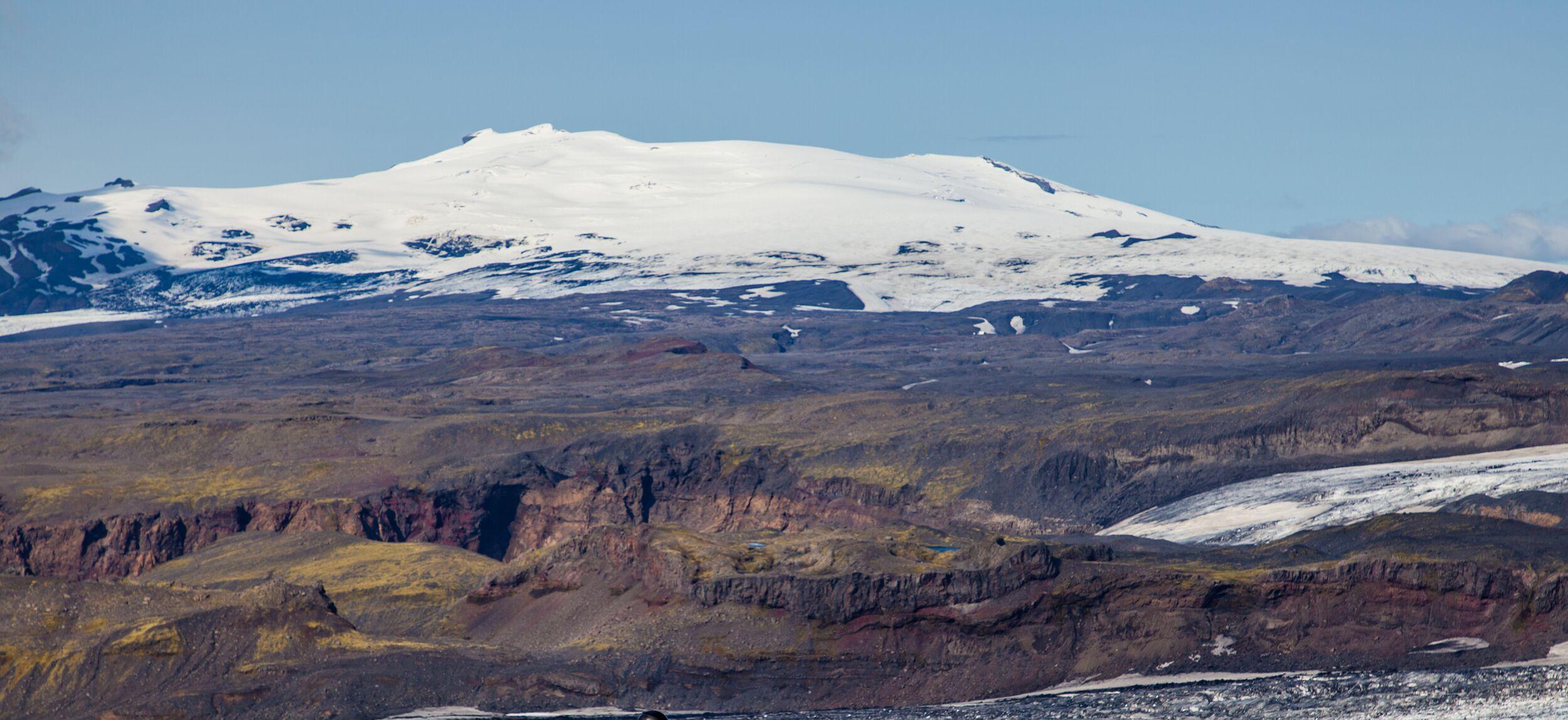
While you’re trying to figure out how to say it, why not climb it? If hiking to the top of Snæfellsjökull is a little too much, perhaps consider a hike that’s just as absorbing but slightly easier and summit Eyjafjallajökull instead. The ash cloud of this once headline-grabbing volcano has long since dissipated and now dormant, it’s considered safe to visit Eyjafjallajökull once more.
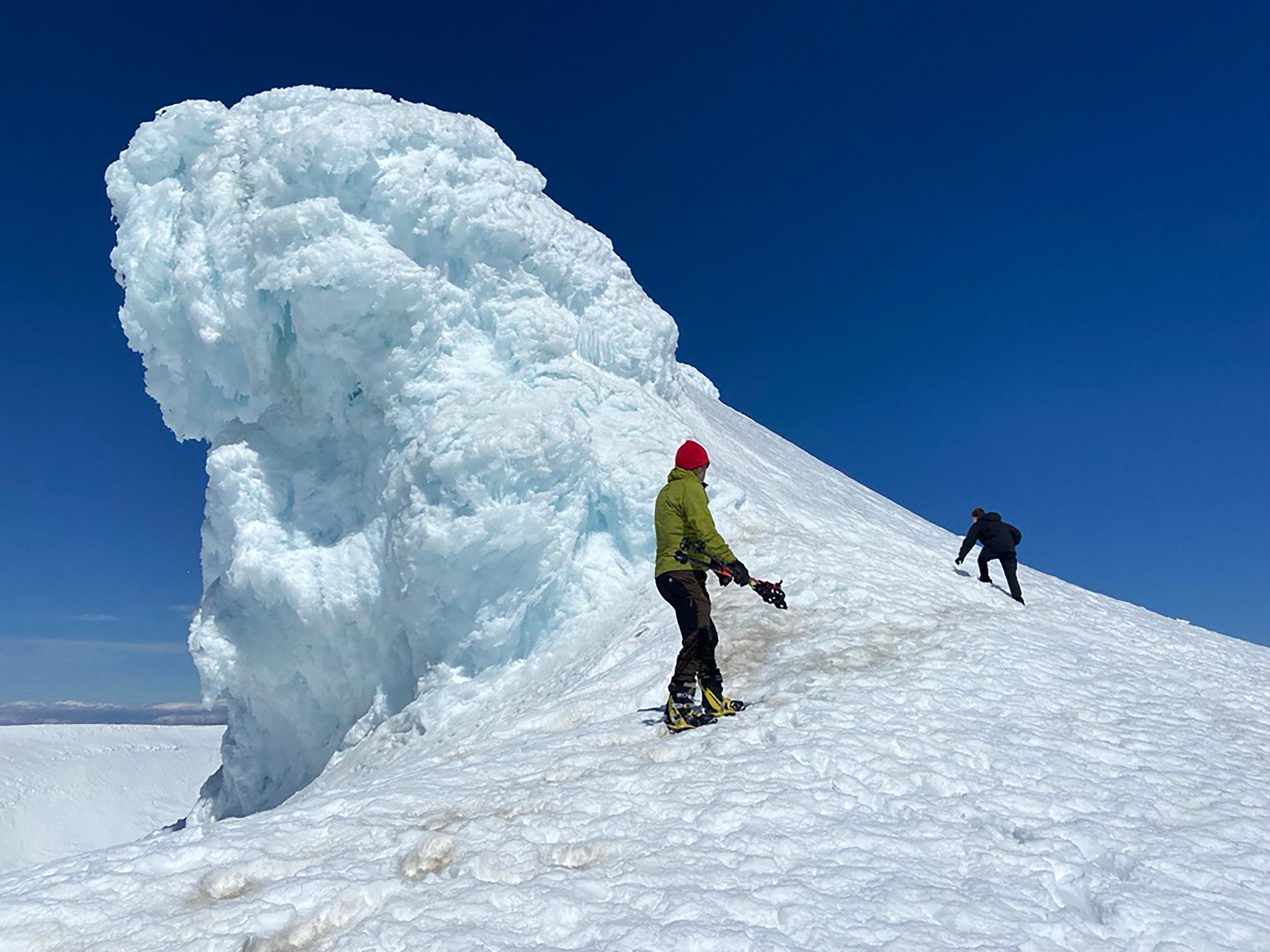
From the top of this beautiful stratovolcano you’ll enjoy sweeping views of the Icelandic highlands, the Mýrdalsjökull glacier – the country’s fourth largest – and, out in the ocean, the marvellous Westman Islands. You’ll need to be an experienced hiker to manage and enjoy this but no technical skills are required. It’s a five to seven hour slog to the top but the rewards will speak for themselves.
Step inside one of Katla’s ice caves
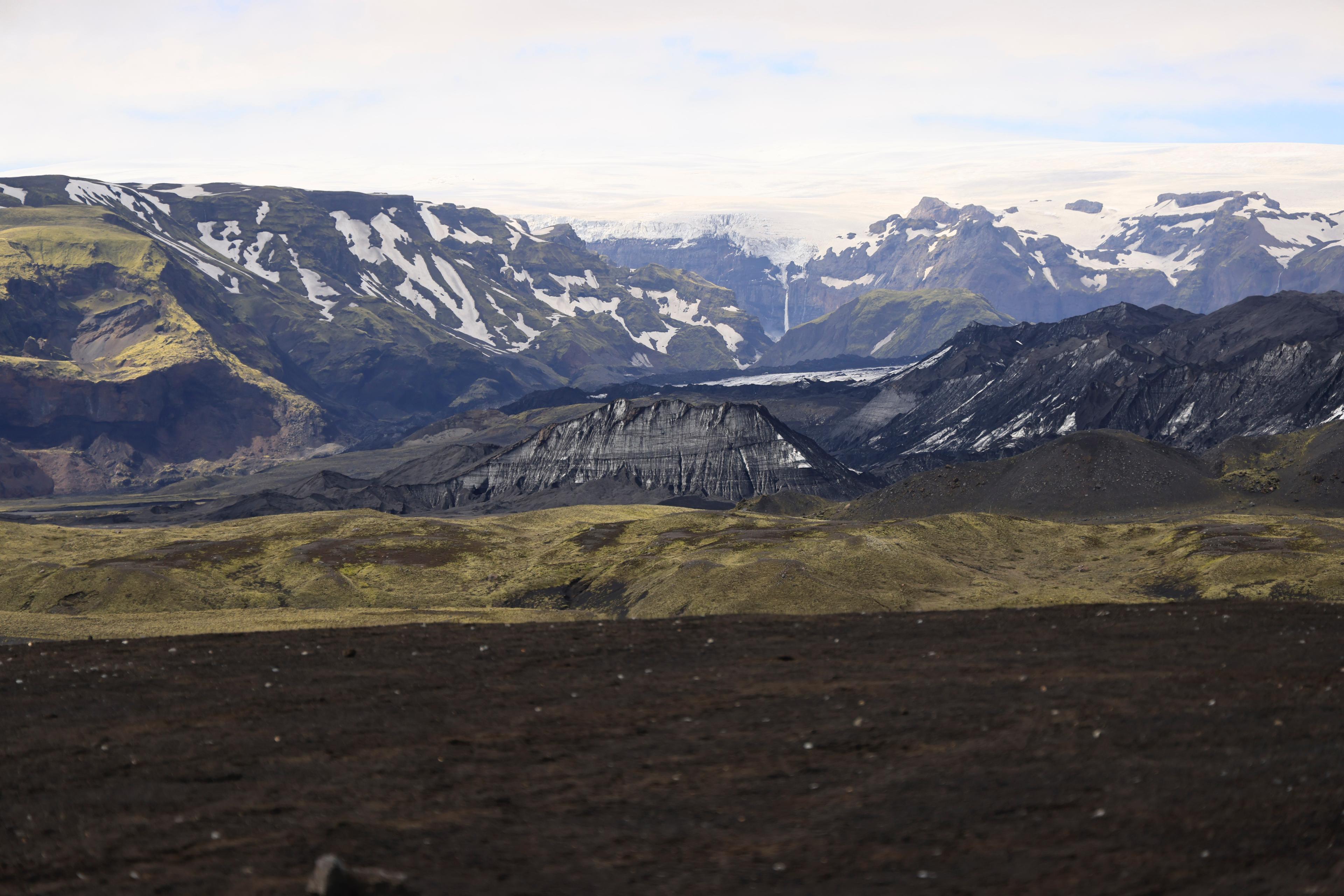
Located close to Vik, Katla volcano is shrouded by the Kötlujökull outlet glacier, part of the Mýrdalsjökull glacier. But the ice isn’t a single solid block; instead, it’s split by crevasses and riddled with moulins and ice caves. If you’re adventurous and reasonably fit, a guided hike to one of these ice caves is a must; however, because they are dynamic, potentially dangerous environments, you should never do so independently.
Super jeeps ferry participants to a trailhead marooned amid a lava field; after pulling on a helmet and crampons, the group hikes across this starkly beautiful terrain to reach the edge of the glacier. With the aid of ropes and steps cut into the ice, it’s possible to step inside and admire the remarkable spaces that have been created by meltwater. In places, the ice has been compressed to appear blue; elsewhere it’s streaked with charcoal grey volcanic ash.
Iceland’s volcanoes are a must for anyone keen to understand the processes that have shaped the landscapes of this remarkable country. A visit to a volcano in Iceland, in whatever guise that takes, won’t disappoint.
Questions and Answers about Visiting Volcanoes in Iceland
Iceland has around 130 volcanoes, which together form roughly 30 volcanic systems linking craters, vents, magma chambers and tubes. The majority are classified as dormant, meaning they could erupt at some point but aren’t doing so at present. Experts monitor them continuously so that ample warning can be given of any activity likely to cause a problem.
It depends on what the volcanoes are doing at the time of your visit. The Reykjanes peninsula has seen a series of eruptions since 2021, and whenever it’s deemed safe, the Icelandic authorities open up viewing areas and tour operators run guided hikes and sightseeing flights. Volcanic activity comes and goes, so it’s always best to check the latest volcano updates before you travel.
Several of Iceland’s most famous volcanoes are accessible to visitors. You can ride out to the Fagradalsfjall eruption site on Reykjanes, descend inside the dormant Þríhnúkagígur, climb the glacier-capped Snæfellsjökull or Eyjafjallajökull, and explore the ice caves beneath Katla. For safety reasons, most volcano experiences take place on long-dormant systems.
Yes. Þríhnúkagígur is the only place in the world where you can descend into a volcano’s empty magma chamber. After a hike of around 45 minutes to reach the crater, an open cable lift lowers you roughly 120 metres (400 feet) into a vast, colourful cavern that was filled with magma some 4,500 years ago.
Generally yes, provided you follow expert guidance. Iceland closely monitors all of its volcanic systems, and the vast majority of tours take place on long-dormant volcanoes. For dynamic environments such as glacial ice caves, always join a guided tour rather than venturing out on your own, as conditions can change quickly.
There’s a surprising range to choose from. Popular options include the Volcano Shuttle super jeep ride to the Fagradalsfjall lava fields, guided tours of the UNESCO-listed Reykjanes Geopark, descending into Þríhnúkagígur, summit hikes up Snæfellsjökull or Eyjafjallajökull, and ice cave expeditions beneath Katla.
Iceland Volcano Tours
Volcanic Wonders with Grindavik Visit
Once a bustling fishing village, Grindavík now serves as a stark reminder of nature’s relentless power. After a recent volcanic eruption forced the evacuation of its residents, much of the town remains uninhabitable, its landscape forever marked by the destructive forces of the earth.
Inside the Volcano
The dormant Þríhnúkagígur volcano is a unique natural phenomenon. By setting up the necessary gear and equipment, we’ve created a tour that opens the door to a new world.
Volcanic Wonders with Grindavik Visit & the Blue Lagoon
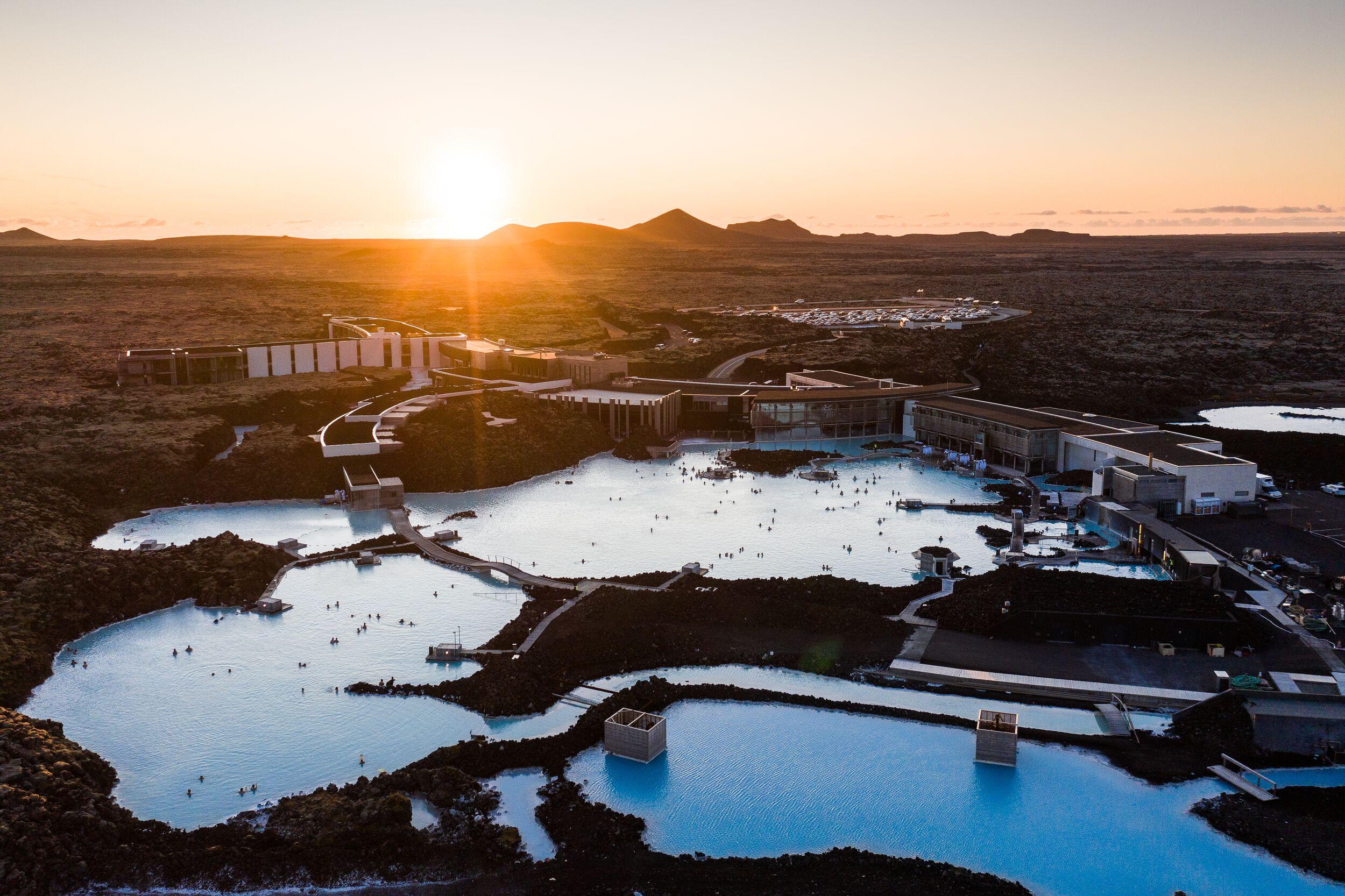
Embark on a carbon-neutral journey through Iceland’s stunning volcanic landscapes. Enjoy a refreshing hike across a lava field, formed by recent eruptions, and then unwind with a soothing soak in the healing geothermal waters. This perfect combination of adventure and relaxation offers an unforgettable way to experience the raw power and serene beauty of Iceland’s natural wonders.
Eyjafjallajökull Summit Hike
Hike to the summit of Eyjafjallajökull Volcano—a thrilling day hike for experienced hikers seeking a manageable challenge. Traverse rugged terrain and enjoy breathtaking views of the Highlands, Mýrdalsjökull, and Vestmannaeyjar Islands.
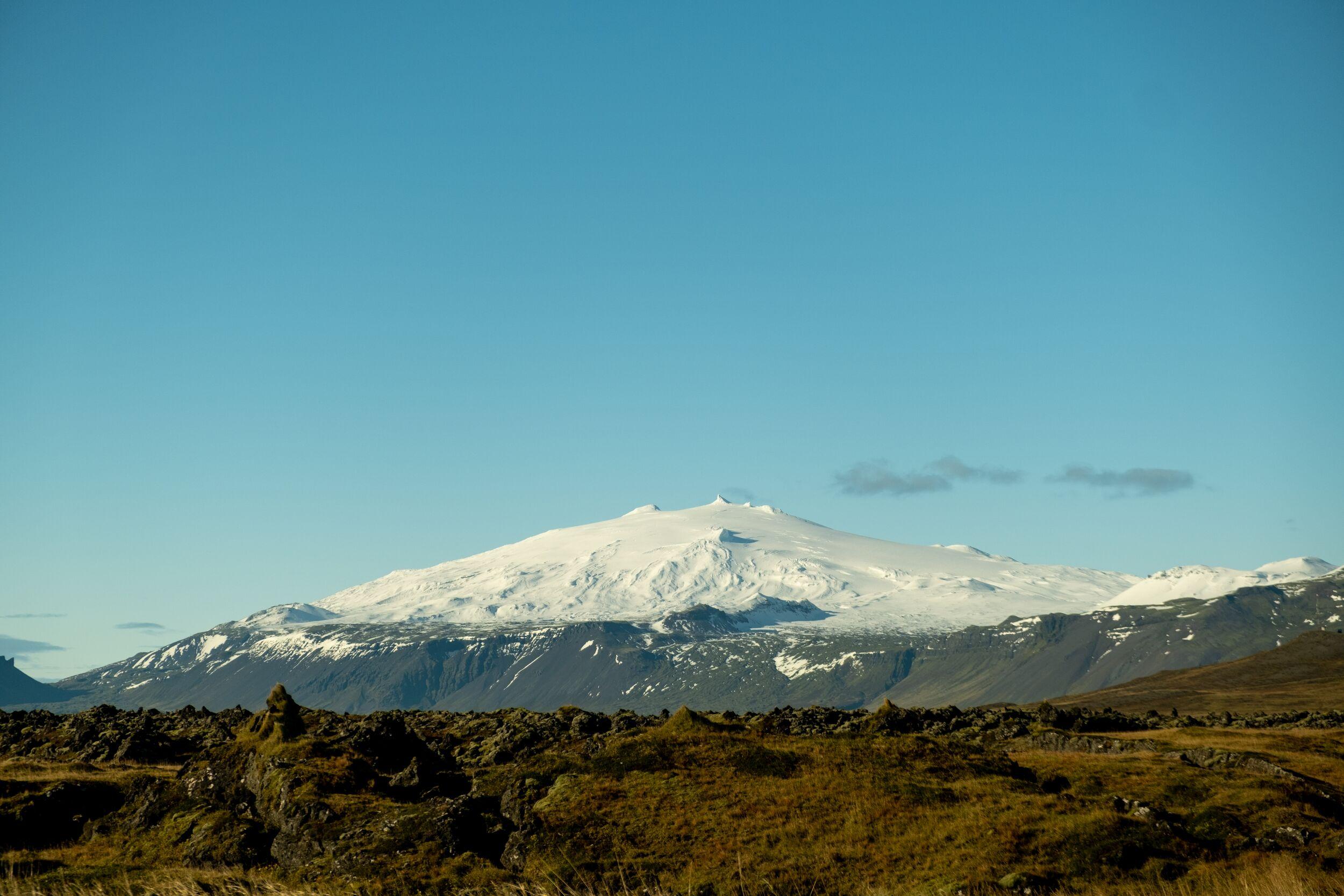
Snæfellsjökull Summit Hike
This is a thrilling one-day hike to the summit of Snæfellsjökull glacier, the crown jewel of the Snæfellsnes Peninsula. This challenging journey rewards hikers with breathtaking views, fascinating geological formations, and the triumphant feeling of conquering one of Iceland's most picturesque glaciers.
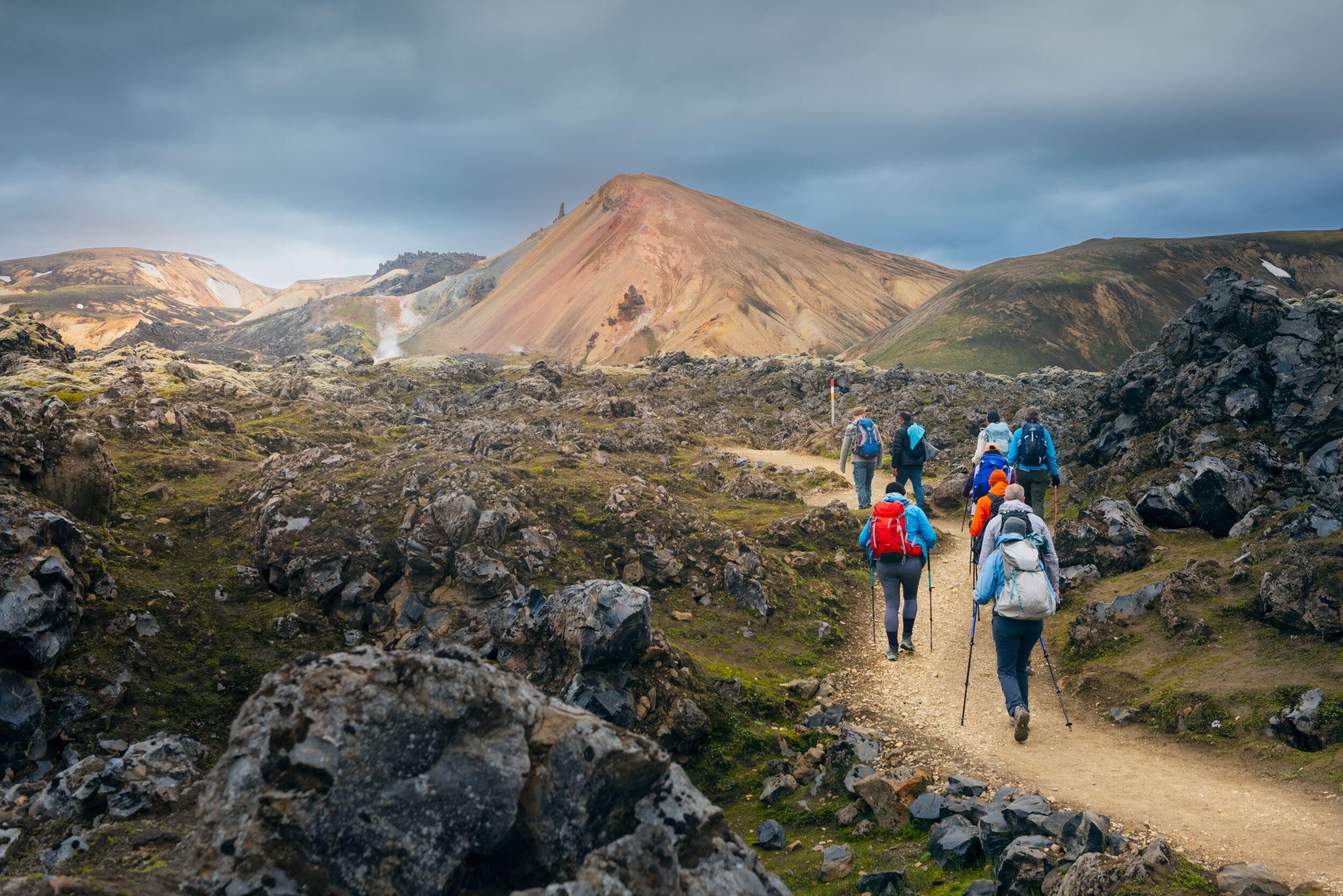
6-Day Laugavegur & Fimmvörðuháls in Huts
Experience the breathtaking beauty of the Icelandic highlands on the Laugavegur & Fimmvörðuháls Hiking Tour. This six-day trek is an extraordinary journey through some of Iceland's most stunning landscapes, perfectly blending two of the country's most famous trails.
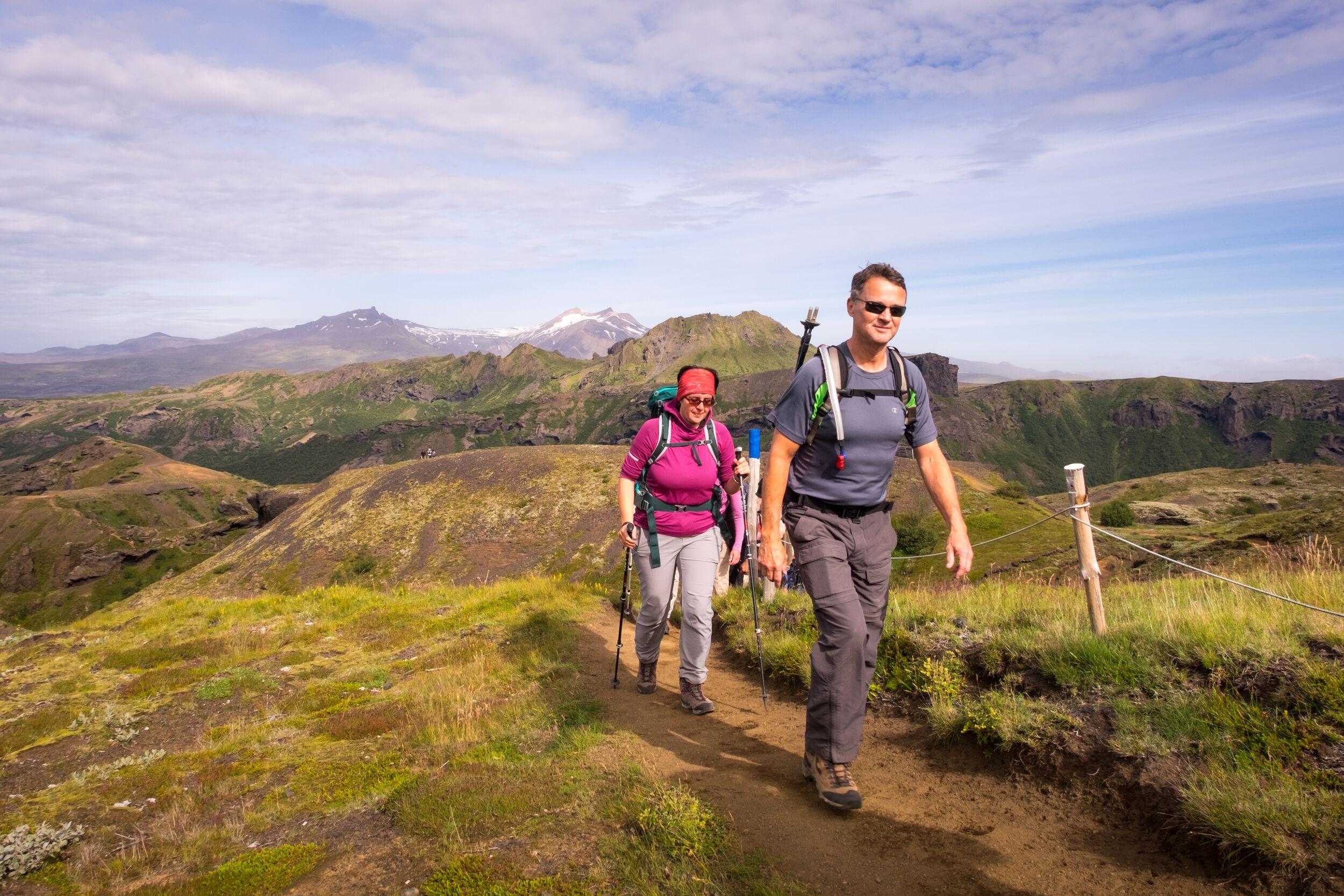
Day Hike over Fimmvörðuháls
Want to experience a slice of the highlands but don’t have the time for a multi-day hike? Book this guided day tour over the spectacular Fimmvörðuháls pass! A professionally trained guide will lead you on this trail, named one of the Best Hikes in the World by National Geographic. Expect a demanding 10-hour hike where you will see fantastic glacier views, volcanic craters, vast canyons and impressive waterfalls. The 22-kilometre hike is available July-August; participants must be at least 12 years old and up for a challenging hike.
Related Articles
See all articles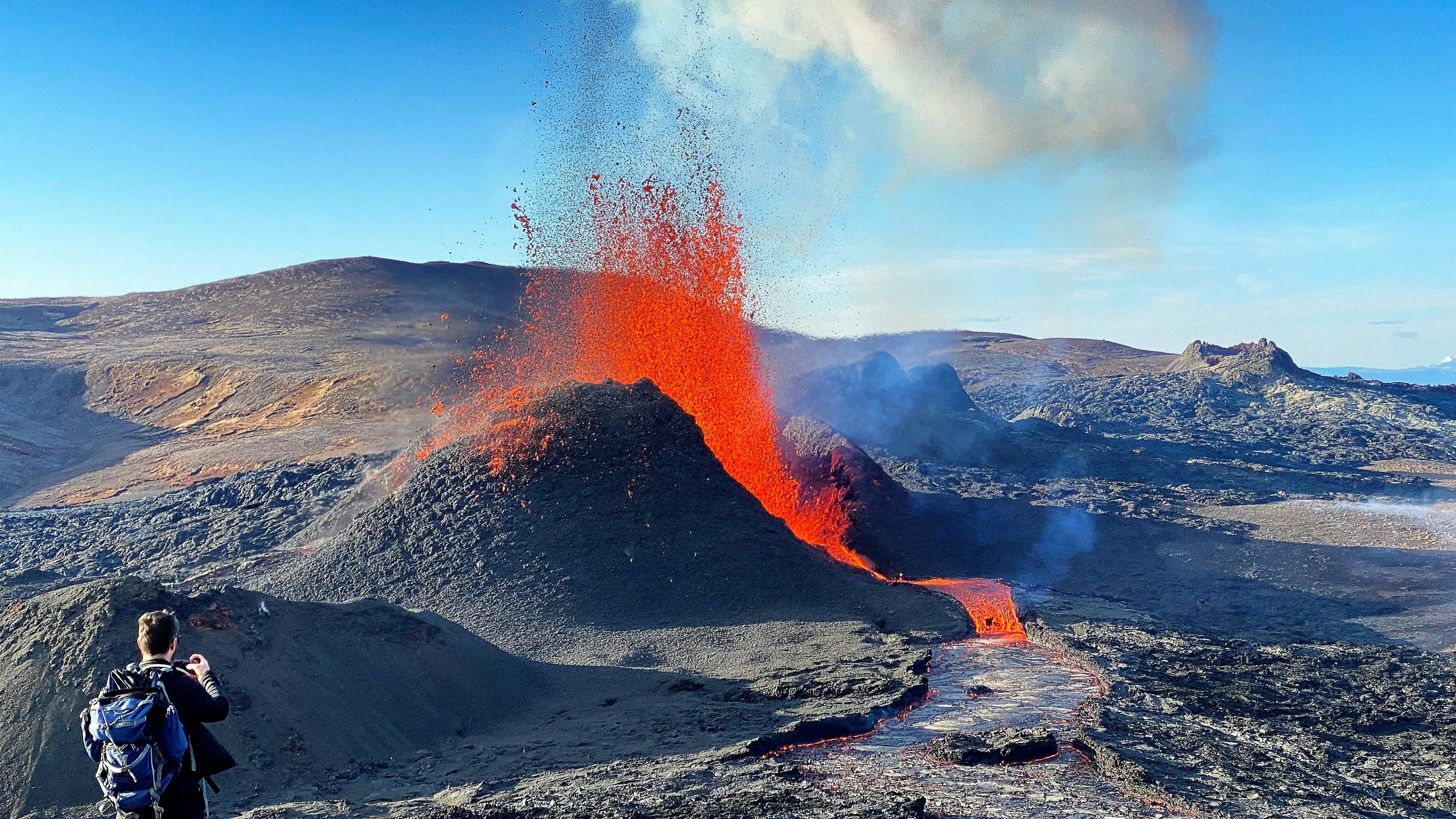
Recommended tours
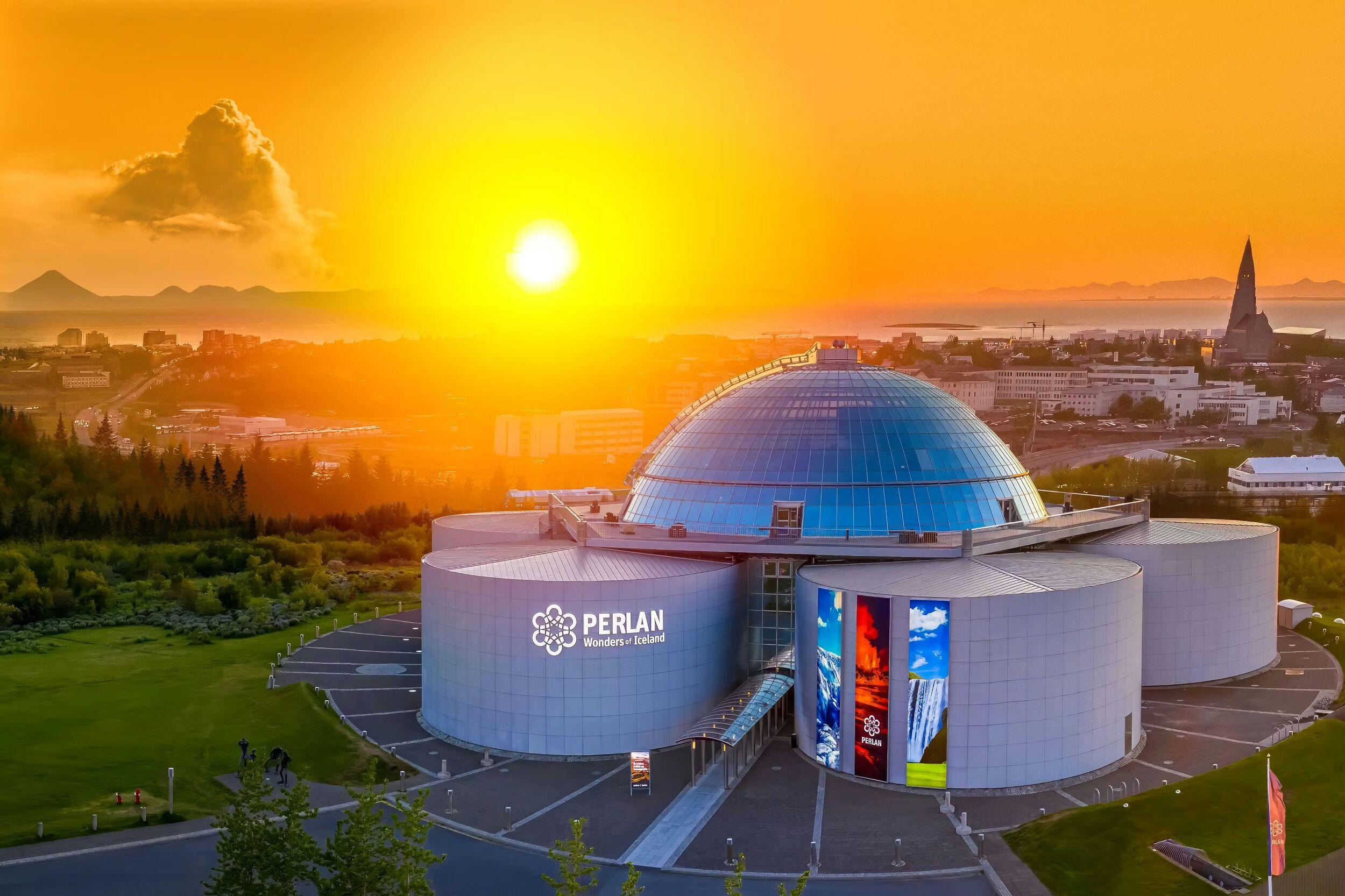
Wonders of Iceland experience
Explore Iceland’s glaciers, volcanoes and Northern Lights at Perlan in Reykjavík. This world-class interactive museum combines immersive exhibitions, an indoor ice cave and panoramic city views for an unforgettable experience.
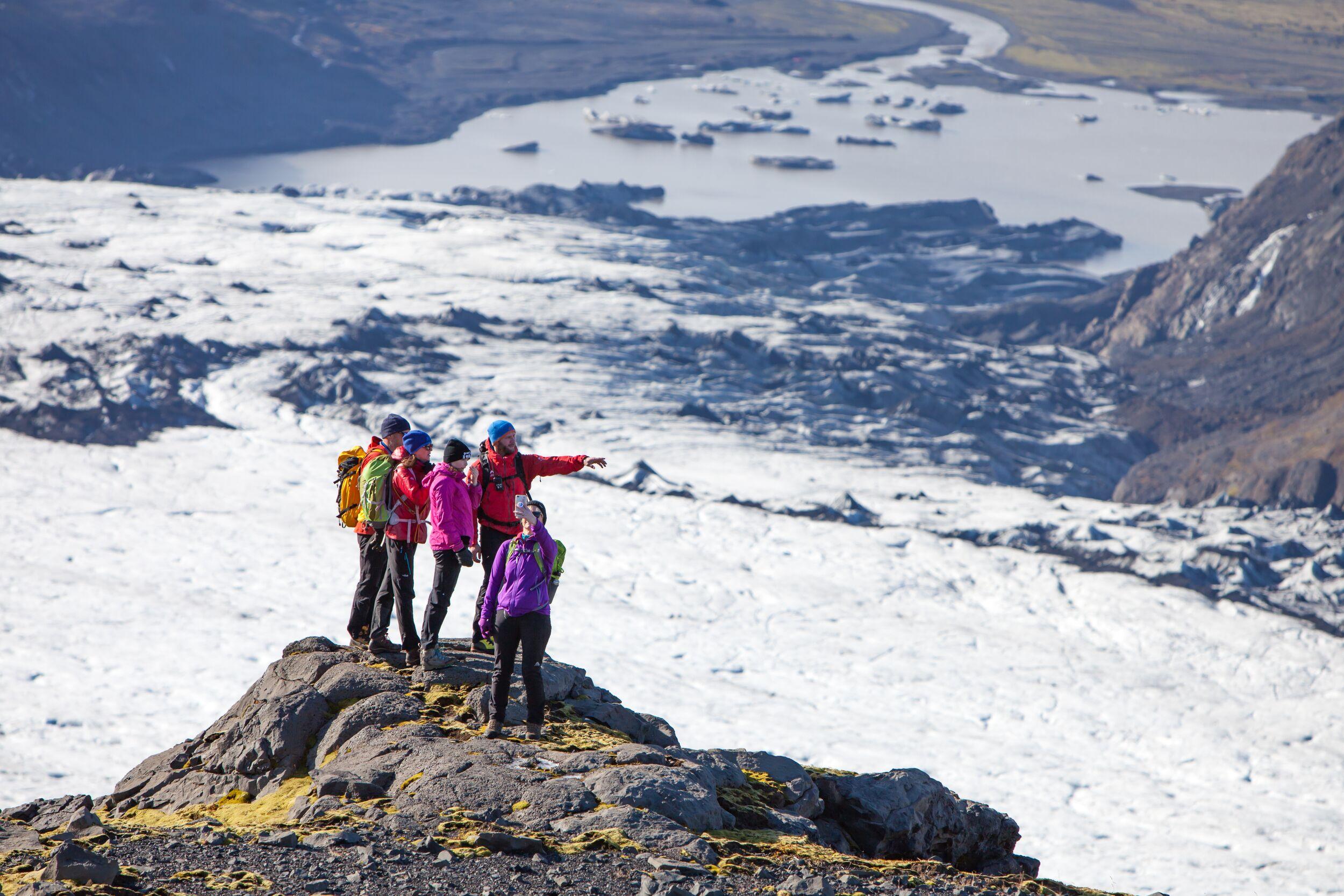
Glacier Panorama Trail
Enjoy a versatile, scenic hike by the volcano Katla that rewards you with a stunning panoramic glacier view of Eyjafjallajökull, Sólheimajökull and other unique landscapes of the scenic south coast. This guided day tour, which is moderately difficult, gives you a glimpse into the world of Iceland’s geological wonders and how glaciers have shaped the land for thousands of years. A specially modified glacier truck transports you approximately 750 metres to start the hike, which will generally continue downhill. Participants should be in good physical shape with some mountain climbing experience.
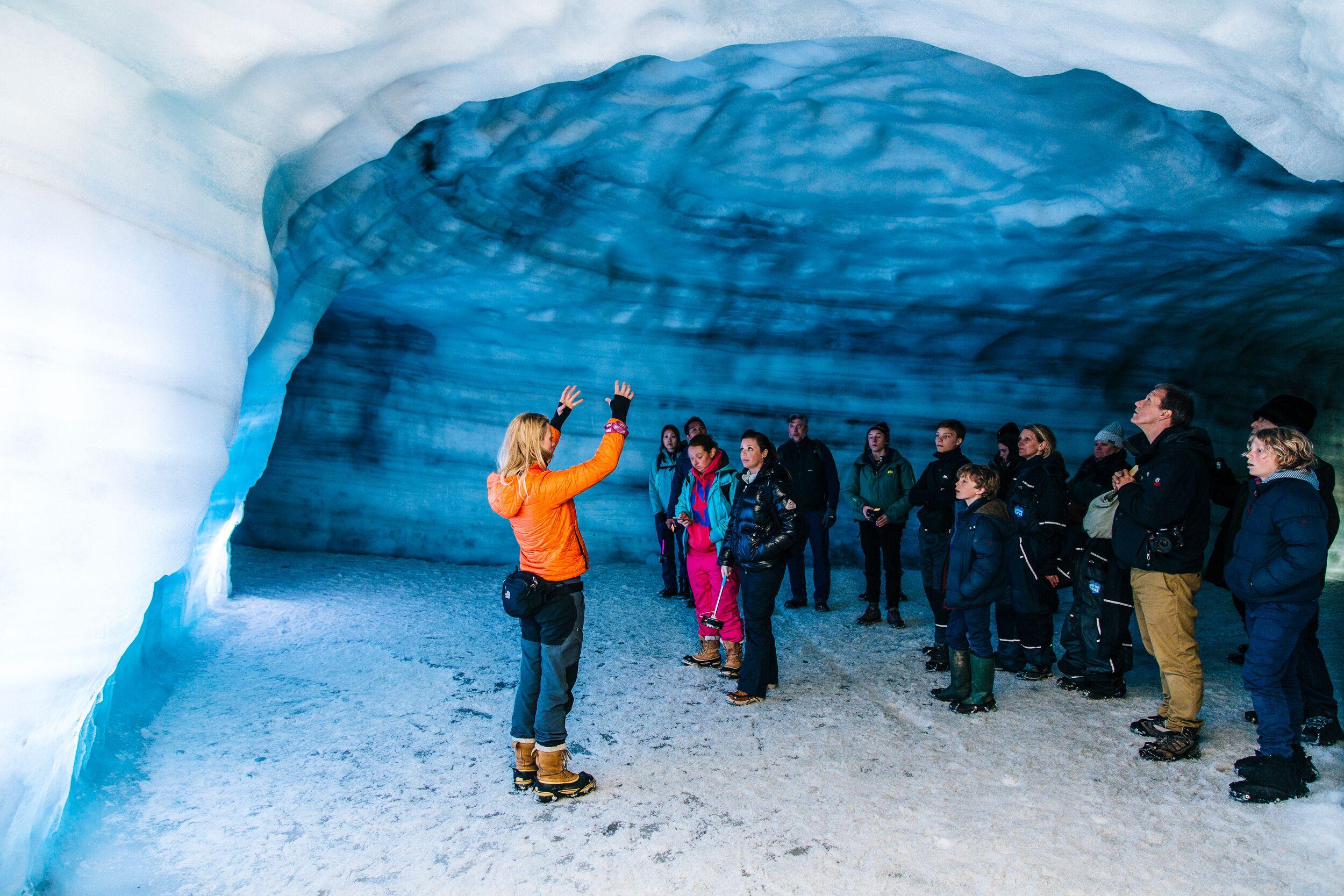
Into the Glacier | Langjökull Ice Cave & West Iceland
Ready for an adventure! Visit a unique and remote man-made ice cave in Langjökull Glacier, one of Iceland's largest and most spectacular glaciers. Climb the glacier in a specially-designed monster truck before delving deep inside the glacier.
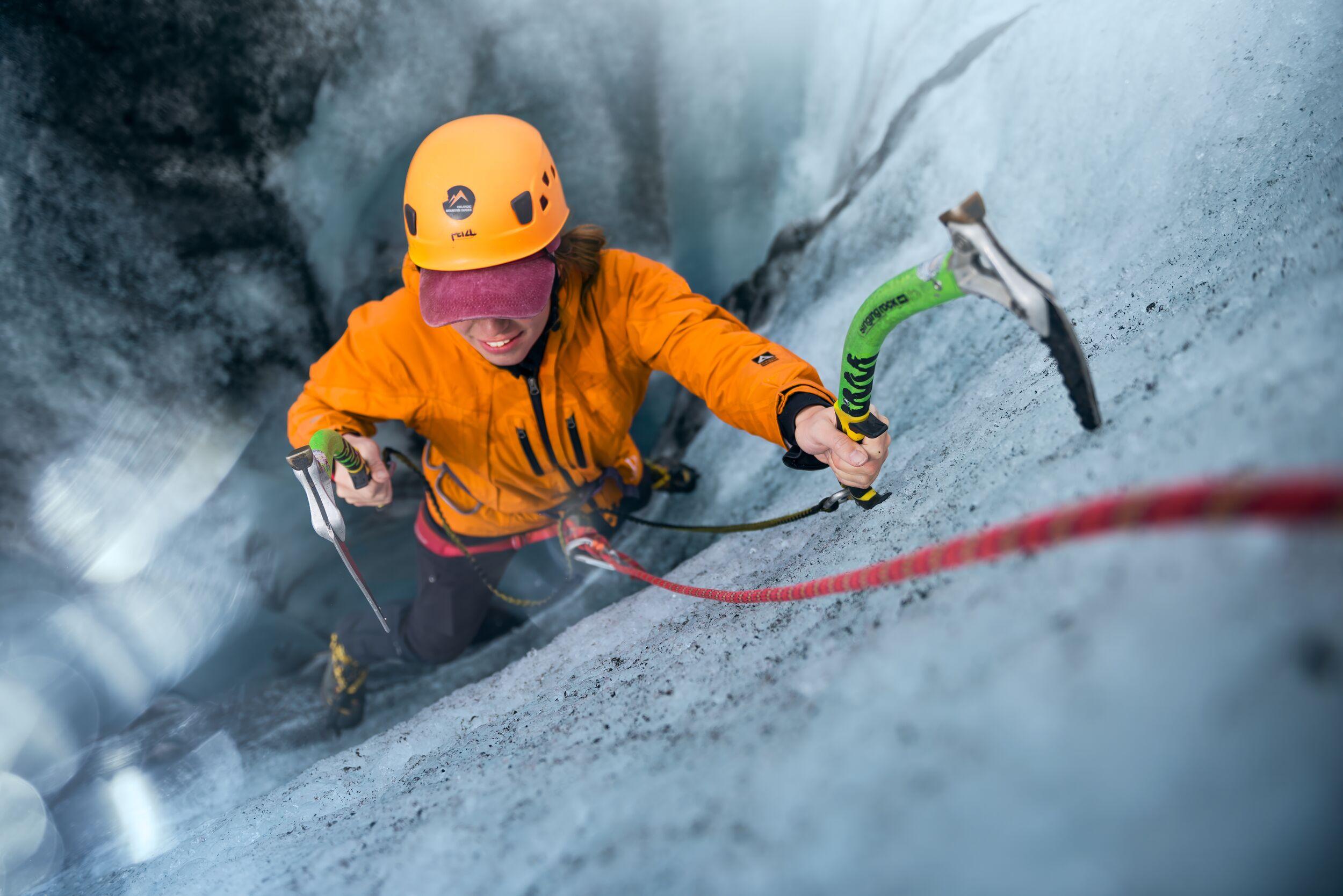
Sólheimajökull Glacier Hike and Ice Climbing
Experience a glacier hike with an introduction to ice climbing on this small group day tour. You will explore the majestic landscapes of Sólheimajökull glacier, including meltwater pools, ridges, and deep crevasses, followed by a quick search for a suitable spot to rig up our gear for a short, moderately difficult introduction to ice climbing. You can expect about 3.5 hours on the ice with a professionally trained & certified glacier guide.
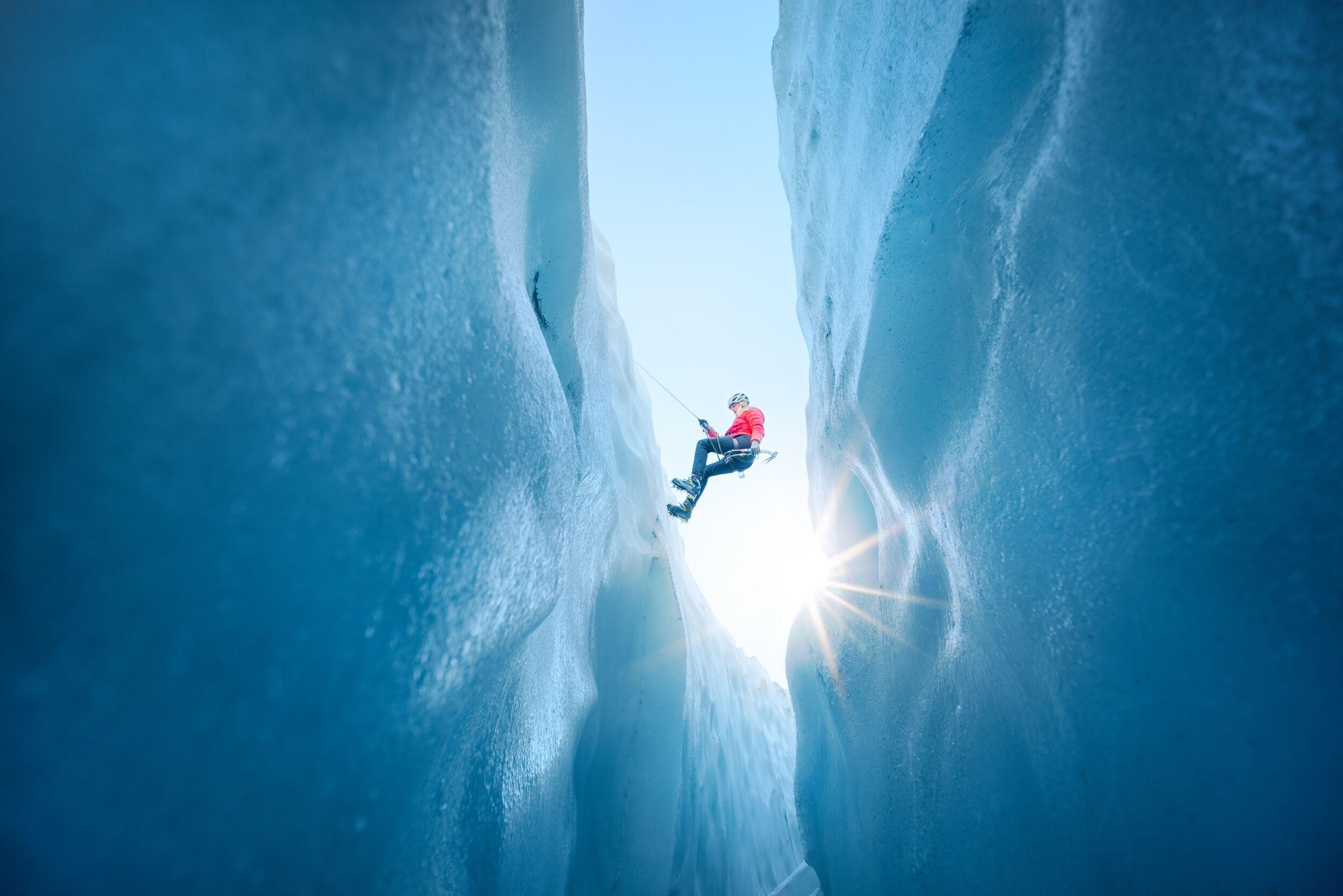
Skaftafell Glacier Hike and Ice Climbing
Immerse yourself in the captivating world of ice climbing with our Skaftafell Glacier Adventure Tour. Set in the majestic Vatnajökull National Park, this tour combines an exhilarating glacier hike with an introduction to the thrilling sport of ice climbing, promising a unique and unforgettable experience in Iceland's icy wilderness.
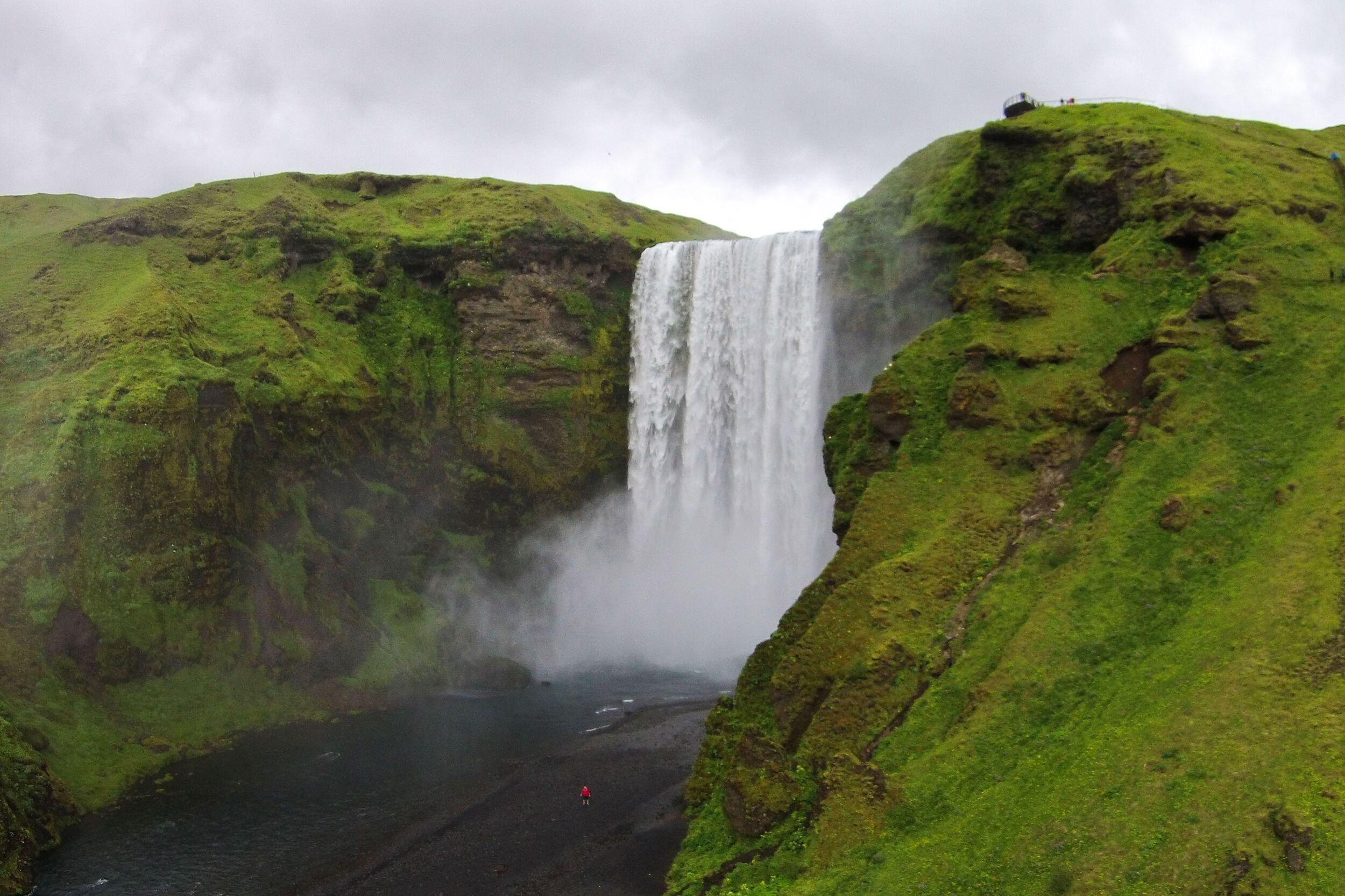
Highland Bus - Reykjavík to Skógar
In the summer, Skógar comes alive, turning into a lush green wonderland under the towering Eyjafjöll mountains. The area is home to one of Iceland’s most famous waterfalls, Skógafoss, a pearl of the south coast. The drive to Skógar is a scenic ride through the picturesque south of Iceland, passing by small farms and charming villages with astounding views of the surrounding mountains and volcanoes on clear days. Whether you are planning a day trip to the region or a multi-day hike, leave the driving to us!