

Icelandic Etiquette and Customs: What (Not) to Do in Iceland
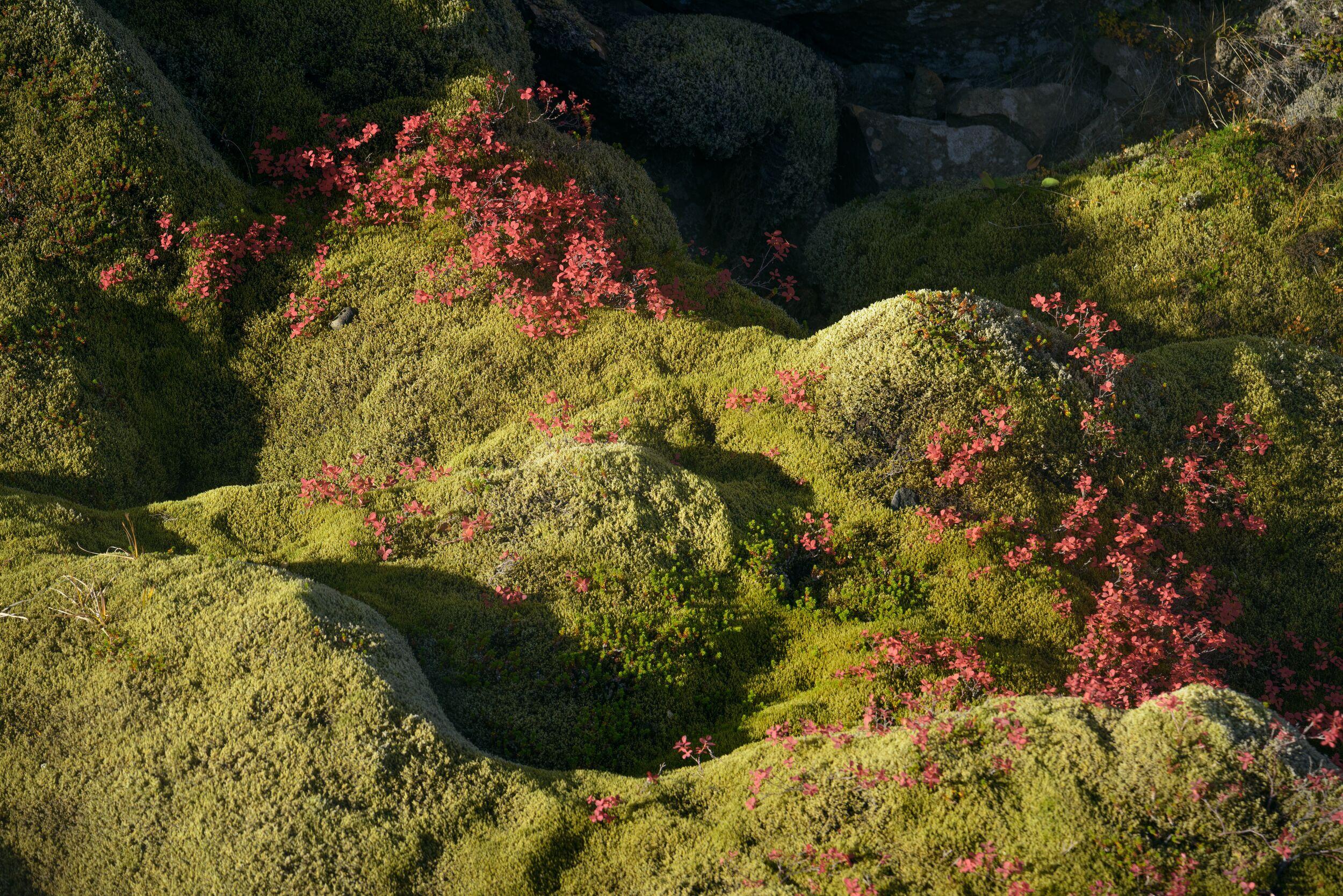
Table of Contents
- 1Lead with respect, not assumptions
- 2Shoes on, or shoes off?
- 3The naked shower is non-negotiable
- 4Tipping? Please don't stress about it
- 5Never stop your car in the middle of the road
- 6It's a horse, not a pony
- 7Respect the lamb (and be brave about the svið)
- 8We're on a first-name basis here
- 9Treat nature like it's sacred (because it sort of is)
- 10Drink the tap, skip the bottle
- 11Buying a drink: meet the Vínbúðin
- 12The pylsa: our unofficial national dish
- 13Learn a word or two (takk goes a long way)
- 14Respect the wind (and trust ‘þetta reddast’)
- 15Drones, cameras and other people
- 16In short: just make the effort
- 17Frequently Asked Questions
Icelanders are, on the whole, a pretty relaxed bunch. We know our hot water smells faintly of eggs (fine — of farts), we don't actually expect you to enjoy fermented shark, and genuinely offending someone through a cultural misunderstanding is surprisingly hard to do. Iceland has very few strict taboos compared with many cultures.
But there are a handful of social no-gos and quiet sensitivities worth knowing about — the kind of thing that won't get you arrested (well, mostly), but might make your average Icelander sigh softly, exchange a look with a friend, and retell the story over coffee for years. Consider this your friendly, slightly cheeky guide to Icelandic etiquette and customs: what to do, what not to do, and why we care.
Lead with respect, not assumptions
Never assume traditional gender roles — odds are they're far less traditional than where you're from. The most powerful person in the room could easily be a young woman, a transgender man or a non-binary person. When you meet people, it's wise not to assume they're heterosexual or cisgender, and addressing a man as though he'll answer on behalf of his partner won't land well. Iceland consistently ranks at or near the top of the world's gender-equality tables, while happily admitting there's always room to improve. Lead with respect rather than assumptions and you'll be absolutely fine — Icelanders are far more interested in how you behave than in which box you try to put people in.
Shoes on, or shoes off?
Unless you're told otherwise, take your shoes off before entering someone's home. In winter our streets are gritted with sand and salt, and neither belongs on a host's floorboards. That said, don't be surprised by a little ritual at the door: the host insists you keep your shoes on, you protest that they're not clean enough, the host counters that the floors need a wash anyway, and a good thirty seconds of polite negotiation unfolds in the hallway before someone gives in. This is not a test. There is no correct answer. It's simply how we express hospitality, politeness and mild social discomfort all at once.

This is not a test. There is no correct answer.
The naked shower is non-negotiable
Wash yourself with soap, without a swimsuit, before getting into any pool, lagoon or hot spring. This is the big one — widely considered the clearest social taboo in Iceland, and just about the only everyday thing, alongside damaging our landscapes, that can genuinely irritate an Icelander. Think of it this way: the Icelandic swimming pool is our version of the English pub. It's where we gather after work, catch up with neighbours and total strangers, and debate the day's news and, always, the weather. Children learn to swim here, first dates happen here, and we exercise and unwind here.
Our swimming pools use far less chlorine than pools in most other countries, which is exactly why the pre-swim wash matters so much. So yes, the signs are serious, the rules are strict, and the naked shower is non-negotiable. It isn't about embarrassment — it's about hygiene, respect, and keeping one of our most beloved communal spaces pleasant for everyone. The same courtesy applies at natural hot springs and geothermal lagoons.
The Icelandic swimming pool is our version of the English pub.
Tipping? Please don't stress about it
Here's one that catches a lot of visitors off guard: you don't need to tip in Iceland. Service staff are paid a proper wage, and a service charge is generally already built into the bill, so there's no expectation to add anything on top in restaurants, taxis, bars or on tours. If a guide or a meal genuinely wowed you, a little extra is always welcome and never refused — but it's a thank-you, not an obligation, and rounding up is plenty. Nobody will glare at your receipt or chase you down the street. And while we're on practicalities: Iceland is almost entirely cashless, so a contactless card or phone will see you through the whole trip, hot-dog stands included.
Never stop your car in the middle of the road
With jaw-dropping scenery at every bend, the temptation to stop and stare is real — but please don't slam on the brakes in the middle of the road, even if there isn't another soul for miles. It's one of the most dangerous things visitors do here. Drive on a little and you'll find a proper lay-by or car park where you can gaze in peace. And if you see other cars pulled over, that doesn't automatically make it a safe spot — when in doubt, keep going. The view will still be there. Whether you're driving the Golden Circle or heading further afield, the same rule holds: we'd much rather have you alive to admire it. (Off-road driving, by the way, is both illegal and deeply frowned upon — more on that below.)
It's a horse, not a pony
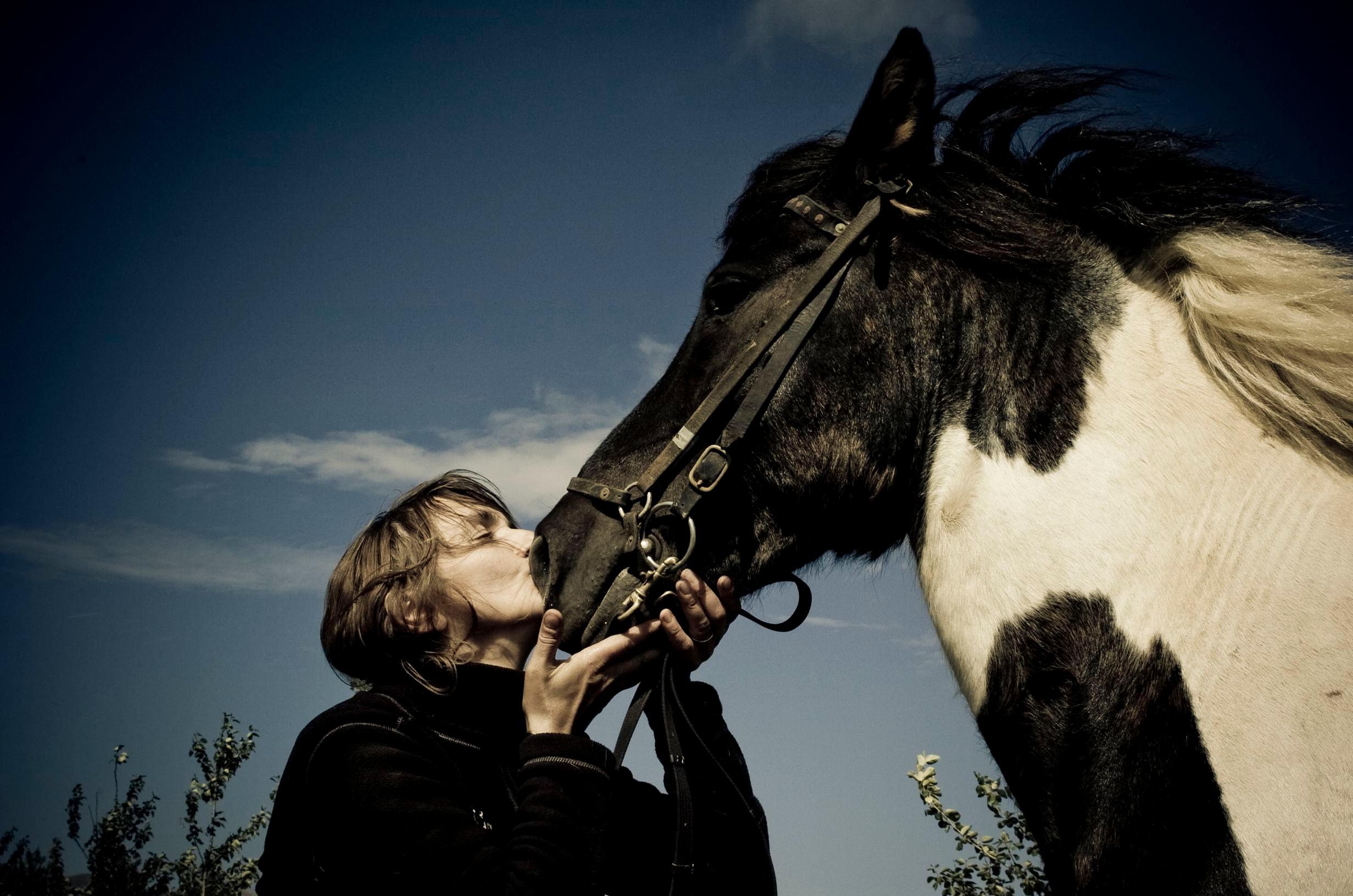
The Icelandic horse is small, and in winter it grows a thick, gloriously fluffy coat that makes it look like a living plush toy. Adorable, yes. A pony, absolutely not. This is a breed Icelanders are fiercely proud of: famous for its extra gait — the smooth, gliding tölt — its stamina, and its ability to cross terrain that would defeat most animals. For centuries it has been the farmer's most trusted working partner, a lifeline in remote areas, a friend and, for many families, practically a relative. Calling it a pony is a genuine way to offend the people who know and work with these horses. The breed is also one of the most protected in the world: once a horse leaves Iceland it can never return, you can't bring used riding tack into the country, and you'll be asked to clean your boots and clothing before any contact. The best way to appreciate them is to meet them on a riding tour and feel that famous tölt for yourself.
Respect the lamb (and be brave about the svið)
We'll happily concede that fermented shark is an acquired taste. Insult our lamb, though, and you might actually wound us. Iceland's free-roaming, purebred lamb is — according to a study conducted verbally in the Icelandia offices — the best meat in the world, and a leg of lamb is the classic Sunday roast in homes across the country. Most of it will look reassuringly familiar: leg, rack, cutlets. Some of it will not. Svið, a singed and halved sheep's head, looks far more alarming than it tastes; it's usually served cold, sliced thin, and eaten with surprising enthusiasm by those who grew up with it. If you're invited to try it and you're a nervous eater, stick to the cheek and don't make eye contact — some swear by the tongue, others consider the eye the real prize. To explore the friendlier end of Icelandic cooking, Reykjavík's food halls are a great place to start.
You're allowed not to like it — you're just not allowed to be rude about it.
We're on a first-name basis here
Don't address people by their surname. Icelandic last names are usually a parent's first name plus ‘-son’ or ‘-dóttir’, so they aren't family names in the usual sense and are rarely used outside official paperwork. This goes all the way to the top: the President of Iceland, Halla, is simply Halla. In conversation we might half-ironically toss in a ‘madam president’ to tell her apart from all the other Hallas — but never to her face; that would just be odd. If you're ever unsure what to call someone, their first name is always the safest and most correct choice, whether they're your guide, your host, or the head of state.
Treat nature like it's sacred (because it sort of is)
If there's one thing Icelanders will quietly judge you for, it's mistreating the land. The golden rule is simple: leave it exactly as you found it. Don't pick the moss: it works extraordinarily hard to grow here and can take decades to recover, so a single footprint can linger for years. Trees are precious and few, so think twice before disturbing one. And off-road driving isn't a cheeky shortcut: it's a criminal offence with a hefty fine, and an even heftier dose of public shame.
In June 2026, travelers on super jeeps were spotted off-road driving in various places in the Icelandic highlands. A rather intense manhunt on Facebook ensued where people posted their cars and license plates on various threads, joining forces to track them down and stop them and for all the right reasons. The damage done by their off-road driving was extreme and some of those areas will take a very long time to recover. They were eventually caught by the police, brought in for questioning and given some serious fines. But we’re not kidding about the public shame. The local evening TV news did reports on the case and interviewed people in the streets asking their opinion on the matter which resulted in headlines like: “Their cars should be confiscated!” and “Straight to Jail!”
When Icelanders talk about protecting nature, it isn't abstract environmentalism. It's about preserving the very thing that makes this place feel like home. Tread lightly while exploring Iceland's natural wonders and you'll be welcome anywhere.
Drink the tap, skip the bottle
Please don't buy bottled water in Iceland. Our tap water is among the cleanest on the planet, it's free, and bottling it makes about as much sense as importing snow. Carry a reusable bottle and fill it anywhere: the cold water is gloriously crisp. The only quirk is the hot water, which comes straight from the earth and arrives with a faint whiff of sulphur (yes, the famous egg-or-fart smell). It's completely harmless, it won't linger on you, and it's a small price to pay for endless geothermal hot showers. Cold tap for drinking, hot tap for bathing, and your plastic-bottle conscience stays clean.
Buying a drink: meet the Vínbúðin
If you fancy a bottle of wine or some beer to take back to your accommodation, you won't find anything stronger than energy drinks in the supermarket. Proper alcohol is sold only at the Vínbúðin, the state-run liquor shops, which keep limited hours and tend to close on Sundays so a Saturday-night resupply needs a little forward planning. Many travellers stock up at the duty-free shop right after landing at Keflavík, which is exactly what the locals do, because alcohol here is not cheap. The legal drinking age is 20. None of this is a taboo, exactly, just one of those practical quirks that's far less stressful once you know it's coming.
The pylsa: our unofficial national dish
For all our pride in lamb, the food Icelanders reach for at 2am, after a hike, or simply because it's Tuesday is the humble hot dog — the pylsa. Made with a blend of lamb, pork and beef and traditionally topped with raw and crispy fried onions, ketchup, sweet brown mustard and a remoulade-style sauce, it's a genuine institution. The magic words are ‘ein með öllu’ — ‘one with everything’ — and saying them at a hot-dog stand will earn you a small nod of approval. Don't overthink it, don't ask for it deconstructed, and do go back for seconds. It's cheap (a rarity here), it's everywhere, and it's a delicious shortcut to feeling like a local.
‘Ein með öllu’ — one with everything.
Learn a word or two (takk goes a long way)
Almost everyone in Iceland speaks excellent English, so you'll never be stuck. But a few words of Icelandic are always appreciated, even if your pronunciation makes us smile. ‘Takk’ (thanks) is the one to master, it quietly covers thank you, cheers, and a dozen polite situations in between. ‘Halló’, ‘góðan dag’ (good day) and ‘bless’ (bye) will carry you the rest of the way. Don't worry about the place names that look like a cat walked across the keyboard, even we stumble over a few. The effort matters far more than getting the ð and þ exactly right.
Respect the wind (and trust ‘þetta reddast’)
Icelandic weather is less a forecast than a mood, and the wind in particular deserves your respect. Hold on to your car door when you open it as gusts here have torn doors clean off their hinges, and rental insurance rarely covers it. Leave the umbrella at home (it will die a swift and undignified death), pack proper layers, and check safetravel.is and the road conditions before you set off. When a plan inevitably gets rearranged by the weather, you'll hear locals shrug and say ‘þetta reddast’ = ‘it'll all work out’. Adopt that attitude early; it's the most Icelandic thing you can pack.
Þetta reddast — it'll all work out.
Drones, cameras and other people
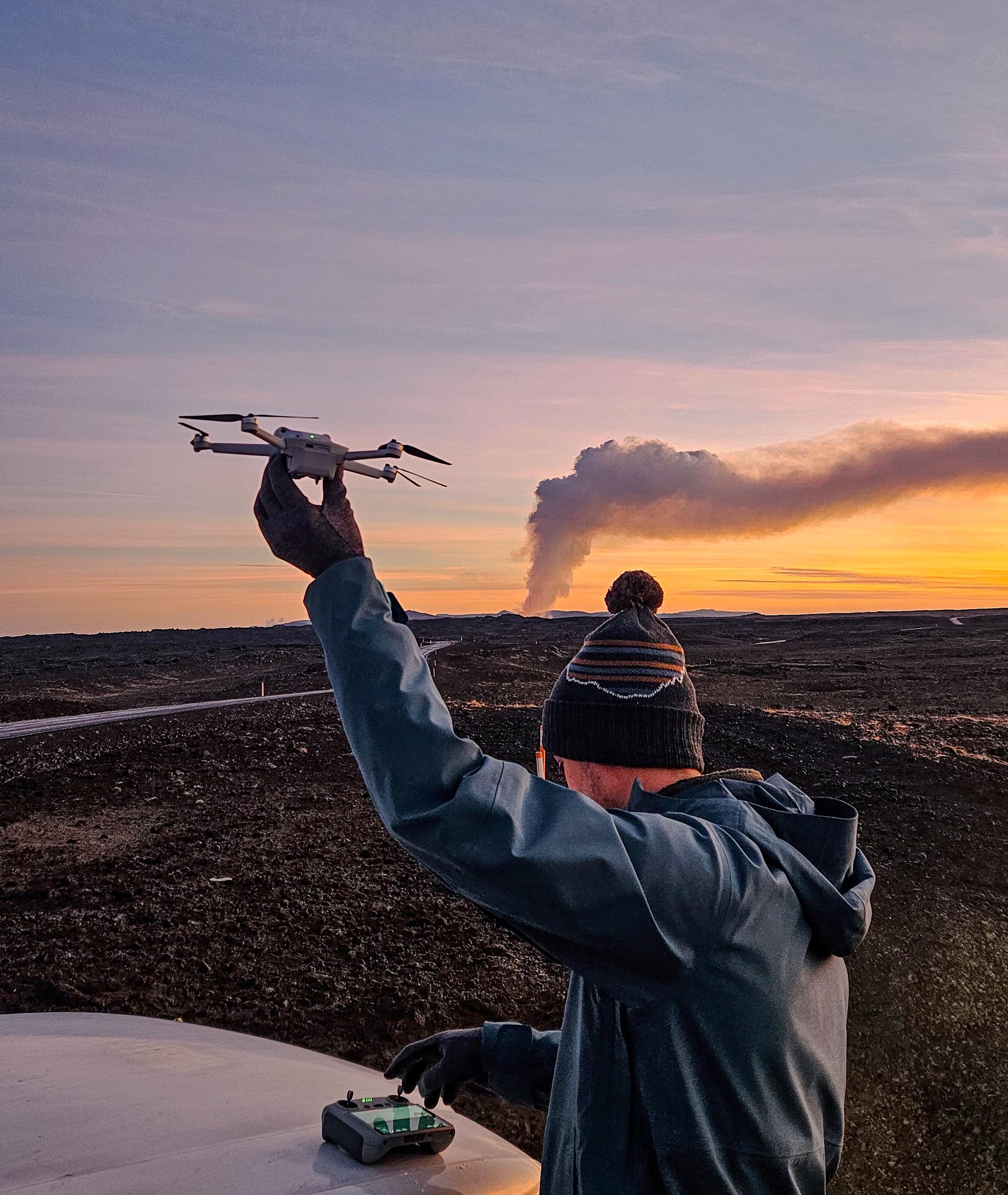
Iceland is staggeringly photogenic, but a few manners go a long way. Drones are banned in national parks and many protected areas, and need real care everywhere else. Nobody flew across the world to hear a buzzing propeller over a waterfall. Don't trespass onto farmland or private property for the shot, give wildlife a wide berth, and if you'd like a photo of a local (or someone else's children), just ask first. An, as we said earlier, never stop in the road for the perfect frame. The land will still be beautiful from the lay-by.
Just remember...
“Nobody flew across the world to hear a buzzing propeller over a waterfall.”
In short: just make the effort
Some of these will feel obvious, others delightfully odd, but please don't lose any sleep over them. Icelanders are a laid-back lot, and what we appreciate most is simply the effort. Ask questions when you're unsure, and laugh along with us when something feels unfamiliar. That, far more than getting every detail perfect, will take you a very long way here.
Experiences that show you the real Iceland
Snorkeling Silfra and Horseback Riding
A self-drive day of two Icelandic classics: a horseback ride through the scenic Mosfell valley with Laxnes Horse Farm, then snorkelling between the tectonic plates in the crystal-clear Silfra fissure.
- New Tour!
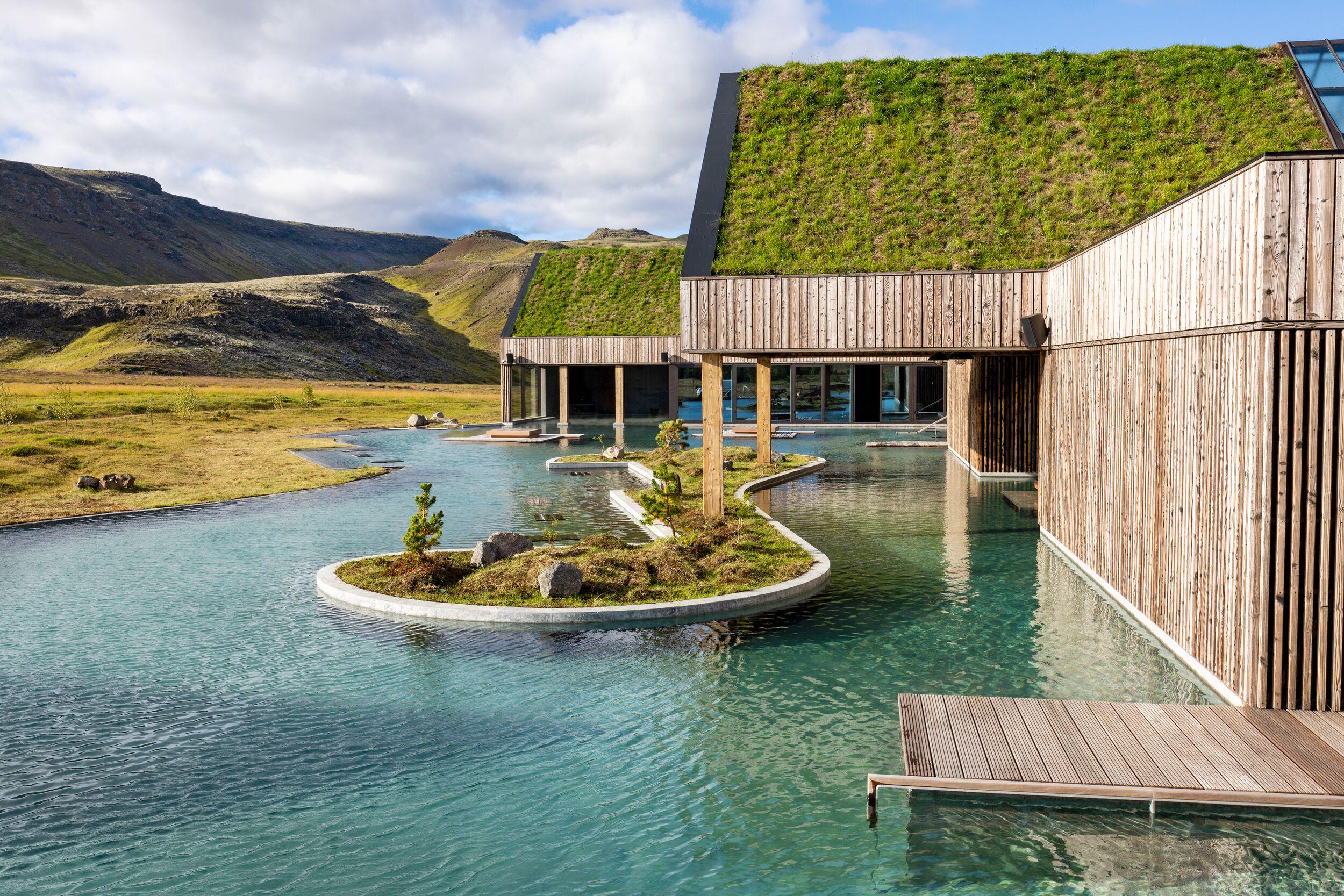
South Coast Wonders with Reykjaböð Hot Springs
Discover Iceland’s iconic South Coast and unwind at the new and luxurious Reykjaböð Hot Springs. A perfect blend of adventure, nature, and relaxation in one unforgettable day.
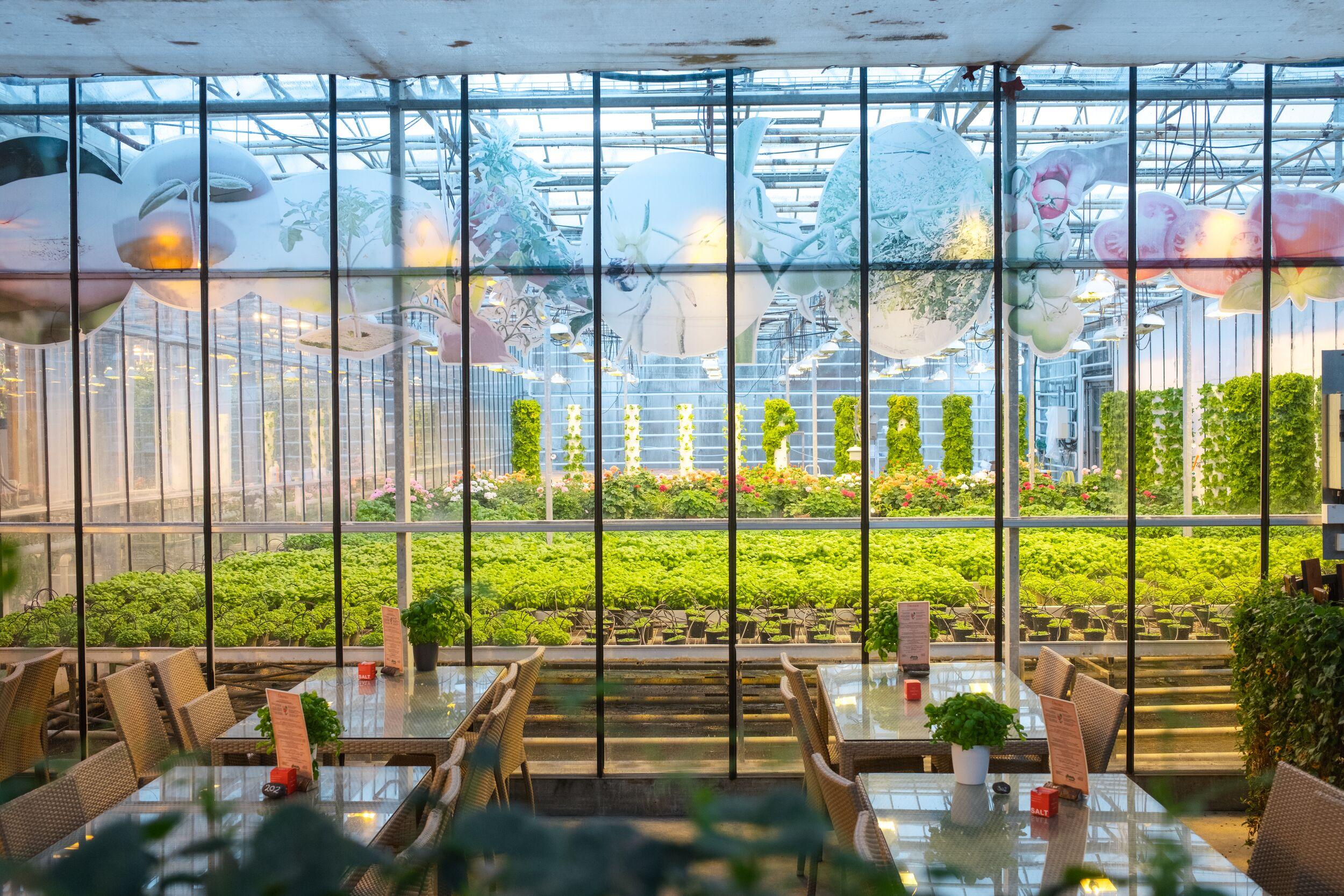
The Golden Circle & Friðheimar Greenhouse
This best-selling tour of Iceland’s most famous landmarks includes a visit to Friðheimar Greenhouse. The Golden Circle encompasses the must-see sights of Þingvellir National Park, the golden Gullfoss waterfall, and the bubbling geothermal region of Geysir. Experience the classic Golden Circle landmarks with a sustainable twist, a stop at Friðheimar!
- Launch Offer
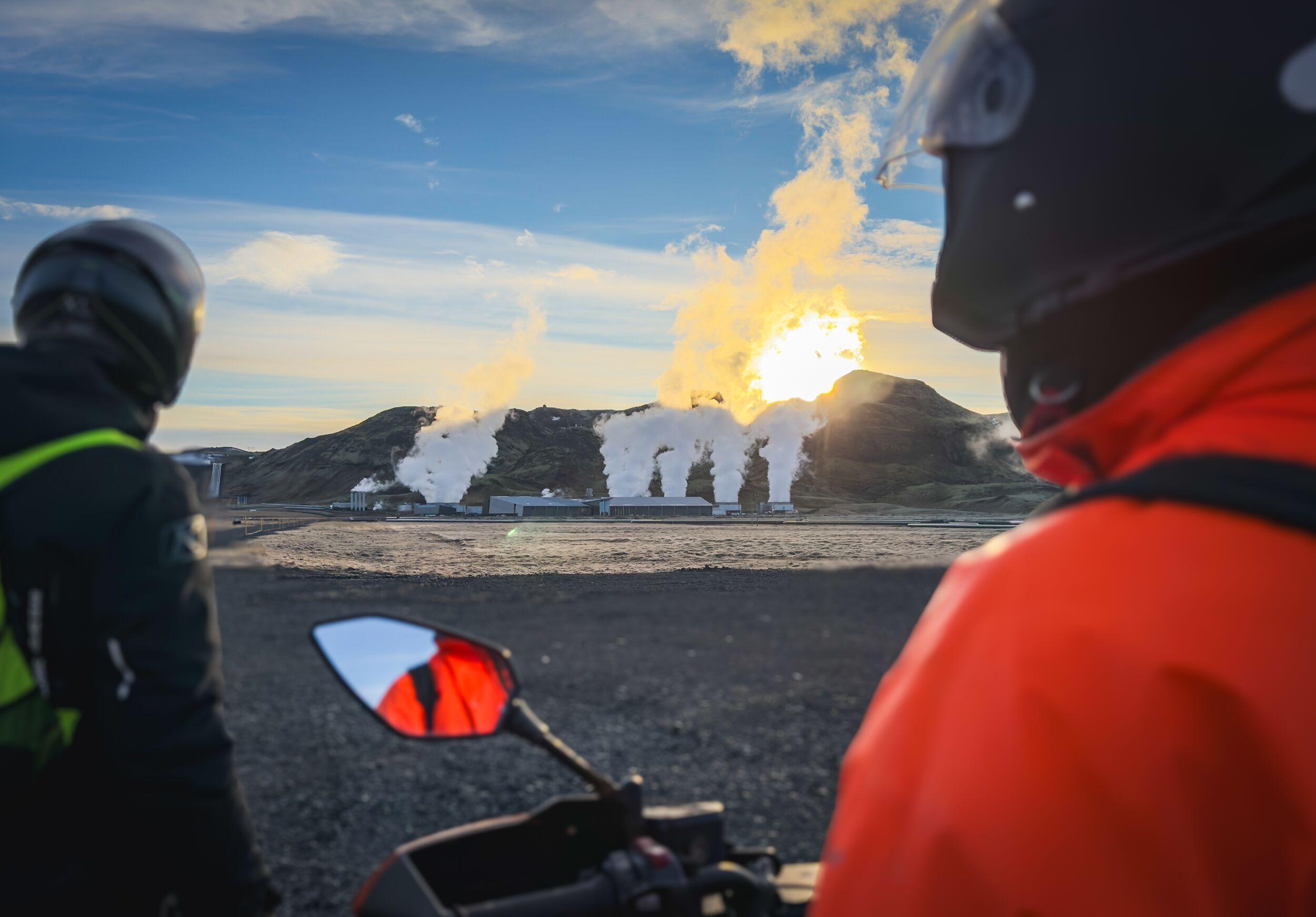
Hengill 1.5-Hour ATV Tour with Transfer from Reykjavík
Skip the hassle of driving on Icelandic roads and head straight into Iceland’s rugged landscapes with this ATV tour with transfer from Reykjavík.
Frequently Asked Questions
Relaxed, egalitarian and quietly proud. Iceland scores among the world's highest for gender equality, people are informal and first-name friendly, and there's deep respect for nature and for communal spaces like the local swimming pool. Visitors rarely cause real offence — a bit of effort and curiosity goes a very long way.
The big ones: don't skip the soap-and-water shower (without a swimsuit) before entering a pool or lagoon, don't stop your car in the middle of the road for photos, and never drive off-road — it's illegal and scars the landscape for decades. Beyond that, don't pick the moss, don't assume traditional gender roles, and don't call the Icelandic horse a pony. Most ‘rules’ here are really just everyday courtesy.
No, tipping is not expected in Iceland. Service staff are paid a proper wage and a service charge is generally included, so there's no obligation to tip in restaurants, taxis or on tours. It's never rude to leave a little extra for service you loved, but nobody will chase you down the street if you don't — and rounding up is more than enough.
Yes — washing thoroughly with soap, without a swimsuit, before entering the water is the clearest social taboo in Iceland. Icelandic pools use far less chlorine than most countries, so the pre-swim shower is what keeps the water clean. The signs are serious and locals do notice. It's about hygiene and respect, not embarrassment.
To many Icelanders, yes. Despite its small size, the Icelandic horse is a proud, hardy breed with a unique fifth gait (the tölt), famous stamina and a special place in farming life and family history. It's a horse, not a pony or a petting-zoo attraction — and calling it one is a quick way to earn a frosty look.
First names, almost always. Icelandic surnames are patronymic (or matronymic) — your father's or mother's name plus ‘-son’ or ‘-dóttir’ — and aren't really family names, so they're only used in formal, bureaucratic contexts. Everyone from your guide to the President of Iceland goes by their first name.
Yes — Iceland's tap water is some of the cleanest in the world, and it's free. There's no need to buy bottled water; just fill your bottle from any tap. The cold water is delicious. The hot water comes straight from geothermal sources and carries a faint sulphur (egg) smell — that's completely normal and harmless, and it disappears the moment you drink cold. Bringing a reusable bottle is the eco-friendly, wallet-friendly move.
Beyond bars and restaurants, alcohol stronger than 2.25% is sold only in state-run shops called Vínbúðin — not in supermarkets. They have limited opening hours and are usually closed on Sundays, so plan ahead. There's also a duty-free shop on arrival at Keflavík Airport, which is where many locals stock up. Alcohol is expensive in Iceland and the legal drinking age is 20.
Recommended tours
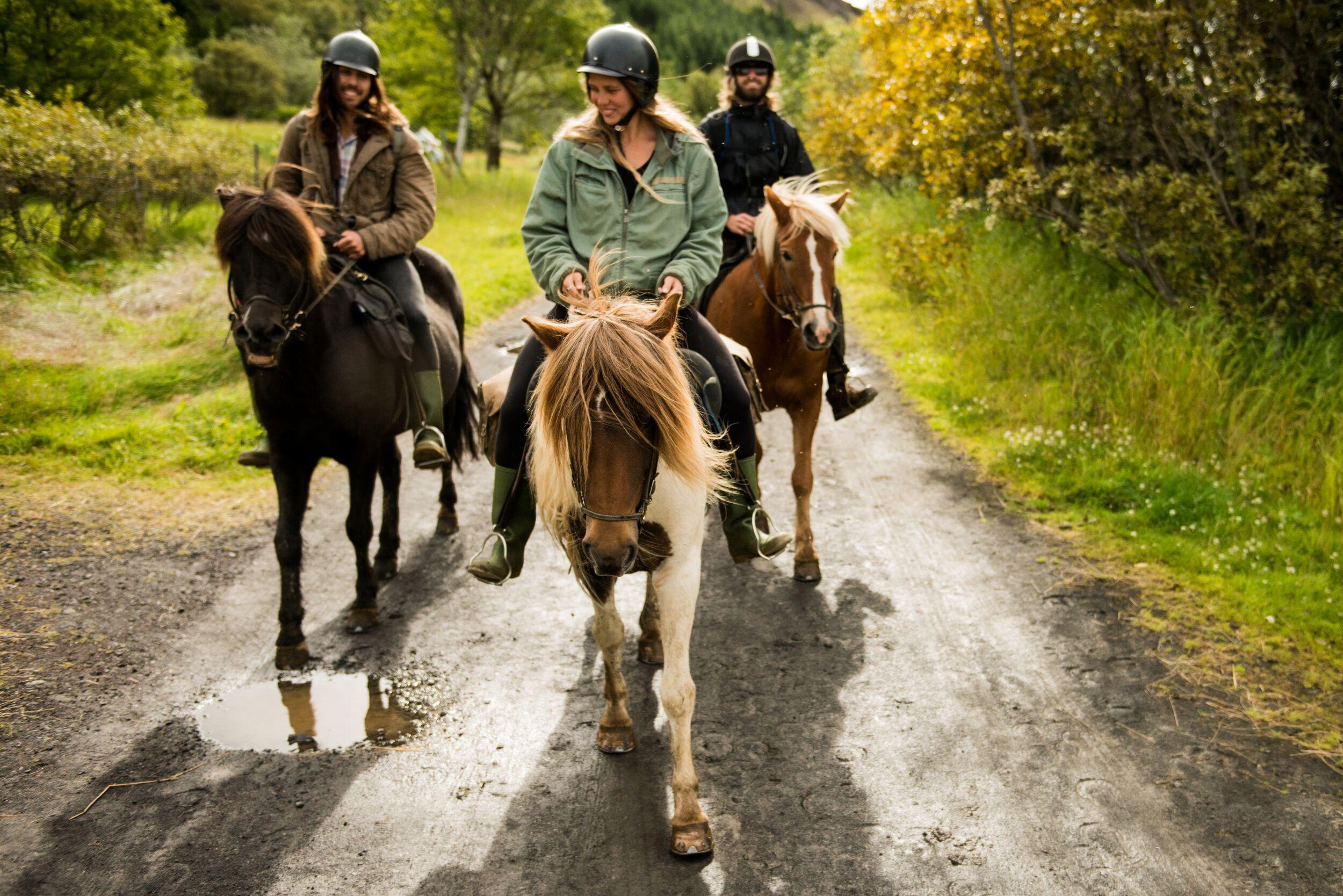
Horse Riding & Golden Circle
Join us on our Golden Circle & Horse Riding tour, where you'll immerse yourself in Iceland's stunning landscapes on horseback. Discover the wonders of the Golden Circle and the unique charm of Icelandic horses in one unforgettable adventure!
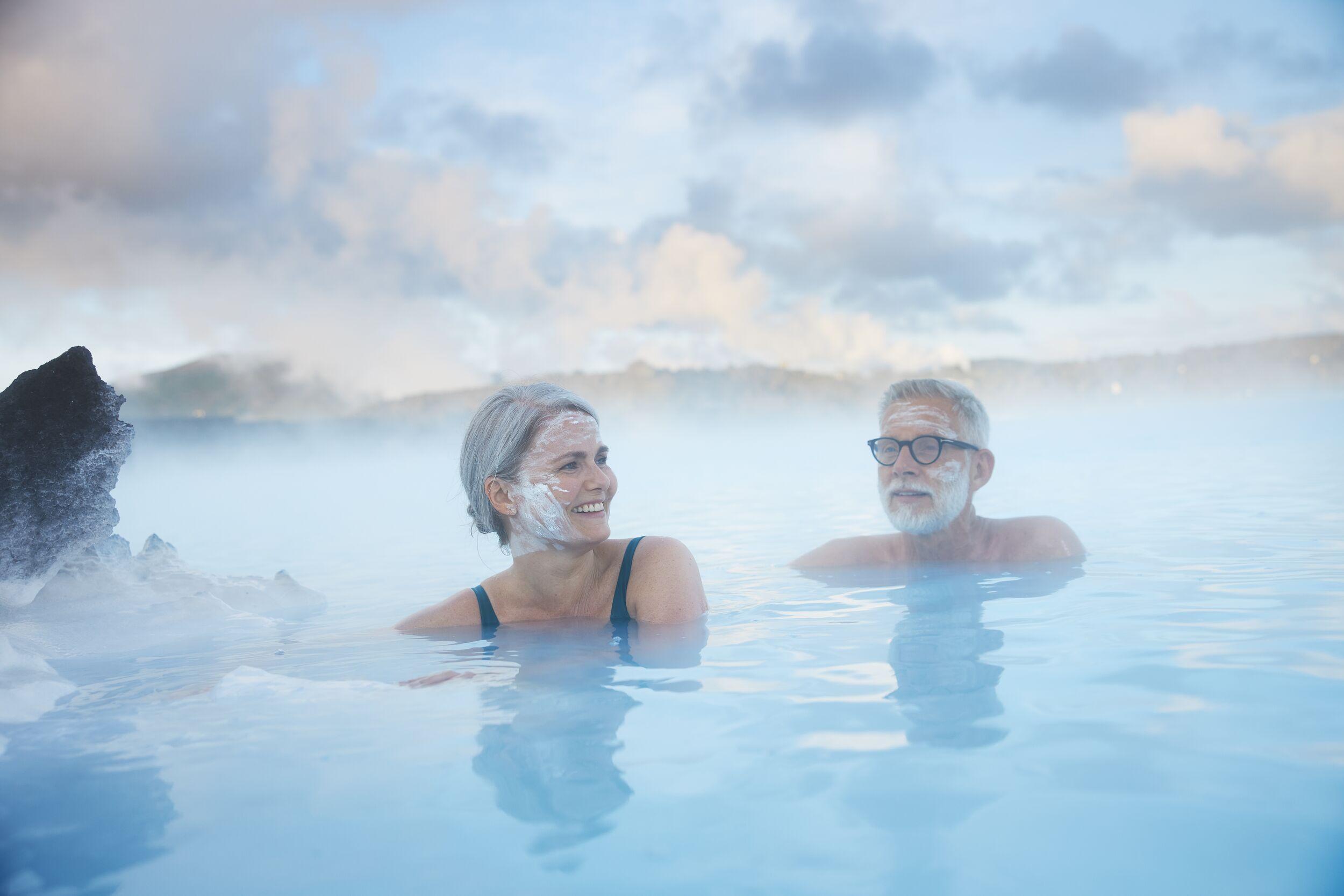
- Multiday Tour
Icelandic Wellness Package - 5-Day
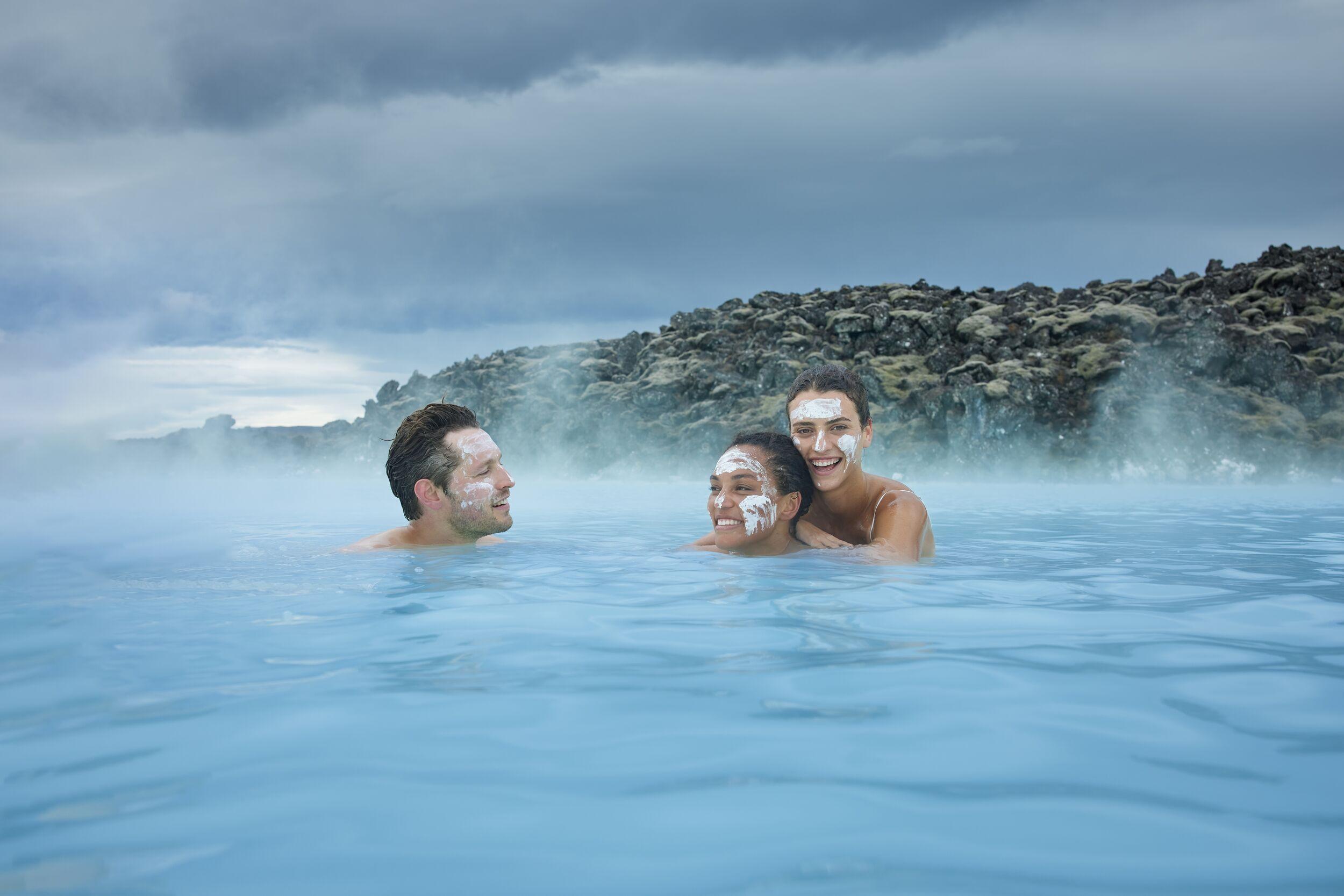
Golden Circle, Laugarás Lagoon, Blue Lagoon & Reykjavík Food Walk. A perfect blend of relaxation, natural beauty, and Icelandic culture, this 5-day (4 nights) Icelandic Wellness package invites you to unwind in Iceland’s famous wellness retreats and indulge in Reykjavík’s unique Nordic atmosphere.
- Multiday Tour
Icelandic Wellness Package - 6-Day
Golden Circle, Blue Lagoon, Reykjavík Food Walk, South Coast & Reykjaböð. Relax, recharge, and explore Iceland’s most stunning natural wonders with this 6-day (5-night) Icelandic Wellness package. This tour blends ultimate relaxation with breathtaking landscapes, Icelandic flavors and seamless travel with carbon-neutral transportation and expert local guides.
Highland Bus - Reykjavík to Landmannalaugar
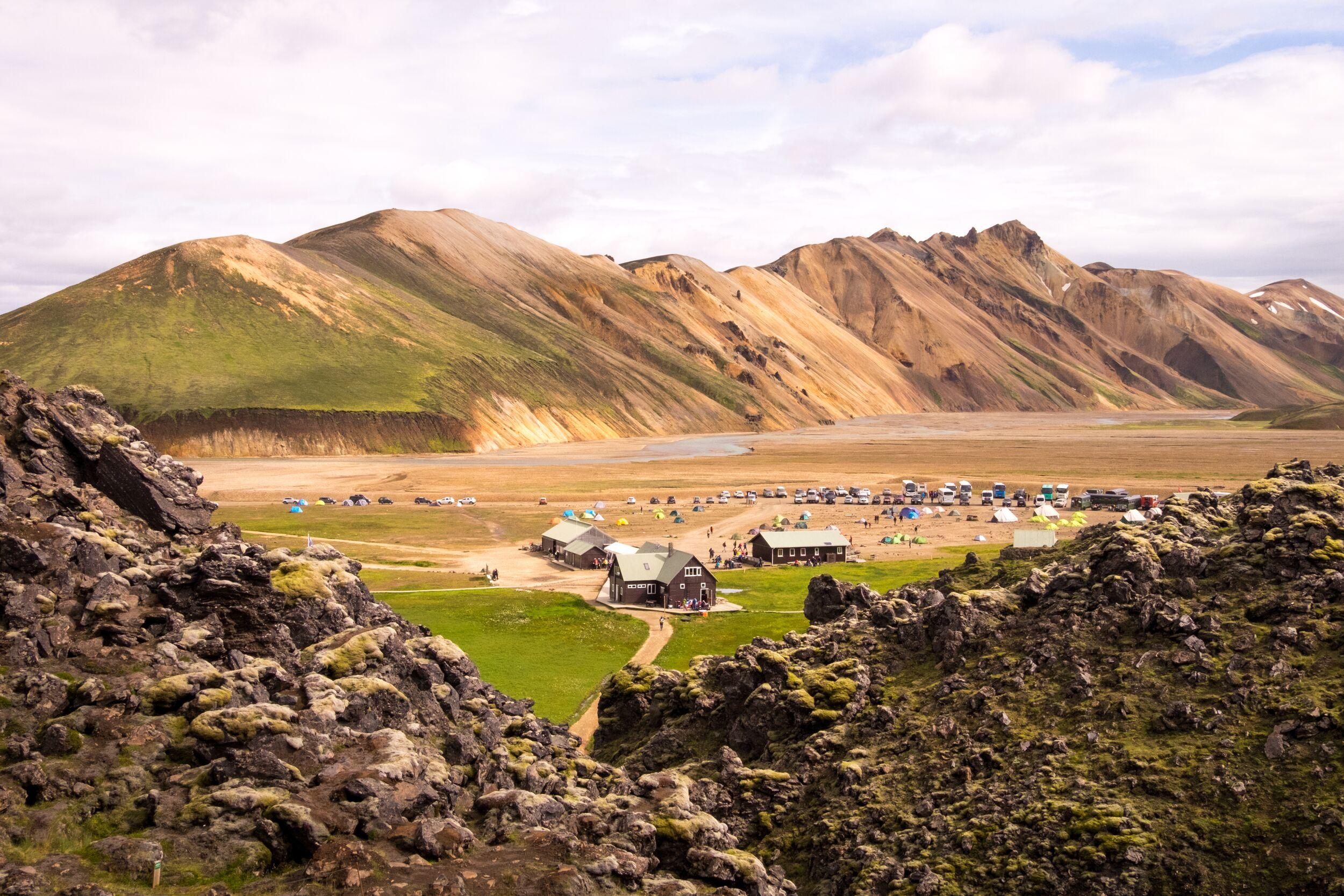
The highlands are spectacular. If you’ve seen a picture of multi-coloured mountains in what seems to be a vast, remote wilderness in Iceland, it’s probably from Landmannalaugar. This region of Iceland is a hiker’s paradise, with hiking trails along rhyolite mountains, natural geothermal hot springs and wide-open spaces. If you are planning to hike Landmannalaugar and/or the Laugavegur Trail, leave the driving to us and hop on the highland bus!
Hvannadalshnúkur - Iceland's highest summit
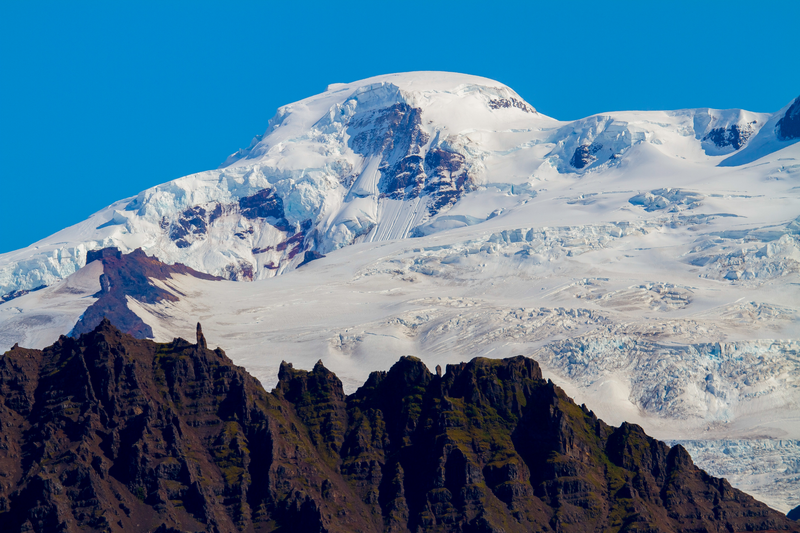
Ascending the highest peak in Iceland, Hvannadalshnúkur (2110 m / 6900 ft) is a bucket-list worth climb to check off your list! The mountain is located on the northwestern rim of the Öræfajökull volcano and promises an unforgettable hike with breathtaking panoramic views. This is not a beginners’ hike; be prepared for a challenging climb befitting those with ample climbing experience and in fantastic physical shape. No special technical skills are required, but we recommend packing the items on our equipment list (see below). The climb will be mentally and physically gruelling, but absolutely worth it.
- Bestseller
- Popular
Blue Lagoon & Northern Lights
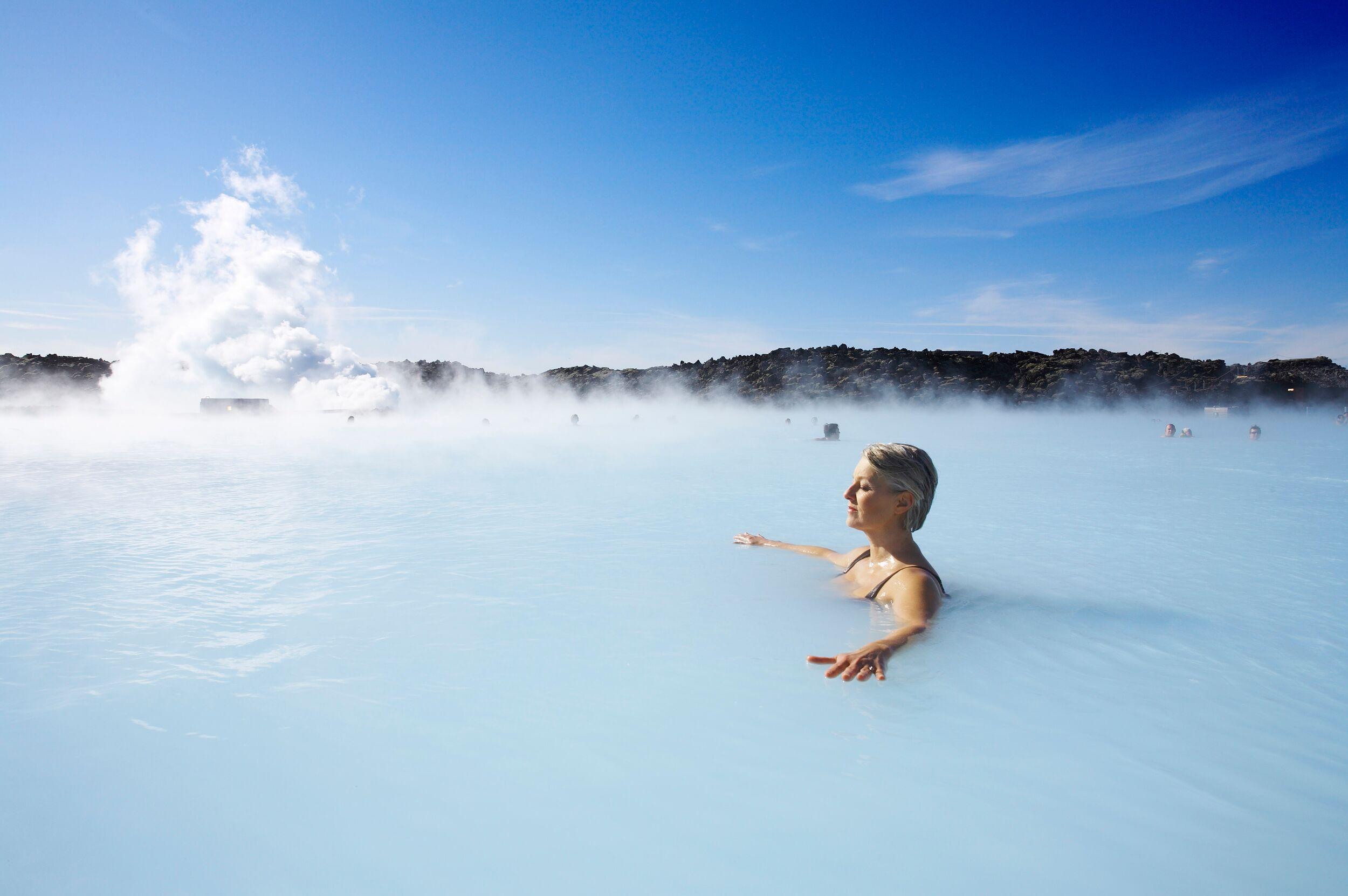
Enjoy a perfect winter day in Iceland! Experience the best of Iceland with this package of two of the island’s most popular tours in one day! Soak in the milky blue healing water of the Blue Lagoon, which is one of Iceland's most famous tourist attractions and is considered by many to be a once-in-a-lifetime experience and an unmissable part of a visit to Iceland. After your return to Reykjavík, a guide will lead you on a search for the elusive northern lights! Watching the lights dance and flicker in the sky, changing shape and colour, is incredible. Prepare to be dazzled!