

The Midnight Sun in Iceland: What it’s Like & How to Make the Most of It
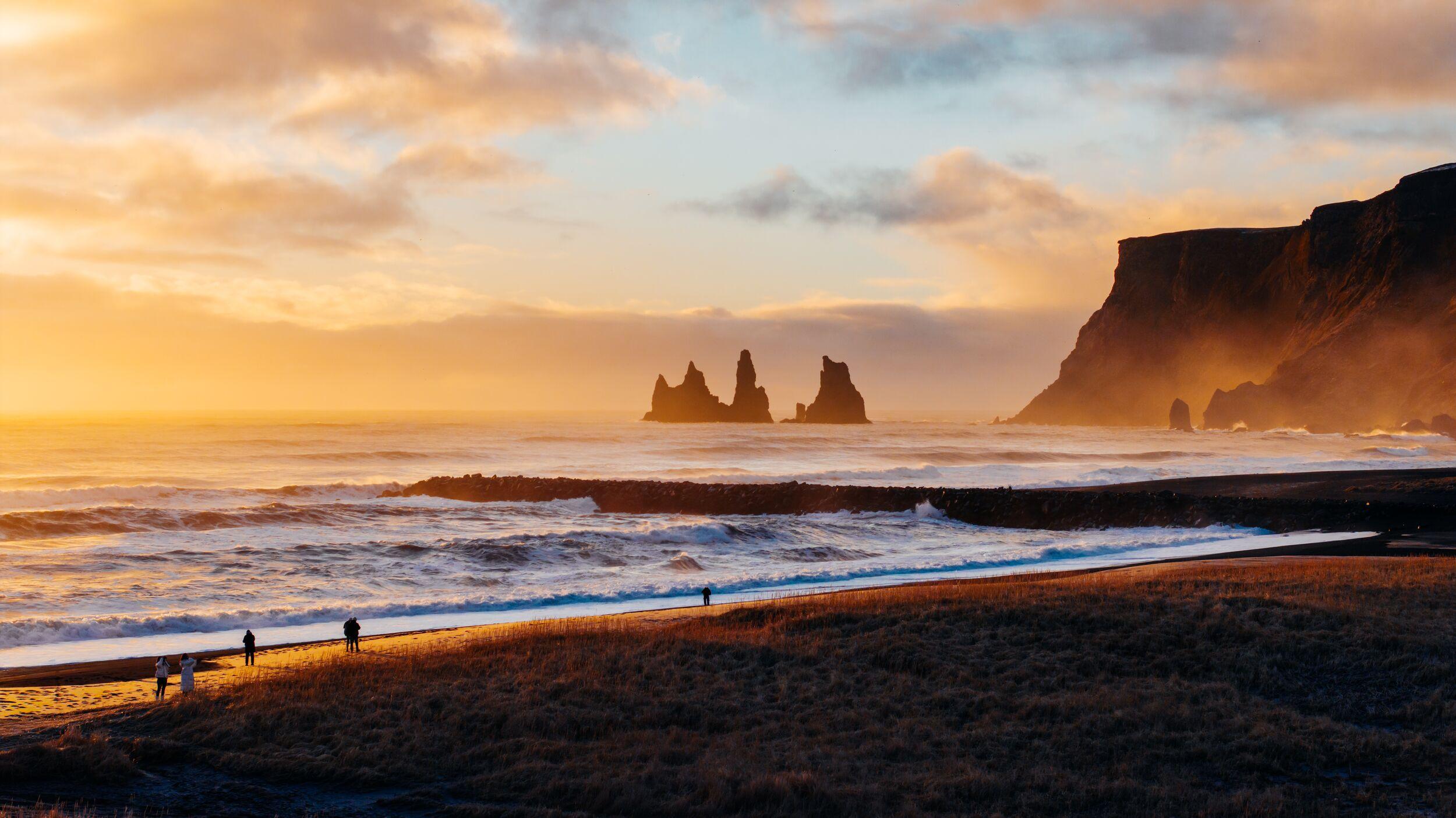
Table of Contents
- 1What do we mean by the midnight sun in Iceland?
- 2Why does the midnight sun occur?
- 3Is there anywhere in Iceland that truly experiences the midnight sun phenomenon?
- 4How can you cope with being in Iceland during the midnight sun season?
- 5What about the advantages of the midnight sun in Iceland?
- 6What should you do to capitalise on the midnight sun during your summer Iceland trip?
- 7Our sunset clause
- 8Frequently Asked Questions about the Midnight Sun in Iceland
In this article, we’ll take a deep dive into the phenomenon of the midnight sun in Iceland. We’ll explore why it happens and what it feels like to experience it, as well as show you how to plan your trip so that the tours you choose capitalise on the possibilities associated with these longer days. Extended daylight can be both a blessing and a curse, but we’ll share plenty of tips and advice so that you can turn seeing the midnight sun in Iceland to your advantage.
What do we mean by the midnight sun in Iceland?
From the middle of May to the middle of July, it never really gets dark in Iceland. The sun barely slips below the horizon before it rises again, leaving the sky in a state of twilight rather than the inky blackness you’d experience at other times of year. It’s a curious phenomenon and one that draws tourists each summer keen to find out what it’s like to try to fall asleep when your body is telling you that the day’s not yet finished.
Why does the midnight sun occur?
At this time of year, the position of the earth relative to the sun means that above the Arctic Circle, where the latitude is 66.5°N or more, the sun is always in view. The earth is tilted on its axis at an angle of 23.4 degrees. This means that the closer you are to one of the Poles, the more you’ll be affected because you’ll either be facing towards the sun in summer or away from the sun in winter.
As you move away from the Arctic, such as in the contiguous U.S. or on mainland Europe, you’ll notice the change in the length of the day; winter nights draw in far earlier. But whereas in the mid-latitudes night time exists in summer, in Nordic countries like Iceland complete darkness is elusive and you never get beyond twilight.
Is there anywhere in Iceland that truly experiences the midnight sun phenomenon?
Iceland’s mainland is located just south of the Arctic Circle, so the country experiences exceptionally long days during this period. However Grimsey Island, in the north of the country, lies within the Arctic Circle. Though it requires a bit of effort to reach, this unique location makes it one of the best places to see the midnight sun in Iceland. For a whole month from June 6th, the sun never sets at all there – it’s up all day.
The further north you travel in Iceland, the shorter the nights become. This leads to some regional variations. In Akureyri, for instance, around the summer solstice sunset is about 1am and sunrise is around half an hour later. In contrast, as Reykjavik is situated further south, the effect will be diminished. However, there’s still almost three hours between sunset and sunrise in midsummer. That’s certainly enough for you to notice it’s not dark if you’re still awake.
How can you cope with being in Iceland during the midnight sun season?
If you’re unused to extreme daylight, it can take a bit of adjustment. Our body clocks have a natural rhythm and for some, that means waking as the sun comes up. That’s fine where the sun doesn’t make its presence felt until six in the morning, but it’s a whole other matter if your body is telling you it’s time to get up at three.
To minimise the effect of this unwanted light, once you’ve finished the day’s activities you could spend time in your room with the curtains drawn prior to bedtime to acclimatise. It also helps to stay focused on the actual time as you go about your day and force yourself to go to bed and get up in the morning at what’s close to your normal routine.
Similarly, driving can be problematic as you may not realise just how tired you are in this mixed-message environment. Be mindful of how much sleep you’ve had and its quality; don’t hesitate to take a break if you know it’s late and you should be tired. Better still, leave the driving to a local who’s used to it and nap on a comfortable coach in between sightseeing stops on one of Icelandia’s tours.
To be able to get sufficient rest to enjoy your holiday, you’re likely to need to be proactive in how you intend to block out the sun. If you’re a light sleeper, contact potential accommodation providers to find out whether the room is fitted with blackout blinds. Bring a handful of clothes pegs to clip curtains together if you find there’s a gap. Some travellers swear by eye masks which they wear when sleeping.
What about the advantages of the midnight sun in Iceland?
While the disadvantages of the midnight sun might be mildly irritating, what you stand to gain by travelling at this time of year is considerable. If you’ve started to investigate what there is to see and do in Iceland as part of your itinerary planning you’ll perhaps have been overwhelmed by how much there is to choose from.
On a short trip, so long as you have the stamina, you can go big on activities and sightseeing, cramming far more into a single day than you would be able to at other times of the year. If you intend to visit Iceland for a longer trip – anything more than a few days – we wouldn’t recommend you do so, as you’ll burn out pretty quickly.
Instead, use the long days to your advantage by spreading out your sightseeing. Relish the indulgence of leisurely lunches and frequent breaks. Best of all, do so guilt-free without feeling like your budget is going to take a massive hit as it would if you tried this in winter when you’d need countless extra days to cover the same ground.
What should you do to capitalise on the midnight sun during your summer Iceland trip?
Sightsee off-peak to escape the crowds
Iceland’s most popular visitor destinations can become crowded in summer. Choose group tours that buck the trend, scheduling stops differently to what’s normal, or private tours that are fully customisable and aim to be at the busiest locations later in the evening. For instance, you might choose our Golden Circle evening tour, which visits Þingvellir, Geysir and Gullfoss after the majority of tourists have packed up and gone home for the day. Multi-day tours are another way to put some distance between you and the masses as they typically concentrate on hidden gems and off the beaten track destinations.
Set your sights on more distant attractions
Summer’s long days are the perfect opportunity to pack more into a day trip. Instead of a south coast tour as far as Vik, for instance, you could travel further east to Jökulsárlón Glacier Lagoon. The tour runs year-round, but in summer you’ll have more chance to enjoy daylight views on the way there and back thanks to Iceland’s midnight sun. You’ll also have more time to play with to incorporate activities that you might not usually associate with summer such as glacier hikes and ice cave tours.
Venture into the Icelandic highlands
Iceland’s F-roads criss-cross its mountainous interior, but they open only seasonally. Typically, the first of them are cleared by mid to late May and by mid to late September they’re off-limits to regular vehicles once more. Book a ticket for the Highland Bus to reach scenic spots such as Þórsmörk or Landmannalaugar; thanks to the midnight sun it’ll still be light when you get back to Reykjavik.
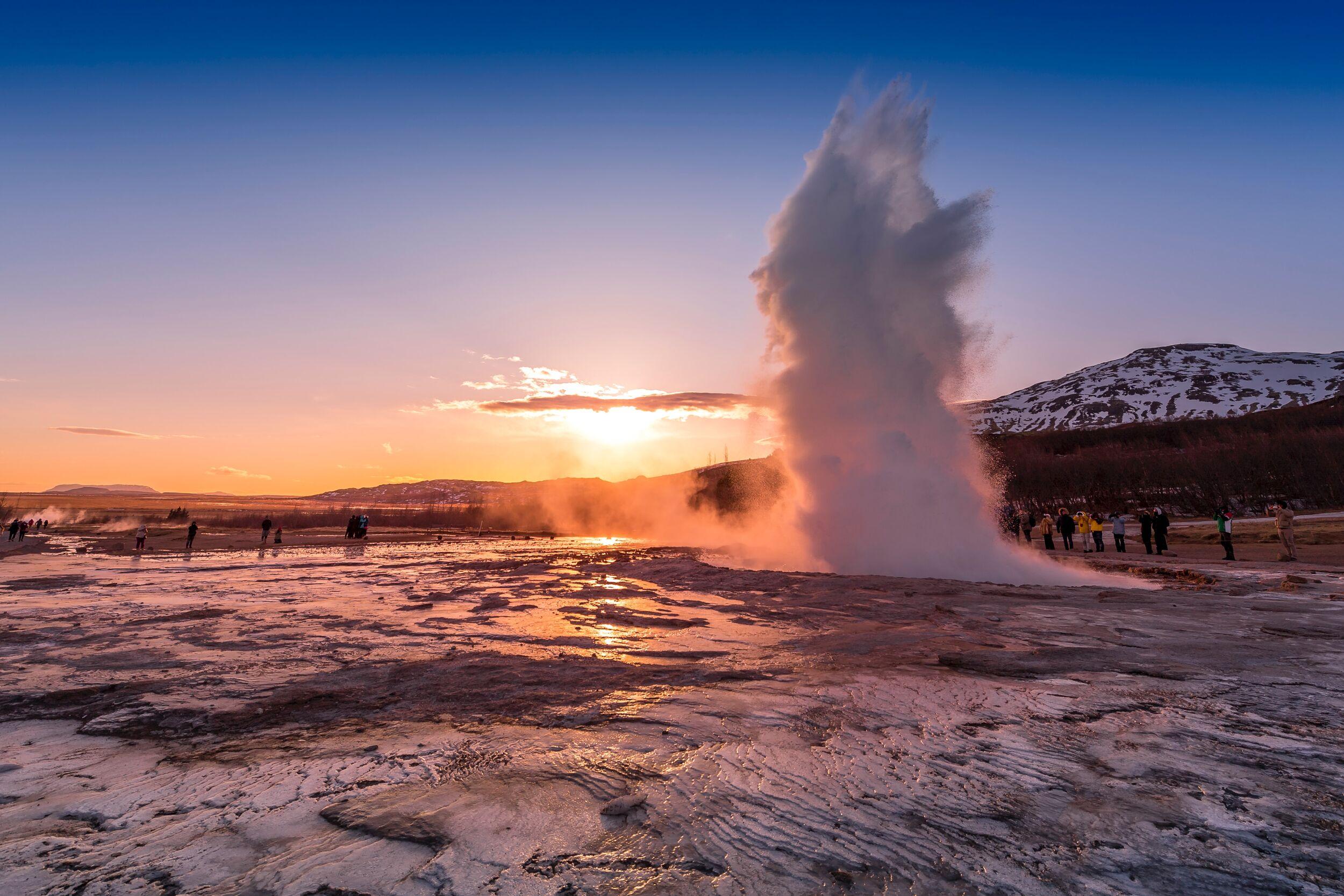
Golden Circle Evening Tour
Explore Iceland’s Golden Circle in the peaceful evening hours, when the crowds have thinned and the landscapes take on a more intimate feel. It’s a carbon-neutral tour, ensuring a more sustainable way to explore Iceland’s natural wonders.
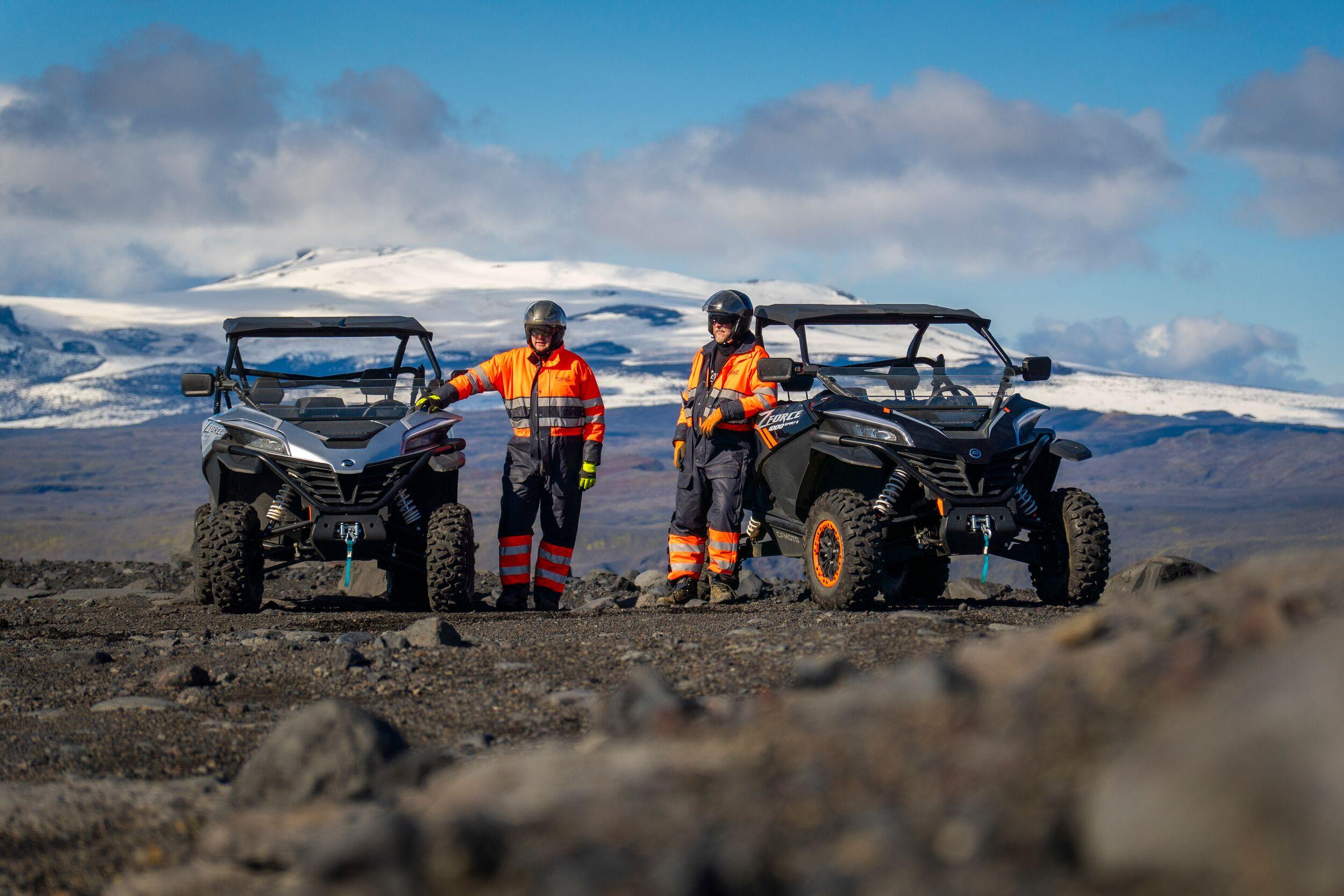
South Coast & Buggy Experience to Mýrdalsjökull Glacier
Experience the thrill of adventure with our Glacier Buggy tour!
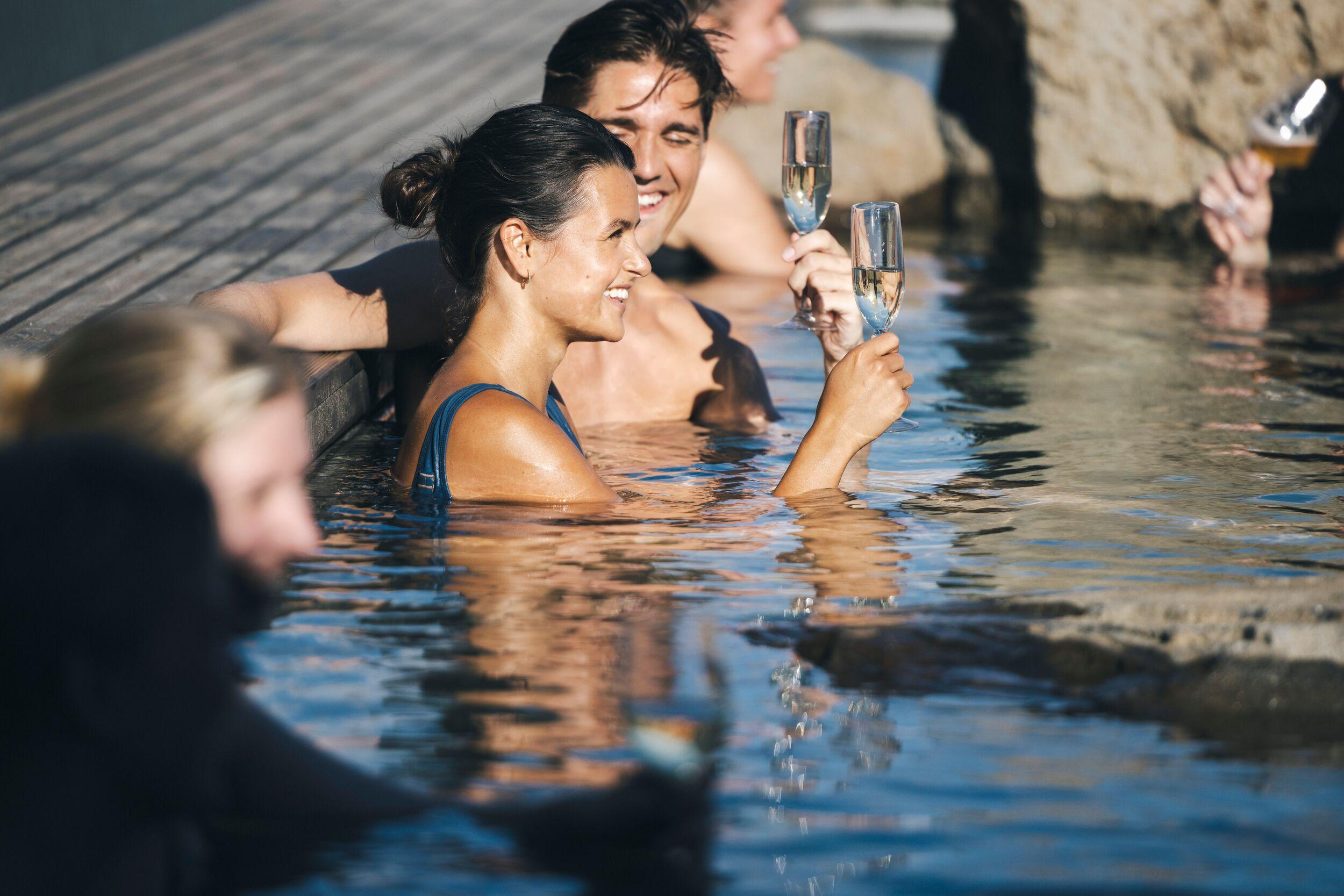
- Multiday Tour
Icelandic Wellness Package - 7-Day
Golden Circle, Blue Lagoon, Reykjavík Food Walk, South Coast & Reykjaböð and Hvammsvík. Unwind in Iceland’s healing geothermal waters while exploring breathtaking landscapes with this 7-day (6 nights) Icelandic Wellness package.
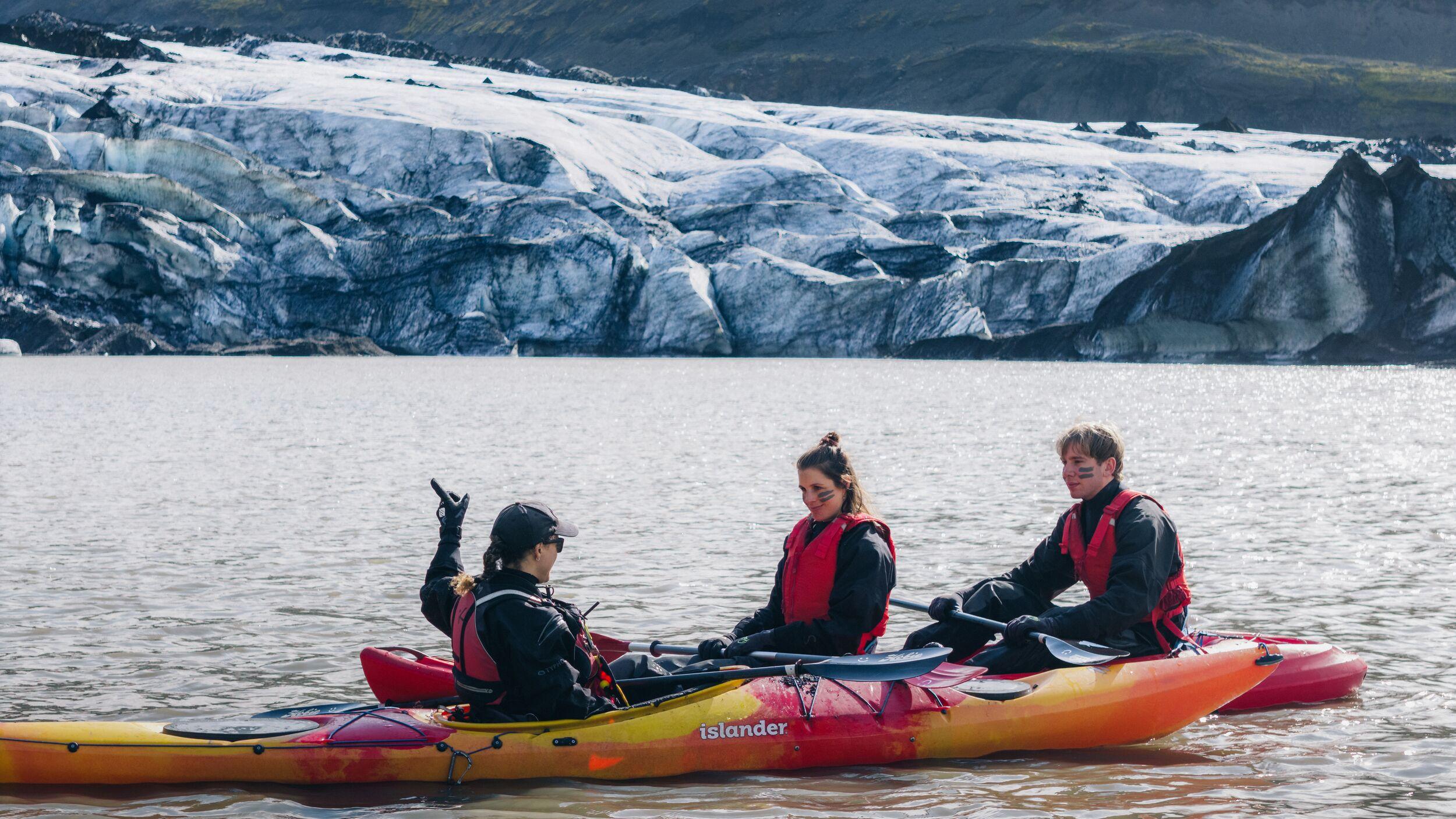
Glacier Hike and Glacier Lagoon Kayak
Get the full glacier experience—and save time and money—by combining a kayaking tour on the Sólheimajökull glacier lagoon with a guided glacier walk.
Go on an extended hike
Hiking’s a popular pursuit in Iceland and summer daylight hours mean you can be more ambitious with your plans. Whether that translates as venturing further into canyons or along highland paths, or perhaps combining multiple trails in the same day, with almost unlimited daylight to play with, you have a lot more scope when figuring out your route.
Enjoy the novelty of doing a daytime outdoor activity late in the evening
In Reykjavík, midnight sun activities might include the chance to do an evening horse riding excursion. Whale watching is fun at any time of day or year but is particularly special under the midnight sun. On land, you could sign up to participate in the Midnight Sun Run through Laugardalur. Alternatively, play a round of golf – or if you’re up north in Akureyri watch the pros as they compete in June’s Arctic Open Golf Tournament.
Soak in a geothermal lagoon
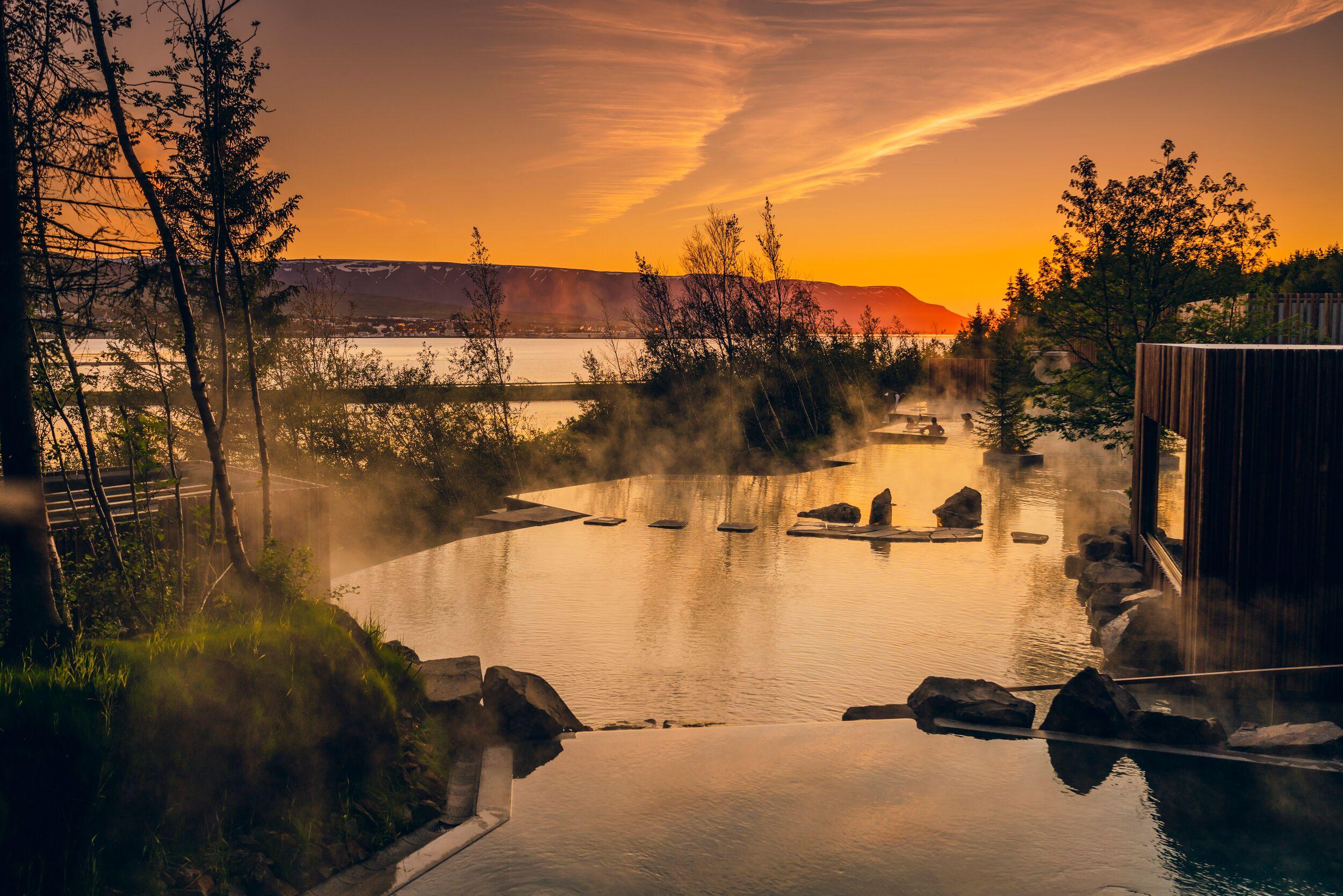
Iceland’s top geothermal lagoons stay open into the evening. In midsummer, doors close at Sky Lagoon at 11pm and the Blue Lagoon at midnight. If you’re based in Reykjavik, packages to Sky Lagoon, the Blue Lagoon and Hvammsvik Hot Springs all include transfers. Spa soaks can also be combined with sightseeing, for instance with tours of the Golden Circle – a uniquely Icelandic midnight sun experience.
Photograph a magical late night sunset or pretty twilight scene
Grab your camera for golden hour, as dusk creeps in and a late night sunset follows. Hang around to make the most of the twilight. Iceland’s many and varied natural wonders make captivating subjects. Peach and pink skies develop into rich oranges before transitioning to purples and blues – a magical sight that will have you clicking away for hours as your Iceland midnight sun experience progresses. Bring a tripod so that you can capture pin-sharp images with longer exposures, allowing the colours to fully develop.
Experience a summer festival
Summer travel in Iceland provides the opportunity to join in with the country’s many and diverse seasonal festivals and celebrations. National Day falls on June 17th each year, a chance for communities to embrace long summer days and have some fun. June’s also when you can join in with events such as the Reykjavik Fringe Festival and the Viking Festival in nearby Hafnarfjörður. Fittingly, Grimsey Island plays host to a family-friendly summer solstice festival.
Talk to a cow
Think we’re joking? On Jónsmessa (Midsummer Night) according to tradition, this is when cows find their voice and talk to people, seals become human, magical stones rise to the surface of lakes and rolling around in the dew is said to be good for your health. This is also one of the times that Iceland’s Huldufólk make their presence felt at a crossroads where all four directions lead to churches. So, if you notice anything a little strange on this date, this might be why.
Observe wild birds
Iceland’s summer visitors aren’t just human tourists: a wide variety of migratory birds arrives at the country’s shores in spring to nest and breed before they depart in late summer. That means the days up to and including peak midnight sun fall in the middle of puffin season; join a tour from Reykjavik or go it alone at hides and viewing spots in places like the Westman Islands, Látrabjarg and Borgarfjörður Eystri.
Our sunset clause
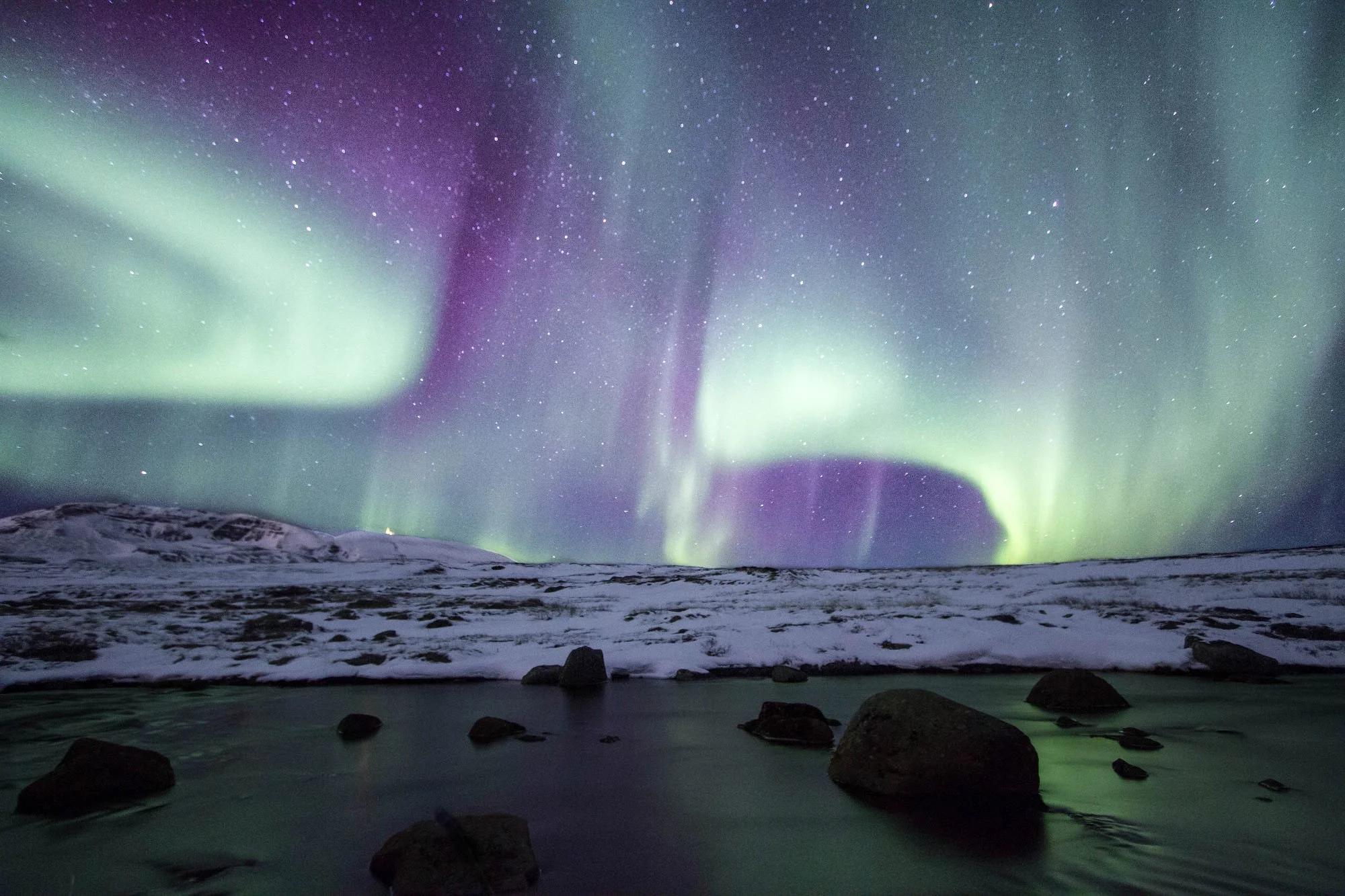
A summer visit provides an irresistible opportunity for an Icelandic midnight sun experience. There are few downsides – perhaps the biggest is missing out on the chance to see the Northern Lights but you can always make a return visit later in the year to tick those off your bucket list. That swing between near-endless summer days and short, golden winter ones is one of the things that makes Iceland unlike anywhere else. We hope we’ve given you plenty of inspiration for your Iceland summer bucket list; the variety of tours and activities that you can choose from at this time of year is unmatched. With a raft of wonderful options on our website, why not take a look and let Icelandia be your guide?
Read more
See all articles
Frequently Asked Questions about the Midnight Sun in Iceland
The midnight sun in Iceland is a summer phenomenon where the sun barely sets, creating extended daylight and long twilight hours. From mid-May to mid-July, it never gets fully dark. Around the summer solstice in late June, the sky remains bright throughout the night, especially in northern Iceland.
You can experience the midnight sun in Iceland from mid-May to mid-July. The peak occurs around the summer solstice on June 21, when daylight is at its longest. In June, most of Iceland experiences nearly 24 hours of light, with only brief twilight during the night.
Grímsey Island, located on the Arctic Circle, is the only place in Iceland where the sun does not set at all during the peak of the midnight sun season. Northern towns like Akureyri also experience extremely short nights. Reykjavik sees several hours of twilight rather than complete darkness in midsummer.
The midnight sun can disrupt sleep because natural light signals the body to stay awake. Many visitors find it harder to fall asleep or wake earlier than usual. Using blackout curtains, eye masks, and maintaining a regular sleep schedule can help minimise disruption.
The best activities during the midnight sun season include evening sightseeing tours, glacier hikes, wildlife watching, geothermal lagoon visits, and long-distance hikes. Extended daylight allows travellers to explore later in the evening when popular sites are quieter and lighting conditions are ideal.
Yes, you can experience the midnight sun in Reykjavík. Although the city is slightly south of the Arctic Circle, it enjoys almost 24 hours of daylight in June. Around the summer solstice, sunset occurs close to midnight and sunrise follows shortly after, leaving only twilight in between.
Pack an eye mask, lightweight layers, a windproof jacket, comfortable walking shoes, sunscreen, and sunglasses. Even at midnight, the sun can be bright. Blackout sleep aids are useful, and a reusable water bottle is helpful for long sightseeing days.
Yes, many tours operate in the evening during the midnight sun season. Golden Circle evening tours, whale watching trips, horseback riding excursions, and geothermal lagoon visits often run late into the night while it remains light outside.
In West Iceland, daylight lasts approximately 20–22 hours around midsummer. Near the summer solstice, sunset occurs close to midnight and sunrise follows shortly after. While it may not be fully bright at night, it rarely becomes completely dark.
Photograph during late evening “golden hour” when the sun sits low on the horizon. Use a tripod for longer exposures and bring a lens hood to reduce glare. The best colours appear just before and after midnight when pink, orange and purple tones fill the sky.
Recommended tours
- Bestseller
- Popular
Blue Lagoon & Northern Lights
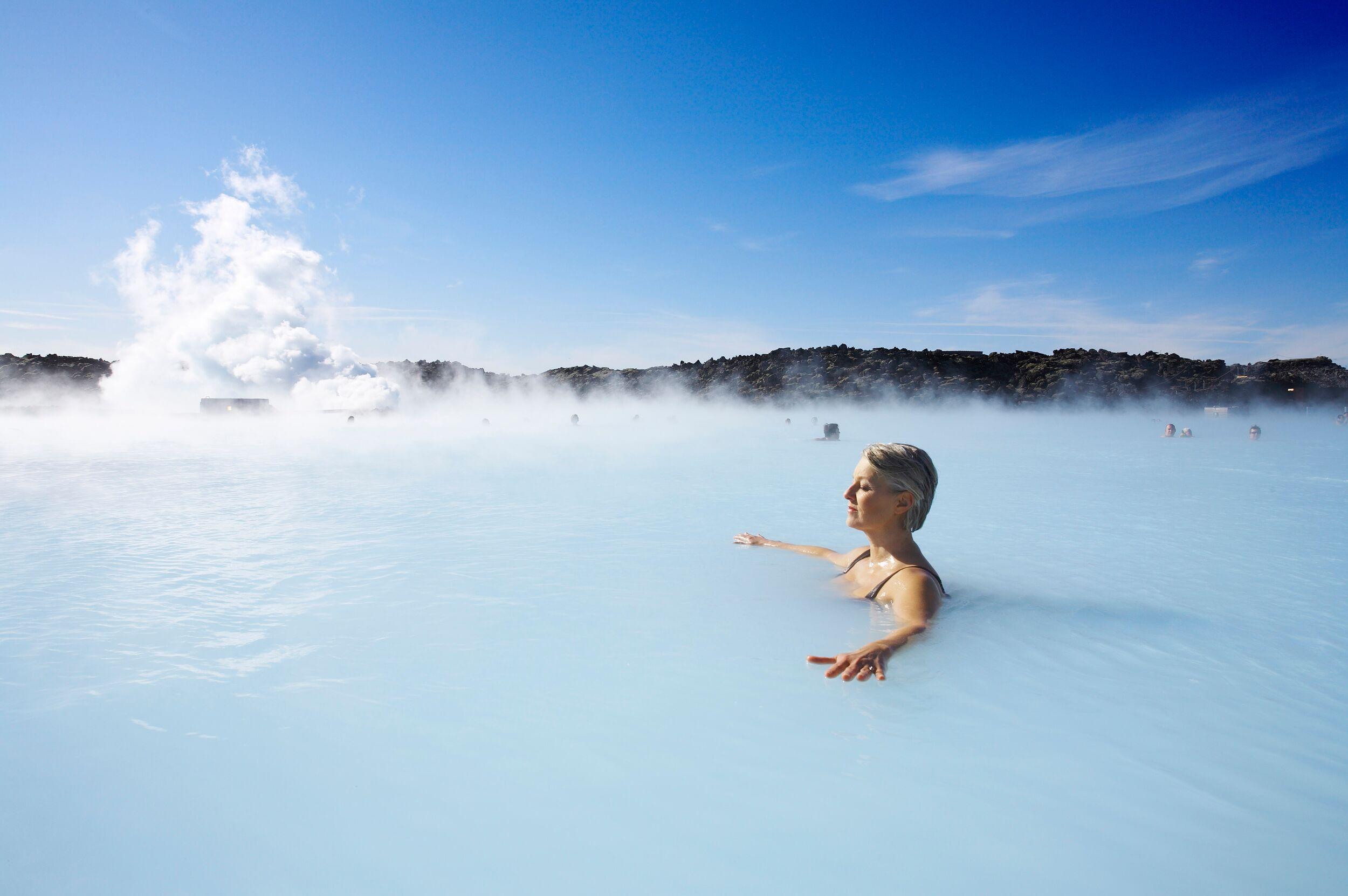
Enjoy a perfect winter day in Iceland! Experience the best of Iceland with this package of two of the island’s most popular tours in one day! Soak in the milky blue healing water of the Blue Lagoon, which is one of Iceland's most famous tourist attractions and is considered by many to be a once-in-a-lifetime experience and an unmissable part of a visit to Iceland. After your return to Reykjavík, a guide will lead you on a search for the elusive northern lights! Watching the lights dance and flicker in the sky, changing shape and colour, is incredible. Prepare to be dazzled!