

Visit Þjórsárdalur Valley in the Icelandic Highlands
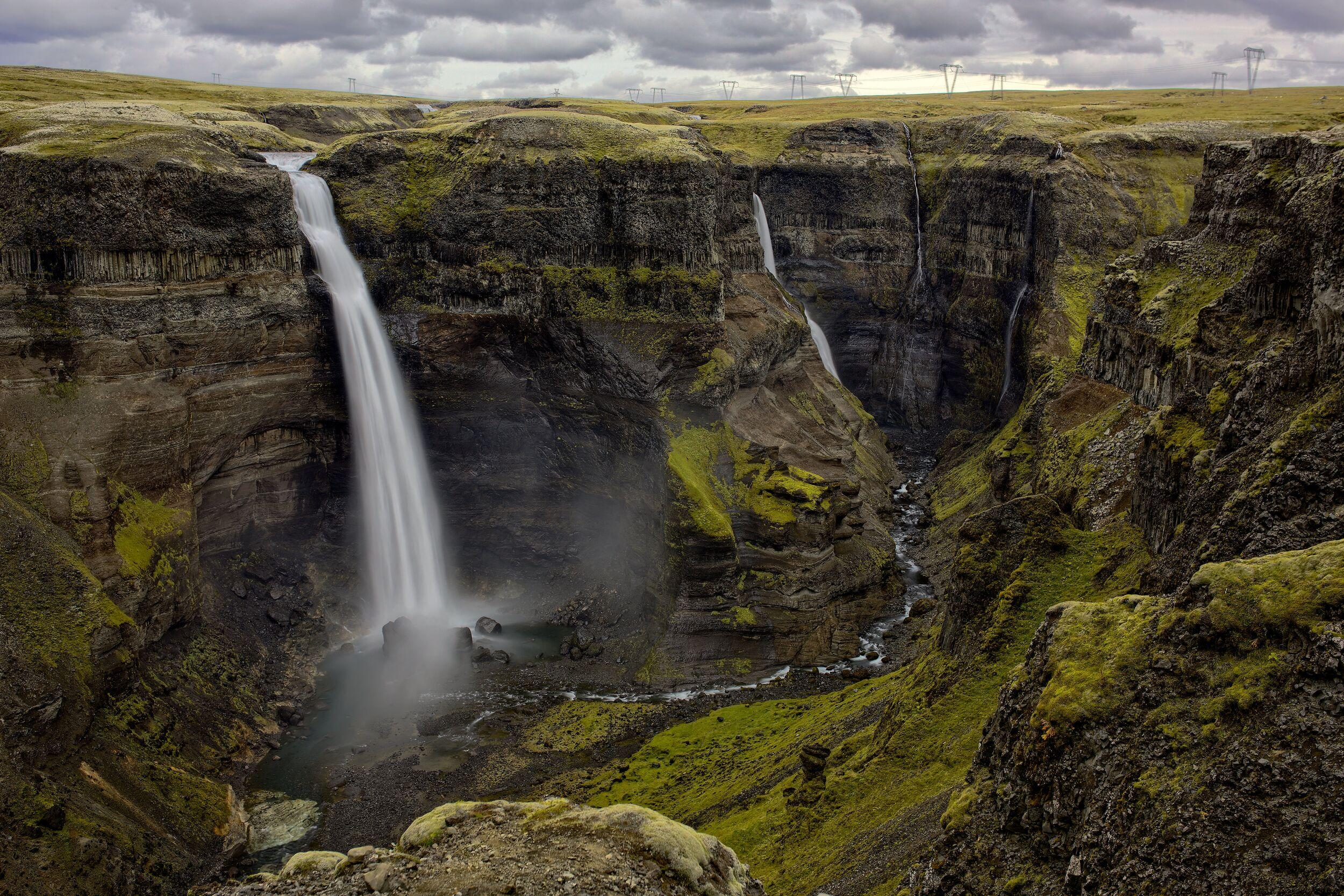
Table of Contents
- 1Where is the Þjórsárdalur Valley?
- 2A Brief History of Þjórsárdalur Valley
- 3The Three Þjórsárdalur Waterfalls Featured in Stranger Things
- 4Natural Sites at Þjórsárdalur Valley
- 51. Háifoss Waterfall
- 62. Granni Waterfall
- 73. Hjálparfoss Waterfall
- 84. Gjáin Oasis
- 95. Búrfell Woods
- 10Cultural Sites at Þjórsárdalur Valley
- 11Hiking Trails in Þjórsárdalur Valley
- 12How to Add Þjórsárdalur Valley to Your Iceland Itinerary
- 13Best Time to Visit Þjórsárdalur Valley
- 14Why Þjórsárdalur Valley Deserves a Spot on Your Iceland Itinerary
- 15FAQs
Tucked between South Iceland and the edge of the Icelandic Highlands, Þjórsárdalur Valley offers a wonderful mix of nature and history. The valley is home to waterfalls, hiking trails, volcanic landscapes, and fascinating traces of Iceland's past. While many visitors come to see the three waterfalls in Stranger Things, Þjórsárdalur offers much more than a filming location.
Planning to explore beyond the Golden Circle or venture into the Highlands? Þjórsárdalur Valley is a rewarding destination for travellers interested in both nature and Viking history.
Where is the Þjórsárdalur Valley?
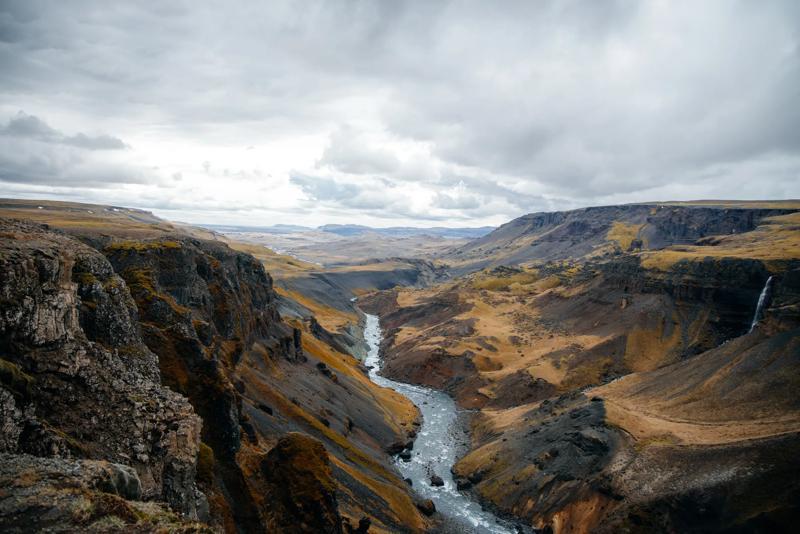
Þjórsárdalur Valley (Thjórsárdalur Valley) is located in South Iceland, where the lowlands gradually meet the Icelandic Highlands. It stretches along the river Þjórsá, Iceland's longest river, and lies northwest of Mount Hekla and east of the Golden Circle. The valley is approximately 130 km (81 mi) from Reykjavík, making it an easy day trip from Iceland's capital.
Despite being within easy reach of South Iceland's popular attractions, Þjórsárdalur remains relatively peaceful. Visitors can explore waterfalls, lava fields, and historic settlements without the crowds often found at some of Iceland's top destinations.

If you're exploring South Iceland, Þjórsárdalur Valley is an easy detour with a big payoff.
A Brief History of Þjórsárdalur Valley
The story of Þjórsárdalur is closely tied to Volcano Hekla, which rises just east of the valley. Early Icelandic settlers were drawn to the area's fertile land and access to fresh water from the river Þjórsá. Farms and small communities flourished here during the Viking Age.
Life in the valley changed dramatically in 1104 when Mount Hekla erupted. Ash and volcanic material covered large parts of the region, burying farms and forcing many residents to leave. The eruption also contributed to the formation of the vast Þjórsá Lava field, one of Iceland’s largest lava flows.
Centuries later, archaeologists uncovered evidence of these early settlements. One of the most significant discoveries was the farm at Stöng, which was excavated in 1939. The site provided valuable insight into how Icelanders lived during the Commonwealth period. Today, it remains one of the country's most important archaeological locations.
The Three Þjórsárdalur Waterfalls Featured in Stranger Things
Fans of Stranger Things may recognise parts of Þjórsárdalur Valley from the Season 5 series finale. Specifically, when Eleven seeks refuge in a remote location described by Mike as a place where she could find sanctuary. The scene was filmed at the canyon overlooking Háifoss and Granni, which represent the three waterfalls in Stranger Things.
Technically, only two waterfalls are visible from the famous filming location. However, nearby Hjálparfoss is often included as part of the trio. Mostly due to its location within Þjórsárdalur Valley and its popularity among visitors exploring the area.
Even if you have never watched the series, these waterfalls are well worth visiting. Surrounded by lava formations, steep cliffs, and Highland landscapes, they showcase the dramatic beauty of Þjórsárdalur Valley.
Note: There are more famous Iceland filming locations you can add to your itinerary. You can also check out this guide to South Iceland’s waterfalls for more exciting travel ideas.
The only thing more powerful than Eleven? Iceland's waterfalls.
Natural Sites at Þjórsárdalur Valley
From dramatic waterfalls to hidden green oases, Þjórsárdalur Valley offers a variety of natural sites worth exploring. Here are some of the valley's most popular attractions.
1. Háifoss Waterfall
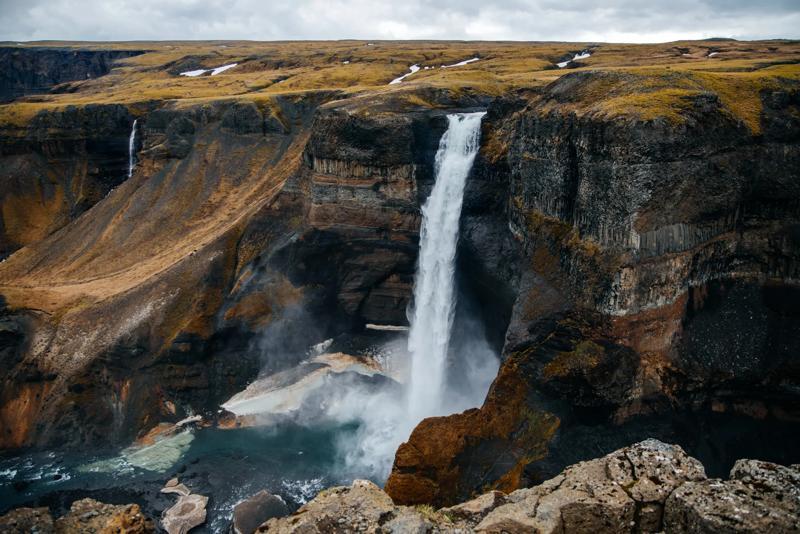
A visit to Þjórsárdalur would not be complete without seeing Háifoss, one of the tallest waterfalls in the country. This waterfall drops an impressive 122 metres (400 feet) into a deep canyon carved by the Fossá River.
Standing at the viewpoint, visitors can admire sweeping views of the surrounding Highlands, colourful cliffs, and volcanic terrain. The dramatic setting explains why Háifoss is often considered one of Iceland's must-see waterfalls.
Practical information about Háifoss Waterfall:
- Parking: Free near the viewpoint
- Access: Via route 32 and 332 from South Iceland or Reykjavík
2. Granni Waterfall
Located beside Háifoss, Granni is often overlooked despite its impressive appearance. The name means "Neighbour" in Icelandic, a fitting description for a waterfall that shares the same canyon as its famous companion.
Because both waterfalls can be viewed from the same area, they are easy to visit during a single stop. Photographers often enjoy capturing the contrast between the powerful drop of Háifoss and the gentler flow of Granni.
Practical information about Granni Waterfall:
- Parking: Free near the viewpoint
- Access: Via route 32 and 332 from South Iceland or Reykjavík
3. Hjálparfoss Waterfall
Hjálparfoss is one of the valley's most distinctive waterfalls. Rather than a single cascade, it splits into two streams before meeting in a calm pool surrounded by basalt rock formations. Its picturesque setting has made it a favourite stop for couples exploring romantic places in the south and west Iceland.
The waterfall's name translates to "Help Falls". According to locals, travellers crossing the Highlands often stopped here to rest their horses and replenish supplies before continuing their journey.
Practical information about Hjálparfoss Waterfall:
- Parking: Free near the viewpoint
- Access: Via route 32 from South Iceland or Reykjavík
4. Gjáin Oasis
Few places in Iceland feel quite like Gjáin. Hidden within a small valley, this lush oasis is filled with small waterfalls, streams, lava formations, and vibrant vegetation.
It’s home to various species of wildflowers, grass, and moss, creating a striking contrast against the darker volcanic landscapes nearby. Wooden footpaths and easy walking trails allow visitors to explore the oasis at a relaxed pace.
Fun fact: Gjáin appeared in Game of Thrones Season 4, Episode 5, during Arya Stark and The Hound's journey through the Riverlands.
Practical information about Gjáin Oasis:
- Parking: Free near the entrance (Stangarvegur road)
- Access: Via route 32 and 327 from South Iceland or Reykjavík
5. Búrfell Woods
Búrfell Woods is a large forest in the region and offers a different perspective on Þjórsárdalur's landscape. The woodland consists primarily of birch trees and provides shelter for a variety of birds and plant life.
Walking through the forest reveals another side of the valley, one shaped by conservation efforts and natural regeneration. The area is particularly enjoyable during summer, when vegetation is at its most vibrant and walking routes are easily accessible.
Practical information about Búrfell Woods:
- Parking: Free at the nearby Búrfell Hydropower Station
- Access: Via route 32 and Búrfellsstöð road from South Iceland or Reykjavík
Cultural Sites at Þjórsárdalur Valley
Beyond its natural sites, Þjórsárdalur Valley is also rich in history and culture. These landmarks trace the valley's story from Viking-era settlements to modern renewable energy.
1. Stöng Viking-Era Longhouse
Among the valley's cultural landmarks, Stöng is one of the most important. This former farmstead, dubbed the “Pompeii of Iceland,” provides a rare glimpse into daily life during Iceland's early settlement period.
The site was buried following the eruption of Mount Hekla in 1104, preserving many details of the original settlement. When archaeologists excavated the farm in 1939, they uncovered the remains of a longhouse and several associated buildings.
Today, visitors can walk around the protected archaeological site and learn about the people who once called Þjórsárdalur home. Information boards explain the history of the settlement and the discoveries made during the excavation.
Practical information about Búrfell Woods:
- Parking: Free near the site entrance
- Access: Via route 32 and 327 from South Iceland or Reykjavík
2. Þjóðveldisbærinn Stöng (The Commonwealth Farm)
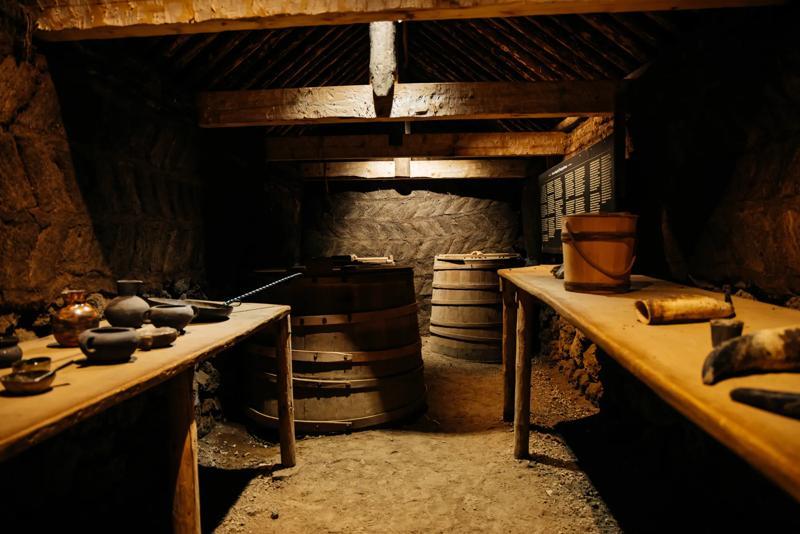
A short distance from the original ruins stands Þjóðveldisbærinn Stöng. It’s a reconstructed farmhouse built to represent an Icelandic farm and a small turf-clad church from the Commonwealth period.
Constructed using traditional building techniques and materials, the farm offers visitors a chance to step back in time. Its turf walls, timber interiors, and period furnishings recreate the living conditions of more than 1,000 years ago.
Fun fact: This site also appeared in Game of Thrones Season 4 during the "Wildling Attack" scene.
Practical information about Búrfell Woods:
- Parking: Free at the site entrance
- Access: Via route 32 and Búrfellsstöð road from South Iceland or Reykjavík
3. Búrfell Hydropower Station
While Þjórsárdalur is known for its history and natural beauty, it also plays an important role in Iceland's renewable energy network. Búrfellsvirkjun, a hydroelectric power station near Þjórsárdalur, harnesses the power of the river Þjórsá to generate electricity.
Commissioned in 1969, this hydropower station was the first large-scale power plant built by Landsvirkjun, Iceland's national power company. The facility continues to supply renewable energy to homes and businesses across the country.
Visitors interested in engineering and sustainability can visit its visitor centre to learn about how Iceland uses its natural resources.
Practical information about Búrfell Woods:
- Parking: Free on-site
- Access: Via route 32 and Búrfellsstöð road from South Iceland or Reykjavík
Hiking Trails in Þjórsárdalur Valley
Þjórsárdalur Valley offers hiking trails for a range of experience levels, from short scenic walks to longer routes. Here are some of the most popular trails in the area.
1. Gjáin Gorge Trail
This easy trail connects Stöng Viking-Era Longhouse and Gjáin Oasis. It’s a great option for visitors who want to combine history and nature in a single walk.
- Difficulty: Easy
- Distance: 2 km (1.2 miles) one way
- Duration: About 1 hour one way
- Route: Stöng → Gjáin → return via the same path
Along the way, hikers pass moss-covered basalt formations, small waterfalls, streams, and patches of colourful vegetation. While the trail is generally accessible, some sections can be rocky and uneven.
2. Stöng–Háifoss Trail
For those looking for an element of adventure, the Stöng–Háifoss Trail follows the Fossá River through dramatic Highland scenery.
- Difficulty: Moderate
- Distance: 12 km (7.5 miles) one way
- Duration: About 6 hours round trip
- Route: Stöng → Háifoss Waterfall
The trail follows stony terrain with moderate elevation gain. And it rewards hikers with spectacular views of one of Iceland's tallest waterfalls.
3. Háifoss Gorge Hike
This shorter route descends into the canyon below Háifoss, offering a different perspective of the waterfall and the surrounding landscape.
- Difficulty: Easy to Moderate
- Distance: 4.5 km (2.8 miles) out and back
- Duration: 1.5–2.5 hours
- Route: Háifoss viewpoint → canyon floor → return
The hike includes some stairs and rocky sections during the descent, so sturdy footwear is recommended. The views from the canyon make the effort worthwhile, especially on clear days.
The best way to experience Þjórsárdalur Valley is on foot.
How to Add Þjórsárdalur Valley to Your Iceland Itinerary
Þjórsárdalur Valley is easy to include in a South Iceland itinerary. Located between the Golden Circle and the Icelandic Highlands, it works well as a day trip from Reykjavík. Or as an additional stop on a longer journey through the region.
As a Golden Circle detour
If you're exploring the Golden Circle by car, Þjórsárdalur Valley makes an excellent detour. The valley is about an hour from both Gullfoss Waterfall and Kerið Crater. This makes it easy to add attractions such as Háifoss, Gjáin, and Stöng to your itinerary, especially during summer.
Most travellers reach the valley via Route 32, which branches off from the main road network in South Iceland. The main roads are paved, although access roads to some attractions, including Háifoss, are gravel.
Important: During summer, many of the valley's highlights can be reached in a standard 2WD vehicle. However, road conditions can vary depending on the weather and your planned route. So, it’s always worth checking current road information (via road.is) before setting out.
As part of a South Iceland adventure
Þjórsárdalur Valley also pairs well with a longer South Iceland adventure. Consider joining Icelandia's South Coast and glacier hiking tour. It showcases some of the region's most famous waterfalls, black sand beaches, and glacier landscapes.
After touring the South Coast, spend the night in a nearby town such as Selfoss. The following day, you can self-drive to Þjórsárdalur Valley and freely explore its waterfalls, hiking trails, and Viking-era landmarks.
Tip: Þjórsárdalur Valley can also serve as a gateway to the southern Icelandic Highlands. During the summer, you can ride a Highland bus to visit several Highlands destinations such as Þórsmörk and Landmannalaugar.
Best Time to Visit Þjórsárdalur Valley
The best time to visit Þjórsárdalur Valley is generally between summer and early autumn. This is when road conditions are generally more favourable, and hiking trails are easier to access.
Here’s what you can expect in Þjórsárdalur, depending on the season:
- Summer (June–August): Long daylight hours and mild temperatures make it ideal for exploring waterfalls, hiking trails, and natural sites such as Gjáin. Vegetation is also at its most vibrant during this season.
- Autumn (September–October): Búrfell Woods takes on beautiful autumn colours, and the valley often sees fewer visitors than during the summer months.
- Winter (November–March): Snow-covered landscapes create a different experience. But some roads and facilities may be more difficult to access due to weather conditions.
- Spring (April–May): As the snow begins to melt, the valley gradually comes back to life. Waterfalls are particularly powerful during this time, although conditions can still be unpredictable.
Regardless of when you visit, always check the latest weather forecast and road conditions before setting out. You can use vedur.is or SafeTravel.is for monitoring.
Why Þjórsárdalur Valley Deserves a Spot on Your Iceland Itinerary
Þjórsárdalur Valley brings together many of the experiences that make Iceland such a rewarding destination. Within a relatively small area, visitors can discover some of the country's tallest waterfalls and explore fascinating Viking history. The valley also offers lush green landscapes, Highland scenery, and underrated places locals truly love.
Whether you're drawn by the three waterfalls in Stranger Things or the story of Stöng, Þjórsárdalur Valley is worth visiting. It’s also an excellent destination for travellers seeking beautiful natural surroundings away from busier tourist routes.
If you're planning an Iceland Highlands itinerary, Þjórsárdalur Valley makes an ideal stop between South Iceland and the Highland interior.
FAQs
Þjórsárdalur Valley is approximately 130 kilometres (81 miles) from Reykjavík. The drive usually takes around two hours, depending on road and weather conditions.
Yes. Many of Þjórsárdalur Valley's main attractions can be reached during summer in a standard 2WD vehicle. However, some roads may be gravel, and conditions can vary, so it’s always best to check road updates before travelling.
Popular activities in Þjórsárdalur Valley include visiting Háifoss, Granni, and Hjálparfoss waterfalls, exploring Gjáin Oasis, and hiking local trails. Visitors can also tour Þjóðveldisbærinn Stöng and learn about the valley's history at Stöng.
Yes. Iceland was used as a filming location for several scenes in Stranger Things. The dramatic landscapes of Þjórsárdalur Valley and its Háifoss and Granni waterfalls were featured in the show.
Yes. These waterfalls are located within the same general area and can easily be visited during a day trip to Þjórsárdalur Valley.
Many travellers spend half a day to a full day exploring the Þjórsárdalur Valley. If you plan to visit multiple attractions, hike, and explore the cultural sites, a full day is recommended.
Recommended tours
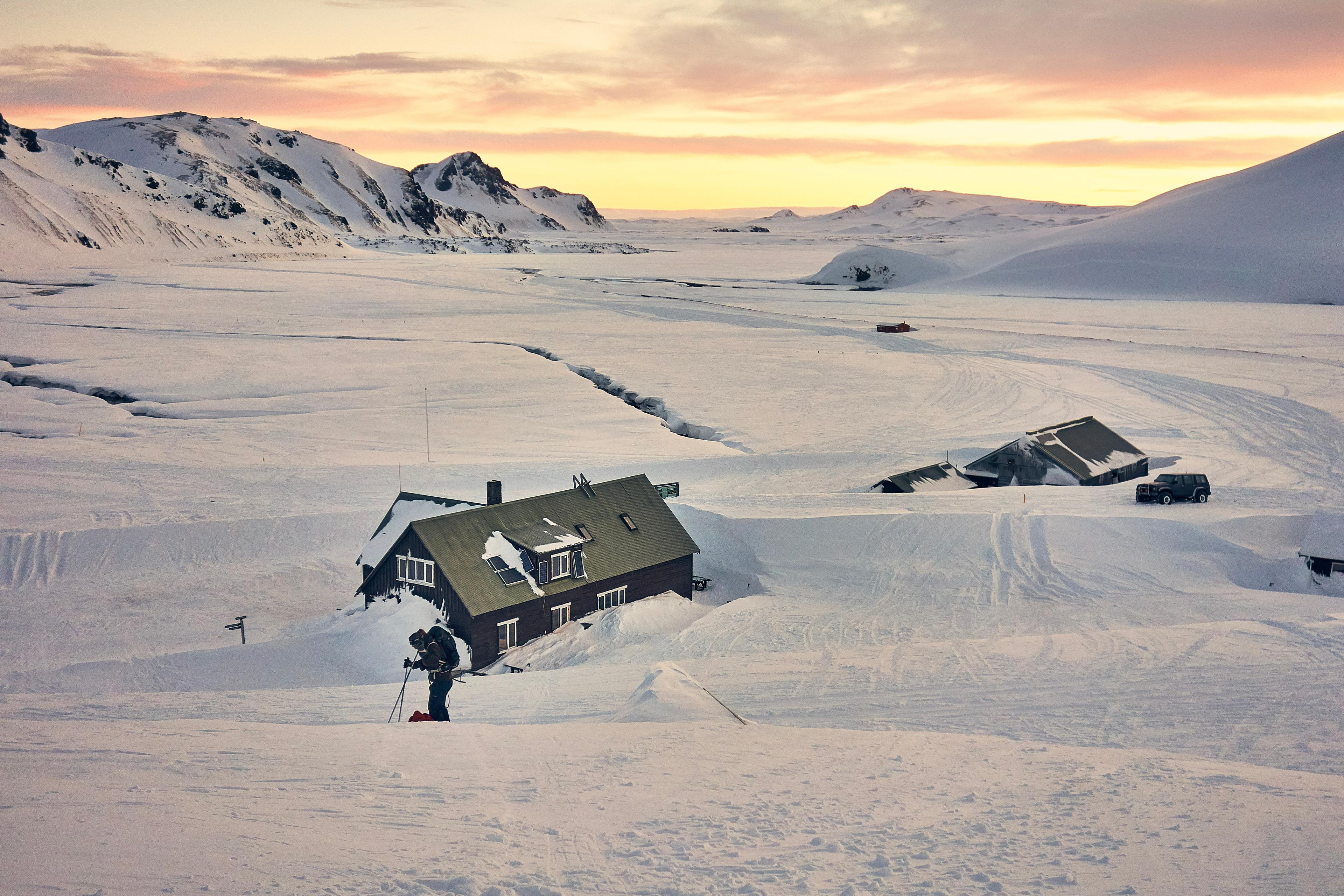
Landmannalaugar in Winter
Experience the untamed beauty of Iceland's Highlands on a cross-country skiing adventure in Landmannalaugar. Explore volcanic landscapes and geothermal wonders, and relax in natural hot springs beneath the winter sky.
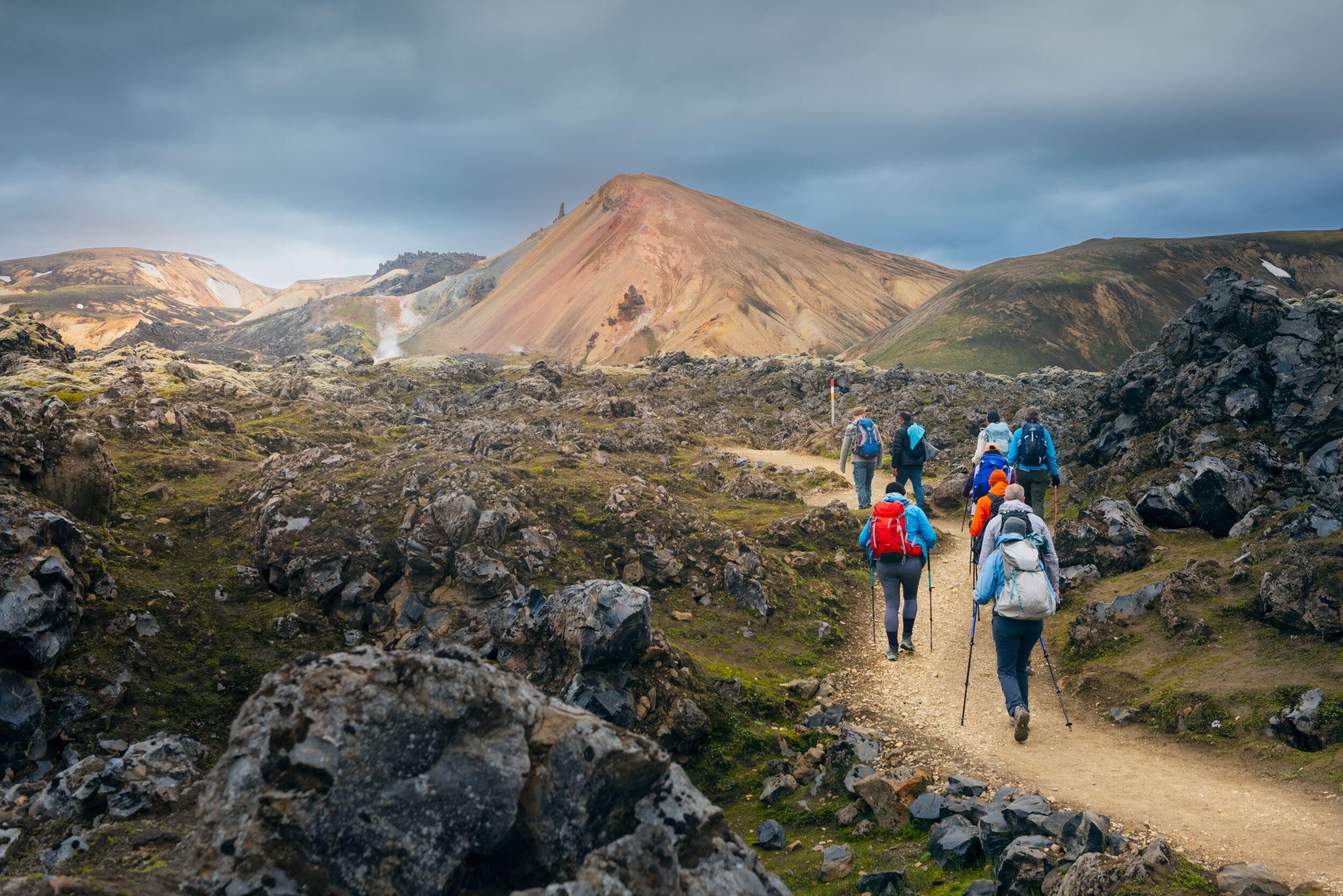
6-Day Laugavegur & Fimmvörðuháls in Huts
Experience the breathtaking beauty of the Icelandic highlands on the Laugavegur & Fimmvörðuháls Hiking Tour. This six-day trek is an extraordinary journey through some of Iceland's most stunning landscapes, perfectly blending two of the country's most famous trails.
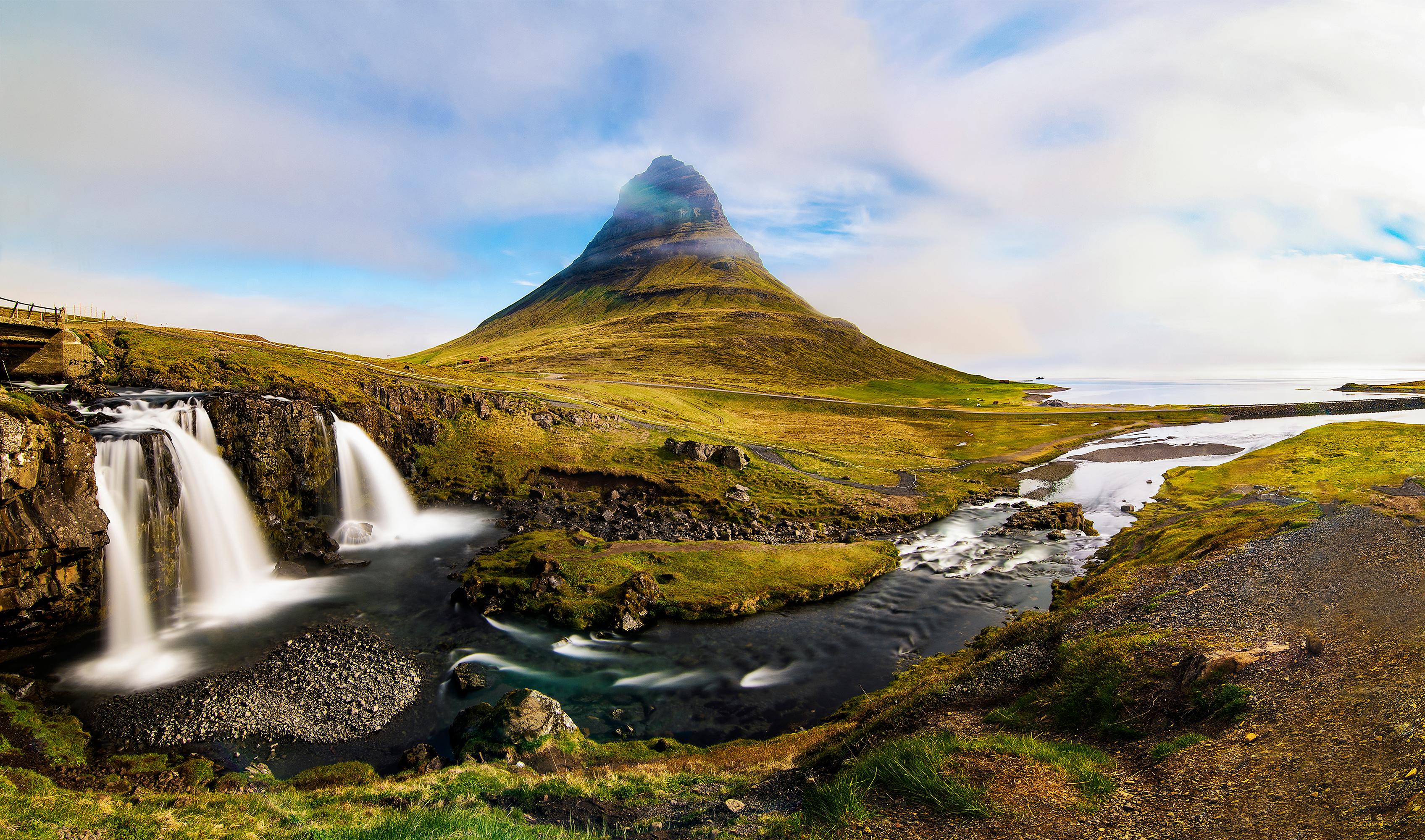
Snæfellsnes Peninsula in a small group tour with home-cooked meal included
Discover Snæfellsnes - Iceland's Hidden Paradise. Join us for a day of adventure in Snæfellsnes, Iceland's stunning peninsula. From towering mountains to black sand beaches, our tour covers the best sights with friendly guides. Small groups and comfy ride.
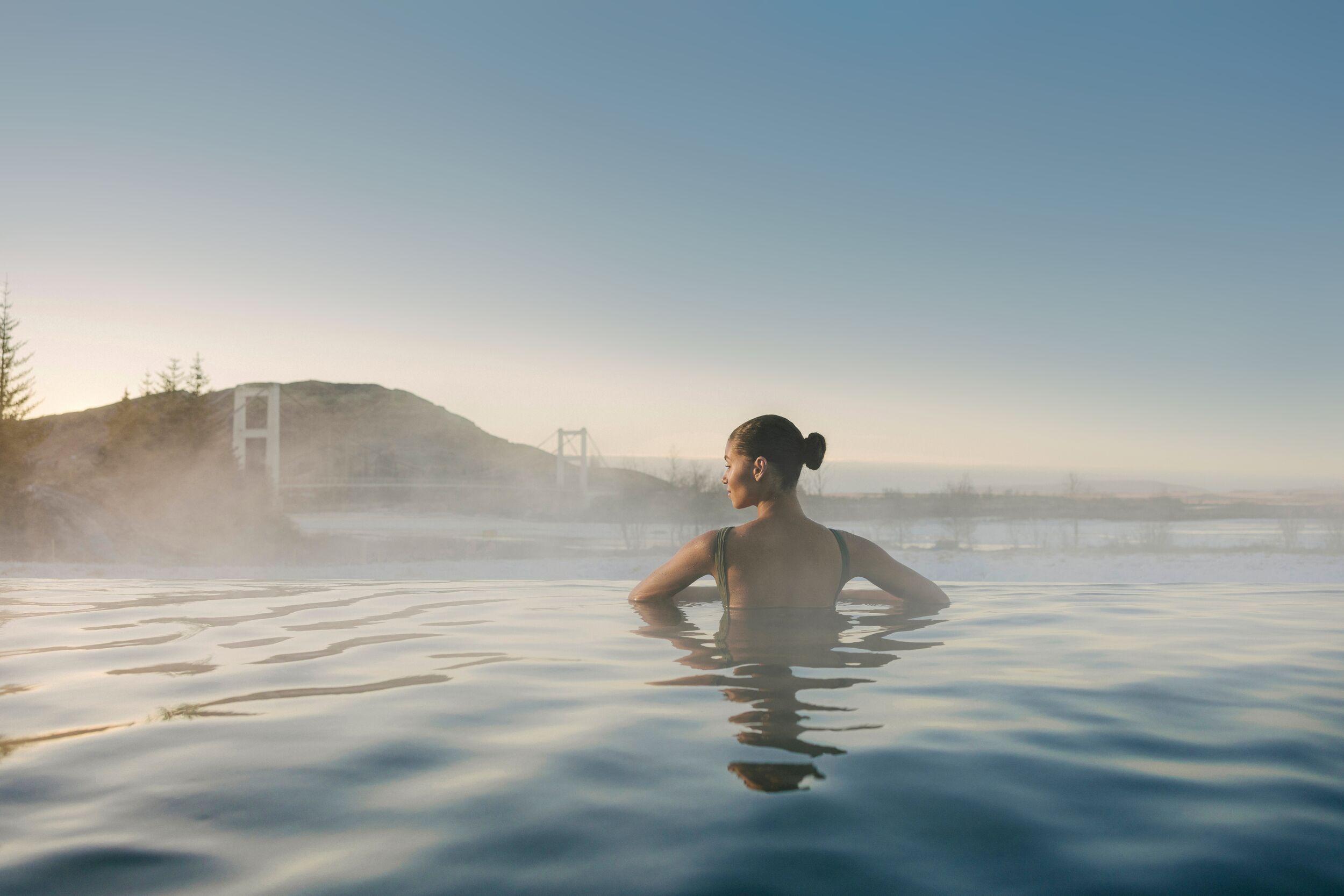
Golden Circle and Laugarás Lagoon Birki Admission
Begin your adventure with a journey through the iconic Golden Circle, where you'll discover three of the country’s most breathtaking natural wonders: Gullfoss waterfall, the erupting hot springs of Geysir, and the historic rift valley of Þingvellir National Park. End your day of wonders with a relaxing soak in the geothermal waters of Laugarás Lagoon, a tranquil new spa in the Icelandic countryside.
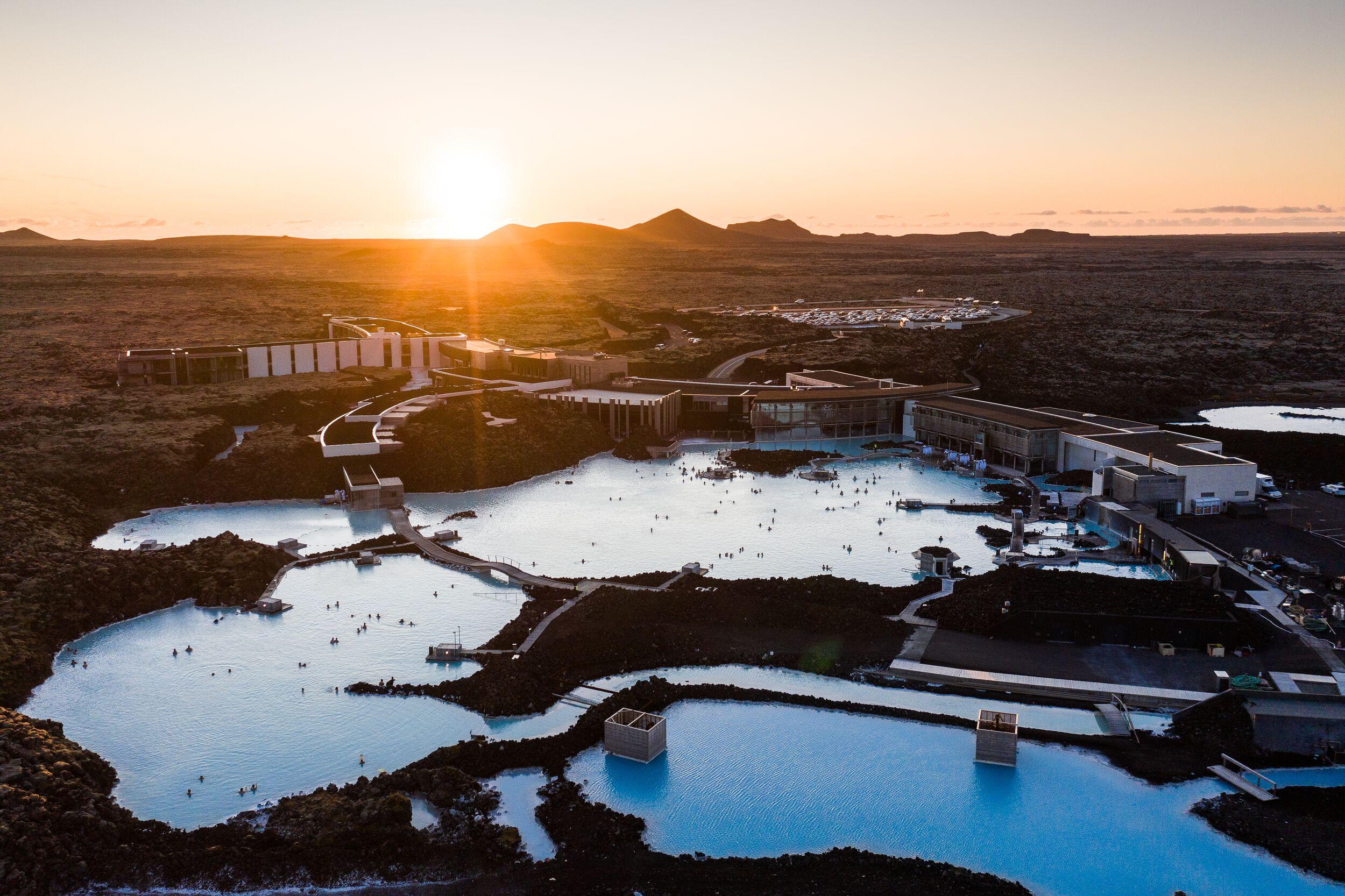
Volcanic Wonders with Grindavik Visit & the Blue Lagoon
Embark on a carbon-neutral journey through Iceland’s stunning volcanic landscapes. Enjoy a refreshing hike across a lava field, formed by recent eruptions, and then unwind with a soothing soak in the healing geothermal waters. This perfect combination of adventure and relaxation offers an unforgettable way to experience the raw power and serene beauty of Iceland’s natural wonders.
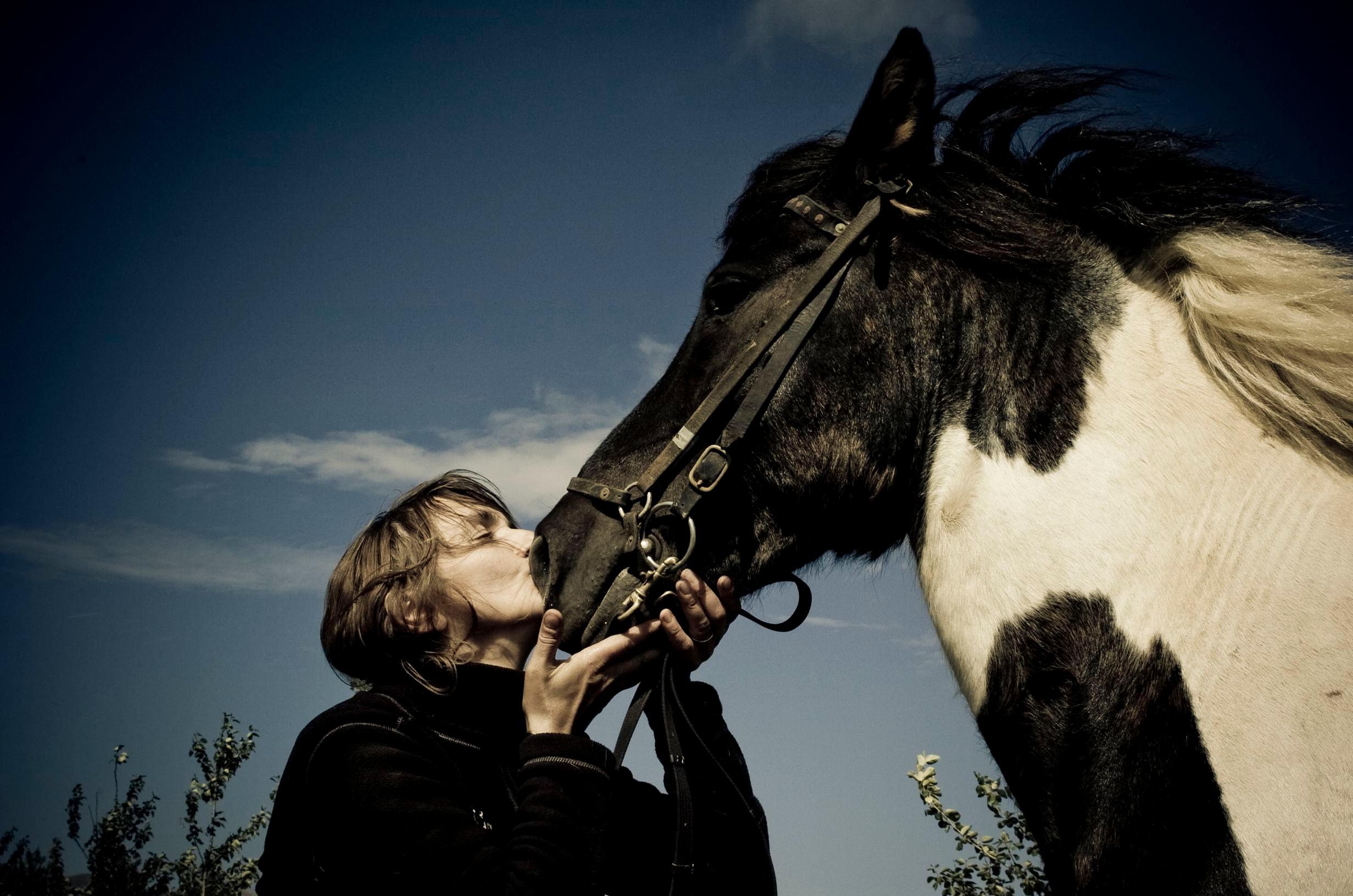
Snorkeling Silfra and Horseback Riding
A self-drive day of two Icelandic classics: a horseback ride through the scenic Mosfell valley with Laxnes Horse Farm, then snorkelling between the tectonic plates in the crystal-clear Silfra fissure.