

The Best 7-Day Iceland Itinerary for First-Time Visitors
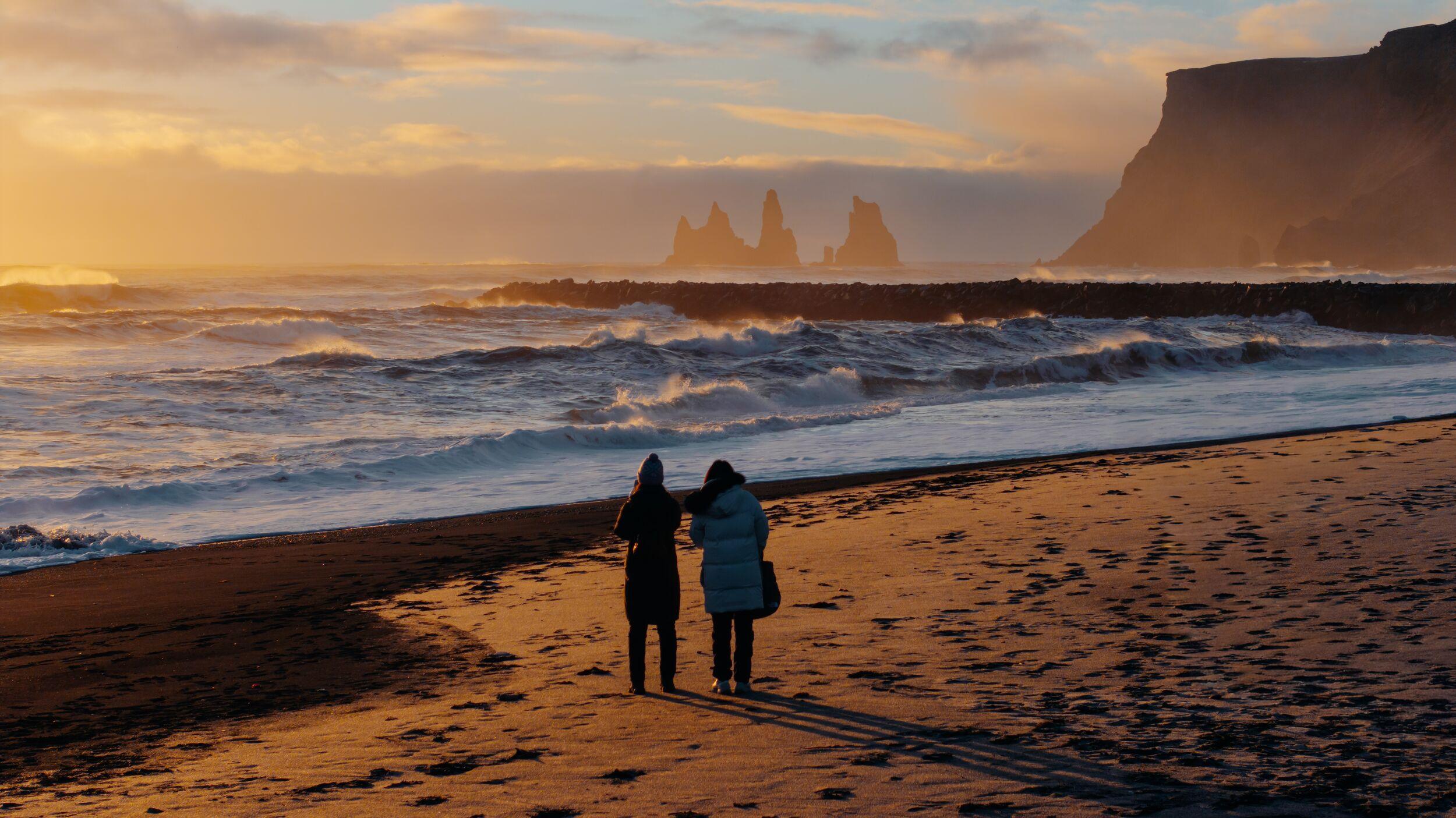
Table of Contents
- 1Are 7 Days Enough for Iceland?
- 2The Perfect Iceland Itinerary for 7 Days
- 3Day 1: Arrive in Reykjavik
- 4Day 2: Visit the Golden Circle
- 5Day 3: Explore the South Coast
- 6Day 4: Discover Iceland's wildlife or winter landscapes
- 7Day 5: Soak in hot springs or a geothermal lagoon
- 8Day 6: Wander around Iceland’s capital
- 9Day 7: Depart from Reykjavik
- 10Best Time to Visit Iceland for a Week
- 117 Days in Iceland: Self-Drive vs Guided Tour
- 12Where to Stay During a 7-Day Iceland Trip
- 13Budget and Costs for a 7-Day Trip to Iceland
- 14Practical Tips for Visiting Iceland for the First Time
- 15See More of Iceland in 7 Days
- 16FAQs
Planning your first trip to Iceland is always exciting. For such a small country, you can explore geothermal lagoons, powerful waterfalls, volcanic landscapes, and glacier-covered mountains, all within reach. The challenge is deciding what to see when you only have a week.
This Iceland itinerary for 7 days is designed for first-time visitors who want to experience an element of wonder. Whether you're travelling in summer or visiting in winter, this route offers a memorable introduction to the island.
Are 7 Days Enough for Iceland?
Yes, seven days are enough to experience some of the best things to do in Iceland. In seven days, you can explore Reykjavík, travel the famous Golden Circle, and discover the South Coast. Along the way, you can also relax in a hot spring and enjoy memorable adventures.
The Perfect Iceland Itinerary for 7 Days
If you're looking for Iceland itinerary ideas for your first visit, this 7-day route is a great place to start. It covers many of the country's highlights while leaving enough time to enjoy each destination at a comfortable pace.
Day 1: Arrive in Reykjavik
Welcome to Iceland.
After landing at Keflavík International Airport, many travellers choose to begin their journey with a visit to the Blue Lagoon. Located between the airport and Reykjavík, this world-famous geothermal spa is a relaxing way to recover after a flight.
Prefer to save the Blue Lagoon for later in your trip? Head directly to Reykjavík and spend the day exploring Iceland's capital city. Despite its small size, Reykjavík is full of character, colourful buildings, excellent restaurants, and fascinating cultural attractions.
Highlights for your first day can include:
- Hallgrímskirkja Church
- Harpa Concert Hall
- Sun Voyager sculpture
- Reykjavík Old Harbour
- Laugavegur shopping street
Spend the night in Reykjavík and prepare for the adventures ahead.
Day 2: Visit the Golden Circle
The Golden Circle is one of Iceland's most popular sightseeing routes and an essential stop on any first visit. The route combines three iconic attractions that showcase the country's unique geology and natural forces.
Your first stop is Thingvellir National Park. It’s a UNESCO World Heritage Site where you can walk between the North American and Eurasian tectonic plates. The park also holds an important place in Icelandic history as the site of the country's first parliament.
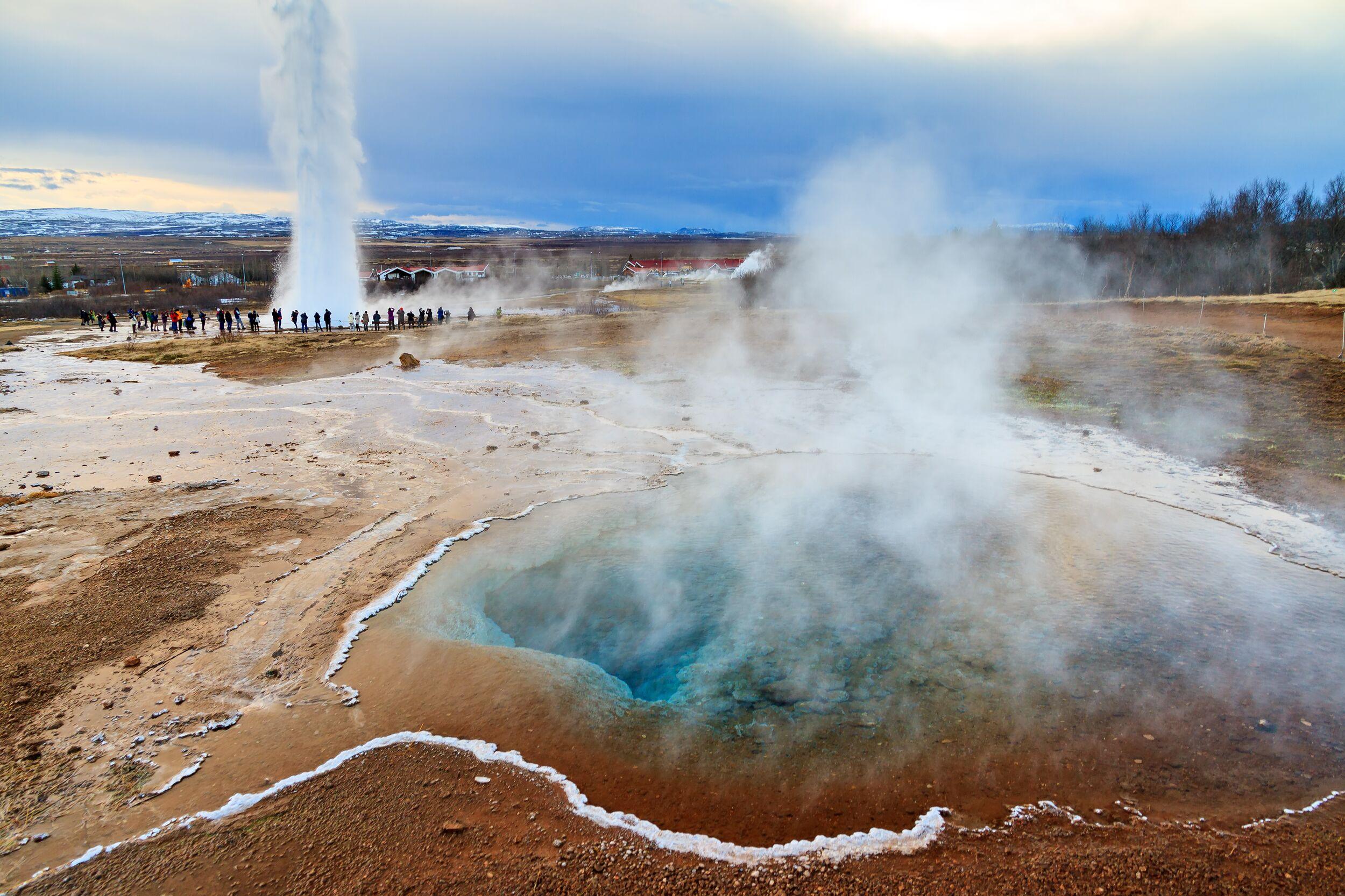
Next, continue to the Geysir Geothermal Area. Here, the Strokkur geyser erupts every few minutes, sending hot water high into the air.
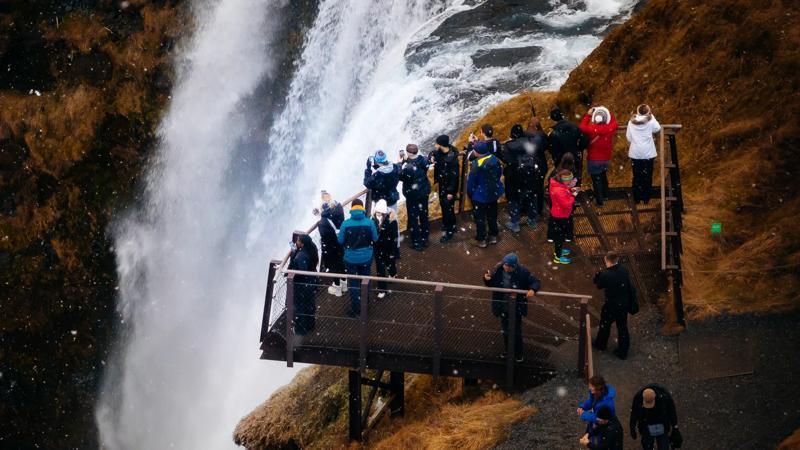
The final major stop is Gullfoss Waterfall. Fed by glacial meltwater, the waterfall plunges into a rugged canyon and offers impressive views year-round.
Note: Expect a 10–40-minute drive between most attractions along the Golden Circle route.
You’ll also find several hot springs along this route. If you'd like to unwind after your trip, take a look at this Golden Circle and Laugarás Lagoon guide.
Day 3: Explore the South Coast
Today, you'll begin exploring Iceland's famous South Coast. This region is known for its waterfalls, glaciers, coastal scenery, and volcanic landscapes. Many of the country's most recognisable sights can be found along this stretch of road.
Start the day at Seljalandsfoss, where you can walk behind the waterfall during suitable conditions. A short walk away, Gljúfrabúi offers another beautiful waterfall hidden within a narrow canyon.
Continue east to Skógafoss, a powerful waterfall that drops 60 metres from ancient sea cliffs.
Further along the coast, visit Reynisfjara, Iceland's most famous black sand beach. The basalt columns, sea stacks, and crashing Atlantic waves create a striking landscape unlike anywhere else.
You may also wish to stop at Dyrhólaey. Its dramatic coastal views and seasonal birdlife make it a favourite photography location.
Spend the night in or near Vík, Iceland's southernmost village.
Day 4: Discover Iceland's wildlife or winter landscapes
The fourth day of your journey can be adapted depending on the season.
During the summer, you can continue east towards Jökulsárlón Glacier Lagoon. It takes about a 2-hour drive from Vik, but the reward is well worth it. Icebergs drift across the lagoon before reaching nearby Diamond Beach, where chunks of ice rest on black volcanic sand. If you're lucky, you may even spot seals sunbathing on the shore or swimming among the floating ice.
Summer is also one of the best times to spot puffins. These colourful seabirds nest along Iceland's cliffs from late spring through August. If you're visiting during the season, consider taking a trip to the Westman Islands, one of Iceland's most famous puffin-watching destinations.
If you're visiting in winter, shorter daylight hours make it practical to focus on seasonal adventures closer to Mýrdalsjökull or Vatnajökull. Popular options include:
- Guided glacier hikes
- Ice caves beneath glaciers
- Snowmobiling experiences
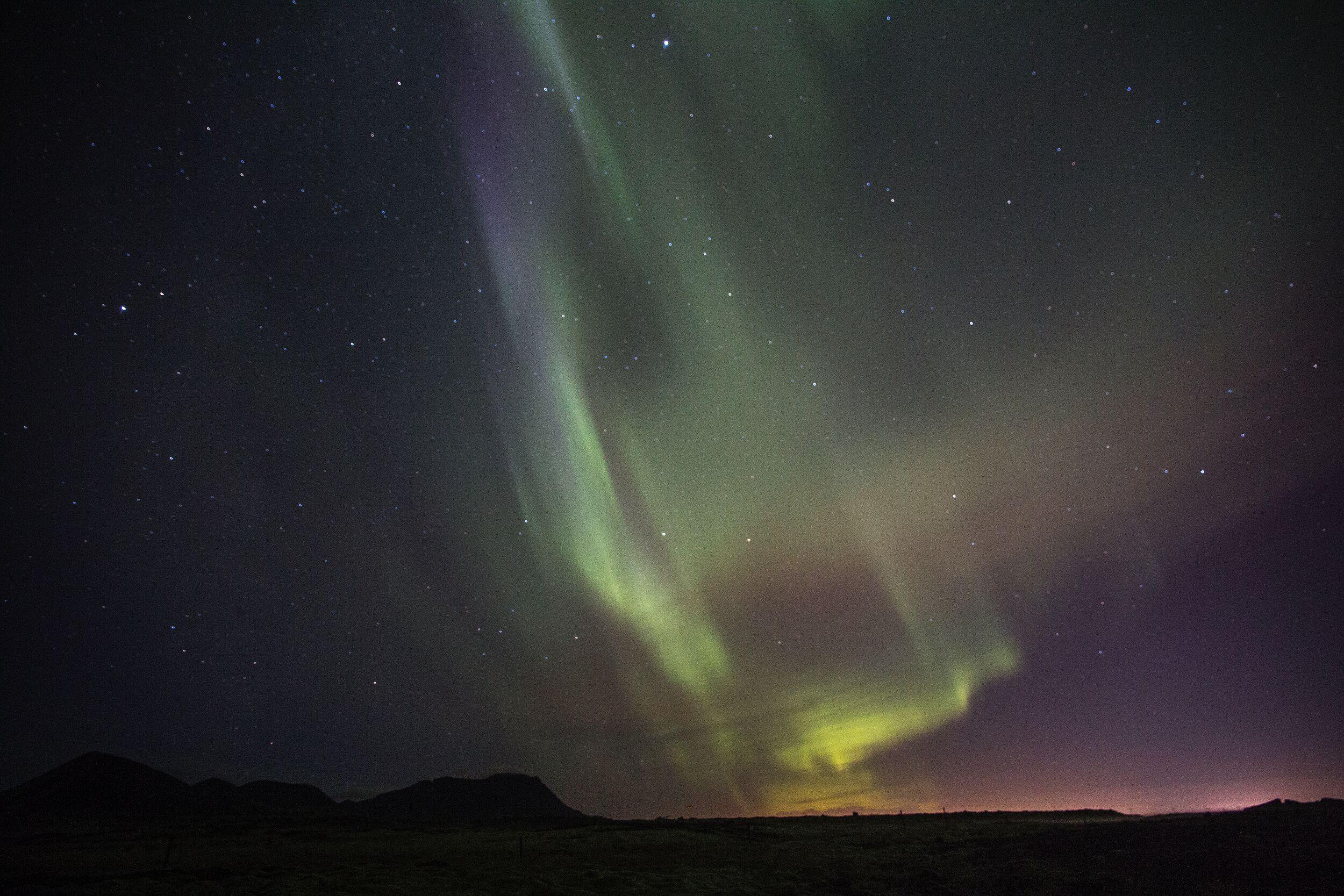
- Northern Lights tours
Whether you choose wildlife encounters or winter adventures, today offers an opportunity to experience a different side of Iceland's natural environment.
Day 5: Soak in hot springs or a geothermal lagoon
After several days of exploring, today is dedicated to relaxation.
Iceland's geothermal activity creates naturally heated pools and lagoons throughout the country, making bathing an important part of local culture.
Many visitors choose to return to Reykjavík and visit one of the country's popular geothermal spas. Options include:
- Blue Lagoon: Iceland's famous geothermal spa, known for its mineral-rich blue waters and lava field surroundings.
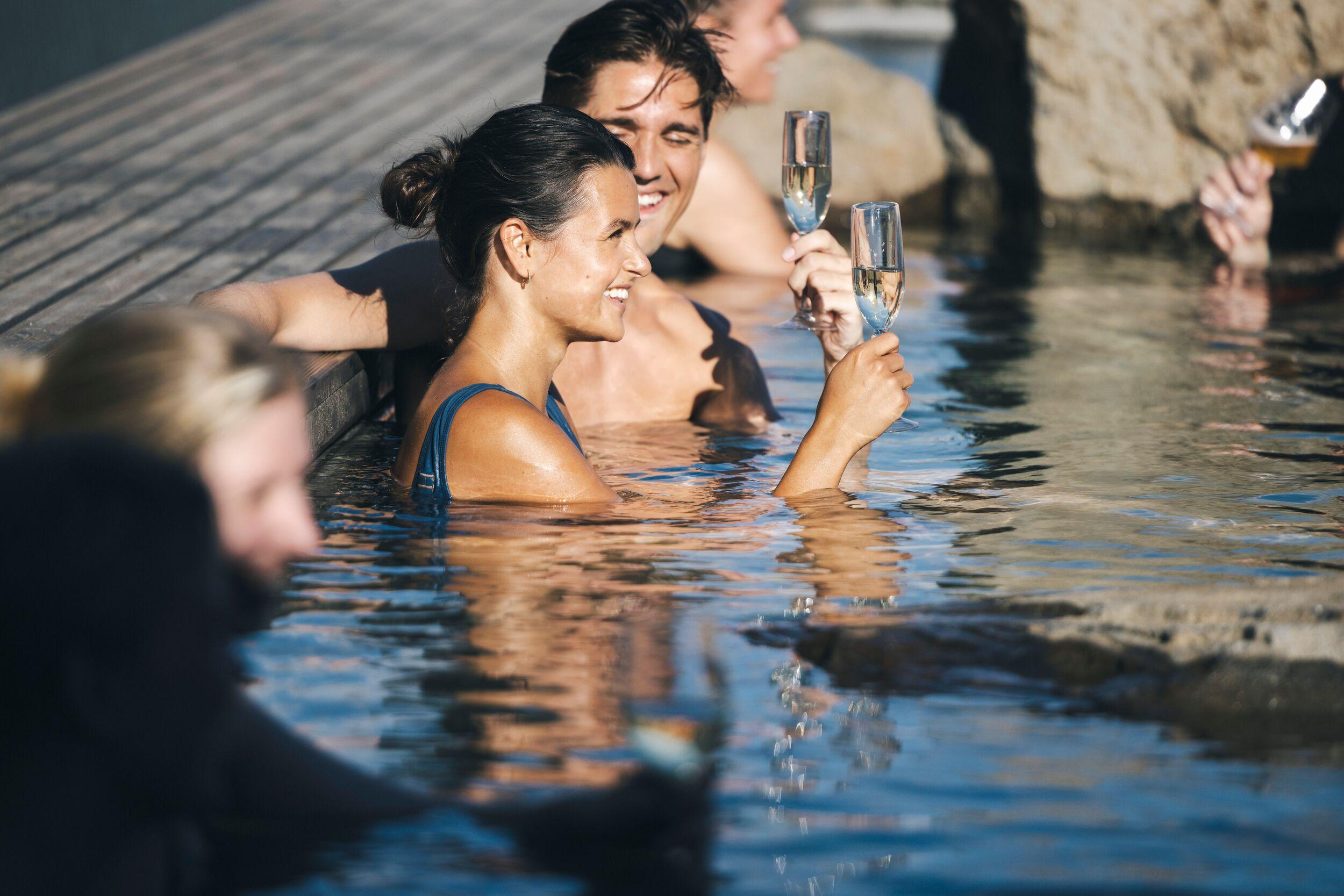
- Sky Lagoon: A modern geothermal lagoon near Reykjavík featuring ocean views and a relaxing seven-step spa ritual.
- Hvammsvík Hot Springs: A collection of natural hot springs set along the shoreline of Hvalfjörður.
- Laugarás Lagoon: A peaceful geothermal retreat in South Iceland offering warm waters, river views, and a quieter alternative to larger lagoons.
- Secret Lagoon: One of Iceland's oldest swimming pools, featuring naturally heated water and a relaxed atmosphere in the Golden Circle region.
- Reykjaböð: A tranquil geothermal bathing experience in West Iceland, offering naturally warm waters and scenic views in a peaceful countryside setting.
Tip: If you choose the Blue Lagoon today, consider combining your visit with an exploration of the Reykjanes Peninsula. The area features lava fields, geothermal landscapes, coastal viewpoints, and volcanic scenery within a short drive of the capital.
Also, if relaxation is at the top of your travel wish list, consider our 7-day wellness tour in Iceland. Designed around geothermal bathing and nature, this Icelandia tour is a wonderful way to experience Iceland at a slower pace.
Day 6: Wander around Iceland’s capital
Your final full day is a chance to slow down and enjoy Reykjavík at your own pace.
Start with a walk through the city centre before exploring some of Reykjavík's museums, cafés, and cultural attractions. Reykjavík is compact and easy to explore on foot, making it ideal for a relaxed day of sightseeing. Alternatively, the Reykjavík Hop-On Hop-Off Bus provides a flexible way to visit the city's main attractions at your own pace.
Some of the top attractions you can visit are:
- Saga Museum
- Perlan Museum
- Whale of Iceland
- The Maritime Museum
- Hallgrímskirkja Church
- The Settlement Exhibition
- Harpa Concert Hall & Sun Voyager
Pro tip: If you plan to visit several museums and attractions, the Reykjavík City Card can offer good value. It includes access to many cultural sites as well as public transport within the city.
For travellers seeking additional adventure, whale watching tours depart regularly from Reykjavík's harbour. Depending on the season, you may spot minke whales, humpback whales, dolphins, and seabirds.
This is also a great opportunity to enjoy Icelandic cuisine and reflect on the experiences of the past week. For a deeper introduction to local food and culture, consider joining a Reykjavík Food Walk before your trip ends.
Day 7: Depart from Reykjavik
Your Iceland itinerary for 7 days comes to an end today.
Depending on your flight time, you may have a few final hours to enjoy Reykjavík. Browse the shops along Laugavegur for souvenirs, local designs, and artisan goods. You can also stop by a favourite café or restaurant and savour one last taste of Iceland before heading home.
Saved the Blue Lagoon for last? Enjoy one final geothermal soak before heading to the airport.
Tip: If you're travelling directly from Reykjavík to Keflavík International Airport, Flybus offers a convenient and hassle-free transfer.
Best Time to Visit Iceland for a Week
One of the most common questions travellers ask is when to visit Iceland. The answer depends on what you hope to experience during your trip.
Summer (June to August)
Summer brings long daylight hours, milder temperatures, and excellent conditions for sightseeing. The season also brings the midnight sun in Iceland. This is when daylight stretches late into the evening and, in some parts of the country, barely disappears at all.
That being said, it’s the ideal season for:
- Puffin watching
- Whale watching
- Exploring hiking trails
- Road trips along the South Coast
- Visiting the Highland areas
- Snowmobiling (yes, even in the summer)
During June, daylight can last nearly 24 hours in some parts of Iceland, giving you plenty of time to explore.
Winter (November to March)
Winter transforms Iceland into a snowy wonderland and offers experiences available only during the colder months.
Popular winter activities include:
- Ice caving
- Glacier hiking
- Snowmobiling
- Northern lights hunting
The aurora borealis season generally runs from September to March, with the darkest months offering the best opportunities for sightings.
Spring and Autumn (April-May and September-October)
These shoulder seasons offer a balance between summer and winter experiences.
Visitors can often enjoy:
- Fewer crowds
- Seasonal wildlife
- Lower tour and accommodation prices
- Opportunities to see the Northern Lights in autumn
For many travellers, September is an excellent time to visit. It combines relatively mild weather with the possibility of seeing the aurora borealis.
7 Days in Iceland: Self-Drive vs Guided Tour
When planning an Iceland itinerary for 7 days, one of the biggest decisions is whether to rent a car or join guided tours. Both options offer unique advantages.
Self-drive tour
A self-drive holiday provides flexibility and freedom.
This allows you to:
- Travel at your own pace
- Explore lesser-known locations
- Stop whenever you like for photos
- Create a personalised road trip experience
Driving in Iceland is generally straightforward, especially during the summer. Major attractions are well signposted, and Route 1 (Ring Road) connects many of the country's key destinations.
However, weather conditions can change quickly during winter, so drivers should always check road conditions before setting out.
Guided multi-day tours
Guided multi-day tours in Iceland are a convenient choice for travellers who prefer not to drive.
Benefits include:
- Easy access to popular attractions
- Local guides and expert knowledge
- Comfortable transport and navigation
Many visitors combine both options by staying in Reykjavík and joining day tours to places such as the Golden Circle.
For first-time visitors, either option can work well. The right choice depends on your travel style, confidence behind the wheel, and the season of your visit.
Where to Stay During a 7-Day Iceland Trip
Choosing the right accommodation can help you make the most of your time in Iceland.
For this Iceland itinerary in 7 days, consider staying in Reykjavík for the beginning and end of your trip. The capital offers a wide range of hotels, guesthouses, restaurants, and attractions.
For your South Coast adventure, spend one or two nights in Vík or the surrounding area. This will reduce driving time and give you easy access to attractions such as Reynisfjara Black Sand Beach, Seljalandsfoss, and Skógafoss.
If you're travelling further east towards Jökulsárlón Glacier Lagoon, consider staying nearby for a more relaxed pace.
Budget and Costs for a 7-Day Trip to Iceland
Iceland has a reputation for being expensive, but costs can vary depending on your travel style and the season.
As a rough guide, expect to spend:
- Accommodation: ISK 9,000–90,000+ per night
- Food and drinks: ISK 2,500–15,000+ per person per day
- Transport: ISK 9,000–27,000+ per day for car hire and fuel
- Tours and activities: ISK 7,000–45,000+ per person per activity
- Geothermal lagoons: ISK 3,500–18,000+ per person
A budget-friendly 7-day trip may cost around ISK 180,000–270,000 per person. A more comfortable mid-range holiday typically falls between ISK 270,000 and 450,000 per person. Luxury trips can easily exceed ISK 540,000 per person.
Tip: Booking accommodation, transport, and tours in advance can often help you secure better prices, especially during the busy summer season.
Looking for a more affordable way to explore the country? Take a look at our 7 Days in Iceland on a Budget package. This multi-day tour by Icelandia takes you to the country’s top attractions. All while providing comfortable accommodation and guided experiences at a great value.

Planning your budget in advance means fewer surprises once you arrive.
Practical Tips for Visiting Iceland for the First Time
From changing weather conditions to long summer days, Iceland has a few unique travel quirks. Here are some useful tips for first-time visitors you can follow:
- Pack for all weather: Bring waterproof outer layers regardless of the season. Conditions can change quickly, even during summer.
- Dress in layers: Layering makes it easy to stay comfortable as temperatures and weather conditions shift throughout the day.
- Check conditions before you travel: Review road and weather updates daily (via SafeTravel.is), especially if you're planning longer drives or travelling during winter.
- Book ahead during peak season: Popular attractions, accommodation, and vacation packages in Iceland can fill up quickly during summer and holiday periods.
- Bring a reusable water bottle: Iceland's tap water is clean, safe, and widely regarded as some of the best drinking water in the world.
- Keep your plans flexible: Weather can occasionally affect travel plans, so it's helpful to leave some room for adjustments.
- Download offline maps: Mobile coverage is generally good, but offline maps can be useful when exploring remote areas.
Never underestimate the power of ocean waves at black sand beaches.
Iceland rewards travellers who pack well and stay flexible.
See More of Iceland in 7 Days
An Iceland itinerary for 7 days offers the perfect introduction to one of the world's most fascinating destinations.
In just one week, you can experience geothermal lagoons, volcanic landscapes, waterfalls, glaciers, wildlife, and vibrant city life. Whether you're standing beside Gullfoss Waterfall or searching for the Northern Lights, every day brings something new to discover.
Beyond the country's most popular attractions, there are also countless unique things to do in Iceland waiting to be explored. For many travellers, this first trip is only the beginning of a deeper journey through Iceland's culture and natural wonders.
FAQs
A good Iceland itinerary for 7 days includes Reykjavík, the Golden Circle, the South Coast, and a geothermal lagoon. This route allows first-time visitors to experience many of Iceland's highlights without rushing.
June, July, and August are ideal for long daylight hours and road trips. September and October are popular for fewer crowds and the chance to see the Northern Lights before winter arrives.
January, February, November, and parts of March are often the most affordable times to visit Iceland. Flights, accommodation, and tours are usually cheaper outside the peak summer and winter holiday seasons.
It’s possible to see the Northern Lights in Iceland throughout the winter.
For the Northern Lights to be visible, you need two things: solar activity and a clear, dark sky. The darker the better—that’s why winters in very northern countries like Iceland are the best time to see them.
The darkest months of the year are November, December, and January. However, you can see Northern Lights from the middle of August through to April and studies show that the closer you are to the equinoxes, the higher the likelihood of seeing the Northern Lights. Based on that you'd want to place your bet on September/October and March/April.
For a first visit, the Golden Circle is the most straightforward choice — close to Reykjavík, shorter driving time, and includes some of Iceland’s most famous landmarks.
First-timers who prefer quieter nature, dramatic coastlines, and fewer people tend to enjoy Snæfellsnes even more.
Recommended tours
- Multiday Tour
Icelandic Wellness Package - 7-Day
Golden Circle, Blue Lagoon, Reykjavík Food Walk, South Coast & Reykjaböð and Hvammsvík. Unwind in Iceland’s healing geothermal waters while exploring breathtaking landscapes with this 7-day (6 nights) Icelandic Wellness package.
The Golden Circle & Northern Lights - Combo Deal
Want to see the sites of the Golden Circle and hunt for the northern lights but have a limited amount of time? Consider this express Golden Circle/Northern Lights tour! Experience the landmarks of the classic Golden Circle in South Iceland on this unforgettable day tour. The Golden Circle encompasses the must-see sights of Thingvellir National Park, the golden Gullfoss waterfall, and the bubbling geothermal region of Geysir. After your return to Reykjavík, a guide will lead you on a search for the elusive northern lights!
- Multiday Tour
Iceland On a Budget - 7 days
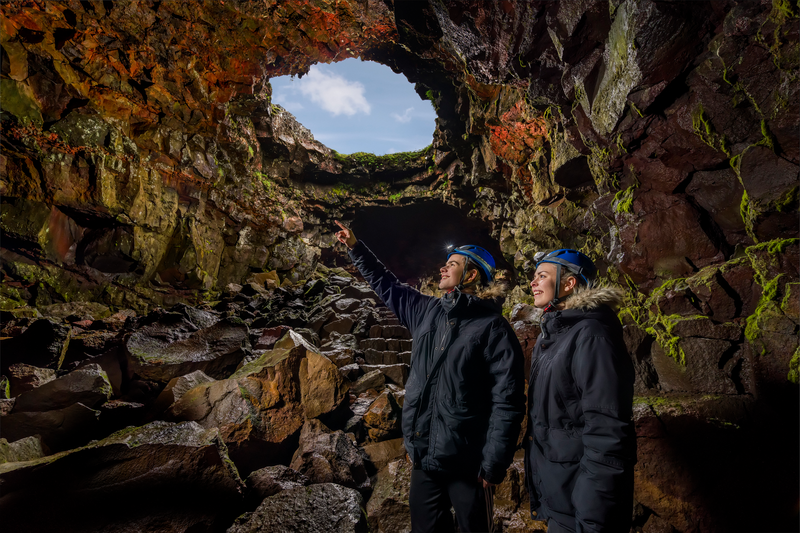
Explore Iceland’s breathtaking landscapes, geothermal hot springs, and volcanic wonders on this 7-day (6 nights) Iceland on a Budget package. See the geysers and waterfalls of the Golden Circle, marvel at the black sand beaches of the South Coast, and discover Reykjavík’s cultural landmarks with a Hop-On Hop-Off city pass. Relax in the serene geothermal pools of Hvammsvík and step inside a real lava tunnel, where you’ll walk through Iceland’s volcanic history. With affordable travel, carbon-neutral transfers, and expert local guides, this package provides a budget-friendly way to experience Iceland’s best sights.
Day Hike over Fimmvörðuháls
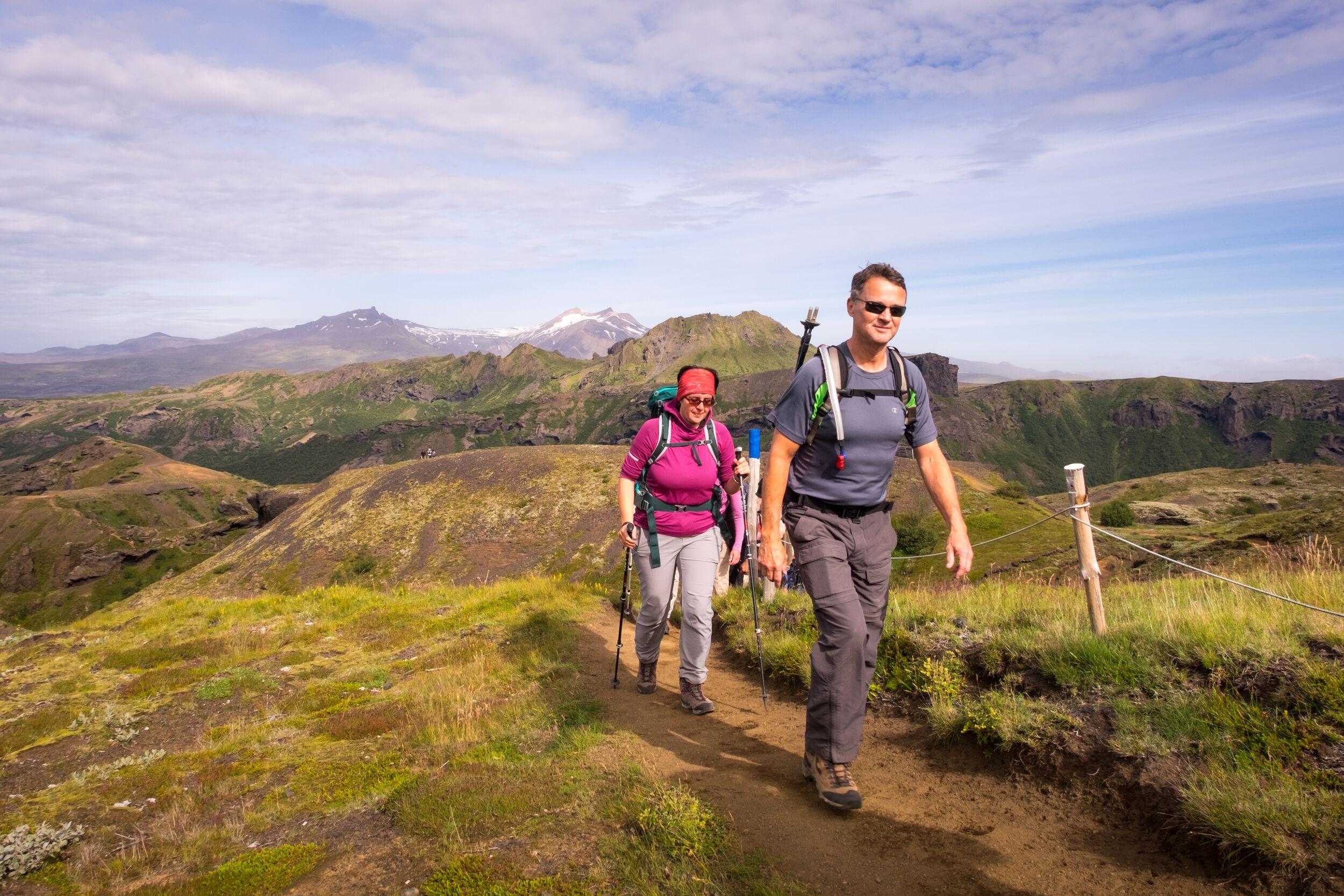
Want to experience a slice of the highlands but don’t have the time for a multi-day hike? Book this guided day tour over the spectacular Fimmvörðuháls pass! A professionally trained guide will lead you on this trail, named one of the Best Hikes in the World by National Geographic. Expect a demanding 10-hour hike where you will see fantastic glacier views, volcanic craters, vast canyons and impressive waterfalls. The 22-kilometre hike is available July-August; participants must be at least 12 years old and up for a challenging hike.
- Multiday Tour
Icelandic Wellness Package - 4-Day
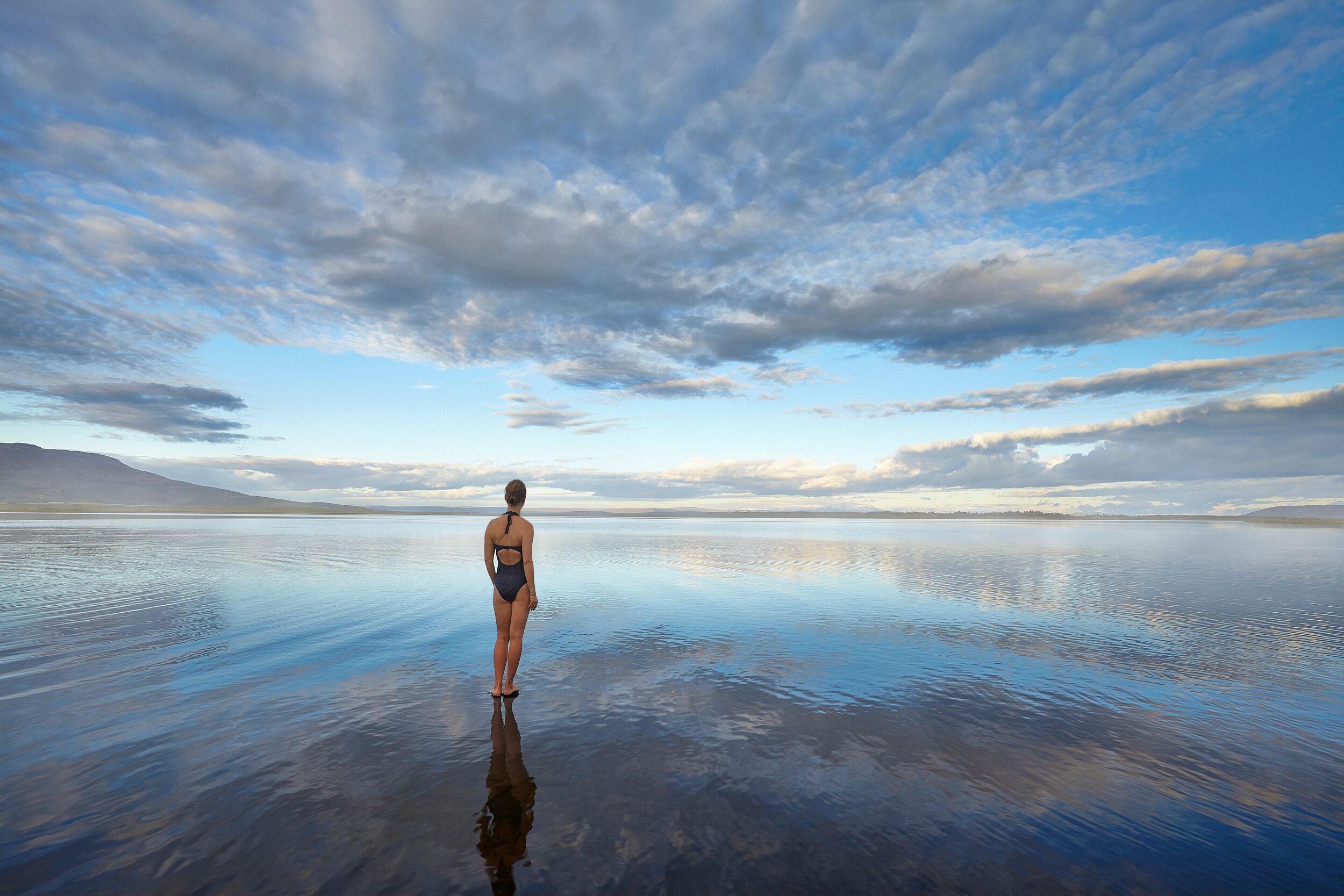
Golden Circle, Laugarás Lagoon & Blue Lagoon. Immerse yourself in the perfect balance of adventure and relaxation with this 4-day Iceland itinerary, designed to refresh your body and mind. Explore Iceland’s stunning volcanic landscapes while indulging in its world-famous geothermal spas. This journey blends natural wonders with pure tranquility.
Golden Circle Direct
Want to see the sites of the Golden Circle but have a limited amount of time? Consider this express Golden Circle tour! Experience the landmarks of the classic Golden Circle in South Iceland on this unforgettable day tour. The Golden Circle encompasses the must-see sights of Þingvellir National Park, the golden Gullfoss waterfall, and the bubbling geothermal region of Geysir. Golden Circle Direct runs several departures throughout the day. As of August 1, 2026, the 08:00 morning departure includes an added stop at Kerið, a striking volcanic crater lake ringed with red and green slopes. Because this departure covers the Kerið admission fee and spends a little longer on the road, it is around 30 minutes longer and priced slightly higher than the others. Every later departure visits the same Golden Circle highlights — Þingvellir National Park, the Geysir geothermal area and Gullfoss waterfall — but does not include the stop at Kerið. If seeing Kerið matters to you, choose the 08:00 departure; if you would rather keep the day a touch shorter and the fare a little lower, any other departure time is a good choice.