
What makes Iceland unlike anywhere else?
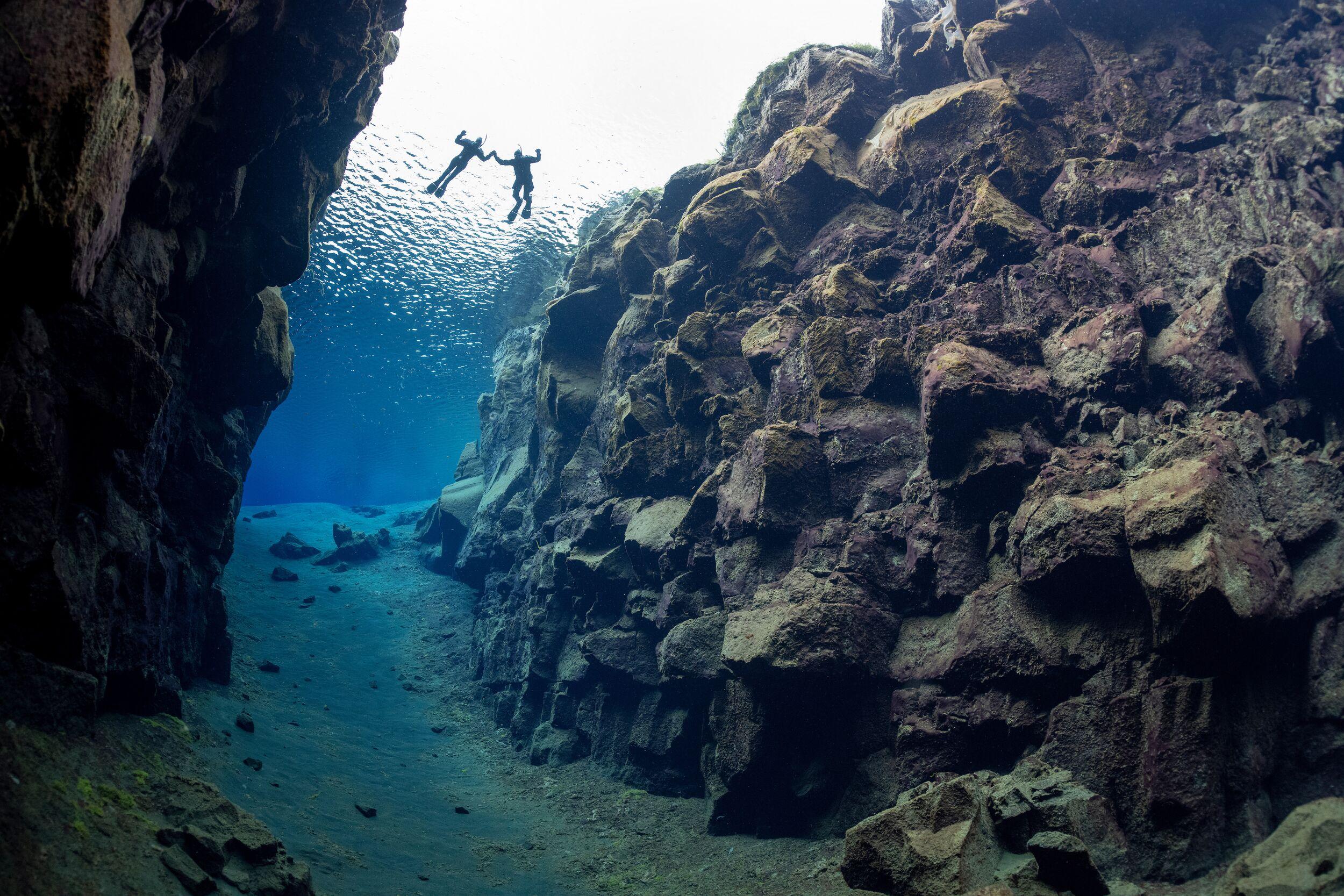
Table of Contents
- 1A country that is still being built
- 2Fire and ice, close enough to see at the same time
- 3Water in every state it can manage
- 4Light that doesn't behave
- 5Enough room to be somewhere on your own
- 6A culture that never quite lost the thread
- 7Wildlife that got here first
- 8So is Iceland actually worth visiting?
- 9Why people fall in love with Iceland
- 10Frequently Asked Questions
People rarely come home from Iceland with a tidy answer. They come home with a feeling: of having stood somewhere unfinished, where the ground steams, the water is louder than the traffic and the light refuses to behave. Ask what made it different and most people start with a landscape, stop halfway through, and try again.
The honest answer comes in two halves. Iceland is unusual for reasons you can measure. It sits on a crack in the planet, a tenth of it is under ice, and there are fewer than four people for every square kilometre. And it is unforgettable for reasons you can't properly explain, which have more to do with scale, silence and the odd humility of being very small in a very large place.
Here is our attempt to explain what genuinely sets Iceland apart, and why so many visitors start planning the next trip before the first one has finished.
A country that is still being built
Most places sit on a tectonic plate. Iceland sits on the seam between two. The island straddles the boundary between the North American and Eurasian plates, which are pulling apart at roughly two centimetres a year, and it is one of the very few places where the Mid-Atlantic Ridge (a mountain range that spends almost its entire length underwater) breaks the surface. At Þingvellir National Park you can walk down into that rift: a valley quietly widening, its walls stepping away from each other, its floor sinking a fraction lower every year.
The same seam gives Iceland 32 active volcanic systems. This is not a museum exhibit. Since 2021, the Reykjanes peninsula has been erupting on and off after roughly eight centuries of silence. That’s twelve eruptions between 2021 and July 2025, several close enough to the capital that people watched the glow from their kitchen windows. Nothing is erupting as we write this, but the ground above the magma at Svartsengi is still rising, and Icelanders have got used to checking the Met Office the way other nations check the weather. You can visit the cooled lava fields of the most recent eruptions on our volcano tours, walking on rock that is younger than the shoes you're wearing.

Most places sit on a tectonic plate. Iceland sits on the seam between two.
Fire and ice, close enough to see at the same time
“Land of fire and ice” sounds like something a copywriter invented or the beginning of a Led Zeppelin song. It is closer to a geological description. Glaciers cover about a tenth of the country, and Vatnajökull alone runs to some 7,600 square kilometres: the largest ice cap in Europe by volume, and the largest by area outside the Arctic islands. Underneath it sit active volcanoes, which is exactly as strange as it sounds. When one erupts beneath the ice, the meltwater comes off the glacier in a flood so particular to this country that Icelandic has its own word for it: jökulhlaup.
The heat isn't only underneath the landscape, either. It is plumbed into ordinary life. Around 90% of the energy used to heat Icelandic homes comes from geothermal water pulled straight out of the ground, and effectively all of the country's electricity is renewable: roughly 70% hydropower, 30% geothermal. Sit in a neighbourhood swimming pool in February, snow landing in your hair, and you are being warmed by the same forces that made the rock you're sitting on. Standing on the ice is a good way to feel the other half of the equation. Our glacier hikes put crampons on your feet and several hundred metres of ice underneath them.
Water in every state it can manage
Iceland doesn't really have one signature landscape. What it has is water, doing four or five different jobs within a morning's drive of each other.
It falls. Dettifoss, in the north, is 44 metres high and about 100 wide, with an average flow near 193 cubic metres a second. Dettifoss is the most powerful waterfall in Europe, and standing in its spray you won't feel much like arguing with that fact. Water also rises, hot, in valleys where you can sit in a river at body temperature with nothing built around you, and in the many luxurious lagoons that have become one of the country's great civilised pleasures. If you'd rather have the towels and the swim-up bar taken care of, our geothermal lagoon tours handle the logistics.
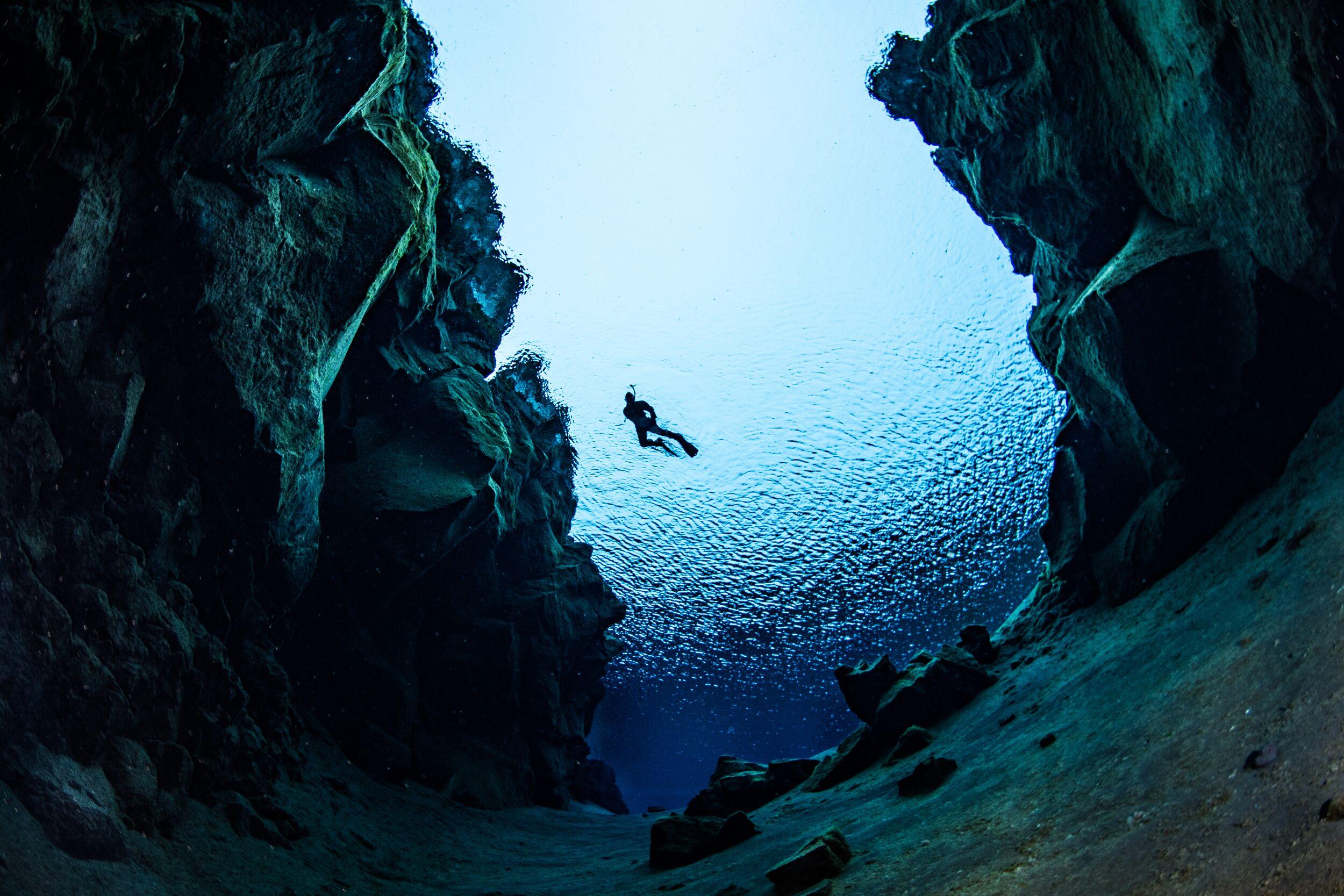
It also does something almost nowhere else does. At Silfra, in the Þingvellir rift, meltwater that has spent around thirty years filtering through porous lava from Langjökull collects in a fissure so clear that visibility reaches roughly 100 metres. You can snorkel or dive Silfra in it. One fair correction to the brochure version: the plate boundary here is a zone several kilometres wide rather than a single line, so you are floating inside the rift rather than literally between two continents. We think that is the better story anyway: you are in a crack in the planet, in water clean enough to drink.
And it pools. Jökulsárlón is Iceland's deepest lake at around 248 metres, and it is still getting deeper as the glacier behind it retreats. The icebergs drifting across it calved off ice that fell as snow centuries ago. Nobody planned that lagoon. It simply appeared, within living memory, and it is still changing shape.
Then it glitters. Just below Jökulsárlón is a black sand beach facing the vast Atlantic ocean. Depending on the season and the weather, the beach gets filled with breakaway ice from the glacier lagoon above it, which in the incredibly lighting of the arctic sun, looks like huge pieces of clear diamonds littered on a pitch-black background. This is one of Iceland’s most photographed locations, for a reason.
Light that doesn't behave
This close to the Arctic Circle, light stops being a background condition and becomes the main event.
In June, Reykjavík gets about 21 hours of sunlight at the solstice, and because the sun only dips a couple of degrees below the horizon it never gets properly dark at all between roughly 20 May and 24 July. People mow lawns at midnight. Golf gets played at two in the morning. The midnight sun rearranges what a day is for.
Then it swings the other way. At the December solstice the capital gets a little over four hours of daylight, but it is four hours of long, low, raking gold, sunrise and sunset almost holding hands, which is why photographers book winter on purpose. And when the sky clears, the northern lights arrive: charged particles from the sun colliding with the upper atmosphere, turned into colour. They are never guaranteed, which is precisely why seeing them feels like being let in on something. Our northern lights tours chase the clear patches, and if the sky doesn't cooperate you can come again.
This close to the Arctic Circle, light stops being a background condition and becomes the main event.
Enough room to be somewhere on your own
On 1 January 2026 Iceland had 394,324 inhabitants, spread across about 103,000 square kilometres. That works out at roughly 3.8 people per square kilometre: comfortably the lowest population density of any country in Europe, with Norway around 16 and Sweden around 26. Around two-thirds of Icelanders live in the capital region.
Do that arithmetic and you arrive at the thing visitors find hardest to describe afterwards: the emptiness isn't a shortage of anything. It is the point. There are valleys in this country where the only sound is meltwater and wind, and you can reach several of them on a day trip. Our guide to underrated places Icelanders themselves love is a good place to start if solitude is what you're after.
A culture that never quite lost the thread
Iceland's strangeness isn't only geological. The Alþingi was founded at Þingvellir in 930 and met there until 1798, which makes it the world's oldest surviving parliamentary institution: a national assembly convened in a rift valley, in the open air, more than a thousand years ago.
The language has held on unusually well too. Icelandic has changed less than most European languages, and a modern Icelander reads the medieval sagas with far less difficulty than an English speaker reads Chaucer. It is worth being precise about this, because the popular version overstates it: published saga editions are modernised in their spelling, and spoken Old Icelandic would be heavy going. But the continuity is real, and it is oddly intimate: the sagas are set on named farms in valleys you can drive through, and the people who live there now often know exactly which field the feud happened in some 800 years ago.
Then there is the everyday version of the same thread: the swimming pool. Practically every settlement has a geothermal pool, and going to it is less about exercise than about sitting in the hot pot and catching up. UNESCO added Icelandic swimming-pool culture to its Intangible Cultural Heritage list, which sits alongside the country's three World Heritage Sites: Þingvellir, Surtsey and Vatnajökull National Park. We've written more about what those titles actually mean if you’re interested.
Wildlife that got here first
Iceland's ecology is an island ecology, which means it is missing things and unusually rich in others. The Arctic fox is the only native land mammal: reindeer, mink, mice and rats all arrived with people. There are no native forests to speak of, and no snakes, mosquitoes or ticks waiting for you on a hike*.
The sea more than compensates. Twenty-three whale and dolphin species have been recorded in Icelandic waters, and while only around eight to twelve are seen regularly, minke whales, humpbacks and white-beaked dolphins turn up often enough that whale watching from Reykjavík is a reasonable bet rather than a gamble. In summer the cliffs fill: Iceland hosts one of the world's largest puffin populations, along with guillemots, kittiwakes and Arctic terns with strong opinions about your proximity. Our guide to birds in Iceland covers where and when.
*One footnote, because it speaks volumes about Icelandic culture and its tiny population. Iceland was the last mosquito-free country on Earth until October 2025, when the first mosquito was confirmed at Kiðafell in Kjós. A second population found in a South Iceland stable has been confirmed and eradicated, and scientists still don't know whether either will establish. This is heavily covered on the news and regularly followed up on. For now, summer evenings outdoors remain remarkably unbothered.
So is Iceland actually worth visiting?
Yes, and the specific reason is accessibility. Plenty of countries have volcanoes, glaciers, waterfalls and aurora. What Iceland does that almost nowhere else manages is put all of them within reach of a short drive from a small capital city, on paved roads, with somewhere warm to eat at the end of it. You do not need to be an expedition-grade traveller to stand next to something genuinely extraordinary here.
A single day from Reykjavík can take in the Golden Circle (a rift valley, an erupting hot spring and a waterfall in a canyon) or run east along the South Coast to the black sand at Reynisfjara and a glacier tongue. Give it a week and you can reach the glacier lagoons, the highlands and the fjords without hurrying; our 7-day itinerary for first-time visitors shows how that fits together. If you'd rather browse the unexpected end of the catalogue, try 25 unique things to do in Iceland, and for what's specifically worth knowing about this year, see why visit Iceland in 2026.
Why people fall in love with Iceland
None of the facts above are really the answer. They are the reason the answer is possible.
What people describe when they get home is a shift in proportion. You stand at the edge of a glacier that was there before your language existed, or in a valley where the rock is still warm, or under a sky doing something you have no vocabulary for, and you stop being the largest thing in the frame. That is unexpectedly restful. It is also why so many people come back, not to tick off what they missed, but to feel that again.
Iceland is awe, wonder, contrast and calm, usually in that order and often within the same afternoon. Come and experience the elements of Iceland for yourself.
You stop being the largest thing in the frame. That is unexpectedly restful.
Iceland is awe, wonder, contrast and calm, usually in that order and often within the same afternoon.
Frequently Asked Questions
Iceland is the only place where the Mid-Atlantic Ridge rises above sea level across a whole inhabited country, so it sits on the boundary between the North American and Eurasian plates as they pull apart at roughly two centimetres a year. That gives it 32 active volcanic systems alongside glaciers covering about a tenth of its land, geothermal heating in around 90% of homes, near-total renewable electricity, and the lowest population density of any country in Europe at about 3.8 people per square kilometre.
Iceland is best known for volcanoes and glaciers in the same landscape, waterfalls such as Dettifoss and Gullfoss, geothermal lagoons and swimming pools, the northern lights in winter and the midnight sun in summer, the Jökulsárlón glacier lagoon, black-sand beaches, whale watching and puffins, and a literary culture built on the medieval sagas. It is also known for the Alþingi, founded at Þingvellir in 930 and the world's oldest surviving parliamentary institution.
Because the two sit directly on top of each other. Iceland has 32 active volcanic systems and, at the same time, glaciers covering around 10% of the country — including Vatnajökull, Europe's largest ice cap by volume, which has active volcanoes beneath it. When one of those erupts under the ice, the meltwater bursts out as a glacial flood, or jökulhlaup.
For most travellers, yes. The distinguishing factor is accessibility: waterfalls, glaciers, volcanic fields, geothermal lagoons and aurora-viewing are all within day-trip range of Reykjavík on sealed roads, so you don't need expedition experience or a long itinerary to reach them. Iceland is expensive by European standards, and the weather changes fast, so the usual advice is to build slack into your plans rather than to skip the trip.
You can see and walk inside the rift between them, which is not quite the same thing. At Þingvellir the plate boundary is a zone several kilometres wide rather than a single crack, and the fissure at Silfra separates the North American plate from the Hreppar microplate, with the Eurasian plate proper further east. So snorkelling Silfra means floating inside the rift in water with around 100 metres of visibility — remarkable, but not literally a swim between two continents.
It depends on which version of Iceland you want. June to August brings the midnight sun, open highland roads, puffins and about 21 hours of daylight at the solstice, along with the biggest crowds. September to March is northern lights season, with about four hours of daylight at the December solstice and long golden light either side of it. Late May, early September and the shoulder weeks around them tend to offer the best balance of access, light and quiet.
Experience it for yourself
- Bestseller

Snorkelling Silfra
Snorkel between the North American and Eurasian continental plates in this once-in-a-lifetime experience. The Silfra fissure in Þingvellir National Park is filled with glacial water that has been seeping through underground lava rocks for decades producing the clearest water on earth. The fissure allows for over 100 metres of visibility.
Glacier Discovery - 3.5-hour Sólheimajökull Glacier Hike
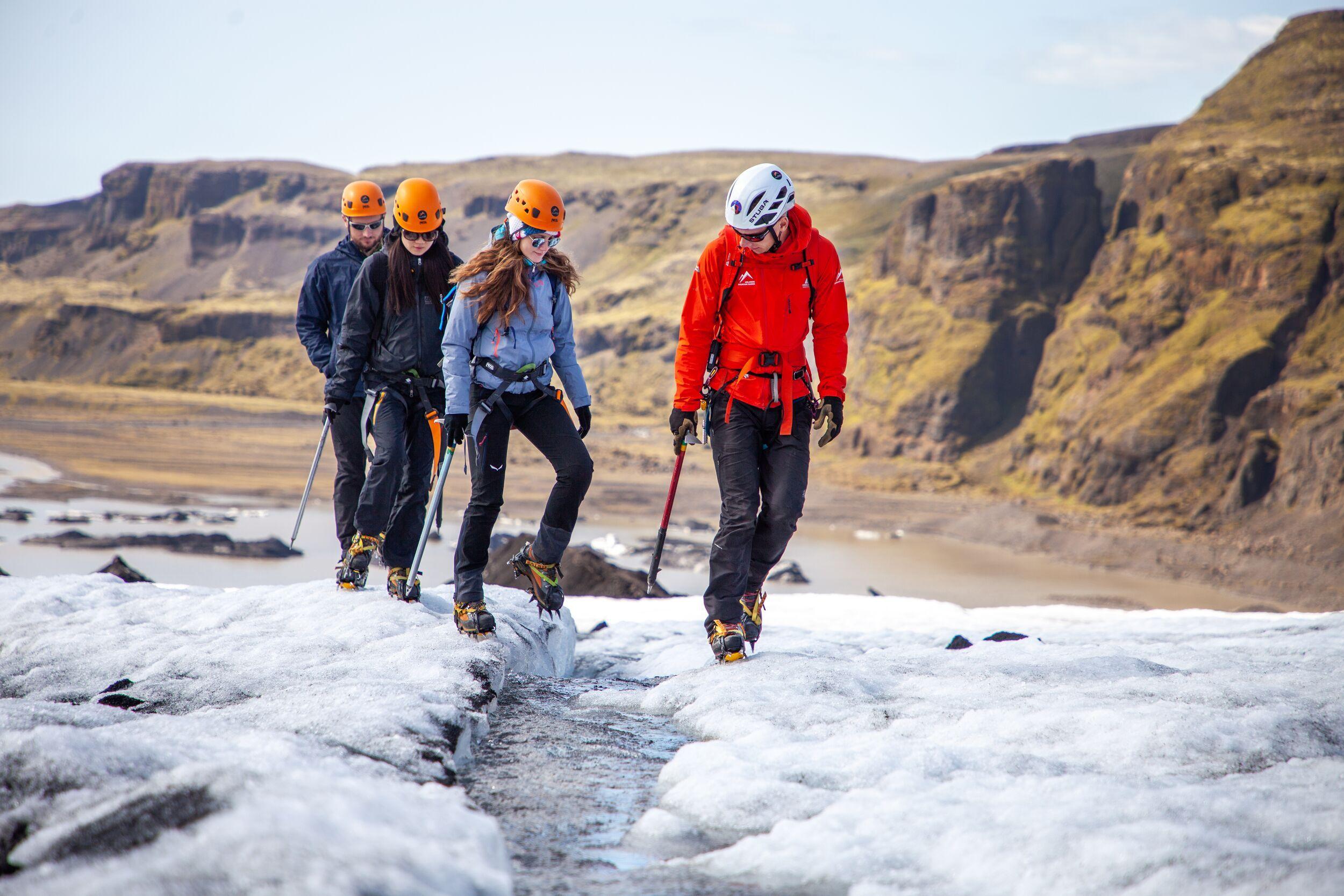
Join this guided glacier hike and explore the beautiful, icy wonderland of Iceland’s Sólheimajökull Glacier. Enjoy the fresh air, interesting shapes and hues of the ice and marvel at the vast and remote slice of south Iceland. Led by an expert guide, get up close and personal with one of the country's most famous glaciers!
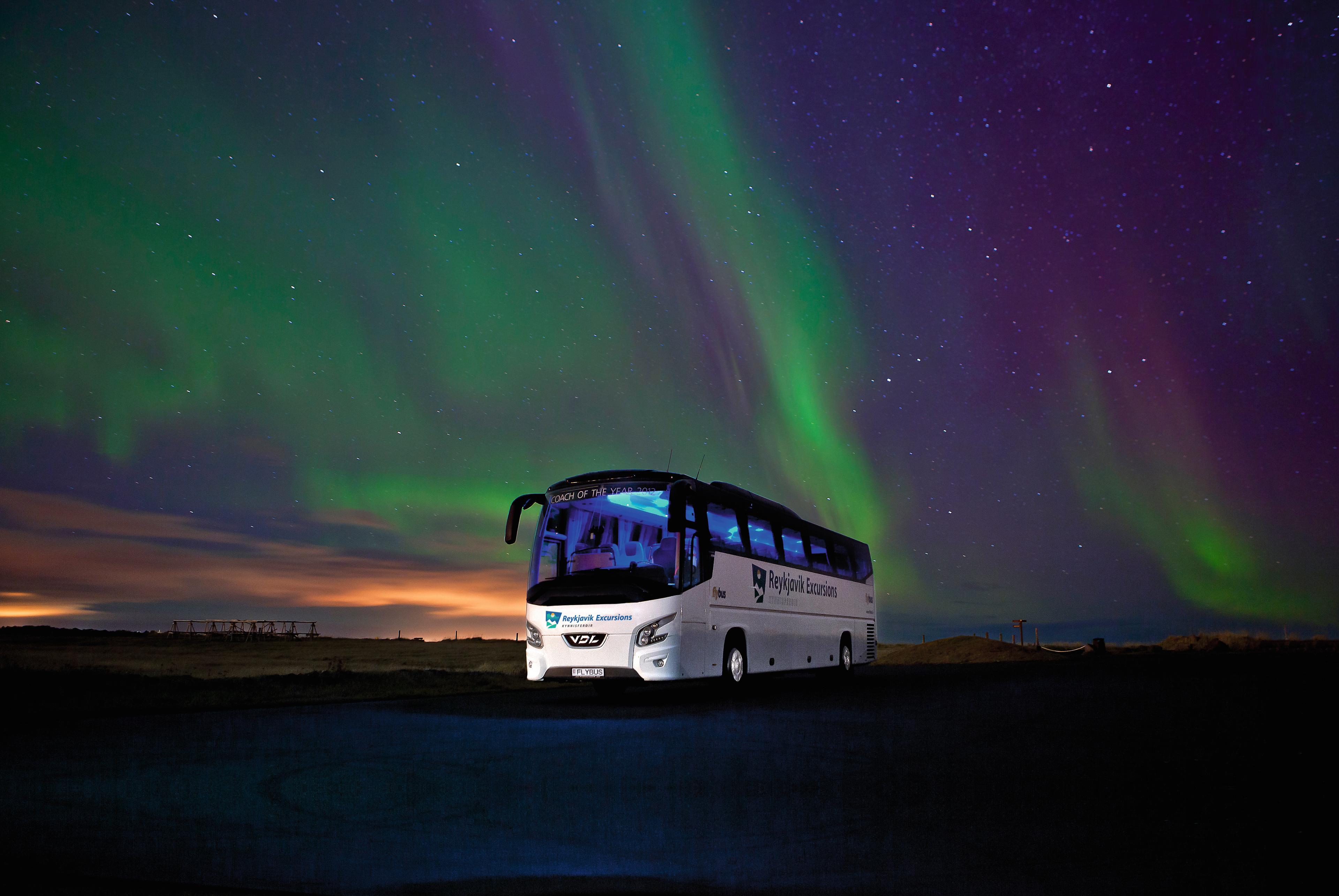
Northern Lights Tour
See the majestic Northern Lights dancing across the sky. If the skies are shy, try again free of charge as many times as you need until you see them! Learn about the phenomenon by visiting the Aurora Centre - Northern Lights Exhibition in Reykjavík; admission is included in this tour!
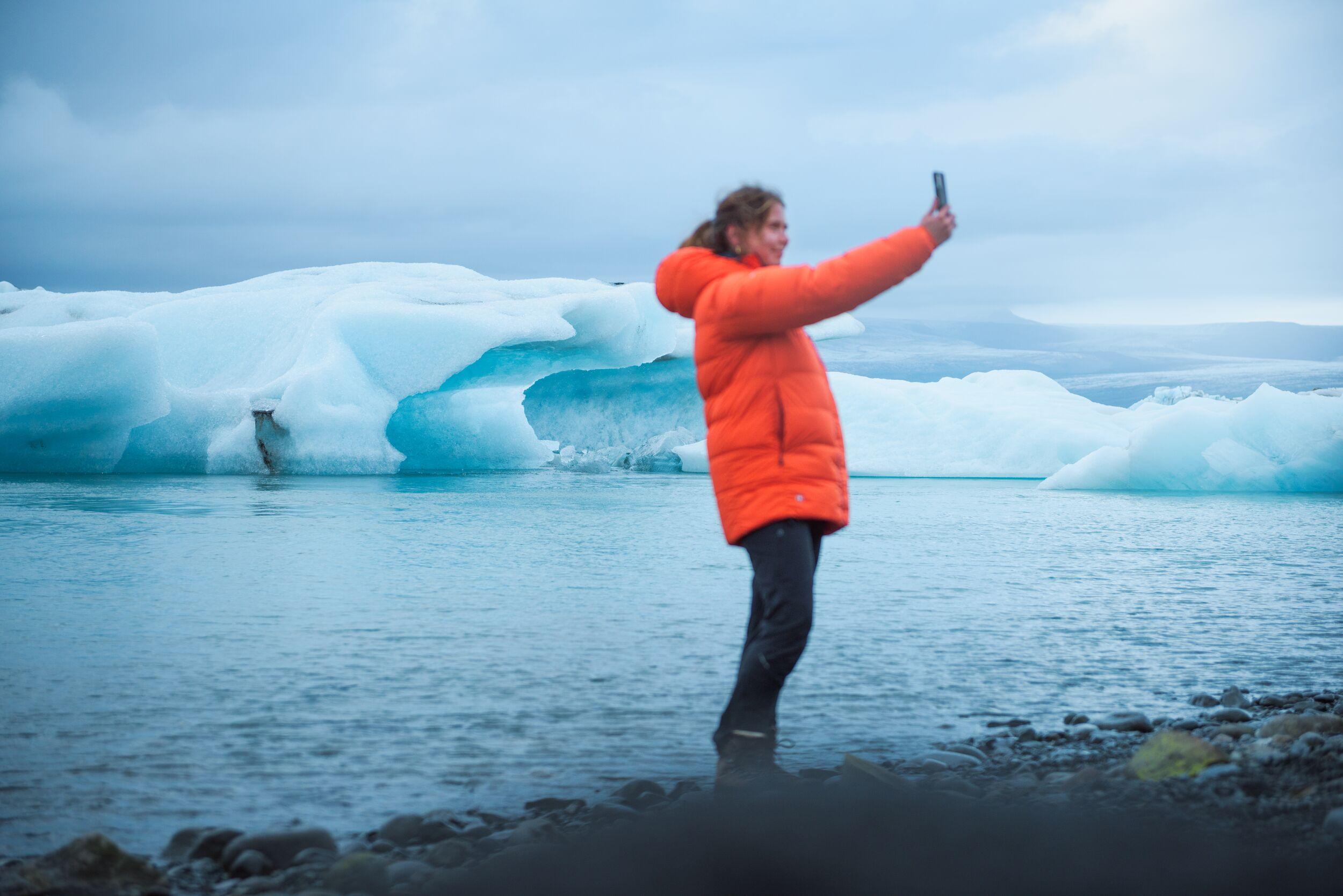
Jökulsárlón Glacier Lagoon & Diamond Beach
With its enormous white and blue icebergs breaking off from Vatnajökull glacier, the Jökulsárlón Glacier Lagoon is a natural wonder of Iceland, a sight you absolutely cannot miss. The nearby Diamond Beach has a stunning display of chunks of ice glistening on stark black sands. This tour features some of southeast Iceland's most spectacular and iconic landscapes!
Related articles
See all articles
Recommended tours
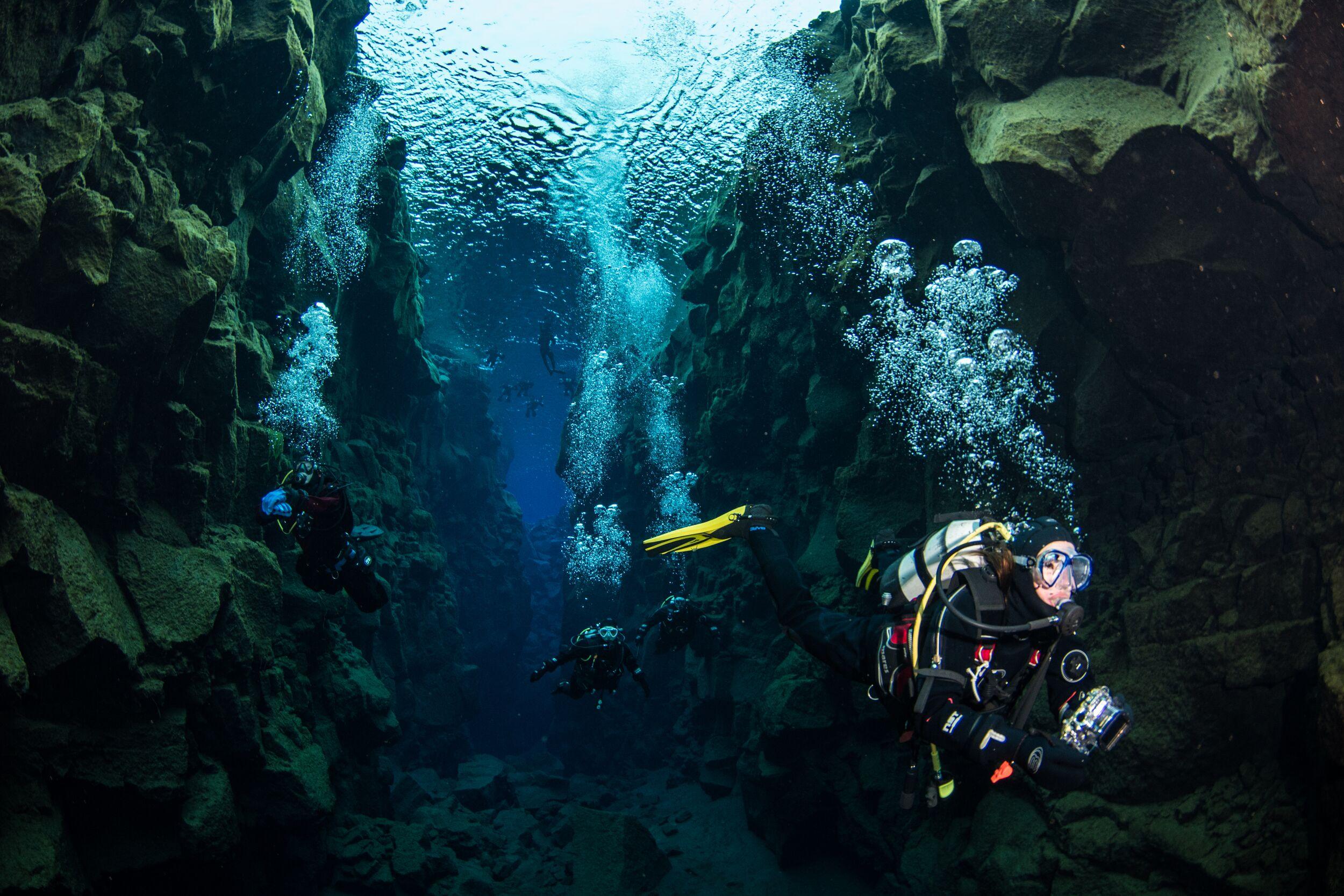
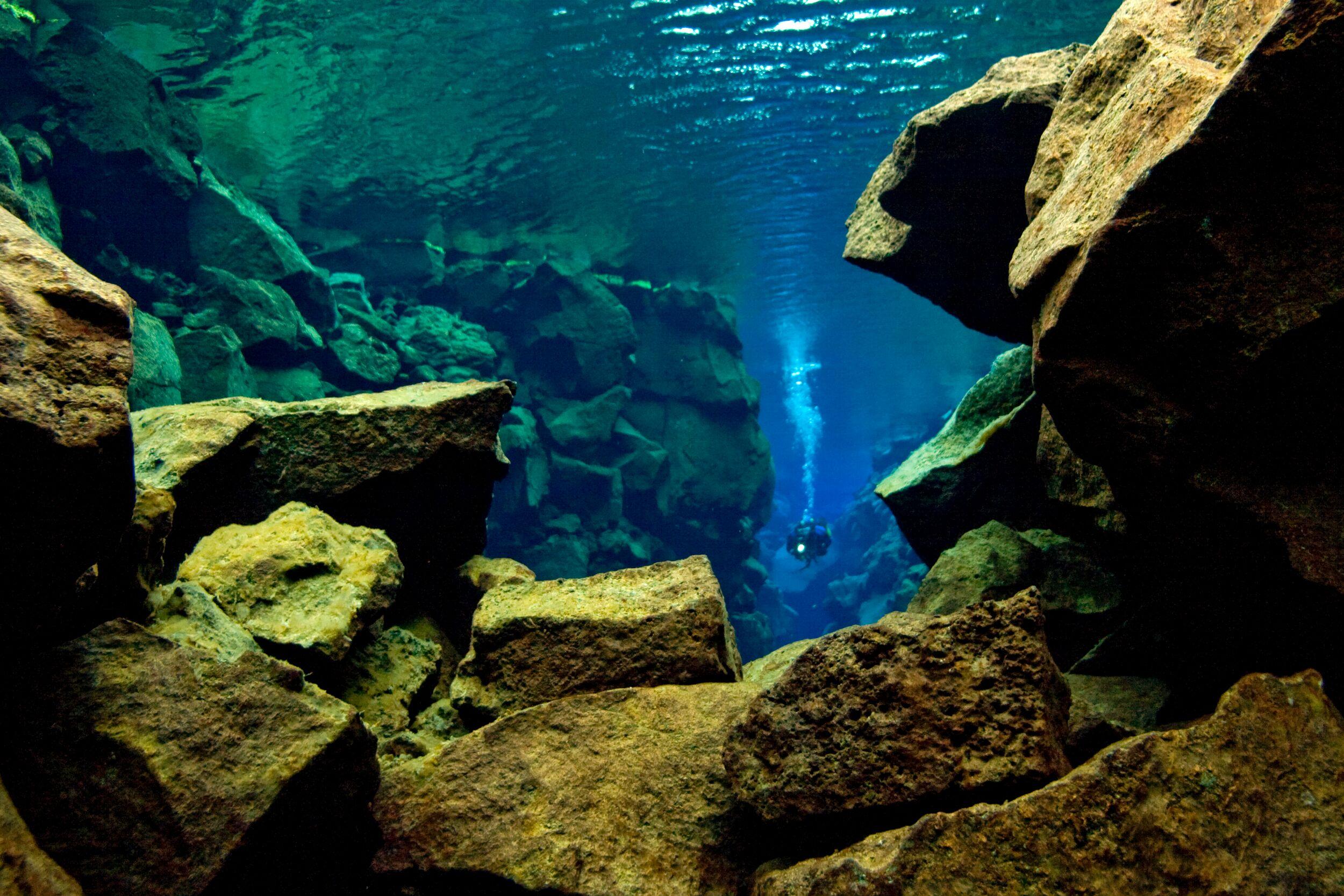
Diving Silfra Tour with Pick Up
The Diving Silfra Day Tour takes you into one of the most remarkable dive sites on the planet. Silfra is a natural fissure created by the slow separation of the North American and Eurasian tectonic plates. Here, you descend into glacial meltwater renowned for its extreme clarity, offering visibility that can exceed 100 meters. The water you dive in has travelled for decades through porous volcanic lava, acting as a natural filtration system and creating an underwater environment unlike anything else on Earth. The result is a surreal, light-filled landscape found nowhere else in the world.
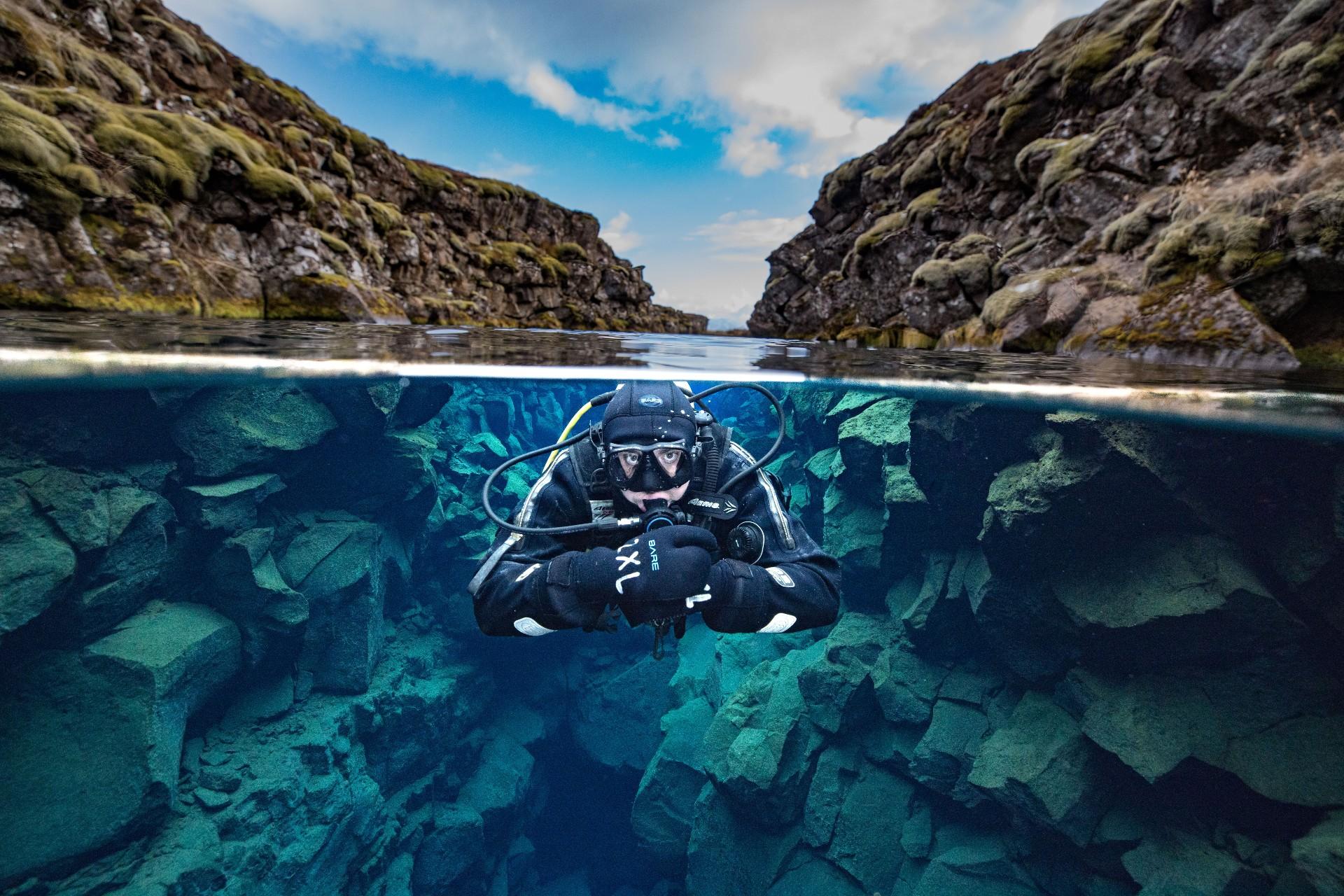
Diving Silfra Tour - Self-drive
Dive between the North American and Eurasian continental plates in this once-in-a-lifetime experience. The Silfra fissure in Þingvellir National Park fills with glacial water that has been seeping through underground lava rocks for decades producing the most transparent water on earth. The fissure allows for over 100 metres of visibility. This tour is a fantastic way not just to see Iceland but to get in the water and experience it.
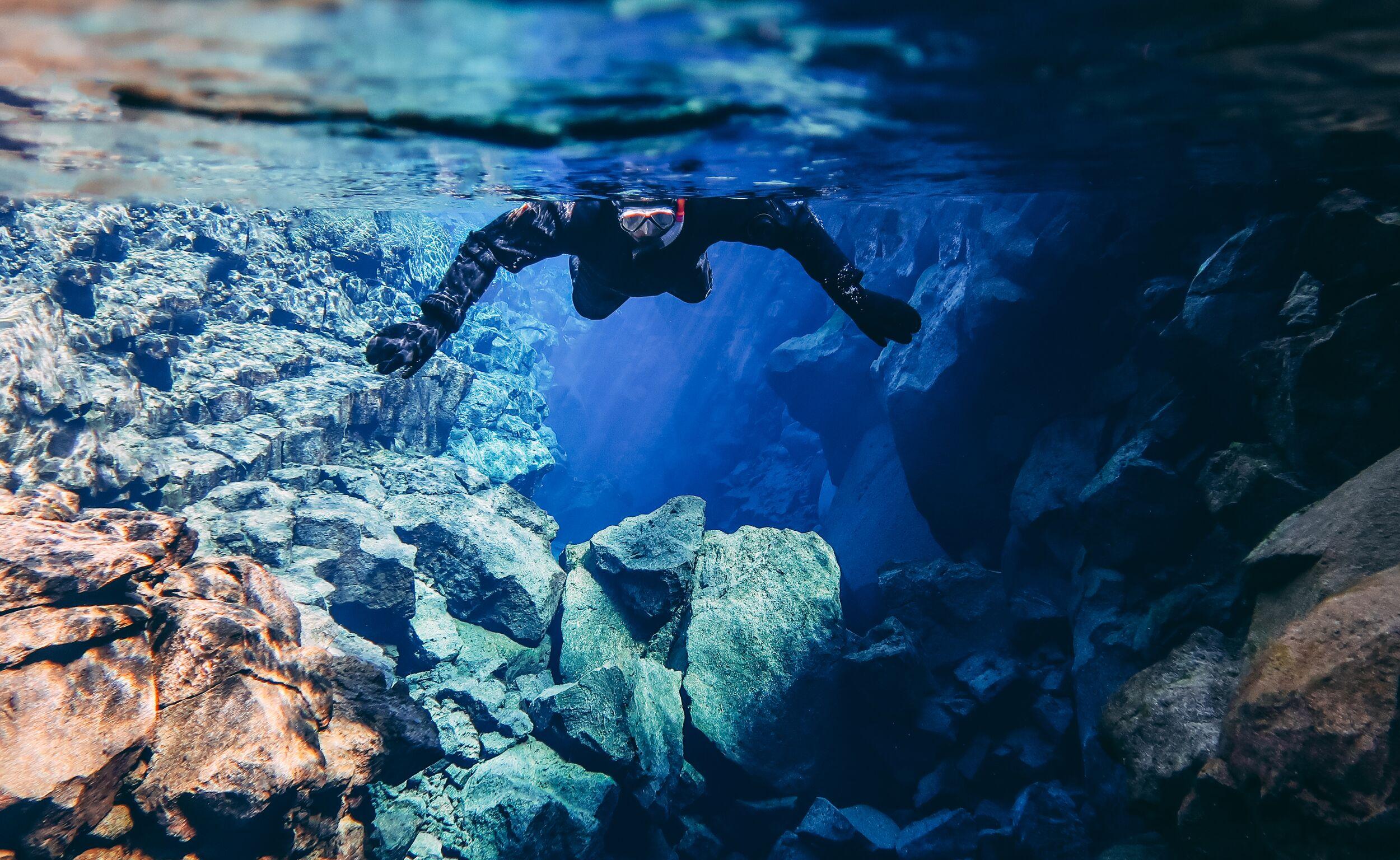
Hot and Cold Snorkelling and Spa tour - Self-drive
Snorkel between the North American and Eurasian continental plates in this once-in-a-lifetime experience. The Silfra fissure in Þingvellir National Park fills with glacial water that has been seeping through underground lava rocks for decades producing the most transparent water on earth. After snorkelling, drive your rental car to the heavenly Laugarvatn Fontana spa to warm up and relax!
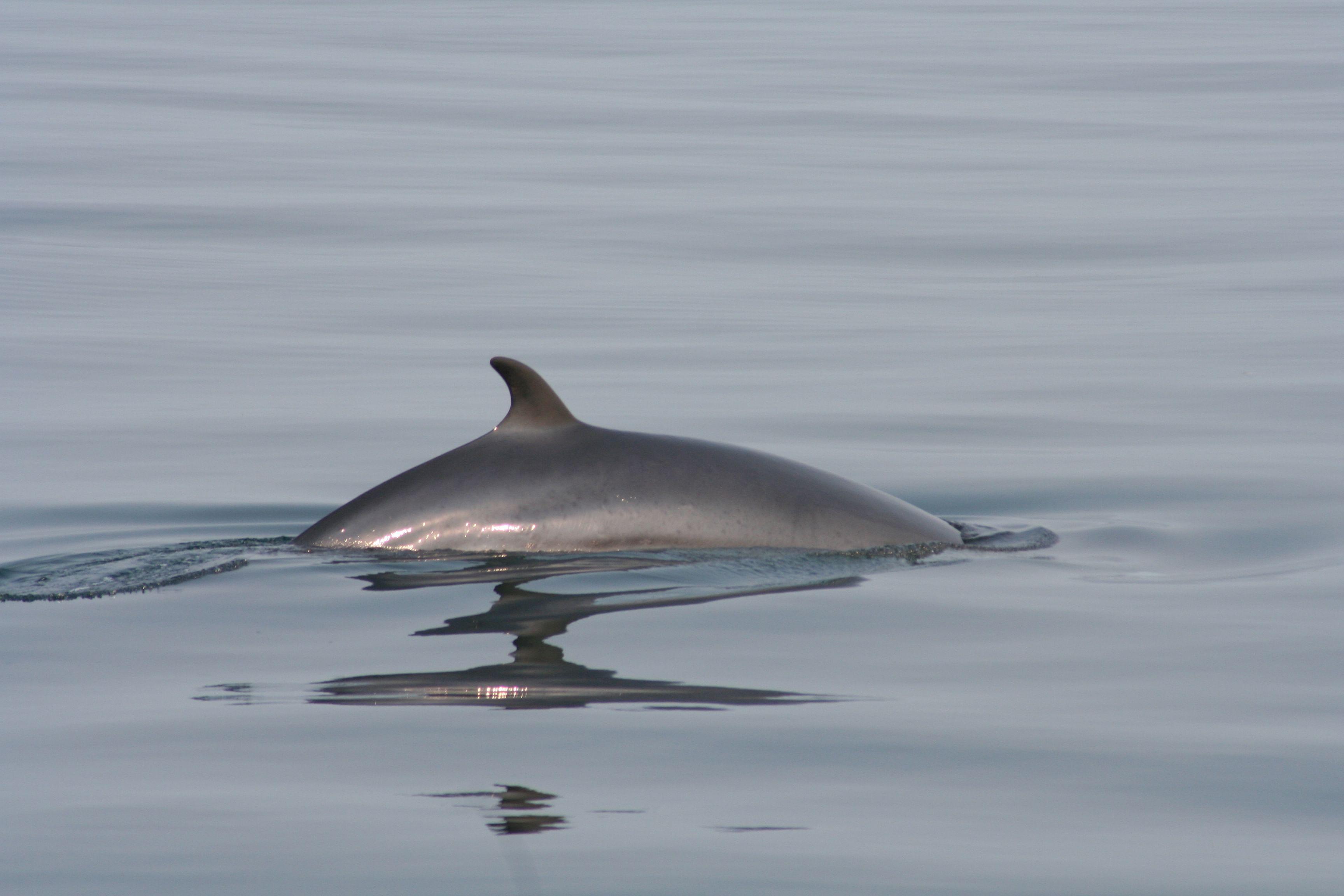
Snorkeling Silfra & Whale Watching
A self-drive day on the water: whale watching from Reykjavík's old harbour with Elding, then snorkelling between the tectonic plates in Silfra. Available February to October.
- Bestseller
Snorkelling Silfra
Snorkel between the North American and Eurasian continental plates in this once-in-a-lifetime experience. The Silfra fissure in Þingvellir National Park is filled with glacial water that has been seeping through underground lava rocks for decades producing the clearest water on earth. The fissure allows for over 100 metres of visibility.
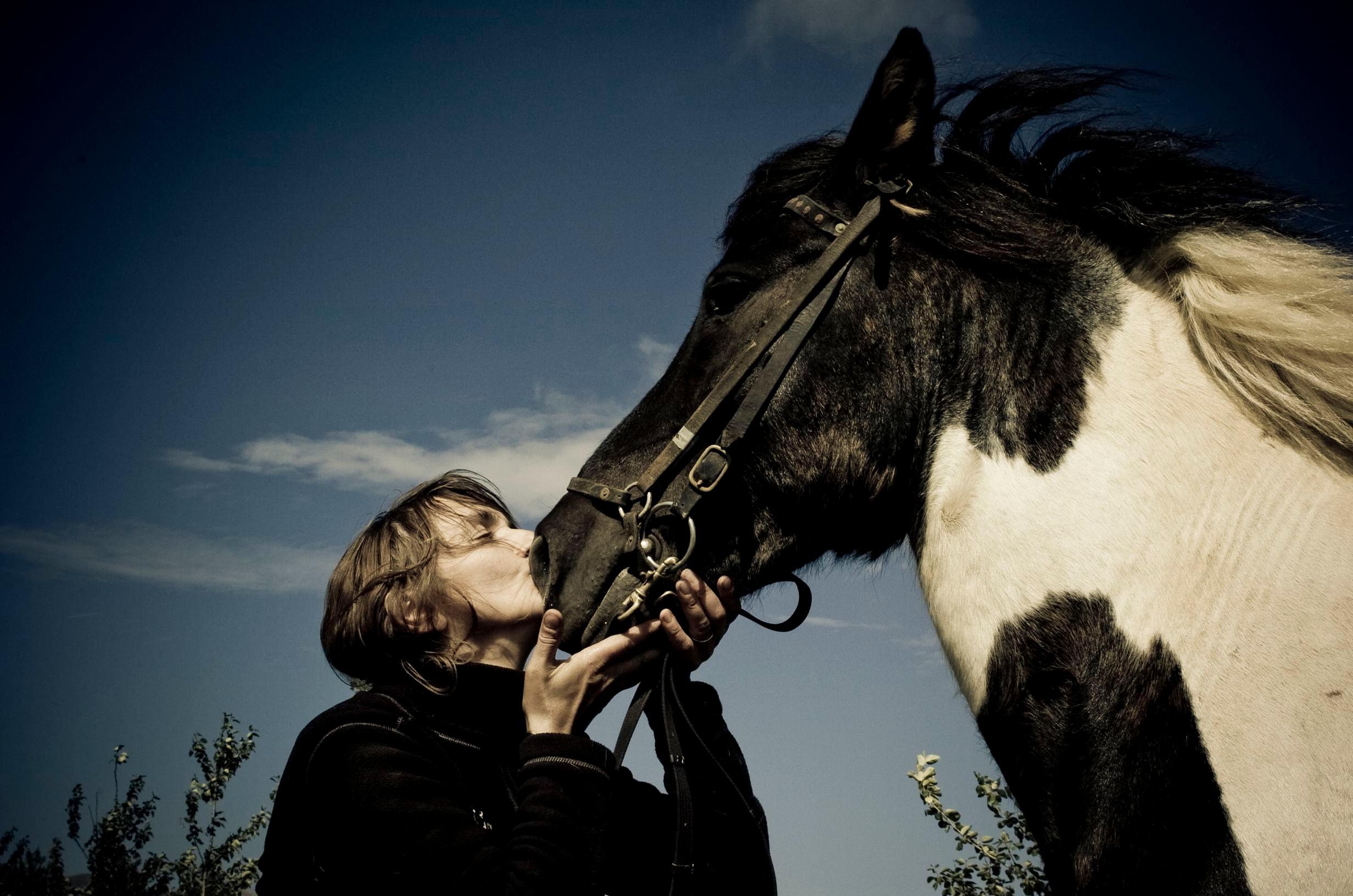
Snorkeling Silfra and Horseback Riding
A self-drive day of two Icelandic classics: a horseback ride through the scenic Mosfell valley with Laxnes Horse Farm, then snorkelling between the tectonic plates in the crystal-clear Silfra fissure.