

Iceland's UNESCO Titles, Explained: The 3 Michelin Stars of Travel
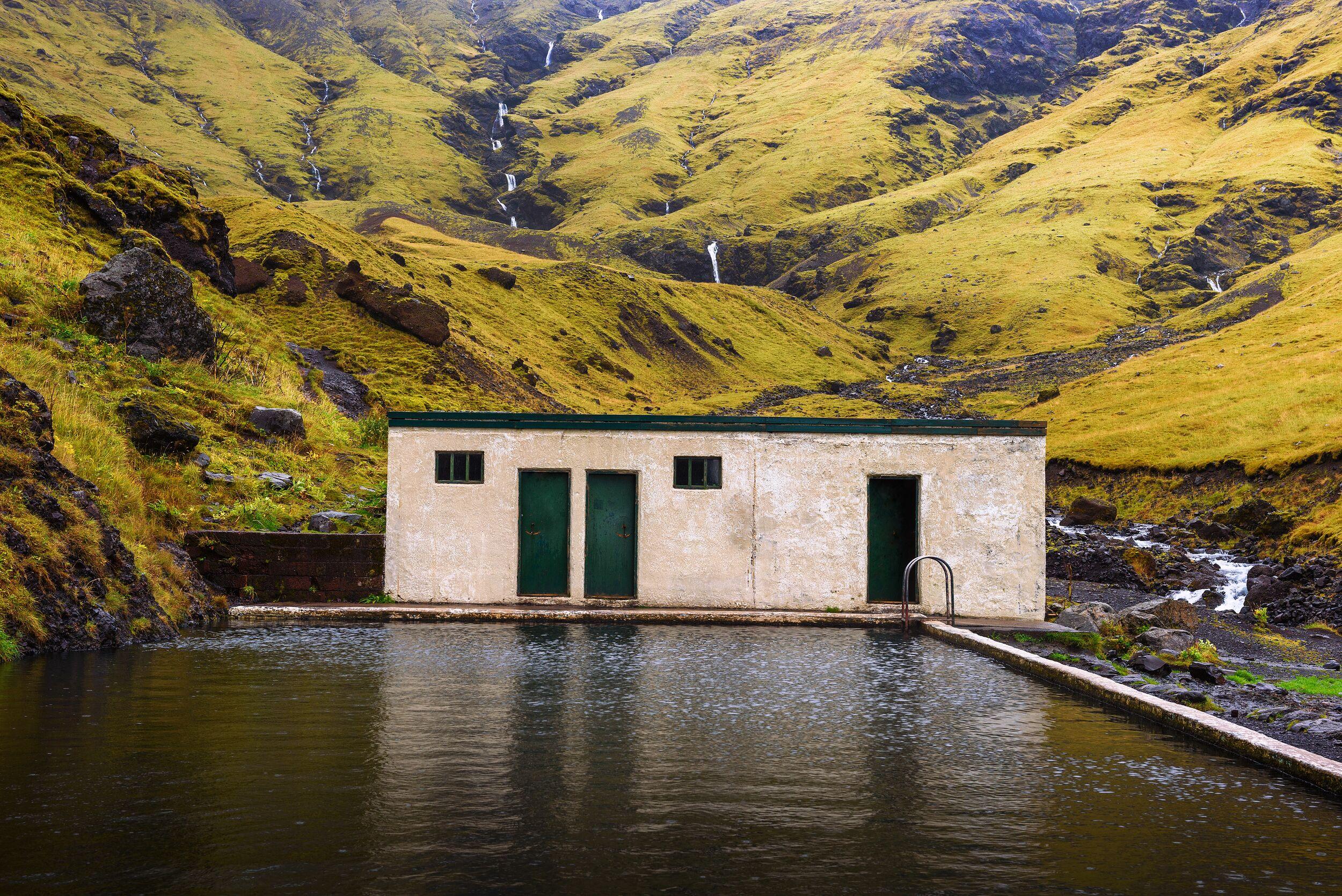
Table of Contents
- 1What a UNESCO title actually means
- 2Þingvellir National Park — Where a nation was born
- 3Surtsey — The island the world agreed to leave alone
- 4Vatnajökull National Park — Fire and ice on a continental scale
- 5The living title: Iceland's swimming-pool culture
- 6The Swimming Pool's Luxurious Sister: The Lagoon & Spa
- 7Iceland's UNESCO Global Geoparks
- 8Worth the trip: putting it all together
- 9Frequently Asked Questions
In the restaurant world, three Michelin stars mean one thing: this is not merely a good meal, it is a reason to book a flight. The guide even says so out loud — three stars are reserved for cooking that is "worth a special journey." UNESCO works the same way, only the menu is a country. When a place or a tradition earns a UNESCO title, an international jury is effectively telling the planet: this is exceptional, it belongs to all of us, and yes, it's worth the trip to experience this.
By that measure, Iceland is a very well-decorated table with an impressive menu. A nation of around 400,000 people has three UNESCO World Heritage Sites to its name, an entry on the list of Intangible Cultural Heritage, and two UNESCO Global Geoparks. That is a remarkable haul for an island that, geologically speaking, is still in its infancy and still forming. So what do these titles actually mean, why did Iceland earn them, and how do you experience them yourself? Let's unpack the whole tasting menu.

A UNESCO title is the closest thing heritage has to a Michelin star — a global promise that what you're about to see is the real thing.
What a UNESCO title actually means
UNESCO, the United Nations Educational, Scientific and Cultural Organization, keeps several different lists, and it helps to know which is which. The most famous is the World Heritage List, created by a 1972 convention to protect places of "outstanding universal value." To make it, a site has to clear a high bar: it must matter not just to its own country but to humanity as a whole, and the host nation must commit to protecting it. Sites are inscribed either for their cultural value, their natural value, or occasionally both.
There's a second, more human list too: the Intangible Cultural Heritage of Humanity. This one isn't about places at all, but about living traditions, the things people do rather than the buildings they leave behind. Think craft skills, festivals, music, foodways and rituals that are passed from one generation to the next. Finally, UNESCO Global Geoparks recognize regions where the rocks themselves tell a globally important story, and where local communities use that geology to support sustainable tourism and education.
The common thread is rigor. Nominations take years, involve mountains of documentation, and are voted on by an international committee. A title isn't a marketing slogan a destination can award itself, it's earned, scrutinized, and occasionally revoked. That's exactly why it carries weight, and why ticking off a UNESCO site feels a little like dining somewhere that just held onto its third star.
Þingvellir National Park — Where a nation was born
Inscribed in 2004, Þingvellir is Iceland's only cultural World Heritage Site, and it's a profound one. In a dramatic rift valley about an hour from Reykjavík, free Icelanders gathered every summer from around 930 AD to establish the Alþingi, one of the world's oldest parliamentary institutions. For two weeks a year, chieftains set laws and settled disputes here, treating the law as a covenant between free people. To stand at the Lögberg, the Law Rock, is to stand at the spot where the concept of Iceland as a nation came to be.
UNESCO recognized Þingvellir for that political and cultural legacy, but nature put on a show here too. The valley sits squarely on the boundary between the North American and Eurasian tectonic plates, which are slowly pulling apart. You can literally walk through the gap between two continents. It's also the most popular stop on the classic Golden Circle route, which makes it the easiest UNESCO box to tick on any first trip to Iceland.
The simplest way to visit is a guided Golden Circle tour from Reykjavík, which pairs Þingvellir with the Geysir hot springs and Gullfoss waterfall. For something unforgettable, the same park hides Silfra, a flooded fissure with up to 120 metres of underwater visibility, some of the clearest water on Earth. A Silfra snorkeling tour between the tectonic plates lets you float in the gap between continents, and it's consistently rated one of the best things to do in the whole country and was recently named the number one “Once in a lifetime” experience in the world by Tripadvisor.
Surtsey — The island the world agreed to leave alone
Surtsey is the UNESCO site almost nobody gets to set foot on, and that's precisely the point. In November 1963, Icelanders watched a new island claw its way out of the sea during an underwater eruption that lasted until 1967. Iceland made a bold decision: rather than develop it, the country sealed Surtsey off as a living laboratory. Only a handful of scientists are ever allowed ashore.
UNESCO inscribed Surtsey in 2008 as a natural site for a reason no other place could match: it offers an undisturbed, decade-by-decade record of how life colonizes brand-new land. Seeds arrive on currents, birds bring nutrients, plants take root, insects follow. It is one of the most pristine ecological case studies on the planet, and its value lies in being left almost entirely alone. You can glimpse Surtsey from boat tours and flights around the Westman Islands, but the island itself remains nature's private experiment.
This is one place in Iceland you can be sure we won’t organize a tour of.
Vatnajökull National Park — Fire and ice on a continental scale
Iceland's newest World Heritage Site, inscribed in 2019, is also its largest by far. Vatnajökull National Park covers roughly 14% of the country and is built around Europe's biggest ice cap outside the Arctic. What earned it the title is a rare combination: active volcanoes sitting directly beneath a vast glacier, producing a dynamic landscape of subglacial eruptions, glacial floods, ice caves, canyons and waterfalls found almost nowhere else on Earth.
This is where "fire and ice" stops being a slogan and becomes a hike. The Skaftafell area, within the park, is the launch point for some of Iceland's best glacier adventures. A guided Vatnajökull glacier hike and ice cave tour at Skaftafell takes you onto the ice with crampons and a certified guide, into a world of blue crevasses and crystal caves that exists inside a UNESCO World Heritage Site. Few places let you walk on a globally protected wonder quite so directly.
The living title: Iceland's swimming-pool culture
In December 2024, UNESCO added something delightfully un-monumental to its Intangible Cultural Heritage list: Icelandic swimming-pool culture. It was Iceland's first independent entry on that list, and it honours not a building or a view but a daily ritual. Across the country there are well over 120 public pools, most of them heated year-round by geothermal water, many with the hot-pots (hot tubs) where Icelanders soak through rain, snow and the long dark winter.
Why does a swimming pool deserve the same kind of recognition as a cathedral or a glacier? Because of what happens in the water. Iceland's pools are run by communities for communities, and they function as the country's great social levellers, places where toddlers, teenagers, pensioners and the prime minister might share the same hot-pot and the same gossip. The nomination, led by the National Museum of Iceland, described pool culture as a space of equality, wellbeing and belonging. One Icelandic sentiment sums it up: the pool is the soul of the nation.
Iceland is the world-record holder in most public swimming pools per capita and if you spend any time at all in Iceland, you’ll soon see why. Almost every single tiny town has a pool. They are a vital part of every community and function both as a health centre and much like the English pub. It’s where you work out, relax, play with your kids, meet your neighbours, go on a date, see your friends and catch up on gossip.
For a visitor, this is the most accessible UNESCO experience in Iceland and probably the cheapest. You don't need a tour or a four-wheel drive; you need a swimsuit and a few hundred krónur. Shower properly (without a swimsuit — it's the sacred local rule), slip into the warm water, and you're participating in a tradition the entire world has agreed is worth protecting.
UNESCO calls Iceland's swimming-pool culture the 'soul of the nation' - proof that heritage isn't only carved in stone. Sometimes it's 38°C and smells faintly of sulphur.
The Swimming Pool's Luxurious Sister: The Lagoon & Spa
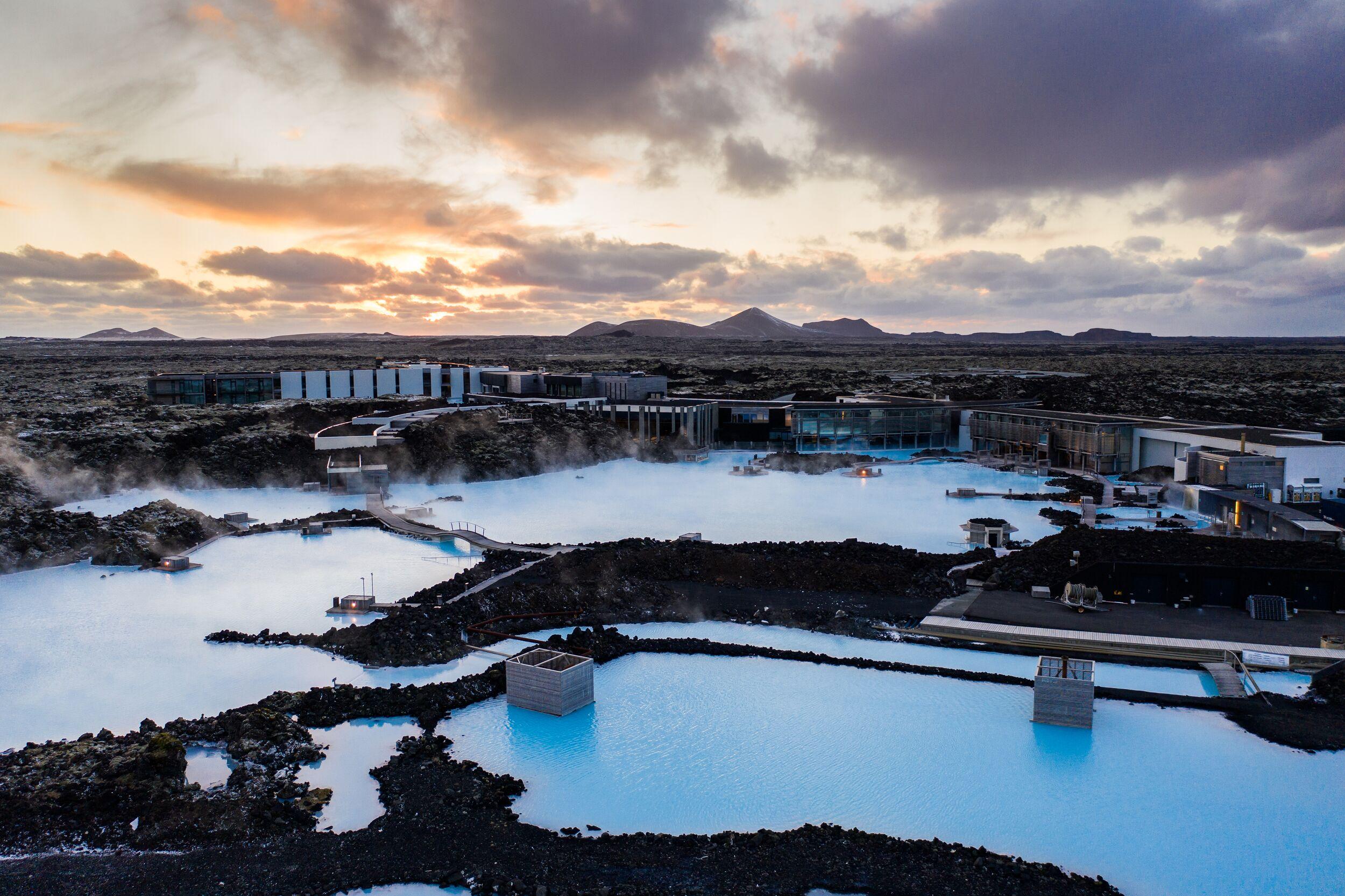
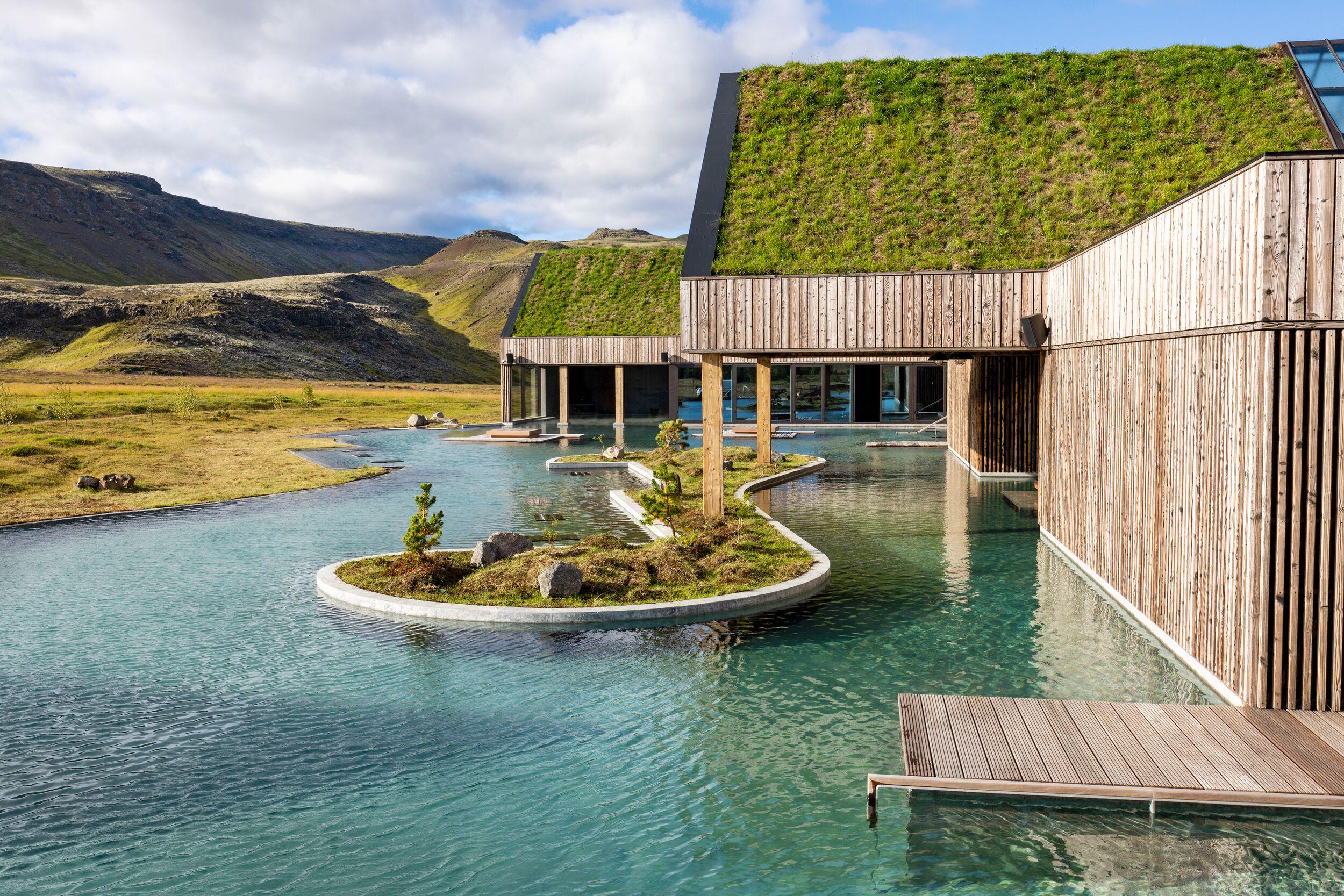
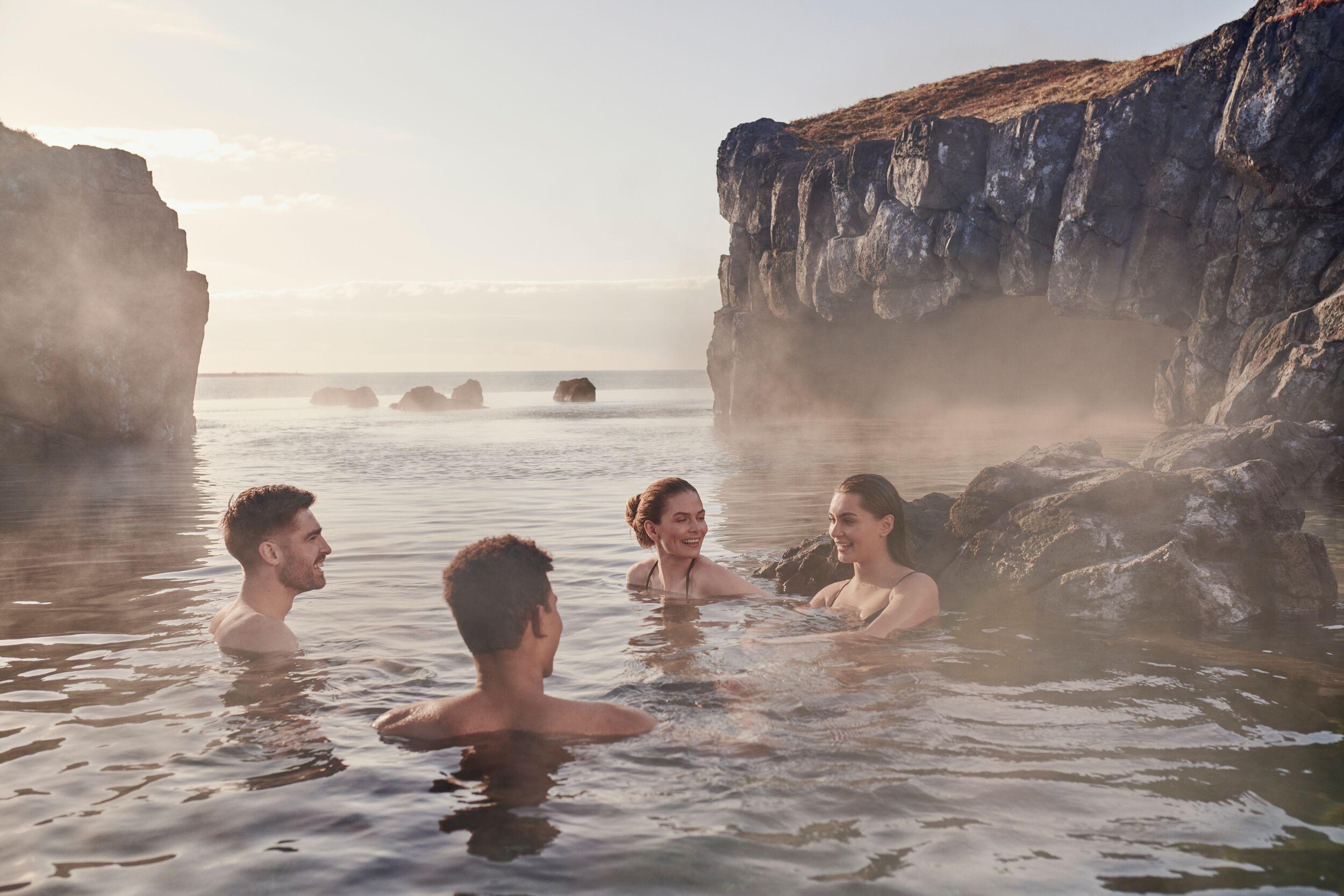
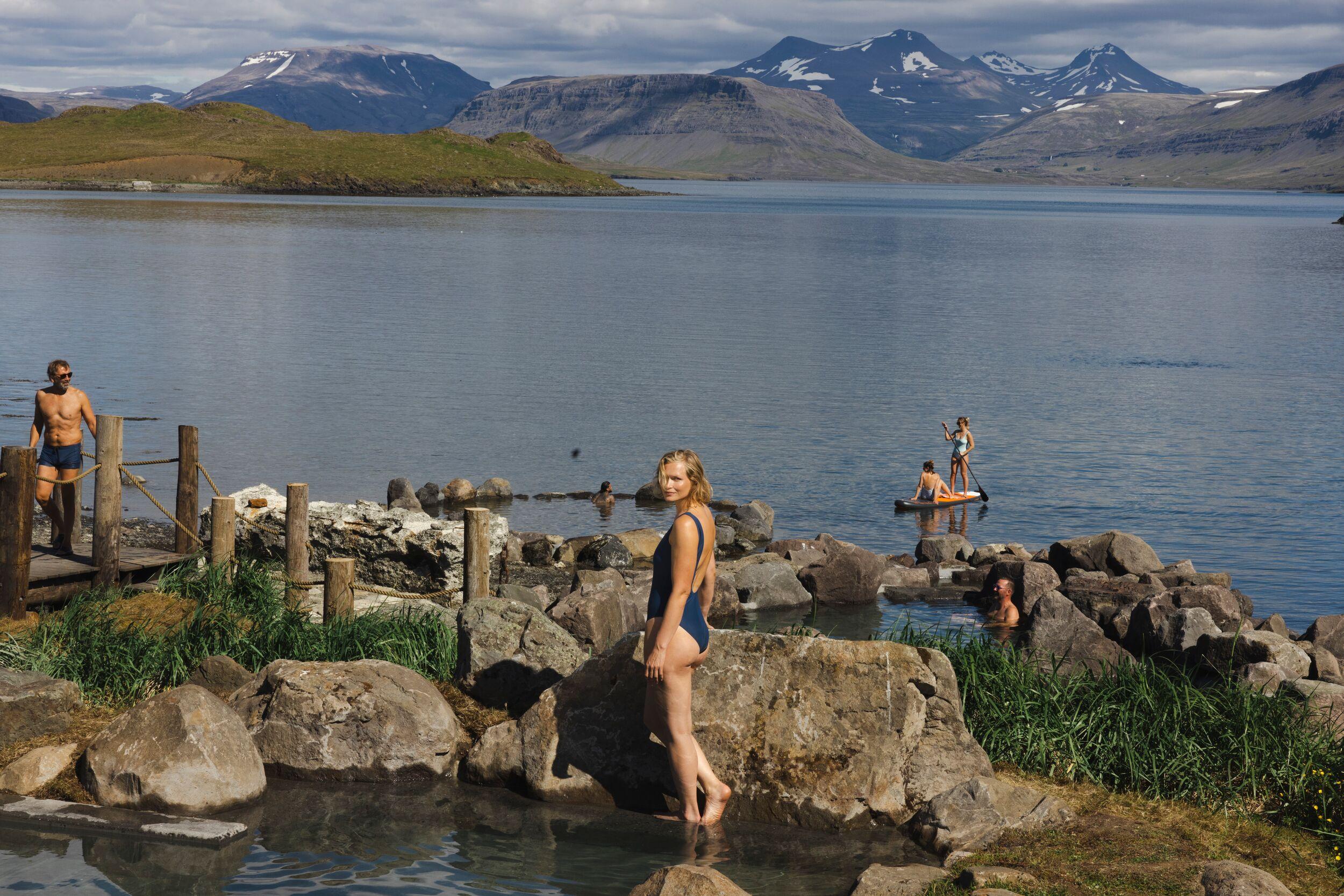
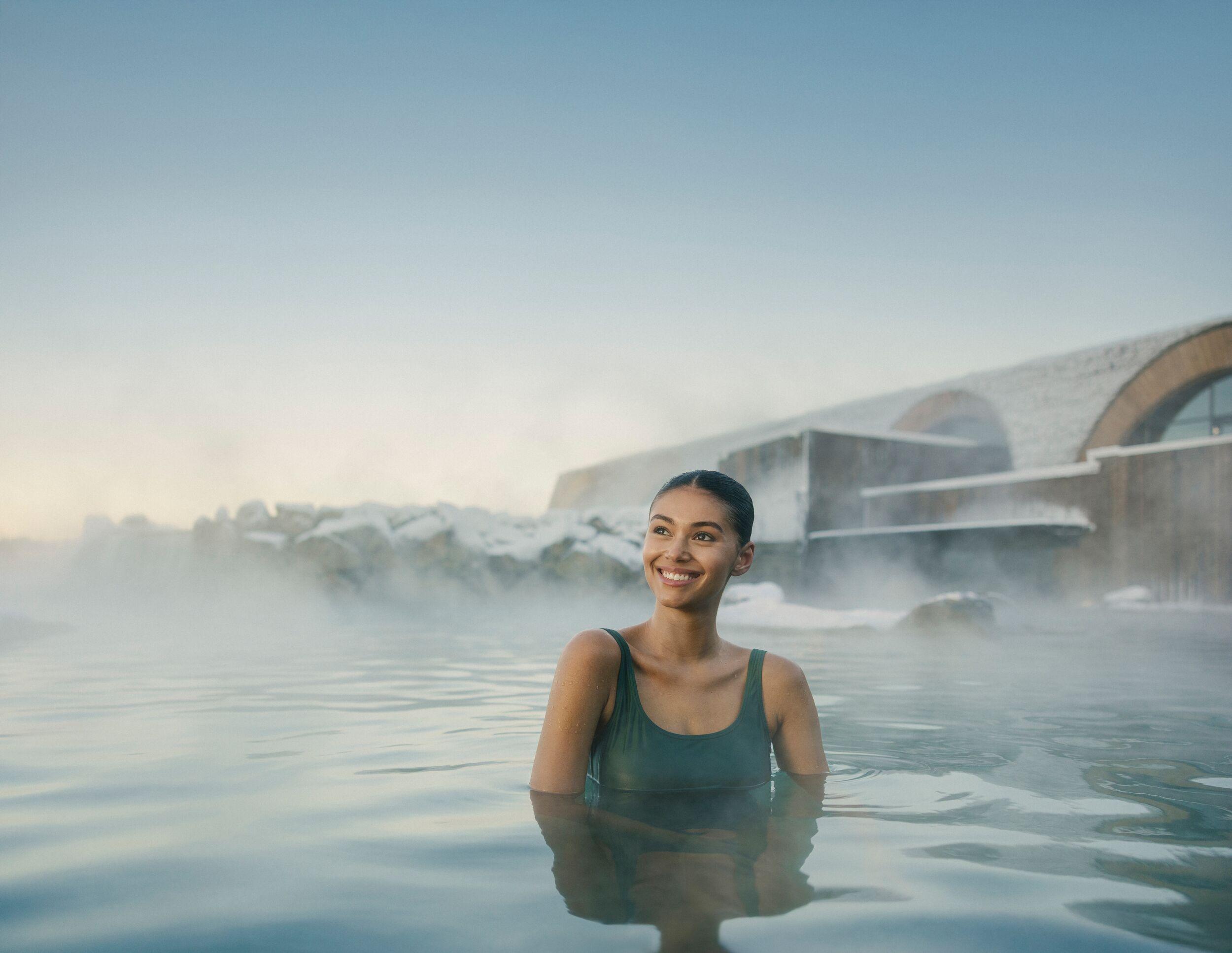
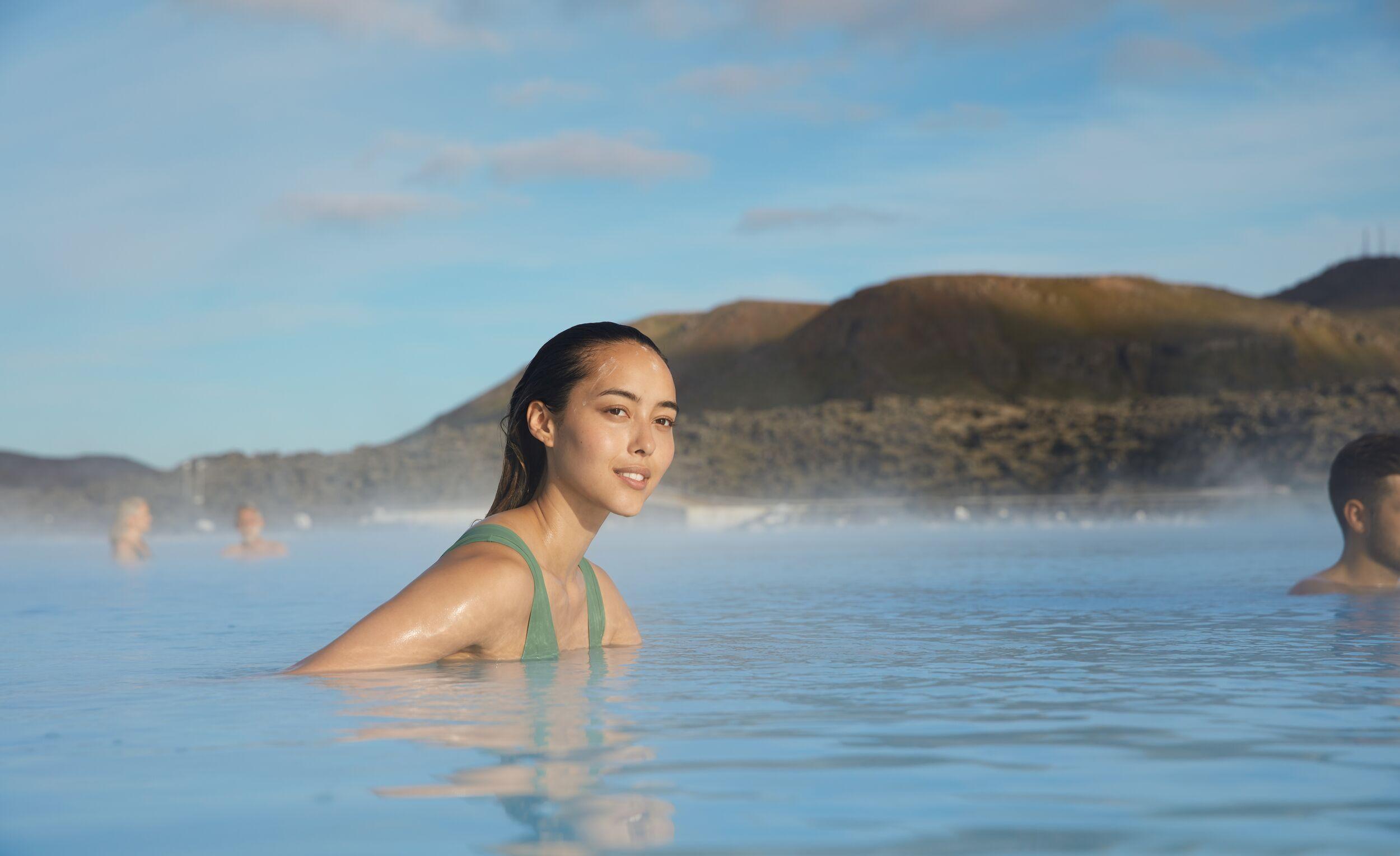
If the neighbourhood pool is Iceland's everyday ritual, the geothermal lagoon is its weekend indulgence, same warm, mineral-rich water, dialled all the way up to luxury. Where the local pool is about community and routine, the lagoon is about surrender: floating in milky-blue water with a drink from the swim-up bar, a silica mask on your face, and steam curling off the surface into the cold Atlantic air. It's the same UNESCO-honoured relationship with hot water that defines Icelandic life, just wrapped in robes, restaurants and ocean views. The Blue Lagoon made the experience world-famous, while Reykjavík's newer Sky Lagoon turned it into theatre, with an infinity edge that spills toward the sea. Newer lagoons embrace different aspects, Hvammsvík offers ocean bathing in a secluded fjord, Laugarás is nestled in the Icelandic countryside on the Golden Circle with its river views and the brand-new Reykjaböð sits in the steam valley of Reykjadalur, with its world-famous hot river neighbour and glorious surroundings just outside Reykjavík. You can build visits to these lagoons into a day of sightseeing, or simply go to soak and if you've spent the morning ticking off UNESCO sites, there's no finer way to end it. Explore our geothermal lagoon and spa tours to combine the country's headline wonders with a long, well-earned float, or head straight for a Blue Lagoon tour from Reykjavík or a Sky Lagoon tour with ocean views.
Lagoons We Recommend
Iceland's UNESCO Global Geoparks
Beyond the headline World Heritage Sites, Iceland holds two UNESCO Global Geoparks, regions where the geology is so significant it's treated as a shared inheritance. Katla UNESCO Global Geopark, in the south, sprawls across roughly 9% of the country and takes in the volcanoes of Eyjafjallajökull and Katla, glaciers, black-sand deserts and more than 150 recorded eruptions since the 9th century. Reykjanes UNESCO Global Geopark, on the peninsula near Keflavík airport, has a unique claim to fame: it's the only place on Earth where the Mid-Atlantic Ridge rises clearly above sea level, so you can see two continents drifting apart on dry land.
The Katla geopark is also where Iceland's most photogenic ice caves form each winter. An ice cave tour on Iceland's South Coast leads you into electric-blue chambers carved by meltwater, while a full-day South Coast and glacier hiking tour strings together waterfalls, stunning views and a guided walk on Sólheimajökull glacier, all within geopark territory.
Worth the trip: putting it all together
Here's the beautiful thing about Iceland's UNESCO collection: you don't have to choose between fire, ice and culture, because they sit so close together. That closeness is a big part of what makes Iceland unlike anywhere else. In a single week you can stand in the parliament-valley of Þingvellir, soak in a neighbourhood pool that the world now protects, take a glacier hike in Iceland on Sólheimajökull, and watch new land breathe off the coast of the Westman Islands. Each one earned its title the hard way, through years of scrutiny by people whose job is to decide what humanity should never lose.
That's the real value of a UNESCO title. It's not a sticker on a brochure; it's a hard-won verdict that a place or a practice is irreplaceable. So the next time you see those six letters next to a glacier, a rift valley or a humble heated pool, treat them the way a food lover treats three Michelin stars, not as a detail, but as an invitation. This one's worth the journey.
Most countries spend a lifetime chasing one UNESCO title. Iceland collects them the way a great restaurant collects stars, and then encourages you to come taste for yourself.
Frequently Asked Questions
Iceland has three UNESCO World Heritage Sites: Þingvellir National Park (inscribed 2004, cultural), Surtsey island (2008, natural) and Vatnajökull National Park (2019, natural). On top of these, Iceland has one element on UNESCO's Intangible Cultural Heritage list — its swimming-pool culture — and two UNESCO Global Geoparks, Katla and Reykjanes.
Þingvellir was inscribed in 2004 for its cultural value. It was the site of the Alþingi, one of the world's oldest parliaments, where Icelanders gathered to make laws from around 930 AD. It sits in a dramatic rift valley on the boundary of the North American and Eurasian tectonic plates, and it's the most popular stop on the Golden Circle route.
No — Surtsey is closed to the public. Since it emerged from the sea in 1963, the island has been protected as a scientific reserve so researchers can study, undisturbed, how life colonizes new land. Only a small number of scientists are permitted ashore. Visitors can see Surtsey from boat tours and sightseeing flights around the Westman Islands.
In December 2024, UNESCO added Icelandic swimming-pool culture (sundlaugamenning) to its list of Intangible Cultural Heritage of Humanity — Iceland's first independent entry. Iceland has 120-plus geothermally heated public pools that serve as community gathering places and social equalizers, open to everyone year-round. UNESCO recognized the tradition as a living expression of wellbeing, equality and belonging.
The easiest is a Golden Circle tour, which includes Þingvellir. You can snorkel between the continents on a Silfra tour in the same park, hike a glacier and ice cave within Vatnajökull National Park at Skaftafell, and explore ice caves and Sólheimajökull glacier inside the Katla Geopark on a South Coast tour. Swimming-pool culture you can experience yourself at almost any local pool for a small entry fee.
It's a fair comparison. Three Michelin stars are awarded for cooking that is 'worth a special journey,' and a UNESCO designation similarly signals that a place or tradition has 'outstanding universal value' to all of humanity. Both are earned through rigorous, independent evaluation rather than self-promotion — which is exactly why both are worth planning a trip around.
Recommended tours
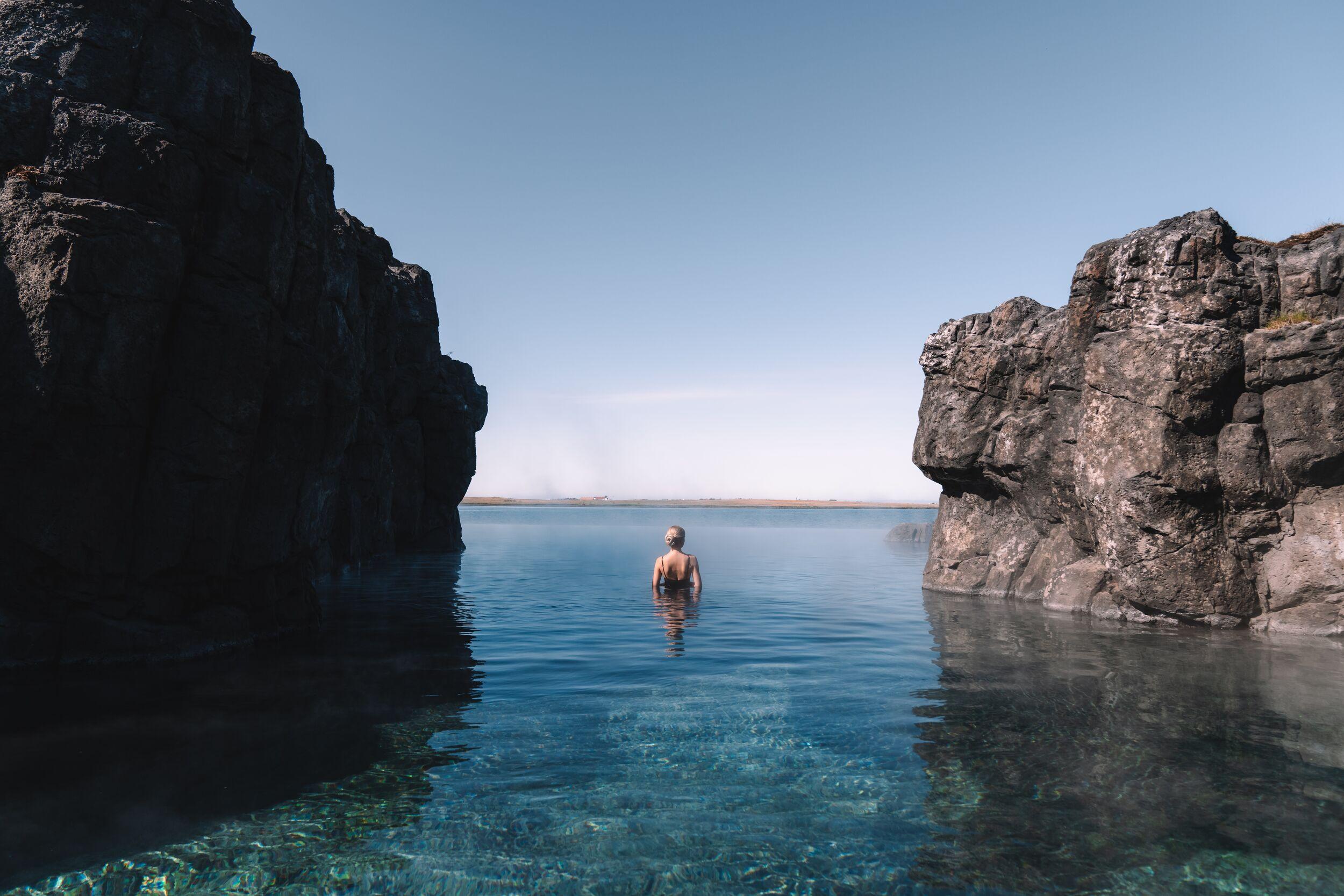
Volcanic Wonders with Grindavík Visit & the Sky Lagoon
Discover Iceland’s geothermal heart in the UNESCO-recognized Reykjanes Geopark, where continents meet and drift apart. Explore a vibrant geothermal area, hike to freshly-formed lava fields, and visit the resilient fishing village of Grindavík. This carbon-neutral journey ends with pure relaxation at Reykjavík’s Sky Lagoon, where you can soak in warm waters and unwind with a luxurious spa ritual.
- Multiday Tour
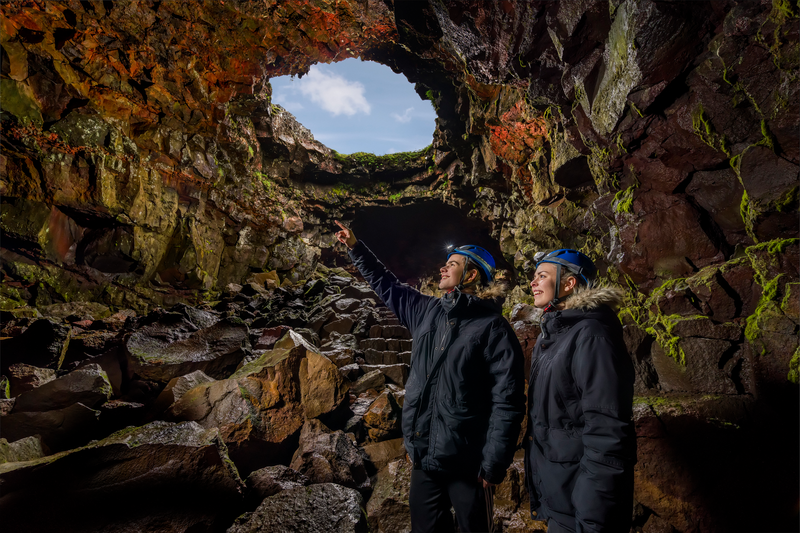
Iceland On a Budget - 7 days
Explore Iceland’s breathtaking landscapes, geothermal hot springs, and volcanic wonders on this 7-day (6 nights) Iceland on a Budget package. See the geysers and waterfalls of the Golden Circle, marvel at the black sand beaches of the South Coast, and discover Reykjavík’s cultural landmarks on a guided small-group walking tour. Relax in the serene geothermal pools of Hvammsvík and step inside a real lava tunnel, where you’ll walk through Iceland’s volcanic history. With affordable travel, carbon-neutral transfers, and expert local guides, this package provides a budget-friendly way to experience Iceland’s best sights.
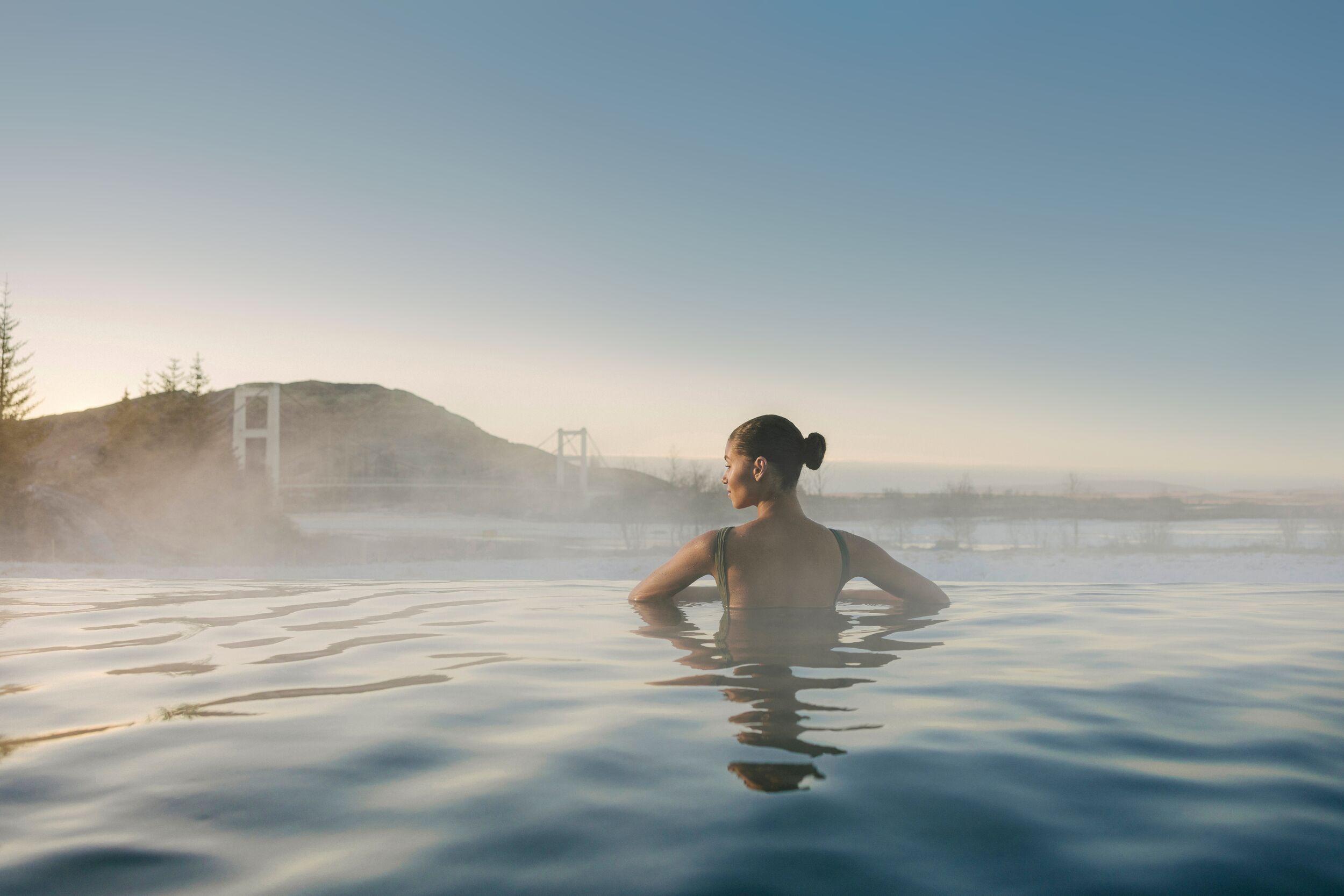
Golden Circle and Laugarás Lagoon Birki Admission
Begin your adventure with a journey through the iconic Golden Circle, where you'll discover three of the country’s most breathtaking natural wonders: Gullfoss waterfall, the erupting hot springs of Geysir, and the historic rift valley of Þingvellir National Park. End your day of wonders with a relaxing soak in the geothermal waters of Laugarás Lagoon, a tranquil spa in the Icelandic countryside.
Golden Circle and Laugarás Lagoon Lerki Admission
Start your journey with the legendary Golden Circle to experience three of Iceland’s most awe-inspiring natural landmarks: the majestic Gullfoss waterfall, the bubbling hot springs at Geysir, and the historical rift valley of Þingvellir National Park. Finish your day of adventure with a soothing dip in the geothermal waters of Laugarás Lagoon (Lerki admission), a serene spa nestled in Iceland’s scenic countryside.
Golden Circle & Blue Lagoon
Experience the best of Iceland with this package of two of the island’s most popular tours in one day! The Golden Circle encompasses the must-see sights of Þingvellir National Park, the golden Gullfoss waterfall, and the bubbling geothermal region of Geysir. After touring the landmarks, soak in the milky blue healing water of the Blue Lagoon.
Glacier Discovery - 3.5-hour Sólheimajökull Glacier Hike
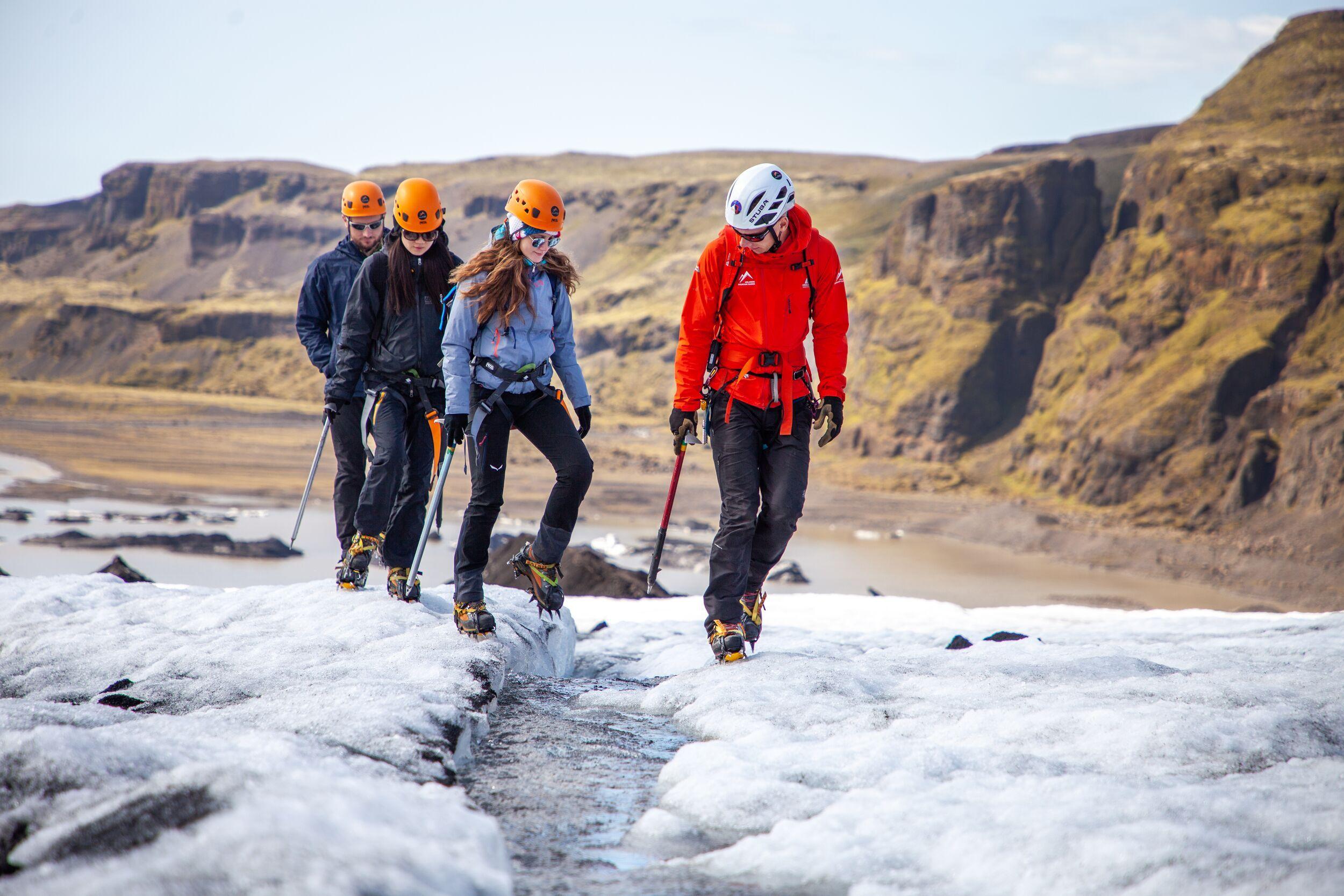
Join this guided glacier hike and explore the beautiful, icy wonderland of Iceland’s Sólheimajökull Glacier. Enjoy the fresh air, interesting shapes and hues of the ice and marvel at the vast and remote slice of south Iceland. Led by an expert guide, get up close and personal with one of the country's most famous glaciers!